


Singapore Leads the Way in Maritime Energy Future: Ammonia Bunkering Innovation

Singapore Leads the Way in Maritime Energy Future: Ammonia Bunkering Innovation In a groundbreaking announcement, a consortium led by Keppel Ltd. has marked a significant milestone in the transition towards a low-carbon maritime and energy future in Singapore. In collaboration with the Energy Market Authority (EMA) and the Maritime and Port Authority of Singapore (MPA), this consortium has been selected to lead the next phase of a pioneering project on Jurong Island. This ambitious project aims to develop the first low or zero carbon ammonia power generation and bunkering solution in the country. The importance of this project lies not only in its focus on decarbonization but also in its capacity to establish Singapore as a leader in innovative energy solutions. The foundation of the project is the design and development of an ammonia-powered energy plant, which will incorporate integrated bunkering capabilities. If successfully implemented, this facility could be one of the first direct ammonia combustion plants in the world, setting a new standard for clean energy solutions. The consortium selection process was meticulous, starting with a rigorous Request for Proposal (RFP) where Keppel, along with Sumitomo Corporation and Advario, successfully completed a pre-Front End Engineering Design (pre-FEED) study. Now, the consortium has been given the green light to undertake a comprehensive FEED study, covering the ammonia value chain from energy generation to terminal infrastructure and bunkering systems. Innovation and Sustainability: Keppel’s Vision Keppel’s commitment to sustainability and innovation is well-established. The company has been a pioneer in multiple initiatives shaping Singapore’s energy landscape. This includes the development of the country’s first hydrogen-ready power plant and the first low-carbon energy import project across borders. These initiatives reflect the government’s “Four Switches” energy strategy, with a focus on diversifying energy sources and accelerating low-carbon alternatives. Keppel already owns and operates the Keppel Merlimau Cogen Plant, a 1,300 MW combined cycle gas turbine facility that has been significantly enhanced to improve efficiency and support future hydrogen co-firing capabilities. This experience provides Keppel with a solid foundation of knowledge and skills to lead innovative and sustainable projects. According to Cindy Lim, CEO of Keppel’s Infrastructure Division, the project has the potential to transform Singapore’s energy future. “We are honored to lead this innovative consortium, paving the way for a resilient and low-carbon energy future,” stated Lim. The success of this project could not only set a new benchmark for clean fuel solutions but also play a crucial role in global decarbonization. Strategic Collaboration: Driving Force for Maritime Decarbonization Strategic partnerships with industry leaders, such as Sumitomo Corporation and Advario, are crucial for the success of ambitious projects like this one. Sumitomo Corporation, a global leader in maritime and energy solutions, has been researching ammonia as a marine fuel since 2021. Sumitomo’s involvement in this project is the result of years of strategic work in advancing alternative fuel solutions for the maritime industry. Kazuki Yamaguchi, General Manager of Sumitomo’s Maritime Energy Solutions Unit, expressed that bold collaboration is essential to achieve true scale and commercialization of these solutions. The project not only addresses technological challenges but also seeks to establish a clean ammonia ecosystem in Singapore that can serve as a model for the region and the world. This approach is critical for advancing effective decarbonization of the maritime sector. Singapore: A Global Reference Point for Clean Energy Solutions The Keppel consortium initiative represents a bold leap in Singapore’s decarbonization journey, positioning the city-state as a regional and global leader in ammonia-powered energy and maritime solutions. By integrating cutting-edge technologies, visionary regulatory support, and world-class infrastructure expertise, the consortium is laying the groundwork for large-scale sustainable energy. While the current phase focuses on FEED studies, a final investment decision is anticipated soon, allowing for large-scale deployment and commercialization of clean energy solutions based on ammonia and green bunkering. This would not only accelerate Singapore’s emissions neutrality ambitions but also offer a replicable model for other major ports and energy hubs worldwide. For maritime professionals and maritime investors, this news presents several opportunities. Firstly, it signals that investments in clean energies are the future of the maritime sector. Secondly, it also indicates a potential boom in demand for specialized technical skills in this new field. Finally, for nautical enthusiasts, this development is an exciting step towards a more sustainable and environmentally conscious approach. Job Opportunities and Continuous Learning With the advancement of this innovative project in Singapore, new job opportunities are emerging in the maritime sector. The project requires a wide range of technical skills and expertise, offering a fertile ground for professional growth and continuous learning. Those interested in being part of this exciting energy transition should consider submitting their resumes to companies like Keppel, Sumitomo Corporation, or other industry leaders.
The New Revolution in Nautical Repairs: Evercoat Makes a Splash with Aqua Craft™ at the IBEX Marine Show

The New Revolution in Nautical Repairs: Evercoat Makes a Splash with Aqua Craft™ at the IBEX Marine Show In the dynamic world of the maritime sector, innovation is the driving force that pushes the boundaries of what is possible. This year, at the IBEX Marine Show held in Tampa, Florida, Evercoat®, a reference in marine repair solutions, has captured all attention with the launch of their new line Aqua Craft™. This product promises to redefine performance standards both above and below the waterline, setting a new benchmark in the industry. The Aqua Craft™ line stands out for its record drying time for sanding, being up to 15 times faster than current market solutions. This feature not only optimizes repair processes but also significantly reduces vessel downtime. In an industry where time is a valuable resource, these improvements can represent significant cost and effort savings. But Aqua Craft™ doesn’t stop at drying times; it also offers a comprehensive filling and leveling solution, compatible with gel coat and paint systems. This versatility is crucial for professionals in the merchant marine and sailors looking for efficient solutions that can adapt to their specific maintenance needs. Real Impact on the Daily Lives of Sailors The ability to drastically reduce repair times benefits not only professionals but also sailors on a personal level. Less time in dry dock means more time on the water, enjoying sailing and all the experiences it offers. For nautical enthusiasts, this translates into fewer interruptions and greater satisfaction in their recreational activities. Furthermore, Aqua Craft™’s adaptability to different types of coatings, such as gel coat and paint, offers boat owners the flexibility needed to customize and maintain their vessels according to their personal preferences. The ease of application and the efficiency of the results are undeniable attractions for those looking to keep their boats in perfect condition. Employment and Business Opportunities on the Horizon For professionals in the sector, the launch of Aqua Craft™ represents a unique opportunity. Those involved in nautical repairs will be able to offer their clients a more agile service with long-lasting results, increasing not only efficiency but also customer satisfaction. Additionally, this technological evolution opens up new business possibilities for companies dedicated to boat repairs and maintenance. In the current competitive landscape, having products that can improve work times and offer high-quality solutions can be a differentiating factor. Therefore, the sector is watching how Evercoat® can transform the dynamics of their daily operations. For maritime investors, adopting cutting-edge technologies like Aqua Craft™ can be key to maintaining their competitive advantage. We invite sector professionals to explore the employment opportunities that may arise from this innovation. Companies adopting Aqua Craft™ may be looking for skilled personnel to implement these new technologies. Sending your CV to interested companies could be the first step towards a promising future in the nautical sector. Sustainability and Technology Serving the Sea In an increasingly sustainability-conscious world, Aqua Craft™ aligns with responsible practices in the maritime field. Efficiency in material and time usage not only brings economic benefits but also environmental ones. Less work hours and more durable materials contribute to reducing the ecological impact of naval maintenance operations. Evercoat®’s products have been designed considering the complete life cycle of the vessel, ensuring that each component used has a lower environmental impact. This conscious approach to sustainability can positively influence brand perception within the sector, highlighting those that promote responsible practices. For investors, aligning their portfolios with sustainable products and technologies is becoming more relevant. This aspect not only helps comply with stricter regulations but also meets the growing demand from consumers who value environmental responsibility. Conclusion: A Promising Future for the Maritime Sector The introduction of Aqua Craft™ by Evercoat® at the IBEX Marine Show represents a significant milestone for the maritime sector. Its innovative technology has the potential to transform repair and maintenance practices, offering substantial improvements in efficiency, cost, and sustainability. This advancement is relevant not only for maritime professionals and repair companies but also for maritime investors and nautical enthusiasts looking for high-performance products that maximize time and experience at sea. The employment and business opportunities that arise from this launch are numerous and significant. Readers interested in exploring these technological innovations can closely follow sector updates and seriously consider how Aqua Craft™ can be integrated into their professional practices and knowledge. Evercoat® has set a new standard in the sector, offering everyone involved in the nautical world a unique opportunity to advance and enhance their relationship with the sea.
Attacks in the Gulf of Aden: Challenges and Opportunities in the Maritime Sector
Attacks in the Gulf of Aden: Challenges and Opportunities in the Maritime Sector Attacks in the Gulf of Aden: Challenges and Opportunities in the Maritime Sector A challenging context for international navigation. The recent attack on the general cargo ship Minervagracht, operated by the company Spliethoff, in the Gulf of Aden has once again highlighted the risks inherent in navigation in this strategic area. This event, which left two crew members seriously injured, underscores the vulnerability of key maritime routes for international trade. Situated about 128 miles southeast of the Yemeni city of Aden, the attack was carried out by the Houthi rebels, an insurgent group in Yemen, possibly using an anti-ship ballistic missile. The gravity of the situation increases when considering that this is the second incident the Minervagracht has faced in just one week, emphasizing the need for increased security and preventive measures in the area. Such events not only affect the safety of the crew composed of sailors from various nationalities but also have significant implications for global trade. The routes that pass through the Gulf of Aden are vital for the transit of goods between Europe and Asia. Therefore, any disruption or increased risk can have significant economic repercussions, affecting both maritime operators and sector investors. Innovations in response to challenges. In the face of the growing threat in the waters of the Gulf of Aden and other vulnerable areas, the maritime sector is seeing the urgent need to adopt technological innovations that can enhance the security of vessels. One of the most relevant emerging technological solutions is the use of surveillance and defense drone systems. These devices can monitor large areas of the sea constantly, providing real-time information and allowing for quick responses to threats. Furthermore, the implementation of artificial intelligence technologies in navigation can offer crucial predictive analysis to identify and avoid dangerous routes. The integration of early warning systems and continuous monitoring through satellites is also a key innovation that shipping companies are beginning to adopt to mitigate risks in conflict zones. These technological innovations not only increase security but also improve operational efficiency, which can translate into cost savings for maritime companies. For maritime investors, these technologies represent an opportunity to invest in solutions that are not only innovative but also critical for safe navigation in the current context. Employment opportunities in a changing environment. The increasing risks in key routes such as the Gulf of Aden are also generating a demand for skilled personnel in maritime security. Shipping companies are looking for security experts and specialized technicians in the handling of advanced technologies to protect their assets and personnel. This context creates an opportunity for professionals in the maritime sector who wish to expand their field of expertise. Skills in security management and knowledge in defense technological systems are increasingly in demand. Additionally, the development of new routes and ships by companies looking to diversify their transportation options often leads to the creation of new jobs. For nautical enthusiasts and merchant navy professionals, sending their resumes to companies that are adopting these technological innovations can open new doors and job opportunities in a constantly expanding market, despite its challenges. Relevance for the audience of WishToSail.com. The impact of these attacks and the sector’s responses are crucial to the readers of WishToSail.com for several reasons. Firstly, for maritime professionals, staying informed about innovations in maritime security is essential for the development of their careers and the safety of their daily operations. Secondly, for maritime investors, knowledge of how emerging technologies are mitigating risks and improving efficiency can influence investment decisions. Innovations not only offer greater security but also potential returns in new maritime technologies. Finally, for nautical enthusiasts, these updates are relevant not only for those seeking new job opportunities but also for those interested in the progress of modern and safe maritime practices. Building a Safer Future The attack on the Minervagracht is a grim reminder of the dangers faced by sailors and operators in certain regions of the world. However, it also highlights the possibility of positive change through technological innovation and continuous improvement in maritime security. The sector’s commitment to adopting advanced technologies to protect its operations not only promises a safer environment but also translates into new opportunities for those at the intersection of technology and nautical expertise. Whether through investing in new technologies, participating in the design of security systems, or training in the latest available technology, the maritime sector is full of opportunities for those willing to accept the challenge. Looking ahead, the combination of advanced surveillance, technological innovation, and talent development promises a safer and more efficient future for international navigation. To stay up to date with these transformations and explore more about the sector, readers of WishToSail.com are invited to continue researching and learning, ensuring that they are always one step ahead in this dynamic maritime world.
The Alliance of MSC Foundation and Mercy Ships: A New Horizon for Health in Africa
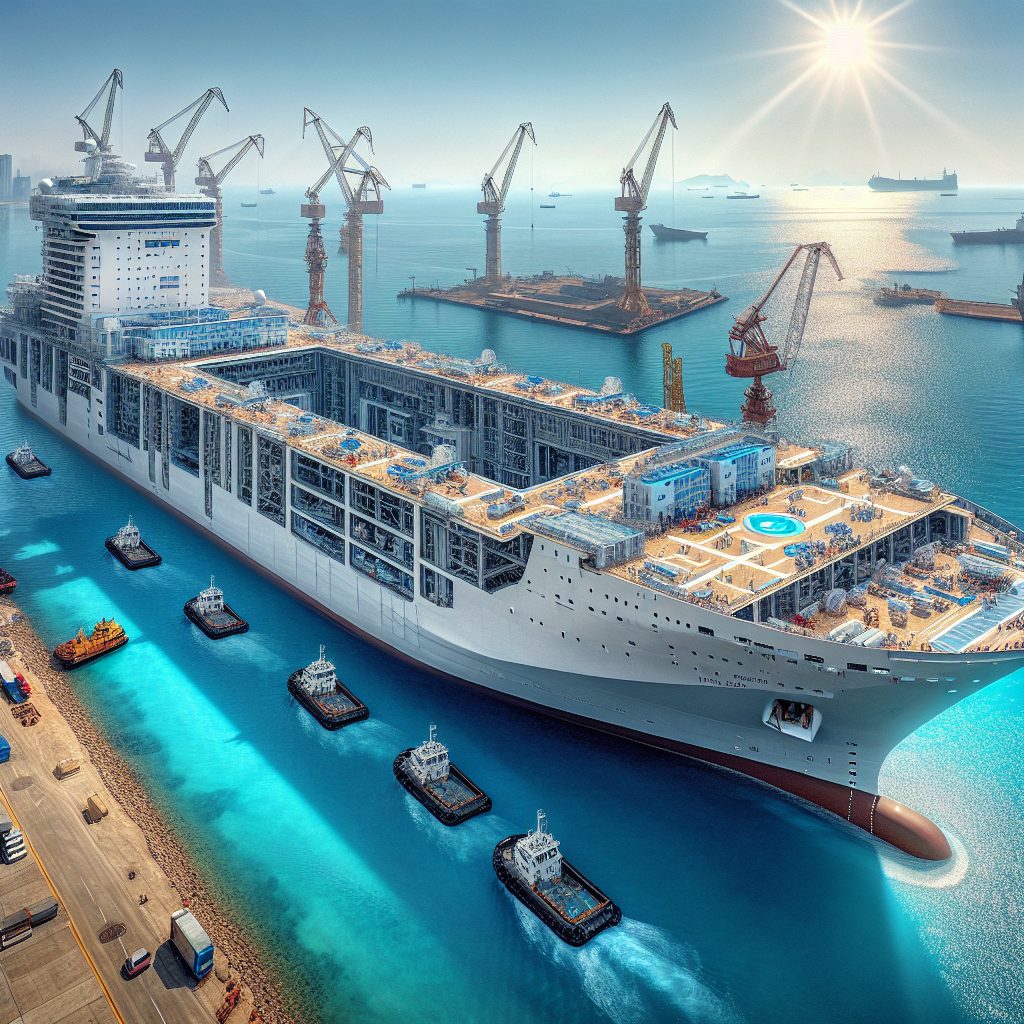
The Alliance of MSC Foundation and Mercy Ships: A New Horizon for Health in Africa A groundbreaking humanitarian project has been announced by the MSC Foundation, a part of the Mediterranean Shipping Company (MSC) group, as they will be funding the construction of the Africa Mercy 2, the new hospital ship for Mercy Ships. This project not only signifies a significant collaboration between the private sector and an NGO but also a crucial advancement in improving access to medical services in sub-Saharan Africa. The news was shared by Daniela Picco, the executive director of the MSC Foundation, during the Mercy Ships Cargo Day charity dinner in Geneva. The ship, measuring 174.1 meters in length, is set to be built at the CSSC Tianjin shipyard in China, with delivery expected by the end of 2028 or 2029. Inspired by the Global Mercy, another impressive floating hospital known to be the largest in the world, the Africa Mercy 2 will be equipped with operating rooms and hospital beds, ready to perform a wide range of surgeries and provide on-site healthcare. This project is particularly significant given the healthcare context in Africa, where access to specialized medical services is limited. With the addition of this new ship, Mercy Ships’ fleet will expand its intervention capacity, which will be crucial in providing medical care to communities that would otherwise lack access to specialized healthcare. The Africa Mercy 2 represents not only an advancement in terms of healthcare infrastructure but also a milestone in naval technological innovation. This project will feature the latest in floating hospital technology, from diagnostic equipment to state-of-the-art surgical solutions, enabling medical professionals to perform complex interventions directly at sea. Additionally, MSC will not only provide financial support but also contribute human resources, offering their own staff to support the project. Crew exchange programs between MSC and Mercy Ships are being explored, which could lead to job opportunities for maritime professionals looking to contribute to a high-impact humanitarian cause. This collaboration presents a unique opportunity for merchant mariners and technicians interested in expanding their professional horizons by getting involved in a project that combines technical challenges with a humanitarian purpose. The social impact of the Africa Mercy 2 will be significant. The ability to provide medical treatments and surgeries in remote areas will transform lives, providing hope and health to thousands of people. Bryce Wagner, the director of global alliances at Mercy Ships, emphasized that MSC’s contribution is the largest in the organization’s history, highlighting the transformative potential of international collaboration. Since 2011, MSC has been actively working with Mercy Ships, providing key logistical support and volunteering in various projects. This partnership reflects an evolution in how shipping companies can contribute beyond commercial interests towards a more integral role in corporate social responsibility initiatives. The Geneva gala not only served to announce the new ship but also raised funds through a charity auction that raised over $300,000. Notable items included a bicycle from the 2024 Tour de France, which was purchased for a significant sum, demonstrating the high level of commitment from participants to support this cause. This project holds particular relevance for the audience segments of WishToSail.com, including merchant navy professionals, maritime investors, and nautical enthusiasts. Firstly, it presents an opportunity to expand technical knowledge and participate in a large-scale humanitarian project. Additionally, the Africa Mercy 2 will open up new maritime routes focused on healthcare, which could lead to growth in the logistics and professional services sectors. Secondly, MSC’s active involvement and potential expansion of its humanitarian fleet position the shipping company as a leader in social responsibility within the industry. This not only enhances the company’s profile but also sets a standard for other companies in the sector in terms of social and environmental engagement. Finally, the construction of this ship and its operation could inspire other investors to consider similar initiatives, fostering innovation and the development of new maritime technologies for humanitarian and social purposes. The alliance between MSC Foundation and Mercy Ships serves as a live example of how cooperation across sectors can lead to real and significant transformations. For maritime professionals, this presents an opportunity to get involved in a meaningful project that goes beyond simply sailing. Participating in and supporting these initiatives not only enriches one’s professional career but also enhances personal fulfillment by contributing to positive change in the world. For those interested in being part of this exciting journey, whether through job opportunities or getting involved in complementary initiatives, the time is now. As the steel-cutting ceremony approaches and the project takes shape, the possibilities are endless for those looking to make their mark on this remarkable humanitarian effort. In conclusion, the Africa Mercy 2 is not just a hospital ship; it is a symbol of hope, a project that unites the global maritime community around a shared vision of a better world. Its construction and operation will demonstrate how shared commitment can address global challenges with innovation and humanity.
The Revolution of Maritime Transport: Ever Max Completes Autonomous Transpacific Journey with Samsung Technology

The Revolution of Maritime Transport: Ever Max Completes Autonomous Transpacific Journey with Samsung Technology The container ship Ever Max, owned by the shipping company Evergreen, has achieved a milestone in maritime transport history by successfully completing an autonomous transpacific journey, thanks to the advanced navigation system developed by Samsung Heavy Industries. This journey represents one of the first and most significant achievements in integrating artificial intelligence into large-scale commercial vessels. Samsung Heavy Industries, in collaboration with Evergreen, has demonstrated the effectiveness of its Samsung Autonomous Ship (SAS) system on this voyage, allowing the Ever Max to travel the 5,400 miles separating the port of Oakland, USA, from the port of Kaohsiung in Taiwan, operating with minimal direct human intervention. The autonomous system of the ship accurately controlled weather and route conditions, updating its navigation strategy every three hours. With a total of 104 guidance maneuvers and 224 automatic actions for rudder and engine control, the SAS showed how artificial intelligence can handle complex tasks, such as optimizing speed and energy efficiency, reducing fuel consumption, and improving the environmental sustainability of maritime transport. Implementing autonomous technologies in maritime operations is a significant advancement for the sector. It enhances safety standards as the SAS system was originally designed to prevent collisions by integrating radar, GPS, AIS, and cameras data. The system’s ability to analyze large volumes of real-time information allows for informed and proactive decision-making. Furthermore, this technological advancement promises a considerable reduction in operational costs. The SAS’s capabilities in autonomous speed management and route efficiency optimization improve fuel consumption, potentially leading to significant cost savings for shipping companies. While specific figures have not been provided by Samsung, these improvements have the potential to translate into substantial economic savings for shipping companies. Improved safety standards with autonomous technologies Reduction in operational costs through fuel consumption optimization Potential for significant economic savings for shipping companies The evolution towards autonomous vessels also redefines the skillset required by maritime professionals. Operating and maintaining high-tech systems like the SAS will demand greater expertise in areas such as artificial intelligence and cybersecurity, creating new job opportunities in a sector traditionally focused on navigation and maritime engineering. The successful voyage of the Ever Max is not only a technological achievement but also an inspiring example for the future of maritime transport. The continued development and refinement of autonomous systems promise to transform the industry, enhancing operational efficiency and contributing to the decarbonization goals promoted by the International Maritime Organization. These innovations benefit not only major shipping companies but also present significant opportunities for maritime investors looking to participate in the development of sustainable technologies. Automation and digitalization in maritime transport operations are promising investment areas that offer long-term growth and profitability. For nautical enthusiasts, advancements in autonomous navigation provide a fascinating glimpse into how ships will interact with the environment and their crews. The development of technologies like the SAS could eventually transition to recreational vessels, enhancing safety and the sailing experience. The maritime sector is at a technological turning point where automation will play a central role. Companies like Samsung and Evergreen lead the research and development of solutions that promise efficiency while prioritizing environmental sustainability and safety. The deployment of more autonomous vessels on commercial routes could reshape the dynamics of global trade, making maritime transport more competitive against other modes of transportation. For maritime professionals, being at the forefront of these innovations presents a unique opportunity to lead the sector’s transformation. With proper training and the adoption of new technologies, they can not only secure their jobs but also actively contribute to the industry’s evolution. Conclusions and Final Thoughts The culmination of this autonomous journey is not just a reflection of technological advancement but an invitation to the maritime community to embrace innovation. The sector faces the challenge of integrating new technologies while maintaining its commitment to safety and sustainability. In this context, sailors and industry professionals are called to update their skills and knowledge to adapt to an increasingly digitalized environment. Collaboration between technology companies and shipping companies is crucial for developing solutions that benefit the entire industry. The case of the Ever Max and its successful autonomous journey is a clear example of how technology can profoundly transform maritime operations. It remains to be seen how these innovations will impact the market in the coming years, but undoubtedly, the future of maritime transport promises to be exciting and full of opportunities for those willing to innovate and adapt.
The Pioneering Bio-LNG Supply at Malaga Port

Puerto de Málaga: Pionero en el Suministro de Bio-LNG y su Impacto en el Sector Náutico The Pioneering Bio-LNG Supply at Malaga Port The Port of Malaga has achieved a significant milestone in maritime energy transition by carrying out its first bio-liquefied natural gas (bio-LNG) supply operation. This breakthrough took place on September 24, 2025, when the container ship MSC Gabon received 3,000 cubic meters of bio-LNG through a ship-to-ship (STS) transfer with the supply vessel Avenir Aspiration. This operation, conducted by Axpo, a leading European provider of sustainable energy solutions, positions Malaga as a strategic hub in the Mediterranean for alternative marine fuel supply. Axpo, known for its innovations in sustainable fuels, had previously carried out the first STS LNG operation at the Malaga port. With this new achievement, the company solidifies its pioneering status by supplying bio-LNG, a renewable fuel that significantly reduces greenhouse gas emissions compared to traditional marine fuels and fossil LNG. This initiative not only strengthens Axpo’s role as a leader in sustainable marine fuel solutions but also provides a job opportunity for professionals in the sector. Companies operating in the port may be interested in logistics and renewable energy experts’ resumes, given the potential growth in alternative fuel supply. Malaga Port in the Green Mediterranean Corridor The implementation of bio-LNG is a crucial step towards decarbonizing maritime transport in the Mediterranean. The Port of Malaga, strategically located at the crossroads of East-West and North-South trade routes, is rapidly emerging as an alternative bunkering supply center in the Western Mediterranean. This not only supports the decarbonization goals of the International Maritime Organization (IMO) but also aligns with EU regulations under the FuelEU Maritime framework that will come into effect in 2025. The successful bio-LNG operation paves the way for future operations with other low and zero carbon fuels, such as e-methanol, bio-methanol, ammonia, and green hydrogen. These innovations power a greener and more sustainable port, enabling cleaner and more efficient international maritime trade. For maritime investors, this development represents an opportunity to expand their portfolio in renewable energies, exploring the potential of these new fuels that are transforming the industry. Operational Excellence and the Environmental Impact of Bio-LNG The bio-LNG supply was carried out under strict safety and environmental protocols, highlighting the operational excellence of the operation. The modern supply vessel Avenir Aspiration, along with the MSC Gabon, coordinated the STS transfer with port authorities, terminal operators, maritime agents, and the fuel provider, ensuring a safe and efficient delivery. The use of bio-LNG in this operation results in a significant reduction in equivalent CO₂ emissions, contributing to global efforts to combat climate change and improve the international supply chain. This achievement underscores the importance of adopting clean technologies in maritime transport to reduce our environmental impact. The implementation of renewable fuels offers tangible benefits for both the environment and maritime operations. MSC’s Commitment to Sustainable Maritime Transport As the world’s largest container shipping company, MSC (Mediterranean Shipping Company) continues to demonstrate significant leadership in maritime energy transition. The company is committed to reducing the environmental impact of global maritime transport and has taken significant steps towards decarbonizing its operations. From investing in low and zero carbon fuels like bio-LNG and methanol to deploying energy-efficient next-generation vessels, MSC is aligning its fleet strategy with the climate goals of the IMO and the EU. The company also promotes innovation in fuel flexibility, digital optimization, and port collaborations, reinforcing its commitment to building a cleaner and more resilient global supply chain. The bio-LNG supply at the Port of Malaga is a clear example of MSC’s real decarbonization efforts, highlighting its role in promoting sustainability in the maritime sector. This offers marine professionals the opportunity to engage in an evolving industry that prioritizes sustainability. Málaga Port’s Vision towards a Greener Future This landmark event underscores the long-term strategy of the Port of Malaga to become a green port and a regional leader in sustainable maritime logistics. The port authority continues to invest in the infrastructure, partnerships, and services necessary to support next-generation fuels and promote sustainable maritime transport. The port authority of Malaga stated: “This successful bio-LNG bunkering operation demonstrates Malaga’s proactive role in global energy transition. We are committed to supporting shipping lines and energy providers in reducing emissions and promoting cleaner fuels. This is just the beginning of a new chapter in sustainable supply at our port.” For nautical enthusiasts, the evolution of the Port of Malaga towards more sustainable practices offers an opportunity to enjoy a cleaner environment and responsible navigation, supported by a port committed to an ecological future. About the Port of Malaga The Port of Malaga is a strategic gateway in southern Europe, connecting the maritime corridors of the Atlantic and the Mediterranean, as well as the North-South maritime axis. Its proximity to the Strait of Gibraltar, along with its diverse commercial portfolio, positions it as a hub of opportunity for local, regional, and international trade.