


The Expansion of LNG Bunkering on the Gulf Coast: A Boost for the Maritime Future

The Expansion of LNG Bunkering on the Gulf Coast: A Boost for the Maritime Future In the realm of maritime transport, the quest for cleaner and more sustainable fuels has become a priority. The recent expansion of liquefied natural gas (LNG) bunkering operations in the Gulf Coast region of the United States stands out as a significant step towards a more environmentally friendly future for the industry. The Stabilis Solutions Agreement: A Milestone in LNG Bunkering Stabilis Solutions, a leading provider of clean energy solutions, has struck a 10-year deal with a top-tier global maritime operator to supply LNG for bunkering operations at the Port of Galveston. This agreement not only marks the company’s first marine bunkering contract directly linked to the liquefaction supply of its Gulf Coast expansion but also represents a crucial step towards the development of a new liquefaction plant in Galveston, Texas. Stabilis Solutions commits to delivering 50 million gallons of LNG annually, starting from the fourth quarter of 2027. The construction of the liquefaction facility is expected to be completed in the second quarter of 2028. The Galveston liquefaction plant is designed to produce 350,000 gallons of LNG daily, expanding Stabilis’ total liquefaction capacity from 130,000 to 480,000 gallons per day. This strategic location will not only serve Stabilis’ cruise line customers but also open up new supply lines for additional vessel segments such as container ships, car carriers, tankers, and bulk carriers. The Galveston facility is set to ensure approximately 40% of the plant’s planned production, anchoring the project’s viability and financing. A Fully Integrated LNG Bunkering Model Stabilis Solutions plans to launch an LNG bunkering vessel compliant with the Jones Act, tailored to serve the Port of Galveston directly. Construction is set to begin in early 2026, pending final investment decisions and necessary funding. Evercore serves as Stabilis’ financial advisor for this transaction and overall project structuring. This integrated approach not only provides an efficient logistical solution but also enhances Stabilis’ responsiveness to market needs, potentially transforming the way LNG bunkering is conducted in the region. Relevance of the Project for the Maritime Sector The Stabilis Solutions agreement and the expansion of LNG infrastructure on the Gulf Coast hold significant importance for the maritime sector. The transition to cleaner fuels like LNG is essential for meeting international emissions regulations and reducing the environmental impact of maritime transport. The construction of new facilities and the launch of a new bunkering vessel will create a growing demand for skilled workers in areas such as engineering, logistics, and operations management. The robust financial structure and long-term commitment of Stabilis may make investments in this sector attractive for maritime investors. The Future of LNG Bunkering on the Gulf Coast With ongoing LNG infrastructure projects in the region, the Gulf Coast is emerging as a key hub in the global marine fuels landscape. The expansions in the Port of Houston and the leadership of the Port of Galveston in LNG bunkering emphasize the region’s commitment to transitioning to cleaner energy. As LNG bunkering and other low-carbon fuels gain prominence, the region is well-positioned to lead the way towards a more sustainable maritime industry. In conclusion, the Stabilis Solutions agreement and the expansion of LNG bunkering on the Gulf Coast represent a crucial step towards a cleaner and more sustainable future for the maritime sector.
The Inauguration of Peninsula in Algoa Bay: A Decisive Step towards Marine Sustainability

The Inauguration of Peninsula in Algoa Bay: A Decisive Step towards Marine Sustainability In October 2025, Peninsula, a global independent marine energy provider, has achieved a milestone in the maritime sector with the full operational capability of its physical supply service in Algoa Bay, South Africa. This event not only highlights South Africa’s capacity as a global refuelling hub, but also the sector’s adaptation to new energy and sustainability demands. The decision to establish operations in Algoa Bay, a strategic point on international maritime routes, responds to the growing need for efficient bunkering services that reduce ship waiting times and optimize operating costs. For maritime professionals, sailors, and related companies, this initiative represents a significant opportunity for growth and development. The use of advanced technology at Peninsula’s facility in Algoa Bay is aimed at maximizing bunkering operation efficiency. The focus on reducing operational costs and waiting times benefits ship operators and enhances the competitiveness of the South African port on the international stage. One of the key highlights is the ability to conduct offshore bunkering, meaning without the need to dock in port. This significantly reduces the costs associated with docking and allows the operator to maximize time at sea, contributing to a more sustainable and cost-effective operation. This advancement is particularly relevant in an era where emission reduction and energy efficiency are paramount. Additionally, the combined use of High Sulphur Fuel Oil (HSFO) and Very Low Sulphur Fuel Oil (VLSFO) offers sailors operational flexibility that translates into better compliance with international environmental standards, reducing sulphur emissions in the atmosphere. The success of Peninsula in the region is largely due to its strategic partnership with Linsen Nambi Bunker Services, ensuring a high level of operational efficiency and regulatory compliance. This partnership not only brings local expertise but also ensures that Peninsula’s operations align with South African regulations and environmental standards. The collaboration with Linsen Nambi has enabled Peninsula to establish safe and efficient operations, reinforcing its commitment to sustainability and compliance with local regulatory frameworks, particularly in a market that has faced significant regulatory challenges in the recent past. Revitalization of the South African bunkering sector Enhancement of local and international collaborations for sustainable marine energy solutions Long-term potential for market growth and investment in bunkering operations The operational launch of Peninsula in Algoa Bay marks a revitalization of the bunkering sector in South Africa, which had experienced significant disruption since 2023. The resumption of these activities not only restores confidence in the local market but also positions South Africa as a crucial pillar in the global marine fuel supply chain. Access to critical routes around the Cape of Good Hope to avoid conflict zones in the Red Sea makes the reliability of bunkering centers in southern Africa more crucial than ever. Peninsula’s presence in the region not only strengthens the marine fuel supply infrastructure of the region but also expands opportunities for the development of new sustainable technologies. Peninsula is not only looking to strengthen its position as a leading marine fuel provider but also committed to leading the energy transition towards cleaner and more sustainable alternatives such as LNG, biofuels, and methanol. This vision is essential for a greener future in the maritime transport industry. With a network of 21 offices worldwide and a professional team of over 480 employees, Peninsula is positioned as a key player in the development of cleaner energy solutions, promoting a shift towards zero-carbon fuels. Peninsula’s commitment to sustainable marine fuels and clean energy solutions The role of LNG, biofuels, and methanol in the future of maritime transportation Opportunities for professionals in emerging sustainability-related roles within the maritime sector The launch of Peninsula’s operations in Algoa Bay is a unique opportunity that inspires maritime professionals to consider new job and investment opportunities. The expansion of bunkering infrastructure, combined with a focus on sustainability, provides a fertile ground for professional growth and innovation. For those looking to capitalize on emerging opportunities in the sector, Peninsula offers a dynamic and ever-evolving environment. Interested professionals can submit their resumes to the companies involved, participating in a global movement towards a more efficient and ecological maritime industry. Peninsula’s story in Algoa Bay is just the beginning of a new era in marine fuel supply, where sustainability and efficiency go hand in hand to create a better future for the industry and the planet.
Innovations in the Tanker Market: Vantage Corp and their Commitment to Excellence in the Nautical Sector

Innovations in the Tanker Market: Vantage Corp and their Commitment to Excellence in the Nautical Sector In the dynamic world of nautical affairs, the tanker sector plays a crucial role in the transportation of large volumes of liquids, especially oil and its derivatives. One company that has shown consistent leadership in this field is Vantage Corp, listed on the NYSE American under the symbol VNTG. Recently, Vantage has been at the center of speculation due to unusual movements in the stock market, which has sparked renewed and well-deserved interest in this key company. In a recent statement, Vantage Corp clarified that, despite the market noise, their operations continue without any issues. This statement highlights the company’s resilience and integrity in managing complex operations worldwide. The tanker market is highly competitive, and Vantage’s ability to stay ahead depends largely on their focus on operational excellence and their ability to adapt to the changing needs of the market. It is important to note that stability in Vantage’s operations is a positive sign not only for investors but also for maritime professionals looking for growth and career development opportunities in a stable environment. Market confidence in companies like Vantage, which can navigate times of uncertainty, is an invaluable asset for all involved in this sector. Technological Innovations and their Impact on the Industry Vantage Corp has not only stood firm in their operations but is also at the forefront of technological innovations in the maritime sector. The implementation of new technologies in fleet management and operations is one area where the company has excelled. The use of advanced software for route forecasting, cargo optimization, and real-time tracking has significantly improved Vantage’s operational efficiency and safety. Additionally, Vantage is exploring the use of emerging technologies such as artificial intelligence and machine learning to further optimize their processes. These technologies can analyze large volumes of data to identify patterns and predict problems before they occur, thus reducing operational costs and increasing safety in maritime transportation. For merchant navy professionals, the adoption of cutting-edge technologies represents an opportunity to familiarize themselves with tools that will define the future of the sector. The adoption of these technologies also translates into job opportunities, as trained personnel are required to manage and operate these new tools. Nautical professionals and enthusiasts interested in these advances can submit their resumes to companies like Vantage, which are leading the technological transition in the sector. Maritime Routes and New Business Opportunities Another area of interest is the development of new maritime routes. As traditional routes become increasingly congested, discovering and exploiting more efficient routes is essential. Vantage is constantly searching for routes that not only reduce delivery times but also decrease the environmental impact of their operations. The development of these routes offers a myriad of commercial opportunities for maritime investors and industry professionals. It can lead to a significant reduction in costs and transit times, resulting in a more competitive service. Additionally, new routes can open up previously inaccessible markets, presenting new business opportunities. For seafarers and industry professionals, staying informed about these innovations and changes in routes is vital. It can be the difference between maintaining competitiveness or falling behind in a sector where efficiency and innovation are key. The exploration and opening of new routes also mean potential new roles and responsibilities for maritime workers, providing a clear path to professional growth. Conclusion: The Relevance of Vantage Corp in the Maritime Sector In conclusion, Vantage Corp continues to demonstrate their leadership in the tanker market not only through their resilience to market speculation but also through their commitment to innovation and the development of new opportunities in the sector. For merchant navy professionals and maritime investors, understanding and participating in this ecosystem can offer numerous advantages both professionally and financially. Technological innovations, the exploration of new routes, and the operational stability of companies like Vantage are not only relevant but crucial to an ever-evolving sector. For WishToSail.com readers, this is an invitation to closely observe these developments, identify opportunities, and act on them in a rich and challenging environment. Exploring more about how Vantage Corp and other innovative companies are shaping the future of global nautical affairs may be the first step towards a rewarding and full of possibilities career in the fascinating world of maritime transport.
The Future of Maritime Sector: Seadrill and its Impact on the Future of Offshore Exploration
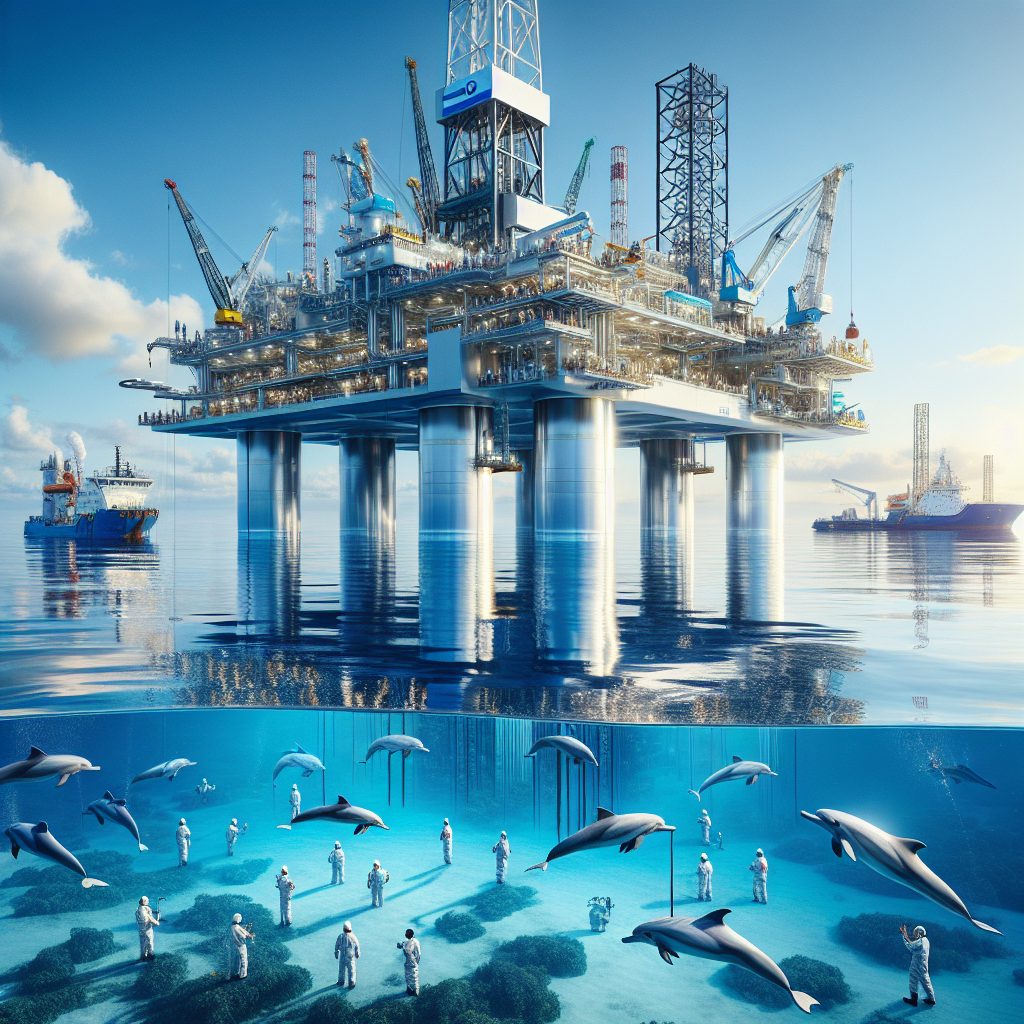
The Future of Maritime Sector: Seadrill and its Impact on the Future of Offshore Exploration The maritime industry is constantly evolving, with companies like Seadrill leading the way in offshore exploration and production. Seadrill, based in Hamilton, Bermuda, recently shared its financial report for the third quarter of 2025, providing insights into the future of the sector. Understanding the financial performance and strategies of companies like Seadrill is essential for maritime professionals looking to stay ahead in the industry. Financial Results: Strong Performance with a Focus on the Future Seadrill’s financial report for the third quarter of 2025 revealed a significant 15% increase in revenue compared to the same period the previous year. This growth reflects the company’s strong position in the market, driven by improved offshore operations and better contract execution. The company’s focus on implementing automated technologies and improving operational efficiency has been instrumental in achieving these results. This not only demonstrates Seadrill’s ability to adapt to a changing market but also its commitment to innovation in drilling technologies. For maritime investors, Seadrill’s ability to overcome market challenges and optimize operations indicates the sector’s profitability potential. The company’s growth provides a foundation for future expansion, making it an attractive option for those seeking opportunities in offshore exploration. Technology and Innovation: Driving Change in Offshore Drilling One of Seadrill’s key success factors has been its investment in advanced technology for offshore exploration and production. The company has implemented automated drilling systems that enhance process efficiency and operational safety. This technological focus is not only relevant for Seadrill but for the entire industry, which is rapidly adapting to technological changes. The automation of processes is crucial in the current context where operational efficiency and cost reduction are imperative. Seadrill’s cutting-edge technologies allow for more effective operations, reducing drilling times and minimizing risks associated with marine work. For maritime professionals and industry enthusiasts, technology represents not only a shift in drilling activities but also in the skills required. Workers looking to remain relevant must consider training in new technologies and automated processes. Seadrill is not only setting the path for industry efficiency and safety but also for its workforce training. Opportunities and Challenges in Offshore Exploration Seadrill’s financial report has significant implications for the future of offshore exploration. With a renewed focus on sustainability and environmental impact reduction, companies are reevaluating their exploration methods. Seadrill has committed to sustainable practices, highlighting initiatives to minimize the environmental impact of its operations. The maritime industry faces the challenge of integrating new technologies and meeting increasingly stringent environmental regulations. This regulatory environment offers both challenges and opportunities for companies and their employees. Those who can adapt and anticipate these changes stand to benefit from the sector’s growth potential. Maritime professionals interested in future job opportunities should monitor sustainability trends reshaping the industry. Conclusion: A Promising Future for Offshore Exploration Seadrill’s financial report analysis for the third quarter of 2025 paints an optimistic picture for offshore exploration. With solid financial performance driven by technological innovation and a commitment to sustainability, Seadrill emerges as an industry leader. Maritime professionals, investors, and navigation enthusiasts will find reasons to be optimistic about the sector’s future in these results. The relevance of this information is clear for various segments of the WishToSail.com audience. Firstly, maritime professionals can expect new job opportunities in innovative and sustainable companies. Secondly, maritime investors have the chance to identify profitable companies like Seadrill to expand their portfolios. Lastly, nautical enthusiasts will find inspiration in emerging technologies for their recreational and personal navigation.
ExxonMobil Enters the LNG Market with Two New Vessels: Driving Cleaner Fuels in the Maritime Industry
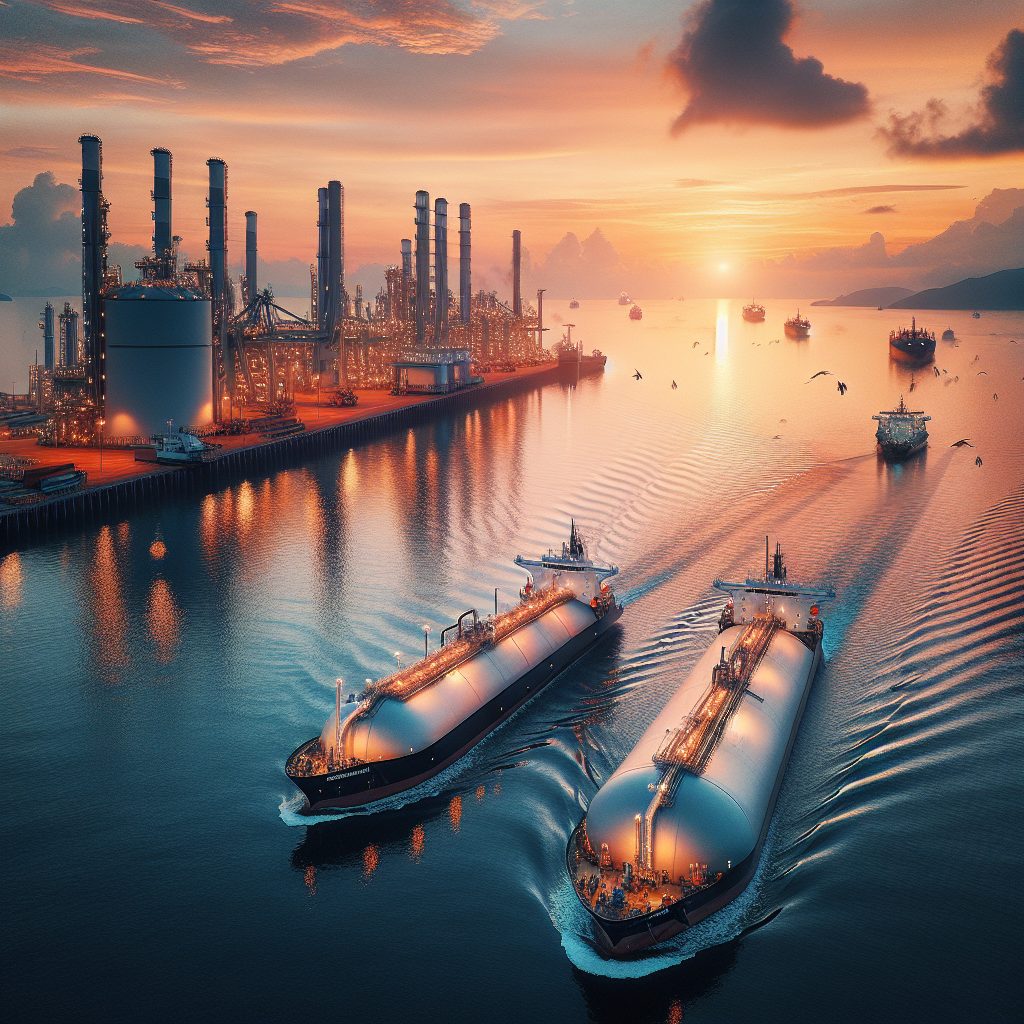
ExxonMobil Enters the LNG Market with Two New Vessels: Driving Cleaner Fuels in the Maritime Industry ExxonMobil, a globally recognized energy company, has announced a significant advancement in its energy transition strategy within the maritime industry. The company plans to enter the liquefied natural gas (LNG) bunkering market with the addition of two specialized vessels, expected to be operational by 2027. This strategic move is aligned with their ambitious investment goal of up to $30 billion in low-emission technologies between 2025 and 2030. The use of LNG as a marine fuel stands out for its ability to significantly reduce greenhouse gas emissions compared to traditional marine fuels. With over four decades of experience in the LNG value chain, ExxonMobil is well-positioned to offer cleaner fuel solutions while leveraging its vast expertise and reliable presence in the industry. Technology and Strategy: Unleashing the Potential of LNG The new ExxonMobil vessels, set to start operating in 2027, will have the capability to supply both conventional LNG and bio-LNG. The latter represents a significant advancement in environmental impact reduction, as bio-LNG is known to offer a substantial decrease in the life cycle emissions of greenhouse gases. Amy Wood, ExxonMobil’s global manager for low-emission fuels, stated, “As the maritime industry seeks scalable and effective solutions to reduce greenhouse gas emissions, ExxonMobil is leveraging its deep LNG expertise to offer vital fuel options.” The company plans to expand its marine LNG supply infrastructure, not only with these two vessels but also by developing complementary supply solutions to ensure service continuity. Relevance for the Sector and Job Opportunities ExxonMobil’s initiative aligns with growing regulatory support and market demand for LNG-powered shipping. This integrated approach and technical capabilities enable the company to effectively meet the changing needs of its customers. This move represents not only a step towards a greener future but also potential job opportunities for professionals in the sector. Navigators, maritime engineers, and other related professionals could find new opportunities in ExxonMobil’s expansion of LNG bunkering fleet as the use of lower greenhouse gas emission marine fuels grows. The Global Impact of LNG: A Bridge to Decarbonization The increasing adoption of LNG as a marine fuel reflects a global trend towards cleaner solutions that can meet the emission reduction goals set by the International Maritime Organization (IMO) for 2030 and 2050. By mid-2025, there were 590 LNG-powered vessels in operation and 564 more on order worldwide, according to DNV’s Alternative Fuels Insights Report. The growth of LNG bunkering infrastructure is also noteworthy, with 60 operational bunkering vessels and 185 ports offering LNG supply services. Another 50 ports are expected to join this infrastructure by 2026. This landscape underscores how LNG has established itself as a viable transition fuel for the global maritime sector. Environmental Advantages of LNG: A Necessary Shift The use of LNG as a transition fuel is gaining ground thanks to its clear and substantial environmental advantages. This fuel offers up to a 23% reduction in greenhouse gas emissions and virtually eliminates sulfur oxides (SOx) emissions, in addition to significantly reducing nitrogen oxides (NOx) and particulate matter. These environmental improvements make LNG a critical solution for shipowners looking to improve their emission profiles without compromising operational reliability or fuel performance. The higher energy efficiency of LNG, especially for long-distance operations, adds an extra incentive for its adoption. The Future of LNG Bunkering: Perspectives and Challenges From a global perspective, LNG is establishing itself as an essential bridge fuel on the path to full decarbonization of the maritime industry. Its flexibility to be used for propulsion and onboard electricity generation makes it an attractive option for shipowners striving to comply with new environmental regulations. However, the future of LNG bunkering is not without challenges. The need for effective and technology-neutral policies is key to accelerating the adoption of cleaner marine fuels and fostering innovation in the sector. ExxonMobil advocates for the implementation of such policies to scale up infrastructure and facilitate energy transition in the maritime industry. Professionals in the sector are encouraged to stay informed about these trends and technological developments as the energy transition presents not only challenges but also opportunities to lead change towards a more sustainable industry.
The Strategic Expansion of Bunker One in the UK: Innovations and Opportunities in Marine Fuel Supply

The Strategic Expansion of Bunker One in the UK: Innovations and Opportunities in Marine Fuel Supply In the dynamic maritime sector of the United Kingdom, Bunker One has emerged as a key player following the recent acquisition of Quay Energy Solutions. This strategic move not only signifies an expansion in their supply capacity but also a consolidation of their operational presence. In this article, we will delve deep into how this operation impacts the marine fuel market, the associated technological innovations, and the emerging job opportunities for professionals in the sector. A Strategic Move: The Acquisition of Quay Energy Solutions The acquisition of Quay Energy Solutions by Bunker One exemplifies how mergers and acquisitions can reshape a market. Quay Energy, known for its robust supply network and service standards, now provides Bunker One with an immediate platform to expand its reach in the UK. This integration encompasses not only physical assets but also the valuable human capital of Quay, ensuring continuity and quality in service. The merging of both companies’ operations promises to maximize operational efficiency and logistical flexibility. By combining Quay’s infrastructure with Bunker One’s global network, a hybrid model is created that allows supply by both barges and road. This responsiveness streamlines supply in ports with limitations, ensuring that fuel reaches where it is needed, when it is needed, which is crucial in a sector where time and availability are vital. Increased supply capacity Enhanced operational efficiency Diversified supply routes For professionals in the maritime sector, this expansion is a boon. Not only does it ensure a more reliable supply of marine fuels, but it also opens up new job opportunities. By retaining Quay’s staff, Bunker One underscores its commitment to local talent and operational continuity, encouraging those interested in the sector to consider submitting their resumes to these growing companies. Technological Innovations and Sustainability in Fuel Supply The integration of Quay Energy Solutions’ resources into Bunker One goes beyond simple territorial expansion. It represents an enhancement in technological capabilities and the sustainability of fuel supply, increasingly crucial aspects in the modern maritime industry. Partnering with Par Petroleum, for instance, introduces an innovative supply model that combines road logistics with traditional barge distribution. This hybrid approach not only optimizes logistical efficiency but also reduces the environmental impact of operations. Optimized efficiency and reduced carbon emissions Focus on alternative fuels and advanced energy handling technology By diversifying supply routes and minimizing unnecessary travel, a significant reduction in carbon emissions is achieved. Furthermore, the emphasis on alternative fuels and advanced energy handling technology positions Bunker One as a leader in sustainable practices within the sector. For maritime investors, these innovations present investment opportunities in a market that values sustainability and efficiency. Job Opportunities and the Value of Human Capital The acquisition of Quay by Bunker One signifies a recognition of the value of human capital. The retention of Quay’s team and the inclusion of key figures like Adam Russell and Jonathan Carr reinforce Bunker One’s commitment to experience and continuity. This not only reassures current clients but also means that employees are joining a corporate culture that values their expertise and sector knowledge. Employee retention and development Focus on team expertise and sector knowledge This human-centric approach is crucial for confidence and stability in business transitions. Bunker One demonstrates that by valuing its employees, it enhances its ability to innovate and expand its market. Maritime professionals and maritime logistics specialists can see Bunker One as an employer that not only offers new challenges but also a working environment that values and develops their skills. Market Impact of Marine Fuel in the UK Bunker One’s expansion through the acquisition of Quay Energy Solutions has significant strategic implications for the marine fuel market in the UK. Firstly, the expanded client network and supply infrastructure consolidate Bunker One’s presence, significantly enhancing its responsiveness and geographical coverage. Secondly, logistical flexibility, incorporating road supply, offers a more adaptable and efficient service, especially in areas where barges cannot operate effectively. Enhanced service quality and faster response times Improved operational efficiency and cost-effectiveness This strategic approach provides a competitive advantage, allowing Bunker One to offer a more comprehensive and higher-value service to its clients. Additionally, the optimization of operations and cost efficiency resulting from the combination of teams and infrastructures create synergies that benefit both the company and its clients, who experience an improvement in service quality and faster response times. Bunker One: A Global Leader in Fuel Supply Through its partnership with the Bunker Holding Group, Bunker One is recognised as one of the leading global providers of marine fuels and lubricants. With a history spanning over four decades, the company has demonstrated its ability to innovate and adapt to market changes, positioning itself as a benchmark in the industry. With operations in five global regions,