


The Revolution in Ship Optimization: Chemship and Manta Marine Transform Maritime Transport

The Revolution in Ship Optimization: Chemship and Manta Marine Transform Maritime Transport The global maritime sector is facing a crucial challenge: the need to reduce carbon emissions to combat climate change. In this context, Chemship B.V., one of the leading chemical tanker operators, has taken a significant step towards a more sustainable future. The company has formed a strategic alliance with Manta Marine Technologies (MMT) to implement advanced propulsion optimization solutions in its fleet. The partnership with Manta Marine is a significant milestone that underscores Chemship’s commitment to operational efficiency and sustainable transport. This initiative not only promises a significant reduction in fuel consumption but also opens up new job opportunities for industry professionals. Those interested in being part of this innovative change may consider submitting their CV to these companies. Introduction to Chemship’s Transformation Chemship B.V. is a leading chemical tanker operator in the maritime industry. Chemship has partnered with Manta Marine Technologies to implement advanced propulsion optimization solutions. The collaboration aims to reduce fuel consumption and promote sustainable transport. The FuelOpt System Revolution At the heart of this transformation is Manta Marine’s FuelOpt system. This propulsion optimization technology automatically adjusts the vessel’s power in real-time, ensuring that the engines operate at their most efficient point, resulting in fuel savings and emission reductions. The initial implementation on the Chemical Challenger has demonstrated tangible efficiency improvements and paved the way for broader adoption in the fleet. FuelOpt is fuel-agnostic, meaning that it is compatible with both traditional fuels and cleaner alternatives, as well as hybrid propulsion solutions. This flexibility allows shipowners to prepare their fleets for a greener future in line with increasingly stringent environmental regulations. When combined with wind-assisted propulsion technologies, FuelOpt not only enhances engine efficiency but also converts wind energy into real-time fuel savings. This represents a step towards maritime transport that is not only more efficient but also cleaner and more sustainable. The Power of Data with Fleet Analytics In addition to the FuelOpt system, Chemship has integrated Manta Marine’s Fleet Analytics platform, a powerful cloud-based monitoring system. This provides ship operators and owners with real-time performance data and automated reporting tools, aligned with European and international regulations. Fleet Analytics reduces administrative burden and facilitates data-driven decision-making, enabling operators to optimize their fleets’ performance and emissions. The digitalization and precise data enable precise measurement of the efficiency of sustainable investments and achieve optimal fuel savings. For investors and industry professionals, this platform not only represents an efficient management tool but also a way to demonstrate commitment to sustainability, an increasingly crucial factor in business and regulatory decisions. Impact and Opportunities in the Maritime Sector Cost Reduction: Optimizing fuel consumption translates to reduced operating costs, a direct benefit for fleet owners and a competitive advantage in an efficiency-focused market. Regulatory Compliance: With stricter environmental regulations on the horizon, the ability to comply with these regulations is crucial for continuous operation and avoiding penalties. Manta Marine’s technologies facilitate compliance, ensuring the long-term viability of maritime operations. Innovation and Sustainability: The partnership between Chemship and MMT promotes innovation and demonstrates how technology can catalyze cleaner and more efficient maritime transport. This enhances the image of the companies involved and attracts investors interested in sustainability. Conclusions and the Future of Maritime Transport The agreement between Chemship and Manta Marine Technologies is a prominent example of how technological innovation is transforming the maritime sector. By adopting advanced solutions for propulsion optimization and fleet analysis, these companies are laying the groundwork for a more sustainable future in chemical maritime transport. This news provides industry professionals and investors with a glimpse of the exciting opportunities emerging at the intersection of technology and sustainability. As more companies follow their lead, the positive impact on the environment and the economy will be undeniable. For those interested in being part of this revolution, updating their knowledge in these emerging technologies and considering job opportunities in leading companies like Chemship and Manta Marine could be a strategic step towards a promising future in the maritime sector.
The Revolution of Post-Quantum Cryptography
The Revolution of Post-Quantum Cryptography In an increasingly digitalized world, information security is a fundamental pillar. The new technological era, marked by quantum computing, brings significant challenges in the field of cybersecurity. Patero Inc., a reference in post-quantum cryptography, has introduced its innovative product CryptoQoR, now available for Red Hat Enterprise Linux 10, an undisputed leader in enterprise Linux platforms. CryptoQoR has been designed to offer high-performance encryption and low latency, essential features to protect data in motion within critical sectors, federal agencies, and Department of Defense applications. This advancement is crucial to safeguard maritime infrastructure and navigation systems that increasingly rely on secure information transfer. The post-quantum cryptography represents a paradigm shift. Unlike traditional methods, it is designed to resist potential attacks from quantum computers, which could break current encryption systems in a matter of seconds. For maritime professionals, this signifies a new essential layer of security to safeguard sensitive data in navigation and communication systems. Impact on the Maritime and Nautical Sector The implementation of solutions like CryptoQoR has direct implications in the maritime field. Vessels integrating this technology can secure real-time data transmissions, significantly reducing the risks of cyberattacks during critical operations. This is especially relevant in a context where international maritime traffic continues to grow. Furthermore, shipping companies that adopt this type of technology can enhance their reputation and reliability in the market. Implementing post-quantum cryptography not only protects information but also demonstrates a commitment to innovation and security, attributes highly valued by both partners and clients. Enhanced security for data transmissions Improved reputation and reliability for shipping companies Opportunities for new job roles Implementing advanced encryption technologies can bring new job opportunities in the maritime sector. Companies will be looking for skilled professionals to implement and manage these systems, providing an opportunity for sailors and specialized technicians to stay at the forefront of technological innovations. Opportunities and Relevance for Maritime Investors For maritime investors, innovations like CryptoQoR present a promising landscape. Investing in companies leading the way in post-quantum cybersecurity could be a safe bet in the near future. With the increasing threat of cyberattacks, these technologies will become more of a necessity than a luxury. Investing in cybersecurity is not only profitable but also a commitment to the sustainability and operational continuity of maritime businesses. Backing from established platforms like Red Hat Enterprise Linux 10 adds significant value to these investments. This platform is known for its effectiveness, cost efficiency, and reliability, providing an additional layer of security to any investor. Patero Inc. and Red Hat: A Strategic Alliance The collaboration between Patero Inc. and Red Hat signifies a turning point in maritime cybersecurity. Red Hat Enterprise Linux is renowned for its scalability and robustness, making it the perfect ally for implementing advanced encryption technologies such as CryptoQoR. This synergy allows companies in the maritime sector to effectively implement post-quantum cryptography, securing their data and communications against emerging threats. For nautical enthusiasts, this alliance also marks an evolution in how maritime security is perceived. Technological advancements of this nature not only protect assets but also elevate the sailing experience to new levels of security and efficiency. Motivation for the Future of the Sector The maritime and nautical sector is constantly evolving, and staying up-to-date with these innovations is essential to remain competitive. Post-quantum technology not only offers protection but also an infinite range of possibilities to optimize operations and enhance onboard security. Transformation of operations through advanced encryption Professional development opportunities in the maritime industry Industry on the cusp of unprecedented digital transformation Initiatives like the implementation of technologies like CryptoQoR demonstrate how the maritime industry is at the forefront of an unprecedented digital transformation, where data protection is as crucial as the physical security of vessels. This is a call to all professionals in the sector to embrace these innovations and be part of the change that will define the future of navigation.
The Future of KNOP: The 2025 Annual Meeting as a Beacon for the Maritime Sector
The Future of KNOP: The 2025 Annual Meeting as a Beacon for the Maritime Sector In an era where technological innovation and sustainable strategies set the course for the maritime sector, KNOT Offshore Partners LP (NYSE: KNOP) stands out as a reference for adaptability and future vision. The upcoming 2025 Annual Meeting, scheduled for December 15 in Aberdeen, Scotland, promises to be a turning point that will not only shape the company’s path but also influence the direction of the sector as a whole. The Event: A Must-Attend for the Sector The KNOP Annual Meeting, set to take place at 2 Queen’s Cross, Aberdeen, on December 15, 2025, is more than just a corporate formality; it represents a critical platform to explore the company’s future strategic routes. The event, starting at 4:00 PM UK time, expects active participation from shareholders and stakeholders alike. The registration deadline of November 6, 2025, for voting emphasizes the importance of shareholder inclusion and active participation in the decision-making process. This participatory approach not only enhances transparency but also reinforces investor confidence in the company’s future direction. For maritime professionals, attending or following the evolution of this meeting offers unique networking and training opportunities, keeping them at the forefront of trends and decisions that could directly impact their operations and strategies. Technological Innovations: A Pillar of Strength KNOP, through its board of directors, is committed to integrating cutting-edge technologies into its operations. From implementing more efficient navigation systems to adopting remote monitoring tools, the 2025 meeting will showcase the latest innovations that could revolutionize maritime transportation. Digitalization and real-time data usage not only improve operational efficiency but also lead to significant fuel savings, a critical factor in reducing the sector’s carbon footprint. Sustainability is a central focus in KNOP’s strategy, and key announcements in this area are expected during the meeting. For sailors and maritime operators, these innovations represent tools that enhance the safety and efficiency of voyages, reducing risks and optimizing resources. Additionally, investors see these technologies as offering growth potential and attractive returns. Employment and Investment Opportunities: Looking Ahead One of the most motivating aspects of the KNOP meeting is the potential to create new job and investment opportunities. The innovations presented could result in fleet expansions or the establishment of new routes, both of which generate employment and investment prospects. For professionals looking to advance their careers, KNOP’s expansions could mean a demand for experts trained in new technologies and operational methods. Interested individuals are encouraged to stay informed and consider submitting their resumes to emerging companies and projects within the KNOP group. From an investor perspective, the meeting may open doors to new initiatives that not only promise financial returns but also support a more sustainable development of the maritime sector. Conclusion: A Beacon for those Sailing Towards Success The 2025 Annual Meeting of KNOP is not only relevant for the decisions to be made but also for the innovative and sustainable vision that permeates the entire sector. For merchant navy professionals, maritime investors, and nautical enthusiasts, it represents a milestone where opportunities converge and new courses are charted. The event is an invitation to explore and engage in a dynamic and ever-evolving context, where growth possibilities are as vast as the ocean itself. Staying informed and actively participating are the keys to not only survive but thrive in the competitive maritime world. We invite our readers to closely follow the meeting updates and consider the opportunities presented as a springboard towards personal and professional success in the exciting realm of navigation and maritime trade.
Financial Revolution in Maritime Transport: What Does the Third Quarter of 2025 Hold?

Financial Revolution in Maritime Transport: What Does the Third Quarter of 2025 Hold? American Express Global Business Travel is gearing up to announce its financial results for the third quarter of 2025 on November 10. This announcement is eagerly anticipated not only by investors but also by professionals in the maritime sector, as the company has been investing significantly in the development of technology solutions aimed at optimizing global maritime transport. The involvement of a company of this magnitude in the nautical sector signals a trend towards the integration of financial services and advanced technology in maritime operations. This evolution promises to redefine the way logistics and transport operations are managed, increasing efficiency and reducing operating costs for the companies involved. But what does this mean for professionals and enthusiasts in the sector? For merchant mariners, route and resource optimization could translate into better working conditions on board and ashore, while for investors, it represents an opportunity to participate in an industry that is constantly transforming. Technological Innovations: Unprecedented Potential in Maritime Transport One of the key areas American Express Global Business Travel is focusing its efforts on is the digitalization of processes. The implementation of automated travel management systems and the use of big data for route analysis have become cornerstones for improving the efficiency of maritime transport. These technologies not only promise to reduce travel time and associated costs but also enhance the sector’s sustainability by optimizing fuel consumption and reducing harmful emissions. The integration of these technological solutions represents a significant advancement, especially at a time when the pressure to comply with environmental regulations is more intense than ever. Moreover, this transformation offers merchant navy professionals the opportunity to expand their skills through the use of new digital tools, increasing their competitiveness in the job market. For nautical enthusiasts, these innovations also enhance recreational sailing experiences, offering safer and more efficient routes, multiplying opportunities to explore new destinations with minimal environmental impact. New Maritime Routes: Employment Opportunity and Commercial Expansion American Express’s upcoming report could also shed light on the development of new strategically important maritime routes. In a world where the demand for fast and efficient transport is increasingly high, the opening of new routes not only promotes global trade but also creates jobs in the maritime sector. The identification and development of these new routes are made possible through investments in technology and data analysis, allowing areas of opportunity to be identified and explored. For sailors and mariners, this translates into new job opportunities, as the operation of these routes requires qualified and experienced personnel. Companies currently working on the exploitation of these new routes are eager for talent, inviting professionals to submit their resumes to be part of this exciting expansion. At the same time, investors in the maritime sector find new opportunities to diversify and enhance their investments through these developments. Relevance for the WishToSail.com Audience American Express Global Business Travel’s announcement is relevant to various segments of the WishToSail.com audience. Firstly, it offers investors a clear view of the sector’s economic future, identifying investment opportunities in technology and new routes. Secondly, for maritime transport professionals, the development of innovative technologies and routes means access to better tools and working conditions, increasing their professional competitiveness. Finally, for nautical enthusiasts, these innovations open up new frontiers for the exploration and enjoyment of the sea. As we approach the results of the third quarter of 2025 for American Express Global Business Travel, it is clear that the future of maritime transport is full of promises and opportunities. We encourage readers to closely monitor these developments and consider how they will impact their respective areas of interest within the nautical sector. This revolution in maritime transport invites all stakeholders to be part of a change that will not only transform the present of navigation but also define its future. With the confluence of technology, finance, and human talent, the sea continues to present us with a horizon full of possibilities.
Net Zero Framework Delay: Challenges and Opportunities for the Global Maritime Sector

Net Zero Framework Delay: Challenges and Opportunities for the Global Maritime Sector The recent decision by the International Maritime Organization (IMO) to postpone the vote on adopting the Net Zero Framework (NZF) until 2026 has left the maritime sector in a state of uncertainty. This regulatory framework, designed to establish limits and prices on greenhouse gas emissions from shipping, was eagerly anticipated due to its potential to transform the industry towards more sustainable practices. The postponement, decided at an extraordinary session of the Marine Environment Protection Committee (MEPC) in London, has highlighted internal struggles within the IMO. With 57 votes in favor of the delay, 49 against, and 21 abstentions, the divergent interests of its members were clear, reflecting the complexity of achieving consensus in an international forum. Political and economic pressures, especially from nations like Singapore, Saudi Arabia, and the United States, have been key factors in this decision. The need for additional time to resolve the interactions between the NZF and regional carbon pricing systems has been a central justification for the delay. The postponement of the NZF represents a setback for global efforts to standardize regulations in a sector that operates beyond national borders. Immediate effects include a potential increase in regulatory fragmentation, as regions like Europe progress in their own emission reduction initiatives. This delay could mean a double burden for professional mariners and sector companies, as they strive to comply with local regulations while awaiting a coherent global standard. However, it also presents an opportunity for companies to prepare and adapt their operations towards sustainability, thus enhancing their future competitiveness. Maritime investors should remain vigilant as this delay provides additional time to evaluate trends and adjust investment strategies. Clean technologies and fuels, incentivized by the framework once adopted, represent areas of potential expansion. The Path to Decarbonizing Maritime Transport The IMO’s ultimate goal remains to achieve net zero emissions by 2050. Despite the postponement, technical and financial work on the NZF continues, with intersessional working groups advancing incentives for clean fuels, emissions accounting, and fund governance. The success of this effort will largely depend on the ability of the industry and nations to align around a common framework. A global agreement will not only provide equitable competition conditions but could also accelerate investment in clean technologies and alternative fuels, key elements in achieving climate goals. For boating enthusiasts and those interested in a sustainable future, this is a moment to get involved and advocate for more responsible practices. Personal initiatives, along with support for zero-emission policies, can significantly contribute to the sector’s transition. Future Perspectives and Call to Action It is crucial for professionals and companies in the maritime sector to stay informed about emissions regulation developments. The extraordinary MEPC session in 2026 will be a turning point, and those prepared to adapt will likely lead the industry in the new era of sustainability. This delay represents a unique opportunity to foster innovation and develop technological solutions that can be implemented immediately. Companies investing in research and development today will be better positioned when global requirements take effect. Finally, we invite readers and interested companies to explore the job opportunities that will emerge as the sector prepares for change. Submitting resumes to companies seeking to stay ahead of regulatory changes could be an effective way to capitalize on this transition period.
The Italian Port Governance Revolution: The Creation of Porti d’Italia S.p.A.
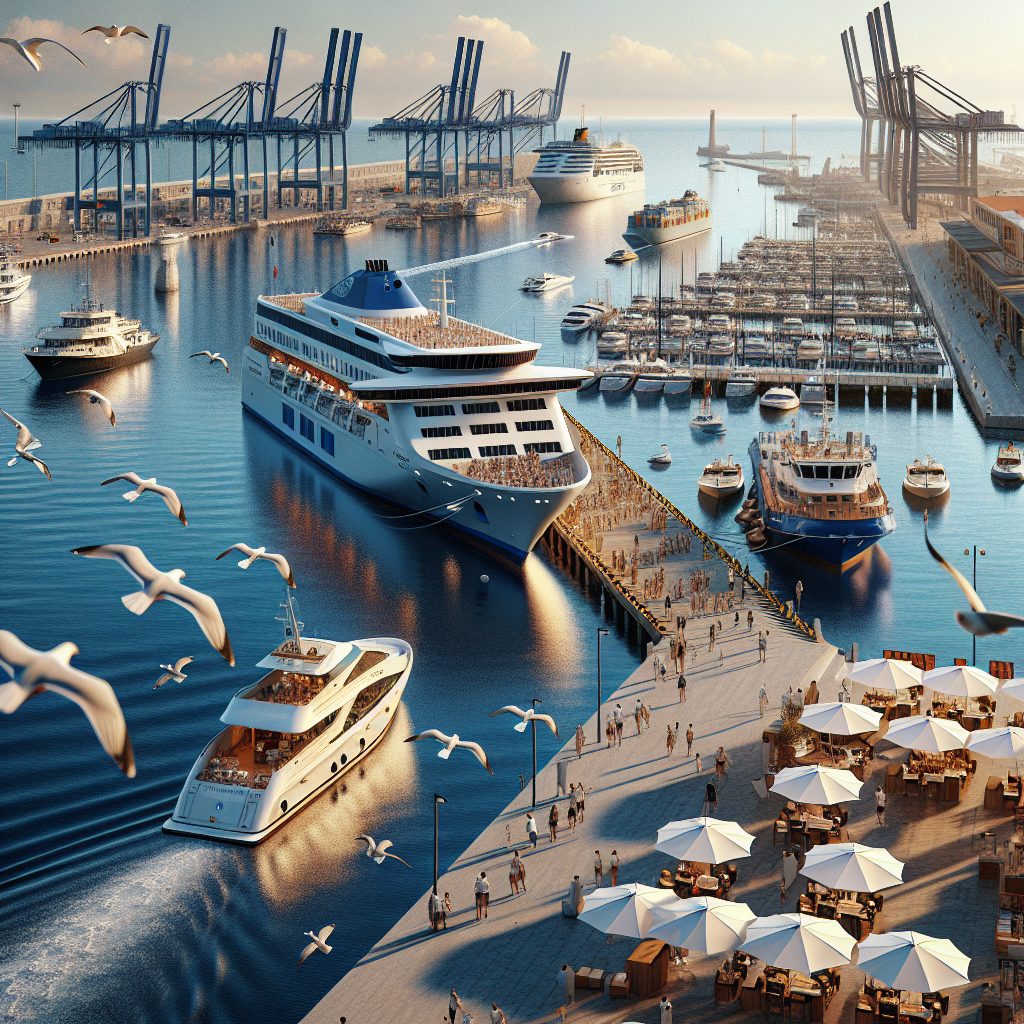
The Italian Port Governance Revolution: The Creation of Porti d’Italia S.p.A. Italy is undergoing a bold transformation in its port governance with the establishment of Porti d’Italia S.p.A., an entity poised to centralize the planning and execution of port infrastructure across the country. This initiative aims to address the inefficiencies and fragmentation of the current decentralized system, established by Law 84/1994. The new regulations propose a significant transformation in how Italian ports are managed, a change that aligns with the strategic needs of the 21st century. The current model of port governance in Italy, based on the autonomy of regional port authorities, has shown effectiveness in certain aspects but has faced significant challenges in terms of coordination and efficiency. The dispersion of responsibilities has led to delays in implementing crucial projects for the country’s logistics competitiveness. With the creation of Porti d’Italia, the Italian government aims to centralize decision-making power to streamline the processes of infrastructure development and modernization. The Italian government seeks to align strategic port decisions with national economic objectives. Centralizing decision-making will lead to more coherent and effective planning, ensuring optimal resource utilization. Porti d’Italia will have an initial capital of 500 million euros, publicly financed, enabling the undertaking of priority projects with a solid financial foundation. Implications for Regional Port Authorities The new Porti d’Italia structure has raised concerns among regional port authorities, as their investment autonomy will be reduced. While authorities will continue to operate, their decision-making capacity will be limited in favor of a more centralized model. This shift has sparked worries about the potential impact on ports’ ability to respond to local needs and adapt to specific commercial dynamics in each region. Some operators and unions have expressed skepticism about the centralization of power in Rome. Concerns have been raised about the loss of autonomy possibly leading to a lack of adaptation to local realities, critical for operational efficiency and regional economic development. Despite the impact on investment autonomy, regional port authorities will still play a crucial role in the daily management of ports. This dual structure could provide a balance between local and strategic management, as long as there is clear communication between Porti d’Italia and regional authorities. Opportunities and Challenges for the Maritime Sector The creation of Porti d’Italia S.p.A. presents significant opportunities for the Italian maritime sector, attracting professionals and investors alike. Centralized management could lead to larger and more ambitious infrastructure projects, enhancing investment and improving the country’s international trade competitiveness. Improved port infrastructure could result in modern and efficient docks, increasing cargo handling capacity. Enhancements in infrastructure not only facilitate smoother operations but also create a safer and more efficient environment for sector workers. However, the success of this initiative will depend on the new entity’s ability to effectively manage resources and projects under its control. Challenges related to transparency, budget approval, and technical oversight must be carefully addressed to ensure that Porti d’Italia achieves its objectives without succumbing to excessive bureaucracy. Call to Action for Professionals and Investors For maritime sector professionals, this reform offers an opportunity to reconsider and adapt to an evolving port governance environment. Those interested in being part of this enriching change can explore opportunities to contribute to the success of this ambitious initiative. Sending resumes to related entities may be beneficial as there is expected to be a growing demand for experts to support this initiative. Maritime investors could find in Porti d’Italia an ideal platform to channel investments into strategically vital projects for the country’s economic development. Engaging in these developments not only offers potential returns but also allows active participation in the modernization of the Italian port system. For nautical enthusiasts, improved port infrastructure means easier and more efficient access to maritime resources, driving the growth of the recreational sector. The creation of Porti d’Italia signifies a step towards a promising future for Italy’s maritime infrastructure, and all those interested in the sector should stay informed and be prepared to participate in this exciting advancement.