




The Blue Innovation Advances: A Recognition of Excellence and New Opportunities
The Blue Innovation Advances: A Recognition of Excellence and New Opportunities The impact of Blue Innovation in the Maritime Industry The maritime industry is undergoing a significant transformation thanks to the drive of innovative initiatives known as “blue technologies”. These aim not only to optimize the sustainable use of our oceans but also to promote the blue economy as a driver of growth and economic development. In this context, Yehudi “Gaf” Gaffen has been awarded the Gaffen Blue Champion Award for his visionary leadership in this area. The recognition, given by TMA BlueTech in collaboration with the Norwegian Consulate during its annual conference, highlights Gaffen’s efforts to transform the San Diego waterfront and promote collaborations between Los Angeles and San Diego. Such initiatives reflect the potential of the maritime sector to innovate and adapt to contemporary demands for sustainability and efficiency. For merchant marine professionals and maritime investors, these advances not only represent an opportunity to enhance existing practices but also to engage in projects that ensure a more sustainable future for the oceans. Additionally, these initiatives create new job opportunities for those willing to explore and adopt emerging technologies. The Legacy of Yehudi “Gaf” Gaffen and the Gaffen Blue Champion Award Yehudi “Gaf” Gaffen has been a pioneer in promoting sustainable development policies for maritime spaces. His commitment to the growth of AltaSea in the Port of Los Angeles and the promotion of strategic partnerships for “blue” development have been instrumental in receiving this prestigious award. The Gaffen Blue Champion Award not only celebrates Gaffen’s career but also underscores the importance of a long-term vision in the development of sustainable infrastructures. This approach not only fosters innovation but also promotes economic growth in areas that traditionally relied on more polluting or less efficient industries. For sailors and nautical enthusiasts, Gaffen’s leadership serves as an inspiration to adopt sustainable practices in their own activities, demonstrating that cooperation and innovation can have a positive impact on the marine environment. The Relevance of Interregional Collaborations The recognition of collaborative work between Los Angeles and San Diego highlights the importance of interregional partnerships to maximize the impact of blue technologies. This cooperation not only improves local infrastructure but also strengthens the exchange of knowledge and resources, benefiting the entire maritime community. For investors, these collaborations represent a unique opportunity to participate in large-scale projects that have the potential to revolutionize the blue economy. Investment in innovative and sustainable technology is crucial to maintain the sector’s competitiveness in an increasingly environmentally responsible global market. Additionally, for maritime sector professionals, these partnerships offer the opportunity to work in more dynamic environments and be at the forefront of industrial innovation. Interregional collaborations not only expand job opportunities but also set a new standard for sustainable business practices. Professional Opportunities on the Blue Horizon The development and promotion of blue technologies open new doors in the maritime job market. Emerging and established companies are looking for talents with skills in technological innovation and environmental sustainability. This presents a significant opportunity for professionals in the sector who want to evolve their careers. In this sense, the sector is seeing an increase in demand for experts in marine biotechnology, renewable energy engineers, and ocean resource management specialists. These areas are aligned with current needs for innovation and sustainable development. Those interested in exploring these opportunities are encouraged to submit their resumes to the leading blue innovation companies mentioned during the conference that celebrated Gaffen’s achievement. The maritime world is in a phase of change and those who wish to be part of this evolution will find a fertile field in the realm of blue technology. Blue Innovation: A Pillar for the Future In conclusion, Yehudi “Gaf” Gaffen’s award is not only a recognition of a trajectory of excellence but a call to action for the entire maritime community. Blue innovation emerges as an essential pillar for the future of the industry, enabling economic development based on sustainability and respect for the oceans. For readers of WishToSail.com, whether they are merchant marine professionals, investors, or nautical enthusiasts, this is an exciting time to get involved and contribute to a movement that promises to revolutionize the sector. Blue technology is not only about preserving our marine environment but also about leveraging it intelligently and responsibly. The invitation is clear: explore, innovate, and collaborate are the keys to advancing in the contemporary maritime world. With initiatives like those led by Gaffen, the future of the sector looks bright and full of opportunities for those willing to take on the challenge.
Annual Shortsea Shipping Conference 2025 in Valencia: Innovation and Sustainability in Short-Distance Maritime Transport
Annual Shortsea Shipping Conference 2025 in Valencia: Innovation and Sustainability in Short-Distance Maritime Transport The annual Shortsea Shipping conference, which will take place in Valencia on November 19, 2025, is set to be a key event for the short-distance maritime transport industry in Spain. Hosted at the iconic Valenciaport Clock Building, the event will bring together a wide range of experts, government representatives, and industry leaders to discuss the opportunities and challenges facing this sector in the current context. A Benchmark Meeting for the Industry The conference, organized by SPC Spain in collaboration with the Valencia Port Authority, is an essential meeting point for those involved in the maritime sector. It will attract representatives from the Ministry of Transport and Sustainable Mobility, Ports of the State, the Generalitat Valenciana, and major industry associations. This event provides an unparalleled platform for debate and the exchange of ideas on the future of short-distance maritime transport in Europe. The first roundtable will focus on the compatibility between new environmental regulations and the development of short-distance maritime transport, a crucial topic given the increasing international regulations to reduce greenhouse gas emissions. This is of importance to all shipping companies, given the pressures to adopt more sustainable practices. The second roundtable will explore the promotion of rail freight corridors as a key element of intermodality. Efficient connections between maritime and rail transport are essential to reduce dependence on road transport, decrease congestion, and move towards more sustainable transportation. The third table will address the new competitive landscape facing short-distance maritime lines. With the participation of representatives from the DG CLIMA of the European Commission, as well as industry leaders such as Baleària, Grimaldi Lines, and Brittany Ferries, this discussion will offer insights on how companies can adapt and thrive in an evolving market. The regulatory changes and increasing sustainability demands are redefining the landscape, and it is essential for companies to maintain their competitiveness. This conference will provide attendees with valuable information on strategies to navigate this challenging environment. Additionally, the event will conclude with a technical visit to the Rail Freight Corridor at the Valencia port’s Europa Terminal. This tour offers a practical insight into the implementation of these intermodal solutions, highlighting their potential to enhance freight transport efficiency. Employment and Investment Opportunities The conference is not only an opportunity to learn but also to connect with potential employers and business partners. Presenting companies such as Baleària, Grimaldi Lines, and Suardiaz Group may be seeking talent to drive their sustainable and efficient initiatives. Professionals interested in contributing to these projects should consider submitting their resumes to these companies, highlighting their interest in short-distance maritime transport and green technology. For maritime investors, the event offers the opportunity to explore emerging trends in the sector. With a range of technological innovations on the horizon, from cleaner fuels to more efficient propulsion systems, there is vast potential for strategic investments that can yield significant returns. Lastly, for nautical enthusiasts, the conference is an exceptional opportunity to understand how the industry is addressing environmental challenges and promoting sustainability. This knowledge can inform their personal decisions, whether in purchasing vessels or participating in maritime recreational activities. Relevance for the Sector and Beyond The Annual Shortsea Shipping Conference 2025 is relevant for several reasons. Firstly, it provides a platform to discuss how environmental regulations will impact the sector and strategies to comply with these new standards. This information is crucial for any professional looking to stay up-to-date with current and future regulations. Secondly, by exploring intermodality, the conference highlights the importance of collaborations between different modes of transport. This is a significant trend for improving the efficiency and sustainability of freight transport, of interest to both professionals and investors seeking opportunities in this field. Finally, the discussion on the new competitive landscape will provide companies with insights on how to adapt to a changing market, vital for maintaining competitiveness in an increasingly globalized and regulated industry. The event is free to attend but requires prior registration due to limited capacity. Interested individuals can view the detailed program and register through the links provided by the organization. The conference will run from 08:30 to 14:45, followed by the technical visit at 16:30. This conference represents a unique opportunity to be at the forefront of sustainable solutions in maritime transport and to be part of a dialogue that will shape the future of short-distance maritime transport in Spain and beyond. It is not only a chance to acquire knowledge but also to establish valuable connections in the industry. For more information on the event, interested parties can visit the official website of SPC Spain or the Valencia Port Authority. Participation in this conference is an investment in the future of efficient and sustainable maritime transport in Europe. In summary, the Annual Shortsea Shipping Conference 2025 is not just an opportunity to learn and discuss advances in short-distance maritime transport, but also a space to share experiences, establish connections, and explore new paths for the sustainable development of the industry. It is an event that will undoubtedly leave its mark on the maritime sector.
Canadian Innovation in Shipbuilding: A Step Towards Sustainability and Maritime Safety
Canadian Innovation in Shipbuilding: A Step Towards Sustainability and Maritime Safety In a strategic move that reinforces Canada’s position in the global maritime sector, Coastal Gateway and Union Bay Industries have launched an ambitious project to expand shipbuilding and repair capacity on the coast of British Columbia. This plan focuses on introducing cleaner, component-based shipbuilding practices, aiming to enhance the sustainability and environmental safety of maritime operations. The initiative not only promises to be an economic catalyst but also sets an example of how the shipbuilding industry can respond to growing environmental concerns. The main goal of this effort is to provide heightened environmental safety in response to the increasing traffic of oil tankers and cargo vessels. By doing so, the project aims to address ships in need of repairs as soon as they enter Canadian waters, avoiding deferred maintenance that could pose a significant environmental risk. In this way, the initiative not only seeks to protect marine ecosystems but also safeguard coastal communities that depend on them. The project is designed to meet the needs of a growing sector, offering both job opportunities and technological development. Through the implementation of cutting-edge technology and advanced shipbuilding techniques, Canada not only reaffirms its commitment to the industry but also positions itself as a leader in sustainable practices worldwide. Impact on the Maritime Sector: Technology and Opportunities The introduction of component-based shipbuilding technology is a cornerstone of this initiative, allowing for more efficient and modular manufacturing, reducing construction times, and decreasing the environmental impact associated with traditional processes. By using state-of-the-art materials and methods, the project aims to minimize emissions and waste, aligning with global sustainability goals. For maritime sector professionals, this initiative presents a range of job and investment opportunities. The expansion of shipbuilding and repair capacity in the region will require a skilled workforce, inviting engineers, technicians, and sustainability specialists to get involved. Local businesses can also collaborate in the supply chain, benefiting from the economic growth that this project promotes. From an investment perspective, the project represents an attractive opportunity. The increasing demand for sustainable practices in the maritime industry means that companies leading this transition are likely to receive significant support from both government bodies and private investors. This context provides a platform for future developments and sustainable long-term gains. Strategic and Ecological Benefits The proactive approach of this project to maintain and repair ships upon entering Canadian waters is essential in reducing the risk of environmental incidents. By ensuring that vessels are in optimal operating conditions, the potential for spills and other incidents that could have devastating consequences for marine ecosystems is minimized. Additionally, the use of cleaner and more efficient construction processes supports Canada’s international commitments to climate change. By reducing the carbon footprint of shipbuilding, the country takes a significant step towards its sustainability goals, while inspiring other nations to follow a similar path. Finally, this initiative strengthens Canada’s ability to compete in the global shipbuilding market. By adopting and implementing innovative practices, the country not only improves its service offerings but also attracts new customers interested in sustainable solutions for their maritime needs. Relevance for Industry Professionals For merchant navy professionals and sailors, this project offers three key reasons for its relevance: It provides an opportunity to enhance the safety and efficiency of maritime operations, reducing the risk of accidents and improving operational profitability. It promotes professional development by introducing advanced technologies and sustainable practices that professionals will need to learn and master. For maritime investors, this project offers significant economic growth potential. Being part of an initiative that leads the shift towards more sustainable operations, investors can anticipate positive returns as the industry evolves to meet global demand for ecological solutions. Finally, for nautical enthusiasts, this project is not only an example of how technology can improve sustainability but also an inspiration to incorporate sustainable practices into their own recreational activities. Canada’s innovative approach could influence personal navigation practices, inspiring sailors to adopt more environmentally friendly methods. Conclusion: A Sustainable Future in Shipbuilding The initiative by Coastal Gateway and Union Bay Industries is not only a significant step for Canada’s maritime industry but also an example of how industrial sectors can move towards a more sustainable future. By adopting advanced technologies and ecological practices, Canada positions itself as a leader in maritime sustainability, serving as a model for the rest of the world. With significant job and investment opportunities, this project invites professionals, investors, and enthusiasts to get involved and contribute to the development of a safer and more sustainable maritime sector. Ultimately, the success of this initiative could mark a new era in shipbuilding, driving positive change that resonates far beyond Canadian shores. The global maritime community is closely watching this development, and its success could catalyze changes in other key markets, promoting a greener and more sustainable global industry. Professionals and enthusiasts interested in exploring these opportunities are invited to stay informed and consider how they can be part of this exciting chapter.
Revolutionizing Subsea Well Interventions in the Caspian Sea
Revolutionizing Subsea Well Interventions in the Caspian Sea Oceaneering International, a renowned company in subsea technology, has recently been awarded a contract by bp Exploration (Caspian Sea) Limited to carry out light riserless well intervention operations in the strategically important Caspian Sea region, a crucial area for global energy development. This contract marks a significant milestone in Oceaneering’s trajectory. The collaboration with bp Exploration underscores the continued trust in the company’s technical expertise to tackle complex subsea challenges. Maritime professionals and maritime investors will find this development an exceptional opportunity to explore and understand the cutting-edge technology applied in remote operations. From the perspective of investors, this contract highlights the potential of technological innovations to transform traditional methods and optimize operational efficiency. What is Riserless Well Intervention? Riserless well intervention is an innovative technique that allows for maintenance and repair operations on subsea wells without the need for vertical pipes (risers) connecting the platform to the wellhead. This technique offers significant cost and logistical advantages by reducing the need for heavy equipment and installation time. The use of riserless intervention is particularly advantageous in regions like the Caspian Sea, where adverse environmental conditions and significant depths complicate traditional riser operations. Benefits for Professionals and Companies in the Sector This contract not only represents a technological advancement but also an opportunity for marine engineering professionals to engage in high-tech projects. Oceaneering and bp Exploration require well intervention specialists, offering a fertile ground for professional growth and innovation. For companies in the maritime and energy sectors, implementing riserless intervention techniques can result in a significant reduction in operational costs. This type of innovation allows for complex operations to be executed with lower investment compared to traditional methods, appealing to investors concerned with efficiency and profitability. Furthermore, the adoption of these technologies reinforces companies’ commitment to environmental sustainability by reducing environmental impact and improving operational safety. Future Opportunities in the Caspian Sea The Caspian Sea, a region rich in natural resources, remains a region of strategic interest for the oil and gas industries. The collaboration between Oceaneering and bp Exploration could pave the way for future technological and business developments that transform the management of subsea reserves. This contract highlights how innovation and collaboration can drive sustainable development in complex maritime areas, offering new business opportunities that combine cutting-edge technology with sustainability. A New Era for Subsea Engineering The award of the contract to Oceaneering by bp Exploration in the Caspian Sea is a clear indication that the maritime industry continues to innovate and adapt to the demands of a changing world. Riserless well intervention is not only an advanced technical solution but also a step towards a more efficient and sustainable future. For readers of WishToSail.com, this advancement represents a glimpse into the possibilities that technology brings to the maritime sector. Professionals can explore new career paths, while investors can discover lucrative opportunities in an expanding market. By supporting and participating in projects like Oceaneering and bp Exploration, stakeholders in the sector contribute not only to their own growth but also to the development of a more modern and environmentally friendly maritime industry.
Reducing Carbon Emissions: dynaCERT Introduces HydraGEN™ Technology to Europe
Reducing Carbon Emissions: dynaCERT Introduces HydraGEN™ Technology to Europe In a world increasingly focused on sustainability, Canadian company dynaCERT Inc. has taken a significant step towards reducing carbon emissions in the maritime industry. Following the successful deployment of their HydraGEN™ technology in the French port of Rochefort, a promising future unfolds in the application of technological innovations to mitigate the environmental impact of maritime transport. The HydraGEN™ is a device that enhances fuel efficiency and reduces greenhouse gas emissions in diesel engines. Integrated into the propulsion system of vessels, this device generates hydrogen and injects it into the combustion chamber, optimizing diesel combustion and significantly reducing carbon emissions. In the case of the port of Rochefort, initial tests have shown a reduction of up to 19% in CO2 emissions, a significant advancement for the port community. This drive towards cleaner technologies not only addresses environmental concerns but can also lower operational costs for shipping companies. The fuel efficiency improvement directly translates into economic savings, making HydraGEN™ an attractive solution for merchant marine companies looking to remain competitive while complying with increasingly strict environmental regulations. International Presence and Expansion in Europe The success in Rochefort has catalysed dynaCERT’s international expansion. With a clear focus on Europe, the company plans to attend transport logistic Americas & air cargo Americas fairs, marking its presence in the global logistics sector. These events, scheduled for November, provide an excellent platform to connect with industry leaders, showcase their cutting-edge technology, and explore new market opportunities. dynaCERT has identified port communities in Germany and the Netherlands as strategic next destinations for implementing HydraGEN™. By diversifying its geographical presence, the company aims not only to establish business relationships but also to foster collaboration with local companies to adapt the technology to the specific needs of each region. For maritime investors, this is a clear sign of dynaCERT’s potential growth. Their innovative approach and commitment to sustainability add value in a market demanding effective solutions for emission reduction. Furthermore, the growing adoption of clean technologies in Europe represents a significant business opportunity as more countries implement strict emission control policies. Employment Opportunities in the Maritime Sector The installation and maintenance of systems like HydraGEN™ require skilled personnel, opening the door to new job opportunities within the maritime sector. Engineers and technicians specialised in combustion technology will be crucial to implementing and maintaining these innovations internationally. dynaCERT is seeking qualified professionals to join their expanding team. The development of such technologies is not only an exciting and growing field but also makes a tangible contribution to environmental preservation. For the merchant navy, adopting devices like HydraGEN™ reinforces their commitment to a sustainable future while enhancing competitiveness in the global market. This is an ideal opportunity for those interested in combining technology, sustainability, and a career in such a crucial sector as the maritime industry. Relevance for the Maritime and Nautical Sector The introduction of HydraGEN™ to the European market offers several advantages for different segments of the maritime and nautical sector. Firstly, for maritime professionals, it provides an efficient tool to comply with increasingly stringent environmental regulations, helping companies improve their image and corporate social responsibility. Secondly, for maritime investors, dynaCERT represents a promising opportunity in the Cleantech sector, where innovative and environmentally friendly technological solutions are in high demand. Investing in technologies that not only improve efficiency but also protect the environment is a winning long-term strategy. Finally, for nautical enthusiasts, HydraGEN™ technology offers a greener future for recreational activities, ensuring that the seas they explore today remain vibrant and healthy for future generations. Innovation in carbon emission reduction is a key factor in maintaining the beauty and diversity of our oceans.
The Wilhelmshaven Express: Leading the Way in Sustainable Shipping
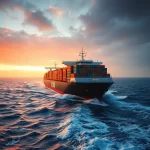
The Wilhelmshaven Express: Leading the Way in Sustainable Shipping The Wilhelmshaven Express, the latest addition to the prestigious Hamburg Express class, is setting a new standard in the maritime industry with its advanced dual-fuel propulsion technology. This vessel, with an impressive capacity of 23,660 TEU, offers an efficient and eco-friendly option for goods transportation. Its ability to operate on both liquefied natural gas (LNG) and biomethane reflects Hapag-Lloyd’s commitment to reducing CO₂ emissions, in line with its long-term sustainability goals. By using clean fuels, the Wilhelmshaven Express not only cuts CO₂ emissions by 15-25%, but also significantly reduces sulfur oxides (SOₓ) and carbon particles, contributing to a healthier marine environment. The introduction of the Wilhelmshaven Express not only benefits the environment but also creates new opportunities for maritime professionals. With Hapag-Lloyd at the forefront of sustainability and innovation, there are numerous job prospects for those interested in working with cutting-edge technology in one of the world’s most eco-friendly fleets. Impact on Maritime Routes: Connecting Asia and Northern Europe Deployed on the NE1 service of the Gemini Cooperation, the Wilhelmshaven Express strengthens the connection between Asia and Northern Europe. This high-capacity link not only enhances supply chain efficiency but also provides a more sustainable means of transporting goods on key trade routes. The Jade Weser port in Wilhelmshaven, a crucial deep-water node, plays a vital role in this operation. With its efficient cargo handling capabilities and consistent processes, this port enhances customer supply chain resilience throughout Northern Europe, improving reliability and punctuality in deliveries. Improved supply chain efficiency with direct connections between Asia and Europe Reduced environmental impact with cleaner fuel options Enhanced reliability and punctuality in deliveries For maritime investors, this initiative offers an unprecedented opportunity to participate in an operation that aligns clearly with global sustainability and efficiency goals. Partnering with this level of innovation ensures not only an attractive return on investment but also a brighter future for global trade. Hamburg Express: A Class of Innovation and Efficiency The Hamburg Express series, built at the Hanwha Ocean shipyard in South Korea, is not just a testament to technological innovation but also a strategic investment of USD 2 billion. With a length of 399 meters and a design that reduces CO₂ emissions by up to 25% compared to conventional designs, this class sets a new standard for container ships. Since the inauguration of the Berlin Express in June 2023, the Hamburg Express class has incorporated a total of 12 ships, each reflecting Hapag-Lloyd’s commitment to innovation and sustainability. Reduced CO₂ emissions by up to 25% with innovative design Strategic investment in sustainable maritime transport Adherence to future environmental regulations For nautical enthusiasts, witnessing the advancement of these technological innovations is an opportunity to learn and adapt to the industry’s new trends. The Hamburg Express class not only paves the way for a more sustainable future but also showcases what modern engineering can achieve in the maritime sector. Technical Features and Sustainability: Driving the Future The Wilhelmshaven Express and its counterparts in the Hamburg Express class are equipped with advanced technical features that ensure not only efficient operation but also a deep commitment to environmental sustainability. Their nominal carrying capacity of ~23,660 TEU, along with dual-fuel technology including LNG and VLSFO, guarantees a significant reduction in emissions. Additionally, technical specifications such as shore power connections and optimized propulsion systems enhance operational efficiency, reducing energy use and associated emissions. Advanced technical features for efficient and sustainable operation Enhanced safety and connectivity onboard Investment in future logistics and international trade These technological advancements not only preserve the environment but also represent an investment in the future of international logistics. High-speed internet connections, virtual navigation systems, and onboard safety improvements provide a safer and more connected work environment for crews, ensuring that the next generation of mariners can easily adapt to these changes. Future Expansion: Beyond the Hamburg Express Looking ahead, Hapag-Lloyd is already planning the next phase of fleet expansion with a program of 24 additional vessels, ranging in capacity from 9,200 to 16,800 TEU. These additions reflect the company’s continued dedication to innovation and sustainability, as these new ships will also be capable of operating on biomethane, aligning with ambitious CO₂ emissions reduction goals. Scheduled for delivery between 2027 and 2029, these vessels represent a new generation of container ships that will not only provide additional capacity but also continue to reduce the maritime sector’s carbon footprint. Expansion of fleet with 24 additional vessels for increased capacity Alignment with ambitious CO₂ emissions reduction goals Opportunities for professionals in emerging technologies This expansion also creates significant opportunities for industry professionals, from new jobs to skill development in emerging technologies. Ultimately, Hapag-Lloyd’s progress in modernization and sustainability benefits not only the company and its shareholders but also sets a clear path towards a greener and more efficient future for the entire global maritime industry.