


Continental Battery Systems: Recognized as Supplier of the Year 2025 by Stellantis in the Spare Parts Market
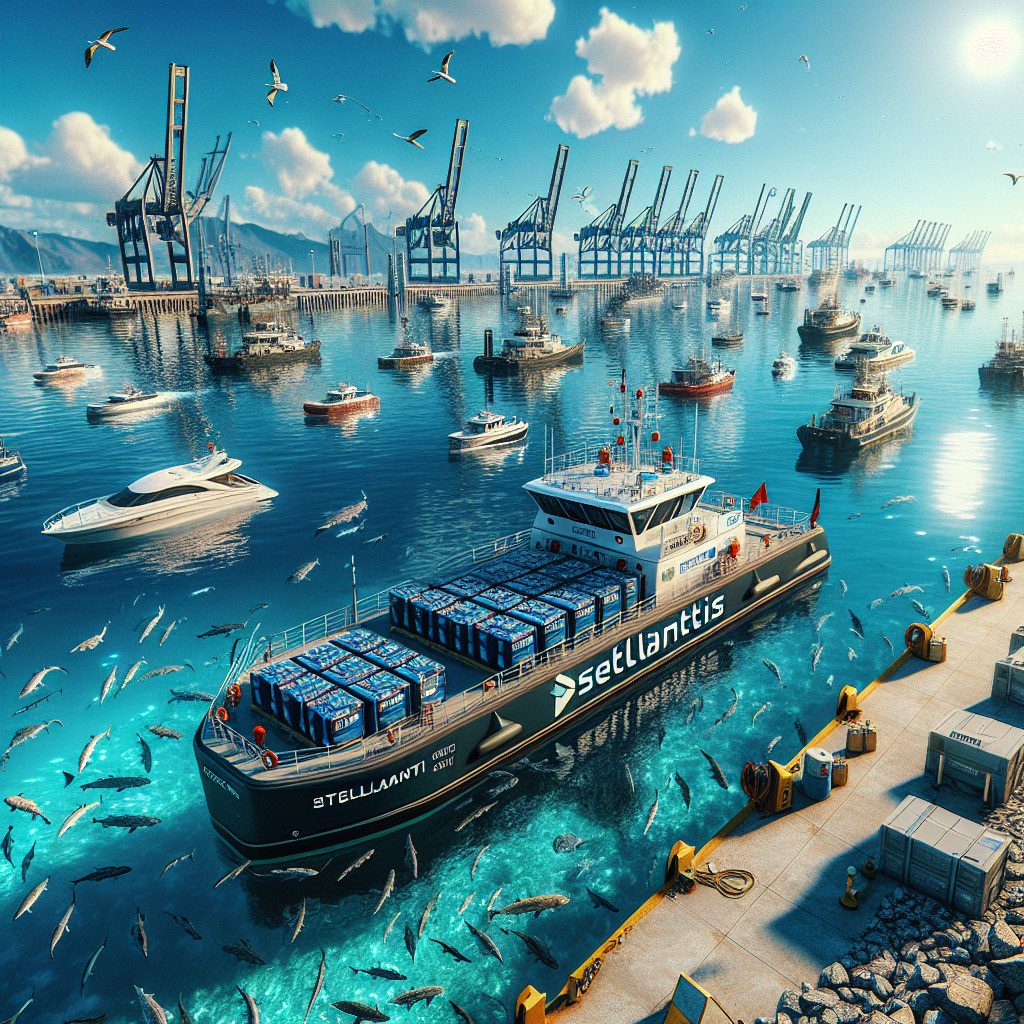
Continental Battery Systems: Recognized as Supplier of the Year 2025 by Stellantis in the Spare Parts Market The recent recognition of Continental Battery Systems as Supplier of the Year 2025 by Stellantis has garnered attention in the maritime and nautical sectors. This distinction, awarded by one of the world’s leading car manufacturers, underscores the importance of innovation and quality in supplies that are vital to ensuring performance and reliability in various areas, including the marine industry. Stellantis has highlighted Continental Battery Systems’ exceptional performance in three critical areas: performance, reliability, and service. These are key factors that resonate deeply with the shipping industry and boating enthusiasts, as electrical supply is a fundamental component for the optimal operation of vessels of all types, from merchant ships to recreational boats. Furthermore, this news presents added value for maritime professionals and maritime investors, who are always looking for reliable and high-quality suppliers to ensure the efficient operation of their fleets. Stellantis’ distinction places Continental Battery Systems in a prominent position within the maritime supply chain, opening up new possibilities for collaboration and technological development in the sector. Innovation and Technology at the Heart of the Naval Industry The implementation of advanced technologies in battery manufacturing is a crucial aspect that Continental Battery Systems has perfected. In a maritime industry moving towards more sustainable and efficient practices, innovation in energy sources is a fundamental pillar. Batteries are evolving to be not only more efficient but also more environmentally friendly, a crucial aspect in modern navigation. Reliability and performance in adverse conditions are essential for any energy solution adopted by the naval industry. The batteries developed by Continental are designed to withstand the rigorous maritime environment, providing a constant power source that is vital for uninterrupted operations at sea. This recognition by Stellantis not only validates Continental’s commitment to excellence but also offers a case study on how technological innovation can be applied in other areas, including the shipping industry. This represents an opportunity for sector professionals to navigate towards new technological frontiers with confidence and security. Growth and Employment Opportunities in the Maritime Sector Continental Battery Systems’ recognition is not only a testament to its excellence but also opens the door to potential job opportunities for those interested in the maritime sector. With the increasing demand for advanced energy solutions, new roles are emerging for engineers, technicians, and specialists who wish to participate in the development and maintenance of these advanced technologies. Maritime companies looking to improve the energy efficiency of their fleets now have the opportunity to collaborate with a provider recognized for its excellence in service and product quality. This means not only improvements in vessel operability but also greater sustainability and compliance with environmental regulations. For those looking to explore employment opportunities, it is an invitation to contribute to innovative projects that are transforming the maritime sector. Submitting a resume to companies like Continental Battery Systems may be the first step towards a promising career in an area of growing relevance. The Relevance of the Distinction: Future Perspectives Stellantis’ recognition of Continental Battery Systems is more than just an award; it is an indication of the future of the maritime industry. For sailors and industry professionals, it provides a clear vision of where the spare parts market is heading, highlighting the importance of selecting supplies that guarantee performance and sustainability. Continental’s adaptability and continuous improvement highlight its commitment to leading technological advancement within the industry. This approach not only benefits professionals on the water but also sets an example for other companies looking to stand out in the competitive market of nautical and maritime supplies. Ultimately, this distinction underscores the importance of choosing strategic partners who are leaders in innovation and service. Readers of WishToSail.com can see in this recognition a motivation to explore and adopt new technologies that not only improve the efficiency of their operations but also contribute to a more sustainable future in the maritime sector.
ArcBest®: Revolutionizing Logistics in the Global Maritime Supply Chain

ArcBest®: Revolutionizing Logistics in the Global Maritime Supply Chain ArcBest®’s Significance in the Logistics Sector In the dynamic world of logistics, ArcBest® stands out as a leading figure in the global industry. Founded in 1923, this billion-dollar company has not only expanded its operations over a century but has also been able to adapt and lead innovations in the supply chain. With a team of 14,000 employees spread across 250 campuses and service centers, ArcBest® remains an essential pillar that keeps the global logistics movement constant. The recent decision by ArcBest®’s Board of Directors to declare a quarterly cash dividend of twelve cents per share underscores the financial stability and commitment to its shareholders. Such news is not only relevant to maritime investors, who are always looking for profitable and reliable options but also to professionals in the merchant navy who depend on efficient logistics for the proper functioning of commercial routes. ArcBest® has demonstrated its ability not only in handling land logistics but also in the nautical sector, where the efficient flow of goods is vital to the global economy. Technological Innovations Redefining Maritime Logistics In a sector where technology is advancing by leaps and bounds, ArcBest® stands out for its focus on integrating advanced logistics systems. The implementation of cutting-edge technology not only optimizes internal processes but also redefines how supply chains are managed in a globalized environment. These innovations are essential in the digital age, where precision and speed are determining factors for success. The use of automated inventory management and real-time tracking systems on ships and port terminals allows for more agile and precise coordination. For maritime professionals, this translates into a significant reduction in waiting times and an increase in the security of transported goods. Automated inventory management systems Real-time tracking for ships and terminals These technical improvements not only increase operational efficiency but also reduce costs, a clear benefit for logistics operations of all scales. For nautical enthusiasts, these innovations represent an open door to a future where technology and maritime navigation merge to create new opportunities. Access to real-time data and automation not only facilitate navigation but also enhance the overall experience of maritime transport in terms of safety and efficiency. Employment and Investment Opportunities Beyond technological advancements, ArcBest® is known for generating significant employment opportunities in the sector. The company’s constant expansion and the need for experts in modern logistics mean that they are always looking for new talent. Maritime sector professionals, whether engineers, captains, or logistics managers, can find in ArcBest® a place to develop their careers and contribute to the company’s growth. For maritime investors, ArcBest®’s constant evolution and adaptability in the logistics market represent a solid and future-proof investment. The decision to award quarterly dividends reflects its financial stability and commitment to sustainable growth, generating confidence and additional appeal for investors. Diverse employment opportunities in the modern logistics sector Stable investment options with quarterly dividends Additionally, the company’s expansion in the maritime field opens up new avenues for investment and development in underexplored markets. Therefore, professionals and enthusiasts in the sector are encouraged to consider ArcBest® not only as a leader in logistics but also as a potential partner for professional and financial development. The opportunity to submit resumes to this company could mean a step towards new adventures and achievements in the maritime sector. Practical Impact and Benefits for the Sector ArcBest®’s impact on the logistics field extends beyond its internal operations. The integration of advanced technologies and its focus on efficiency not only optimizes its processes but also creates a domino effect that benefits the maritime sector as a whole. For sailors, this means safer and more reliable routes, where predictability and speed are key to successful transport. In an environment where time and efficiency are critical, ArcBest®’s advances allow sailors and maritime professionals to rely on a more reliable service. Improved response times and accessibility to real-time information Enhanced operational efficiency in maritime operations These advances drive a more competitive and dynamic environment, where innovation is the norm and not the exception. The relevance of this news crystallizes in three fundamental pillars: professional growth opportunities for those involved in logistics and nautical fields, investment possibilities in a robust and continually expanding company, and access to cutting-edge technologies that redefine the way maritime navigation is conducted. For any professional in the sector, staying informed and connected with companies like ArcBest® is essential to stay at the forefront and make the most of the opportunities offered by the current market. In conclusion, ArcBest® not only represents a cornerstone in global logistics but also defines the future of maritime logistics. With its commitment to innovation, employment opportunities, and solid financial stability, the company continues to have a positive influence on the maritime and logistics sector, offering professionals and investors a promising path to success and sustainability.
Innovations and Opportunities in the Maritime and Logistics Sector: A Third Quarter Analysis of Werner Enterprises

Innovations and Opportunities in the Maritime and Logistics Sector: A Third Quarter Analysis of Werner Enterprises Werner Enterprises and its Positioning in the Logistics Market Werner Enterprises, a renowned company in the transportation and logistics sector, has released its results for the third quarter of 2025. Despite facing a more challenging freight environment, the company has demonstrated significant growth in certain business segments. This analysis provides an in-depth look at their achievements, challenges, and the opportunities they present for professionals in the maritime and logistics sector. The maritime logistics market in which Werner Enterprises operates is constantly evolving, driven by technological innovations and changes in consumer demands. The ability to adapt to these changes is crucial to remain competitive. Werner, with its focus on expanding dedicated fleets and sustained growth in its logistics line, proves to be an example of resilience and adaptation. Revenue Increase in Dedicated Services and Expansion of New Fleets One of the highlights of Werner Enterprises’ third-quarter report is the increase in revenue from dedicated services. This rise is not only sequential, but also year-on-year, which is a positive indicator of sustained growth. This trend has been driven by the allocation of new fleets, a strategic move that allows the company to strengthen its presence in the market. Expansion of dedicated fleets increases operational efficiency and opens doors to new job opportunities. Professionals in the merchant navy have the chance to advance in their careers as companies like Werner are constantly seeking skilled individuals to handle and operate new vessels. Investors in the maritime sector can find Werner’s growth in this specific segment attractive for investment. The sustained growth in Werner’s logistics segment is a significant achievement in the context of a highly competitive market. This is largely due to the company’s ability to efficiently manage operations, optimizing the supply chain through technology. Investment in software and digital technologies continues to transform the maritime and logistics industry. Technologies such as Artificial Intelligence enable route optimization and cost reduction, leading to increased efficiency and reduced environmental impact. Relevance of Results for Maritime Professionals The release of Werner Enterprises’ third-quarter results is relevant for several reasons. Firstly, it underscores the importance of flexibility and adaptability in an industry that constantly faces economic and logistical challenges. Werner’s ability to grow in certain areas, even in tough times, is a testament to the value of innovation. Furthermore, fleet expansion and logistics growth offer job and investment opportunities, crucial for sailors and maritime investors. These developments not only create employment but also drive the maritime sector’s economy. Finally, the adoption of technology in maritime logistics not only improves operational efficiency but also benefits the environment. This presents an opportunity for industry professionals to be part of a broader movement towards sustainable and responsible maritime transport. Conclusion: The Future of Maritime Transport and Logistics In conclusion, Werner Enterprises’ results highlight the importance of innovation, diversification, and adaptation in the maritime transportation and logistics sector. Professionals in the merchant navy, investors, and nautical enthusiasts can look to this company as an example of turning challenges into opportunities. The future of the maritime sector lies in companies’ ability to embrace new technologies, strategically expand operations, and respond to changing market demands. By taking these actions, companies ensure growth, competitiveness, and contribute to a more dynamic and sustainable sector. Werner Enterprises offers insight into how companies can navigate the complexities of the global economy and emerge stronger. For those interested in exploring more opportunities in the maritime and logistics sector, submitting a resume to leading companies could be a step towards a promising career.
Advancements in Fuel and Electrical Systems: A Promising Future for the Nautical Sector
Advancements in Fuel and Electrical Systems: A Promising Future for the Nautical Sector The nautical sector is currently undergoing significant and constant changes, driven by technological advancements and the need for sustainability. PHINIA Inc., a leading company in premium solutions and components, has recently announced a quarterly dividend that not only reflects its financial strength but also its commitment to innovation in fuel and electrical systems. These innovations have a direct impact on the merchant navy and recreational boating, offering new opportunities for professionals in the sector. PHINIA Inc.: A Leader in Premium Solutions PHINIA Inc., listed on the New York Stock Exchange under the code NYSE: PHIN, has established itself as one of the main companies in the development of high-quality fuel and electrical systems. The company has excelled in creating advanced solutions that improve energy efficiency and reduce environmental impact, two critical aspects in today’s world. This approach is not only relevant to the automotive industry but also has direct applications in the nautical sector, where efficiency and sustainability are essential. The recent declaration of a cash dividend of $0.27 per common share, payable on December 12, 2025, is a demonstration of the company’s financial health and its ability to generate value for its shareholders. This dividend is an indicator of confidence in its business strategy, which is aligned with the growing demand for sustainable energy solutions in the maritime sector. For maritime investors, this news represents an opportunity to consider PHINIA as a solid investment option. Financial stability and a focus on technological innovations make this company a strategic ally for those interested in the future of the nautical industry. Impact on the Merchant Navy and Job Opportunities The innovations developed by PHINIA have a direct impact on the merchant navy. Advances in fuel and electrical systems can result in increased operational efficiency and significant cost savings. This is crucial in an environment where competitiveness is strongly influenced by the ability to operate efficiently and sustainably. For professionals in the merchant navy, staying informed about these innovations is vital. Knowledge about new fuel systems can be key to optimizing daily operations, improving both safety and the effectiveness of maritime routes. Furthermore, the implementation of advanced technology can open up new avenues of employment, inviting experts to submit their resumes to companies leading this technological change. Job opportunities are not limited to technical positions. Expertise in technology management and energy efficiency is increasingly valued, and companies are looking for professionals who can lead this transition to greener and more profitable operations. Technological Innovations: Beyond Sustainability Sustainability is just one of the many benefits that PHINIA’s innovations bring to the nautical sector. The company is exploring new technologies that not only reduce environmental impact but also improve safety and comfort on board. For example, advanced electrical systems enable better management of energy resources, optimizing energy use on board and enhancing the sailing experience. The development of more efficient fuel systems also entails operational benefits, such as increased autonomy and reduced maintenance times. These advances are particularly relevant on long routes, where fuel efficiency can make the difference between the success and failure of an operation. These innovations reflect a broader trend in the maritime sector towards the use of advanced technology to address historical challenges. From improving energy efficiency to reducing polluting emissions, PHINIA’s solutions are at the forefront of a necessary and beneficial change. Reasons for Optimism: Benefits for Professionals and Enthusiasts There are multiple reasons why these innovations are essential for the different profiles of the audience of WishToSail.com. Firstly, for professionals in the merchant navy, the adoption of these systems means increased competitiveness and the ability to face the challenges posed by the current market, always striving to operate with maximum efficiency. Secondly, for maritime investors, the financial strength of PHINIA and its focus on advanced technology represent a secure and promising investment opportunity. Investing in companies that lead technological innovation is a strategy that can provide long-term benefits. Finally, for boating enthusiasts, these developments mean an enhanced sailing experience, safer and more environmentally conscious. With these innovations, recreational boating is presented as a more accessible activity aligned with the sustainability values that are increasingly in demand by society. Conclusions: A Promising Future for the Nautical Sector PHINIA Inc.’s announcement regarding its dividend reflects a commitment to innovation and sustainability that benefits the entire nautical industry. From professionals in the merchant navy to investors and enthusiasts, everyone can find value in the advanced solutions that the company offers. The key to the future of the nautical sector lies in the ability to adapt to technological changes and seize the opportunities they offer. For those interested in being part of this revolution, from submitting resumes to leading companies to investing in them, PHINIA’s story is an inspiration and an example to follow. With these advances, the horizon of the nautical sector looks promising, ready to face the challenges of tomorrow with innovative solutions that ensure sustainable and effective growth.
The Impact of the Decline in Liquid Bulk Exports in the Spanish Maritime Sector

The Impact of the Decline in Liquid Bulk Exports in the Spanish Maritime Sector The recent statistics from Ports of the State reveal a complex scenario for freight traffic in Spain. Between January and September 2025, the total movement amounted to 404.1 million tonnes, showing a decrease of 1.6% compared to the same period the previous year. Despite this decline, the data indicates a slight recovery, considering that the average year-on-year variation since April had been -2.3%. The analysis details that while general conventional cargo experienced an increase of 4.3%, reaching 67.2 million tonnes, other segments were not as fortunate. Solid bulk decreased by 5.3% (60.4 million tonnes), liquid bulk by 2.0% (133.1 million tonnes), and containerized cargo by 2.2% (143.4 million tonnes). In this context, regular passenger traffic accumulated 22.8 million people, a growth of 1.5% compared to the previous year. This increase is largely due to the Operation Strait of Gibraltar, which concluded on September 15th and benefited ports such as Motril, Algeciras, and Ceuta. The Challenge of Liquid Bulk The most alarming figure in these statistics is possibly the 18.7% drop in liquid bulk exports, reaching 15.5 million tonnes. This decline highlights the need for more robust strategies to revitalize the sector, affected by multiple macroeconomic factors and international demand. Liquid bulk plays a vital role in the maritime economy, encompassing essential products such as oil and its derivatives, natural gas, and chemicals. These raw materials are crucial for both domestic consumption and export, making their decline have direct repercussions on the national economy. For professionals in the merchant navy and maritime investors, this downward trend may indicate opportunities to innovate in logistical and sales strategies to help mitigate the negative impact. Employment and Investment Opportunities In terms of employment opportunities, the restructuring and strengthening of the liquid bulk sector could generate new job positions for qualified personnel in logistics management, naval engineering, and port operations. These roles will be crucial in improving efficiency and responsiveness to current challenges. Additionally, companies involved in export and port infrastructure may see this period as an opportunity to consider investments in technology and modernization. The Relevance of Ro-Ro Traffic and Its Evolution Despite declines in other sectors, roll-on/roll-off (ro-ro) traffic has remained at positive levels, reaching 56.5 million tonnes, an increase of 3.0%. This type of traffic is especially crucial for the transportation of vehicles and machinery, highlighting the sector’s ability to adapt to the demands of modern trade. The growth in ro-ro traffic is partly due to the advantages it offers in terms of speed and efficiency in transporting heavy and bulky goods. Its consolidation as a preferred method for certain types of cargo has led to the implementation of more optimized routes and the improvement of port infrastructure to facilitate these movements. Looking to the Future: Innovation and Adaptation The current situation demands innovation and adaptation not only to survive but to thrive in a dynamic and competitive global environment. From improving port infrastructure to adopting sustainable technologies, it is crucial for the Spanish maritime sector to stay at the forefront of technological trends. The pursuit of more sustainable and efficient methods for transporting goods can not only reduce costs in the long term but also comply with new environmental regulations. The implementation of ships powered by cleaner energy sources, such as natural gas, would represent a positive shift towards a more sustainable future. Conclusion The current context in Spanish ports, marked by the decline in liquid bulk exports, presents both challenges and opportunities for maritime sector players. For merchant navy professionals and investors, this is an opportunity to rethink strategies, invest in innovation, and explore new ways to optimize maritime trade. Ultimately, the key to addressing this challenge lies in the sector’s ability to adapt and evolve through the use of advanced technologies and sustainable practices. By doing so, not only can the impact of current declines be mitigated, but a solid foundation can be established for a more resilient and sustainable future.
The Arctic Route: A Shift Towards the Green Future of Navigation

The Arctic Route: A Shift Towards the Green Future of Navigation For centuries, the Arctic has been a mysterious blank spot on navigation maps, a place where explorers’ dreams of finding a “Northeast Passage” were buried under ice. However, climate change has transformed what was once a myth into a tangible logistical reality: the Northern Sea Route (NSR). Stretching approximately 5,600 kilometers, this route runs along the northern coast of Russia from the Bering Strait to the Barents Sea. For a container ship departing from China, the NSR offers significant time and resource savings. Compared to the traditional route through the Suez Canal, the NSR reduces the distance by 40% and transit time from 40-45 days to just 18-20 days. The NSR reduces the distance by 40% compared to the Suez Canal route. Transit time is cut from 40-45 days to just 18-20 days. Until recently, this route was mainly used by bulk carriers and oil tankers escorted by Russian icebreakers. However, the advent of the “Arctic Express” has changed the landscape. With the participation of Haijie Shipping Company and its container line Sea Legend Shipping, this marks a milestone in Arctic navigation, opening up new possibilities for maritime trade. Pioneers of the Path: The Journey of the Vessel “Istanbul Bridge” The vessel “Istanbul Bridge,” flying the flag of Sea Legend Shipping, set sail from the port of Ningbo-Zhoushan in China on September 23, 2025, inaugurating the first regular container service from China to Europe via the NSR. This journey, which concluded in Rotterdam, Netherlands, on October 23, is a clear example of the Arctic’s capabilities as a viable commercial corridor. Despite facing storm Amy on October 8, the “Istanbul Bridge” demonstrated the commercial and navigational feasibility of the NSR, completing its voyage, which included stops at key ports in Europe such as Felixstowe, Hamburg, and Gdańsk, with guaranteed success within the scheduled timeframe. The vessel “Istanbul Bridge” showcased the commercial viability of the NSR. It completed its journey with stops at key European ports. This milestone not only validates the NSR as a tangible option for international freight transport but also opens doors to new job opportunities in the maritime sector. The features of the “Istanbul Bridge,” such as its Ice1 class hull, allowed it to average nearly 17 knots of speed through the Arctic segment. According to Captain Zhong Desheng, “the journey was a real challenge, but also a clear test of our capabilities,” ushering in a new era for transportation along this Arctic route. Environmental Impact and Operational Challenges The opening of the NSR brings not only logistical benefits but also significant environmental challenges. One of the main concerns is the impact of black carbon, a byproduct of burning fossil fuels that accelerates glacier melting by reducing the ice and snow’s reflectivity. During its journey, the “Istanbul Bridge” used Very Low Sulphur Fuel Oil (VLSFO), reducing CO₂ emissions by 37% compared to the Suez Canal route. However, concerns persist about the effect of black carbon in polar regions. Using VLSFO reduced CO₂ emissions by 37% compared to the Suez Canal route. To mitigate the acoustic impact on Arctic marine life, the vessel employed variable pitch propellers and vibration dampeners, reducing underwater noise by 15-18 dB. Nonetheless, the challenge of protecting the fragile Arctic ecosystem remains, underscoring the need to move towards more sustainable technologies. The Race for Cleaner Fuel The search for cleaner fuel alternatives is crucial to ensure that the NSR becomes a sustainable long-term option. The transition to cleaner propulsion systems, such as the use of liquefied natural gas (LNG) and ammonia, is underway. Sea Legend Shipping plans to gradually eliminate the use of VLSFO in its Arctic Express vessels by 2027. The development of hybrid systems and smart technologies also plays a crucial role. The use of LNG and ammonia are cleaner fuel alternatives being explored. Sea Legend Shipping plans to phase out VLSFO by 2027. During the inaugural journey, the “Istanbul Bridge” tested battery-assisted auxiliary systems, achieving a 9% reduction in auxiliary fuel consumption, a significant advancement for future operations in the Arctic. Leading the way towards a cleaner future also involves working in collaboration with international organizations to establish stricter regulations that ensure Arctic protection, effectively balancing commercial needs with environmental imperatives. Reasons to Explore the Arctic Route For maritime professionals, the NSR presents unparalleled opportunities. Firstly, the significant time and operational cost savings increase the profitability of logistical operations. Secondly, diversifying supply routes reduces dependence on critical geopolitical points like the Suez Canal. And thirdly, technological and environmental innovations driven by this initiative set new standards for the industry. The prospects for investors in the sector are equally promising. The growing demand for clean technology and the necessary infrastructure to support sustainable operations in the Arctic represent a significant investment opportunity. Finally, for nautical enthusiasts, the NSR is a fascinating example of the impact of climate change on navigation routes and a testament to how innovation can open up new frontiers in maritime trade. Conclusions: A Promising yet Challenging Future The historic journey of the “Istanbul Bridge” through the NSR not only offers a more efficient new route for international trade but also presents new challenges in terms of sustainability and environmental responsibility. Striking a balance between commercial ambition and the need to preserve the Arctic environment is a critical issue that the maritime sector must urgently address. The Arctic route represents both a promise of economic progress and a test of our collective ability to manage the planet’s resources responsibly. International collaboration, technological advancement, and respect for local ecosystems will be key to ensuring a sustainable future for the NSR.