


The Opportunity in the Acquisition of Norcold LLC Assets: Innovation and Future for the Nautical Industry

The Opportunity in the Acquisition of Norcold LLC Assets: Innovation and Future for the Nautical Industry A new era for Norcold LLC: From bankruptcy to reinvention. Norcold LLC, known for its specialization in distributing refrigerators for recreational vehicles and marine equipment, is facing a new horizon after filing for Chapter 11 bankruptcy in the United States. This strategic decision aims to facilitate the sale of its assets to Dave Carter & Associates (DCA), a move that promises to transform the dynamics of the sector. The significance of this event not only involves a change of ownership but also brings opportunities for innovation and growth in the nautical industry. The Chapter 11 is a legal process in the United States that allows companies to reorganize their debts and operations under court supervision. Norcold LLC has chosen this route to ensure an orderly and transparent transition of its assets to DCA, a company known for its experience in distributing components for recreational vehicles. This change of hands opens up a range of possibilities for implementing new technologies and improving products in the maritime sector. For merchant marine professionals and maritime investors, this asset transfer is a sign of strength in the sector. It not only represents an opportunity to capitalize on new business relationships but also to adopt equipment innovations that can optimize nautical operations. This transition may also result in the creation of new jobs, inviting interested parties to submit their resumes to DCA for future collaborations. The acquisition of Norcold LLC assets by DCA promises to introduce technological advances that could redefine cooling capabilities on boats. Efficient systems are crucial for the safety and operational efficiency of long maritime journeys. New refrigeration systems aligned with energy efficiency and sustainability goals can help reduce energy consumption and operational costs for sailors and nautical enthusiasts. The digitalization of refrigeration systems could lead to features such as remote monitoring and automated management, offering sailors more precise control over their equipment and improving operational efficiency in real-time. Impact and Employment Opportunities in the Sector DCA’s purchase operation signifies not only a new business direction but also an increase in job opportunities in the nautical sector. With the need to integrate new systems and technologies, companies will be looking for specialized talent that can contribute to this transformation. Professionals with experience in naval technology, logistics, and project management will be particularly well-positioned to benefit from these opportunities. Additionally, for investors, Norcold LLC and DCA’s strategic move translates into a commitment to innovation and efficiency, values that, in the long term, result in a positive economic return. The possibility of injecting capital into a company focused on technological innovation is an attractive incentive for those looking to actively participate in improving and modernizing nautical equipment. New products and technologies resulting from this transition may lead to increased reliability and efficiency of operations in the merchant navy, fostering fleet diversification, job creation, and strengthening maritime trade. Relevance for Different Audience Segments For sailors and nautical enthusiasts, this acquisition opens doors to access cutting-edge technology on their boats, potentially enhancing their sailing experience significantly. For merchant marine professionals, resulting innovations could translate into greater operational efficiency and cost reduction, directly impacting the sector’s competitiveness. Lastly, for investors, this acquisition represents fertile ground for economic growth and portfolio diversification. The challenge now is to closely monitor how DCA capitalizes on this acquisition to drive the development of new products and services that will hopefully set a new standard in the industry.
The XXI Trofeo de la Hispanidad: A Meeting of Passion and Mastery at the Real Club Astur de Regatas
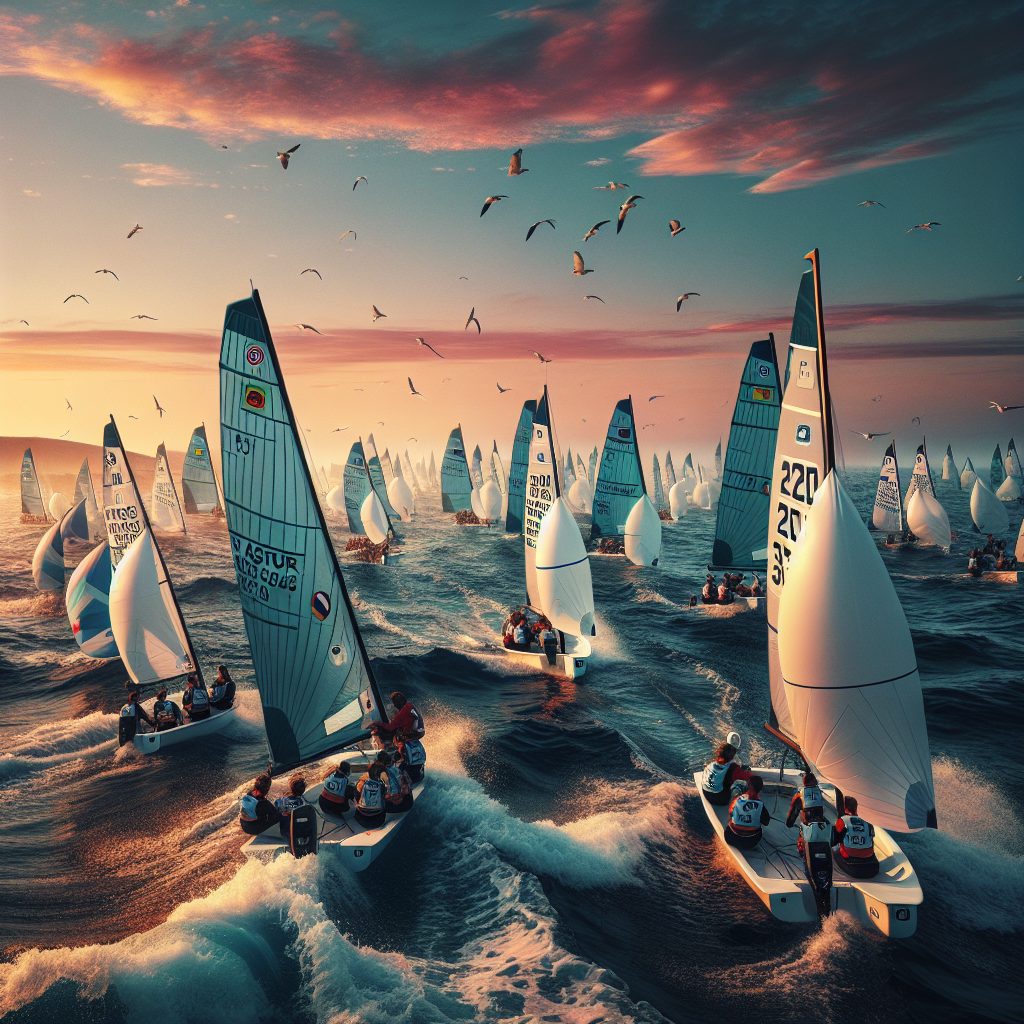
The XXI Trofeo de la Hispanidad: A Meeting of Passion and Mastery at the Real Club Astur de Regatas The Passion for Sailing Dressed Up in Style in Gijón Over the past weekend, Gijón became the epicenter of dinghy sailing with the celebration of the XXI Trofeo de la Hispanidad, organized by the Real Club Astur de Regatas (RCAR). This event, which is already a tradition in the Spanish nautical calendar, brought together some of the most talented sailors in the country, offering a spectacle that not only exalted the sport but also fueled the spirit of overcoming challenges and healthy competition. The trophy, known for its prestige and relevance, represents not only an opportunity for competitors to showcase their skills but also an ideal space for maritime enthusiasts and professionals to connect and learn from each other’s experiences. This edition was no exception, with the favorable northeast wind and calm sea conditions, the waters of Gijón provided the perfect stage for this competition. The celebration of the trophy in Gijón highlights the region’s importance in the Spanish nautical panorama. With events like this, the Real Club Astur de Regatas reaffirms its commitment to sports, tradition, and the promotion of dinghy sailing as both a professional and recreational activity. Outstanding Performances in the Trophy Carlos Ordóñez and Leticia Pelayo stood out in the Snipe class with an outstanding performance, securing the first place after an impressive victory in the opening race and a solid second place in the last race. Héctor García emerged as the winner in the ILCA 4 category thanks to his consistency and precision, revealing his skills by securing first and second place in the races. Julio Riba dominated the ILCA 6 category, achieving two consecutive victories that positioned him at the top of the leaderboard. These performances not only demonstrate technical ability but also the preparation and dedication invested by these sailors in their passion for sailing. A Platform for Future Opportunities Beyond the excitement and competition, events like the Trofeo de la Hispanidad offer job opportunities and growth prospects for participants and maritime sector professionals. These gatherings not only open doors to new connections and collaborations but also allow emerging talents to be recognized by companies and clubs constantly seeking new members for their teams. For maritime investors, attending an event like this allows firsthand observation of the skills and potential of future champions, as well as sparking discussions on sponsorship and investments in young sports talents. The visibility generated by a competition of this caliber can attract the attention of brands and entities interested in supporting the best talents. Individuals interested in pursuing a career in the nautical field may consider submitting their resumes to clubs like RCAR, which are always looking to enrich their ranks with passionate and talented individuals. Participation in prestigious competitions is an excellent first step for those seeking to make their mark in the world of professional sailing. Innovation and Tradition in Dinghy Sailing The trophy also serves as a showcase for technological innovations that are transforming the nautical industry. From new navigation techniques to the use of lighter and more resistant materials in boats, the event provides a platform to demonstrate how tradition and innovation can work together to enhance performance and safety in sailing. The development of more efficient and safer boats directly benefits sailors, allowing them to optimize their skills and enjoy a more enriching experience on the water. Furthermore, these innovations are crucial not only for competition but also for recreational sailing, where advances in design and technology improve comfort and reduce environmental impact. Dinghy sailing remains a fertile ground for technological evolution, presenting opportunities for those wishing to invest in this sector. The Value of the Trofeo de la Hispanidad for the Sector The XXI Trofeo de la Hispanidad is not only a highlight in the sports calendar but also underscores the importance of dinghy sailing as a discipline that promotes skills such as strategy, leadership, and resilience. For professionals in the merchant navy, this competition represents an opportunity to observe and learn techniques that can be applied in their own operations. For nautical enthusiasts, the event is a source of inspiration that reaffirms the value of perseverance and dedication in achieving personal and collective goals. The trophy not only celebrates its winners but also empowers each participant to continue navigating the seas with passion and determination. Lastly, the trophy strengthens the status of the Real Club Astur de Regatas as a bastion of nautical sports in Spain. Their commitment to organizing high-quality events not only boosts the sport’s growth in the region but also attracts national and international attention, solidifying Gijón as a key destination on the global nautical map.
The Impact of Luxury Cruises in Alaska and Japan with the Star Seeker
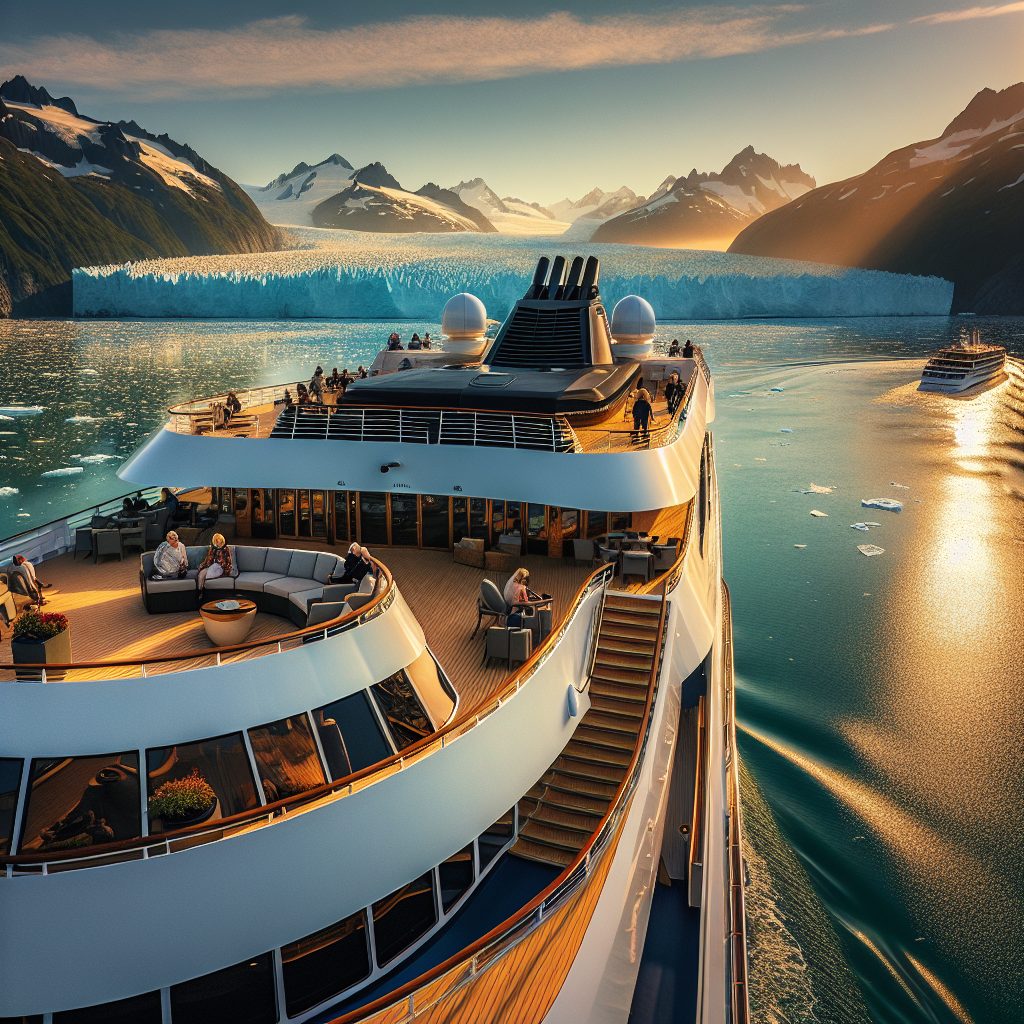
The Impact of Luxury Cruises in Alaska and Japan with the Star Seeker In the competitive world of cruises, technological innovations and unique experiences play a crucial role. Windstar Cruises has taken a step forward with its new luxury vessel, the Star Seeker. This 224-passenger yacht not only redefines the concept of luxury but also that of adventure and discovery, with a clear focus on exploration and direct contact with nature. The Star Seeker is specially designed to offer an immersive experience, standing out for its suites equipped with private verandas and infinite windows that maximize sea views. This feature not only enhances the passenger experience but also represents a significant advance in naval architecture, where design meets functionality. Every detail has been meticulously planned to ensure that guests have a unique experience while sailing through some of the most stunning regions in the world. The yacht also features spacious decks, specially designed for glacier and wildlife observation, allowing passengers to get closer to nature in an unprecedented way. These advancements reflect the growing trend in the maritime industry towards sustainability and connection with the environment, putting the Star Seeker at the forefront of luxury cruises. Alaska and Japan: Dream Destinations for Adventurers The itinerary of the Star Seeker includes two of the most sought-after and exciting regions for tourists: Alaska and Japan. Cruises to Alaska offer a spectacular setting with its majestic glaciers and unparalleled wildlife. These trips represent a unique opportunity to get up close to the natural beauty and biodiversity of the largest state in the United States. On the other hand, voyages to Japan provide travelers with an extraordinary cultural immersion. From the modernity of Tokyo to the serenity of Kyoto’s temples, each stop in Japan is a window into a world full of history, culture, and traditions. The combination of the Star Seeker’s advanced technology and carefully selected destinations ensure an unforgettable experience for adventure lovers. Both destinations stand out not only for their natural and cultural beauty but also for their economic relevance in the maritime sector. These routes are vital for international trade and offer unique job prospects for professionals in the sector, from opportunities in tourism to roles in logistics and vessel management. When considering Alaska, the region represents a significant part of the global cruise industry. In 2019, Alaska welcomed over 1.3 million cruise visitors, making it one of the top cruise destinations in the world. The economic impact of these visits is substantial, with millions of dollars generated for local businesses and communities. Additionally, Alaska’s natural beauty and wildlife conservation efforts make it a prime location for eco-conscious travelers seeking sustainable tourism experiences. The state’s marine ecosystem is home to a wide variety of species, including whales, seals, and seabirds. Meanwhile, Japan’s cruise industry has been steadily growing in recent years, with a focus on attracting international visitors to explore its rich cultural heritage and modern attractions. In 2019, Japan saw a record-breaking number of cruise passengers, with over 2.8 million arrivals. The country’s unique blend of tradition and innovation makes it a compelling destination for luxury cruise travelers looking for immersive cultural experiences. Japan’s ports have been investing in infrastructure to accommodate larger cruise ships, creating new opportunities for the maritime sector and local economies. Career and Investment Opportunities in the Nautical Sector The launch of the Star Seeker is not only a milestone in terms of maritime tourism but also opens up a range of career and investment opportunities in the sector. The growing demand for luxury cruises and the expansion to exotic destinations like Alaska and Japan are driving the creation of new jobs in areas such as hospitality, fleet management, and naval engineering. For maritime professionals and investors, the Star Seeker represents an opportunity to participate in a growing and highly lucrative market. Companies involved in these types of projects are always looking for qualified and passionate individuals, so those interested may consider submitting their resumes to Windstar Cruises and other related companies. When looking at the career opportunities in the nautical sector, it’s essential to consider the varied roles available, from ship captains and deck officers to marine engineers and cruise directors. The nautical sector offers a diverse range of career paths, each requiring specific skills and qualifications. With the right training and experience, individuals can build successful and rewarding careers in this dynamic industry. Importance and Practical Applications for Nautical Professionals From a professional perspective, the success of the Star Seeker and its innovative approach to cruise itineraries present various lessons and opportunities for nautical industry professionals. Firstly, it highlights the importance of adaptability and continuous innovation in vessel design and operation, essential to staying competitive in an ever-evolving market. Secondly, operating cruises in diverse destinations like Alaska and Japan underscores the need for specialized knowledge in navigation and effective route management. Professionals in the sector can benefit from ongoing training in these areas, ensuring they are prepared to seize the opportunities that arise in these challenging itineraries. The nautical sector is a vital component of the global economy, with maritime trade accounting for around 80% of world trade by volume. The industry supports millions of jobs worldwide, from seafarers and port workers to shipbuilders and maritime lawyers. As technology continues to advance and environmental concerns grow, the nautical sector must adapt to meet new challenges and opportunities. Conclusion: A Promising Future for the Maritime Industry In summary, Windstar Cruises’ Star Seeker represents not only an advancement in luxury maritime tourism but also a significant opportunity for professionals and investors in the nautical industry. With its focus on technological innovation and exploration of new destinations, this yacht offers an encouraging outlook for the sector’s future. The relevance of these routes and the associated innovations not only add value to nautical enthusiasts but also offer tangible benefits to industry professionals. From job opportunities to new investments in infrastructure, the impact of the Star Seeker is broad and diverse. We invite readers to explore more
The Strategic Acquisition Proposal in the Maritime Sector: KNOT Offshore Partners LP Under the Spotlight

The Strategic Acquisition Proposal in the Maritime Sector: KNOT Offshore Partners LP Under the Spotlight The maritime sector has recently witnessed a strategic move that could redefine the offshore transport landscape. Knutsen NYK Offshore Tankers AS (KNOT) has put forward a non-binding proposal to acquire all outstanding common units of KNOT Offshore Partners LP (NYSE: KNOP). Dated October 31, 2025, this offer of $10 per common unit has garnered attention from investors and industry professionals alike. This type of transaction not only impacts the structure of the companies involved but also has the potential to influence the global maritime market. The proposed acquisition by KNOT could bring new stability and efficiency to its operations, optimizing its resources and services. This strategic move carries implications for the maritime labour market, as major acquisitions and mergers often lead to team restructuring and the introduction of new job opportunities. Impact on the Maritime Sector: Innovation and Efficiency The proposed acquisition by KNOT is not only significant financially but also has the potential to pave the way for technological innovation within the maritime sector. KNOP is known for its commitment to efficiency and sustainability, and this acquisition could further enhance and expand these initiatives. The integration of KNOT’s resources and capabilities with those of KNOP could result in a more modern and efficient fleet. Investing in cutting-edge technologies, such as process digitalization and clean energy technologies, could be crucial to maintaining competitiveness in a sector that increasingly demands sustainability. For nautical enthusiasts and merchant navy professionals, these technological improvements could translate into a safer and more efficient sailing experience, as well as a reduced environmental impact. Such sustainable advancements are precisely what maritime investors are looking for when considering where to allocate their funds. Opportunities for Professionals and Enthusiasts Besides the technological and financial implications, the acquisition also creates significant opportunities for industry professionals. With anticipated restructuring and growth, KNOT is likely to seek new talents to strengthen its operations. Mariners, engineers, and maritime logistics professionals now have an excellent opportunity to submit their resumes and be part of an expanding company. Operational efficiency and fleet expansion may open up new international maritime routes, providing unique experiences for sailors and contributing to the economic growth of the regions involved. The introduction of new destinations and routes may be particularly appealing to investors looking to tap into the growing maritime tourism market. Therefore, this news is relevant not only to investors but also to industry professionals and nautical enthusiasts. Conclusion: A Promising Future on the Horizon In summary, KNOT’s proposal to acquire KNOT Offshore Partners LP symbolizes change and opportunity in the maritime sector. From technological innovations to new maritime routes, the possibilities are vast and promise a dynamic future for the industry. This operation serves as a clear reminder that the maritime sector continues to evolve and present new opportunities for industry professionals, investors, and enthusiasts. For those interested in advancing their careers in the merchant navy or diversifying their investments, this is a pivotal moment to get involved. Readers are advised to stay informed and consider the implications of this acquisition in their own professional or recreational contexts. The tide is turning, bringing with it new and exciting opportunities to sail towards the future.
Yang Ming Partners with Japanese Shipyards for Building Six Methanol-Ready Container Ships
Yang Ming Partners with Japanese Shipyards for Building Six Methanol-Ready Container Ships Yang Ming Partners with Japanese Shipyards for Building Six Methanol-Ready Container Ships Yang Ming Marine Transport Corporation, one of the leading global shipping companies, has taken a significant step towards sustainability and operational efficiency by signing contracts with Japanese shipyards to construct six new container ships with a capacity of 8,000 TEU, ready to use methanol as fuel. This commitment strengthens the company’s long-term vision to reduce its carbon footprint and enhance the environmental performance of its fleet. Sustainability and Operational Efficiency The agreement was sealed on October 28, 2025, at the Imabari International Hotel in Japan, marking a milestone in Yang Ming’s ongoing collaboration with some of the major Japanese shipyards, including Nihon Shipyard Co., Ltd., Imabari Shipbuilding Co., Ltd., and Shoei Kisen Kaisha, Ltd. Innovation in Design and Green Technology The new Yang Ming vessels will be equipped with advanced energy efficiency technologies, including dual-fuel main engines ready for methanol conversion in the future. They will also feature high-efficiency propeller systems, energy-saving rudders, and rudder bulbs to optimize propulsion performance and reduce fuel consumption, aligning with the decarbonization goals of the IMO and other international environmental regulations. Global Competitiveness Strategy The initiative to build these new methanol-ready ships focuses not only on sustainability but also on enhancing Yang Ming’s global competitiveness. The company aims to align its fleet capacity with market dynamics, ensuring long-term supply stability for its customers in a context of constantly evolving global trade patterns. Contribution to a Low-Emission Future Yang Ming’s leadership in the global maritime market, with a clear focus on carbon reduction and sustainable growth, highlights its commitment to international environmental goals and the creation of a resilient and competitive maritime transport network. Yang Ming’s investment in new technologies enabling the use of clean energy is a testament to the company’s commitment to international environmental goals and the creation of a resilient and competitive maritime transport network. Importance for the Maritime and Nautical Industry This move by Yang Ming is significant for various audience segments within the maritime industry. For maritime professionals, it represents a step towards more sustainable and efficient operations, which could influence future regulations and operation standards in the industry. Investing in green technologies not only responds to growing sustainability demands but also to the evolution of global regulations, which could translate into long-term financial benefits.
The Green Transformation of PIL: The Impact of Kota Orkid on Sustainable Maritime Transport
The Green Transformation of PIL: The Impact of Kota Orkid on Sustainable Maritime Transport Pacific International Lines (PIL) has taken a significant step towards sustainability with the addition of the Kota Orkid, the fourth vessel in its 8,200 TEU container fleet with LNG dual-fuel technology. This new acquisition, christened at the Yangzijiang shipyards in Jiangsu, China, not only reaffirms PIL’s commitment to the environment but also strengthens its position in the global maritime transport market. A Glimpse into the Future: Innovation in Maritime Transport The Kota Orkid is part of a series of innovative vessels that PIL has introduced into its fleet. With state-of-the-art engines that significantly reduce methane emissions and the ability to operate with biomethane, this vessel is a clear example of how technology can mitigate the environmental impact of maritime transport. Furthermore, its hydrodynamic design and the use of advanced anti-fouling coatings improve its fuel efficiency. This initiative is not only relevant for industry operators but also represents an opportunity for maritime investors interested in sustainable technologies. The adoption of LNG dual-fuel ships could become an increasingly popular trend, not only for their ecological benefits but also for their potential to reduce operating costs in the long term. Additionally, the development of this sustainable fleet opens up new job opportunities for naval engineering professionals and technicians in advanced propulsion systems. Commercial Routes: Strategic and Sustainable Strategies The Kota Orkid is not just a technological marvel; it is also a key element in PIL’s commercial strategy. It is intended to operate on the SWS (South West Africa Service), strengthening the connection between Asia and West Africa. This route is vital as it facilitates trade between two regions with economic and strategic growth. Financial Implications of a Green Fleet From a financial perspective, PIL’s investment in LNG dual-fuel ships is a strategic decision with multiple benefits. It not only positions the company on the path to compliance with increasingly stringent environmental regulations but can also result in significant economic savings due to reduced fuel consumption and lower emission fees. Maritime investors interested in sustainable projects will find in PIL an example of how investments in green technology not only have a positive impact on the environment but can also translate into long-term financial benefits. PIL’s Commitment to a Sustainable Future PIL’s commitment does not end with the addition of Kota Orkid. The company plans to continue expanding its fleet with another 12 LNG dual-fuel ships in the coming years, demonstrating its dedication to sustainability and advanced technology. This approach not only positions PIL as an industry leader but also sets a standard that other shipping companies could follow. Conclusion: The Lasting Impact of Kota Orkid The Kota Orkid symbolizes PIL’s commitment to a more sustainable future. As the company continues its green transformation, the impact of its fleet will be felt worldwide, from commercial routes to environmental regulations. For maritime professionals, investors, and nautical enthusiasts, PIL’s story offers valuable lessons on the importance of innovation and sustainability in the maritime sector. These changes not only reflect a global trend but also present unique opportunities that can be leveraged for personal benefit. It is clear that PIL is not only investing in its fleet but also in the future of global transportation. Individuals interested in the maritime industry are encouraged to explore the possibilities offered by the development of LNG dual-fuel technology. The maritime transport sector is at a pivotal moment of transformation, and those who adapt and evolve with it will be better prepared for the challenges of the future.