


Innovations in Maritime Recycling: A New Era in Catalyst Sustainability

Innovations in Maritime Recycling: A New Era in Catalyst Sustainability In a world where sustainability has become a global priority, the maritime industry is no exception. Innovations in catalyst recycling are transforming traditional processes and offering professionals in the sector a new way to address the environmental impact of their operations. Accurate Recycling, a leader in sustainable solutions, has taken a significant step by appointing Brittany Fowler as Vice President of Strategic Partnerships. This appointment indicates a renewed commitment to growth and innovation in catalyst recycling in the maritime industry. Brittany Fowler’s role will be crucial in expanding a program that offers OEM-certified recertified collector catalytic converters. These devices are recycled through an EPA-certified process, positioning Accurate Recycling as the only company with its own environmental certification in this field. This approach will not only reduce the environmental impact of maritime operations but can also increase the efficiency of ships, something essential given the increasing environmental regulation in the industry. Recertifying catalysts not only benefits the environment but also offers economic opportunities. By reusing these components, maritime companies can reduce significant operating costs and comply with increasingly strict regulations, which is crucial in a sector where efficiency and sustainability are becoming more interdependent. Economic and Technological Boost for the Maritime Sector One of the highlights of this innovation is the economic potential it brings. By recycling and recertifying catalysts, companies in the sector can save considerably on acquiring new components, resulting in cost reduction. From a technological perspective, the EPA-certified method used by Accurate Recycling represents a significant advancement. By ensuring that converters meet the highest standards of efficiency and safety, the company is not only leading the way in sustainability but also setting a new standard of quality in the industry. For maritime professionals and sailors, this initiative can mean an improvement in the daily operation of their vessels. Improvements in fuel efficiency and emission reduction provide a double benefit: economic and environmental. The adoption of more sustainable practices can enhance the reputation of maritime companies, which is essential in a competitive and ever-evolving market. Professional Growth Opportunities in Maritime Recycling With the appointment of Brittany Fowler, new job and partnership opportunities are opening up in the field of maritime recycling. Her experience and leadership in strategic partnerships are a clear indicator that Accurate Recycling is ready to expand and become an essential pillar of the industry. For those looking to advance in their careers within the maritime sector, this could be an unparalleled opportunity to be part of a pioneering team in sustainability. Companies involved in maritime waste recycling and management can find in this program a strategic ally. The possibility of collaborating with a company that leads with an innovative and sustainable approach can open doors to new business partnerships and joint projects. For nautical enthusiasts and maritime investors, Accurate Recycling’s sustainable approach can represent an opportunity to invest in a growing sector. With global pressure to reduce carbon emissions and protect the marine environment, companies implementing sustainable practices have the potential to lead the market in the coming years. Investing in catalyst recycling can be a profitable and ethically responsible opportunity. An Invitation to Contribute to the Sustainable Future of the Industry The maritime sector is at a turning point, where innovation and sustainability must go hand in hand. Accurate Recycling has shown that catalyst recycling can be a key component in the ecological transformation of the industry. The invitation to professionals, investors, and enthusiasts to explore these opportunities is not just a call to action but a promise of a future where technology and respect for the environment coexist. The implementation of advanced recycling practices will not only improve the sustainability of maritime operations but can also be a catalyst for change across the industry. By considering these opportunities, readers of WishToSail.com are called to lead this transformation from within, whether through investment, technological innovation, or promotion of sustainable policies. This is an opportunity to contribute to a significant and lasting change in a sector crucial for the global economy and environmental well-being.
Technological Innovation in Maritime Safety: The IMAS System Revolutionizes the Sector
The Revolution of Maritime Safety: IMAS System Changing the Game Technological Innovation in Maritime Safety: The IMAS System Revolutionizes the Sector The maritime world, known for its constant evolution and complexity, has found technology to be an indispensable ally in improving its safety standards. The Intelligent Marine Assistance System (IMAS), developed by Hefring Marine, emerges as an innovative solution that promises to transform the way professionals in the sector operate. This article will delve into how IMAS is changing the landscape of maritime safety, bringing us closer to a safer and more efficient future. Technology Serving Safety: The Role of AI The use of artificial intelligence (AI) in the maritime industry has opened up new possibilities to mitigate human errors, optimize operations, and establish a significant shift in safety culture. Hefring Marine, a leading Icelandic company in maritime solutions, has developed the Intelligent Marine Assistance System (IMAS), a tool that uses real-time predictive analysis to support vessel operators. IMAS can ingest data from onboard sensors and external sources, such as weather forecasts, to provide safety recommendations and speed adjustments. This allows for more informed management of operations, thereby reducing the risk of incidents and improving operational efficiency. The system’s ability to adapt to various conditions and optimize decisions makes it an invaluable resource for any maritime operator. Reducing the risk of incidents Improving operational efficiency Cost reduction associated with inefficiency and maintenance For professionals in the sector, IMAS not only represents an improvement in operational safety but also an opportunity to reduce costs associated with inefficiency and maintenance. The reduction in fuel consumption and carbon emissions translates into significant environmental benefits, aligning the industry with the growing demands for sustainability. A Necessary Shift in Maritime Safety Culture Historically, safety in the maritime sector has been tied to regulatory compliance rather than an active prevention culture. However, recent incidents highlight the need for a more proactive approach. Despite improvements in regulation, human errors remain the leading cause of accidents. This is where IMAS offers a crucial difference: instead of simply complying with regulations, operators become active participants in their own safety. The system promotes a mindset shift, from passive compliance to active participation, by delivering real-time data that demonstrates the impact of operational decisions. The ability to obtain immediate information on how actions affect safety gives operators a leading role, integrating them as an essential part of a stronger safety culture. Performance Fluctuations: Challenges and Opportunities in the Industry The safety performance in the maritime sector has shown significant variations in recent years. Different subsectors face unique challenges that lead to incidents involving injuries, equipment damage, and pollution. Actions like the implementation of IMAS are crucial to addressing these difficulties. In sectors like crew transfer, where investments have been significant, issues such as inadequate risk management persist. Technology can provide practical solutions, but a comprehensive approach that includes adequate training and supervision is necessary. Injuries, equipment damage, and pollution incidents Crew transfer sector challenges Fatalities in the fishing sector Regulation and Industry Response: A Delicate Balance The recent introduction of the Workboat Code Edition 3 in the UK represents an effort to modernize safety standards. However, the industry’s response has been mixed, pointing to the need for a balance between regulation and human capacity. The additional burden of compliance tasks can be daunting, jeopardizing the very goal of safety. In this context, the role of technologies like IMAS is crucial. By lightening the cognitive load of operators with useful information and real-time recommendations, a more dynamic and effective interaction with regulations can be fostered. This not only enhances safety but also optimizes operations. Opportunities for Professionals and Investors The implementation of advanced technologies like IMAS not only poses operational benefits but also opens up new job opportunities. Companies adopting these systems are likely to require personnel trained in handling advanced technologies as well as data analysis focused on improving safety. For investors, the growing interest in technological solutions for maritime safety represents a profitable growth area. Companies like Hefring Marine are leading the way towards a future where safety and technology converge, generating economic and social value. In conclusion, the integration of advanced systems like IMAS in the maritime sector is not only a response to current challenges but also a commitment to a safer and more efficient future. As technology continues to develop, it is essential for professionals and investors in the sector to remain vigilant and leverage these innovations to propel the industry towards new horizons.
The New Era in Maritime Training
Innovation and Development in Maritime Training: Anglo-Eastern Launches Methanol Bunker Simulators The New Era in Maritime Training In a decisive step towards decarbonizing the maritime industry, the ship management giant, Anglo-Eastern Univan Group, based in Hong Kong, has introduced a state-of-the-art methanol bunker simulator and a series of specialized training courses. Developed in collaboration with technological partner Wärtsilä, these simulators are a crucial component in preparing seafarers for the safe handling of methanol, a key alternative fuel in the sector’s energy transition. This cutting-edge system, launched in October, offers a comprehensive approach that combines theoretical and practical training, ensuring the safe handling of methanol as a marine fuel. The initiative is aligned with the strict guidelines of the International Maritime Organization (IMO) for low flashpoint fuels, ensuring the highest standards of safety and operational readiness throughout the fleet. The use of methanol as an alternative fuel not only presents a viable solution to reduce carbon emissions in the shipping industry but also positions Anglo-Eastern strategically to lead the way towards a more sustainable maritime transportation. Professionals in the sector, from technical personnel to investors, will find in this evolution a significant opportunity to adapt and lead in a constantly changing market. Building on a Dual-Fuel Training Infrastructure This innovative development follows Anglo-Eastern’s previous investment in alternative fuel training, specifically with the introduction in February of the world’s first LNG and ammonia bunkering station at the Anglo-Eastern Maritime Academy in Karjat, Mumbai. These physical facilities represent a crucial link in training seafarers ready to face the challenges of alternative fuels. With the introduction of basic and advanced methanol and bunkering courses, Anglo-Eastern ensures that its seafarers are fully equipped to handle the complex fuel requirements of vessels powered by methyl/ethyl alcohol (methanol). This advanced training is essential to keep up with technological developments and the growing demands of the modern maritime industry. As Captain Aalok Sharma, Group Training Director at Anglo-Eastern, highlighted, “Decarbonization is not just about adopting new technologies, but also about preparing the people who will operate them.” This statement underscores the importance of investing in advanced training facilities that equip seafarers with the necessary skills to handle alternative fuels and propulsion systems safely and efficiently. A Comprehensive Approach in Training Modules The new training initiative unfolds over three intensive days and comprises distinct modules tailored to different levels of operational responsibility and technical familiarity. This includes basic training for service personnel on ships using methyl/ethyl alcohol as fuel, to advanced training for officers and key personnel serving on methanol-powered vessels. In addition, an introductory familiarization module specifically focuses on the ME-LGIM engine and the associated fuel gas supply system (FGSS). This stepped approach ensures that all levels of maritime personnel, from the newest to the most experienced, are properly prepared for their roles. Francis Akkara, Director of Anglo-Eastern Maritime Training Centres (AEMTC), emphasized the need to keep pace with the rapid evolution of the industry: “As the maritime industry accelerates its transition to alternative fuels, it is essential that our training evolves in parallel. These new offerings reflect Anglo-Eastern’s commitment to equip seafarers with the operational readiness and safety mindset necessary to navigate the complexities of methanol and ammonia-driven propulsion technologies.” Dual-Fuel Commitment from Anglo-Eastern Currently, the company demonstrates a formidable commitment to the alternative fuels market, managing over 130 dual-fuel vessels and with another 130 new construction projects underway as of October. Their dual-fuel capabilities span a wide range of future fuels, including LNG, LPG, ammonia, methanol, hydrogen, and wind-assisted propulsion systems (WAPS), positioning them at the forefront of the green maritime transport revolution. With these investments, Anglo-Eastern not only supports the global transition to low-emission maritime transport but also strengthens its role as a key partner for shipowners embracing alternative fuels. For maritime investors, this approach represents an opportunity to be at the forefront of a significant industry change, aligning with global sustainability trends. The ability to manage such a diverse and technologically advanced fleet not only demonstrates Anglo-Eastern’s commitment to innovation but also serves as a model for other companies seeking to reduce their carbon footprint while optimizing operational efficiency. Global Network and Training Innovation at Anglo-Eastern Anglo-Eastern Univan Group stands as a definitive global leader in the independent ship management sector, with an operational scale and comprehensive service model that places it at the forefront of the maritime industry. The company technically manages over 750 vessels, provides crew for another 500 ships, and oversees more than 1,000 new construction and conversion projects. The company operates a robust global network composed of 30 strategically positioned locations in Asia, Europe, and the Americas. This extensive geographic reach ensures localized support while maintaining consistent standards of excellence globally. A fundamental pillar of Anglo-Eastern’s philosophy is its commitment to people and continuous training. With advanced training centers for seafarers and a maritime academy, Anglo-Eastern ensures that its vast workforce is trained to the highest and most consistent industry standards.
The New LNG Agreement between Pembina and PETRONAS: Implications for the Maritime Sector
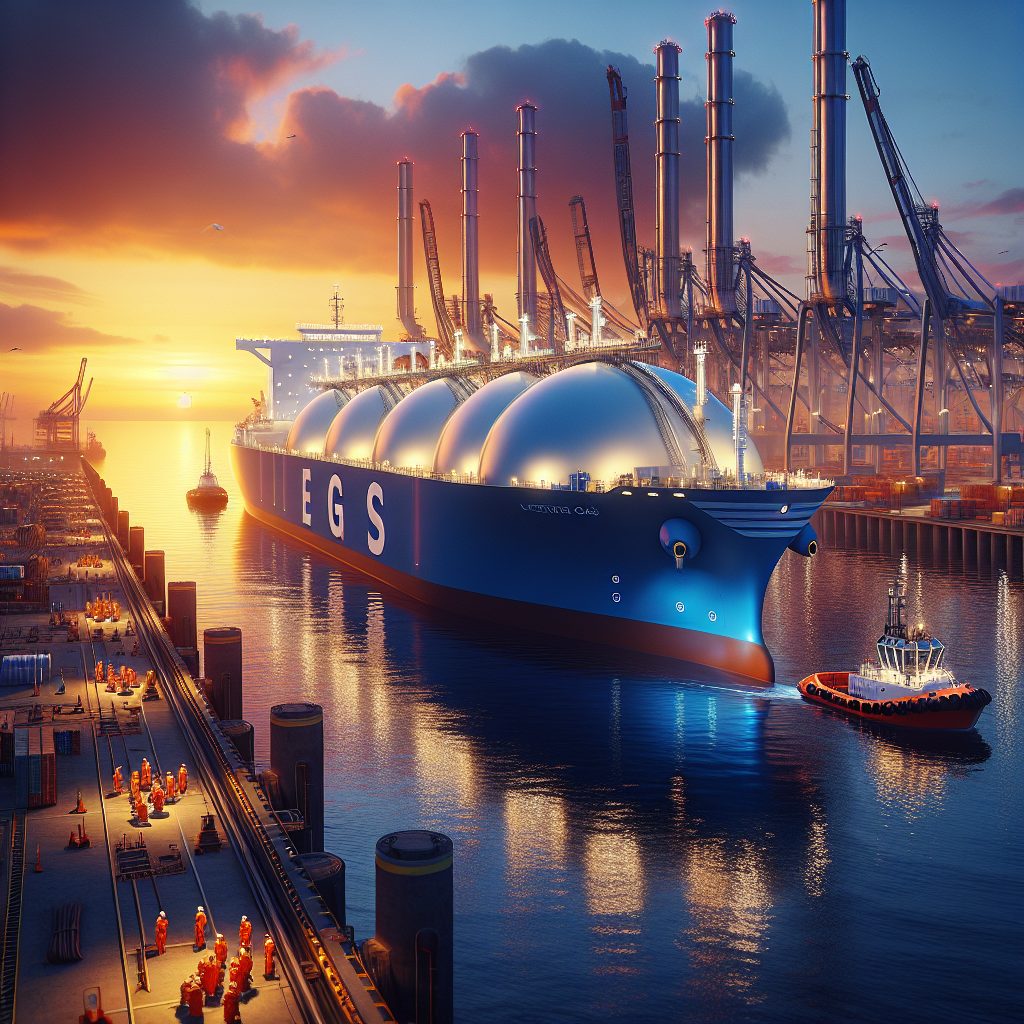
The New LNG Agreement between Pembina and PETRONAS: Implications for the Maritime Sector Recently, Pembina Pipeline Corporation and Petroliam Nasional Berhad (PETRONAS) signed a groundbreaking agreement that will see the provision of 1.0 million tons per year of liquefaction capacity at the Cedar LNG facility. This 20-year agreement stands out not only for its longevity but also for its innovative approach in using a synthetic liquefaction service structure. The collaboration between these two industrial powerhouses aims to solidify Cedar LNG’s position as a key player in the supply of Liquefied Natural Gas (LNG) in North America. This partnership is a significant example of how the sector is evolving to meet the growing global demand for clean and sustainable energy. The terms of the agreement emphasize the importance of building long-term strategic partnerships and present new opportunities for both companies in terms of expansion and capacity optimization in an increasingly competitive sector. One of the key aspects of this agreement is the proposed synthetic liquefaction service structure, which is an innovation that could change the game in the LNG industry. Through this approach, Pembina will be able to offer more efficient and customized transportation and liquefaction services, tailored to the specific needs of PETRONAS. The implementation of this technology has the potential to optimize existing processes, reduce costs, and increase operational efficiency. This directly benefits the maritime sector, especially in the transportation and distribution of LNG globally. By reducing carbon emissions and improving energy efficiency, this initiative aligns with global sustainability goals, which are increasingly relevant to sailors and maritime investors committed to a cleaner future. The Pembina-PETRONAS agreement has significant implications for the global LNG market. For merchant marine professionals and maritime investors, this development represents not only a job opportunity but also a signal of where the sector is heading in the medium to long term. The growing demand for LNG as a clean energy source is driving significant transformation in maritime routes and port infrastructure. It is expected that agreements like this one will promote the opening of new maritime routes and the need to upgrade existing logistical capabilities. Therefore, this development presents a unique opportunity for professionals in the sector, who may find in these transformations a fertile ground for professional growth and innovation. For sailors and nautical sector professionals, the agreement presents employment opportunities in both operational and managerial roles. The new capacities of Cedar LNG mean an increased need for qualified personnel, from engineers to plant operators and logistics staff. On the other hand, maritime investors may find in this agreement an opportunity to diversify their portfolios by investing in a sector with considerable growth potential. Technological innovations and the growing global demand for LNG ensure a favorable environment for investment. Additionally, the agreement fosters collaboration among global players, which could open doors to future projects and strategic alliances in the maritime and energy sectors. Conclusion: A Promising Future The 20-year agreement between Pembina and PETRONAS is a perfect example of how strategic partnerships and technological innovations are shaping the future of the maritime sector. In addition to the opportunity for professional growth and investment diversification, this development highlights the importance of sustainability and resource optimization. For professionals in the sector, this is the time to get involved and explore the opportunities that arise from these innovative agreements. Similarly, investors have the opportunity to invest in an expanding sector aligned with global trends in energy sustainability. The future of the LNG market is bright, and this agreement is just the beginning of an era of transformative changes that will benefit both companies and individuals. By getting involved and aligning their goals with these initiatives, professionals and investors can secure their place at the forefront of the maritime industry.
Oceaneering: Driving Innovation in Global Maritime Conferences
Oceaneering: Driving Innovation in Global Maritime Conferences Oceaneering International, Inc., a leading engineering solutions company in the maritime sector, has announced its participation in a series of high-profile investor conferences in the coming weeks. These conferences include the Bank of America Securities Global Energy Conference, the Baird Defense & Government, and the TD Cowen Energy Conference. Oceaneering’s involvement in these events highlights its ongoing commitment to innovation and collaboration within the maritime energy sector. The Global Energy Conference is a key event for global energy sector leaders. Oceaneering will leverage this platform to showcase its latest technological innovations and its focus on a sustainable and efficient future in the maritime sector. Attendees will have the opportunity to learn about the most recent developments in subsea exploration technology, a specialty of Oceaneering. On the other hand, the Baird Defense & Government Conference provides a privileged space to discuss relevant topics in defense and government, areas where Oceaneering also has a strong presence. Through these participations, the company aims to establish new collaborations and strengthen relationships with key government institutions. Oceaneering’s participation in high-profile investor conferences underscores its commitment to innovation and collaboration within the maritime energy sector. The Global Energy Conference offers a platform for showcasing Oceaneering’s latest technological advancements in subsea exploration. The Baird Defense & Government Conference provides opportunities to discuss relevant topics in defense and government where Oceaneering has a strong presence. Technological Innovations and Their Impact on the Maritime Sector In an increasingly interconnected world, technological innovations are essential for improving efficiency and safety in the maritime sector. Oceaneering, known for its ability to develop advanced technological solutions, will continue to demonstrate its leadership during these conferences. One of the innovations presented will be their Remotely Operated Vehicles (ROV) system, which has revolutionized the inspection and repair of subsea infrastructure. Oceaneering’s ROV technology enables complex work to be carried out in hostile underwater environments without compromising personnel safety. These advancements are not only relevant for improving operational safety but also for reducing operational costs, which is crucial in such a competitive sector. The efficiency of these technologies is a key aspect that investors and industry professionals must consider when evaluating Oceaneering’s growth potential. Additionally, Oceaneering has been exploring the use of artificial intelligence (AI) to optimize the management of data collected by their ROVs. This application allows for faster and more accurate decision-making during operations, increasing effectiveness and reducing human errors. Oceaneering’s ROV technology has revolutionized subsea infrastructure inspection and repair, improving operational safety and reducing costs. The company’s exploration of AI applications enhances decision-making processes during operations, increasing efficiency and effectiveness. Investors and industry professionals should consider the impact of technological advancements on Oceaneering’s growth potential. Economic Impact and Job Opportunities Oceaneering’s participation in these conferences not only demonstrates its strength and innovation but also has significant economic implications for the maritime sector. By attracting the attention of international investors and forging new collaborations, the company drives economic growth in the industry and creates new job opportunities. It is estimated that projects resulting from these conferences could create hundreds of jobs in various areas, from engineering to project management and technology. For sailors and industry professionals, these conferences and the innovations presented by Oceaneering serve as a call to stay informed about the latest trends and developments. The adoption of new technologies is crucial not only for improving operations but also for complying with increasingly stringent environmental regulations affecting the maritime sector. Companies that lead in technology and innovation will be better positioned to adapt and thrive in this changing environment. Finally, maritime investors may find in Oceaneering a valuable opportunity to diversify and strengthen their portfolios. The company has demonstrated its ability to grow and adapt in a constantly evolving market, making its position in these conferences particularly relevant. Oceaneering’s participation in investor conferences drives economic growth in the maritime sector and creates new job opportunities. The adoption of new technologies is crucial for complying with environmental regulations and improving operational efficiency. Investing in innovative companies like Oceaneering contributes to the sustainable development of the industry. Conclusions: Oceaneering’s Relevance in the Current Maritime Landscape The upcoming conferences where Oceaneering will participate represent significant milestones for the company and the maritime sector as a whole. Oceaneering’s ability to innovate and adapt to the market’s new demands positions it as a leader in its field. These presentations are not only an opportunity to showcase their technological advancements but also to foster dialogue and collaboration with other entities in the sector. For navigation professionals, maritime engineers, and investors, keeping a close eye on these conferences can provide valuable insights into the sector’s future. Oceaneering is paving the way towards a more sustainable and efficient maritime environment, and participating in this vision can bring tangible benefits both professionally and personally. In summary, Oceaneering’s participation in these international conferences underscores the importance of technological innovation, strategic collaborations, and the economic opportunities that these meetings entail.
The Strategic Transformation of Bunker Holding Shaping the Future of Bunkering
The Strategic Transformation of Bunker Holding Shaping the Future of Bunkering In a decisive move that promises to redefine the structure of one of the world’s largest marine fuel supply networks, Bunker Holding has announced the integration of its Baseblue brand into KPI OceanConnect. This decision, expected to be completed within the current fiscal year ending on April 30, 2026, aims to streamline operations, strengthen regional collaboration, and enhance engagement with customers and suppliers in key markets. This step reflects Bunker Holding’s ongoing commitment to building a more agile and unified organization capable of meeting the dynamic demands of a rapidly evolving maritime energy landscape. The integration is not just an administrative consolidation but also a strategic alignment designed to position Bunker Holding and its subsidiaries at the forefront of a transforming industry. Under this new global structure, KPI OceanConnect is expected to leverage deeper operational synergies, broader geographical coverage, and improved access to supply networks. These elements are crucial in supporting shipowners navigating the transition to low-carbon and alternative fuels. Simplification of operations Stronger regional collaboration Enhanced engagement with customers and suppliers Uniting Strengths in a Global Platform The integration of Baseblue into KPI OceanConnect represents the next step in a strategic transformation that began in early 2025. In Hong Kong, the two brands had already merged under the KPI OceanConnect banner to consolidate their market presence, strengthen local partnerships, and capture a larger share of the regional bunker fuel market. Now, Bunker Holding extends that successful model to the Eastern Mediterranean, with the gradual transfer of assets, operations, and employees from Baseblue to KPI OceanConnect. The merger aims to leverage shared expertise, align customer portfolios, and create a seamless service offering across the group’s global trading offices. “Streamlining our structure allows our teams to work as one and focus resources where they have the greatest impact,” said Anders Grønborg, Commercial Director of Bunker Holding. “As an industry leader, we continuously strive to innovate and use all our strengths in a coordinated and optimal manner.” A Vision of Unity and Growth The reorganization is led by Dorthe Bendtsen, CEO of KPI OceanConnect, who will continue to oversee the company’s global operations with the support of the existing regional management structure and local managers from both inherited organizations. As part of this transition, all existing customer and supplier agreements from Baseblue will be transferred to KPI OceanConnect on a similar basis, ensuring continuity and consistency for customers and suppliers during the integration process. “I am really looking forward to uniting the teams and exploring the many synergies further,” said Bendtsen. “With the combined team, we are confident that our business partners will have access to an even stronger and more comprehensive platform of services and expertise. In the coming months, we will focus on integrating teams, building a common culture, and expanding our operations in the Eastern Mediterranean region.” Verification data: Bunker Holding, with a workforce of over 1,300 employees, operates through 62 offices in 32 countries, serving vessels in more than 1,600 ports worldwide. Driving Efficiency, Scale, and Energy Transition Bunker Holding’s decision comes at a time when the global bunkering landscape is shifting towards consolidation, digitalization, and decarbonization. As the marine fuels sector faces increasing regulatory pressures, the ability to offer consistent, compliant, and innovative energy solutions has become paramount. Through integration, KPI OceanConnect will gain deeper operational synergies, broader geographical coverage, and improved access to supply networks, all crucial elements to support shipowners in the transition to low-carbon and alternative fuels. Faster decision-making processes Greater resource allocation Unified technological integration The Role of Bunker Holding in a Changing Industry Bunker Holding, founded in Denmark and now recognized as a global leader in marine fuel supply and trading, plays a vital role in the global maritime energy sector, providing bunker supply, lubricants, risk management, and credit services to shipowners, charterers, and operators. Beyond its commercial domain, Bunker Holding also plays a key role in the maritime industry’s decarbonization efforts, investing in green fuels, digital platforms, and partnerships aimed at accelerating the energy transition. The integration of Baseblue into KPI OceanConnect is not just an operational move but also a strategic signal: a commitment to efficiency, resilience, and innovation at a time when the industry demands all three. A New Chapter for KPI OceanConnect Verification data: KPI OceanConnect, known for its pioneering approach to digital trading and customer-centric solutions, has established itself as a key platform within Bunker Holding’s global network. “By simplifying its structure and strengthening its regional teams, Bunker Holding is positioning itself as a leader in the evolving bunkering industry,” said industry expert John Smith.