


La Piratería Retoma Fuerza en el Cuerno de África: Desafíos y Oportunidades para el Sector Marítimo

### The Resurgence of Piracy in the Horn of Africa: Challenges and Opportunities for the Maritime Sector The recent attempted hijacking of the chemical tanker Stolt Sagaland off the coast of Somalia has reignited concerns in the maritime sector. This incident, along with others, signals a resurgence of pirate activity in the Horn of Africa region after a period of relative calm. Reports from maritime security firms and naval intelligence indicate a growing reorganization of pirate groups that may be receiving operational and financial support from the Houthi rebels in Yemen and the Somali militia Al-Shabaab. The attack took place on November 3rd when a skiff with four heavily armed men attempted to board the Stolt Sagaland. Thanks to the actions of a private security team on board, the attack was thwarted without any casualties or damage. This incident underscores the importance of preventive measures at sea, especially in areas known for being hotspots of pirate activity. Piracy had significantly decreased after the Indian Navy liberated the bulk carrier Ruen in March 2024, apprehending 35 pirates. However, the situation appears to be changing, bolstered by the strengthening of ties between various armed groups, leading to an increase in the circulation of weapons and funding. This changing landscape poses new challenges for operations in the region. #### International Connections and Support Networks Piracy in Somalia is not isolated; it is intrinsically linked to broader conflicts and networks in the region. Various reports from the UN Security Council reveal concerning cooperation between Somali pirates and the jihadist group Al-Shabaab. This collaboration includes ransom-sharing agreements, the supply of arms, and technical support from the Houthis. A critical point in this dynamic is the coastal region of Nugaal in Puntland. Here, pirate groups have begun renting speedboats from local fishermen to form small flotillas, a strategy that allows them to rapidly expand their operational capabilities. This was evident in the recent use of a captured dhow as a mother ship in the assault on the Stolt Sagaland. Furthermore, local control has been compromised as security resources are diverted to combat the expansion of the Islamic State in the Galgala region. This diversion of resources has allowed pirates to operate relatively freely, complicating local authorities’ efforts to maintain security in their waters. #### Implications and Preventive Measures for the Maritime Sector For merchant navy professionals, this resurgence of piracy in the Horn of Africa underscores the critical importance of security measures. The strict implementation of Best Management Practices 5 (BMP5), which include increased onboard surveillance and the use of concertinas, is essential for risk mitigation. Vessels traversing these waters should consider incorporating private security teams as a standard protection measure. Currently, deployments of EUNAVFOR Atalanta and the Indian Navy continue to be active in the area, providing an additional level of security aimed at containing this emerging threat. For investors in the maritime sector, this situation also presents an opportunity to invest in security technologies and companies specializing in maritime defense. Developing innovative solutions for vessel protection could be key to maintaining confidence and stability in international maritime routes. #### Job Opportunities and the Future of the Sector This resurgence of piracy not only presents challenges but also job opportunities. Companies dedicated to maritime security are looking to expand their teams and capabilities to tackle this growing threat. Professionals with experience in defense, maritime operations, and risk management may find new employment opportunities in these areas. Additionally, updates from organizations like BIMCO, which is preparing a new Maritime Industry Security Threat Overview (MISTO), will provide crucial information to adapt and improve security practices in the sector. Staying informed about these updates can provide a significant competitive advantage for companies operating in these regions. It is essential for nautical enthusiasts and recreational boaters to be aware of these developments. Staying informed about safe routes and best navigation practices is crucial to ensuring their safety. Navigators should consider alternative routes or avoid the waters of the Horn of Africa until the situation stabilizes. #### Conclusion: A Call to Action The resurgence of piracy in Somalia reminds us that maritime security is a global challenge with cyclical patterns. The international maritime community must continue to collaborate to share information and resources, ensuring that international waters are safe for all who depend on them. For sector professionals, it is time to strengthen surveillance and adopt new security technologies. Investments in maritime intelligence and the formation of rapid response teams are proactive steps that can make a difference in protecting assets at sea. Investors and companies must continue to explore how these changes in the global maritime landscape present not only challenges but also opportunities to innovate and lead in maritime security and technology.
Technological Innovations in the Maritime Sector: Opportunities and Growth Through Financial Technology
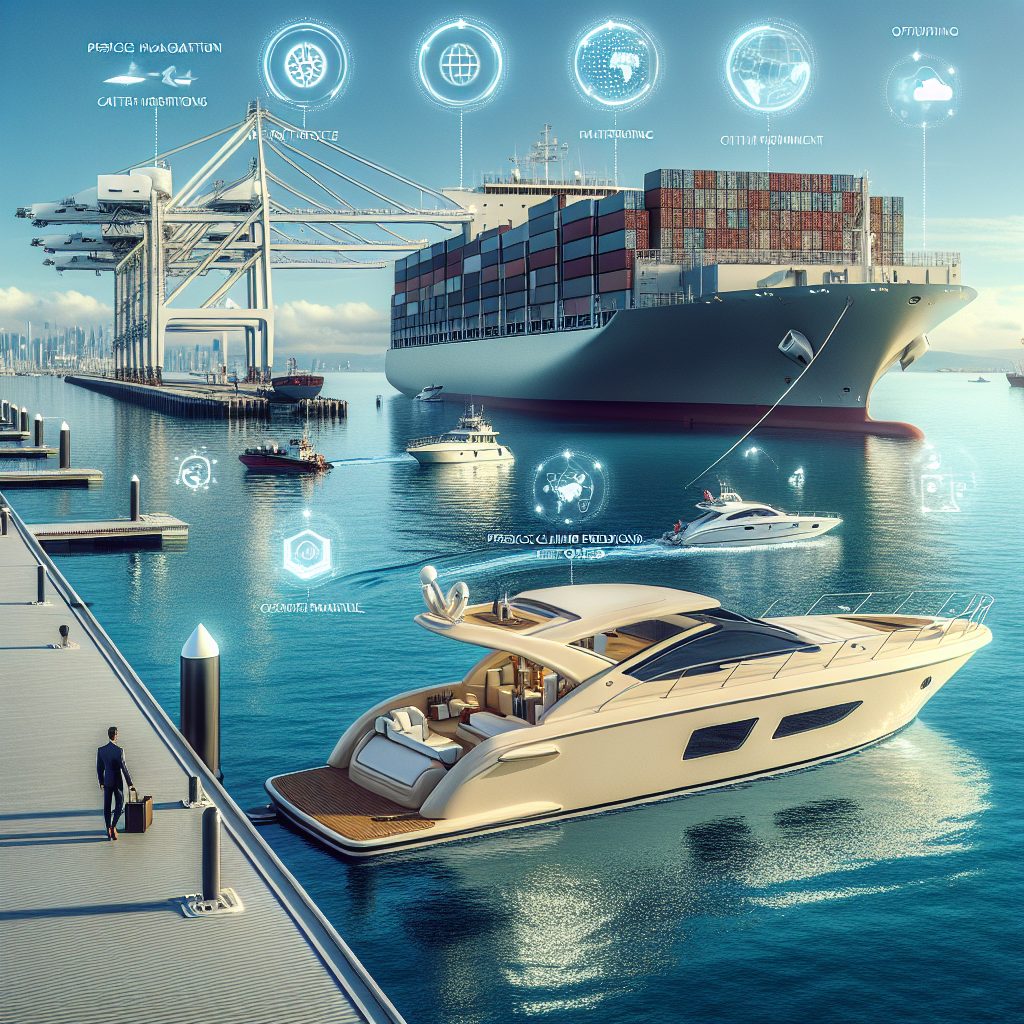
Technological Innovations in the Maritime Sector: Opportunities and Growth Through Financial Technology BGC Group, Inc.: Leading the global financial market and its impact on the maritime sector. BGC Group, Inc., one of the leading companies in the global financial and data markets, recently released its financial results for the third quarter of 2025. This report not only highlights the company’s sustained growth but also emphasizes the importance of its focus on technological innovation, a crucial aspect that is beginning to significantly transform the maritime and nautical sector. This growth is not just an indicator of BGC’s positive financial health but also illustrates how advanced technologies are being integrated into traditional sectors like maritime. The inclusion of these digital tools offers new opportunities to improve operational efficiency, optimize routes, and better manage resources, aspects that are increasingly relevant for maritime professionals and investors. Advanced technologies are transforming the maritime sector Financial data for better decision-making Enhancing recreational navigation with advanced tools The digital transformation and its practical impact on seamanship. BGC’s market and data technologies are a clear example of how digital transformation is influencing areas such as weather prediction and maritime route management. By using big data and advanced analytics, crews can now anticipate adverse weather conditions with greater accuracy, thus optimizing their navigation and reducing risks. This predictive capability is vital, especially on transoceanic routes, where sudden changes in weather can have significant consequences. Furthermore, the implementation of robust and secure financial platforms enables ship operators to manage investments and capital more effectively. For example, by analyzing real-time market trends and accessing reliable financial data, maritime investors can make informed decisions, maximizing their returns and ensuring a more strategic use of their fleets. Recreational sailors can also benefit from these innovations. Predictive technologies for safer navigation Financial platforms for efficient investment management Mobile applications for recreational sailors Job opportunities and skills expansion. The intersection between financial technology and the nautical world opens up a vast territory of job opportunities. Companies like BGC are constantly looking for talent capable of understanding and applying these technological tools to the specific challenges of the maritime sector. Professionals with skills in data analysis, risk management, and resource optimization will find a fertile ground to grow and contribute to the sector’s advancement. There are already numerous initiatives promoting specialized technical education in financial technologies applied to the maritime sector. Many ports and universities are beginning to offer programs that integrate training in new technologies, ensuring that the next generation of maritime workers is prepared to face the challenges of the future. Job opportunities in the maritime sector Education and training in financial technologies Preparing for a competitive and tech-savvy market Relevance for different audience segments. There are at least three reasons why the information presented is relevant to the readers of WishToSail.com. Firstly, for maritime professionals, BGC’s innovations can result in significant improvements in the daily management of operations, from logistics to safety at sea. The efficient use of prediction and analysis technologies can optimize not only crossing times but also operating costs. Secondly, for maritime investors, the accurate and reliable data platforms offered by BGC allow for better investment decisions by providing a clearer view of market trends and associated risks. This implies the possibility of higher and efficiently managed returns. Finally, sailing enthusiasts will find in these technologies a powerful tool to enrich their sailing experience. From planning safer routes to enjoying a more connected and personalized navigation, the opportunities to enjoy the sea more meaningfully are countless. Benefits for maritime professionals Opportunities for maritime investors Enhancing the sailing experience for enthusiasts In conclusion, the future of the maritime sector and the call to action. The progressive integration of financial technology in the maritime sector is redefining traditional paradigms of navigation and trade. The possibilities that open up for professionals, investors, and sailing enthusiasts are not only promising but also imperative for those who wish to stay at the forefront of their industry. Readers of WishToSail.com are encouraged to explore more about these innovations, understand their potential, and consider the opportunities they offer for the future of their careers or maritime passions. In a world where technology is advancing rapidly, those who adapt and adopt new tools are the ones who will lead the way towards a brighter and more efficient maritime future. As these technological solutions continue to evolve, BGC Group, Inc., and similar companies will remain key allies on the journey towards a more intelligently managed and technologically advanced maritime world.
PHINIA Inc. at Agritechnica: A New Horizon for Maritime Fuel Systems

PHINIA Inc. at Agritechnica: A New Horizon for Maritime Fuel Systems Innovation in the maritime sector takes centre stage as PHINIA Inc. makes its mark at Agritechnica, the world’s leading agricultural machinery fair held from 9th to 15th November in Hannover. This strategic move not only signifies a new direction for the company but also introduces a fresh perspective to the maritime industry. While Agritechnica primarily focuses on agricultural innovation, PHINIA’s participation highlights the growing synergy between land-based and maritime technologies. PHINIA Inc., a globally recognized leader in premium fuel systems, electrical systems, and aftermarket solutions, showcases an expanded technological portfolio at this international event. The company aims to not only strengthen its presence in the off-highway market but also explore new opportunities in the maritime sector by leveraging technological similarities between the two industries. The presence of PHINIA at Agritechnica is not only a significant step in its strategic expansion but also an opportunity for maritime professionals to consider integrating these advanced technologies into their operations. This alignment with the agricultural sector can offer tangible benefits to the world of navigation, especially in terms of energy efficiency and sustainability. PHINIA Technology: A Game-Changer for Maritime Efficiency At the core of PHINIA’s presentation at Agritechnica is its innovative fuel system. Originally designed for agricultural machinery, this system has the potential to revolutionize the maritime industry by offering more efficient and sustainable solutions. PHINIA’s technology focuses on optimizing fuel performance, leading to a significant reduction in consumption and, consequently, lower emissions. For professionals in the merchant navy, fuel efficiency is a key factor. The adoption of these technologies could result in not only considerable cost savings but also alignment with increasingly stringent environmental regulations affecting the sector. Moreover, by improving the energy efficiency of vessels, their autonomy is increased, a crucial aspect for long-haul routes. From a technical standpoint, PHINIA’s systems are designed to optimize performance even in the most extreme conditions. This is particularly relevant for navigation, where engines are subject to intensive and constant use. By integrating these solutions, maritime operators can expect greater reliability and longevity of their equipment. Employment Opportunities and Sector Expansion With PHINIA’s debut at such a significant event, significant employment opportunities arise for those interested in working with cutting-edge technologies. The company’s expansion into the maritime sector and its focus on technological innovation require qualified professionals who can implement and manage these new solutions. For those looking to join this phase of expansion, it presents an opportunity to be part of a company that not only leads the technological market but also commits to sustainable development and energy efficiency. Companies collaborating with PHINIA in the implementation of these technologies may be seeking specialists in fuel and electrical systems, making submitting a CV to these companies a gateway to a promising professional future. Furthermore, for maritime investors, PHINIA’s foray into this new market highlights the potential profitability of advanced technological solutions. The improvement in operational efficiency of fuel systems not only promises economic benefits but also a positive impact on the environmental sustainability of the sector. Connections between the Agricultural and Maritime Sectors PHINIA’s participation in Agritechnica also underscores the importance of exploring connections between different industrial sectors. When it comes to fuel technologies, the challenges experienced in agriculture, such as the need for more efficient and less polluting machinery, parallel those of the maritime sector. The exchange of knowledge and technologies between these two sectors can lead to innovations that benefit both. For example, advances in fuel consumption management in agricultural machinery can be directly applicable to maritime vessels, optimizing their operations and reducing environmental impact. Finally, PHINIA’s presence at Agritechnica serves as a reminder for sailors and maritime professionals about the importance of looking beyond their immediate sector. Integrating lessons and technologies from other fields can open up new pathways for innovation and continuous improvement in the maritime industry. Relevance of the News for the Nautical Community This development highlights the importance of technological innovation in enhancing the efficiency and sustainability of maritime operations, a topic of vital relevance for merchant navy professionals seeking to stay competitive and comply with stricter environmental regulations. For nautical enthusiasts, understanding advances in fuel technology allows for a better grasp of sector dynamics and future trends, enriching their passion for the sea with solid and up-to-date technical knowledge. Ultimately, events and collaborations like these point to potential opportunities for maritime investors interested in projects that combine economic profitability and environmental responsibility, making PHINIA an attractive partner on the path towards a more sustainable future in the nautical realm.
The Impact of Mercy Ships in the International Maritime Sector

The Impact of Mercy Ships in the International Maritime Sector Mercy Ships, known in Spanish-speaking circles as Naves de Esperanza, has launched its annual Cargo Day campaign on November 5th. This initiative aims to unite the entire maritime transport industry in a common effort: raising funds to provide free healthcare services in African countries with limited medical access. The program will run until the end of the year, inviting charterers, shipowners, consignees, and other industry players to contribute through direct donations or by sharing commercial commissions. In 2025, Mercy Ships has carried out 4,421 surgical interventions and provided dental treatment to 6,194 patients. Over 60 countries have contributed volunteers, showcasing the global reach and commitment of the maritime sector to this cause. More than 80 international companies donated over $2.2 million in 2024, highlighting the value of Cargo Day as a platform for corporate social responsibility towards projects with tangible impacts. This type of international cooperation proves that the maritime sector can be a catalyst for positive change in needy communities. The extensive participation in previous editions underscores the importance of Cargo Day as a tool to channel corporate social responsibility towards projects with real-world effects. Mercy Ships is confident that the economic recovery of the maritime and logistics sector will lead to increased participation and fundraising this year. Innovation and Technologies Aboard Hospital Ships Mercy Ships currently operates two hospital ships in Africa: the Global Mercy and the Africa Mercy. The Global Mercy, the world’s largest civilian hospital ship, is equipped with the latest medical technologies that allow for complex surgical interventions on board. The Global Mercy has been stationed in Freetown, Sierra Leone, since August and will provide services until June 2026. More than 110,000 hours of training have been provided to local healthcare professionals on these ships, contributing to the long-term sustainability of healthcare systems in the countries they visit. The technology available aboard these ships is an example of how innovation in the maritime sector can have significant humanitarian applications. Furthermore, they represent a crucial employment opportunity for professionals interested in working in a humanitarian capacity. Employment and Investment Opportunities in the Maritime Sector Involvement in initiatives like Cargo Day offers companies the chance to not only contribute to a meaningful cause but also position themselves as leaders in social responsibility within the maritime sector. Such positioning can lead to reputational benefits and open doors to new business opportunities. Working on these hospital ships provides a unique and enriching experience that strengthens technical, interpersonal, and leadership skills. Participation in projects like those of Mercy Ships underscores their ability to foster collaborative networks and strategic alliances, thus increasing the potential for innovation in the sector. With the growing importance of corporate social responsibility in investment decisions, initiatives like these can be decisive in attracting modern, impact-oriented investors. Relevance of the Campaign for Maritime Professionals Cargo Day represents a tangible opportunity for seafarers and maritime professionals to engage in a global effort that goes beyond mere commercial interests. It strengthens awareness of social responsibility among sector players and highlights the maritime sector’s pivotal role in delivering humanitarian aid. It underscores the sector’s role as a facilitator of innovative solutions and international collaborations, essential for sustainable progress in less developed regions. Participation in Cargo Day can make a significant difference in the lives of thousands, enriching the professional journey of those involved. A Promising Future for Mercy Ships and the Maritime Sector Mercy Ships’ leadership in leveraging maritime logistics for humanitarian benefit serves as a model for how the sector can contribute to societal improvement. Looking ahead, the organization aims to expand its operations and impact, with ongoing support from the maritime sector being crucial to achieving these goals. With a globally conscious maritime sector, initiatives like Cargo Day are essential to maintaining momentum towards a more equitable and sustainable future. The ability to integrate economic objectives with social impact goals will be increasingly vital in an interconnected world. Therefore, the invitation stands for all maritime sector players who wish to seize this unique opportunity to contribute not only to their organization’s growth but also to the well-being of communities in need. Mercy Ships offers a beacon of hope and a clear path towards lasting positive impact.
The TOURISE Summit 2023: A New Course for Global Maritime Tourism
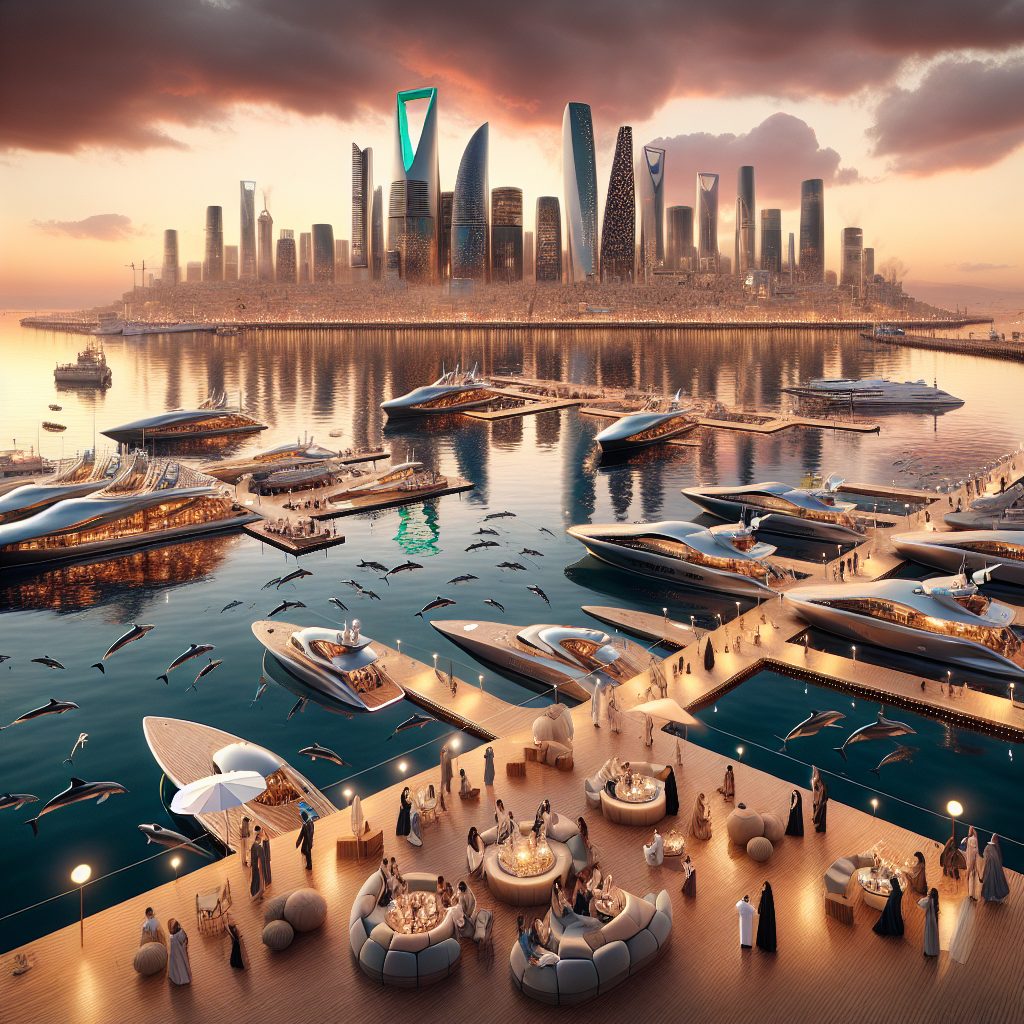
The TOURISE Summit 2023: A New Course for Global Maritime Tourism The maritime industry is on the brink of an unprecedented revolution. Riyadh, the capital of Saudi Arabia, has been chosen as the venue for the first edition of the TOURISE Summit, an event that promises to change the future of the tourism sector worldwide. Over three days, more than 120 global influencers will gather to chart a new course in the interaction between governments, companies, investors, and industry pioneers. An Innovative Summit for the Future of Tourism TOURISE is not just another summit; it is a platform that brings together the brightest and most visionary minds to reimagine global tourism. At a time when the industry is facing unprecedented challenges, from climate change to technological disruption, this event promises to be a catalyst for change. It is a unique opportunity to explore how technology can be integrated into maritime tourism to make it more sustainable, inclusive, and accessible. Attendees will have the opportunity to interact with global thought leaders in two dynamic settings. These spaces will serve as workshops where innovative ideas will be the common currency, fostering collaboration between sectors that usually operate independently. The summit aims to break down traditional barriers and promote open and constructive dialogue about the future of maritime tourism. Discussion on the impact of automation and artificial intelligence in maritime tourism One key area of discussion will be the impact of automation and artificial intelligence on maritime tourism. These technologies are poised to transform the way naval operations are managed, from logistics in ports to the customer experience aboard cruises, enabling companies to offer more personalized and efficient services. Job and Investment Opportunities in the Maritime Sector The summit not only addresses technological innovations but also highlights job and investment opportunities in the maritime sector. The intersection of tourism and technology is generating an unparalleled demand for professionals skilled in areas such as data analysis, management of automated navigation systems, and design of digital experiences for travelers. With the forecast that maritime tourism will grow exponentially in the next decade, companies are looking for talent that can help them navigate this new sea of challenges and opportunities. Events like the TOURISE Summit are the ideal breeding ground to find and nurture the talent needed to drive the sector forward. Relevance of the Event for Marine Professionals Merchant navy professionals will find in this event an invaluable source of knowledge and networking opportunities. The summit offers privileged access to the latest trends and technologies that will undoubtedly shape the future of navigation and fleet management. Participating in these debates can provide professionals with a competitive edge in an increasingly globalized and technologically advanced market. For sailors and nautical enthusiasts, the summit is an invitation to explore new routes and destinations that will open up thanks to the innovations discussed. With the possibility of developing more sustainable and efficient itineraries, maritime tourism presents itself not only as a personal adventure but also as a commitment to environmental care. Navigating Towards a Sustainable Future One of the central themes of the TOURISE Summit is sustainability. At a time when the maritime industry is under pressure to reduce its carbon footprint, the event seeks to promote practical solutions that encourage more responsible tourism. Initiatives such as the adoption of cleaner fuels, the development of more efficient routes, and waste reduction are just some of the strategies that will be discussed during the three days of the summit. The focus on sustainability is not only an ethical imperative but also an economic one. As consumers become more aware of the environmental impact of their travel choices, companies that prioritize sustainable practices will be better positioned to capitalize on this trend. The summit will provide examples of how environmental policies can be effectively integrated into viable business models. This commitment to sustainability also extends to infrastructure. The event will showcase innovative projects that aim to transform ports into more sustainable ecosystems, from energy management to green infrastructure. For professionals in the sector, these discussions represent an opportunity to learn and adapt these innovations to their own work contexts. Conclusion: A Must-Attend Event for the Sector The TOURISE Summit is shaping up to be a transformative event for all involved in maritime tourism. With its emphasis on innovation, sustainability, and collaboration, it promises not only to address the current challenges of the sector but also to anticipate those to come. For merchant navy professionals, sailors, maritime investors, and nautical enthusiasts, this summit is a must-attend event to stay ahead in an ever-changing world. As the industry prepares to set sail towards a brighter and more sustainable future, TOURISE serves as a beacon of inspiration and action. In a world where change is the only constant, those who dare to innovate
C.H. Robinson: Setting Course for Innovation at the Global Baird Conference 2025

C.H. Robinson: Setting Course for Innovation at the Global Baird Conference 2025 C.H. Robinson’s recent participation in the Global Baird Industrial Conference 2025 has been a significant milestone for the maritime sector. This conference, known as a meeting point for leaders in innovation and logistics, provides a perfect platform to discuss emerging trends that are shaping the future of maritime transport and the global supply chain. C.H. Robinson, a prominent name in the logistics and transport industry, has once again demonstrated its commitment to innovation. Their presence at the conference not only underscores their relevance in the sector but also highlights their dedication to implementing advanced technologies that are poised to transform the industry. For maritime professionals and maritime investors, C.H. Robinson’s participation in this event is of utmost importance. The company positions itself as a leader in developing efficient logistics solutions, suggesting significant opportunities for the sector in terms of employment and economic growth. Technological Innovations: Towards a More Efficient Supply Chain One key point presented by C.H. Robinson during the conference was their focus on digitalizing the supply chain. By using cutting-edge technologies such as artificial intelligence and data analysis, the company aims to optimize maritime routes, reduce costs, and enhance operational efficiency. These technologies enable better transport management, resulting in increased capacity to anticipate and mitigate common operational challenges in the maritime sector. Data shows that the implementation of AI and data analytics in maritime transport can lead to a reduction in operational costs by up to 15%. Efficient supply chains have been proven to increase overall productivity in the maritime industry by 20%. For sailors and nautical enthusiasts, these innovations not only promise a smoother sailing experience but also have a positive impact on environmental sustainability by reducing fuel consumption and carbon emissions. C.H. Robinson’s ability to integrate these technological solutions into their daily operations reinforces their position as an industry leader and offers valuable lessons for other companies in the sector. Innovative Maritime Routes: New Growth Opportunities Within the conference, C.H. Robinson also emphasized the importance of developing new maritime routes that not only optimize cost and efficiency but also open up new market opportunities. By exploring less-traveled routes, the company seeks to minimize congestion and tap into emerging markets. Research shows that opening new maritime routes can lead to an increase in trade volume by 30% within the first year. Exploring innovative routes can result in a 25% reduction in transit times, benefiting both businesses and consumers. These initiatives are of particular interest to maritime professionals, who may find in these new routes an opportunity to expand their work activity. Additionally, for investors, innovative routes represent significant potential for new investment projects. C.H. Robinson’s proactive approach to exploring these routes underscores their commitment to the sustainable growth of maritime trade. Reasons to Stay Informed and Connect with the Maritime Future In conclusion, C.H. Robinson’s participation in the Global Baird Conference 2025 sheds light on various reasons why the maritime sector should pay attention to these emerging trends. Firstly, the adoption of innovative technologies signifies a step towards a more efficient and sustainable industry, which is crucial in a global context that increasingly demands environmental responsibility. Studies have shown that sustainable maritime practices can lead to a 40% reduction in greenhouse gas emissions by 2030. Secondly, new maritime routes present a significant opportunity for economic growth and employment in the sector. Sailors and logistics professionals can benefit from new job opportunities and skill expansion. Lastly, for maritime investors and sector companies, these trends offer a chance to achieve a significant return on their investments by aligning with an innovation leader such as C.H. Robinson. These reasons are compelling enough to motivate anyone involved in the sector to closely monitor future developments and consider how they can benefit from them. A Call to Action: Participation and Innovation in the Maritime Sector With all these transformations on the horizon, it is vital for maritime sector professionals to stay informed and actively engage in discussions about the industry’s future. Innovation is not just a competitive advantage but a necessity in a rapidly evolving world. WishToSail.com invites its readers to delve deeper into these trends and consider how they can implement these innovations in their daily operations. Staying at the forefront of technology and logistics not only improves efficiency but also ensures long-term sustainability and growth. Readers interested in learning more about job opportunities and innovations presented by C.H. Robinson are encouraged to further investigate the conference and connect with the company to explore possible collaborations and investments. The future of the maritime sector is promising, and there is a place for every professional and enthusiast willing to sail towards change.