


The Impressive Growth of the Hotel Sector Driven by Expedia

The Impressive Growth of the Hotel Sector Driven by Expedia Here is an original article optimised for WishToSail.com about the latest innovation and growth in the tourism sector, with a special focus on the potential impact for the maritime industry. Impressive Growth in the Hotel Sector The Expedia Group, one of the world’s leading online travel agencies, recently announced financial results for the third quarter of 2025, highlighting outstanding growth in the hotel sector. The results showed that accommodation bookings grew by 13% year-on-year, with a 15% increase in hotel bookings driven mainly by the B2B segment. This significant increase is due to the faster growth observed in the United States over the past three years, complemented by a growing international strength. For professionals in the maritime industry, these figures not only represent an indicator of tourism recovery after difficult times, but also a direct opportunity for expansion and diversification in services related to the sea. A strong tourism market always brings with it the need to expand maritime routes and offer unique experiences from the sea, opening up new job and investment opportunities. Technological Innovations Driving Growth The impressive growth rate in hotel bookings would not be possible without the use of advanced technologies. Expedia has been investing significantly in technology to enhance the user experience for both consumers and business partners. Optimised platforms and AI-based personalisation services have facilitated an impressive 26% increase in B2B bookings. For sailors and maritime professionals, it is crucial to be aware of these innovations, as collaboration with technological platforms can be key to maximising visibility and effectiveness in service offerings. Technology not only optimises processes but also opens up new opportunities for integrating maritime services with complete tourist packages. From real-time booking applications to logistics operations management systems, technological innovations are the backbone of growth in the tourism sector. Implementing robust technological solutions can enable maritime companies not only to adapt but to thrive in a rapidly expanding tourism market. Practical Opportunities for the Maritime Sector This tourism boom offers three key opportunities for sailors, investors, and nautical enthusiasts. Firstly, with the increase in tourist demand, there is a growing need for maritime mobility services. From ferries to boat tours, demand is set to increase, offering multiple job opportunities. Increased demand for transportation services Renewed interest in personalised travel experiences Strengthening of international tourism Exploring these opportunities, maritime professionals can position themselves advantageously at the forefront of a rapidly expanding sector. Seizing the Moment In conclusion, the recent upturn in the hotel sector driven by companies like Expedia is not only good news for tourism in general but also a call to action for maritime sector professionals. With an expanding market, job and business opportunities are numerous for those willing to innovate and adapt to the demands of the new tourism. Companies and professionals can seize this moment to strengthen their business relationships, integrate advanced technologies into their operations, and explore new routes and services that align with current trends. The invitation is open to all those interested in making the sea their path to professional growth and success. For those looking to join this wave of expansion and growth, exploring partnerships with major technological and tourism platforms like Expedia could be the first step towards a prosperous future in the maritime sector. It’s not just about adapting but leading the change in an increasingly interconnected world oriented towards unique and memorable experiences.
The Increase in C.H. Robinson’s Quarterly Dividend: A Sea of Opportunities for Investors and Maritime Professionals
The Increase in C.H. Robinson’s Quarterly Dividend: A Sea of Opportunities for Investors and Maritime Professionals Innovation and Growth in Maritime Logistics In a move that underscores its robust financial performance, C.H. Robinson, a global leader in logistics services, has announced an increase in its quarterly dividend. This increase not only reflects the company’s stability but also its commitment to growth and innovation in the maritime sector. For maritime investors, this news represents an opportunity to capitalize on a sector that is constantly evolving. C.H. Robinson, known for its ability to optimize supply chains globally, has seen how the inclusion of advanced technologies in its operations improves efficiency and reduces costs. This approach has not only allowed the company to improve its profit margins but also to offer more competitive services. The implementation of solutions based on artificial intelligence and machine learning is revolutionizing the way maritime routes are planned, managed, and executed. The strategy of investing in advanced technology positions C.H. Robinson as a benchmark in the sector. Many maritime companies are following their example, adopting these technologies to improve operational efficiency and provide a more reliable service. This technological framework is of great interest to merchant marine professionals and sailors as they can benefit from a safer and more efficient working environment. Impact on Maritime Routes and Job Opportunities The increase in the dividend is just one part of a broader plan that C.H. Robinson has to expand its operations and address new maritime routes. The company has identified strategic routes that could enhance its global logistics network. This expansion will not only generate more revenue but also open up a range of job opportunities for industry professionals. With the growth of its route network, C.H. Robinson is looking for highly qualified personnel to fill critical roles in these new operations. Both experienced sailors and newcomers to the sector will find opportunities to develop their careers in a dynamic and ever-evolving environment. Companies collaborating with C.H. Robinson are inviting interested individuals to submit their resumes to be part of this exciting expansion. Additionally, the increase in maritime routes allows for market diversification, which is vital in times of economic uncertainty. The ability to access new markets translates into a significant competitive advantage, allowing companies to remain resilient in the face of global economic changes. For industry professionals, being involved in diversified operations means continuous professional development and the opportunity to face new challenges. Relevance for Investors and Maritime Professionals The announcement of the increase in C.H. Robinson’s quarterly dividend is particularly relevant for maritime investors. First, it indicates a strong financial health, which is a positive indicator for those seeking stable and profitable investments. Dividends are a way to reward shareholders, and their increase suggests confidence in the company’s future. Secondly, the expansion of routes and its focus on technological innovation are signs that C.H. Robinson is well positioned to adapt to market trends. Companies that invest in technology and expand in logistics routes are generally better positioned to face economic challenges. Therefore, investing in them can be a smart strategic decision. Finally, for nautical enthusiasts, following the operations of companies like C.H. Robinson offers an insight into the future of maritime transportation. These innovations and expansions not only improve operational efficiency but also pave the way for future developments in the industry. The Future of Maritime Transportation: Sustainability and Technology In the horizon of maritime transportation, sustainability and emerging technology are trends shaping the future of the industry. With its dividend increase, C.H. Robinson reaffirms its commitment to leading these initiatives. Sustainability is not only an ethical consideration but also an economic necessity as environmental regulations tighten worldwide. The focus on sustainability is driving companies to adopt greener practices, such as the use of alternative fuels and route optimization to reduce carbon emissions. C.H. Robinson is at the forefront of these changes, implementing strategies that not only meet current environmental standards but also prepare the company for future regulations. For industry professionals, these developments offer an opportunity to specialize in emerging areas of maritime transportation, such as sustainable fuel management or efficient route design. Those who can adapt and learn about these new areas will be better positioned in the future job market. Conclusion: An Invitation to Explore New Opportunities The increase in C.H. Robinson’s quarterly dividend is more than a sign of good financial health. It represents a commitment to growth, innovation, and sustainability within the maritime sector. For investors, sailors, and industry enthusiasts, this is an opportunity to delve deeper into an industry that is on the cusp of significant change. Readers of WishToSail.com are invited to explore these topics further, considering how these trends impact their daily work environment and how they can position themselves to reap the benefits of these changes. The sea of opportunities that opens up is vast and full of potential for those willing to navigate it.
Transforming the Maritime Fuel Supply Chain: X-Press Feeders and AuctionConnect
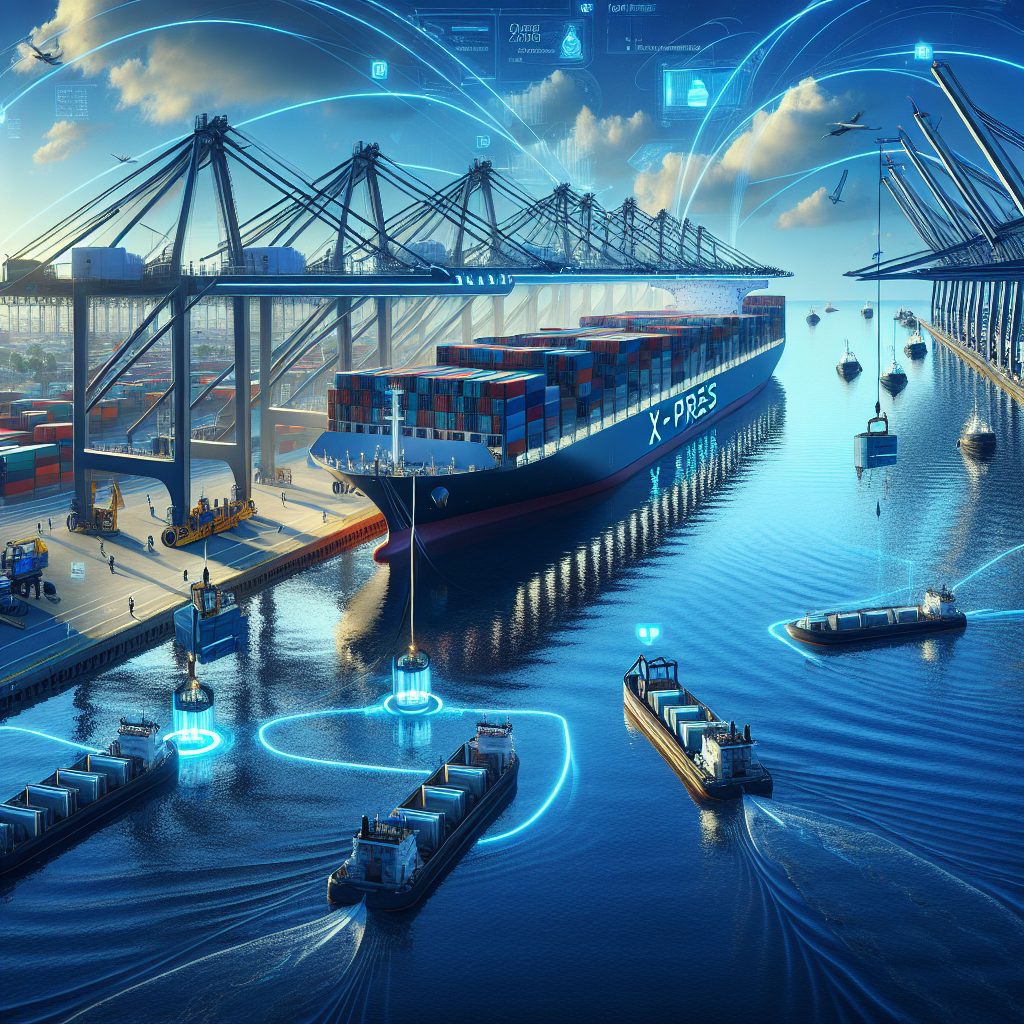
Transforming the Maritime Fuel Supply Chain: X-Press Feeders and AuctionConnect In a strategic move towards complete digitalization of maritime fuel provisioning, X-Press Feeders, the world’s largest independent feeder operator, has entered into a five-year agreement with AuctionConnect. This digital auction platform will revolutionize how fuel acquisitions are managed, providing increased visibility and real-time regulatory compliance. Known for optimizing data exchange and transparency in fuel procurement, AuctionConnect will enable X-Press Feeders to streamline its global operations and significantly enhance operational efficiency. This collaboration represents not only a technological advancement but also a cultural shift towards innovation in the maritime sector. The importance of this alliance lies in its ability to transform traditional fuel purchasing processes, which historically relied heavily on emails and phone calls, into a data-driven real-time model. This evolution is crucial in a context where efficiency and sustainability are increasingly valued. Global and Transparent Implementation The implementation of AuctionConnect will be carried out gradually over several quarters, covering regions such as Asia, the Middle East, Africa, the Caribbean, Latin America, the Mediterranean, and Europe. This deployment will allow competent suppliers to participate in real-time auctions, leading to enhanced price visibility and inherent regulatory compliance with complete traceability, key aspects for the industry. Benefit 1: Enhanced price visibility Benefit 2: Improved regulatory compliance Benefit 3: Reduced administrative burden Benefit 4: Accelerated transaction cycles These advantages enable X-Press Feeders to make faster and strategic decisions based on consolidated data. In a world where ESG criteria compliance is increasingly important, this platform becomes a vital ally. Tactical and Strategic Advantages Among the measurable benefits of using AuctionConnect are improved bunker pricing through real-time competitive auctions, enhanced transparency and compliance throughout the procurement chain, reduced administrative burden, and accelerated transaction cycles. These advantages allow X-Press Feeders to make faster and more strategic decisions based on consolidated data. This technological advancement offers various opportunities for both maritime industry professionals and maritime investors. From a professional standpoint, the adoption of digital technology in fuel acquisition represents an evolving job market where skills in managing platforms like AuctionConnect will be increasingly in demand. For investors, this innovation underscores a shift towards more sustainable and efficient practices, which can translate into a more attractive long-term return on investment. With a focus on transparency and efficiency, risks associated with fuel price volatility are managed more effectively, offering a more predictable investment environment. For nautical enthusiasts, this news may inspire them to consider the impact of digitalization on maritime sustainability. The improvement in fuel efficiency and emission reduction are fundamental steps towards a greener future for the maritime industry, something recreational sailors also value. A Promising Future for the Maritime Industry The alliance between X-Press Feeders and AuctionConnect marks a decisive step towards a more digitized and efficient future for the maritime industry. By embracing digital platforms, companies in the sector not only improve their operational efficiency but also position themselves as leaders in sustainability and governance. This movement is not only relevant for shipping companies but also for the entire supply chain of the sector, including fuel suppliers and port operators, who can benefit from the increased transparency and traceability offered by this platform. The digitalization of fuel procurement is shaping up to be a trend that will not only continue but also define the future of the industry. We encourage professionals interested in developing their digital skills and participating in this exciting moment of transformation in the maritime industry to explore the job opportunities that may arise from this digitalization. Sending your resume to companies like X-Press Feeders could be a first step towards a promising professional future.
The Future of Maritime Fuels in Gijón
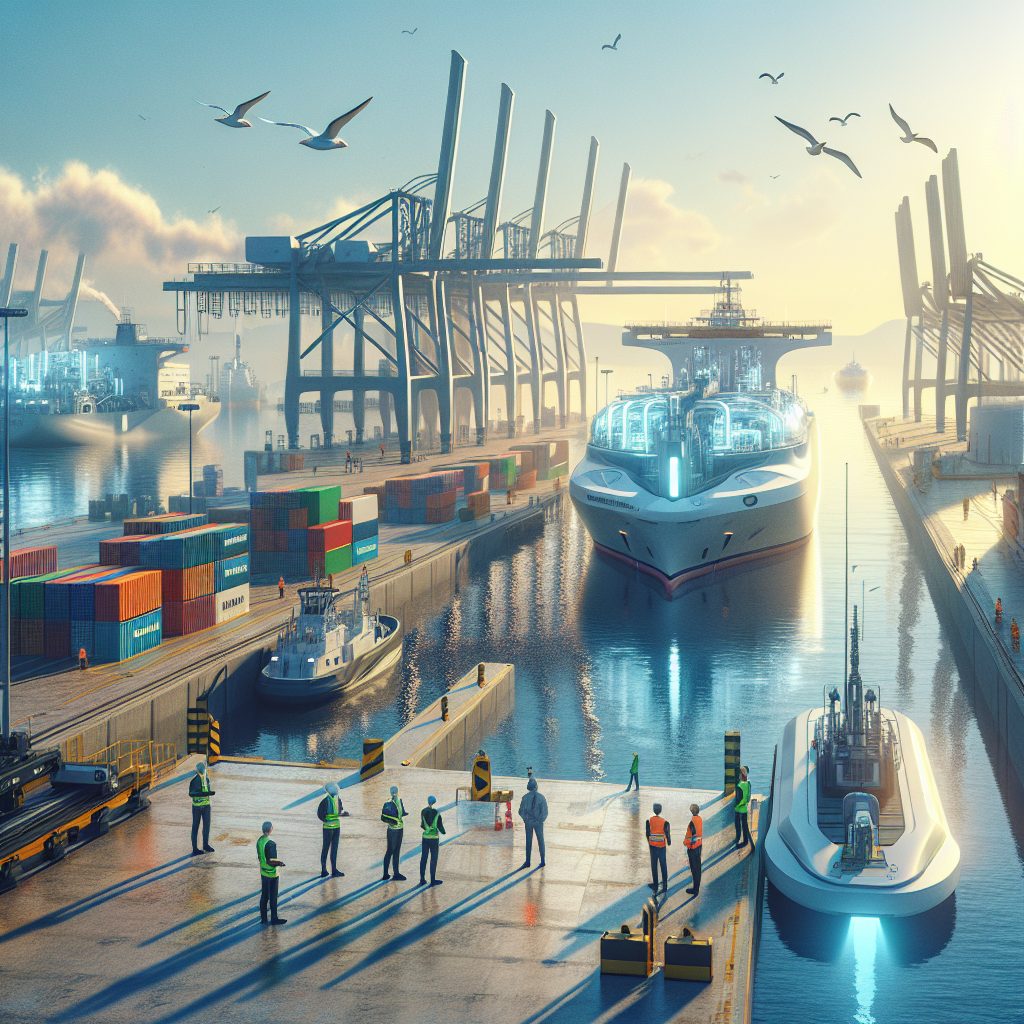
The Future of Maritime Fuels in Gijón The recent announcement by Enagás and Reganosa regarding the launch of a BioLNG supply service at the Musel Energy Hub terminal in the Port of Gijón is a significant step towards the decarbonization of the maritime industry in line with European Union objectives. This development not only strengthens Gijón’s position as a strategic hub on the northern coast of Spain but also drives the transition towards cleaner energies in the maritime sector, a particularly significant advancement for industry professionals. BioLNG, a liquefied biomethane generated from organic waste, offers a more sustainable alternative compared to conventional fossil fuels. This system not only ensures sustainability but also integrates total traceability under European standards, ensuring operation fully aligned with EU sustainability regulatory frameworks. With the inclusion of BioLNG, the Port of Gijón is positioned as a crucial node in the Atlantic corridor for the supply of renewable fuels, presenting new opportunities for innovation and green growth within the maritime sector, consolidating Spain’s leadership in the development of sustainable fuels. Employment and Economic Opportunities in the Maritime Sector The development of the Musel Energy Hub’s infrastructure has both environmental and economic implications. Investments in clean technologies create jobs and foster competition within the maritime industry. The Port of Gijón, with its strategic location and modern infrastructure, is in a privileged position to attract companies in the sector as well as professionals interested in the development and implementation of sustainable technologies. Between 2022 and 2025, the LNG bunkering market has experienced exponential growth, reflecting the rapid adoption of cleaner fuels by the shipping industry. This growth not only has the potential to attract investment to the region but also to generate employment opportunities for specialists in alternative and sustainable fuel technologies. Impact on Decarbonization and Compliance with Regulations The launch of the BioLNG service at the Port of Gijón underscores Enagás and Reganosa’s commitment to decarbonizing maritime transport. By ensuring that BioLNG complies with the International Sustainability and Carbon Certification (ISCC EU) standards and European Commission requirements, a reliable and sustainable solution is provided, supporting emissions reduction efforts in the maritime sector. For over a decade, Enagás and Reganosa have been at the forefront of developing small-scale LNG infrastructure in Spain. Their active participation in shaping regulatory and procedural frameworks for BioLNG and LNG refueling has been key to Europe’s transition to a low-carbon maritime industry. The Port of Gijón: A Strategic Node in the Atlantic Strategically located in the Atlantic arc, the Port of Gijón is one of Spain’s main ports and a key point for trade on the country’s northern coast. Its direct access to Atlantic sea routes and advanced infrastructure, including an artificial deep-water port and connections to major highways and railway networks, make it a vital axis for trade and logistics in the region. The Musel Energy Hub, a joint venture between Enagás and Reganosa, is designed as a multimodal terminal that reinforces Spain’s energy supply security. Its ability to accommodate large LNG carriers underscores its role as a committed sustainability driver, emphasizing its focus on innovative services like BioLNG bunkering. Reasons to Follow BioLNG Development in Gijón Closely For merchant marine professionals, the new BioLNG service in Gijón represents a technological innovation that promises to significantly reduce carbon emissions in their operations. In addition, the ability to refuel with BioLNG could offer competitive advantages in terms of costs and regulatory compliance, benefiting shipping companies operating in the Atlantic and along Spanish maritime routes. Maritime investors will find that this development represents an opportunity to invest in a sector aligned with global trends towards sustainability and energy transition. The existing infrastructure and strategic position of the port ensure its attractiveness as a long-term logistics and energy hub. Conclusion: A Green Horizon for Maritime Transport The development of the BioLNG service at the Port of Gijón is more than just a step towards decarbonization; it is a leap towards a more sustainable future for the maritime industry. The availability of BioLNG reinforces Gijón’s commitment to sustainability, offering a tangible example of how the nautical sector can adapt to 21st-century environmental demands and provide a more ecological experience for the future.
Chimbusco Pan Nation: A New Identity for an Evolving Industry
Chimbusco Pan Nation: A New Identity for an Evolving Industry – WishToSail.com Chimbusco Pan Nation: A New Identity for an Evolving Industry In a world where sustainability and innovation are more relevant than ever, Chimbusco Pan Nation (CPN), a global leader in marine fuel supply, has unveiled a new and striking brand identity under the slogan “MADE TO EVOLVE.” With this initiative, CPN not only seeks to redefine its image but also to lead the way in a sector facing significant challenges and opportunities globally. The Transformation of CPN: A New Course Towards Sustainability This rebranding effort, which includes a modernized logo and refreshed visual identity, reflects the philosophy of continuous improvement and proactive adaptation that has driven CPN’s growth over 34 years. From its humble beginnings as a single barge operator in Hong Kong, the company has grown to become a key player in bunker fuel trading and alternative fuel supply. CPN has a presence in nine international offices, establishing itself as a reliable partner for supplying conventional and biofuels worldwide. A Logo Symbolizing Evolution and Leadership At the core of this transformation is a dynamic logo symbolizing the company’s pioneering spirit and global outlook. The directional lines of the new “CPN” design are inspired by maritime shipping routes, representing the energy that drives its customers’ journeys and the guiding role the company plays in the changing landscape of marine fuels. The inclusion of an upward cyan arrow within the logo conveys momentum forward, progress, and a firm commitment to sustainability. CPN: A Global Force with Deep Roots Since its founding in 1991, CPN has evolved from a single barge operation to a global leader in the marine fuel market. Recognized as a leading physical bunker supplier in Hong Kong and the largest seller of marine biofuels in China, the company has consistently demonstrated its ability to adapt and grow. CPN now offers marine fuel supply, trading, and logistics solutions across nine international offices, combining reliability, operational excellence, and an innovative approach to sustainability. Values and Mission: The Anchor of CPN CPN’s mission is clear: to continuously improve and provide advanced and safe bunker solutions that fuel seamless growth for its clients worldwide. Its future vision is to establish itself as the premier global bunkering partner, setting standards in efficiency, sustainability, and reliability. The company’s core values of reliability, pragmatism, forward-thinking, excellence, and strategic partnerships underpin its path of evolution. Opportunities for Industry Professionals For maritime professionals and maritime investors, CPN’s restructuring presents a unique opportunity. The company’s focus on innovation and sustainability opens up new avenues for the development of clean technologies and the implementation of biofuels, areas that require specialized talent and future vision. Interested individuals can explore career opportunities at CPN and contribute to a cleaner and more efficient future for generations to come. Conclusion: A Promising Future in Marine Energy Chimbusco Pan Nation is strategically positioning itself at the forefront of the marine energy transition. Its reinvigorated identity reflects its commitment to operational excellence and focus on sustainable alternative fuels, offering valuable insights into adaptive leadership and innovation within the maritime sector. This rebranding is not just a visual transformation; it is a statement of intent. As the global maritime industry accelerates towards decarbonization, CPN’s message is clear: they are made to evolve and will continue to lead the way towards a more sustainable and efficient future at sea.
Omán y España Refuerzan Colaboración para Impulsar el Suministro de GNL y Metanol Verde en la Navegación Marítima
Omán y España Refuerzan Colaboración para Impulsar el Suministro de GNL y Metanol Verde en la Navegación Marítima En un acuerdo histórico firmado en noviembre de 2025, Omán y España se unieron para impulsar el suministro de combustibles marítimos más limpios. Este acuerdo tiene como objetivo convertir a Omán en un centro de producción de metanol verde y exportaciones de gas natural licuado (GNL), con la intención de abastecer al mercado marítimo global con combustibles de baja emisión de carbono. Durante la visita oficial de Su Majestad el Sultán Haitham bin Tariq a España, se firmaron cuatro memorandos de entendimiento (MoUs), destacando el creciente rol de Omán en el suministro de combustibles de transición a mercados de energía y navegación. Este movimiento no solo impulsa la industria energética omaní, sino que también refuerza la cooperación estratégica con España. Dhofar: Centro de Producción y Bunker de Metanol Verde Uno de los MoUs firmados establece un proyecto de producción de metanol verde en la Gobernación de Dhofar. La colaboración incluye al Ministerio de Transporte y Tecnologías de la Información de Omán y un consorcio internacional que abarca HIF EMEA, ACCIONA & Nordex Green Hydrogen, y Al MEERA Investment. Este proyecto busca establecer una planta de producción a gran escala de metanol verde, integrando las capacidades renovables de Omán con tecnología avanzada de captura de carbono. Además, Dhofar aprovechará su ubicación estratégica para convertirse en un centro de bunkering, sirviendo a rutas marítimas que conectan el Medio Oriente, el Océano Índico y Europa. Esta iniciativa no solo refuerza la infraestructura marítima de Omán, sino que también abre oportunidades laborales en el sector energético y de tecnología sostenible. El proyecto de metanol verde en Dhofar se alinea con los objetivos de emisiones del IMO 2030 y 2050. La producción a gran escala de metanol verde en Omán podría impactar positivamente en la reducción de emisiones de carbono a nivel global. La colaboración internacional en este proyecto demuestra el compromiso de Omán con la neutralidad de carbono para 2050. Acuerdo entre Oman LNG y Naturgy para Expandir el Comercio de GNL Otro MoU significativo fue firmado entre Oman LNG y Naturgy de España, reforzando la cooperación en el suministro y transporte marítimo de GNL. Este acuerdo contempla un contrato de venta a largo plazo de hasta un millón de toneladas al año para 2030, además de la inversión conjunta en un buque transportador de GNL en colaboración con Asyad Group de Omán. Se explorarán oportunidades para acceder a terminales de regasificación y redes de gasoductos en Europa, potenciando así el comercio de GNL. Esta colaboración facilita la expansión del mercado de GNL de Omán en Europa y mejora la resiliencia de la cadena de suministro de combustible limpio para los operadores marítimos, ofreciendo un acceso más amplio y eficiente a combustibles de transición. El acuerdo entre Oman LNG y Naturgy busca garantizar un suministro estable de GNL a Europa, contribuyendo a la seguridad energética del continente. La inversión en un buque transportador de GNL fortalece la infraestructura marítima de Omán y su capacidad para abastecer a mercados internacionales. La colaboración con Naturgy abre oportunidades para acceder a nuevas redes de distribución de gas natural en Europa, mejorando la conectividad del mercado. Omán: Un Activo Estratégico en la Transición Energética Marítima Expertos del sector destacan que estos acuerdos son un avance significativo en la ambición de Omán por convertirse en un centro energético diversificado. La alineación con desarrolladores tecnológicos españoles y europeos refuerza la capacidad de Omán para liderar la exportación de combustibles alternativos y desarrollar infraestructura de bunkering verde. El metanol verde en Dhofar se perfila como un punto clave para cumplir con los objetivos de emisiones del IMO 2030 y 2050. Al ofrecer opciones de bunkering dual, Omán se prepara para satisfacer las crecientes demandas del sector marítimo internacional en su camino hacia la descarbonización. La alianza de Omán con España representa un paso hacia un ecosistema de bunkering integrado, capaz de atender la demanda energética en evolución del transporte marítimo global. Esta sinergia, centrada en combustibles de transición como el GNL y el metanol verde, sitúa a Omán como un actor crucial en la transición hacia un transporte marítimo más limpio. Omán se posiciona como un líder en la producción de combustibles marítimos sostenibles, aprovechando sus recursos renovables para impulsar la transición energética en el sector. La colaboración con España fortalece la posición de Omán en el mercado global de combustibles limpios, abriendo nuevas oportunidades de negocio y desarrollo tecnológico. La estrategia de Omán de convertirse en un centro de bunkering verde refleja su compromiso con la sostenibilidad y la reducción de emisiones en el transporte marítimo. Reflexiones Finales Para los profesionales de la marina mercante, estas iniciativas ofrecen nuevas oportunidades de empleo y desarrollo profesional en un sector en rápida evolución. La posibilidad de trabajar en proyectos de energía sostenible en Omán puede ser una oportunidad única para adquirir experiencia en energías renovables y tecnologías de captura de carbono. Para los inversores marítimos, la creciente infraestructura de bunkering en Omán ofrece un potencial significativo de inversión en un mercado emergente centrado en combustibles limpios. La cooperación entre Omán y España establece un precedente para futuras inversiones en tecnologías limpias y sostenibles. Finalmente, para los entusiastas de la náutica, este desarrollo subraya la importancia de la transición hacia combustibles más sostenibles, un tema clave para el futuro del transporte marítimo recreativo y comercial. La iniciativa fortalece el compromiso global con la reducción de emisiones, un objetivo compartido por la comunidad marítima internacional.