


The Importance of Phosphate in the Maritime Industry
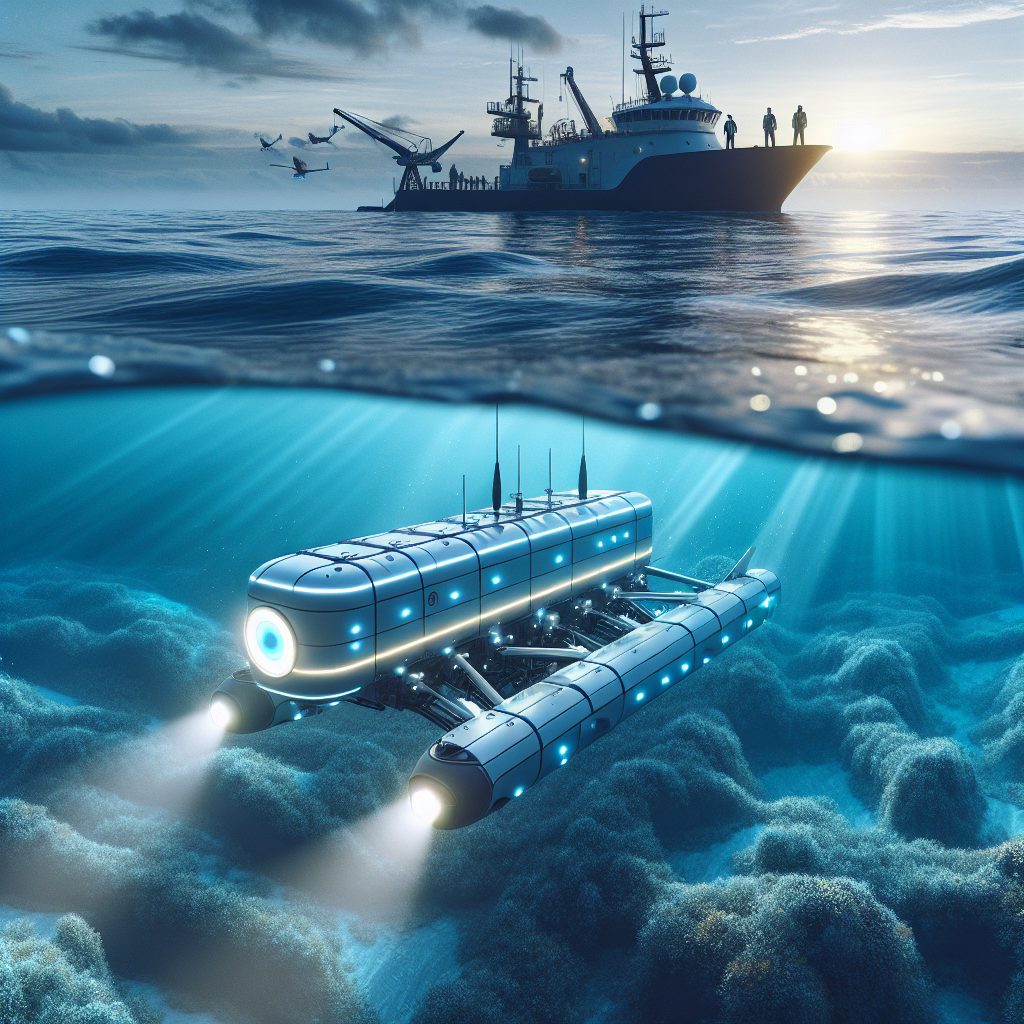
The Importance of Phosphate in the Maritime Industry Phosphate has recently been included in the US Government’s Critical Minerals List, highlighting its strategic relevance for this nation’s resource security. This development not only influences the terrestrial economy but also has a significant impact on the maritime sector, especially for companies like Odyssey Marine Exploration, Inc. (OMEX), a leader in ocean exploration and marine resource development. Phosphate is an essential component in fertilizer production, making it a critical element for global agriculture. However, its extraction is not limited to land mines; underwater resources offer a new horizon for obtaining this mineral. Seabed explorations present a viable alternative to meet the growing global demand for phosphate, a need driven by the increase in the world’s population and the consequent agricultural demand. Maritime professionals and maritime investors view underwater phosphate extraction as a promising business opportunity. It not only diversifies investment possibilities but also creates a new market niche where technology and innovation play a crucial role. Technological Innovations in Submarine Exploration Technological advancements are a cornerstone for the development of the deep-sea mineral exploitation industry. The use of unmanned underwater vehicles (UUVs) has revolutionized the way ocean exploration is carried out. These devices allow companies to explore large sections of the seabed with precision and efficiency, minimizing environmental impact and improving operational safety. Furthermore, high-resolution sonar techniques and 3D mapping technologies provide detailed images of the underwater terrain, facilitating the identification and location of phosphate deposits. This technology not only optimizes the extraction process but also reduces the costs associated with exploration, making these projects more economically viable. Advancements in technology are creating new job opportunities for engineers, technicians, and scientists specializing in marine technology and the environment. The demand for skilled professionals in these areas is on the rise, offering interested individuals the chance to integrate into a sector that combines adventure, science, and business. Economic Impact and Investment Opportunities The recognition of phosphate as a critical mineral has significant economic implications. At a macroeconomic level, ensuring a phosphate supply through national sources can reduce import dependence and strengthen the country’s economic security. For maritime investors, this translates into a market with potential for sustained growth, driven by regulatory stability and government support. Odyssey Marine Exploration, with its expertise in deep-sea exploration, is already poised to capitalize on these opportunities. The company has adopted a strategic focus on environmental responsibility, adding value for investors seeking sustainable projects with a positive impact on the community. For sailors and maritime professionals interested in diversifying their activities or starting a new career path, the deep-sea mineral industry offers fertile ground. New jobs in areas such as marine research, submarine geology, and project management suggest a promising future for those wishing to participate in this emerging sector. The Future of Marine Phosphate Exploitation Looking ahead, marine phosphate exploitation not only has the potential to transform the maritime industry but also can play a crucial role in addressing global challenges such as food security. With the increase in the global population, food production becomes a priority, and phosphate is essential for increasing agricultural crop productivity. As extraction techniques continue to evolve and new technological approaches are developed, the maritime industry is in a unique position to lead the way towards more sustainable and efficient practices. Research and development opportunities in this field are vast, and the sector is eager to welcome experts and enthusiasts who wish to be part of this transformation. In conclusion, the inclusion of phosphate in the US Critical Minerals List marks a significant milestone not only for the mining industry but also for the maritime sector. This advancement represents a unique opportunity for investors, professionals, and companies seeking leadership in innovation and sustainability. The responsible exploration and exploitation of marine phosphate promise to be a key element in the economy of the future, and those involved in this sector will be at the forefront of a transformative change in the maritime industry.
La Innovación Náutica en el Mar Rojo: AMAALA Triple Bay, Un Hito en el Turismo Regenerativo
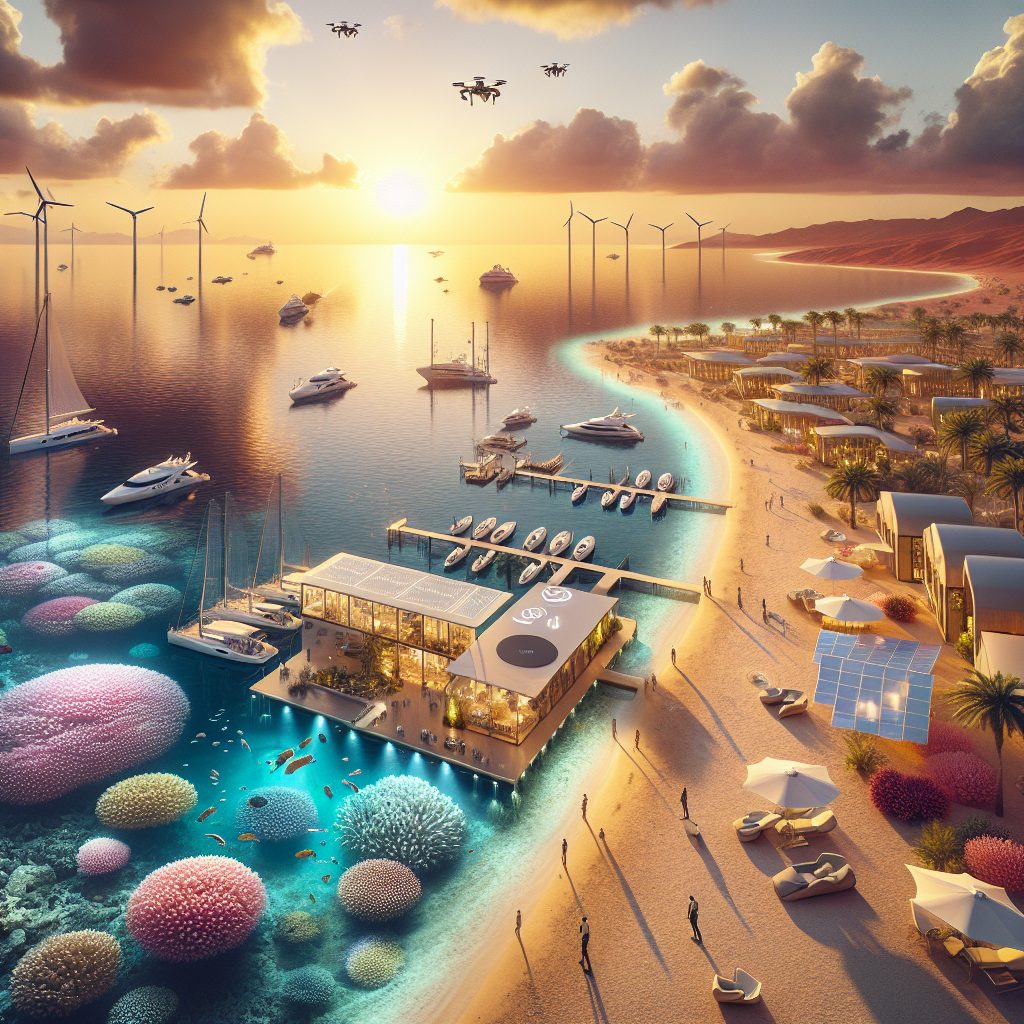
### The Visionary Project of AMAALA Triple Bay in the Red Sea In a bold move towards the future of maritime tourism, Red Sea Global (RSG) has unveiled its latest development, AMAALA Triple Bay. This initiative, located in Saudi Arabia, stands out not only for its impressive scale but also for its focus on regenerative tourism. Going beyond traditional sustainability, this innovative concept aims to restore and enhance the natural environment, providing a unique experience for tourists and sailors alike. The Red Sea region is renowned for its marine biodiversity, including colorful coral reefs and a variety of marine species found nowhere else on the planet. RSG has set ambitious goals to ensure that this environment not only remains intact but thrives through its efforts. The focus on conservation and regeneration will not only attract environmentally conscious tourists but also create new job opportunities for professionals in the sector. Marine biologists, marine engineers, and other experts will find AMAALA Triple Bay to be a hub of innovation and maritime sustainability. The region’s commitment to preserving and enhancing its natural beauty will not only benefit the environment but also contribute to the local economy. ### Technological Innovation for Regenerative Tourism One of the most exciting features of AMAALA Triple Bay is its adoption of cutting-edge technologies. By focusing on renewable energy, the project will utilize solar and wind power to supply its facilities, significantly reducing its carbon footprint. Additionally, advanced water management systems will ensure the efficient and responsible use of this vital resource. Sailors and nautical enthusiasts visiting AMAALA Triple Bay will witness a perfect example of how modern technologies can be integrated with the natural environment to offer exceptional experiences. The introduction of smart marinas, equipped with IoT technology, will allow for optimal management of maritime traffic, enhancing safety and operational efficiency. Moreover, the use of drones and underwater sensors will provide real-time data on local marine life and water conditions, enabling continuous and precise monitoring to support conservation efforts. These innovations represent a significant opportunity for professionals in the merchant marine industry to engage in the development and application of sustainable technologies that could shape the future of the sector. ### Economic and Employment Boost in the Region AMAALA Triple Bay is not only a breakthrough in terms of regenerative tourism and technology but also a significant economic boost for the Red Sea region. The project’s magnitude ensures the creation of thousands of jobs, from design and construction to the daily management and operation of facilities. For maritime investors, AMAALA Triple Bay offers an attractive business opportunity. The region is becoming increasingly accessible, thanks to new maritime and air routes, which will increase the flow of tourists and, consequently, investment opportunities. This development has the potential to transform the region into a hub of sustainable luxury tourism, attracting a discerning global clientele. Maritime professionals and students pursuing related careers should seriously consider the job opportunities that will arise from this project. With RSG spearheading the drive towards a more sustainable future, the demand for experts in green technology, marine biology, and natural resource management is on the rise. Sending a resume to companies linked to AMAALA could be the first step towards an exciting career at the forefront of marine innovation. ### Conclusions: A Horizon of Opportunities AMAALA Triple Bay stands as a shining example of what can be achieved when innovation and environmental awareness are strategically intertwined. For nautical professionals, passionate sailors, and maritime investors, this project not only opens new frontiers in terms of tourism and technology but also signifies a commitment to a more sustainable and rejuvenating future. The relevance of this development for the audience of WishToSail.com is evident: it offers a glimpse into emerging trends in maritime tourism, provides concrete employment and professional growth opportunities, and underscores the importance of technology in marine conservation. Embarking on this new era of regenerative tourism, AMAALA Triple Bay reminds us of the importance of preserving what we love and evolving towards a more planet-friendly approach. For those interested in exploring more about AMAALA Triple Bay and the future of regenerative tourism, the doors are open for a journey that promises to be as enriching as it is inspiring.
The Simandou Project: Transforming Maritime Transport in West Africa

The Simandou Project: Transforming Maritime Transport in West Africa In a groundbreaking event that marks a milestone in the mining industry and maritime transport, the President of the Republic of Guinea, along with key partners such as WCS1, Baowu, Chinalco, and Rio Tinto, has heralded the start of operations at Simandou. This project is not only the largest of its kind in Africa, but it also promises to significantly transform the economic and logistical landscape of the continent. Located in the Forécariah region of Guinea, Simandou is a large-scale mining and infrastructure project. With over 600 kilometers of new multi-purpose trans-Guinean railways, accompanied by barge and ferry port facilities, this development aims to drastically improve transportation capabilities in the region. This type of infrastructure has the potential to reduce transportation costs and times, which is crucial for attracting investment and sustainable economic development. The implementation of these routes not only facilitates the movement of minerals from the interior of Africa to global markets but also opens up new opportunities for the transportation of goods and people within the continent. Ultimately, this could lead to greater regional economic integration, boosting African competitiveness in the global economy. Technological Innovation in Maritime Transport One of the major innovations of the Simandou project is the integration of advanced technology in its maritime operations. The port facilities have been designed to maximize efficiency and minimize environmental impact. Automated cargo handling systems, along with advanced security technologies, position this project at the forefront of maritime sustainability. For merchant navy professionals, these technological innovations represent an evolution in operations, providing a safer and more productive environment. The use of cutting-edge technology also requires highly skilled personnel, increasing the demand for technical training and opening the door to new job opportunities in the sector. Furthermore, the focus on sustainable solutions responds to a growing global demand for environmentally responsible business practices. For maritime investors, this means that the project has the potential to attract additional financing and overcome regulatory challenges, making Simandou an attractive long-term investment. Employment Opportunities and Economic Growth The development of Simandou is not just an engineering feat; it is a crucial source of employment and economic development for Guinea and its surroundings. During its implementation and operation phases, the project is expected to generate thousands of direct and indirect jobs, offering significant opportunities for professionals in the region. Companies involved in this mega-development are inviting qualified professionals to submit their resumes, especially those with experience in logistics, port operations management, and maritime technology. The opportunity to work on a project of this magnitude represents a unique opportunity for those looking to advance their careers in the nautical and maritime sector. Additionally, the improvement in infrastructure and the increase in cross-border trade drive economic growth not only in Guinea but also in neighboring countries. This creates a domino effect that can revitalize previously marginalized areas, bringing prosperity and improved quality of life to millions of people. Relevance to the Maritime Industry For readers of WishToSail.com, including merchant navy professionals, investors, and nautical enthusiasts, the Simandou project offers multiple reasons for relevance. Firstly, the expansion of maritime routes and the most advanced transport infrastructure are crucial for the global expansion of goods trade, which can lead to increased workflow and new job opportunities. Secondly, the implementation of cutting-edge technology in port operations sets a new standard for the industry, providing a model for other similar projects worldwide. This modernization is a key point of interest for investors looking to support initiatives with a substantial focus on sustainability and efficiency. Finally, the contribution to regional economic development and the improvement of living conditions ensure the long-term positive impact of Simandou, aligning with the corporate social responsibility objectives that many maritime companies aspire to. Such an approach integrates economic growth with social welfare, a combination that is increasingly gaining importance in business decision-making. Conclusion: Towards a Promising Future in Maritime Transport The start of operations at Simandou represents more than the beginning of a mining project. It marks the beginning of an era of technological innovation, employment opportunities, and sustainable economic growth in Africa. For those navigating the seas, investing in the maritime sector, or simply passionate about nautical pursuits, this development offers an inspiring vision of what the future could hold for global maritime transport. As the world continues to seek more efficient and sustainable ways to connect, initiatives like Simandou stand out as key examples of what can be achieved with commitment and international collaboration. For those interested in delving deeper into this fascinating project, the invitation is clear: explore, participate, and be part of this ongoing maritime revolution.
Innovations in Energy Conferences: Opportunities for the Maritime and Nautical Sector

Innovations in Energy Conferences: Opportunities for the Maritime and Nautical Sector In a global environment where energy and maritime transportation are increasingly converging, staying informed about the latest innovations and trends is crucial for professionals in the sector. This November, Enterprise Products Partners L.P. has announced its participation in a series of conferences that could shape future investments and developments in the maritime industry. The conferences, to be held in Houston and New York, provide a platform for the exchange of ideas on energy and transportation, topics intrinsically linked to the maritime economy. The contribution of renewable technologies and new energy infrastructures promise to improve the operational efficiency of merchant fleets and nautical transportation. Energy technology not only impacts the production and distribution of energy but also has a direct impact on the design and operation of vessels. These events, focused on the future of energy and its intersection with other sectors, represent a golden opportunity for maritime professionals looking to stay at the forefront. Key Conferences: Meeting Points for Innovation The BofA Global Energy conference in Houston on November 11, 2025, will bring together leaders and experts in energy to discuss recent advancements and future projections. Maritime professionals can explore how energy innovations translate into opportunities to optimize maritime routes and reduce operational costs. The Mizuho Power, Energy & Infrastructure Conference in New York, scheduled for December 9, 2025, will focus on advanced energy infrastructures. Participation in these sessions can provide sailors and merchant operators with a clear vision of how new infrastructures can be integrated into their daily operations. The Wells Fargo 24th Annual Energy & Power Symposium, from December 10 to 11, 2025, is an essential event for those interested in the intersection between energy and power. This symposium will offer attendees the opportunity to understand how energy strategies can be applied to improve the sustainability and efficiency of maritime operations. Opportunities for Employment and Business Participating in these conferences is not only an opportunity to acquire knowledge but also opens doors to new professional connections and potential collaborations. Companies in attendance will be seeking talent and innovative ideas to integrate into their operations, making these events an ideal setting for those looking to advance their careers. For maritime investors, these conferences are a platform to identify investment opportunities in emerging energy technology, which could revolutionize maritime transport and nautical operations in the medium to long term. Additionally, the commercial routes and technologies showcased in these conferences can inspire sailors and nautical enthusiasts to explore new ways of enjoying the ocean in a more sustainable and efficient manner. Three Reasons for the Relevance of the Event In conclusion, the participation of Enterprise Products Partners L.P. in these prominent conferences underscores the importance of staying up to date with energy innovations and their applications in the maritime sector. Whether through improving operational efficiency, exploring new business opportunities, or connecting with sector experts, these conferences represent a valuable resource for all industry professionals. It is crucial not only to stay informed about the latest trends but also to actively participate in events that offer a comprehensive view of the future to continue advancing in the maritime sector. This series of conferences is an excellent opportunity to do so. We invite our readers to explore more about these conferences and consider attending, as it could be a decisive step in their careers and a significant contribution to the advancement of the maritime sector.
The Future of the Global Nautical Industry: Innovation and Sustainability

The Future of the Global Nautical Industry: Innovation and Sustainability The maritime and nautical industry is currently at a crucial crossroads filled with both opportunities and challenges. Recent data presented by TOURISE, in partnership with Oxford Economics, shed light on the growth potential within the maritime tourism sector. The report titled “Navigating Uncertainty: Opportunities and Risks in the Face of the Next 2 Billion Global Tourists” was unveiled during the TOURISE Summit in Riyadh. It provides a comprehensive overview of how the tourism industry, particularly the maritime sector, can capitalize on the significant increase in global tourist flows. With the projected rise in tourist numbers, there is a prime opportunity for the nautical industry to thrive. Maritime routes, especially those encompassing exotic or less explored destinations, are becoming a focal point in attracting these new travelers. Diversifying routes not only boosts economic growth in coastal regions but also enables maritime operators to tap into untapped markets. For professionals in the merchant navy, this growth signifies a new frontier of job opportunities. The demand for qualified personnel to manage these new routes is on the rise, with companies seeking talents adaptable to the demands of a more discerning and environmentally conscious tourism sector. Technological Innovation for Sustainability Technological innovation stands as a cornerstone in this new era for the nautical industry. The report underscores how the implementation of advanced technologies, from autonomous ships to smart navigation systems, is revolutionizing the sector. These innovations not only enhance operational efficiency but also bolster safety measures and reduce environmental impact. An increasing trend is the utilization of renewable energies such as solar and wind power to propel vessels. Pioneering companies are developing hybrid ships that combine these energy sources with traditional engines, significantly reducing carbon emissions. This approach is not only environmentally responsible but also economically viable in the long run. For maritime investors, these technological innovations present a fertile ground for new investments. Developing sustainable technological solutions not only attracts tourists, who are increasingly aware of the need for eco-friendly travel, but also sets a higher standard for competition within the sector. Risks and Challenges on the Nautical Horizon However, alongside opportunities come risks. Among the prominent challenges highlighted in the report is the necessity to balance growth with marine environmental conservation. Overexploitation of certain routes or destinations could lead to ecosystem degradation, subsequently impacting the tourism and nautical industry negatively. Additionally, maritime safety remains a critical issue. With the increase in maritime traffic, the likelihood of accidents rises, necessitating enhanced safety measures and rigorous training for personnel. Companies in the sector must invest in advanced safety technologies and continuous training programs to mitigate these risks. Global economic fluctuations pose another challenge. Variations in the economies of tourist-emitting countries can significantly affect traveler numbers, requiring nautical companies to maintain flexibility and adaptability in their business strategies. Practical Connection: The Value of Growth for Maritime Professionals Despite these challenges, the current landscape offers a unique opportunity for maritime professionals. The diversification of maritime routes not only broadens the scope of employment but also allows seafarers to explore new cultures and landscapes, enriching both their professional and personal experiences. Technological advancements provide professionals with the chance to expand their skills in new areas such as operating autonomous ships or handling advanced navigation systems, positioning them at the forefront of the industry and enhancing their employability. For nautical enthusiasts, this is an exciting time. The convergence of tourism growth, technological innovations, and environmental awareness creates a dynamic and stimulating scenario promising unique experiences and a sustainable future for the sea. Conclusion: An Invitation to Explore New Opportunities The report “Navigating Uncertainty” not only underscores the challenges facing the nautical industry but also highlights the abundant possibilities on the horizon. Companies within the sector aiming to thrive must adopt a proactive approach, investing in technological innovation and prioritizing sustainability. For those keen on being part of this transformation, the time to act is now. Sending resumes to companies spearheading these changes could be the initial step towards an exciting and rewarding career in the maritime sector. As we navigate towards a future full of promise, it is essential for maritime professionals and enthusiasts to stay informed, motivated, and committed to the advancement and sustainability of the nautical world. Delving deeper into the topics covered and embracing innovations may unveil unexpected opportunities. Whether driven by a booming career or a sheer passion for the sea, the future of the nautical sector brims with possibilities for the daring souls willing to set sail.
The Revolution of Underwater Communication: Kyocera’s Technological Innovation in High-Speed Data Transmission

The Revolution of Underwater Communication: Kyocera’s Technological Innovation in High-Speed Data Transmission The technological advancement of Kyocera in underwater communication has reached a significant milestone, with the introduction of their innovative technology of Underwater Wireless Optical Communication (UWOC). This technology has shown the capability to transmit data at an impressive speed of 5.2 Gbps, positioning itself as one of the fastest fiberless UWOC technologies ever developed. This breakthrough could open new frontiers in ocean exploration and underwater robot operations, thanks to its ability to transmit large volumes of data in real-time. The importance of this technology lies in its ability to provide immediate access to high-resolution data, crucial in underwater environments where conditions are often inhospitable for traditional communication methods. The UWOC technology by Kyocera is presented as a viable and efficient solution to overcome the challenges posed by the underwater environment, enabling fast and reliable data transmission without the need for fiber optic cables. These developments are not only relevant to science and research but also have significant potential applications in commercial and recreational sectors. For example, they could transform the way companies manage communication on marine exploitation platforms, as well as enhance the experience of sailors and diving enthusiasts by providing real-time data on underwater conditions. Practical Applications and Job Opportunities in the Maritime Sector The potential impact of Kyocera’s UWOC in the maritime sector is broad and diverse. Firstly, this technology could revolutionize the operations of underwater robots, which heavily rely on high-speed data transfer to function accurately. This is especially critical in tasks such as inspection and maintenance of underwater infrastructures, where the transmission of high-resolution video and other data is essential for effective operation. Furthermore, UWOC technology has the ability to significantly enhance real-time communication systems for ocean exploration, which could lead to faster and more accurate scientific discoveries. By optimizing the way underwater data is collected and analyzed, the possibility of expanding our knowledge about the marine environment is opened, with implications for marine biology as well as oceanic geology. This advancement also represents a job opportunity for professionals in the maritime sector. Technological innovations often come with the need for new specialized positions in the implementation and maintenance of these technologies. Companies adopting Kyocera’s UWOC may seek trained personnel to operate and manage this new technology, meaning that professionals and technicians in the field of underwater communication could find new and attractive job opportunities. Relevance for Professionals and Investors in the Nautical Sector The introduction of Kyocera’s UWOC has a direct impact on various facets of the nautical sector, making it particularly relevant to readers of WishToSail.com. Firstly, for professionals in the merchant navy, this technology promises to improve safety and efficiency in real-time data transmission, which is crucial for daily operations and making informed decisions from the bridge. Additionally, for maritime investors, the incorporation of advanced technology such as UWOC can represent a unique opportunity to obtain significant returns. Companies that quickly adopt these innovations can gain a competitive advantage, improving their operations and reducing costs associated with traditional underwater communication. Finally, nautical enthusiasts will find in this technology a tool to enrich their experience in both recreational explorations and professional activities. The ability to receive accurate information about underwater conditions enhances not only enjoyment but also safety during underwater activities. This technology also opens the door to new ways of interacting with the marine environment, allowing for an unprecedented level of immersion and discovery. The Future of Underwater Communication and Kyocera’s Role Looking to the future, Kyocera’s development of UWOC marks the beginning of a new era in underwater communication. This technology represents a step towards more advanced and accessible connectivity in underwater environments, allowing various industries to explore and innovate beyond current limitations. By leading in this field, Kyocera positions itself as a key player in the evolution of nautical technologies, showing its commitment to developing solutions that not only address current needs but also anticipate future demands. Their innovation could serve as a catalyst for further research and development in the field of underwater technology, stimulating other companies and academic entities to explore new possibilities. In conclusion, Kyocera’s Underwater Wireless Optical Communication is a testament to the unlimited potential of technology to transform the maritime sector. With its ability to enhance real-time data transmission, this innovation promises to redefine marine operations, improving both efficiency and safety. Professionals, investors, and nautical enthusiasts now have a unique opportunity to participate in this evolution, whether by exploring new investments, entering a growing job market, or simply experiencing a new way to interact with the ocean.