


Sanborn Expands EDCON-PRJ Capabilities: Geospatial Innovations in the Maritime Sector

Sanborn Expands EDCON-PRJ Capabilities: Geospatial Innovations in the Maritime Sector The recent expansion of EDCON-PRJ’s capabilities under Sanborn’s leadership marks a significant milestone in the use of geospatial data in the maritime sector. This announcement, made from Colorado Springs, highlights EDCON-PRJ’s growth as a key subsidiary in the industry, reshaping the landscape of nautical applications with advanced mapping and data collection technologies. Sanborn, a nationally recognized leader in geospatial data and mapping, has integrated EDCON-PRJ to strengthen the development of tools that optimize everything from commercial navigation to recreational operations at sea. This advancement not only promises to improve operational efficiency but also enhances maritime safety through the use of cutting-edge technology. For merchant navy professionals, sailors, maritime investors, and nautical enthusiasts, this expansion represents an opportunity to explore new avenues of technological innovation that could provide them with unprecedented tools and significantly enhance their daily work. Technological Innovations and Maritime Practices The strengthening of EDCON-PRJ as a subsidiary of Sanborn brings technological innovations that translate into practical applications for the maritime sector. One of the main areas of innovation is the use of advanced geospatial mapping systems that allow for better planning of maritime routes. These tools not only offer more precise maps but also integrate real-time data on weather and sea conditions. The ability to quickly adapt navigation plans based on updated data is crucial for the safety and efficiency of maritime operations. High-resolution maps developed under this new organizational structure provide sailors with the necessary information to avoid hazards and improve fuel efficiency, thereby reducing operating costs. These innovations also have significant recreational applications. Nautical enthusiasts can benefit from more detailed maps that enhance the recreational navigation experience, offering data on currents, winds, and safe mooring areas, undoubtedly taking the maritime experience to a new level of enjoyment and safety. Impact on Employment and New Professional Opportunities The expansion of EDCON-PRJ not only impacts technology and operational efficiency but also opens up new job opportunities in the maritime sector. Sanborn, in its effort to expand capabilities, is looking for specialized professionals who want to be part of this transformative change. Employment opportunities extend to various areas, from geospatial data analysis to software engineering for maritime applications. Professionals in the sector can take advantage of this expansion by submitting their resumes to Sanborn, highlighting their experience and desire to contribute to the sector’s evolution through technological innovation. This initiative not only promises an improvement in sector operations but also enhances employment offerings, attracting new talent and diverse experience to the maritime field. This capacity growth aligns with the sector’s need to adapt to a changing global environment. The demand for advanced and adaptive technology is growing, and organizations that anticipate these changes, such as Sanborn and EDCON-PRJ, are leading the way towards a safer and more efficient future in the maritime industry. Relevance and Benefits for the Maritime Sector Sanborn’s announcement regarding the expansion of EDCON-PRJ is relevant to various audience segments of the WishToSail.com magazine. Firstly, for merchant navy professionals, the new geospatial mapping technologies enhance safety and operational efficiency, which are essential in a sector where time and precision are critical. Maritime investors benefit from the advanced technology that Sanborn is implementing, as mapping and geospatial data innovations can translate into new investment opportunities. Access to detailed and real-time data allows for more informed decisions and highlights areas of potential economic growth. Finally, for nautical enthusiasts, these improvements represent an enhancement in personal navigation experience. The integration of efficient and accurate data allows for greater enjoyment and safety in recreational activities, increasing user confidence in the available technological tools. Conclusion: A Step Forward in the Maritime Future The expansion of EDCON-PRJ under Sanborn’s leadership is a significant advancement for the maritime sector, offering practical innovations that promise to transform both the work and recreational aspects of navigation. This move not only encapsulates technological progress but also an opportunity for sector professionals to be part of a sustainable and efficient future in maritime activities. By exploring these new capabilities, Sanborn and EDCON-PRJ invite WishToSail.com readers to consider the positive impact of advanced technology on their daily practice, urging them to be open to the innovation and change that lies ahead. The possibilities are vast, and the benefits are tangible, ensuring that both the present and future of the nautical sector are bright and promising.
Innovation On Board: The Multisensory Experience Revolutionizing Retail at Sea
Innovation On Board: The Multisensory Experience Revolutionizing Retail at Sea In a world where customer experience is the key to success, Starboard Group has taken a step forward by introducing an innovative multisensory shopping experience on board the Celebrity Xcel. This initiative not only redefines the concept of retail at sea but also provides a unique opportunity for professionals in the maritime and nautical sector. The Celebrity Xcel, the fifth ship in the revolutionary Edge series by Celebrity Cruises, becomes a benchmark of modernity and luxury, blending design, technology, and sensory exploration. A New Era for Naval Commerce Starboard Group, globally recognized as a leader in retail curation on the high seas, has transformed the Celebrity Xcel into a space where shopping becomes an unforgettable experience. This evolution involves not only an aesthetic change in onboard stores but a complete rethink of how passengers interact with products and brands. Implementation of new technology such as immersive digital experiences Debut of exclusive brands at sea The use of advanced technology on the Celebrity Xcel takes the shopping experience to a whole new level. This initiative is a shining example of how innovation can be applied in a traditionally static environment such as the maritime sector. The Role of Technology in the New Onboard Commerce Technology plays a crucial role in Starboard Group’s new strategy on the Celebrity Xcel. Through immersive digital experiences and advanced connectivity, onboard stores offer an environment where senses and innovation meet. Virtual fitting rooms Augmented reality experiences This innovative approach represents a fascinating step towards a future where technology not only facilitates navigation and safety but also enhances complementary aspects of life at sea. Opportunities for Nautical Professionals This new approach to commerce at sea not only represents an advancement for passengers but also opens up a range of opportunities for professionals in the maritime and nautical sector. Marketing specialists Customer experience experts Participation in such projects promises professional enrichment and positions participants as pioneers in a new era of maritime commerce. Relevance for the WishToSail.com Community This new model of shopping experience on the Celebrity Xcel is particularly relevant to the WishToSail.com audience for several reasons: Illustrates how technological innovation applied to commerce can transform the passenger experience on a cruise Highlights the importance of continuous innovation and adaptability in the nautical sector Offers motivation for those looking to expand their horizons within the maritime industry Conclusion: A Journey towards the Future of Maritime Commerce The introduction of this multisensory experience on board the Celebrity Xcel by Starboard Group marks the beginning of a new era in commerce at sea. With technological innovations redefining the shopping experience, this project sets a precedent for future developments in the maritime industry. Professionals in the sector, from sailors to investors and technology specialists, will find in this initiative more than just a novelty: it is a tangible example of how the future of maritime commerce is already here, waiting to be explored and maximized to its full potential.
The Revolution of Nautical Intermediation: A New AI-Powered Superyacht Platform
The Revolution of Nautical Intermediation: A New AI-Powered Superyacht Platform In the dynamic world of nautical and maritime commerce, innovation is more than just a trend; it has become an imperative need to maintain competitiveness. In this context, Royal Yacht International has taken a bold step by launching an AI-powered superyacht intermediation platform. This advancement promises to redefine how professionals and enthusiasts in the sector engage with the purchase, sale, and management of these magnificent vessels. The use of artificial intelligence in this field not only optimizes traditional intermediation processes but also opens up new possibilities to personalize customer experiences. Through advanced algorithms and real-time data analysis, the platform promises to offer more precise recommendations tailored to the specific needs of each user, thus facilitating informed and efficient decision-making. For those interested in exploring new job opportunities in the nautical sector, this innovation represents a paradigm shift that could also lead to the creation of new specialized roles in handling and developing advanced technologies. With a focus on the Growth of the American Market One of the highlights of this initiative is its orientation towards the American market, which is currently experiencing a boom due to existing tax incentives. These incentives have sparked a renewed interest in the superyacht sector, with investors looking to capitalize on this growing trend. The Royal Yacht International platform arrives at the perfect time, capturing the attention of potential buyers and sellers interested in more effectively accessing this expanding market. For maritime investors, the combination of tax incentives and advanced technology presents a unique opportunity to maximize returns and minimize risks. The platform’s ability to analyze and predict market trends can be an invaluable tool for making investment decisions more confidently and strategically. Likewise, for sailors and nautical enthusiasts, the possibility of exploring purchasing options in such a dynamic and promising market as the American one, supported by precise data and detailed analysis, adds a layer of security and previously unattainable knowledge through traditional methods. Practical Applications and Benefits for Maritime Professionals The incorporation of artificial intelligence in superyacht intermediation not only brings benefits in terms of commercial transactions but also offers practical solutions for the management and operation of these luxury vessels. For example, the platform can facilitate real-time monitoring of market conditions, allowing captains and operators to adjust routes or freight strategies more agilely. In addition, this innovative approach can improve efficiency in time and resource management by automating administrative tasks and offering predictive analysis on the maintenance and performance of superyachts. For maritime professionals, familiarity with these new technological tools can represent a significant competitive advantage. The ability to adapt and use AI-based systems not only improves work efficiency but also opens the door to new career opportunities within the sector. Conclusion: A New Horizon for Nautical Industry In a world where technology constantly redefines how we live and work, the advent of an AI-powered superyacht intermediation platform marks an exciting chapter in the history of the nautical industry. Royal Yacht International, with its innovative vision and commitment to excellence, positions itself as a leader in this digital transformation that promises to forever change the relationship between man and the sea. For readers of WishToSail.com, this news is of utmost relevance for several reasons: first, it highlights a unique opportunity to explore and participate in a growing market; second, it emphasizes the importance of staying up to date with technological innovations that are reshaping the sector; and third, it invites consideration of potential job opportunities that may arise in this new context. The convergence of technology and tradition in this initiative promises not only to enrich the sailing experience but also to open up new avenues for professional and personal growth. We invite those interested to closely follow this exciting development and even consider submitting their resume to Royal Yacht International, not only to be part of this revolution but also to lead the way towards new and exciting opportunities in the world of nautical industry.
Financial Innovations in the Maritime Sector: OneWater Marine and the Extension of their Credit Facilities
Financial Innovations in the Maritime Sector: OneWater Marine and the Extension of their Credit Facilities In the competitive world of the maritime industry, financial management is a crucial component for sustainable success, both for the shipping industry and maritime investors. The recent decision by OneWater Marine Inc., a prominent company in the maritime sector, to extend the maturity of its secured term loan until July 31, 2027, and prolong its inventory credit line until March 1, 2027, deserves attention. This strategic move not only reinforces the company’s financial stability but also offers valuable lessons for professionals and enthusiasts in the sector. Extending credit facilities provides temporary relief in terms of financial obligations and allows the company to capitalize on market opportunities and maintain a stable cash flow. For investors and maritime company managers, this strategy can be inspiring and applicable as it reinforces the importance of financial planning to mitigate future risks. Implications for the Maritime Sector The impact of these credit extensions goes beyond the boundaries of OneWater. For maritime industry professionals, this news serves as a reminder of how financial decisions can directly influence day-to-day operations. By securing a robust line of credit, companies can continue to invest in maintenance, equipment acquisition, and training without compromising their liquidity. Furthermore, sailors and nautical enthusiasts will see in this move an example of the relevance of advance planning. In a sector where weather conditions and external factors can immediately and unpredictably affect operations, having a solid financial base is key to operational continuity and facing challenges on the horizon. For maritime investors, OneWater Marine’s decisions reflect responsible and long-term vision management. This extension not only indicates strength but can increase investor confidence, who see in these financial maneuvers an indication of stability and potential growth. Additionally, the availability of capital means that OneWater can explore new expansion opportunities, appealing to those seeking solid returns in the nautical industry. Employment Opportunities on the Horizon An often overlooked aspect of these financial strategies is their potential to create job opportunities. With the improvement of its financial position, OneWater Marine is well positioned to expand its operations, including acquiring new vessels and developing new routes. This could result in the demand for qualified personnel in various areas, from operations to logistics. For those in the maritime sector looking to advance or pivot in their careers, this outlook represents a golden opportunity. Sending resumes to expanding companies could result in more job opportunities, especially for experts looking to bring their experience to a growing market. Additionally, for young professionals training in nautical-related careers, this type of news underscores the importance of being prepared to seize these opportunities. Conclusion: Financial Navigation Lessons The recent modification in OneWater Marine’s credit facilities demonstrates how strategic financial management can serve as a compass in the vast ocean of the maritime sector. For professionals, investors, and nautical enthusiasts, these lessons invite reflection on the importance of planning and foresight, elements as crucial as the wind and tides for successful navigation. By learning from these strategies, sector agents can prepare their ships, both literal and figurative, to sail confidently into the future. Such financial moves not only illustrate the strength and adaptability of a company but also offer an inspiring example of how to overcome challenges and seize opportunities with prudence and vision. In conclusion, professionals and companies in the maritime sector can consider this event as a case study on effective resource management, reinforcing the idea that innovation belongs not only in the technological realm but also in the financial realm. Just like in navigation, knowledge and proper preparation are the most valuable allies for reaching a safe harbor.
The Sustainable Revolution in Maritime Refueling: TotalEnergies Introduces the Hybrid Barge Tristar Eco Voyager in Fujairah
The Sustainable Revolution in Maritime Refueling: TotalEnergies Introduces the Hybrid Barge Tristar Eco Voyager in Fujairah TotalEnergies and Sustainability: A Step Forward in the Maritime Sector The maritime sector is undergoing an unprecedented transformation towards sustainability, and TotalEnergies is leading this green revolution. The recent introduction of the hybrid barge Tristar Eco Voyager at the port of Fujairah, United Arab Emirates, is a clear example of this commitment. This vessel, developed in collaboration with the Tristar Group, represents a significant advancement in refueling operations by combining hybrid technology and significantly reducing carbon emissions. TotalEnergies is a major player in the energy sector, with a strong focus on sustainability. The Tristar Eco Voyager is equipped with a hybrid engine that uses both electricity and biofuels. It aims to reduce environmental footprint and optimize operational efficiency for TotalEnergies Lubmarine operations. This move aligns with the global sustainability strategies that the company has adopted, marking a crucial step towards decarbonizing the maritime industry. For industry professionals, this initiative not only offers a more sustainable solution but also signals a technological evolution that could redefine industry standards. Technological Innovation Serving the Environment The Tristar Eco Voyager was built in Turkey’s largest shipyard, Akdeniz, and since its arrival in Fujairah, it has replaced previous barges, optimizing TotalEnergies’ marine lubricant operations. This 750-cubic meter barge stands out for its ability to reduce CO2 emissions by 35% compared to traditional barges operating with low-sulfur marine diesel oil (LSMDO). The hybrid engine, combining electricity and biofuels, directly addresses the urgent need to mitigate the environmental impact of maritime operations. With Fujairah’s future plans to increase electric charging facilities, the barge is expected to operate almost exclusively on electricity, potentially achieving zero emissions in the near future. This advancement not only benefits the environment but also represents significant long-term cost savings on operational expenses. For maritime sector investors, TotalEnergies’ innovative approach signals a safe and profitable investment in clean technologies that not only ensure international regulatory compliance but also promote a greener future, responding to the growing demand for sustainable solutions in the industry. Strategic Impact and Job Opportunities The launch of the Tristar Eco Voyager has a significant strategic impact, not only for TotalEnergies and the Tristar Group but for the entire maritime industry in the region. The collaboration between these entities not only strengthens refueling operational capabilities but also underscores the shared commitment to advancing towards a more sustainable future. This joint effort presents a unique opportunity for industry professionals looking to engage in innovative and high-impact initiatives. For sailors and nautical enthusiasts, the implementation of hybrid technology in the maritime sector offers a new horizon in sustainable navigation. TotalEnergies invites interested professionals to submit their resumes to join their team and contribute to this transformation. Furthermore, the growing interest in sustainable and efficient technologies, backed by renowned companies like TotalEnergies, makes the development of associated infrastructures and resources an increasingly tangible reality. This evolution creates new job and investment opportunities, making Fujairah a strategic point for the growth and development of the maritime sector. Conclusions: Why Is It Important to You? In a world where sustainability has become imperative, TotalEnergies’ initiative with the Tristar Eco Voyager offers several tangible benefits for different segments of the WishToSail.com audience. Firstly, for merchant marine professionals, this barge represents an advancement in operational efficiency and environmental compliance, aspects increasingly valued in the industry. Secondly, for maritime investors, the commitment to clean and sustainable technologies supported by leading companies ensures an attractive and responsible return on investment. Lastly, for nautical enthusiasts, this initiative embodies the values of greener, more efficient, and planet-friendly navigation. Innovations like the Tristar Eco Voyager are key to achieving global sustainability goals, and their implementation reinforces the maritime industry’s commitment to a greener future. TotalEnergies and the Tristar Group have set an example to follow, demonstrating that it is possible to integrate advanced technology and sustainability into daily business operations.
The Green Innovation Transforming the Maritime Sector
Innovación Verde en Puertos: Cómo la Tecnología HydraGENTM de dynaCERT Transforma el Sector Marítimo The Green Innovation Transforming the Maritime Sector In a world where sustainability has become a pressing need, the maritime industry is constantly seeking innovations that not only improve operational efficiency but also minimize environmental impact. One of the emerging technologies that has captured attention is HydraGENTM, developed by the company dynaCERT. Initially conceived to optimize fuel consumption, this technology has also achieved a significant reduction in emissions, positioning itself as a key advancement for port operators and the industry as a whole. The Power of HydraGENTM Technology The fundamental principle of HydraGENTM is simple yet powerful: generating hydrogen on board efficiently to enhance the combustion of diesel engines. Reducing CO2 emissions by up to 20% Decreasing harmful pollutants like NOx Improving operational efficiency According to Kevin Unrath, dynaCERT’s Director of Operations, the primary goal was clear: fuel savings. However, an additional advantage emerged from this combustion improvement: the reduction of polluting emissions. This dual gain translates into lower operating costs and a significant contribution to sustainability. Environmental Impact of HydraGENTM in Maritime Sustainability The technology has proven to be an effective solution to one of the maritime industry’s biggest environmental challenges: carbon emissions. Data provided by dynaCERT shows that the implementation of this technology can lead to a reduction of up to 20% in CO2 emissions from diesel engines. This reduction not only contributes to the planet’s sustainability but also allows port and maritime transport companies to enhance their reputation and comply with international regulations. Economic Benefits for Port Operators Beyond the environmental advantages, HydraGENTM offers significant economic benefits for port operators. Thanks to optimized fuel consumption, companies can experience a considerable decrease in their operating costs. This saving can be redirected towards critical areas such as infrastructure improvement or investment in advanced technology. Job Opportunities and the Future of the Maritime Sector The adoption of advanced technologies like HydraGENTM also opens up new job opportunities in the maritime sector. Companies need skilled personnel to install, maintain, and optimize these systems, resulting in the creation of specialized jobs. Kevin Unrath emphasized the importance of training a new generation of professionals who understand and can apply these innovations in their daily work. This is especially relevant in a context where both technical knowledge and the ability to adapt to new technologies are valued. The future of the maritime sector holds promise for those who can adapt and lead with vision in the transition to more sustainable operations. Relevance of HydraGENTM for WishToSail.com Readers The HydraGENTM technology is relevant to WishToSail.com readers for several reasons. Firstly, it offers a unique opportunity for marine professionals to improve their operational efficiency, reduce costs, and better adapt to environmental regulations. Secondly, for maritime investors, it provides an investment option in sustainable technologies with significant return potential, supported by a growing global demand for greener operations. Lastly, for nautical enthusiasts, the adoption of technologies that enhance efficiency and reduce emissions can translate into a more conscious enjoyment of the sea, knowing that recreational activities contribute less to environmental degradation. Furthermore, knowledge about these technologies can be a competitive advantage for those seeking to work or invest in the sector. Conclusion HydraGENTM from dynaCERT not only revolutionizes fuel consumption efficiency but also sets a new standard for sustainability in the maritime sector. This innovation is destined to be one of the cornerstones of the industry’s future, offering tangible benefits both economically and environmentally.
The Digital Transformation in Maritime Logistics by C.H. Robinson
The Digital Transformation in Maritime Logistics by C.H. Robinson The maritime sector is undergoing a silent revolution driven by advances in digitalization and artificial intelligence. An essential player in this transformation is C.H. Robinson, a company based in Minnesota specializing in logistics solutions. Recently, the company announced its participation in several investor conferences, hinting at a renewed focus on integrating advanced technologies into its maritime operations. The digitalization in maritime transport not only promises operational efficiencies but also opens up new job opportunities for industry professionals. With the implementation of advanced supply chain and logistics management systems, there is a growing demand for experts who can effectively manage these technologies. The partnership between artificial intelligence and maritime logistics provides fertile ground for the development of new skills and job creation. The presentation by C.H. Robinson at these conferences is relevant not only to investors but also to maritime professionals looking to stay ahead of the curve. Integrating AI in logistics promises to optimize routes, improve fuel efficiency, and minimize environmental impact—crucial aspects for a sector facing increasing pressures to reduce its carbon footprint. Technological Advances by C.H. Robinson C.H. Robinson has been at the forefront of using technology to transform the way goods move globally. The company has significantly invested in digital platforms that enable route optimization and efficient supply chain management. One of the standout innovations is the use of artificial intelligence algorithms to forecast demand and dynamically adjust shipping itineraries. These advances are particularly relevant to sailors and ship operators as route decisions can be more precisely optimized, reducing travel times and operational costs. Technology also facilitates more effective cargo handling, ensuring that vessels operate at maximum capacity without compromising safety. Additionally, C.H. Robinson is exploring the use of predictive analytics tools to enhance logistical reliability. These technologies can accurately predict possible congestion at ports or delays due to adverse weather conditions, enabling operators to make more informed and prepared decisions for contingencies. Employment Opportunities in an Evolving Sector C.H. Robinson’s participation in investor conferences highlights a growing trend in the maritime sector: the need for professionals skilled in technology and advanced logistics. For maritime professionals, this translates into significant opportunities to acquire new skills or advance in their careers. By embracing these innovations, maritime companies can diversify their service offerings, optimize their operations, and improve profitability. This transformation requires a mindset shift and the acquisition of specialized skills in handling new technologies, which could represent a significant competitive advantage in the job market. C.H. Robinson has indicated that they are constantly seeking professionals who can help drive their vision of smarter and more efficient logistics. Interested readers can explore these opportunities by considering submitting their resumes to the company, seizing the moment to be part of the change that is redefining the industry. Relevance for the Sector: Three Key Reasons Firstly, the digital transformation led by companies like C.H. Robinson underscores the importance of adapting to the technological demands of the current market. For sailors and maritime professionals, this adaptation is crucial to ensure competitiveness and operational safety. Secondly, logistics innovations not only enhance operational efficiency but also promote sustainable practices, reducing the environmental impact of maritime transport. This is especially relevant in the current era, where sustainability is a global priority. Lastly, these transformations offer an exciting field of opportunities for maritime investors looking to capitalize on growing sectors. The introduction of artificial intelligence and advanced technologies in logistics represents an investment in the future of navigation. Conclusion: A Call to Action for Tomorrow’s Innovators The evolution of maritime logistics through digitalization is a clear path to the future. Companies like C.H. Robinson are leading this revolution, offering an inspiring example of how technology can transform a traditionally conservative sector. This transformation presents a unique opportunity for maritime professionals to participate in a significant change that will not only redefine their careers but also positively impact the world. It is time to embrace the challenge, invest in new skills, and explore how each individual can contribute to the advancement of the maritime industry. The opportunities are within reach; the question is whether we will be ready to seize them.
The Maha Project and Subsea 2.0® Technology Revolutionizing Indonesia’s Deep Waters
The Maha Project and Subsea 2.0® Technology Revolutionizing Indonesia’s Deep Waters TechnipFMC, a key player in global subsea engineering, has secured an integrated Engineering, Procurement, Construction, and Installation (iEPCITM) contract from Eni SpA for the ambitious Maha project in Indonesia’s deep waters. This milestone project marks the first use of TechnipFMC’s Subsea 2.0® technology in Indonesia, laying the foundation for future energy development in the region. Subsea 2.0® is an innovative approach that allows for on-demand configuration of subsea systems. This advancement not only enhances operational efficiency but also reduces delivery times and costs associated with underwater field development. Eni SpA, a company with a strong track record in the energy sector, is deepening its commitment to Asia with the Maha project, reinforcing its position as a leader in offshore exploration and production. The choice of TechnipFMC and its advanced Subsea 2.0® technology reflects Eni’s confidence in TechnipFMC’s integrated capabilities and experience in previous regional projects, such as the successful Jangkrik development. Breaking Down Subsea 2.0® Technology: Innovation for Efficiency On-demand configuration revolutionizing subsea systems design and deployment. Modularity reducing downtime and ensuring operational continuity in underwater operations. Advanced monitoring and data analysis enhancing reliability and safety at sea. The deployment of Subsea 2.0® technology in the Maha project not only represents a technological breakthrough but also opens up job and economic opportunities. For maritime technicians, engineers, and professionals, this project offers employment possibilities in technical implementation, operation, and maintenance of subsea systems. Beyond the job market, the Maha project stands out as a strategic opportunity for Indonesia to establish itself as a key player in the global energy sector. Collaboration with industry leaders like TechnipFMC and Eni not only strengthens the country’s energy infrastructure but also positions Indonesia as an emerging center of subsea technological innovation. For maritime investors and industry players, the Maha project presents an opportunity to explore new partnerships and expand operations in a region rich in natural resources. Implications for Maritime Professionals and Enthusiasts Professional insights into the transformative power of advanced technology in maritime operations. Showcasing the potential of modern subsea technologies for nautical enthusiasts. Highlighting the role of technology in optimizing resources and maximizing returns for maritime investors. The Maha project exemplifies how technological innovation, strategic collaboration, and sustainable development can create significant opportunities in the energy sector. TechnipFMC and Eni, drawing on their past successful projects in the region, demonstrate how smart partnerships and shared vision can drive progress in offshore exploration and production. In summary, the Maha project serves as a reminder of the importance of staying at the forefront of technology and constantly seeking opportunities to advance in an evolving maritime world. This project invites professionals and enthusiasts to explore, learn, and contribute to the bright future of the maritime industry.
The Future of Maritime Transport and Logistics: Opportunities and Challenges for 2026

The Future of Maritime Transport and Logistics: Opportunities and Challenges for 2026 Werner Enterprises: A Transportation Giant Looking Ahead Werner Enterprises, Inc., one of the most prominent companies in the global transportation and logistics sector, recently announced a quarterly cash dividend of 0.14 dollars per ordinary share, payable on January 21, 2026. This announcement not only highlights the financial strength of the company, but also demonstrates a track record of reliability for its shareholders, maintaining a continuous dividend policy since July 1987. This sustained commitment to dividends is a sign of Werner Enterprises’ financial health. For those involved in the maritime and logistics industry, this news represents an investment opportunity in a company that has proven to be stable and reliable. The ongoing increase in dividends over the years positions Werner as a benchmark in the logistics sector, an industry that continues to evolve with technological innovations. With the growing digitalization and automation of logistics operations, Werner Enterprises is well positioned to lead the transformation in transportation efficiency open to the maritime sector. The growth opportunities are vast, especially in the exchange of technology applied to maritime logistics, where the company can make a significant difference. Technological Innovations Transforming the Maritime Sector The maritime transport sector is experiencing an unprecedented technological revolution. Companies like Werner Enterprises are at the forefront, adopting emerging technologies such as artificial intelligence, the Internet of Things (IoT), and blockchain supply chains to optimize logistics operations. This transformation not only improves efficiency but also reduces operating costs and enhances safety in the transport of goods. The implementation of artificial intelligence allows maritime operators to predict traffic patterns, optimize routes, and better manage adverse weather conditions. The use of IoT in transportation enables real-time tracking of cargo, increasing transparency and traceability. Keeping up with these technologies is crucial for professionals in the sector to stay competitive. Werner Enterprises, by leading these initiatives, offers an opportunity for professionals to upgrade their skills and leverage the new technological tools in this growing sector. Maritime Routes and New Employment Opportunities The continuous development of new maritime routes is another essential component attracting the attention of investors and industry professionals. The expansion of routes in strategic regions facilitates global trade and presents new employment opportunities in the logistics and maritime fields. These routes not only expand business options but also create a growing demand for qualified personnel. Werner Enterprises continues to invest in route development and infrastructure, demonstrating a significant commitment to the continuous improvement of maritime transportation. For merchant marine professionals, this means potential jobs in route management, operations optimization, and logistics infrastructure development. We encourage professionals to consider submitting their resumes to companies like Werner, which are at the forefront of this expansion. The demand for logistics and transportation experts is on the rise, and those who position themselves now will have a competitive advantage in the future. Significance for Industry Professionals First and foremost, Werner Enterprises’ news about consistent dividends underscores financial stability in a sector facing significant technological challenges and changes. For investors, this is a guarantee of security and indicates a company with solid long-term prospects. Secondly, Werner’s focus on technology has practical implications for industry professionals. The adoption of new technologies means improved productivity and provides professionals with the opportunity to acquire new skills and stand out in an increasingly competitive job market. Finally, new maritime routes and investments in infrastructure offer a landscape of economic growth and employment. It is a good time for professionals to consider a career change or evolution, taking advantage of opportunities in leading companies in the sector seeking specialized talent. The transformation of maritime transport and logistics is underway. Now is the time for professionals and enthusiasts in the sector to embark on this journey full of possibilities and growth.
Growth and Expansion of Viking Holdings: A Maritime Milestone
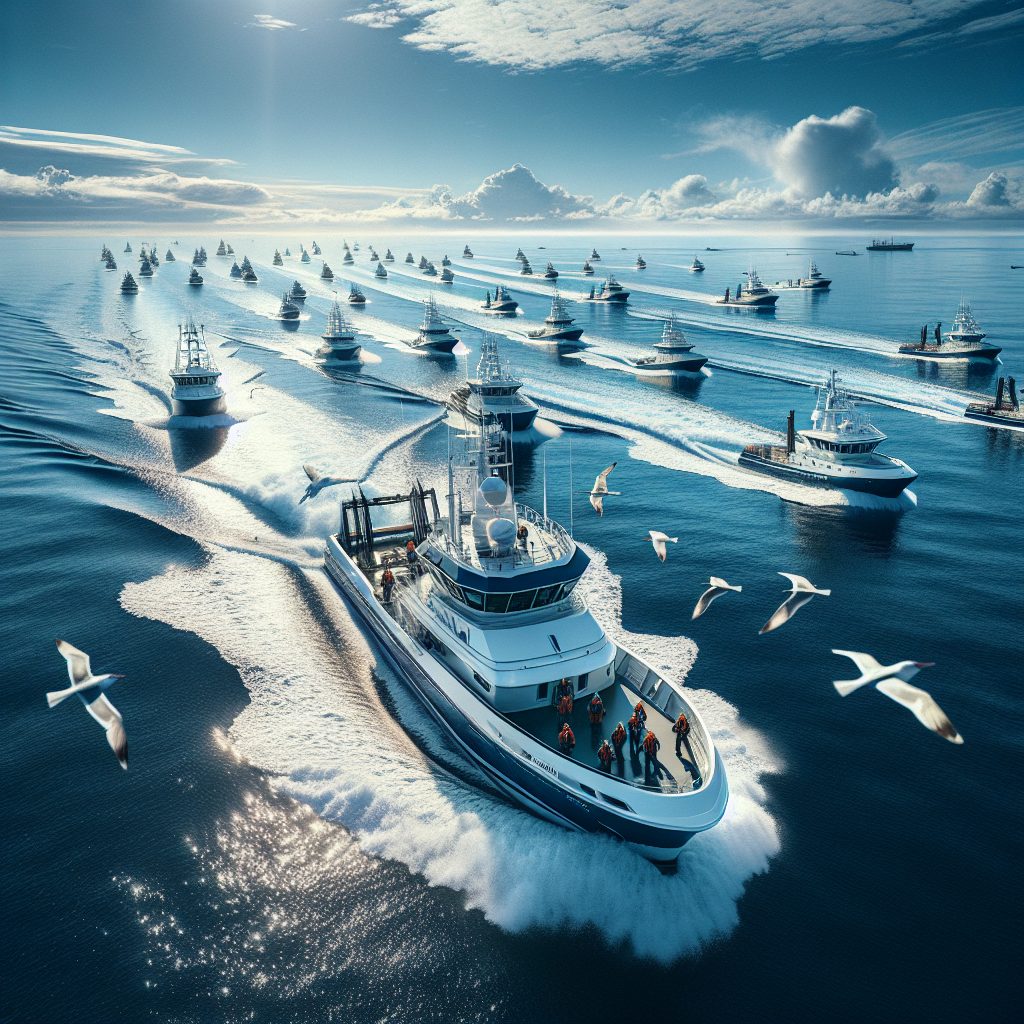
Growth and Expansion of Viking Holdings: A Maritime Milestone The maritime world witnessed a significant milestone in the third quarter of 2025. Viking Holdings Ltd, a prominent company in the nautical industry, celebrated the expansion of its fleet to 100 ships. This achievement not only reflects the company’s growth and financial stability but also has important implications for maritime professionals and nautical enthusiasts. Let’s delve into the financial results, technological innovations, and job opportunities that this expansion represents. Impressive Financial Growth of Viking Holdings In the third quarter of 2025, Viking Holdings reported total revenues of $1.999.6 billion, representing a 19.1% increase compared to the same period the previous year. This financial growth is a testament to the strengthening of its operations and its ability to adapt to a constantly changing market. These revenue increases are not just numbers on a financial report; they represent tangible improvements in the company’s ability to invest in new technologies and routes. The gross margin increased by 22.9%. The adjusted gross margin saw an increase of 21.4%. These percentages reflect improved operational efficiency and effective resource management, crucial aspects for any company aspiring to lead in such a competitive sector. Maritime investors will find these numbers particularly encouraging as they suggest sustainable and promising returns on their investments. Furthermore, the net performance, a key indicator of profitability per ship, stood out in this quarter. The improvement in operational efficiency indicates that Viking is maximizing the value of each vessel in its fleet. Technological Innovations in Viking’s Fleet The expansion to a fleet of 100 ships not only involves numbers but also a step forward in technology. Viking Holdings has been investing in the modernization of its vessels, equipping them with advanced navigation systems and energy-saving technologies. One noteworthy innovation is the implementation of hybrid propulsion systems in the new additions to the fleet. These systems combine diesel engines with advanced electric technologies, reducing the vessels’ carbon footprint and improving their overall performance. Additionally, the use of artificial intelligence to optimize navigation routes is another significant advancement. These systems allow captains and crews to manage their operations more effectively, reducing fuel consumption and travel time. New Routes and Job Opportunities With the expansion of its fleet, Viking Holdings has announced the establishment of new maritime routes. These routes not only open pathways for international trade but also create job opportunities for sailors and logistics professionals. The diversification of Viking’s routes not only enhances its ability to adapt to market fluctuations but also provides a cushion against potential disruptions in older routes. Relevance for the Audience of WishToSail.com For maritime professionals, these technological innovations and route expansions mean more job opportunities and a more efficient and sustainable working environment. Investors will view Viking’s financial growth and route diversification as signs of a secure and profitable investment. Lastly, for nautical enthusiasts, Viking’s technological fleet advancements offer a glimpse into the future of navigation. In conclusion, Viking Holdings’ expansion of its fleet and technological advancements serve as an example of how the maritime sector can evolve and adapt to modern times. For readers of WishToSail.com, these developments not only are relevant but also provide a roadmap to the future of the maritime sector.