


Advancements in Aftermarket Services for Aviation: An Inspiring Example for the Maritime Industry
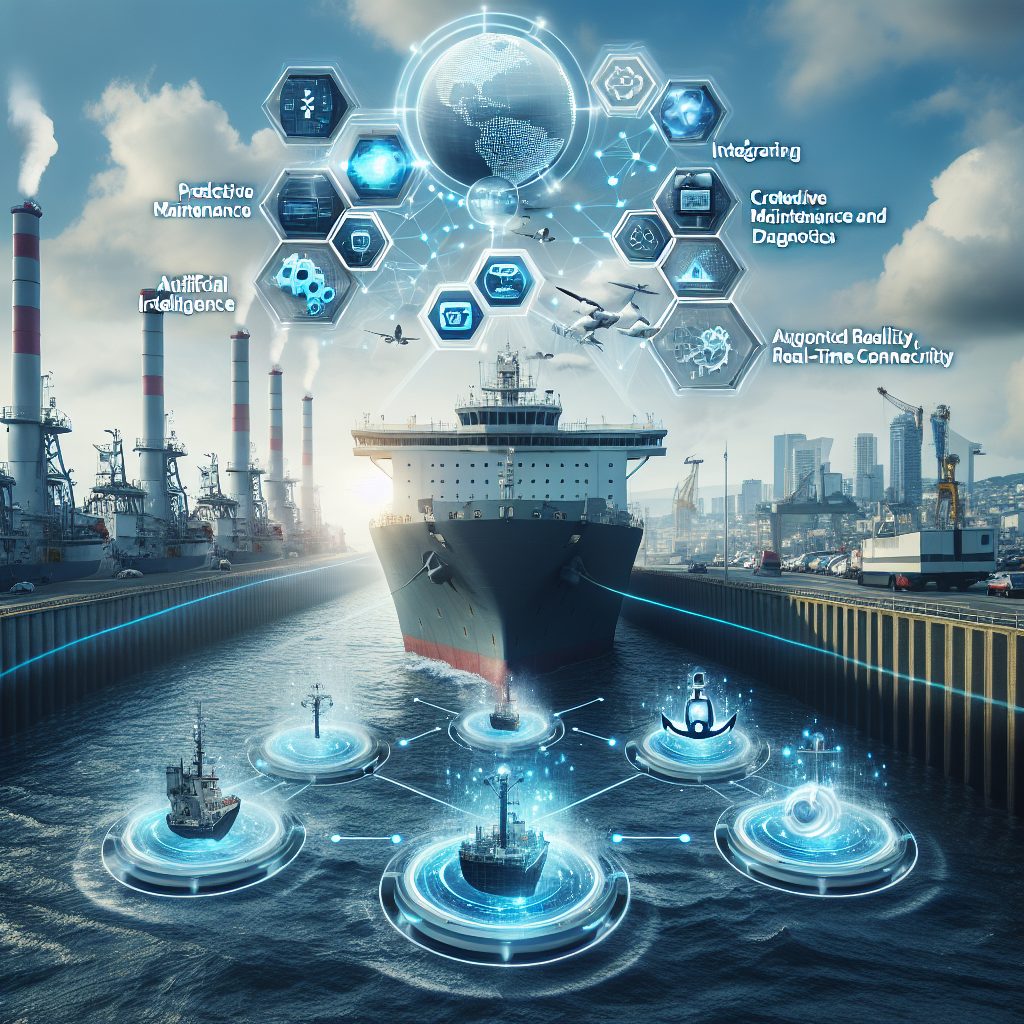
Advancements in Aftermarket Services for Aviation: An Inspiring Example for the Maritime Industry The maritime industry and aviation share numerous challenges in the realm of aftermarket services and maintenance. The recent participation of VSE Corporation, a prominent company in aviation aftermarket distribution and repair services, provides valuable insight for maritime professionals. Through their involvement in key conferences, such as the virtual one scheduled for December 2025, VSE demonstrates how innovative maintenance and repair strategies can inspire significant improvements in the maritime sector. VSE Corporation has established a business model that could serve as a benchmark in the maritime field. Their focus on operational efficiency, resource optimization, and adoption of advanced technologies, such as artificial intelligence for predictive maintenance management, offers a glimpse into practical possibilities that could successfully translate to the nautical sector. Merchant navy professionals and boat operators could greatly benefit from applying these principles. Especially in times when ship reliability and operability are crucial, adapting strategies from analogous sectors could make a difference. This knowledge transfer would not only enhance efficiency but also reduce operational costs, freeing up resources for other strategic investments. Advanced Technologies for Maintenance Integration of predictive diagnostic systems Utilization of big data for continuous analysis Implementation of artificial intelligence algorithms One of the key success factors for VSE Corporation is its ability to integrate cutting-edge technologies into its maintenance services. The implementation of predictive diagnostic systems and the use of big data for continuous analysis of critical components have allowed VSE to optimize downtime and anticipate failures, thereby minimizing the impact on operations. In the maritime context, these technologies could be similarly applied to manage the health of ships. Continuous monitoring systems, integrated with artificial intelligence algorithms, could predict maintenance needs before they escalate into major issues. This would not only enhance the safety and reliability of vessels but also significantly improve the experience of seafarers by reducing unexpected disruptions. Additionally, augmented reality and real-time connectivity are tools with great potential. They enable maritime technicians to access virtual manuals and receive remote support, optimizing the repair process and ensuring that maintenance practices are consistent and effective at all times. Conferences as Meeting Points for Industry Innovators The participation of VSE Corporation in conferences like the Wolfe Research Small and Mid-Cap Conference not only positions the company as a sector leader but also opens the door to valuable knowledge transfer between industries. These events provide a platform for leaders to share best practices and collaborate on innovative approaches that transcend sector boundaries. For maritime industry professionals, attending such conferences, even from other fields, can provide valuable insights into emerging trends and disruptive technologies that could be successfully applied in their own fields. Moreover, these conferences are excellent for establishing strategic connections with other industry leaders, which could lead to mutually beneficial collaborations. The fusion of ideas across multiple sectors can foster a culture of continuous innovation, something essential for companies seeking to remain competitive in the dynamic maritime world. Engaging in these global discussions offers a broader perspective and helps identify opportunities and threats that may not be apparent from a purely maritime viewpoint. Relevance and Applicability to the Maritime Industry VSE’s strategy offers three key lessons for the maritime sector. Firstly, the importance of adopting advanced technology in maintenance and predictive diagnostics. This not only optimizes operational efficiency but also reduces long-term costs, allowing companies to reinvest in other vital areas of operation. Secondly, the value of conferences as means of knowledge exchange and networking. The information obtained at these events can be the catalyst for maritime professionals to implement organizational changes that drive innovation and efficiency. Finally, the focus on integrating practices from related sectors. Aviation and nautical industries share many parallels that, if properly explored, can lead to transformative improvements in how vessels are managed and operated. Conclusions and Future Perspectives VSE Corporation’s participation in the Wolfe Research Small and Mid-Cap Conference is more than just a corporate event; it is an example of how collaboration and knowledge exchange can have a significant impact on how entire industries operate. For the maritime community, this kind of knowledge exchange can inspire positive changes that not only benefit individual companies but also strengthen the sector as a whole. Adopting innovative aviation practices could be the key to a new era of efficiency and safety in navigation. Ultimately, the ability to adapt and adopt advanced technologies will determine the future success of the maritime industry. Professionals and enthusiasts are encouraged to explore these opportunities, not only to enhance their individual competitiveness but also to contribute to the sustainable development of the sector as a whole. Those who wish to be part of this revolution may consider submitting their resumes to companies like VSE, or to those in the maritime sector willing to innovate and lead change.
Maritime Impact of the Legal Ruling between BML Properties Ltd. and CCA: A Perspective for the Nautical Sector

Maritime Impact of the Legal Ruling between BML Properties Ltd. and CCA: A Perspective for the Nautical Sector The recent judicial ruling by the Supreme Court of New York, awarding over $1.6 billion to BML Properties Ltd. in their litigation against CCA Construction Inc., has stirred significant controversy in the maritime and nautical sector. This litigation involved major players such as CCA Bahamas Ltd. and CSCEC (Bahamas) Ltd., associated with the international construction consortium, raising questions about contractual practices and the financial impact these disputes can have on maritime routes and operations. The maritime sector plays a central role in the tourism and commercial development of key regions such as the Bahamas, where the Baha Mar complex is located, an important destination that has been at the center of the dispute. This judicial ruling not only highlights the complexity of large coastal developments but also underscores the importance of ensuring a clear and fair contractual environment to secure the success of future projects. For maritime professionals and maritime investors, this case emphasizes the need to understand and properly evaluate the contractual frameworks in which large nautical infrastructures operate. Legal certainty is a crucial factor in maintaining confidence in long-term investments, underscoring the relevance of this ruling for the maritime community. With the litigation now resolved, a new chapter opens for the Baha Mar complex and, by extension, for maritime companies operating in the region. With the prospect of stabilization and growth, opportunities to renew fleets, improve port infrastructure, and adopt technological innovations in maritime transport are more tangible than ever. Investments in infrastructure and technology not only increase efficiency but also promote sustainable development, an increasingly crucial goal within the sector. For sailors and industry professionals, this translates into possible improvements in maritime routes and services offered. Technological innovations could range from advanced navigation systems to the implementation of more sustainable practices that reduce the carbon footprint of maritime operations. These developments not only promote economic growth but also invite deeper reflection on how the sector can positively contribute to the environment. Renew fleets Improve port infrastructure Adopt technological innovations Furthermore, these conditions provide an ideal framework for professional development. The companies involved are likely to seek to expand their workforce to address new challenges and capitalize on emerging opportunities. WishToSail.com readers may consider submitting their resumes to these companies, highlighting experience and skills that align with the current technological and sustainable needs of the sector. Relevance for the Future of the Nautical Sector This judicial ruling offers the nautical sector at least three key benefits. Firstly, it provides a tangible example of the vital importance of contractual compliance and corporate responsibility in complex infrastructure projects. The nautical community can learn from this case the need for diligence in monitoring and executing contracts. Secondly, the legal outcome promotes financial stability in a region where nautical and tourist activities are vital to the economy. This stability is essential to maintain and attract new investments, ensuring that the maritime industry in the Bahamas and beyond can continue to flourish and provide a solid foundation for economic growth. Finally, for enthusiasts of the nautical sector and investors, the case underscores the importance of taking a proactive approach to technological innovations and sustainable practices. In an increasingly environmentally conscious world, integrating these practices is not only a duty but also an opportunity to lead change within the maritime community. Conclusion and Future Outlook The outcome of the litigation between BML Properties Ltd. and CCA is not just a legal achievement but a significant player in the broader narrative of maritime and nautical development in the Bahamas region. The nautical community now has the opportunity to reflect on how judicial decisions can influence operational practices and, ultimately, the economic growth of the sector. We invite readers to delve deeper into the topic, exploring how these dynamics can impact their daily work and the opportunities that may arise from these changes. As always, the key lies in staying informed and adapting to the changing realities of the sector. With a renewed focus on sustainability and innovation, the future of the nautical sector is not only promising but essential for balanced and responsible global development.
The Role of Chevron in the Energy Industry

The Role of Chevron in the Energy Industry Chevron Corporation is one of the world’s leading integrated energy companies, known for its over a century-long commitment to providing affordable and increasingly cleaner energy. With a global workforce exceeding 51,000 employees, the company has stood out not only for its size but also for its ability to adapt to the challenges of the ever-evolving energy market. One area where Chevron has placed strong emphasis is in supplying high-quality marine fuels and lubricants. With a global logistics and refinery network, Chevron serves customers in over 500 ports across 40 countries, highlighting its ability to maintain a position of trust and reliability in the market. Additionally, the company actively focuses on reducing its carbon footprint by expanding into low-carbon solutions, such as biofuels, to support the maritime industry’s energy transition. Chevron’s commitment to innovation and sustainability positions it uniquely to tackle future challenges. The search for a Marine Fuels Marketing Specialist in London is a testament to its expansion and optimization strategy in an increasingly competitive and regulated market. The Role of the Marine Fuels Marketing Specialist The Marine Fuels Marketing Specialist position focuses on the commercial sale and marketing of physical bunker fuels in the EMEA region (Europe, Middle East, and Africa). This role is at the heart of Chevron’s Global Supply and Trading organization, based in London, a key maritime financial center. The primary goal is to handle commercial sales to international customers in the shipping sector and maximize net realizations. Key responsibilities include developing and managing strong and lasting relationships with shipping customers and commercial partners, executing spot and term sales of marine fuels, and monitoring market trends, supply and demand dynamics, as well as competitor activities to inform pricing strategies. Develop and manage relationships with shipping customers and commercial partners. Execute spot and term sales of marine fuels. Monitor market trends, supply and demand dynamics, and competitor activities. Furthermore, the specialist will represent Chevron in commercial negotiations and industry forums and collaborate with internal teams to ensure alignment in logistics, credit management, risk, and compliance. This position is not only crucial for Chevron’s strategic growth in the marine fuels business but also represents a unique opportunity to be at the forefront of compliance with important regulations, such as the EU Emissions Trading System and FuelEU. Ideal Candidate Profile Chevron is seeking a professional with proven experience in marine fuels, trading, or related commercial roles. A minimum of 5 years of experience in the sector is required, along with advanced knowledge of marine fuels markets and evolving regulatory and compliance requirements, such as EU ETS, FuelEU, RED III, and IMO. Candidates preferably hold a bachelor’s degree in Business, Engineering, or a related field, in addition to exceptional negotiation and decision-making skills. The ideal candidate should be an effective communicator, capable of interacting across different organizational levels and diverse cultures, and possess an entrepreneurial and digital mindset. It’s important to note that Chevron will not consider relocation or expatriate assignments for this position, and applicants must have independent right to work in the UK. Those interested should be prepared to work in a dynamic and rapidly evolving business environment, with a focus on teamwork and attention to detail. Why Join Chevron Joining Chevron offers professionals the opportunity to build a career with one of the world’s leading energy companies, with direct exposure to global supply and trading. This role provides a unique platform to influence the maritime sector’s energy transition, working towards compliance with significant regulations such as the EU ETS. Direct exposure to global supply and trading. Opportunity to influence the maritime sector’s energy transition. Support for gender equality and employee progress. Chevron actively promotes inclusion and diversity in the workplace, striving to close any gender gaps and support the progress of all employees. Additionally, the company is committed to being a flexible and learning-oriented employer, supporting employees to bring their best selves to work every day. For those interested in being part of a global team and contributing to the transformation of the marine fuels industry, Chevron offers a rewarding and challenging career path. The company encourages commercially driven professionals to submit their applications before the deadline to explore this exciting career opportunity. Conclusion: The Relevance of the Role for the Industry Chevron’s search for a Marine Fuels Marketing Specialist reflects the growing importance of the clean fuels market in the maritime industry. This role not only represents a significant job opportunity for industry professionals but also underscores Chevron’s commitment to sustainability and innovation. For maritime professionals and maritime investors, Chevron’s offer to expand its team in London signals the increasing importance of the EMEA region in global maritime trade. With a strategic position in London, candidates have the opportunity to directly influence the evolution of the marine fuels market, contributing to the growth and sustained success of one of the energy sector leaders. In summary, Chevron is seeking highly qualified individuals to lead the next phase of its marine fuels marketing strategy. This is a unique opportunity for those with the vision and commitment to challenge the status quo.
Nombramiento Estratégico en Dan-Bunkering USA: Christian Vandvig Finnerup Assumes Leadership and Redefines the Future of the Marine Fuels Sector

Nombramiento Estratégico en Dan-Bunkering USA: Christian Vandvig Finnerup Assumes Leadership and Redefines the Future of the Marine Fuels Sector Nombramiento Estratégico en Dan-Bunkering USA: Christian Vandvig Finnerup Assumes Leadership and Redefines the Future of the Marine Fuels Sector Dan-Bunkering, a global leader in marine fuel solutions, recently announced the appointment of Christian Vandvig Finnerup as the new Managing Director for its U.S. headquarters. This decision, effective as of November 1, 2025, highlights the company’s commitment to accelerating its growth and providing customized energy solutions in the dynamic U.S. maritime market. Finnerup, who previously served as Commercial Director in Singapore for Dan-Bunkering APAC, has been instrumental in strengthening regional growth and consolidating the company’s commercial and offshore portfolios. His international experience will be crucial for the U.S. market strategy, emphasizing the importance of establishing strong partnerships in an ever-evolving sector. With a career focused on complex and high-growth sectors, Finnerup has driven significant improvements in Dan-Bunkering’s commercial presence in the Asia-Pacific region. His customer-centric strategies and ability to translate complex operational needs into practical solutions will be vital for the North American market, particularly in the dynamic bunkering environment in the United States. Visionary Leadership for a Transforming Sector The appointment of Finnerup comes at a critical time for the global maritime transportation industry, facing pressures from geopolitical changes, supply chain disruptions, and the urgent demands of energy transition. Claus Bulch Klausen, CEO of Dan-Bunkering, emphasized the strategic importance of this hiring. According to Klausen, “the sector is in a crucial period of transformation, influenced by geopolitics and energy transitions. In this environment, collaboration and agility are essential. Christian’s international experience and proven ability to build strong partnerships make him the ideal leader to guide our operations in the U.S. during this new phase of growth.” Finnerup succeeds Mikkel Søholm-Vestergaard, and his leadership is expected to foster a close collaboration approach with clients, promoting energy solutions tailored to the current and future challenges of the sector. Focus on Personalized and Visionary Services Under Finnerup’s leadership, Dan-Bunkering USA intends to focus on tailored services, particularly within the oil and gas segment, which remains a key growth area in the U.S. Gulf. Finnerup expressed his enthusiasm for leading such a strong team based in Houston, with the intention of building upon the solid foundation already in place. For the new Managing Director, the U.S. market offers exciting opportunities to collaborate with clients in creating personalized and forward-thinking services. The goal is to understand partners’ ambitions and explore how they can deliver real value together, in an agile and solution-oriented manner. This approach will enable the team to develop specialized offerings that address the unique requirements of the U.S. market, while remaining poised to assist clients in navigating global changes, including the gradual adoption of sustainable marine fuels and new environmental regulations. Dan-Bunkering: A Brief Overview Founded in 1981, Dan-Bunkering has distinguished itself as a proactive partner in marine fuel solutions, leading advancements in the bunker trading business. The company prides itself on its ability to provide high-quality fuel, marine lubricants, and a range of vessel services that meet the evolving needs of the maritime industry. With over four decades of experience, Dan-Bunkering operates from 11 local offices worldwide, boasting a team of over 90 international fuel experts. Their deep understanding of marine fuel solutions and their strategy, “Pioneering the Next Wave of Fuel Solutions,” positions the company as a leader in supporting clients with regulatory compliance challenges, fuel quality, and sustainability in the maritime industry. The leadership transition at Dan-Bunkering USA is not only a significant change in the company’s direction but also represents an opportunity for professionals in the maritime sector. With a renewed focus and strategic partnerships, the job market is ready to welcome talent eager to contribute to this exciting future. This article is designed to capture the attention of maritime industry professionals with a professional and motivational tone. The organized subtitles and sections allow for better understanding of the content. Additionally, the detailed information about the appointment of Christian Vandvig Finnerup and its impact on Dan-Bunkering USA is presented comprehensively and attractively, providing readers with ample reasons to consider this change as a relevant opportunity for their career or investment in the sector.
The Transformation of the Maritime Sector: WinGD and Panasia Revolutionize LNG Engines
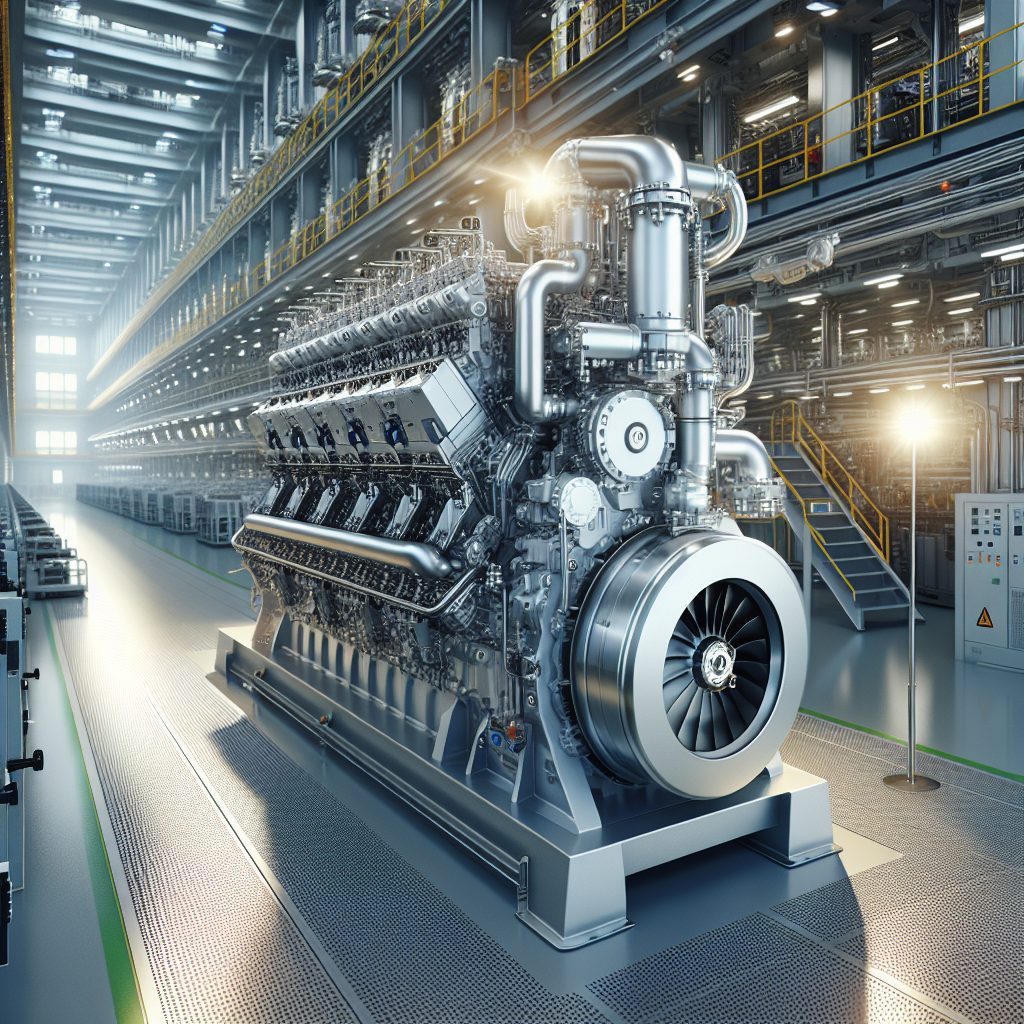
The Transformation of the Maritime Sector: WinGD and Panasia Revolutionize LNG Engines Innovation Technology Serving Sustainability The maritime sector continues to advance towards a more sustainable future, and a significant example of this progress is the recent agreement between the Swiss company WinGD and the marine technology developer Panasia. This strategic pact aims to modernize the LNG X-DF engines in service by incorporating advanced emission reduction and fuel efficiency technologies. Signed during the 2025 Kormarine event, this agreement aims to help ship operators substantially reduce their exposure to carbon costs in the maritime industry, ensuring the competitiveness of LNG-powered vessels against increasingly strict European and international regulations. By combining their strengths, WinGD and Panasia offer a comprehensive solution for the refurbishment of complex engines. WinGD brings its unique experience as the original engine designer, while Panasia focuses on system integration in Chinese and Korean shipyards. This collaboration not only promises technical advancements but also a practical solution to current environmental challenges. The value of this collaboration for the maritime industry is undeniable. Not only does it improve engine efficiency, but it also provides a way to reduce emissions, which is crucial given the global regulatory pressure to decrease carbon footprint. WinGD and Panasia position themselves as leaders in the evolution towards cleaner technologies in the maritime sector. X-DF2.0 Conversion: A Leap in Efficiency and Sustainability The heart of this collaboration lies in the conversion of first-generation X-DF engines to the X-DF2.0 version. These revamped engines not only match the fuel efficiency and methane emissions of WinGD’s new models but also incorporate cutting-edge technologies such as Intelligent Control by Exhaust Gas Recycling (iCER) and Variable Compression Ratio (VCR). The iCER technology enhances combustion stability by recycling exhaust gases during LNG use, resulting in higher energy efficiency. On the other hand, VCR technology automatically adjusts the compression ratio depending on the type of fuel used and the engine load. Both innovations promise significant reductions in fuel consumption, optimizing performance and reducing environmental impact. Upgrading existing X-DF engines to the X-DF2.0 version not only improves operational efficiency but also complies with strict environmental standards, thus reducing the risk of economic sanctions for emitting pollutants. This upgrade is a clear invitation to shipowners and maritime operators to adopt sustainable technologies that ensure the future of their operations. Reduction in Methane Slip: A Boost towards Environmental Regulation The combination of iCER and VCR technologies not only improves fuel efficiency but also plays a crucial role in reducing methane slip, a critical challenge for LNG bunkering. The reduction of methane slip, which represents a loss of efficiency and a negative environmental impact, can be reduced to approximately 0.7% of the fuel gas volume thanks to these innovations, representing a reduction of more than half compared to first-generation X-DF engines. This improvement is vital in the current environmental regulation context. Reducing methane slip not only decreases compliance costs with European Union regulations and International Maritime Organization proposals but also represents significant savings in fuel consumption, resulting in lower operating costs for LNG fleet operators. This new ability to manage and reduce methane emissions positions WinGD and Panasia at the forefront of marine-environmental technology, setting a standard that other stakeholders in the maritime sector will be motivated to follow. Strategic Focus on the Korean Market The importance of the Korean market for this alliance cannot be underestimated. Since 2016, South Korea has been the largest market for X-DF engines, making the country a natural starting point for implementing these technological upgrades. This strategy not only strengthens WinGD and Panasia’s presence in Asia but also sets a precedent for future developments in other regions. René Baart, Head of Upgrade and Retrofit Solutions at WinGD, emphasizes the importance of initiating this effort in Korea, highlighting the opportunities that this collaboration represents for updating existing technologies. Joseph Ohg, Head of Sales Division at Panasia, confirms that the agreement expands Panasia’s service capabilities, integrating cutting-edge technological enhancements such as ballast water treatment and exhaust gas cleaning systems. Collaboration with shipowners has already begun, with active discussions to retrofit incorporating VCR technology, recently successfully tested on a CMA CGM vessel. These advancements not only revitalize existing fleets but also ensure their long-term profitability and sustainability. Panasia: A Leader in Ecological Marine Technology Panasia, founded in 1989 in South Korea, has established itself as a reference in the development of environmentally friendly marine technologies. Their commitment to sustainability is manifested in innovative solutions that address air and water quality, and in ongoing R&D investment to develop proprietary green technologies. Panasia’s products, such as exhaust gas cleaning systems and ballast water treatment systems, are essential for shipowners to comply with strict environmental regulations. Furthermore, they are exploring emerging decarbonization technologies, such as carbon capture and storage, confirming their role as technological pioneers. The partnership with WinGD to upgrade X-DF engines to the X-DF2.0 standard underscores their leadership in system integration for both new construction and retrofit projects, positioning them
Advancements in the Maritime Industry: Alfa Laval and Hanwha Ocean Ecotech Accelerate the Transition to Ammonia Fuels
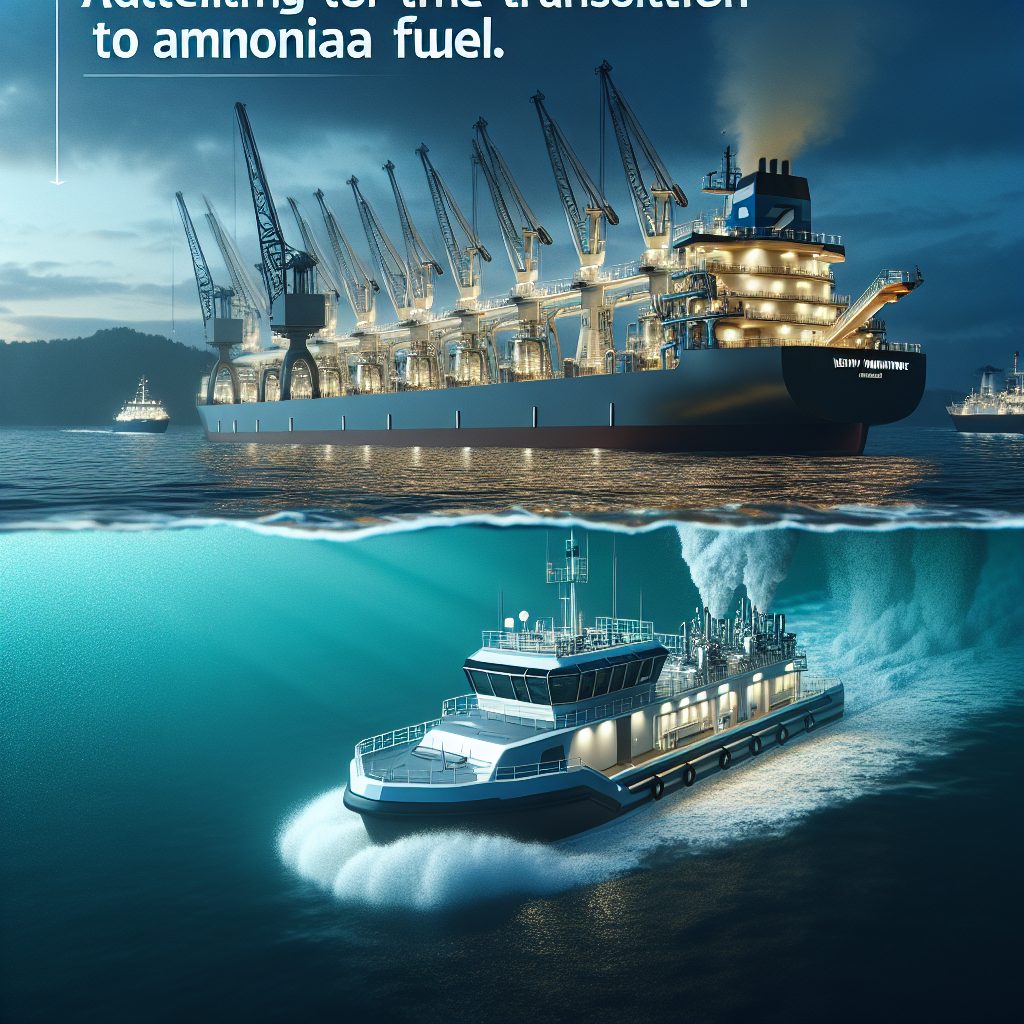
Advancements in the Maritime Industry: Alfa Laval and Hanwha Ocean Ecotech Accelerate the Transition to Ammonia Fuels The maritime industry is undergoing a crucial transformation towards more sustainable practices. The recent collaboration between Alfa Laval, a leading Swedish company in heat transfer and separation technology, and Hanwha Ocean Ecotech, a South Korean firm specializing in marine engineering, stands out as a remarkable example of this change. Signed during the Kormarine 2025 event, the Memorandum of Understanding (MoU) between both companies reflects a joint effort to advance the development of safe ammonia fuel systems for dual-fuel vessels. Ammonia, with its potential to significantly reduce carbon emissions, emerges as a promising solution for the maritime sector. However, its handling poses technical challenges, as it requires systems that mitigate its inherent toxicity. This is precisely where Alfa Laval’s expertise in systems like the FCM Ammonia and Ammonia Release Mitigation System (ARMS) plays a crucial role. These systems are designed to ensure that the use of ammonia as fuel is not only efficient but, more importantly, safe. Joining forces with Hanwha Ocean Ecotech, which brings its experience in integrating and managing complex systems, promises not only a secure implementation of these systems but also an optimization that maximizes their effectiveness. This collaborative approach not only ensures the technical feasibility of using ammonia but also paves the way for both industrial leaders to capture emerging market opportunities in the field of alternative fuels. Alfa Laval and Hanwha Ocean Ecotech Collaboration Leading the Asian Sustainable Shipbuilding Market Expanding Boundaries: Innovation through Strategic Partnerships Leading the Asian Sustainable Shipbuilding Market The partnership between Alfa Laval and Hanwha Ocean Ecotech not only has technical implications but also represents an instrumental strategic move to lead the Asian market, especially in South Korea, a global hub for shipbuilding. The signed MoU is a clear indication of both companies’ intention to position themselves at the forefront of sustainable shipbuilding practices in the region. The transition to cleaner fuels is not just a matter of environmental responsibility but also a market necessity. With increasingly stringent emissions regulations, the ability to offer advanced technological solutions that meet these new standards becomes a crucial competitive advantage. Choi Young-Gu, General Manager of Alfa Laval Korea, highlighted the strategic importance of this alliance, stating that it is a collaboration aimed at accelerating the global maritime transport decarbonization. Chang-Keun Lee, CEO of Hanwha Ocean Ecotech, emphasized that the partnership is a significant opportunity to provide safer and more efficient ammonia fuel systems to their clients. This collaboration promises not only technological advancements but also significant value to the maritime industry through the development of pilot projects that pave the way for future commercial implementations. Expanding Boundaries: Innovation through Strategic Partnerships The collaboration between Alfa Laval and Hanwha adds to a series of strategic partnerships that Alfa Laval has developed around ammonia as a marine fuel. These initiatives are part of a broader commitment by Alfa Laval to accelerate the safe adoption of ammonia through internal innovations and industrial collaborations. One of these collaborations includes the partnership with WinGD, with whom they have worked on the research and development of systems like FCM Ammonia and ARMS. Additionally, joint projects with K Shipbuilding and the American Bureau of Shipping (ABS) have allowed Alfa Laval to contribute to the design of fuel systems, including an Aalborg dual ammonia boiler system. These initiatives demonstrate Alfa Laval’s leadership in driving the safe use of alternative fuels and reinforce its position as a key player in the maritime sector’s energy transition process. The company is not only providing cutting-edge technology but also a commitment to long-term sustainability, ensuring that its solutions align with global emission reduction goals. Hanwha Ocean Ecotech: Innovation and Integrated Solutions in Marine Engineering Within the industrial portfolio of the Hanwha Group, Hanwha Ocean Ecotech stands out as a key player in marine engineering and environmental technological solutions. Their focus on integrating complex systems and clean technologies enables advanced solutions, such as dual ammonia fuel systems, to be implemented safely and efficiently in shipbuilding projects. Hanwha’s commitment to innovation and efficiency in the shipbuilding sector not only enhances productivity for shipowners but also reinforces operational safety. Leveraging their extensive capabilities in shipbuilding and equipment, Hanwha Ocean Ecotech continues to advance technologies that transform the way new-generation fuels are managed. The collaboration with Alfa Laval highlights Hanwha’s ability to integrate complex systems with a practical and results-oriented approach, making them an ideal partner for projects seeking to revolutionize the use of sustainable fuels in maritime transport. Alfa Laval: Pioneers in Marine Energy Transition With over 140 years of experience, Alfa Laval is a global leader in providing top-quality products in heat transfer, separation, and fluid handling, with a strong focus on the maritime sector. Their commitment to decarbonizing the maritime fleet is reflected in their development of the FCM Ammonia system, designed to enable the safe and efficient use of low-carbon fuels such as ammonia and methanol. Alfa Laval is dedicated not only to optimizing processes but also to driving progress to support their clients in achieving their business and sustainability goals. Their focus on cutting-edge technologies positions the company as a key ally in the