


The Leadership of Victor Jiménez in Maritime Innovation at the IMO

The Leadership of Victor Jiménez in Maritime Innovation at the IMO Victor Jiménez’s re-election at the helm of the International Maritime Organization (IMO) Council for the 2026-2027 biennium represents not only a vote of confidence in his leadership but also in the progressive policies he has championed. With his extensive experience in the maritime sector, Jiménez has become a central figure in implementing initiatives aimed at transforming the global maritime industry. The IMO Council, responsible for guiding and moderating decisions based on the opinions of all Member States, plays a crucial role in establishing international standards that affect maritime safety, environmental protection, and other critical aspects of the sector. Jiménez’s continued presidency ensures continuity in these important efforts. During the voting at the IMO headquarters in London, Jiménez expressed his gratitude for the support received and reaffirmed his commitment to tackling more ambitious challenges in his third term. His statements reflect a clear orientation towards innovation and consensus on issues that will shape the future of global navigation. Decarbonization and Technology: The Challenges of the 21st Century Victor Jiménez has emphasized the importance of advancing decarbonization in maritime transport, an imperative that not only affects the sector but also responds to the growing global concern about climate change. The IMO, under his leadership, has committed to reducing greenhouse gas emissions in the coming years, a task that will require international collaboration and innovative technologies. Integrating new technologies into maritime safety is another key objective on Jiménez’s agenda. The application of emerging technologies, from artificial intelligence to autonomous navigation systems, has the potential to improve operational efficiency and increase safety at sea. The adoption of these technologies not only optimizes operations but also creates new job opportunities for professionals specializing in these areas. For merchant navy professionals and enthusiasts of technological innovation, these initiatives represent an invaluable opportunity to participate in a transformational change. Understanding and implementing these technologies are essential to remain relevant and competitive in the contemporary job market. Leadership Trajectory and Experience With a career spanning over 20 years in the maritime sector, Jiménez brings extensive experience in both operational and management roles. His career began at the Ministry of Transport and Sustainable Mobility in 2004, holding various positions that have enriched his deep understanding of the sector. His experience as a maritime safety inspector and as head of the General Subdirectorate of Maritime Safety, Pollution, and Inspection has been instrumental in his strategic approach at the IMO. In addition, his role as Transport Counsellor at the Spanish Embassy in London and his representation at the IMO highlight his ability to handle complex international and diplomatic relations. This accumulated experience has allowed Jiménez to understand the complexities of international regulations and the need to find a balance between economic growth and environmental sustainability, a crucial task in the current context of the maritime industry. Impact on the Maritime Sector and Job Opportunities For sailors and professionals in the sector, the decisions taken by the IMO Council under Jiménez’s leadership are of paramount importance. These policies can directly influence the safety and operational conditions of maritime routes, affecting the daily lives of those working at sea. Shipping companies and maritime investors must also pay attention to these dynamics, as decarbonization initiatives and the adoption of new technologies may require substantial changes in infrastructure and business models. Preparing for and adapting to these changes could be the key to capturing new growth opportunities in the sector. For those interested in actively participating in these developments, a door opens to new careers in fields such as sustainable energy management, advanced maritime technology, and international regulation. Additionally, Jiménez invites all interested parties to submit their resumes to the organizations involved in these cutting-edge projects. Conclusion: A Bright Future for Navigation Victor Jiménez’s leadership at the IMO not only ensures the continuity of innovative policies in the maritime sector but also marks the beginning of a new era of international collaboration and technological development. As the IMO moves towards implementing sustainable and safe solutions, all stakeholders in the maritime sector have a role to play in this exciting transformation process. For readers of WishToSail.com, staying informed about these advancements is not only a competitive advantage but a necessity in an increasingly interconnected world. This is the moment for professionals and investors in the sector to get involved and contribute to the development of a more efficient, safe, and sustainable maritime future. Explore more about how Jiménez’s leadership is shaping future industry trends and discover how you can participate in this exciting journey towards innovation and sustainability.
Exploring Innovation and Opportunities in the Maritime Sector

Exploring Innovation and Opportunities in the Maritime Sector The maritime industry is constantly evolving, driven by waves of innovation and capital. This year, Martin Midstream Partners L.P. is at the forefront of this evolution. Renowned for its significant presence in the energy sector, the company has announced its participation in the 24th Annual Energy and Power Symposium hosted by Wells Fargo. This pivotal event is scheduled to take place on December 9th, 2025, in New York City, bringing together influential investors and executives from around the globe to discuss emerging trends and investment opportunities in the maritime and energy markets. The Significance of Martin Midstream Partners in the Maritime Sector Headquartered in Kilgore, Texas, Martin Midstream Partners L.P. is a publicly traded limited partnership with a broad influence across various areas of the maritime sector. Particularly notable is its involvement in energy logistics, storage, and transportation of liquid and bulk products. The company plays a vital role in the energy supply chain, underscoring its importance at the symposium. Martin Midstream’s focus on innovating and optimizing logistics and maritime routes presents a fascinating opportunity for investors and industry professionals alike. Its participation in the symposium is not only strategic for the company but also serves as a barometer for the entire maritime market, reflecting how future investments and technological developments will shape the industry. Technological Advancements in Maritime Transportation In a world where technology drives industrial evolution, the innovations introduced by Martin Midstream serve as a beacon for the future of maritime transportation. The company is committed to implementing advanced tracking and data analytics technologies to optimize maritime routes, enhancing operational efficiency and promoting sustainable resource use. By utilizing cutting-edge technology in energy product logistics, Martin Midstream not only reduces costs but also minimizes environmental impact, a growing concern for consumers and regulators. These advancements can inspire other industry players to adopt more responsible and efficient practices. Additionally, Martin Midstream is exploring the integration of alternative and cleaner fuels, incorporating sustainability into its operations. This effort represents a significant step towards reducing the industry’s carbon footprint and provides business opportunities for those interested in green and renewable technologies. Employment and Investment Opportunities For maritime industry professionals, Martin Midstream’s participation in Wells Fargo’s annual symposium opens the door to a range of employment opportunities. As the company expands its operations and aims to solidify its international presence, there will be an increasing demand for experts in logistics, maritime technology, and resource management. Individuals interested in being part of a company at the forefront of technological innovation in the maritime sector should consider submitting their resumes to Martin Midstream. The company is in an expansion phase and is actively seeking talent that can bring new ideas and capabilities to the team. Moreover, for maritime investors, the company’s participation in events like the symposium signifies its commitment to growth and adaptation to new market dynamics. Investing in a company that is diversifying its operations and streamlining its processes can be a strategic move for those looking to capitalize on the future of energy transportation. The Symposium’s Impact on the Future of the Sector Wells Fargo’s Annual Energy and Power Symposium is not just a networking event; it is a convergence point for industry leaders and visionaries looking to share knowledge, anticipate market trends, and foster fruitful collaborations. Martin Midstream’s presence at this forum reinforces its position as a sector leader and demonstrates its willingness to drive change in the industry. The discussions at the symposium will influence investment strategies and technological decisions that will shape the future of maritime transportation and energy logistics. With a focus on innovation and sustainability, the event aims to establish new standards that will guide the development of maritime infrastructures and technologies. For attendees, participating in this event provides an opportunity to engage directly with high-level executives and thought leaders, potentially serving as a platform to advance their own careers and projects. Direct interaction with companies like Martin Midstream offers an insider’s view of the trends reshaping the maritime industry. In Conclusion: A Sea of Possibilities Martin Midstream Partners’ presence at the 24th Annual Energy and Power Symposium by Wells Fargo not only highlights its central role in the maritime sector but also showcases the vast opportunities available to professionals and investors interested in the evolution of maritime transportation and energy logistics. From improving operational efficiency to adopting clean technologies, the company is poised to lead the way towards a sustainable future. For readers of WishToSail.com, this is an invitation to delve deeper into these dynamics and consider how they can align with the sector’s new developments. Whether through employment opportunities, strategic partnerships, or smart investments, the maritime world is full of potential.
Maritime Training at the Forefront: Innovations at the Bamio Training Centre

Maritime Training at the Forefront: Innovations at the Bamio Training Centre The National Maritime Training Centre of Bamio, operated by the Social Marine Institute (ISM), has established itself as an essential pillar for training professionals in the Spanish maritime sector. With over thirty years of experience, the institution continues to be a reference for its commitment to the evolution and updating of its training offerings. On November 25th, the centre opened its doors to representatives from various companies associated with ANAVE. This initiative allowed shipping companies to experience first-hand the advanced facilities at Bamio, including state-of-the-art navigation simulators and specialized workshops. This approach aims not only to showcase the capabilities of the centre but also to identify areas where complementary training can be enhanced. Bamio offers 33 courses approved by the General Directorate of the Merchant Navy, covering basic training to technical specializations. These programs have been constantly updated, adapting to new technologies and sector needs, ensuring their continued relevance in preparing the mariners of tomorrow. Bamio offers 33 courses approved by the General Directorate of the Merchant Navy The center has been constantly updated to adapt to new technologies and sector needs Simulators provide a realistic training experience for future mariners The use of simulators in maritime training has revolutionized the way future mariners prepare for real-life situations on board. At the Bamio Centre, these advanced devices recreate realistic scenarios for navigation and engine room operations, providing an educational experience that efficiently combines theory and practice. These simulators are designed to challenge students with situations they may encounter at sea, from adverse weather conditions to critical technical failures. This immersion in controlled situations strengthens responsiveness and decision-making under pressure, essential skills for any maritime professional. For those interested in specializing in the use of these tools, Bamio offers specific courses that not only cover basic operations but also address the technical and maintenance aspects of the simulators. Strategic Collaboration between ANAVE and Bamio The recent visit by ANAVE to the Bamio training centre aims to strengthen the relationship between educational institutions and the shipping industry. During the meeting, the possibility of creating a coordination mechanism to channel the sector’s educational needs through ANAVE was discussed, ensuring that the courses offered by Bamio align with the current requirements of shipping companies. This collaboration would benefit companies by ensuring adequate training for their future crews and opening up new job opportunities for students. Through jointly designed specific programs, participants could acquire the most sought-after skills by the industry, facilitating their employability upon completion of their training. For maritime investors, this cooperation represents a clear opportunity to support education that directly contributes to the operational efficiency and safety of the merchant marine, enhancing the growth and competitiveness of the sector in Spain and globally. Continuous Innovation: An Imperative for the Future In an increasingly connected world dependent on technology, the maritime sector cannot lag behind. Bamio’s commitment to continuous innovation is a direct response to this challenge, ensuring that its training programs not only meet current standards but also anticipate future needs. The implementation of educational programs that integrate the latest technologies, such as advanced simulation and information management systems, is designed to prepare mariners for an increasingly complex and digitized operational environment. Training in cybersecurity, for example, has become a priority, ensuring that crews can effectively protect critical infrastructure on board. This proactive approach to training positions Bamio and its students for the future, ensuring them a prominent place in a sector that, while traditional, is undergoing transformation. Opportunities for the Future: Invitation to Industry Professionals The constant evolution in the maritime world presents unparalleled opportunities for professionals and companies alike. Bamio, with its advanced focus on maritime training, opens its doors to those looking to improve their skills and gain a competitive edge in the job market. Shipping companies interested in strengthening their teams with highly trained personnel have a strategic ally in Bamio. The implementation of training programs tailored to the sector’s demands is vital for the sustainable development of the industry, and ANAVE plays a crucial role in mediating these training needs. Professionals and nautical enthusiasts are encouraged to explore the opportunities that Bamio offers, whether through specialized courses or participation in continuous training programs. Submitting an updated resume to shipping companies may be a first step towards a promising career in a growing sector. Conclusion: Returning to Solid Ground with New Perspectives Maritime training is at a turning point, where innovation and collaboration are essential to prepare the next generation of maritime professionals. Initiatives like the cooperation between ANAVE and Bamio highlight the importance of an educational approach that looks to the future while meeting current needs. For readers of WishToSail.com, this type of information is not only relevant but crucial to staying informed about advances and opportunities within the maritime sector. The invitation is open to those interested in being part of an industry that, while centuries-old, is constantly reinventing itself. Technology and education go hand in hand on this path to maritime excellence.
The Pioneering Project of Baleària and the eNomad System: Innovating in Maritime Energy Transition
The Pioneering Project of Baleària and the eNomad System: Innovating in Maritime Energy Transition In a context where climate change and the need for sustainable energy alternatives are gaining prominence, the maritime industry is not lagging behind. Baleària, in collaboration with Methanol Reformer and Cotenaval, has launched a pioneering pilot project that could redefine the use of fuels in the maritime sector. This project, framed within the BUCEMTO and financed by the European Union’s Next Generation Funds, aims to explore the potential of e-methanol as a renewable energy source on board the hybrid ferry Cap de Barbaria, operating between Ibiza and Formentera. The implemented system, known as eNomad, is an innovative container that transforms e-methanol into hydrogen through the reforming process. This hydrogen is then used in a fuel cell that generates auxiliary electricity, contributing to battery recharge and reducing dependence on conventional generators. This technology not only promises to reduce fuel consumption but also minimizes CO₂ emissions, a crucial goal for the industry in its decarbonization mission. The installation of this system represents a significant advance in the energy transition of maritime transport. Baleària, known for its commitment to sustainability, aims not only to integrate this technology into the Cap de Barbaria but also to scale it to other routes and vessels. This 12-month pilot project is shaping up as a small-scale laboratory to determine the future of green hydrogen in the sector. Benefits and Opportunities of the eNomad Technology Significant reduction of CO₂ emissions, with a observed decrease of 33% compared to the previous ferry on the Ibiza-Formentera route. Potential economic savings for companies by reducing fossil fuel consumption. Operational flexibility due to e-methanol being a liquid fuel compatible with current infrastructures. Capability to generate hydrogen on-site for fuel cell use, advantageous for routes with energy access limitations. The use of eNomad on the Cap de Barbaria ferry offers multiple benefits for the maritime industry, highlighting the significant reduction in CO₂ emissions and the potential economic savings for companies. Additionally, the operational flexibility and job opportunities created by renewable energy systems in maritime transport are essential aspects to consider. The Future of Maritime Transport: Green Hydrogen and Sustainability The rise of green hydrogen as an energy solution is a growing trend across various sectors, including maritime. Baleària’s project sets a precedent by using e-methanol, a cleaner and more sustainable alternative, in a real application in maritime transport. If successful, this experiment could lead to the adoption of these technologies on a wider range of vessels. The scalability of the eNomad technology is crucial, as its effectiveness on the Cap de Barbaria ferry could pave the way for its application on other fleet vessels and for companies interested in transitioning to more sustainable solutions. In a scenario where environmental regulations are becoming stricter, adopting technologies that reduce carbon footprint is not only an ethical obligation but also a competitive advantage. Furthermore, this initiative reinforces the maritime sector’s commitment to innovation and sustainability, aligning with the UN’s Sustainable Development Goals. Conclusion: A Path Towards a Greener Future Baleària’s project, in collaboration with Methanol Reformer and Cotenaval, represents not only a step forward in the use of green hydrogen in maritime transport but also an inspiring example of how the industry can lead the transition towards a more sustainable future. Initiatives like this not only benefit the environment but also open doors to new technological and employment developments. For sailors and nautical enthusiasts, innovations like the eNomad system are evidence that change is not only possible but necessary. Exploring more about these technologies and their potential impact not only encourages reflection but also motivates professionals in the sector to be active participants in this transformation. A gesture that will undoubtedly resonate beyond the Mediterranean.
The Evolution of Ships Powered by Alternative Fuels and Their Impact on the Maritime Industry
The Evolution of Ships Powered by Alternative Fuels and Their Impact on the Maritime Industry In the current context, a noticeable transformation is taking place in the maritime sector in 2025, with a shift in demand for ships powered by alternative fuels. According to the Alternative Fuels Insight (AFI) platform from DNV, only 232 new construction orders for such ships were placed in the first eleven months of the year, reflecting a 53% decrease compared to the same period in 2024. This decline contrasts with the exceptional growth experienced in the previous year, which was positioned as a record-breaking year with a 38% increase compared to the year before. The boom at that time was mainly driven by the container and car carrier sectors, key elements in global trade. This trend can be interpreted as a sign of the inherent volatility in the maritime market, where the adoption of new technologies and adaptation to changing environmental and regulatory conditions play a crucial role. Despite the mentioned slowdown, it is important to note that ships powered by liquefied natural gas (LNG) have maintained their dominance with 67% of new alternative fuel contracts. LNG technology has proven to be a viable option due to its ability to significantly reduce greenhouse gas emissions compared to traditional fossil fuels. The decline in orders for methanol-powered ships, representing 20% of orders in 2025 compared to 32% in 2024, highlights the challenges facing green methanol production infrastructure. According to experts, green methanol production is still in a developmental phase, which has limited its growth potential compared to LNG. However, methanol remains a promising option due to its potential for sustainable production and use in adapted engines, providing a pathway to decarbonization. Future Perspectives: The Expansion of the LNG Fleet At the end of 2024, there were 641 operational LNG-powered ships globally, following a record of 169 deliveries in that year. This figure represents a significant increase considering that the number of LNG-powered ships doubled between 2021 and 2024. This development highlights the maritime industry’s commitment to a more sustainable future, in line with increasingly strict international emissions regulations. According to DNV projections, the LNG-powered fleet is expected to double again by the end of the decade, solidifying this technology as one of the most viable and sustainable alternatives in the near future. This growth also entails a considerable demand for qualified professionals in the sector, opening up job opportunities for specialists in the operation and maintenance of these innovative technologies. Undoubtedly, professionals in the sector could significantly benefit from acquiring skills in LNG handling, a skill that will become increasingly necessary. Additionally, as LNG becomes firmly established, other emerging fuels such as ammonia are beginning to enter the market, with 27 new construction orders for 2025. This diversification of energy sources not only responds to the need to reduce greenhouse gas emissions but also to the fluctuation of the energy market, where long-term predictability and sustainability are increasingly valued. Implications for the Industry: Innovation and Opportunities For maritime investors, understanding the dynamics of alternative fuels is vital for making strategic and profitable decisions. The variation in demand for LNG and methanol-powered ships reflects not only technological evolution but also a response to available infrastructure and global environmental policies. Investing in LNG technologies not only promotes sustainable practices but can also offer long-term economic benefits, given regulatory support and the growing infrastructure supporting this type of fuel. Merchant mariners and sailors specializing in these new types of fuel find multiple opportunities for professional development. With an expanding LNG fleet, the need for specialized training and relevant certifications increases, offering the possibility to stand out in an evolving job market. Those interested in submitting their resumes to shipowners and operators opting for green technologies are well positioned to benefit from this transition. Lastly, for nautical enthusiasts, the use of alternative fuels represents a promise of cleaner and more responsible navigation, aligned with environmental awareness. In the not-so-distant future, recreational boats could begin to adopt these technologies, not only out of respect for the marine environment but also for the long-term cost-saving benefits they could offer. Conclusions and Recommendations: A Call for Adaptation In summary, although 2025 has been a year of transition and adjustments for alternative fuels in the maritime sector, LNG-powered ships continue to lead the market, while methanol and ammonia begin to carve out their paths. It is imperative for industry stakeholders, from shipowners to professionals and enthusiasts, to stay informed about these changes and strategically adapt to new trends. The ability to anticipate and react agilely to market changes will play a vital role in the future competitiveness and sustainability of maritime operations. Readers are recommended to explore more about these technologies and consider how they can benefit from this transition to a more sustainable paradigm in navigation. The Use of Alternative Fuels in the Maritime Industry As sustainability takes center stage in the maritime industry, ships powered by alternative fuels not only represent a business opportunity but also a commitment to the environment.
The Rise of Bio-LNG Fuel Innovation in the Port of Genoa
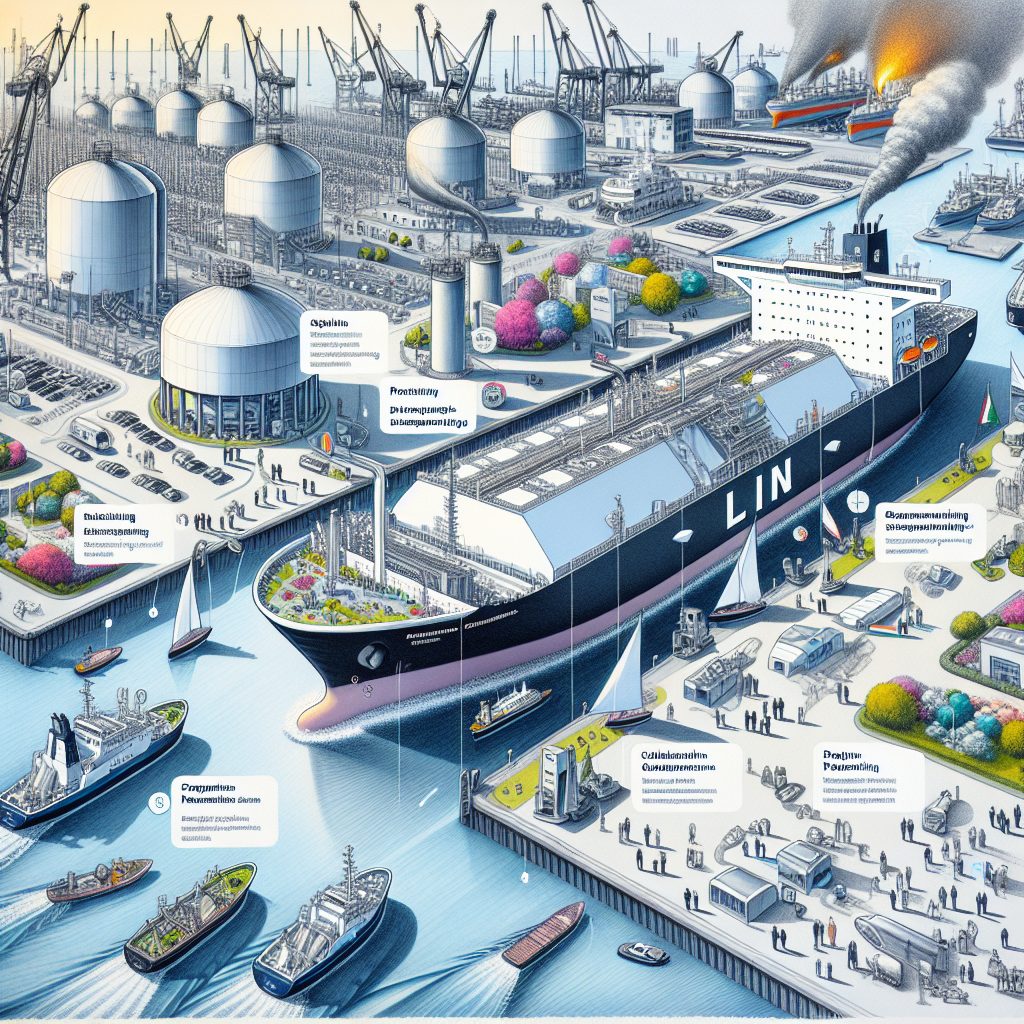
The Rise of Bio-LNG Fuel Innovation in the Port of Genoa The maritime sector is undergoing a significant shift towards sustainability, with the Port of Genoa witnessing a historic advancement on this path. Axpo and the Italian ferry operator GNV have successfully completed the first ship-to-ship (STS) bunkering operation using Bio-LNG in the port of Genoa. This renewable fuel has launched the new flagship vessel GNV Virgo, with almost zero emission profile. The STS bunkering operation involved the transfer of 500 m³ of certified Bio-LNG, a renewable gas produced from organic waste, to the GNV Virgo operating with a dual-fuel engine. This strategic refuelling has enabled the vessel to make its maiden round trip on the important Genoa-Palermo route, demonstrating the technical feasibility of immediate maritime operations with virtually zero greenhouse gas emissions. This aligns with the EU’s long-term goal of being carbon-neutral by 2050. This achievement not only marks a turning point for the decarbonization of the Mediterranean ferry sector but also opens up new job opportunities in the maritime industry, inviting professionals to consider submitting their resumes to innovative companies such as GNV and Axpo. The Revolutionary Potential of Bio-LNG for the Maritime Industry Bio-LNG, as a renewable version of LNG, represents a key solution to achieve the most ambitious decarbonization goals. This fuel is a clear example of how organic waste can be transformed into clean energy, significantly reducing CO₂ emissions. By using Bio-LNG on its maiden voyage, the GNV Virgo achieved net zero emissions, showcasing how green fuels can be integrated into regular passenger ferry services. This has significant implications for the future expansion of low-carbon emission fuels in Mediterranean ports, setting a precedent for future green maritime initiatives throughout Italy and Europe. From a labor perspective, the use of Bio-LNG not only contributes to emission reduction but also promotes the creation of a more sustainable fuel infrastructure, thereby creating new opportunities in innovative supply chain and logistics development. Collaboration and Innovation: Keys to Success The success of this complex six-hour operation was the result of close collaboration between private sector partners and local authorities, including the Genoa Maritime Authority, the Western Ligurian Port Authority, and the Genoa Port Captaincy. This collaboration not only ensures compliance with current safety regulations but also demonstrates the willingness of the Port of Genoa to support advanced clean fuel innovations. Simone Demarchi, CEO of Axpo Italy, expressed pride in contributing to innovation and sustainability in maritime transport alongside GNV, especially as it took place in Genoa, where Axpo began its presence in Italy 25 years ago. Such initiatives reinforce the importance of joint work between public and private entities to achieve common sustainability goals. This collaboration also represents an opportunity for maritime stakeholders who want to be part of industry-transforming innovations, working on sustainable projects that have a positive environmental impact. Challenges and Prospects in the Use of Bio-LNG Despite significant achievements, the long-term use of Bio-LNG faces challenges mainly related to its availability and cost. Currently, the availability of this fuel remains limited and requires significant investments, as well as the development of a supply chain capable of ensuring stable and large-scale supply. Matteo Catani, CEO of GNV, emphasized the need for commitment and collaboration from all stakeholders in the sector to make Bio-LNG a structural solution in maritime operations. This cooperation is essential to overcome current cost and availability challenges, paving the way for a more sustainable transportation future. For maritime investors, this challenge also represents an investment opportunity in a growing sector, where the creation of sustainable infrastructures and technologies can generate long-term positive returns. GNV Virgo: Leading the Way in Sustainable Maritime Transport The GNV Virgo is at the forefront of GNV’s massive fleet renewal plan, which will see the addition of a total of eight new LNG units by 2030. This 218-meter-long vessel can accommodate up to 1,785 passengers and has a loading capacity of 2,770 linear meters, reaching a maximum speed of 25 knots. Equipped with advanced technology, the design of the GNV Virgo ensures a more than 50% reduction in CO₂ emissions per transport unit. Furthermore, it is prepared for shore power connection (cold ironing), thus eliminating local emissions while docked. For sailors and industry professionals, working with a fleet that incorporates cutting-edge technologies and sustainable practices not only means an improvement in operational efficiency but also the opportunity to be part of a transformation towards cleaner and more responsible maritime transport. Conclusion: A Promising Future for the Port of Genoa and the Italian Maritime Transport The first ship-to-ship Bio-LNG bunkering operation in Genoa not only represents technological advancement but also a milestone for the Italian maritime industry. This positions the port as a pioneering center for low-carbon maritime transport in the Mediterranean, while reinforcing the importance of sustainable fuel supply chains and future-oriented fleet strategies. The use of renewable fuels such as Bio-LNG is essential to meet global emission targets, driving a cleaner and more sustainable future for marine logistics. For industry professionals, this is the perfect time to engage in this revolution, contributing to