


The ISCC Certification by Hawks Singapore: Boosting Global Trade of Biofuels in the Maritime Sector
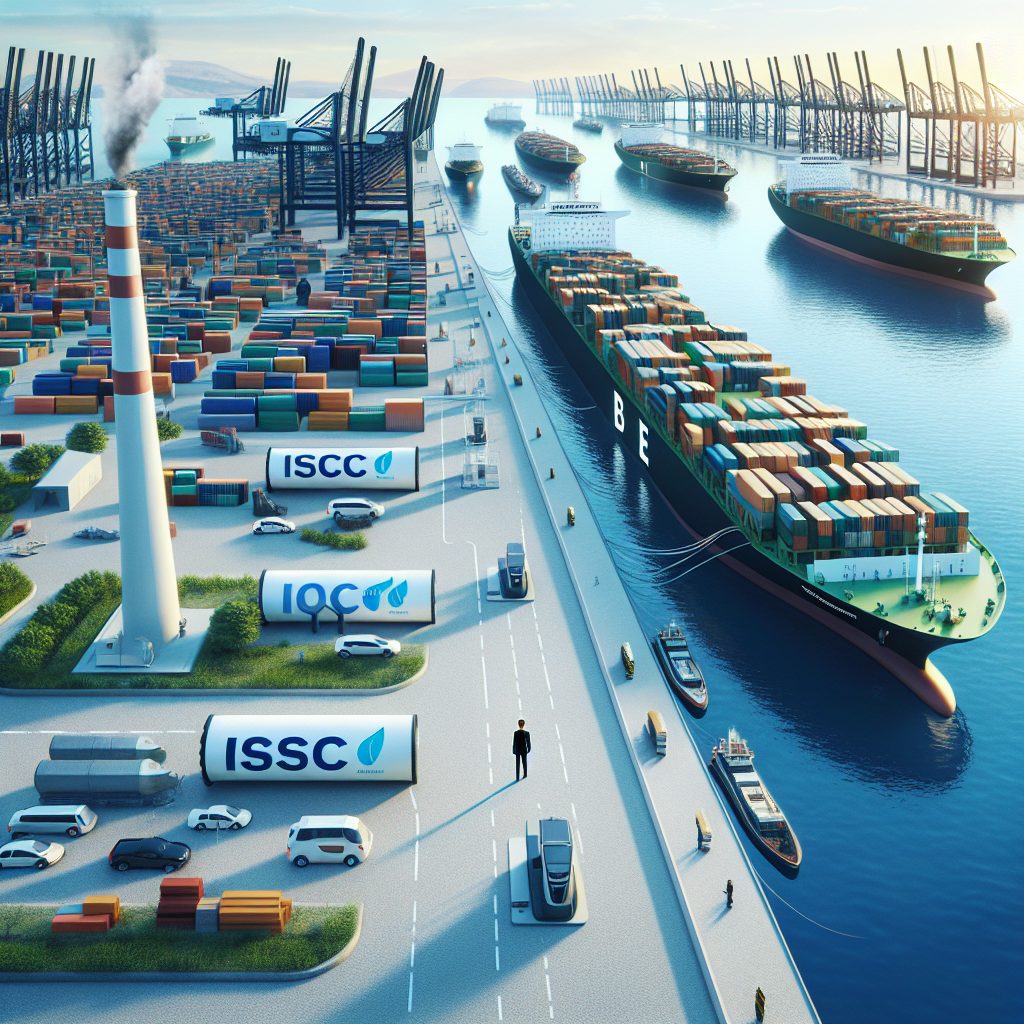
The ISCC Certification by Hawks Singapore: Boosting Global Trade of Biofuels in the Maritime Sector Introduction to ISCC Certification and its Impact The recent achievement of Hawks Singapore in obtaining the International Sustainability and Carbon Certification (ISCC) represents a significant advancement for the maritime sector. This globally recognized certification highlights the company’s commitment to low-carbon shipping solutions and reinforces its ability to market sustainable biofuels worldwide. This development is particularly relevant at a time when the maritime industry is facing increasing regulatory pressures to reduce carbon emissions. Compliance with environmental regulations is now a priority for shipping companies, who must demonstrate the sustainability and origin of the fuels they use. The ISCC certification provides a competitive advantage, especially in Europe, where instruments such as FuelEU Maritime and the EU Emissions Trading System (ETS) impose strict penalties for non-compliant fuels. With this certification, Hawks Singapore is well positioned to provide vessels on major commercial routes with sustainable biofuels that comply with regulations, thus supporting shipowners in decarbonizing their fleets. Strategic Alignment with the Drive for Alternative Fuels in Singapore Singapore, recognized as the largest fuel supply center in the world, is quickly embracing alternative fuels. In 2024, biofuel sales in the port increased by 68.5%, reflecting the growing global demand and the regulatory urgency to adopt cleaner solutions. Hawks Singapore’s ISCC certification aligns perfectly with this evolution, positioning the company to supply these fuels to vessels transiting through Singapore. This development not only underscores Hawks Singapore’s leadership in transitioning to sustainable fuels but also strengthens Singapore’s position as a benchmark for the provision of sustainable marine fuels. The ability to offer certified biofuels not only benefits the environment but also enhances the port’s competitiveness with global customers seeking to reduce their carbon footprint. This trend presents considerable opportunities for investors and industry professionals. Companies in Singapore can benefit from the increased demand for biofuels, while new sustainable supply projects and routes can lead to new job opportunities. Advanced Biofuels: Immediate Solutions for a Decarbonizing Fleet Hawks Singapore focuses on advanced biofuels derived from sustainable raw materials such as waste and by-products. These fuels offer a practical short-term solution to reduce emissions from the global fleet without the need for modifications to existing vessels. This approach aligns with the overall goal of decarbonizing the maritime sector. The use of advanced biofuels is not only a step towards environmental sustainability but also represents potential long-term cost savings. Maritime professionals can benefit from these savings by adopting alternative fuels that comply with carbon regulations. Additionally, Hawks Singapore collaborates closely with trusted suppliers and guides its customers through the complexity of emerging fuel regulations. This approach ensures both reliability and traceability, providing maritime operators with the confidence they need to integrate biofuels into their operations. A Global Network Based on Service, Compliance, and Growth The ISCC certification complements the broader global strategy of the Hawks Group. Headquartered in the Maldives, the company maintains offices in strategic locations such as Dubai, Monaco, Shanghai, and London, allowing it to offer consistent services and comply with regulations along the major international maritime corridors. In 2024, Hawks Group traded over half a million metric tons of fuel and cargo worldwide, demonstrating its operational capacity and willingness to support the maritime industry’s transition to sustainable fuels. This global network strengthens its offering and ensures the integrity of the supply chain in an increasingly complex commercial environment. For maritime investors, this global expansion of Hawks Group not only represents a solid business opportunity but also a long-term commitment to sustainability and corporate responsibility. About Hawks Group Hawks Group is a leading global provider of marine fuels and cargo, headquartered in the Maldives. As a physical supplier licensed in the Maldives, Sri Lanka, and high seas across the Indian Ocean and the Arabian Sea, the company operates an expanding fleet of tankers and barges and facilitates global marine energy transactions through its strategically located offices in Asia, Europe, and the Middle East. The Group is known for its commitment to fuel quality, timely delivery, and customized business solutions, serving commercial fleets, offshore facilities, and luxury vessels worldwide. This strong reputation not only ensures efficient operations but also fosters lasting business relationships in the global maritime sector. The recent ISCC certification by Hawks Singapore is not only a milestone in its sustainability strategy but also a testament to its industry leadership in offering solutions that address contemporary sustainability and operational efficiency needs. For those interested in joining the growing wave of sustainability in the maritime sector, this is an opportunity to participate in an initiative that is not only good for business but also crucial for the future of the planet. Hawks Group invites industry professionals and interested individuals to submit their CVs to be considered for future job opportunities in such an innovative and change-committed company.
Innovation in Alternative Fuel Supply: The Alliance between Conrad Shipyard and Samsung Heavy Industries to Boost Liquefied Natural Gas in the United States

Innovation in Alternative Fuel Supply: The Alliance between Conrad Shipyard and Samsung Heavy Industries to Boost Liquefied Natural Gas in the United States A New Technological Horizon in Shipbuilding In an effort to transform the landscape of alternative fuel refuelling infrastructure in the United States, Conrad Shipyard and Samsung Heavy Industries (SHI) have signed a Memorandum of Understanding (MOU) to develop a new generation of Liquefied Natural Gas (LNG) supply vessels. This agreement aims to meet the regulatory and commercial requirements of the U.S. market, marking a milestone in the collaboration between both naval industries. The partnership combines SHI’s expertise in designing and building advanced vessels with Conrad’s capabilities in U.S. shipbuilding, especially in relation to LNG. This agreement has the potential to adapt SHI’s global technological knowledge locally, thus setting a new standard in U.S. ship constructions. This collaboration is strategic in addressing the growing demand for LNG refuelling capacity in the country. Through this joint project, both companies are in a position to offer vessels built in the United States that meet the operational and environmental requirements of the new LNG refuelling hubs. Strengthening the LNG Refuelling Landscape in the United States According to the terms of the MOU, Conrad and SHI will seek to create LNG refuelling vessels fully compliant with U.S. regulations. This move is crucial in preparing the country’s ports for the increase in calls from LNG-powered ships, which are expected to be a key component in the maritime industry’s energy transition. This agreement not only allows SHI to enter the LNG refuelling market in the United States but also contributes to revitalizing shipbuilding capabilities in the country. Johnny Conrad, CEO of Conrad Shipyard, stated that the partnership reinforces both organizations’ commitment to innovative marine solutions. The collaboration presents a unique opportunity for Conrad Shipyard and SHI to establish themselves as leaders in supplying LNG refuelling vessels, representing a significant step towards a greener and more efficient maritime sector. LNG as Marine Fuel: Pioneer in the Maritime Transport Energy Transition LNG is emerging as a viable transitional fuel for the maritime industry due to its environmental advantages. With the implementation of the IMO 2020 sulphur limit and increasing pressure to decarbonize maritime transport, the sector has begun to shift towards cleaner energy sources like LNG. LNG offers a significant environmental advantage by virtually eliminating sulphur oxides (SOx) and particulate matter, reducing nitrogen oxides (NOx) by up to 90% compared to conventional marine fuels. Additionally, it provides up to 20% lower CO2 emissions, making it a significant step towards zero-emission maritime transport. The maturity of LNG as a fuel, supported by global production, storage, and transportation infrastructure, provides a level of reliability and scalability not yet matched by emerging alternatives. Advances in methane emission reduction technologies, along with the future availability of bio-LNG and synthetic LNG, reinforce its role as a bridge to long-term low and zero-carbon maritime transport solutions. Expanding Global LNG Refuelling Market The global LNG refuelling sector continues to grow as more ship operators adopt LNG propulsion in segments such as containers, tankers, cruises, and offshore. It is estimated that there are over 1,300 LNG-capable vessels in the global fleet, and nearly 200 ports in Europe, Asia, and the Middle East offer LNG refuelling services. The global LNG refuelling market value was estimated at over $11.5 billion in 2024, with a projected compound annual growth rate exceeding 40% until 2032. These indicators highlight the need to increase refuelling capacity, improve ship technology, and port infrastructure, factors directly addressed by this new alliance between U.S. and South Korean shipyards. As more vessels opt for LNG, the demand for LNG refuelling vessels is expected to increase, creating significant opportunities for maritime professionals seeking new job prospects by actively participating in this energy transition process. Perspective of LNG Refuelling in the United States: A Rapidly Expanding Market Although currently Europe and Asia lead global LNG refuelling activity, the United States is entering a decisive growth phase. Regulatory pressure, port decarbonization strategies, and the steady increase in LNG-powered ship traffic are driving demand for modern refuelling infrastructure on the Gulf Coast, East Coast, and Pacific gateways. The U.S. LNG refuelling market, though emerging, is projected to grow at a compound annual growth rate of over 10% until 2030. Major ports are investing significantly in their preparation for LNG, supported by the country’s abundant natural gas resources and strategic position along global trade routes. The partnership between Conrad and SHI comes at a crucial time. By combining the capacity of U.S. shipyards with world-class LNG vessel technology, this collaboration directly addresses the nation’s supply gap and advances the availability of high-specification LNG refuelling vessels built in the United States. This alignment positions the United States to accelerate LNG adoption and strengthen its role in the global transition to cleaner marine fuels. About Samsung Heavy Industries (SHI) Source
The Launch of Star Seeker: Innovation and Tradition in the Maritime Horizon

The Launch of Star Seeker: Innovation and Tradition in the Maritime Horizon Windstar Cruises has unveiled the Star Seeker, a new addition to its exclusive fleet, symbolizing a blend of innovation and respect for maritime traditions. This yacht, part of an expansion that includes two new boutique yachts, began its sea trials at the WestSEA shipyard in Portugal on October 23rd. This event signifies a milestone in the company’s evolution, showcasing its commitment to excellence and adapting to the current needs of the industry. The Tradition of Ship’s Godmother: A Spiritual and Cultural Bond The appointment of Libby Anschutz as the godmother of the Star Seeker enriches the vessel’s symbolic narrative. In maritime traditions, being named a ship’s godmother is an honor that carries a set of symbolic responsibilities. This role, upheld for centuries, bestows upon the godmother the duty to protect and guide the vessel throughout its life at sea. It is a gesture that connects people with the sea, creating a unique bond between humanity and the vast ocean. The choice of Libby Anschutz is not arbitrary. As a prominent figure in the cultural and business sphere, Anschutz embodies values that align with Windstar Cruises’ vision. Her commitment to innovation and excellence resonates with the company’s mission of providing unforgettable maritime experiences. By participating in this ceremony, Anschutz not only strengthens her connection to the Star Seeker but also contributes to the rich tapestry of stories that define the contemporary maritime world. For those interested in maritime history and symbolism, this ceremony is more than just a nautical event. It represents an opportunity to reflect on the importance of traditions in a world rapidly moving towards the future. Furthermore, the appointment of a godmother serves as a reminder that while technology and innovation are essential, traditions and history continue to play a crucial role in the development of the maritime industry. Star Seeker: A Technological Milestone in the Naval Industry The Star Seeker impresses not only with its aesthetics and design but also with the technological innovations it incorporates. Windstar Cruises has placed special emphasis on equipping the yacht with efficient and sustainable propulsion systems, highlighting its commitment to the environment. This approach not only meets the demands of contemporary consumers for more eco-friendly practices but also sets a new standard in the construction of luxury yachts. The advanced navigation systems of the Star Seeker are not just technological whims. They are designed to offer an unparalleled travel experience, prioritizing both passenger safety and operational efficiency. This integration of cutting-edge technology allows for a smoother and safer journey, enhancing the passenger experience while reducing environmental impact. For maritime professionals and sailors, these innovations represent a significant shift. The industry is at a turning point towards more sustainable practices, and vessels like the Star Seeker are at the forefront of this transformation. This approach has implications not only for ship operators but also for investors, who see these technological improvements as an opportunity to reduce long-term operating costs while remaining in line with international environmental regulations. Professional Opportunities in the Wake of Star Seeker The launch of a new vessel not only opens doors to new travel experiences but also creates significant job opportunities. Windstar Cruises, by expanding its fleet, will need trained and passionate personnel in the nautical sector. Such business developments are often accompanied by an increase in demand for professionals in various areas, from operational crew to specialized service staff. For maritime sector professionals, the Star Seeker represents an opportunity to be part of an internationally renowned company that values excellence and innovation. Windstar Cruises is known for its high standard of service and for providing employees with a rewarding and enriching work environment. Interested individuals should consider submitting their resumes to the company, as the introduction of new vessels may result in an expansion of the workforce. Moreover, the experience gained on a vessel of this caliber gives professionals a competitive edge in the job market. Working aboard a yacht that incorporates the latest in technology and sustainability is an opportunity to expand knowledge and skills highly valued in today’s maritime industry. The Future of Navigation: Balancing Innovation and Tradition The Star Seeker stands as a symbol of how the cruise industry can move towards a more sustainable and technological future without losing sight of the traditions that have brought us here. With each step, Windstar Cruises demonstrates that it is possible to integrate innovation with respect for the environment and traditional nautical practices. For nautical enthusiasts, this vessel serves as a reminder of the industry’s potential to continue exploring new frontiers. The Star Seeker not only expands the horizons of its passengers but also reinforces the idea that the future of navigation is full of possibilities, as long as a balance is maintained between innovation and tradition. In conclusion, Windstar Cruises’ launch of the Star Seeker is an event that promises to reshape the maritime landscape. This new yacht not only incorporates cutting-edge technological advances but also respects and celebrates the rich traditions of the maritime world. Those involved in the industry, from professionals
The Importance of Marine Research Innovation: Yamaha Rightwaters and Their Commitment to Marine Mammal Conservation

The Importance of Marine Research Innovation: Yamaha Rightwaters and Their Commitment to Marine Mammal Conservation Yamaha Rightwaters has strengthened its collaboration with the Hubbs-SeaWorld Research Institute (HSWRI) through a new three-year agreement. This partnership not only reaffirms the commitment of both organizations to marine conservation but also introduces innovative tools that will enhance the capabilities of the HSWRI research and rescue team. In this context, Yamaha has provided two outboard engines that will be essential for operations in Florida and California. A 115-horsepower Yamaha outboard engine will be the heart of the main response vessel for the HSWRI marine mammal stranding team. This team plays a crucial role in the rescue and rehabilitation of marine mammals, facing challenges that require high efficiency and reliability in their vessels. On the other hand, a 50-horsepower Yamaha engine will power the institute’s skiff, optimizing research operations in coastal areas. This type of logistical support is vital for carrying out monitoring and study tasks in environments where agility and quick access can make a difference. The incorporation of these engines not only represents a technical upgrade but also emphasizes the importance of equipping research and rescue teams with the most advanced tools. In a sector where response time can be critical, the reliability and performance of Yamaha Rightwaters engines offer a competitive advantage. According to recent studies, marine mammals face increasing threats from human activities such as pollution, habitat destruction, and climate change. The work of organizations like HSWRI, supported by companies like Yamaha, is essential to mitigate these threats and ensure the conservation of these vulnerable species. The impact of these engines translates into a greater ability to save the lives of marine mammals, a mission that is crucial for maintaining the ecological balance of the oceans. Furthermore, the improvement in the operational capacities of the HSWRI can increase employment opportunities for professionals in the maritime sector interested in marine conservation. With the growth in operations, there is a growing demand for trained personnel who can contribute to these noble tasks, opening doors to new careers in this field. Job Opportunities and Investment in the Maritime Sector This new development also implies potential job opportunities for merchant marine professionals and nautical enthusiasts. The need for specialized technicians to maintain these engines and other related equipment creates a market niche for those looking to enter the field of marine research. In addition, the increased operational capacity of the HSWRI may attract the attention of investors interested in the maritime sector. According to recent reports from industry analysts, the maritime industry is experiencing steady growth, with a focus on sustainability and technological innovation. Partnerships like the one between Yamaha and HSWRI offer a successful model for collaboration between the private sector and non-profit organizations. Investors prioritizing social and environmental impact will find in this model an effective example of how technology can be a positive force. Benefits for the Nautical Community For nautical enthusiasts, these innovations represent a breakthrough that can inspire new ways of interacting with the sea. The improved efficiency and access to advanced technologies not only enhance professional operations but also enrich the experience of recreational boating. Recent studies have shown that recreational boating is a popular activity in the UK, with a significant contribution to the economy and tourism sector. The advancements in marine technology and conservation efforts can have a positive impact on the recreational boating industry, promoting sustainable practices and environmental awareness. In summary, the collaboration between Yamaha Rightwaters and HSWRI not only reinforces the importance of marine conservation but also paves the way for future innovations. The job opportunities and investments resulting from this collaboration underline its relevance in the maritime sector, demonstrating that sustainability and technology can go hand in hand to build a more promising future for our oceans.
The Advancement of Sustainable Maritime Pooling Services by Ahti and ScanOcean

The Advancement of Sustainable Maritime Pooling Services by Ahti and ScanOcean The maritime sector is currently undergoing a significant transformation driven by technological innovations aimed at promoting sustainability. In this context, the recent collaboration between Ahti Pool and ScanOcean represents a significant advancement in the management of renewable fuels, aligning with the requirements of FuelEU Maritime. This partnership introduces a specialized pooling service that promises to optimize regulatory compliance and cost efficiency for maritime fleet owners. Ahti Pool, known for its compliance solutions in FuelEU Maritime, joins forces with ScanOcean’s logistical expertise to offer an innovative model called “pool-in-pool.” This concept goes beyond the conventional approach, allowing owners to use their biofuel consumption to meet regulatory obligations while still having access to the flexibility of a larger Ahti group. This not only streamlines the process but also opens new doors towards cleaner and more cost-effective navigation. The significance of this advancement is undeniable. Firstly, it enhances shipowners’ ability to comply with environmental regulations without compromising operational efficiency. Additionally, it provides a clear and efficient pathway for integrating renewable fuels into day-to-day maritime operations, offering a significant competitive advantage in an ever-evolving market. The Strategic Alliance: Ahti Pool and ScanOcean Ahti Pool already manages fleets for prominent owners like the Van Weelde Group, Bore, Spliethoff, Stenersen, and Neste, handling an emissions exposure valued at over 100 million euros. This solid foundation positions Ahti as a leader in regulatory compliance and emission-related cost optimization. On the other hand, ScanOcean brings its renowned logistical network, with purchasing agreements with major refiners and a consolidated reputation in fuel supply operations in the Nordic region. This alliance enhances a comprehensive service that combines Ahti’s technical expertise in pooling and proven tools with ScanOcean’s logistical strength. This type of collaboration not only improves the competitive position of both companies but also provides a unique opportunity for industry professionals to actively engage with companies leading the way towards a more sustainable future. Interested professionals have the chance to submit their resumes to these companies, opening doors in a field promising growth and relevance. Transforming Complexity into Advantage The FuelEU Maritime regulations are driving the demand for renewable marine fuels but also introducing significant administrative complexities. Ahti and ScanOcean’s “pool-in-pool” approach simplifies this landscape, turning a challenge into a strategic advantage. For fleet owners, this model provides the transparency and flexibility needed for efficient allocation of renewable fuels. Furthermore, it ensures regulatory compliance in a simple and direct manner, reducing risks and optimizing maritime operations. This type of simplification is crucial in an industry where operational efficiency and environmental compliance are top priorities. The collaboration between Ahti and ScanOcean is a clear example of how strategic partnerships can achieve a positive change in the industry. By transforming regulatory complexity into a viable opportunity, this initiative not only enhances operational management but also sets a new standard for sustainability in the maritime sector. Professional Growth Opportunities This new pooling solution not only benefits fleet owners and operators but also presents significant job opportunities in the maritime sector. As the industry moves towards more sustainable practices, the demand for experts in regulatory compliance and renewable fuel management is on the rise. For industry professionals, this initiative offers the chance to work with market leaders at the forefront of the transition towards greener navigation. Whether developing innovative solutions or managing efficient logistical operations, the opportunities are as diverse as they are promising. Therefore, submitting resumes to these companies could be the first step towards a career in a growing sector where sustainability is not just a goal but a continuously evolving reality. Conclusion: A Step Forward towards Maritime Sustainability The partnership between Ahti Pool and ScanOcean signals that the maritime industry is ready to integrate sustainable solutions into its daily operations. By offering an innovative and effective solution, this collaboration benefits not only fleet owners and operators but also provides valuable job and investment opportunities. Industry professionals should consider this alliance as a model of how innovation and cooperation can transform navigation, bringing it closer to a more sustainable and efficient future. With these steps, the maritime sector not only meets current needs but also prepares to lead in a world where sustainability is key. We invite WishToSail.com readers to learn more about this initiative and consider how they can participate in this exciting movement towards a greener and more efficient maritime industry. This article is designed to pique the interest of maritime industry professionals, highlighting a relevant innovation and the opportunities this collaboration offers for professional development and sustainability in the industry.