


The Energy Revolution in Rotterdam Port: ABB Leads the World’s Largest Shore Power Electrical Energy Project

The Energy Revolution in Rotterdam Port: ABB Leads the World’s Largest Shore Power Electrical Energy Project The Rotterdam Port, one of the world’s most important port infrastructures, is on the brink of undergoing an unprecedented energy transformation. In an ambitious project led by ABB, the largest shore power electrical energy installation to a port will be developed, providing a capacity exceeding 100 MVA. This joint effort with Rotterdam Shore Power (RSP) and Eneco sets a new standard in port electrification. The project, covering three deep-water container terminals, promises to reduce CO2 emissions by approximately 96,000 metric tons annually. This initiative not only signifies a milestone in terms of environmental sustainability but also offers significant opportunities for maritime industry professionals and investors interested in the ecological sector. Furthermore, the project is strategically positioned to comply with the EU’s FuelEU Maritime regulations, which will require all ships over 5,000 GT to use emissions-free energy sources while docked at major EU ports starting in 2030. For industry professionals, this represents not only a step towards sustainability but also an opportunity for the development of new skills and jobs related to green technology. Technical Aspects: Large-Scale Infrastructure The technical scope of the project is astounding. Over 35 connection points will be installed along an eight-kilometre stretch of quay, allowing up to 32 container vessels to connect simultaneously. This massive infrastructure will include high, medium, and low voltage cables along with fibre optic systems to ensure efficient and safe operation. The integration of advanced Supervisory Control and Data Acquisition (SCADA) systems will enable precise monitoring and accurate billing of energy used. This level of automation is crucial to ensure that the transition to shore electrical energy is as smooth as possible, minimizing the impact on the port’s daily operations. Construction of this mega-installation will commence in the second half of 2027 and is expected to be fully operational by the end of 2028. This timeline presents a significant logistical challenge, but ABB’s experience in delivering concept-to-connection solutions ensures an installation process that minimizes operational disruptions. Strategic Compliance with FuelEU Maritime The implementation of this project is also a key component in meeting EU emissions regulations. The FuelEU Maritime Regulation, effective in 2030, aims to reduce the environmental impact of maritime transport by requiring ships to use shore power when in port. Rotterdam, being one of Europe’s largest and most active ports, is at the forefront of this transition, with its progress in electrification serving as a model for ports worldwide. Collaboration with ABB not only positions Rotterdam favourably to meet these future regulations but also helps establish a global standard for port electrification. For shipowners and operators, this means a mandatory transition to cleaner technologies, which could drive innovation in the design and operation of new vessels. Investors have the opportunity to participate in this industry transformation by promoting clean energy technologies that will reduce global emissions. ABB: A Leader in Technology and Sustainability With over 140 years of history in electrification and automation, ABB stands out as a global leader in the transition to sustainable ports. Its Marine & Ports division is known for offering comprehensive solutions spanning from design to connection and continuous maintenance. ABB’s involvement in this project underscores its commitment to technological innovation in the maritime sector. Their solutions not only enhance operational efficiency but also reduce disruptions during installation, a critical factor in large-scale port operations. For maritime professionals and companies, collaboration with ABB represents an opportunity to stay abreast of the latest technological innovations, opening doors to new partnerships and projects that drive sustainability in global trade. Conclusion: A Vision for a Sustainable Future The electrification project in Rotterdam Port is not just a response to environmental regulations but a proactive step towards a more sustainable future for the maritime industry. With unprecedented capacity and advanced technological integration, it serves as a benchmark for ports worldwide. For maritime professionals, this initiative presents at least three key opportunities: a push towards environmental sustainability, the opportunity to acquire cutting-edge technology skills, and the potential for new jobs in the clean energy sector. This project not only signifies a significant change in the daily operation of one of the world’s largest ports but also sets a precedent that could transform how ports handle their operations, encouraging others to follow a similar path towards sustainability. Readers interested in being part of this transformation can consider submitting their resumes to the companies involved, exploring a career in this exciting emerging field.
The Future of Fuel Supply in ARA Ports: A Maritime Revolution

The Future of Fuel Supply in ARA Ports: A Maritime Revolution As we sail into the future, the ports of Rotterdam and Antwerp-Bruges are leading a revolution in maritime bunkering. Since January 1st, 2026, any fuel supply vessel operating under their jurisdiction is required to use a certified mass flow meter (MFM) system for the delivery of residual distillates and biofuels. This measure aims to eliminate discrepancies in the amount of fuel supplied, positioning the ARA region as a global leader in maritime transparency. This shift has been a long time coming, with industry pressure pushing for a more level playing field. By focusing on precision and reliability, MFM systems are designed to measure the mass of fuel rather than its volume, which is crucial as mass remains constant regardless of temperature or pressure fluctuations. For professionals in the sector, this advancement promises a range of practical benefits. Not only does it establish an indisputable compliance standard, but it also provides certainty to shipowners that they are getting exactly what they pay for. Additionally, it eliminates the creative measurement practices that used to disadvantage reputable suppliers. The Role of Mass Flow Meters in Bunkering While the use of mass flow meters is not new in the maritime industry, their mandatory implementation in the ports of Rotterdam and Antwerp represents a significant step towards precision and safety in fuel supply. MFMs measure the mass of transferred fuel, a metric that remains constant regardless of environmental conditions, thereby eliminating the margin of error allowed by traditional methods. The operational protocol: from theory to practice The adoption of MFMs comes with a new operational protocol that redefines the roles of barge representatives, chief engineers, and bunker inspectors. This protocol is structured into three distinct phases: pre-delivery, during delivery, and post-delivery, each with detailed steps to ensure the accuracy and safety of the supply. Before delivery, the zero verification process includes confirming the bunker quantity, grade, and agreed pumping rate. Parties must verify that physical seals match the most recent seal verification report and that the resettable totalizer is set to zero. During delivery, it is crucial to fill loading lines quickly to ensure meter accuracy. Any interruptions must be recorded, and line stripping and cleaning operations must be strictly carried out at the end of the operation. After delivery, final meter readings must be witnessed and recorded by all parties, ensuring that seals remain intact. Dispute Management: a Transparent Framework The new dispute management framework introduced in the operational protocol replaces informal negotiations onboard with a transparent and auditable process. This framework applies to disputes regarding quantity and quality, ensuring they are handled consistently and fairly. For quantity disputes, the barge representative must invite the chief engineer and bunker inspector to witness totalizer readings and conduct a thorough inspection of documentation, physical seals, and pipework systems. If the discrepancy persists, a formal Protest Note must be filed. For quality disputes, any claims related to fuel quality must be reported to port authorities through dedicated bunkering portals within 14 days of delivery. This structured approach ensures that customer concerns are addressed systematically and efficiently. Labour and Strategic Opportunities for the Sector These changes in the bunkering system not only represent technological advancement but also open up new opportunities for sector professionals. With the increasing complexity of MFM systems and the focus on transparency and accuracy, there is a growing demand for skilled individuals who understand and can navigate these systems effectively.
The Strategic Expansion of DIETL in the Art Logistics Market: Opportunities for the Maritime Sector
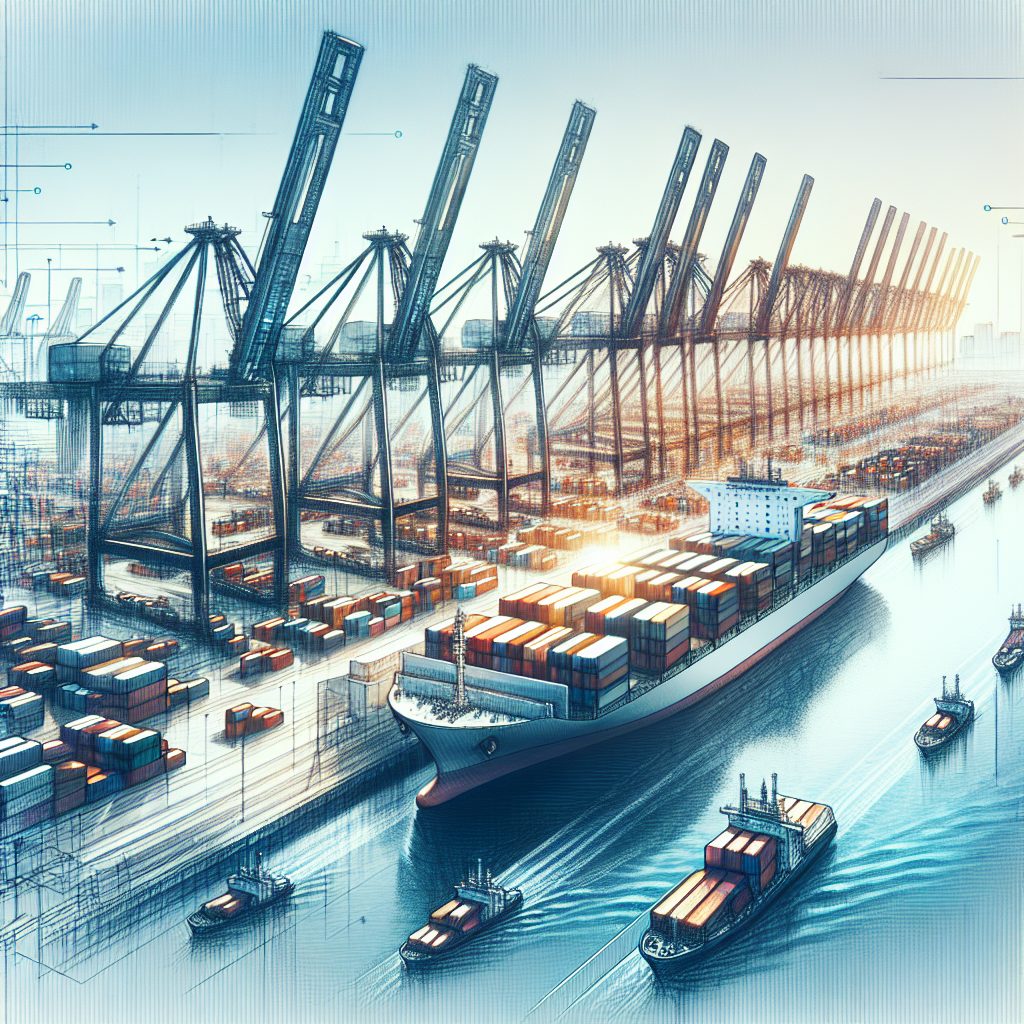
The Strategic Expansion of DIETL in the Art Logistics Market: Opportunities for the Maritime Sector In a strategic move that strengthens its position in the art logistics market, DIETL has announced the acquisition of several companies specialized in this niche in the United States. The acquired companies, including Delaware Freeport, Delaware National Art Company, Techno Export, and Registrar Technologies, provide a wide range of services ranging from storage and handling of fine art to packaging and customs services. This expansion not only enhances DIETL’s capacity but also opens up new opportunities for the maritime and nautical sector. The implications of this expansion are diverse and directly impact various niches in the maritime sector. The expansion of specialized art logistics capabilities translates into a growing need for safe and efficient international transportation. This is a topic of great relevance for professionals in the merchant navy, especially those involved in the transport of delicate and high-value goods. Furthermore, nautical enthusiasts seeking technological innovations will find in these companies examples of how to integrate advanced technology to improve efficiency and safety in cargo handling. On the other hand, maritime investors will see in these acquisitions a robust opportunity for expansion and investment in an increasingly dynamic logistics sector. With a reinforced infrastructure, DIETL not only positions itself as a leader in art logistics but also sets a precedent for how companies can use acquisitions to strengthen their services and effectively expand into new markets. Driving Innovation in Maritime Transport Art logistics is characterized by the need for personalized and extremely careful solutions. In this context, the integration of these specialized companies into DIETL underscores the importance of technological innovation in the maritime industry. The use of advanced technologies, such as digitized inventory management systems and real-time tracking, is essential to ensure the integrity and security of artworks during transport. These innovations not only impact the art sector but are also applicable to other areas of maritime logistics. For example, advanced packaging and cargo handling systems use sensors and environmental monitoring technology to ensure optimal conditions for transporting delicate goods. This approach can be replicated by the merchant navy in the transport of other sensitive products, such as technological equipment or chemicals that require strict environmental control. Furthermore, for investors, these technological advances represent an opportunity for diversification and growth. The technologies used to optimize art logistics can be applied to other sectors of maritime transport, opening up new investment possibilities. It is also a clear example of how advances in a specific sector can have a domino effect throughout the industry. Employment Opportunities in New Markets The recent acquisitions also generate significant job opportunities in the maritime sector. With the expansion of DIETL’s services, trained personnel are required in areas such as inventory management, specialized cargo handling, and customized logistics solutions. These needs create a promising niche for professionals in the merchant navy and logistics specialists seeking new career opportunities. The acquired companies, by expanding their infrastructure and services, represent a gateway for those interested in being part of a growing industry. We recommend interested individuals to submit their resumes to the mentioned companies and explore the multiple opportunities offered by this expanding market. This will not only help meet the growing demand for specialized workforce but also allow industry professionals to acquire new skills and experiences in a dynamic and constantly evolving environment. This type of business expansion also highlights the importance of continuous training in the maritime sector. For professionals who wish to remain competitive and relevant, acquiring new skills in logistics management technology and specialized cargo handling is essential. Participating in training courses and obtaining specific certifications can be an effective strategy to make the most of opportunities that arise from strategic movements like that of DIETL. The Future of Art Transport The integration of Delaware Freeport, Delaware National Art Company, Techno Export, and Registrar Technologies into DIETL’s structure not only strengthens the latter’s position in the US market but also sets a new standard in the art logistics industry. This development is an example of how companies can innovate and expand to meet the growing market demands while staying at the forefront of technological trends. For professionals in the maritime and nautical sector, this news is an opportunity for learning and adaptation. With art logistics moving towards a more technological and specialized future, it is crucial for sailors and merchant navy professionals to stay informed and prepared to integrate these innovations into their daily work. The future of maritime transport is inexorably linked to companies’ ability to adapt and evolve with market demands. In conclusion, DIETL’s expansion not only marks a milestone in art logistics but also offers valuable lessons and opportunities for the maritime sector as a whole. From a professional development standpoint, the integration of advanced technology and the need for trained personnel are key areas that will have a significant impact on the future of maritime transport.
Revolutionizing the Nautical Sector: OneSpaWorld’s Innovation and Well-being Onboard
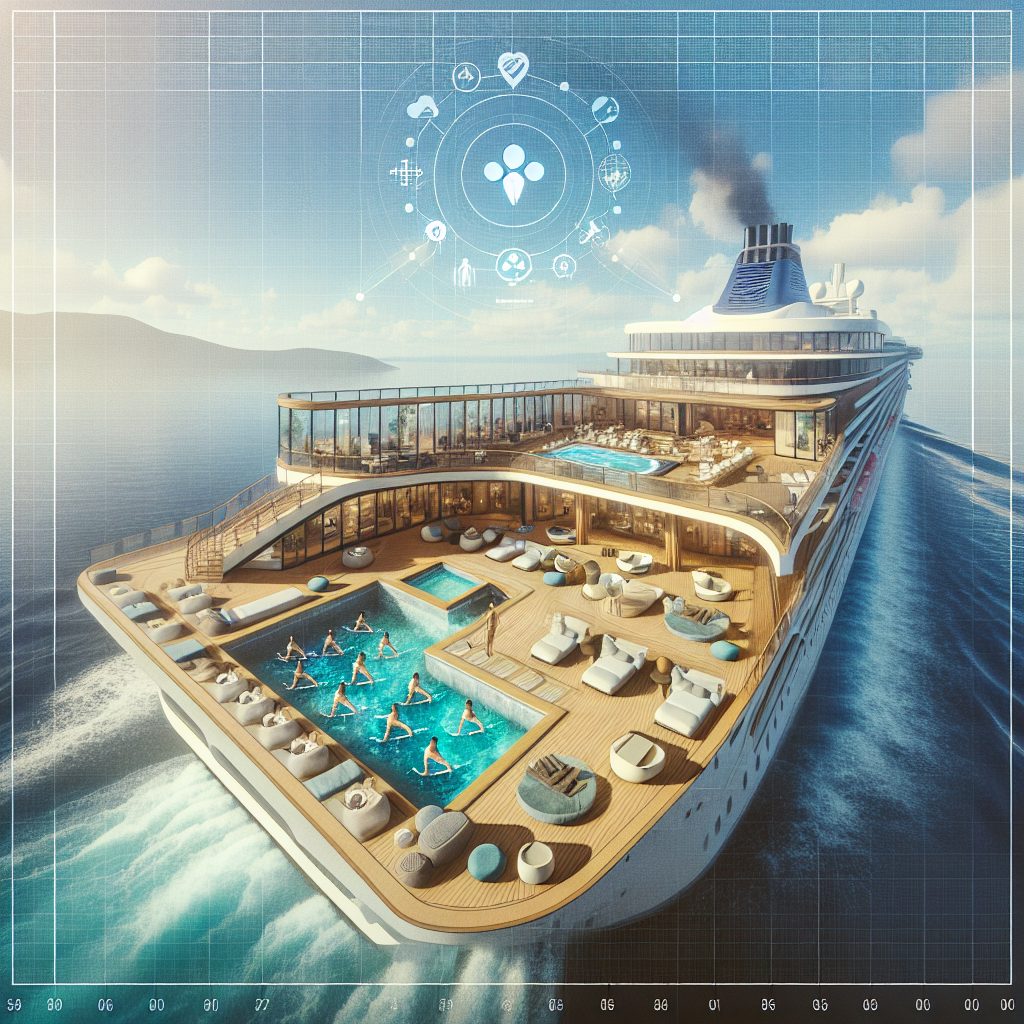
Revolutionizing the Nautical Sector: OneSpaWorld’s Innovation and Well-being Onboard The maritime sector has always been a source of endless innovation and development. In this context, OneSpaWorld Holdings Limited, a renowned global provider of health and wellness products and services on cruise ships and destination resorts, has announced its participation in investor meetings and a prominent presentation at the ICR Conference 2026, held from January 12 to 14, 2026, at Grande Lakes Orlando, Florida. This news is particularly relevant for merchant navy professionals and nautical enthusiasts as it offers insights into how companies are incorporating well-being into their onboard services. With a focus on health and relaxation, OneSpaWorld promises a future where the sea is not just a transportation route but also a sanctuary of well-being. Chief Executive Officer and Director General, Leonard Fluxman, will lead these investor meetings, highlighting the strategic importance that the company places on its expansion and innovation. The shift towards wellness in the cruise sector not only invites passengers to enjoy unique relaxation experiences but also opens up new job opportunities for well-being professionals. Technology and Well-being: Convergence on the High Seas Technological advancements have enabled OneSpaWorld to implement cutting-edge wellness programs onboard. From spa therapies to personalized yoga classes, passengers can enjoy services that were previously unthinkable on the high seas. The inclusion of personal monitoring technology, such as wearable devices, allows guests to track their health and well-being progress throughout the journey. For maritime investors, this integration of technology into service offerings not only adds appeal to the investment portfolio but also signifies a commitment to sustainable development and the well-being of cruise line users. Technological adaptation is key to staying ahead in an increasingly competitive market. Sailors and nautical enthusiasts can also benefit from these innovations, as many of the implemented technologies can be adapted to smaller personal vessels, expanding the reach of well-being at sea. Career Opportunities in the Growing Nautical Well-being Sector The growth of health and well-being services onboard offers numerous opportunities for industry professionals. OneSpaWorld, by expanding its offerings, is constantly seeking specialized talent that can contribute to its mission of transforming each cruise into a revitalizing experience. Therapeutic massage professionals, fitness instructors, and mental health specialists are just some of the in-demand profiles. For those interested in developing their career in a maritime environment, this emerging market not only offers a unique work environment but also the opportunity to travel and work in the world’s most exotic destinations. Companies like OneSpaWorld are committed to the professional development of their employees, offering continuous training and growth opportunities. We invite all interested parties to stay informed about available job opportunities and consider joining the wellness revolution at sea. Submitting a resume to the companies involved could be the first step towards an exciting career in the maritime sector. Reasons to Keep a Close Eye on OneSpaWorld For merchant navy professionals, the significance of this news lies in professional development and the growing opportunities in the well-being sector that is emerging strongly. Well-being onboard is set to become a standard, and those who are prepared will have a significant competitive advantage. For maritime investors, innovation in wellness services is a safe bet. The demand for unique cruise experiences continues to rise, and well-being has become a differentiating factor that can decisively influence investment decisions. Finally, for nautical enthusiasts, the incorporation of technology and well-being on vessels is a trend worth exploring. Adopting these innovations can transform the sailing experience, making each journey not only enjoyable but also healthy. Conclusion: Innovation and Well-being, Keys to the Nautical Future OneSpaWorld’s announcement to participate in the ICR Conference 2026 is not just a corporate milestone but a reflection of the direction in which the maritime sector is moving. With health and well-being as pillars of its strategy, OneSpaWorld positions itself as a leader in a market that values both innovation and passenger care. As the sector evolves, it is expected that other companies will follow suit, expanding the reach and depth of onboard well-being services. The future of well-being on the high seas is full of possibilities, and OneSpaWorld is leading this exciting journey.
The Success Story of Viking in the Luxury Cruise Industry
The Success Story of Viking in the Luxury Cruise Industry In the competitive world of maritime tourism, where supply and demand fluctuate every season, standing out is no easy task. However, Viking Cruises has set a milestone by receiving multiple awards at the prestigious Cruise Critic’s “Best in Cruise Awards 2025”. This recognition reinforces its position as the undisputed leader in the luxury, river, and expedition categories. The Keys to Viking’s Success in the Luxury Cruise Sector Viking has clinched four awards in the Luxury Cruises category, standing out as the passengers’ top choice. But what makes Viking deserving of such distinctions? First and foremost, their commitment to excellence is reflected in every detail, from the design of their ships to customer service. This not only promotes a superior aesthetic and functional experience but also ensures an unforgettable journey. Cultural immersion and personal enrichment are essential parts of the journey with Viking. The cruise line offers unique cultural and educational programs that allow passengers to delve deeper into the local cultures of each destination. These programs undoubtedly contribute to their recognition as the best choice for personal enrichment according to Cruise Critic awards. Furthermore, in an era where remote work has become a reality for many, Viking emerges as the top choice for remote workers. With facilities tailored to combine leisure and productivity, passengers can continue with their work projects while enjoying luxury and comfort on board. A Constant Commitment to Technological Innovation In an increasingly digital world, Viking does not lag behind. It integrates the latest technology to offer an enriched experience to its passengers. Ships like the Viking Star feature advanced energy management systems that ensure not only a reduced environmental impact but also more efficient navigation. The implementation of onboard connectivity technologies allows passengers to stay connected at all times, which is particularly valuable for those who choose to work remotely, making the transition between work tasks and enjoying the journey completely seamless. Moreover, Viking’s commitment to the well-being of its passengers is reflected in its award-winning spa facility. The use of advanced technologies in their treatments keeps the cruise line at the forefront of personal care at sea, reinforcing its reputation and appeal among the most discerning sailors. Employment Opportunities in a Growing Industry The success of Viking not only represents an achievement for the cruise line but also a window of opportunities for maritime sector professionals. The constant growth and expansion of Viking imply a demand for highly skilled human talent, both in technical areas and customer service. We invite all those interested in being part of this prestigious cruise line to consider the job opportunities that emerge from these accolades. Working at Viking not only means being part of a leading company but also an opportunity to develop professionally in an environment of luxury and innovation. These awards not only celebrate the company’s achievements but also underline the importance of excellence in maritime tourism, confirming Viking as an example of how dedication and continuous innovation can transform a vacation experience into an extraordinary adventure. The Relevance of Awards in the Maritime Industry Awards in the cruise sector not only elevate the public perception of a cruise line but also have a positive impact on the brand value. These awards act as a quality endorsement for consumers, assuring potential passengers that they are choosing a first-class travel experience. For maritime investors, awards like these are a key indicator of the company’s growth potential and profitability. A cruise line that receives constant recognition demonstrates its ability to meet market demands and adapt to emerging trends, which is essential for long-term investment. Finally, for nautical enthusiasts and industry professionals, awards are an indicator of the dynamism and innovation of the industry. Staying updated with these trends is crucial not only to enjoy the most exclusive vacations but also to apply innovative concepts in various areas of the maritime sector. Viking: A Benchmark in Maritime Tourism Viking’s achievements are a reflection of their commitment and passion for offering exceptional cruise experiences. From their constant innovation to their attention to detail, the cruise line sets a high standard across the industry. As global demand for luxury and personalized travel continues to rise, Viking not only positions itself at the forefront of the sector but also as a source of inspiration for future generations of vessels and sea experiences. The future of cruises is full of possibilities, and Viking is willing to lead this exciting journey towards new maritime frontiers, offering its passengers and staff a truly unparalleled experience. We invite readers of WishToSail.com to continue exploring Viking’s innovations and consider how they can integrate them into their own nautical adventures, whether at a professional or recreational level.
The Strategic Agreement between CACI International and Portsmouth Naval Shipyard
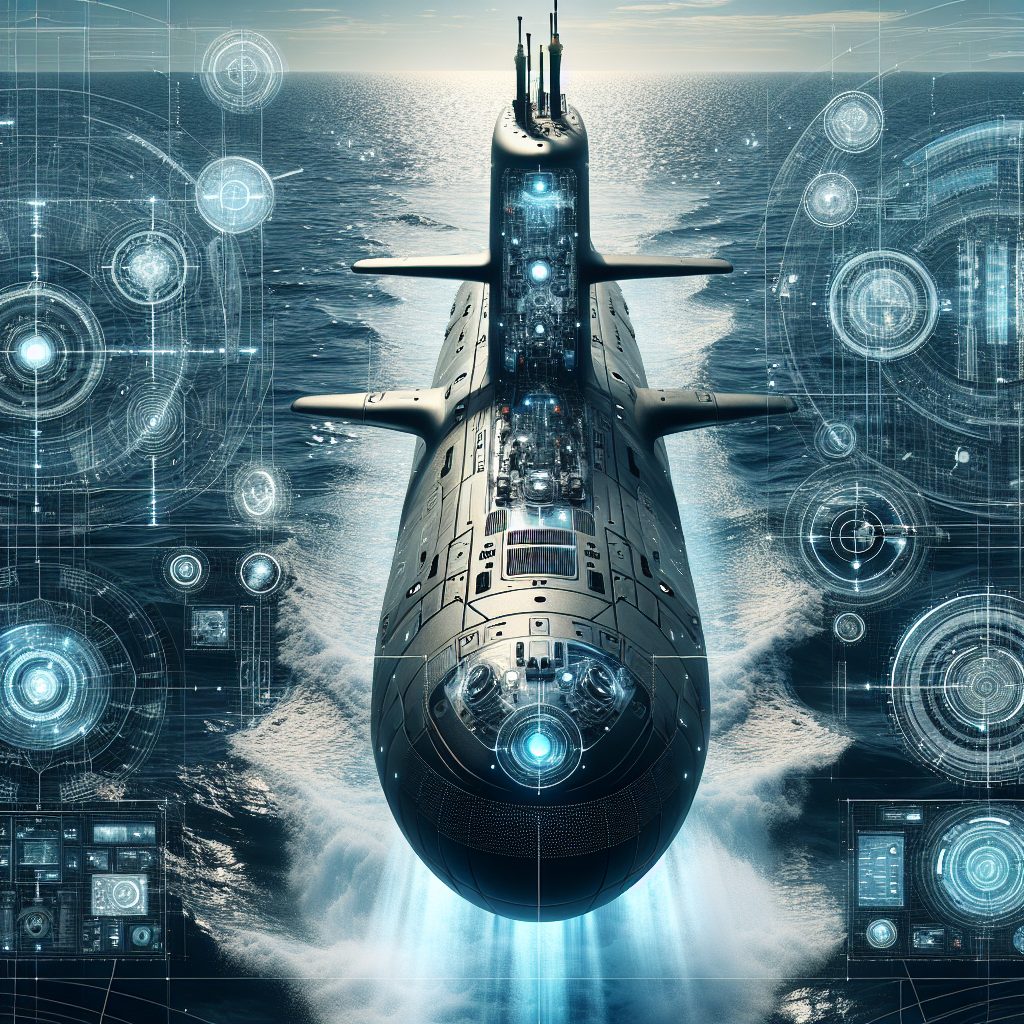
The Strategic Agreement between CACI International and Portsmouth Naval Shipyard CACI International Inc, a renowned technology company, has recently announced a significant agreement with Portsmouth Naval Shipyard. With a value of up to $145 million over five years, this contract aims to continue supporting the shipyard’s Engineering and Planning Department. This agreement promises to keep the U.S. submarine fleet ready to act at any time, representing a key component in the country’s naval defense strategy. For over thirty years, CACI International has been a trusted partner to the U.S. Navy. Their expertise in submarine warfare has been crucial in ensuring responsiveness and superiority in this field. The new contract strengthens this collaboration and ensures the continuous development of innovative solutions that enhance fleet efficiency and effectiveness. CACI International’s contract with Portsmouth Naval Shipyard is valued at up to $145 million over five years. The agreement aims to support the Engineering and Planning Department of the shipyard, ensuring the readiness of the U.S. submarine fleet. Continuous development of innovative solutions by CACI International enhances fleet efficiency and effectiveness. The Role of Advanced Technology in Submarine Warfare Technology plays a crucial role in submarines’ ability to operate effectively in modern conflicts. Innovative solutions provided by CACI include advanced planning and modeling systems, enabling better scenario forecasting and resource optimization. These systems are essential for maintaining the Navy’s strategic advantage and ensuring that each submarine is ready to deploy effectively. The implementation of technologies such as artificial intelligence and machine learning is transforming mission planning. These tools allow for a more detailed and real-time analysis of environmental conditions, improving decision-making in critical situations. Innovative solutions like advanced planning and modeling systems enhance submarines’ operational efficiency. Technologies such as artificial intelligence and machine learning improve real-time decision-making in submarine warfare. Ongoing technological advancements require continuous learning for engineers and technicians in the field. Employment and Professional Growth Opportunities in the Maritime Sector With the renewal of the contract with CACI, Portsmouth Naval Shipyard emerges as a hub of job opportunities. The demand for specialized personnel in engineering, planning, and technology applied to submarine warfare is rising, offering a range of possibilities for sector professionals. Joining this effort provides access to the latest technology and training, aligning with one of the world’s most advanced naval forces. This not only presents a professional growth opportunity but also contributes to national security strengthening. Portsmouth Naval Shipyard presents growing job opportunities in engineering, planning, and technology related to submarine warfare. Joining the effort offers access to cutting-edge technology and training, contributing to professional development. Investments in infrastructure and technology benefit the region economically and position Portsmouth as a maritime innovation hub. Implications for the Future of the Maritime Sector The collaboration between CACI International and Portsmouth Naval Shipyard symbolizes the future of the maritime sector, where technology and innovation are key drivers of progress. This agreement not only ensures the maintenance of the U.S. submarine fleet but also paves the way for future international collaborations, setting standards of excellence and efficiency. Advancements in submarine warfare are not only crucial for national security but also influence the global dynamics of maritime transportation and logistics. Techniques developed under this contract could be extrapolated to commercial applications, improving vessel operations worldwide. The collaboration sets standards of excellence and efficiency in the maritime sector. Advancements in submarine warfare impact global maritime transportation and logistics. Techniques developed in this collaboration have the potential to improve vessel operations worldwide.