


The Leading Role of Mukran Port in LNG Infrastructure in Germany by 2025

The Leading Role of Mukran Port in LNG Infrastructure in Germany by 2025 In the competitive and ever-changing European energy landscape, Mukran port, located on the island of Rügen, Germany, has emerged as the cornerstone of the country’s liquefied natural gas (LNG) infrastructure in the last quarter of 2025. Operated by Deutsche ReGas, the “Deutsche Ostsee” terminal has outperformed its state competitors in feed volumes, solidifying its position as a crucial player for the energy supply of the Baltic Sea. Record Volumes and Their Industry Significance Throughout the last three months of 2025, the Mukran terminal has stood out as the primary entry point for LNG into the German network. With a total shipment of 12.53 TWh of gas, this achievement represents approximately 15% of the average quarterly consumption of all German households and commercial customers. In December, coinciding with the seasonal increase in demand, Mukran processed 4.24 TWh, showcasing its ability to respond to winter consumption peaks. Furthermore, Deutsche ReGas, responsible for almost two-thirds of the total feed capacity, has solidified its position as a central pillar of energy security, surpassing other floating LNG storage units (FSRUs) in the country. This growth not only reinforces Mukran’s importance within the German energy infrastructure but also instils confidence in the maritime sector, which relies on a consistent and reliable supply of LNG for efficient operations in the region. Strategic Impact on the Bunkering Sector The high utilization rate of the Mukran terminal has significant implications for the marine fuel sector. The high feed capacity indicates a steady schedule of LNG carrier arrivals, reducing the risk of supply bottlenecks in the Baltic Sea. Deutsche ReGas has ambitious plans to transform Mukran into a “green hub,” including the construction of hydrogen electrolyzers to supply ammonia and other hydrogen derivatives for the next generation of dual-fuel vessels. This innovation not only addresses current demand but also prepares Mukran for the future needs of the maritime sector in its transition towards sustainable fuels. It is worth noting that unlike other state terminals in Germany, Mukran is one of the few privately funded FSRU projects. This agile, market-oriented approach has validated an effective energy import model, setting a benchmark for future initiatives in the sector. Outlook for 2026: Expansion and New Tenders The forecasts for the upcoming year are promising. Deutsche ReGas has confirmed that 80% of the terminal’s capacity for 2026 has already been reserved. Additionally, the company is in the tendering process to bring back a second FSRU, further increasing the regasification capacity. For shipowners navigating the Sulphur Emission Control Areas (SECAs) of the Baltic Sea, the stability and expansion of the Mukran centre ensure that LNG continues to be a viable and competitive transitional fuel as the industry moves towards the environmental goals of 2030. These initiatives not only promise to strengthen Mukran’s position as a leader in LNG infrastructure but also offer new job opportunities in the sector, inviting professionals to join this expanding project. Key Data of Mukran Terminal Operated by Deutsche ReGas, the port is strategically located in Mukran, Rügen Island, and is a clear example of how a private project can lead innovation and growth in a sector traditionally dominated by state entities. Operator: Deutsche ReGas (Private) Location: Mukran Port, Rügen Island Feed in 2025: 12.53 TWh Main Asset: FSRU Neptune (Subleased to TotalEnergies) Future Plans: Hydrogen electrolyzers and carbon-neutral derivatives About Deutsche ReGas Deutsche ReGas is a prominent player in the European energy infrastructure. Specializing in the rapid deployment of critical solutions for gas imports, the company not only operates successfully in Mukran but also at the Lubmin terminal, which are the first privately funded floating LNG terminal projects in Germany. Beyond its current LNG operations, Deutsche ReGas is committed to the maritime and industrial energy transition of the future. The company’s plans include building a hydrogen centre in Lubmin with an initial capacity of 200 MW, scaling up to 500 MW by 2028. In parallel, the company plans to implement the world’s first floating green ammonia cracker to provide carbon-neutral energy, directly connecting to Germany’s central hydrogen network to meet the needs of industrial and maritime customers across Europe. These initiatives not only strengthen Germany’s capacity to lead in energy innovation but also position Deutsche ReGas as a pioneer in the transition to sustainable energy solutions in the maritime sector. For readers interested in being part of this vibrant industry, it is recommended to submit resumes to Deutsche ReGas or explore more about their various projects and job opportunities, contributing to a sustainable energy revolution.
The Evolution of Technology in the Maritime Sector: Kyocera and its Advances in Underwater Communication
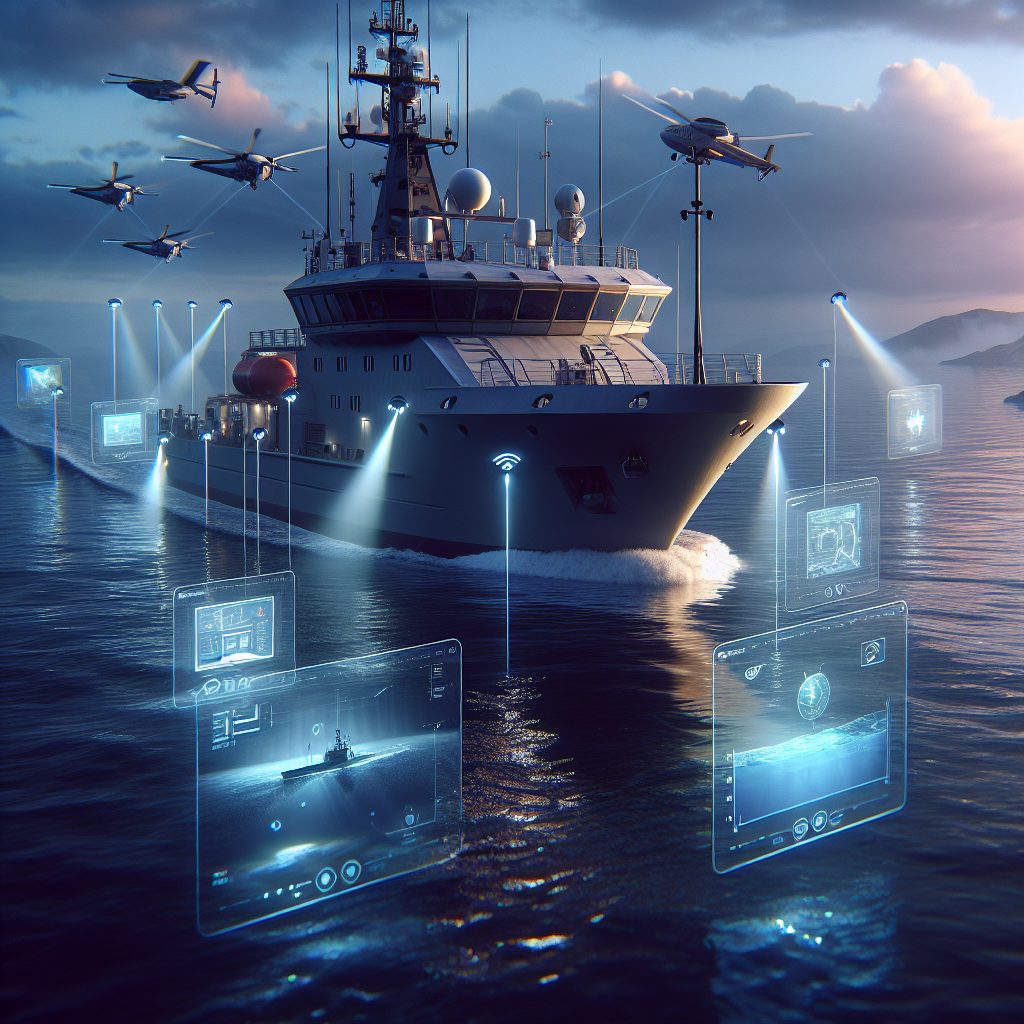
The Evolution of Technology in the Maritime Sector: Kyocera and its Advances in Underwater Communication The world of nautical technology is constantly evolving, and the innovations of leading companies like Kyocera are setting new standards in the sector. The Japanese firm is gearing up to dazzle at the CES 2026, one of the most prominent technology events worldwide, to be held in Las Vegas. On this occasion, Kyocera will showcase advancements that will transform the way we communicate underwater, opening up new opportunities in both the professional and recreational realms. Underwater Optical Communication: A Revolution in the Maritime Sector The Underwater Wireless Optical Communication (UWOC) is one of Kyocera’s most promising innovations. This system allows for fast and stable data transmission underwater, a true revolution considering the current limitations of communication in underwater environments. Up until now, underwater communication has faced numerous challenges, especially concerning data transmission speeds and signal stability. UWOC aims to overcome these challenges by using light pulses to transmit information. This technology not only enables more efficient communication between vessels and maritime equipment but also opens up a range of applications in scientific research and underwater rescue operations. Enhances operational efficiency and safety in the maritime sector Potential for creating new job opportunities in maritime telecommunications Improves competitiveness for companies adopting this technology High-Resolution Depth Sensors: Precision for Modern Navigation Kyocera has not only focused on communication but also on improving the accuracy and safety of maritime operations with its AI-based triple-lens depth sensor. This innovative tool offers high-resolution images at close range, providing an unprecedented level of detail for navigators and industry professionals. Safe and efficient navigation is crucial for both commercial vessels and recreational boating. Traditional nautical charts often lack accuracy, which can lead to costly or dangerous incidents. With this sensor, captains can manoeuvre with greater confidence, reducing the risk of accidents and optimizing operational performance of vessels. Enhances fleet safety and protects investments for maritime investors Facilitates marine research and exploration, increasing navigation knowledge and efficiency Portable Aerial Display: A Leap Towards the Future Finally, the Portable Aerial Display represents a new paradigm in how data is presented and used in the nautical sector. This display system, which can be easily carried, projects images and information directly into the air, allowing users to access crucial data in real-time without the need for traditional physical interfaces. The utility of this technology in nautical activities is immense, as it enables sailors to receive weather information, navigation data, and other critical elements without taking their eyes off the surroundings. Enhances onboard operations for merchant vessels Valuable educational tool for maritime training Impact and Future of Kyocera’s Technologies These innovations by Kyocera not only offer practical and efficient solutions to the maritime sector but also open up a realm of possibilities for professionals and investors looking to stay at the forefront. By integrating technologies like UWOC, high-resolution sensors, and aerial visualization, companies not only optimize their operations but also promote a safer and sustainable environment. From the perspective of the merchant navy, improved underwater communication means more precise and secure logistics, while high-resolution sensors and portable aerial displays elevate current navigation standards. These technologies not only improve efficiency but also have a significant impact on long-term cost reduction. For nautical enthusiasts, these innovations herald a new era of exploration and adventure, allowing for safer and more detailed interaction with the marine environment. The job opportunities that arise with the implementation of these technologies in the maritime sector are also a motivation for professionals seeking expansion and development in their careers. In conclusion, the future of the nautical sector is increasingly tied to technology and innovation, and advancements like those presented by Kyocera at the CES 2026 are a clear indication of how the industry is adapting to the new market demands. Staying informed about these trends is essential for readers of WishToSail.com to remain relevant and competitive in this dynamic field.
Innovation and Leadership at SSA Marine: Charting New Courses for a Sustainable Future

Innovation and Leadership at SSA Marine: Charting New Courses for a Sustainable Future SSA Marine, recognized as one of the world’s leading independent marine terminal operators, has recently announced key promotions within its management team. Meghan Weinman has been appointed president of SSA Marine’s conventional division, while Abigail Struxness has been promoted to vice president of sustainability. These decisions reflect a renewed commitment to innovation, sustainability, and operational efficiency, all essential elements in today’s maritime industry. Meghan Weinman’s appointment as president is a strategic move to strengthen the company’s alignment with its customers’ priorities and long-term business goals. With extensive experience in the sector, Weinman is expected to lead the conventional division with a focus on operational optimization and global growth. For maritime professionals and investors, this renewed leadership represents an opportunity to align their strategies with a company that places innovation at the core of its operations. On the other hand, Abigail Struxness’s promotion to vice president of sustainability underscores the critical importance of developing greener practices within the maritime sector. With a proven track record in sustainability initiatives, Struxness is ideally positioned to guide SSA Marine towards a more environmentally responsible future. Such initiatives can bring transformative change to port operations, significantly reducing carbon footprint. Navigators and stakeholders can expect to see a positive impact not only in terms of corporate social responsibility but also in long-term efficiency and profitability. Sustainability: The Cornerstone of New Strategies The appointment of a vice president of sustainability highlights SSA Marine’s commitment to reducing the environmental impact of its operations in an increasingly sustainability-conscious world. Struxness’s focus will include implementing advanced technologies for waste management, reducing energy consumption, and developing sustainability training programs for all staff. This is not only crucial for complying with international environmental regulations but can also be a differentiating factor in the market. For maritime investors, a focus on sustainability is more than an ethical issue: it is a smart business strategy. Companies that integrate sustainable practices into their operations often see a positive return in terms of operational efficiency and reputation, factors that can help boost stock value and attract new investments. This strategy can serve as inspiration for other companies in the sector, guiding industry players towards broader adoption of sustainable practices. In the workplace, this commitment to sustainability opens up new opportunities for professionals interested in green practices. Maritime workers and nautical enthusiasts can find in SSA Marine an environment where innovative ideas about sustainability are not only welcomed but highly valued. Engaging with a team committed to this change can provide significant communication and professional development benefits. Technological Innovations: Transforming Port Operations SSA Marine’s operational architecture is being transformed not only in terms of leadership but also through the adoption of innovative technologies that promise to revolutionize the functioning of its marine terminals. Advanced digitalization of operations, from using artificial intelligence for cargo management to implementing smart logistics platforms, is among the primary goals of the division led by Weinman. For industry professionals, these technological innovations mean increased efficiency and reduced downtime, critical factors for success in a highly competitive global market. Emerging technologies enable a smoother and optimized workflow, resulting in fewer human errors and better resource utilization. This not only improves productivity but also creates a safer and more controlled work environment. Navigators and nautical enthusiasts interested in technological advancements will find in SSA Marine practical examples of how technology can be effectively integrated into daily operations. From a navigator’s perspective, understanding how these innovations are being implemented in an organization of this magnitude can provide valuable insights applicable to their own operational practices. The Global Impact of SSA Marine’s Strategies SSA Marine’s renewed focus on leadership, sustainability, and technological innovation not only influences at an organizational level but also has a global reach. The company continues to expand internationally, opening up new routes and markets, offering maritime professionals an exciting outlook on the opportunities that may arise in the future. The expansion of maritime routes is of interest to navigators and companies alike, as it paves the way for potential collaborations and employment in growing markets. From a workforce perspective, new routes offer employment opportunities for sailors and other maritime professionals in regions that may have been previously out of reach. By leading these initiatives, SSA Marine not only seeks to expand its sphere of influence but also to attract talented individuals who share its vision of a more efficient and sustainable future. Additionally, for investors, SSA Marine’s global growth represents significant potential for return on investment. Companies demonstrating strong leadership and clear strategic direction, like SSA Marine with its new appointments and strategies, are seen as safe bets in the current volatile market. Looking towards the future, those wishing to be part of a evolving industry will find in SSA Marine an optimal environment for growth and professional development. Conclusion: A Promising Future for the Maritime Industry The recent promotions within SSA Marine are indicative of the company’s commitment to innovation, sustainability, and leadership in the maritime sector. With a focus on operational excellence, environmental responsibility, and technological advancement, SSA Marine is setting a course towards a more sustainable and efficient future for the industry.
The Impact of KARNO™ Technology on the Maritime Industry

The Impact of KARNO™ Technology on the Maritime Industry The KARNO™ technology, backed by Hyliion Holdings Corp, is a groundbreaking advancement in sustainable energy production with significant implications for the future of the maritime sector. In a world where energy sustainability is a top priority, Hyliion Holdings Corp has achieved a major milestone by successfully completing the first phase of performance testing for its KARNO™ technology. This milestone is part of a development program funded by the United States Naval Research Office to evaluate the effectiveness of innovative systems in operational conditions of the US Navy. The KARNO™ technology is a sustainable electricity production system designed to track load, meaning it can adjust its energy production based on instant demand. This load-tracking capability is crucial in maritime applications where energy needs can vary drastically depending on onboard operations. The technology’s ability to adapt to these dynamic demands makes it an attractive option for the merchant navy and other professional nautical applications. The success of these initial tests not only demonstrates the reliability and resilience of the system under US Navy load profiles but also highlights its potential to transform maritime operations by offering a cleaner and more efficient energy solution. For maritime investors and nautical enthusiasts, the KARNO™ technology represents an unprecedented opportunity to participate in the advancement towards a more sustainable future. Impact on the Merchant Navy: Opportunities and Development Implementation of KARNO™ technology could revolutionize operational efficiency and significantly reduce vessel carbon footprints. Advantages include improved onboard energy efficiency, reduced fuel consumption, and lower pollutant emissions. Aligns with increasingly stringent international regulations on maritime emissions. The development of this technology also opens the door to new job opportunities. Companies adopting these innovations will require skilled personnel for the installation, maintenance, and optimization of these advanced systems. Therefore, industry professionals looking to stay ahead can find in KARNO™ an ideal starting point to advance their careers. Companies interested in exploring these opportunities can be a promising destination for those willing to lead the transition towards a greener industry. KARNO™ Technology: A Catalyst for Innovation in Maritime Routes Optimizes energy use, allowing for more efficient route planning to reduce consumption and maximize vessel performance. Improved route optimization could lead to shorter transit times and lower operating costs, benefiting maritime transport companies. Opens the door to new commercial routes previously unviable from an energy or economic perspective. The ability of KARNO™ to redefine maritime routes presents an opportunity for nautical enthusiasts and investors to explore new possibilities in global trade. Those willing to invest in these technological innovations could play a key role in transforming the maritime industry, becoming pioneers of a shift towards more efficient and sustainable transportation. Relevance to the WishToSail.com Audience The success of KARNO™ technology in testing with the US Navy is highly relevant to WishToSail.com readers for several reasons. For maritime professionals, this technology offers a path to improve operational efficiency and sustainability, leading to a reduced carbon footprint and compliance with increasing regulatory demands. For maritime investors, investing in clean technologies like KARNO™ provides an opportunity to lead the shift towards the future of maritime transport. Furthermore, for nautical enthusiasts and sailors, the advancement of KARNO™ could usher in a new era of navigation with more efficient and environmentally responsible vessels. The opportunity to actively participate in this change is unique for those looking to be at the forefront of the maritime and nautical revolution. Stay tuned for further developments in KARNO™ technology and explore its potential applications in your respective professional or interest areas. The transition to a more sustainable future in the maritime sector has begun, offering opportunities as vast as the ocean itself.
Innovación en la Reducción de Emisiones: dynaCERT y su Impacto en el Sector Marítimo
Innovation in Emission Reduction: dynaCERT and its Impact on the Maritime Sector Innovation in Emission Reduction: dynaCERT and its Impact on the Maritime Sector In the realm of the nautical industry, a significant change has taken place in the direction of dynaCERT Inc., a company known for its innovations in carbon emission reduction. Starting from January 1, 2026, Doug Seneshen, who had played a crucial role as the Chief Director of the Board since 2024, has officially retired. His departure leaves an indelible mark but also opens the door to new opportunities and challenges in the industry. Seneshen’s legacy of leadership has been a cornerstone for dynaCERT, guiding the company through a period of significant growth and innovation. His decisions and guidance have been essential in solidifying the company’s position in the technological field, especially in the development of solutions to reduce carbon emissions, a topic of great relevance to the maritime sector. The Board’s recognition towards Seneshen reflects a deep gratitude for his contributions. The company, while facing the challenge of moving forward without his direct leadership, is well positioned to continue its mission with a renewed focus on clean technology. Emission Reduction Technology: A Promising Future for Nautical Industry The technology developed by dynaCERT focuses on carbon emission reduction, an innovation that is becoming increasingly vital in the maritime sector. With environmental regulations becoming more stringent, the adoption of technologies that mitigate environmental impact becomes essential. This is where dynaCERT plays a crucial role, offering solutions that are not only viable but also sustainable for the long term. dynaCERT’s patented technology, known as HG1, is designed to improve fuel efficiency while reducing exhaust gas emissions. By optimizing fuel consumption, companies can significantly reduce operational costs. These technologies are not merely optional but a necessity for any company in the maritime sector looking to stay relevant and competitive in an increasingly climate-conscious global market. With the focus on sustainability and efficiency, dynaCERT’s technologies provide both environmental benefits and significant economic advantages to maritime operators. Benefits for Maritime Sector and Job Opportunities The implementation of these innovative technologies in the maritime sector offers clear advantages. Firstly, they provide companies with a way to comply with strict environmental regulations without compromising operational efficiency. dynaCERT’s solutions enable cleaner, more sustainable, and cost-effective operations, which are essential in a world where sustainability is becoming a market standard. Secondly, the reduction in operational costs due to improved fuel consumption efficiency means that companies can reallocate resources to other strategic areas, thereby enhancing their competitiveness in the sector. Additionally, the quick return on investment in technologies like those offered by dynaCERT further incentivizes companies to adopt these innovations. Lastly, the expansion and adoption of this technology create an increase in job opportunities. With dynaCERT leading technological innovation, new positions for engineers, technicians, and other technology specialists in green technology are emerging. Maritime professionals are encouraged to consider these opportunities and submit their resumes to companies at the forefront of this transformation. Exploring the Future with Optimism The transition to cleaner technologies is not just a trend but an urgent necessity that is transforming the profile of the maritime sector. Companies like dynaCERT are positioning themselves not only as leaders in innovation but as strategic partners on the path to a more sustainable future. This approach not only protects the environment but also ensures that the maritime sector can face and adapt to the regulatory and market changes that are already underway. The application of these technologies has the potential to redefine how ships operate, the maritime routes they choose, and ultimately, how they impact the world around them. In a world where sustainability is key, dynaCERT’s commitment to reducing carbon emissions offers a promise of a cleaner tomorrow for all. It is an open invitation to all professionals and enthusiasts in the maritime sector to explore and engage in these innovative solutions, which promise not only a greener future but also one full of opportunities.
Strategic Analysis: What Maritime Investors Can Expect from J.B. Hunt’s Financial Report in 2025
Strategic Analysis: What Maritime Investors Can Expect from J.B. Hunt’s Financial Report in 2025 The world of maritime and land transportation is constantly evolving, and J.B. Hunt Transport Services, Inc., one of the leading transportation service companies in the United States, is no exception. The company has announced that it will release its fourth-quarter earnings for 2025 after the market closes on Thursday, January 15, 2026. This event promises to attract the attention not only of maritime investors but also of logistics and nautical sector professionals seeking to understand the economic impact of combined transportation operations. The importance of this announcement is magnified when we consider the interconnection between maritime and land transportation. For maritime investors, having a clear understanding of how J.B. Hunt manages its logistics is crucial to anticipate how these practices can be transferred to the maritime sector. Through a conference scheduled for 16:00 hours (CST) on the same day, J.B. Hunt’s executives will address the quarterly results and answer questions from the investor community, offering an invaluable opportunity to obtain direct and updated information. The implications of this financial report are significant for merchant marine professionals looking to delve into business management techniques that could be applied in their respective fields. Additionally, this information could serve as a barometer of the economic state of the transportation industry, helping investors adjust their strategies according to the new data presented. Innovations in Combined Transportation In a global environment where efficiency and sustainability are increasingly valued, J.B. Hunt has been at the forefront of adopting technological innovations in its logistics and transportation operations. This approach not only optimizes its internal processes but also has a direct impact on the maritime sector, where supply chain efficiency is essential to maintain competitiveness. J.B. Hunt’s investment in real-time tracking technology allows transport companies to monitor their shipments at every stage of the process, ensuring that delays are minimized and that the cargo reaches its destination efficiently. The implementation of tracking technologies can significantly improve route planning and maritime traffic management for sailors and industry professionals. Furthermore, the integration of automation and artificial intelligence plays a crucial role in optimizing transportation operations, increasing operational efficiency for companies like J.B. Hunt and setting a precedent for others in the maritime transportation sector. The adoption of these technologies can result in lower costs and more agile logistics, benefits that undoubtedly attract both investors and industry enthusiasts. Market Implications and Job Opportunities With the publication of the financial report, maritime professionals can analyze market trends and evaluate how J.B. Hunt’s practices can be applied in their own context. This analysis is particularly relevant for those seeking job opportunities in a market increasingly dependent on technology and advanced logistics. The transportation industry is undergoing a transformation involving the adoption of innovative technologies and a shift in the demand for professional skills. The integration of new technologies opens up opportunities for professionals willing to adapt to changes and acquire new competencies, especially in areas like supply chain management and operating automated systems. J.B. Hunt is constantly seeking talent to contribute value to its robust and expanding logistics system, offering insights into potential hiring focuses for those interested in exploring job opportunities in the company or the maritime sector in general. Three Reasons to Pay Attention to J.B. Hunt’s Financial Report J.B. Hunt’s financial report is not just an accounting document; it is a window into broader market trends. Firstly, for maritime investors, this report provides a detailed analysis of how land logistics strategies can be applied to maritime transport, enhancing the efficiency and sustainability of operations. Secondly, for sailors and nautical industry professionals, J.B. Hunt’s focus on technology can serve as a guide for modernizing their own operations. The adoption of tracking and automation technologies not only improves logistics but also enhances safety and reduces operating costs. Lastly, for nautical enthusiasts and those interested in professional development within the sector, this report presents an opportunity to better understand the emerging job market driven by technology and innovative practices. Future Perspectives and Conclusions Looking ahead, the expectations for J.B. Hunt’s financial results in the fourth quarter of 2025 go beyond corporate concerns. They reflect how transportation companies are navigating times of technological changes and economic uncertainties. The potential impact of these results on the maritime sector is considerable, offering a roadmap for those looking to capitalize on emerging trends. The maritime transportation industry has much to learn from the innovations and practices adopted by transportation giants like J.B. Hunt. With the conference scheduled for January 15, 2026, industry professionals have an unparalleled opportunity to gain firsthand knowledge of how a leading company is addressing the challenges of the century.