


India’s Ambitious Plan to Revitalize its Shipbuilding Industry

India’s Ambitious Plan to Revitalize its Shipbuilding Industry In a strategic move to reposition India on the global maritime map, the government has approved an unprecedented investment of $5.4 billion to revitalize its shipbuilding industry. This ambitious plan, slated to run until 2036 with a possible extension to 2047, aims to establish India as a major global maritime power. The program will allocate $3 billion in direct grants for shipbuilding, while $2.4 billion will be invested in upgrading shipyard infrastructure. Currently, India holds a low position in the global shipbuilding industry, but the goal is clear: to break into the top 10 globally by 2030 and reach the top 5 by 2047. Taking a cue from China’s early 2000s industrial policy, India’s strategy seeks to accelerate the sector’s modernization and growth. The reference to the transformation of India’s automotive industry in the 1980s, known as the ‘Maruti moment,’ underscores the aspiration to replicate a success of similar scale in the naval sector. The Dual Strategy: Grants and Infrastructure Improvements The Indian government’s plan focuses on two key pillars: making orders more competitive with grants of 15% to 25% per ship and equipping shipyards with top-notch capacity. This dual approach aims not only to increase production but also to enhance the quality and competitiveness of ships built in India. Direct grants of 15% to 25% per ship Investment in upgrading shipyard infrastructure Establishment of state-backed credit guarantees Financially, state-backed credit guarantees have been set up to match export financing conditions, a crucial aspect in the competitive Asian market. With this combination of incentives and support, India aims to position itself as a serious alternative to China’s dominance in the sector. Therefore, India’s proposal is not only economic but also geopolitical. By offering competitive prices and state support, without the risks associated with Chinese supply, India aims to attract a wide range of international customers. Global Impact: How Will it Affect the European Market? The potential impact of India’s plan on the European market cannot be underestimated. Traditionally, European shipyards have moved away from basic segments such as bulk carriers and tankers to focus on high-complexity, high-value niches like cruise ships and specialized vessels. However, with a global shipbuilding market projected to grow moderately, India’s entry with strong public support and a clear export orientation could intensify price competition. This could put pressure on segments still held by some European builders. For Europe, a renewed commitment to shipbuilding could require long-term industrial policies in a market increasingly influenced by subsidies and geopolitical considerations. The question is whether Europe and the United States are willing to accept a higher concentration of capacity outside their borders or, alternatively, to sustain their own sectors with support policies. Relevance and Opportunities for the Maritime Sector India’s plan offers various opportunities for professionals in the maritime sector. Firstly, it represents an opportunity for those with experience in shipyard management and operation seeking new positions in a growing market. Indian companies may be looking for international talent to meet their ambitious goals. Secondly, the expansion of the shipbuilding industry could benefit the global supply chain, from raw material suppliers to manufacturers of specialized equipment. Contracts with Indian shipyards could open doors for European and American companies specializing in these fields. Finally, for investors, the Indian maritime sector presents a significant investment opportunity in an emerging market. The economic stability and growing demand for maritime services offer an attractive environment for foreign capital. Final Considerations: A Promising Future India’s strategic plan to transform its shipbuilding industry promises to redefine the global maritime landscape. With government backing and a strategy inspired by the Chinese model, India has the potential to become a new leader in the industry. For readers of WishToSail.com, this is a moment to observe and consider how these initiatives may influence their career plans, investments, and business strategies. The transformation of the Indian naval sector is not just a local phenomenon but a global call to adapt and capitalize on the emerging opportunities. In summary, the horizon promises a vibrant future for shipbuilding, and industry players must be prepared to embark on this new wave of innovation and growth.
BlueWater Marinas Expands its Presence with the Acquisition of Kent Narrows Boatel: Opportunities and Innovations for the Nautical Sector
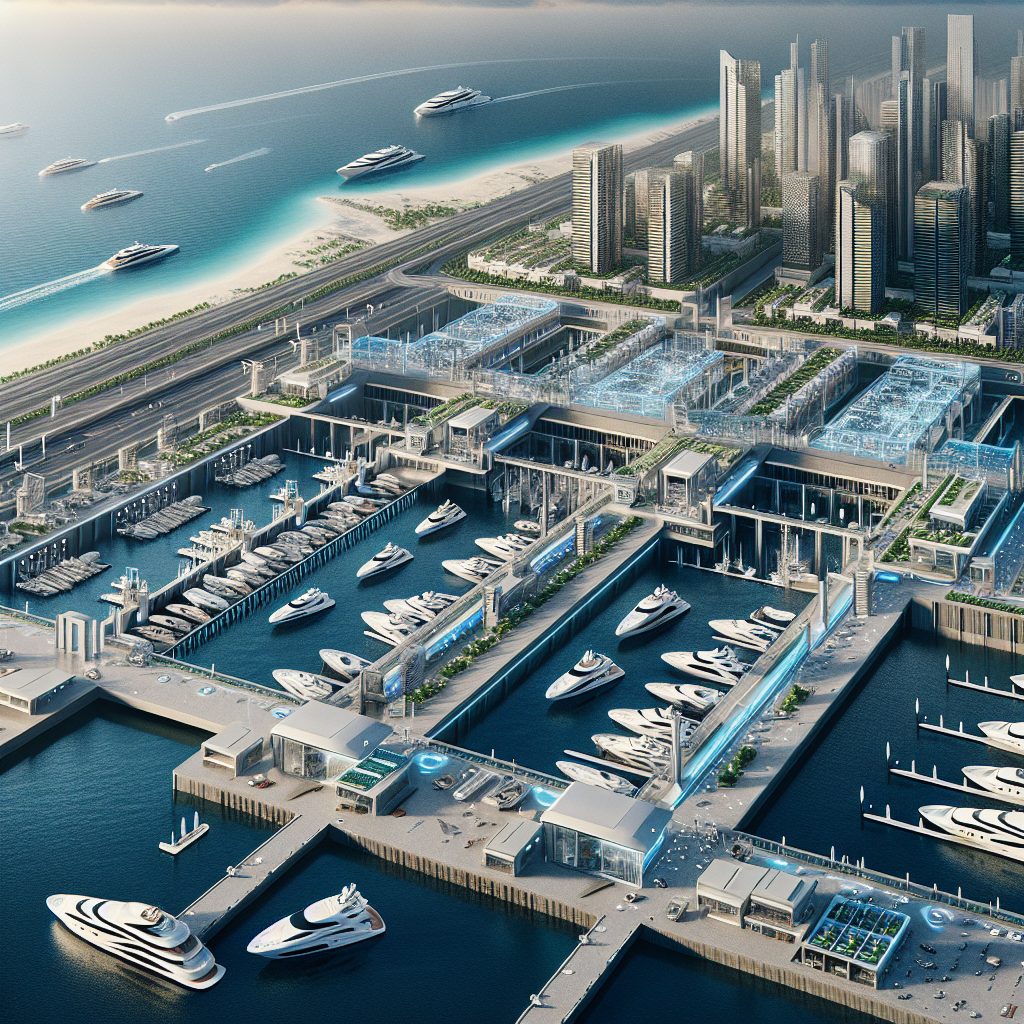
BlueWater Marinas Expands its Presence with the Acquisition of Kent Narrows Boatel: Opportunities and Innovations for the Nautical Sector BlueWater Marinas Expands its Presence with the Acquisition of Kent Narrows Boatel: Opportunities and Innovations for the Nautical Sector Introduction to the Acquisition: A New Gem in BlueWater’s Portfolio The acquisition of Kent Narrows Boatel by BlueWater Marinas, a company supported by Bain Capital, marks a significant milestone in the maritime sector. Strategically located near Annapolis, in Kent Narrows, Maryland, this climate-controlled drystack marina not only adds a valuable asset to BlueWater’s portfolio but also opens up new opportunities for nautical professionals and enthusiasts. Founded in 2017, Kent Narrows Boatel has been a cornerstone in the local boating community, known for its quality operations and top-notch physical plant. This integration underscores BlueWater’s commitment to service excellence and aims to enhance the nautical infrastructure of the region. The news of the acquisition has sparked interest among potential maritime investors, employers, employees in the sector, as well as sailors seeking first-class facilities. Innovations in Technology: A Step Towards the Future of Marinas One of the main reasons Kent Narrows Boatel has become an attractive target is its focus on technological innovations. The marina is equipped with automated boat storage and retrieval systems, ensuring efficiency and safety for sailors. This technology not only minimizes wait times but also reduces the risk of damage during maneuvers. Additionally, the facilities feature a climate control system that protects boats from inclement weather, particularly valuable in regions with variable weather conditions. Efficient Energy Management Data shows that efficient energy management systems at KNB have resulted in a 20% reduction in operational costs. Users have reported a 30% decrease in environmental impact due to these energy-efficient practices. For industry professionals, this type of infrastructure sets a new standard in boat care and management, translating into higher customer retention and satisfaction. The use of efficient energy management technology is another key aspect of KNB’s operations, aligning with current trends towards sustainability. Investors and end-users can benefit from reduced operating costs and less environmental impact, an increasing priority in the maritime sector. Impact on the Local Nautical Community: Creating Opportunities The acquisition of Kent Narrows Boatel not only strengthens BlueWater’s position in the market but also creates new job opportunities in the region. From facilities management professionals to boat maintenance technicians, demand for specialized personnel is expected to increase. Local employers can benefit from the experience and resources that BlueWater brings, driving economic growth in the community. Members of the nautical community can also anticipate improvements in services and customer care, thanks to BlueWater’s focus on operational quality and innovation. Furthermore, this expansion offers sailors and maritime enthusiasts an opportunity to enjoy new routes and unparalleled maritime experiences. Future Outlook: Growth and Development Potential With the addition of Kent Narrows Boatel, BlueWater Marinas not only expands its geographical presence but also positions itself as a leader in technologically advanced marinas. This strategic move is a clear indication that the company aims to set a new standard in the industry, combining sustainability, technology, and customer service. Investors can benefit from this acquisition as the drystack marina sector is expected to continue growing. The location of KNB, along with its advanced features, makes it a promising investment in terms of returns and market expansion. In summary, BlueWater Marina’s recent expansion through the acquisition of Kent Narrows Boatel represents a significant development in the nautical sector. As marinas worldwide face the need to modernize and become more sustainable, initiatives like this set the pace and inspire others to follow suit. Conclusion: Inspiration for the Maritime Sector The addition of Kent Narrows Boatel to BlueWater Marina’s portfolio is a clear sign that the future of the nautical sector is intertwined with innovation and sustainability. For sailors, professionals, and sector enthusiasts, this news is an inspiring reminder that opportunities are there to be seized. BlueWater’s expansion could mean a significant career change for professionals interested in being part of this exciting journey. Ultimately, the acquisition of Kent Narrows Boatel by BlueWater not only represents business growth but also the possibility of transforming the nautical experience for the better.
The Strategic Fusion in the Maritime Sector: CoolCo and EPS Ventures Set a New Course

The Strategic Fusion in the Maritime Sector: CoolCo and EPS Ventures Set a New Course In a significant strategic move, Cool Company Ltd. (“CoolCo”) has concluded its merger with a newly formed subsidiary of EPS Ventures Ltd. (“EPS”). This development, announced on January 6, 2026, marks a turning point in the maritime sector, especially in the liquefied natural gas (LNG) transportation market. The merger, carried out through a cash merger process and already officially registered in the Bermuda Companies Registry, brings new dynamics to an industry in constant evolution. The agreement sees CoolCo, known for its modern fleet of LNG carriers, merging with an EPS subsidiary, thus expanding its access to robust markets and financial resources. This integration not only presents an opportunity to expand operations but also promises to optimize operational efficiency through the synergy of technologies and strategies from both entities. The merger aims not only for growth but also for the consolidation of CoolCo as a leader in LNG maritime transportation. For industry professionals, this merger is relevant for several reasons. Firstly, it anticipates the creation of new job opportunities, thanks to the expansion of operations and the need for specialized talent in logistics management and advanced technological operations. Secondly, the technological integration between the two companies promises innovations that could redefine offshore operations, optimizing routes and reducing environmental impact. Finally, the merger could significantly influence the stock market, as EPS Ventures is known for its strategic focus and strong financial backing. Impact on the Maritime Market: Innovation and Technology The fusion of CoolCo and EPS Ventures is set to drive a wave of technological innovations. Both companies, once leaders in their field, now combine their resources to advance the development of more efficient and sustainable solutions. With CoolCo bringing expertise in navigation and EPS offering its focus on disruptive technologies, the new entity is expected to introduce significant improvements in LNG transportation. The collaboration is anticipated to strengthen the use of advanced technologies, such as autonomous navigation systems and big data analytics, to optimize maritime routes. These innovations will not only reduce operational costs but also contribute to minimizing environmental impact, a crucial aspect in an industry increasingly conscious of its environmental responsibilities. Moreover, the focus on green technology could open new opportunities for partnerships with renewable energy companies. For maritime investors, this merger represents an opportunity to invest in a company at the forefront of innovation and sustainability. The proposed technological integration promises an increase in efficiency that could translate into better margins and, therefore, a more robust financial performance. As companies seek new markets and optimize their operations, the potential benefits for investors are significant. New Routes and Opportunities: Future Perspectives The consolidation of CoolCo and EPS Ventures offers a range of new maritime routes that could revolutionize LNG transportation. By capitalizing on expanded operational capabilities, the merged company aims to expand its reach to new geographies, including emerging markets where LNG is increasingly demanded as a clean and efficient energy source. This expansion will not only generate significant economic benefits but also provide pathways for the development of port and logistics infrastructure in key regions. The need to create new port facilities and enhance existing ones to handle the growing demand for LNG can translate into an economic boost for the involved localities. Furthermore, entering new markets could foster governmental and business cooperation in the interest of sustainable development and innovation. For sailors and nautical enthusiasts, the new routes represent an exciting opportunity to explore uncharted areas of the globe while participating in a dynamic and growing industry. Additionally, hiring initiatives related to these new routes may serve as a gateway for those looking to enter or advance in maritime careers. Those interested should consider submitting their resumes to CoolCo and EPS Ventures to explore job opportunities on the horizon of this expansive collaboration. Conclusion: A New Paradigm in Maritime Transportation The merger between CoolCo and EPS Ventures is a momentous event in the maritime industry, enhancing not only the individual capabilities of each company but also promising to shape the future of LNG transportation. With a reinforced commitment to technological innovation and sustainability, this merger not only enhances growth opportunities but also redefines the paradigm of maritime logistics. The relevance of this agreement for the different segments of WishToSail.com’s audience is significant. For merchant marine professionals, it represents the promise of new job opportunities and professional growth. For investors, the merger offers a solid investment case in a technology-oriented entity capable of leading the market. Lastly, for nautical enthusiasts and sailors, it opens a range of exploration possibilities in international waters. Ultimately, this merger exemplifies how strategic alliances can lead to significant transformations in the maritime sector.
Revolutionary Technological Advancement in Qingdao Port: Automated Vacuum Mooring System

Revolutionary Technological Advancement in Qingdao Port: Automated Vacuum Mooring System The Qingdao Port, located on the east coast of China, has introduced an innovative technology that promises to revolutionize the global port sector: the automated vacuum mooring system. Since January 1, 2026, this port has implemented the first high-vacuum suction system for mooring large vessels, pioneering port automation. This system was inaugurated with the docking of the MSC Saudi Arabia container ship, a 366-meter giant. Instead of the traditional use of ropes and dock workers, the process is now automated, completing mooring in less than 30 seconds, as opposed to the 20 to 30 minutes required by conventional maneuvers. Not only does the high-vacuum suction technology significantly reduce mooring time, but it also improves operational safety by minimizing human intervention in one of the most hazardous areas of the port. According to a representative from the Qingdao port, “this advancement marks a significant milestone in port automation and safety.” The automated mooring system at the Qingdao port consists of 13 mooring units distributed along the dock line. These units can generate a force of approximately 2,600 kN, allowing the mooring of vessels over 200 meters in length, including current mega-container ships. The infrastructure is based on a three-layer control architecture: a centralized remote control center, mobile terminals, and local control units. This enables real-time operational monitoring along the dock line. The integration of advanced sensors and intelligent decision-making algorithms ensures constant monitoring of vessel movements and environmental conditions such as wind, waves, and currents. This technological approach not only enables mooring automation but also significantly optimizes resources and operations, enhancing the port’s logistical capacity without the need for physical expansion. The efficiency of the new mooring system not only provides advantages in terms of safety and time but also has significant economic implications. The Qingdao port estimates that this advancement could save more than 200 hours annually in mooring time, increasing annual scale capacity without the need for physical expansion. This operational efficiency increase provides greater opportunities for shipping companies and logistics operators to optimize their transit and operation times, which is crucial in an increasingly competitive market. Reasons to Pay Attention to This Innovation: Advancement towards improving labor safety by eliminating the need for personnel in traditionally dangerous areas. Significant reduction in operation times translates to increased port capacity without physical expansion, economically beneficial and environmentally responsible. Setting a precedent in port technology that other ports worldwide may follow, driving a transformation in the maritime industry. The successful implementation of the automated vacuum mooring system in Qingdao could be just the beginning of a paradigm shift in global port management. Its effectiveness and economic and safety benefits make it a model for other ports looking to modernize their operations. Automation not only optimizes operations but also promotes more effective resource utilization, fostering innovation and sustainability in the maritime sector. This trend is relevant not only for ports but also for shipping companies, logistics operators, and government entities interested in improving port efficiency and reducing operational costs. Conclusion: Innovation and Adaptation, Keys to the Port of the Future The advancement of the Qingdao port in automated vacuum mooring is a clear example of how technology can transform traditional industries. The ability to adapt and integrate these innovations will be crucial for stakeholders in the maritime sector who want to stay ahead. Initiatives like this not only open new doors in terms of efficiency and safety but also offer an inspiring vision of how the future of maritime transportation can be more sustainable, profitable, and secure. In a world where speed and safety are crucial factors, the Qingdao port has set a precedent for innovation that others will inevitably follow. We invite our readers to stay tuned to these developments and consider how these technological innovations can be integrated into their own nautical practices and projects.
The New Era of Green Fuel in the Mediterranean
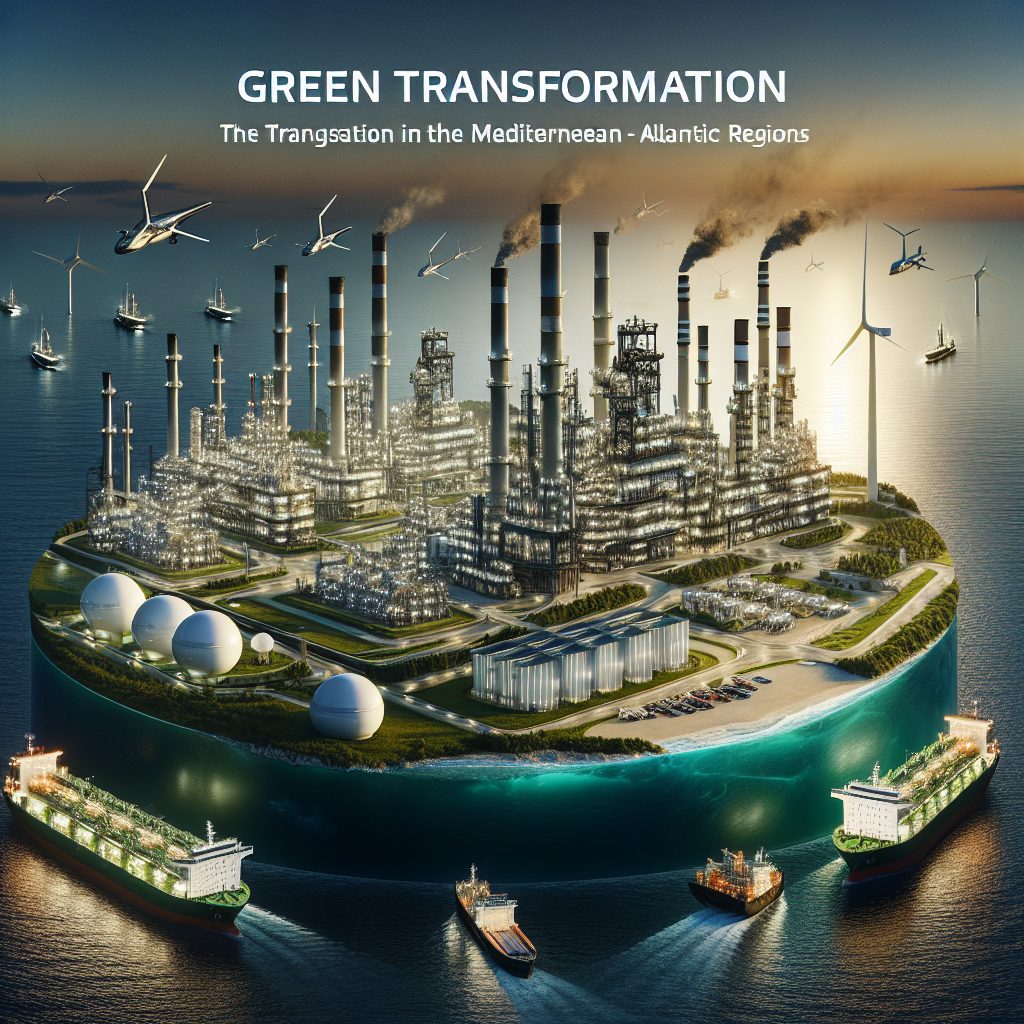
The New Era of Green Fuel in the Mediterranean In a groundbreaking move that is set to revolutionize the energy landscape of the Mediterranean and the Atlantic, the Portuguese energy leader Galp and the Spanish multinational Moeve have announced a preliminary agreement to merge their downstream operations. This merger aims to create two entities: IndustrialCo, focusing on refining and green molecules, and RetailCo, a pan-Iberian mobility platform. This agreement stands out for its potential to transform the fuel supply in the region, consolidating a crude processing capacity of approximately 700,000 barrels per day at three strategic coastal industrial sites. For fuel suppliers and ship operators, this merger signifies a significant consolidation of the supply chain at the gateway to the Mediterranean. The combination of the Sines refinery in Portugal with the San Roque and La Rábida complexes in Spain establishes an integrated logistics network spanning the entire Iberian coast. This integration not only streamlines refinery logistics but also positions these assets for the development of green hydrogen and other low-carbon molecules. Accelerating the Transition to Green Molecules One of the key objectives of this merger is to scale up the production of next-generation marine fuels. The partnership between Galp and Moeve aims to combine low-carbon projects, such as the production of HVO/SAF and green hydrogen in Sines, with Moeve’s Valle de Hidrógeno Verde in Andalucía. The Andalusian project, already a reference in the industry, aims to achieve a 2 GW electrolysis capacity. This level is crucial to increase the availability of biofuels, green methanol, and ammonia, essential elements for the decarbonization goals of the maritime sector under the IMO 2030 and FuelEU Maritime regulations. The adoption of these green fuels is not only a win for sustainability but also an opportunity for energy sector professionals to take part in leading this transition, presenting an attractive career prospect in a growing sector. RetailCo: Dominating the Mobility Value Chain While IndustrialCo focuses on “heavy” energy, RetailCo will concentrate on the consumer sector. This entity, jointly controlled by Galp and Moeve, will manage a vast network of around 3,500 service stations, with estimated sales of petroleum products exceeding 6.5 million tons by 2025. RetailCo establishes itself as one of the largest mobility operators in Europe, prioritizing electric vehicle charging infrastructure and convenience services. This approach reinforces the transition towards greener and more sustainable mobility solutions. For investors and professionals in the mobility sector, this is a fertile field for new business opportunities and collaboration, playing a vital role in the evolution towards cleaner and more efficient transportation. Galp: Focus on Collaborations and Sustainable Growth Paula Amorim, president of Galp, emphasizes the value of collaborative growth: “I am extremely pleased that we have reached this preliminary agreement and initiated such an important strategic discussion. Galp’s growth vision has always been based on partnerships with highly credible operators who have proven to be valuable.” With this merger, Galp aims to sharpen its focus on its high-growth Upstream portfolio, especially with world-class assets in Brazil and recent discoveries in Namibia, in addition to its renewables division. The partnership with Moeve enhances Galp’s ability to support and promote a fair energy transition. For sailors and professionals in the maritime sector, this merger represents increased stability in fuel supply and greater energy security, essential aspects for a sustainable future. Moeve: Scaling Up for the Energy Transition Maarten Wetselaar, CEO of Moeve, highlights the industrial and regional advantages: “This potential combination represents a unique opportunity to strengthen the role of the Iberian Peninsula in the energy transition, creating platforms with the scale, resilience, and investment capacity needed to drive change.” Moeve’s transformation from a traditional oil refiner to a leading producer of “Green Molecules” in Europe is solidified with this merger, marking a decisive shift towards sustainability. Moeve focuses on disciplined investment, technological innovation, and long-term partnerships. This strategy not only ensures competitiveness and economic growth but also establishes the region as a reference in the energy transition, offering professionals in the sector the opportunity to be part of this historic transformation. Market Outlook and Next Steps The companies stress that operations will continue as usual during negotiations. A final binding agreement is expected by mid-2026, subject to regulatory and corporate approvals. For those in the maritime and renewable energy sectors, this agreement offers a hopeful glimpse into the future, not only for its impact on green fuel supply but also for the job and investment opportunities on the horizon. We invite interested professionals to submit their resumes to Galp and Moeve, companies that will play a leading role in transforming the energy sector in the coming years.
The Future of CO2 Transport: The Multi-Gas Freighter Revolution by CCEC
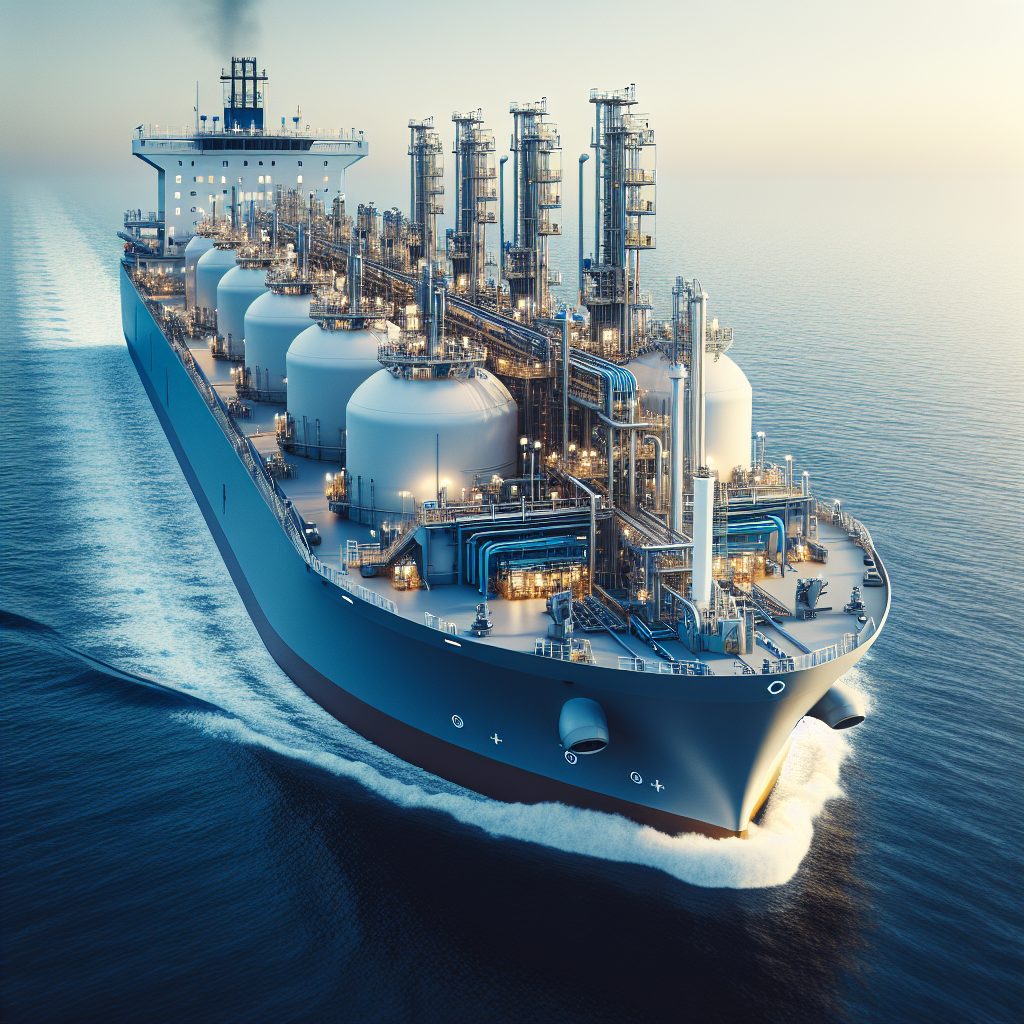
The Future of CO2 Transport: The Multi-Gas Freighter Revolution by CCEC In an unprecedented milestone, Capital Clean Energy Carriers Corp. (CCEC) has taken a giant step in maritime history with the recent delivery of Active, the world’s first cargo ship capable of transporting 22,000 cubic meters of low-pressure LCO2. This milestone establishes the company as a pioneer in multi-use gas transport. Built by Hyundai Mipo Dockyard in South Korea, this vessel is the first of a series of four ships destined to revolutionize large-scale carbon transport. Not only is this innovation making history, but it has also been internationally recognized. Active has received the prestigious “Ship of the Year” award from Lloyd’s List Greek Shipping, highlighting its revolutionary tank technology and crucial role in enabling future carbon solutions. This distinction not only acknowledges the ship’s design but also its role in the global emission reduction strategy. The delivery of Active represents a significant advancement in gas transport capacity, providing a versatile platform that will serve both the emerging LCO2 market and other established gas sectors. This versatile approach allows CCEC to adapt to changing market needs, strategically positioning itself for the future. Innovative Design for the CCUS Era Active’s design offers unparalleled commercial flexibility. The vessel is not only geared towards the emerging LCO2 market but can also transport Liquefied Petroleum Gas (LPG), ammonia, and selected petrochemicals. This ability to transport multiple gas types allows CCEC to capitalize not only on the growth of the LCO2 market but also to participate in more traditional and established gas markets. This versatility is made possible by its advanced low-pressure technology, operating at approximately 7-8 bars and -55°C. This allows for the use of larger and more efficient bi-lobe Type C tanks, maximizing cargo volume while maintaining structural integrity – an achievement that high-pressure designs cannot match. According to the International Energy Agency (IEA), global carbon capture capacity is expected to soar from the current 50 million tons to 430 million tons by 2030. CCEC’s investment in this specialized tonnage puts the company at the forefront of a sector with an extremely limited supply, positioning it for exponential growth. Building the Future: Strategic and Financial Resilience The acquisition of Active was made possible by a $48.9 million loan backed by the Export Credit Agency (ECA), complemented by $29.4 million in cash. Jerry Kalogiratos, CEO of CCEC, highlighted how this delivery marks a significant milestone in the company’s development. “The delivery of Active represents another significant milestone in the development of CCEC. This unique series of LCO2/multi-gas carriers strategically positions CCEC to support the emerging LCO2 transport market while offering the flexibility to trade in established gas segments. This built-in optionality supports cash flow resilience across cycles and reflects our disciplined approach to capital allocation as we continue to build and expand our shipping platform for the energy transition.” This innovative approach focuses not only on technology and design but also on financial and operational sustainability. The vessel’s ability to adapt to different gas markets ensures that CCEC can mitigate financial risks, offering greater resilience across economic cycles. Employment and Professional Development Opportunities in the New Horizon With the introduction of Active and its sister vessels in the near future, the maritime sector faces new employment opportunities. Technological innovations in shipbuilding require not only specialized engineers and technicians but also operational staff who can handle these advanced gas transport platforms. For merchant navy professionals, Active offers a unique opportunity to embark on a new era of gas transport, learning and adapting to cutting-edge technology in the sector. Additionally, maritime investors will find this initiative an attractive diversification opportunity within a growing market. CCEC is not only building innovative ships but also a sustainable future for the maritime industry. These new vessels open doors to an era of cleaner and more efficient transport, promising a significant impact on the global energy transition. About Capital Clean Energy Carriers Corp. (CCEC) Capital Clean Energy Carriers Corp. (NASDAQ: CCEC) holds a leading position in gas transport solutions focused on the energy transition. Its fleet includes 15 high-specification ships in operation and another 18 under construction, including more LCO2 carriers and medium-sized dual-fuel gas carriers. CCEC is dedicated to providing sustainable and efficient energy transport solutions, significantly contributing to global carbon emission reduction goals. The delivery of Active is just the beginning of what promises to be a future full of innovations for the merchant navy. In conclusion, Active by CCEC is not just a ship; it is a catalyst for change within the maritime industry, offering new opportunities for professionals, investors, and nautical enthusiasts. The multi-gas transport revolution is here, bringing with it a world of possibilities to sail towards a cleaner and more efficient future.