


The Viking and PGA TOUR Partnership: Sailing Towards New Horizons
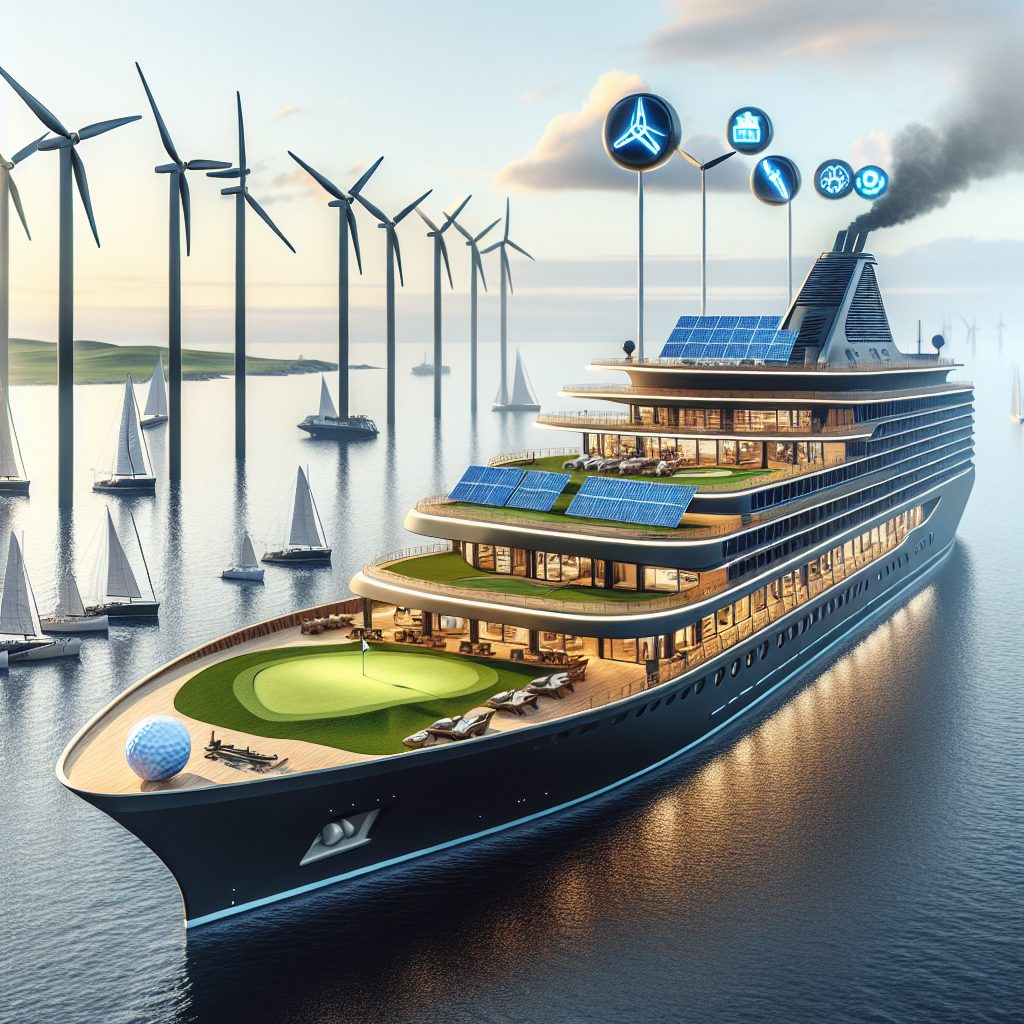
Viking and PGA TOUR: A Strategic Alliance Promising to Sail Towards New Horizons The Viking and PGA TOUR Partnership: Sailing Towards New Horizons In a notable synergy between the world of maritime tourism and sports, Viking®, one of the most renowned cruise companies globally, has announced a multi-year marketing partnership with the PGA TOUR. This agreement, extending until 2030, appoints Viking as the Official Cruise Line of the PGA TOUR and the PGA TOUR Champions. A Brand Recognition Boost The alliance between Viking and the PGA TOUR focuses on an ambitious brand recognition campaign that will be deployed across various PGA TOUR digital media and platforms. This collaboration promises to elevate Viking’s visibility in a market that values exclusivity, quality, and innovation. For sailors, this news is significant for multiple reasons. Firstly, it presents a unique opportunity to explore new ways of travel by combining two passions: sailing and golf. Additionally, it offers maritime industry professionals the chance to collaborate with a brand that is expanding its horizons. Practically, this partnership enhances the promotion of unique experiences aboard Viking cruises, which will now be more closely linked than ever to the prestigious world of professional golf. This could result in special itineraries that include PGA TOUR events, providing passengers privileged access to renowned golf tournaments and destinations. Career and Professional Growth Opportunities The partnership between Viking and the PGA TOUR also has significant employment implications. For those in the maritime industry, the expansion of Viking’s operations through this collaboration could mean new job opportunities. Readers of WishToSail.com are encouraged to consider submitting their resumes to Viking, as the company may be looking to expand its teams to cover this new and exciting phase. Furthermore, this alliance could drive technological innovations in cruises, particularly in areas related to customer experience and the integration of sports activities on board. Technical and service professionals will have the opportunity to work in environments that combine elite sports with luxury hospitality, a challenging yet attractive field of work. From an educational perspective, this collaboration can serve as inspiration for maritime training centers, which could innovate their curricula to include modules on managing sports events on board. This would not only enrich students’ profiles but also ensure their preparedness to join an industry in full evolution. Innovation and Exclusivity: Unique Routes and Experiences For recreational boating enthusiasts, the proposal of thematic itineraries combining golf with sailing is fascinating. Imagine a cruise that takes passengers to some of the world’s most iconic golf courses, providing the opportunity to participate in or witness high-level tournaments while enjoying unparalleled views from the sea. In addition, Viking could develop personalized experiences that enhance passengers’ interaction with the sport, such as private golf lessons on board or thematic excursions combining golf with cultural exploration of new destinations. This innovative approach appeals to both golf enthusiasts and sailing lovers. On the other hand, the integration of technology to enhance user experience could see significant advances. From mobile applications providing real-time information on sports events to augmented reality tools enhancing onboard activities, the possibilities are endless. Relevance for Investors and Maritime Industry Professionals From the perspective of maritime investors, the partnership between Viking and the PGA TOUR represents a clear commitment to differentiation and growth in a competitive market. By investing in a niche that combines luxury tourism and sports, the company could increase its appeal among a premium customer segment seeking exclusive and personalized experiences. Additionally, this strategic move could inspire other shipping companies to consider cross-industry collaborations, seeking innovative partnerships that amplify their reach and relevance in new markets. The connection between tourism and sports can result in a replicable and profitable model if managed properly. For merchant navy professionals and logistics specialists, the challenge will be to adapt operations to meet the new demands arising from this collaboration. From route planning to event management, a range of opportunities opens up for those willing to navigate a sea of opportunities. Conclusion: A Promising Future on the Horizon The alliance between Viking and the PGA TOUR not only stands out as a brilliant marketing strategy but also introduces a new paradigm on how maritime tourism and sports can be integrated to offer unique experiences. For readers of WishToSail.com, this news is an invitation to reflect on the future of boating, fostering creativity and innovation in an industry that continues to evolve. Ultimately, this is a scenario where the passion for the sea and sports come together to create something greater than the sum of its parts. It opens up a range of job, professional, and recreational possibilities worth exploring. Undoubtedly, the horizon appears as vast as it is promising.
Fred. Olsen Express: A Year of Maritime Connections between El Hierro and Tenerife
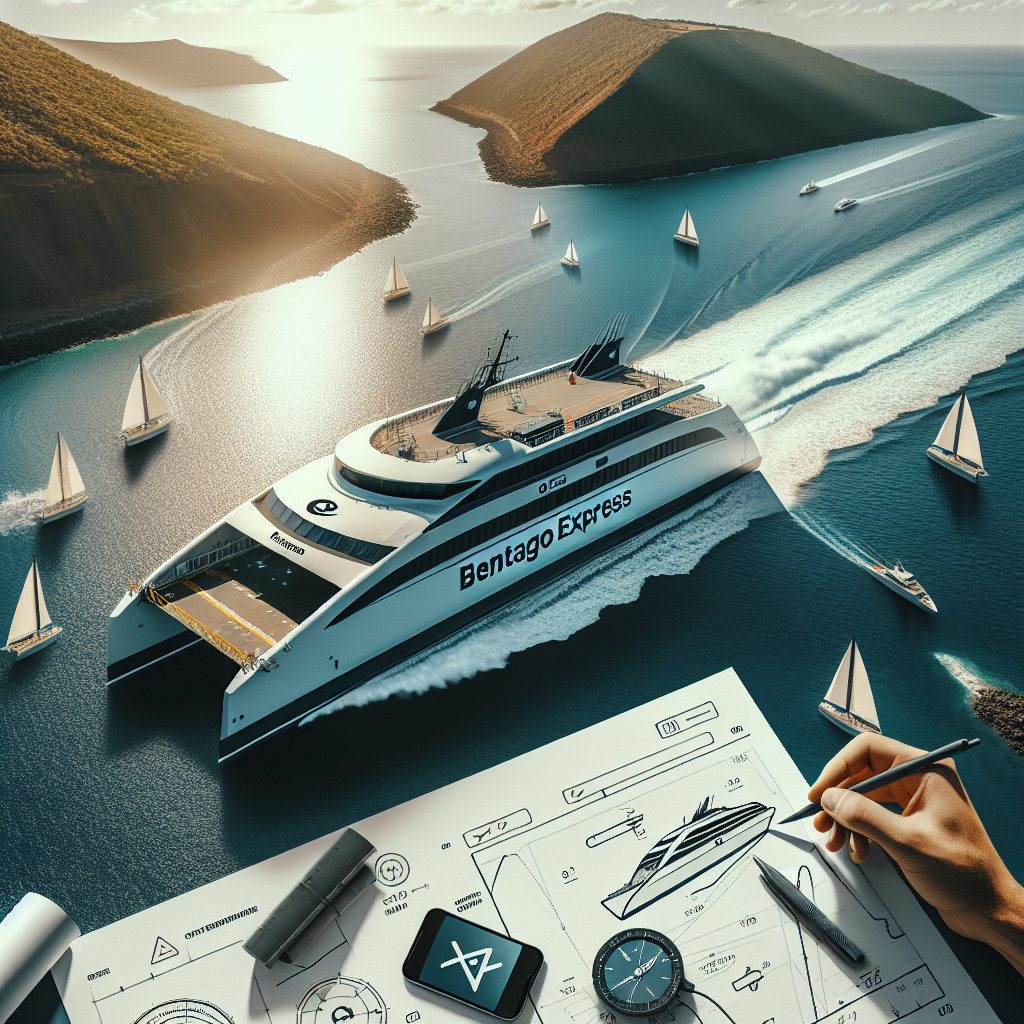
Fred. Olsen Express: A Year of Maritime Connections between El Hierro and Tenerife The efficiency of the Bentago Express in Numbers The maritime route operated by Fred. Olsen Express between the ports of La Estaca, in El Hierro, and Los Cristianos, in Tenerife, celebrates its first anniversary with figures that reflect a remarkable success. Since it began operating on December 31, 2024, the service has transported 179,000 passengers and 57,146 vehicles on 928 trips. These numbers demonstrate not only the operational capacity of the shipping company but also the need and acceptance of this connection by the Canarian people. The Bentago Express, the fast ferry responsible for covering this route, is a catamaran that can accommodate up to 880 passengers and 230 vehicles. This vessel has been key to maintaining connectivity between the islands, offering a reliable and fast service. The weekly capacity of the ferry reaches 17,000 passengers, 4,600 vehicles, and 13,000 linear meters of cargo, ensuring that both tourists and residents can travel efficiently and comfortably. During the winter, the service offers 14 weekly departures, while in summer, due to higher demand, the number of trips increases to 20 per week. This flexibility not only meets the needs of regular users but also responds to local events such as the Bajada de la Virgen de los Reyes when frequencies are increased to cater to the high influx of passengers. Innovations in Technology and Onboard Services The Bentago Express offers entertainment options through the On Board Club app, along with free wifi access, ensuring a more enriched and entertaining travel experience for passengers. The ferry also stands out for its focus on passenger comfort, offering specific accommodations such as a pet area, a children’s play area, and a Gold Class lounge with priority boarding and disembarkation. These personalized services are a testament to Fred. Olsen Express’s commitment to customer satisfaction. The service includes the free Ferry Bus, which facilitates land transfer between the port of Los Cristianos and Santa Cruz de Tenerife. This not only improves accessibility but also strengthens the bond between the islands, making travel more convenient for everyone. Economic and Employment Opportunities The reactivation of the maritime route between El Hierro and Tenerife represents an economic catalyst for both islands. By improving connectivity, new opportunities are opening up for trade and tourism, sectors that are crucial for the economic development of the region. The ease of transporting goods and tourists between the islands contributes to greater economic dynamism. For maritime and nautical professionals, this route offers not only direct employment opportunities as crew members and onboard service personnel but also opportunities in related areas such as ship maintenance and port logistics. Those interested in being part of this dynamic sector can consider submitting their resumes to Fred. Olsen Express, which is constantly seeking talent to expand and improve its services. Finally, maritime investors can see in this route an example of the potential that interisland connections offer in terms of profitability and sustainability. High demand and customer satisfaction indicate that investing in port infrastructure and related services can be highly beneficial. Relevance for the Maritime Sector For merchant navy professionals, the efficiency and reliability of the Bentago Express are a testament to the possibilities offered by technological innovations in maritime transport. The use of advanced technologies to enhance the passenger experience and optimize operations is an inspiring example for the sector. For sailors and nautical enthusiasts, the success of this maritime route highlights the importance of maintaining and improving interisland connections, not only as a means of transport but also as a way to promote tourism and local culture. Initiatives that allow easier and faster access to the islands increase their attractiveness as a tourist destination. For maritime investors, this route represents an opportunity to analyze the positive economic impact that good transport infrastructure can have on a region. The combination of high demand, customer satisfaction, and technological improvements indicates a sustainable and profitable business model. Conclusion The first year of operation of the route between El Hierro and Tenerife by Fred. Olsen Express has proven to be a success in terms of both passenger and vehicle transport. The Bentago Express has met expectations not only by providing efficient service but also by raising the standard of comfort and onboard technology. With the continuous improvement of services and the economic opportunities that this connection generates, the future looks promising for Fred. Olsen Express and all those involved in the maritime sector of the Canary Islands. Professionals and enthusiasts in the sector are invited to explore these opportunities and be part of this exciting chapter in the history of interisland maritime transport. For more information on job opportunities at Fred. Olsen Express or any other aspect of the operation of this route, readers are encouraged to visit the company’s website or contact their human resources department.
The Innovative and Sustainable Investment of Algeciras Port in OPS Systems Transforms the Maritime Future

The Innovative and Sustainable Investment of Algeciras Port in OPS Systems Transforms the Maritime Future The commitment of Algeciras Port to sustainable energy Algeciras Port, one of the most important in Europe, has announced a historic investment of 70.5 million euros in the implementation of Onshore Power Supply (OPS) systems. This project will be carried out in multiple facilities, including container terminals at the Juan Carlos I and Isla Verde Exterior docks, as well as in various areas of the docks and the ro-ro area of Isla Verde Exterior. This investment, carried out by the Bay of Algeciras Port Authority (APBA), is supported by the Connecting Europe Mechanism, a European fund focused on improving connectivity and sustainability on the continent. This initiative not only represents a crucial step towards sustainability but also sets a precedent for other European ports. As the European Union regulation demands, starting in 2030, the supply of electricity to ships docked at major ports to minimize emissions while in port, the port of Algeciras is already positioning itself as a leader in this area. The implementation of these systems will not only benefit the environment but also improve the operational efficiency of the port and reduce dependence on fossil fuels. For professionals and companies in the maritime sector, this investment presents a unique opportunity to participate in a pioneering project. The APBA, with its Green Strategy, is committed to allocating a total of 92 million euros to the expansion of OPS systems. This will not only open doors to new job opportunities but also allow current and potential collaborators to align with a more responsible and technological future vision. Technical Details and Phases of the OPS Project The project is structured in several lots, ensuring an organized and efficient implementation. Of the 70.5 million euros allocated to the project, 50.1 million will be assigned to the container terminals, which will be equipped with 20 MW of installed power and 8 connections. The remaining 20.4 million euros are intended for other docks, with a capacity of 9 MW of power. This will allow the port to offer an electrical connection option to a greater number of ships simultaneously, significantly reducing local emissions. In addition, the APBA has awarded contracts to the company Tecuni for the installation of the OPS system at the port of Tarifa and at berths 7B and 8 of the passenger terminal at the Port of Algeciras, mainly used by ships connecting with Ceuta. This part of the project, valued at 2.4 and 1.6 million euros respectively, is expected to be completed within ten months. This investment in Tarifa is financed with European funds from the NextGenerationEU Recovery, Transformation and Resilience Plan, which aims to boost sustainability and energy efficiency throughout Europe. The port of Algeciras is not only focused on installing OPS but has also previously invested 40 million euros to ensure sufficient and secure electrical supply. The connection between the Isla Verde substation and the Cañuelo substation via a 66 kV high-voltage line allows the port to have a power of 78 megavolt-amperes (MVA), with future expansion options if demand requires it. This comprehensive approach ensures that the port’s electrical infrastructure is up to the demands of the future, aligning with international best practices. Impact and Benefits of the OPS Investment For maritime sector professionals, this investment has a direct and beneficial impact on their daily operations. Firstly, the ability to connect to the land electrical grid instead of relying on onboard generators significantly reduces emissions of polluting gases while ships are docked, improving local air quality and complying with increasingly strict environmental regulations. This measure not only has ecological benefits but is also economically advantageous for shipping lines by reducing fuel usage. Secondly, the adoption of OPS systems positions the port of Algeciras as a leader in technological innovation within the European port sector. Professionals working in this field will find new opportunities to work with advanced technologies and contribute to significant industry change. This port modernization will attract more shipping companies looking to meet sustainability standards, increasing traffic volume and business opportunities for local companies. Furthermore, the investment in OPS strengthens the port’s infrastructure, ensuring a reliable and adequate electrical supply to meet the demands of future generations of ships. For maritime investors, this represents a promise of continuous growth and development, ensuring that the port of Algeciras remains competitive in the global market. By taking an active role in the transition to more sustainable solutions, the port not only adapts to current trends but also leads the way to a greener maritime future. The Future of Sustainability in the Maritime Sector This investment and development project will not only impact the port of Algeciras but also serve as a model for other European ports looking to adopt more sustainable practices. By establishing itself as a pioneer in the large-scale implementation of OPS systems, the port becomes a reference for technological development and international collaboration in reducing the carbon footprint of the maritime industry. As more ports adopt these technologies, a domino effect is anticipated that will stimulate the industry to innovate and quickly adapt to regulatory changes. This could accelerate the development of new technologies and practices in logistics and port management, fostering job creation and sustainable economic growth. For those seeking a career in the maritime sector, the shift towards sustainable practices and innovative technologies opens up a wealth of opportunities for personal and professional development.
The Transformation of Spanish Ports: Innovations and Opportunities in Maritime Trade

The Transformation of Spanish Ports: Innovations and Opportunities in Maritime Trade The Transformation of Spanish Ports: Innovations and Opportunities in Maritime Trade In the dynamic world of maritime trade, Spanish ports play a crucial role as they not only reflect market trends but also drive the country’s economic growth. According to the monthly statistics from Ports of the State, between January and November 2025, Spanish general interest ports handled a total of 497.2 million tons of goods, experiencing a slight decrease of 0.3% compared to the same period in 2024. However, this data indicates a recovery from previous months, suggesting a strong adaptability in the sector. Innovations in Cargo Handling The maritime sector has always been a fertile ground for innovation, and Spanish ports are no exception. Technology has played a crucial role in improving operational efficiency, especially in the handling of liquid and solid bulk cargo. During the mentioned period, liquid bulk cargo recorded an increase of 0.3%, totaling 164.6 million tons, showcasing the implementation of advanced technologies for the storage and handling of these goods. On the other hand, solid bulk cargo saw a decrease of 3.5%, reflecting the challenges faced by this segment. Cargo handling efficiency improvements through technology Utilization of advanced storage and handling technologies Challenges faced in handling solid bulk cargo General cargo, which includes manufactured goods and machinery, is another area where innovation has proven effective. With 81.9 million tons transported as conventional cargo and 175.5 million tons in containers, the use of automation and digitalization systems has allowed for greater optimization of logistical processes, significantly enhancing port traffic management. The Growth of Roll-on/Roll-off Traffic The roll-on/roll-off (ro-ro) cargo case deserves special mention. This type of cargo, facilitating the transfer of vehicles and machinery, experienced a healthy growth of 2.9%, reaching 69.1 million tons. This increase is directly linked to technological improvements in terminal design and integrated logistics strategies, enabling a more efficient flow of goods between ports and distribution centers. Employment and Business Opportunities The evolution and modernization of Spanish ports not only bring changes in cargo volumes but also significant employment opportunities. Technological innovations in port management require skilled personnel in areas such as logistics, engineering, and data management. For those in the merchant navy and maritime investors, this context provides an ideal platform for professional and business development. Technological innovations driving the need for skilled workers Growth in regular passenger traffic creating opportunities in tourism Expansion of foreign maritime trade markets With the continuous growth of regular passenger traffic, reaching 26.6 million movements — a 1.5% increase from the previous year — ports become key hubs for tourism and recreation, opening doors to new investments in tourism and transportation infrastructure. This dynamism demands creative and entrepreneurial professionals willing to lead innovative projects that harness the economic potential of these areas. Impact on Foreign Trade Foreign trade is the driving force behind the economic growth of any nation, and ports are the epicenter of this activity. Despite a slight 1.0% decrease in cumulative foreign trade, Spanish ports remain strategic points for imports and exports. Imports reached 179.2 million tons, with a notable 3.8% growth in general cargo. However, exports experienced a decline of 2.8%, mainly due to the setback in liquid bulk traffic, which decreased by 14.4%. Significance of Spanish ports in imports and exports Need for export diversification and exploring new markets Opportunities for maritime investors in new routes and markets For sailors and nautical enthusiasts, this context offers intriguing prospects for exploring innovative maritime routes. The fluctuation in exports suggests the possibility of discovering and establishing new maritime transport corridors, optimizing current routes to enhance efficiency and reduce costs. Conclusions and Future Perspectives In conclusion, Spanish ports are undergoing a phase of transformation that presents both challenges and opportunities. Technological innovations are redefining how goods are handled, improving efficiency, and opening new avenues for professional and business growth. To fully capitalize on these opportunities, it is essential for professionals and companies in the sector to continue adapting to changes and exploring new ways to optimize their operations. This article not only highlights the relevance of these developments for each segment of WishToSail.com audience but also encourages readers to consider how they can actively participate in this transformation. Whether through investing in new technologies, seeking job opportunities, or exploring new markets, the future of maritime trade in Spain is promising and full of potential for those willing to navigate these changes. For more information on how Spanish ports are leading this transformation and how to participate in these opportunities, readers are invited to explore further on WishToSail.com, where detailed analysis and updated news from the maritime sector are presented.
Innovation and Creativity: Envisioning the Future of European Maritime Transport

Innovation and Creativity: Envisioning the Future of European Maritime Transport The European Shipowners’ Association (ECSA) has launched an initiative to commemorate its 60th anniversary, capturing the imagination and creativity of young Europeans: a school contest inviting them to imagine what ships will be like in 60 years. This event aims not only to celebrate the association’s legacy but also to foster a connection with the new generations, introducing them to the fascinating world of maritime transport. The Essential Role of Maritime Transport in Europe Maritime transport has long been a cornerstone of the European economy, facilitating international trade and ensuring the supply of essential goods. With 80% of global trade in goods being carried out by sea, the importance of this industry in Europe’s economic and social fabric is undeniable. Understanding the impact of maritime transport on the economy is crucial for industry professionals, and initiatives like the ECSA contest highlight how today’s youth could be tomorrow’s innovators. By inspiring the new generations, the contest aims to ensure that the future of maritime transport is sustainable and technologically advanced. Through this competition, ECSA seeks to instil a deeper understanding and appreciation of the challenges and opportunities facing the sector. Focusing on innovation, the proposal opens a dialogue on how technology and sustainability will shape merchant shipping in the coming decades. A Glimpse into the Future: Envisioning Tomorrow’s Ships The contest invites students aged 9 to 12 from across the European Union to submit their visions of the future of maritime transport. Participants can submit their works in various creative formats, from drawings and paintings to sculptures and photographs, encouraging artistic expression and innovative thinking. The jury, composed of industry experts, will select four finalists whose works will be presented at a special ceremony in Cyprus. This occasion coincides with the meeting of EU Transport Ministers, underscoring the political and economic importance that maritime transport holds in the region. The winning works will also be included in a specific publication, not only granting recognition to the young participants but also serving as inspiration for future generations of maritime professionals. This unique opportunity may even spark vocations that drive the industry in the decades to come. A Contest that Challenges Imagination and Promotes Sustainability In an increasingly environmentally conscious world, sustainability has become a fundamental pillar of any industry. The ECSA contest acknowledges this, encouraging participants to consider how sustainable practices can be integrated into the design and operation of future vessels. By encouraging students to explore concepts such as renewable energies, energy efficiency, and emissions reduction, the contest promotes not only creativity but also a mindset of environmental responsibility. This approach is crucial to ensure that industry development aligns with global sustainability goals. For investors and industry professionals, these innovative ideas could mean business and development opportunities, paving the way for new technologies and services in the maritime field. At the same time, they reinforce the importance of being prepared for the demands of an increasingly green future. Opportunity for Engagement and Professional Development Beyond its educational and awareness value, the ECSA contest offers a platform to connect young people with the maritime sector from an early age. This is not only essential for fostering interest in careers related to nautical studies but also for ensuring a steady flow of talent into an industry that is crucial for the global economy. For maritime professionals, such initiatives reflect a commitment to the future development of the sector. Participating in events and projects involving the new generations is not only a matter of social responsibility but also a strategy to ensure the industry’s longevity and success. Encouraging young people to explore the world of maritime transport can open doors to a myriad of potential careers, from naval engineering to transport and logistics management. Therefore, this contest is not just a creative exercise but a step towards the personal and professional development of the participants. Invitation to Participate: Sowing Seeds for the Future Participating in this contest is simple. Interested parties can submit their entries via email before February 27, 2026. All necessary information is available on the contest’s official website. This is an ideal opportunity for schools and educators to integrate the contest into their curriculum and promote interest in maritime and nautical industries. The relevance of this event for different segments of the WishToSail.com audience is clear. For professionals and sailors, the innovative concepts presented by young people can offer new ideas and approaches to the sector. For maritime investors, the initiative points towards future technological developments that could transform the industry. And for nautical enthusiasts, the contest represents an opportunity to support education and awareness about the marine environment. In conclusion, the ECSA contest not only celebrates the past and present of European maritime transport but also paves the way for a promising and sustainable future. By combining creativity, technology, and sustainability, this initiative is a beacon of what is to come in European merchant shipping.
The Transition of the Suez Canal: An Analysis of Recovery After Attacks and Its Implications in the Maritime Sector
The Transition of the Suez Canal: An Analysis of Recovery After Attacks and Its Implications in the Maritime Sector The Suez Canal has historically been one of the world’s most important maritime routes, facilitating transportation between Europe, Asia, and Africa. However, recent years have brought considerable challenges, especially after the attacks carried out by the Houthis since 2023. Despite the declaration of a cease-fire in November 2025, the economic and logistical impact remains evident. Recent data shows that maritime traffic in the canal has remained 60% below 2023 levels. This decline has directly affected transits through the canal, leading many shipping companies to divert their routes around the Cape of Good Hope, a longer and more costly route. According to Lloyd’s List, the Houthi attacks totaled 99 since November 2023. These events have significantly influenced the region’s security perception, affecting both general cargo ships and oil tankers. During the first quarters of 2024, transit reductions were drastic, reaching between 51% and 64% less in terms of deadweight tons (DWT) compared to 2023. The Suez Canal historically crucial for global maritime trade Houthi attacks in recent years led to significant decline in canal traffic Shipping companies diverting routes due to security concerns Implications on global trade and logistics Impact on the Tanker Sector and New Opportunities Despite the adverse scenario, the tanker sector has shown signs of recovery in the latter months of 2025. Freight premiums have incentivized a gradual return to the canal, closing the year with a 19% decrease in transits, much lower compared to the 45% recorded during 2024. The return of major shipping companies such as CMA CGM, with its MEDEX and INDAMEX services, to the Suez Canal routes since January 2026, is a clear indicator of confidence in a progressive return to normalcy. Similarly, Maersk’s decision to send the Maersk Sebarok through the canal for the first time since 2024 reinforces this trend. These renewed activities suggest not only a recovery in the maritime sector but also the opening of new job opportunities. Professionals in the sector may find opportunities in these companies to submit their resumes, given the expected increase in operations and the potential rise in demand for experts in navigating these routes. Economic and Security Factors: Key Variables Security remains a crucial factor in shipping companies’ decision-making. The recent reductions in war risk premiums in the Red Sea, now at 0.2% of the hull value, are an important incentive for maritime traffic. This is the lowest level since hostilities ceased in the region, compared to 0.5% prior to the ceasefire between Israel and Hamas. This adjustment in premiums could motivate more companies to resume operations through the canal, as they offer a more economical and secure scenario for goods transportation. The economic implications of a possible full return to the Suez Canal are vast, promising a significant reduction in logistical costs for shipping companies. However, it is crucial to evaluate that complete normalization of canal traffic could lead to a reduction in global demand for maritime transport, especially in sectors such as container shipping, which could experience a drop of approximately 10% in demand. Potential Benefits for Professionals in the Sector For merchant navy professionals and nautical enthusiasts, these dynamics present several opportunities. Firstly, risk mitigation and the reactivation of traffic in such a vital route as the Suez Canal can translate into jobs and economic stability in the sector. Secondly, the increase in maritime transport activities can encourage the development of new technologies and navigation techniques, benefiting professionals looking to stay at the forefront in their fields. Constant updating and innovation become crucial elements to stand out in a competitive job market. Lastly, this resurgence can provide maritime investors with fertile ground for business opportunities. The recovery of traffic implies a potential improvement in economies of scale for shipping companies and an appealing scenario for investments in port infrastructure and logistics associated with the canal. Conclusions and Future Perspectives The normalization process of traffic through the Suez Canal is a hopeful sign for a sector that has faced significant challenges in recent years. As shipping companies reconsider their routes and risk premiums decrease, the prospects for a more stable 2026 are promising. For maritime sector professionals, maintaining a proactive and informed focus on these dynamics will be essential to capitalize on emerging opportunities. Adaptability and willingness to innovate will be determining factors in thriving in this new phase of global maritime transport. We invite our readers to continue exploring the ongoing transformations in the maritime industry, staying updated and prepared for the opportunities that will undoubtedly arise in the near future.