


The Grimaldi Group Drives Maritime Energy Transition with Green Financing for New Ammonia-Ready Ships

The Grimaldi Group Drives Maritime Energy Transition with Green Financing for New Ammonia-Ready Ships In a significant step towards energy transition in the maritime sector, the Grimaldi Group has secured a green financing agreement of €162.3 million with Intesa Sanpaolo. This funding is earmarked for the acquisition of three advanced Pure Car & Truck Carriers (PCTCs) named Grande Egitto, Grande Pacifico, and Grande Oceania, designed for a sustainable future with the ability to use ammonia as fuel. Technical Advantages of “Ammonia Ready” Ships The term “Ammonia Ready” refers to the preparation of these vessels to be converted to using ammonia in the future, a carbon-free fuel. Certified by RINA, this design ensures that the ships can meet the increasing demand for clean energy solutions. The ships incorporate multiple high-efficiency technologies, including a 5 MWh energy storage system in lithium-ion batteries for port operations, 2,500 m² of integrated solar panels, full power supply from shore to eliminate local emissions, and an advanced Air Lubrication System (ALS) to reduce water resistance. These innovations not only represent a technical advancement but also signify a significant step towards decarbonizing maritime transport. The use of these energy systems allows the vessels to operate emission-free in port, improving energy efficiency and setting new standards for other shipping companies looking to lead with sustainable practices in the industry. Financial Framework and ESG: Responsible Investments The operation is structured as a “Green Loan,” aligning with the ESG (Environmental, Social, and Governance) strategy of Intesa Sanpaolo. Under the leadership of CEO Carlo Messina, the bank has disbursed approximately €84.7 billion in green and circular economy between 2021 and 2025, reinforcing its commitment to sustainability and progress towards a cleaner future. For the Grimaldi Group, this financing is part of a broader investment plan of $5 billion spanning from 2018 to 2025, involving 48 new ships. This strategy aims not only to modernize its fleet but also to achieve the long-term goal of emissions-free maritime transport. The three new PCTCs, each with a capacity for 9,800 CEU, will be ready for delivery in 2026, marking a significant milestone in Grimaldi’s fleet renewal. This approach not only supports the sustainable growth of the group but also strengthens its longstanding partnership with Intesa Sanpaolo, highlighting the crucial role of financial institutions in promoting strategic investments and innovation. Relevance for the Maritime Sector These developments are a significant step towards meeting the IMO’s goals for 2030 and 2050, providing a model of efficiency and sustainability for others in the industry to follow. They represent a shift in fuel demand, moving away from traditional VLSFO towards readiness for alternative and hybrid fuels, essential for shipping companies aiming to reduce their carbon footprint. The enhanced capacity and 50% reduction in fuel consumption position these vessels as efficiency leaders in the car carrier segment, offering not only environmental benefits but also significant economic advantages by reducing operational costs and enhancing market competitiveness. Moreover, with the rise of new technologies and increasing regulatory pressure, these vessels provide a competitive edge in terms of regulatory compliance and sustainability. Professionals in the sector are encouraged to explore career opportunities within the Grimaldi Group, as its innovative approach can represent a significant boost in professional development in the maritime field. About the Grimaldi Group Founded in 1947 and owned by the Grimaldi family, the Grimaldi Group is a global leader in the maritime transport sector. Headquartered in Naples, Italy, the group specializes in automobile transport, roll-on/roll-off cargo (Ro-Ro), containers, and passengers. With a global network covering 150 ports on 5 continents, operating a fleet of over 130 vessels and 20 proprietary port terminals. With key subsidiaries like Finnlines in the Baltic Sea and Minoan Lines in Greece, the Grimaldi Group solidifies its position as Italy’s largest shipping group and the world’s leading roll-on/roll-off operator. This network not only ensures its market dominance but also reinforces its commitment to excellence and innovation in maritime transport. For those looking to invest or work in the maritime sector, the Grimaldi Group offers an unparalleled opportunity to be part of a transformative shift towards a more sustainable and efficient future.
The Strategic Acquisition of Store Opening Solutions Boosts Koch Logistics & Warehousing Growth

The Strategic Acquisition of Store Opening Solutions Boosts Koch Logistics & Warehousing Growth Innovation in Logistics: A New Era for Koch Logistics The recent acquisition of Store Opening Solutions by Koch Logistics & Warehousing marks a significant milestone in the logistics and maritime sector. This strategic move will not only expand Koch Logistics’ operational capacity but also promises to redefine the maritime transport landscape. Founded with a clear focus on innovation, Koch Logistics has been seeking ways to expand its influence and logistics network, and this acquisition represents a key step in that direction. Store Opening Solutions is a company known for its expertise in planning and executing large-scale store openings. Its integration into Koch Logistics’ structure allows the company to offer more comprehensive and personalized services to its clients. This new approach will not only improve operational efficiency but also expand market opportunities for both companies. For maritime professionals, this news is particularly relevant as Koch Logistics seeks to optimize its maritime routes and capabilities. This could translate into new job offerings in the sector, providing an exciting opportunity for those looking to advance their careers. Additionally, those looking to be part of this growth may consider submitting their resumes to Koch Logistics, demonstrating their interest in being part of this logistics transformation. Expanded Maritime Routes and Employment Opportunities The expansion of Koch Logistics through the acquisition of Store Opening Solutions will inevitably lead to the creation of new maritime routes. This will not only boost the efficiency of goods transportation but also contribute to economic growth in the areas these routes connect. It is a well-known fact that the development of new maritime routes is often accompanied by an increase in local economic activity, which in turn generates jobs and business opportunities. For nautical enthusiasts and maritime investors, these new routes represent a golden opportunity to explore new waters. Investing in companies at the forefront of logistics growth can be a lucrative long-term strategy. With the support of Store Opening Solutions, Koch Logistics is well-positioned to lead this change, and investors may want to consider this opportunity. Furthermore, this expansion provides fertile ground for maritime professionals looking to diversify their experience. The new routes and expansion of logistics capabilities require specialized skills, which can be the start of a promising career for those willing to innovate and adapt to the changing needs of the sector. Technological Advances in Logistics and Storage With the inclusion of Store Opening Solutions, Koch Logistics expects to implement cutting-edge technologies that significantly improve its logistics processes. These technologies will not only enhance operational efficiency but also reduce costs and improve environmental sustainability, which is increasingly important in the maritime sector. For sector professionals, understanding these technological advances is essential. The adoption of technologies such as artificial intelligence, big data, and automation can revolutionize how logistics operations are managed, allowing for more precise planning and faster execution. These advances not only optimize the flow of goods but also minimize environmental impact by making operations more sustainable. It is important to note that by improving logistics and storage through advanced technology, Koch Logistics is also contributing to reducing the environmental impact of its operations. This is motivating news for those committed to sustainability and looking to be part of an industry that strives to reduce its carbon footprint. Relevance for the Maritime Community The impact of this acquisition transcends Koch Logistics, affecting the entire maritime sector. Firstly, it offers a model of how strategic acquisitions can serve as a catalyst for growth and innovation. For maritime sector professionals, this underscores the importance of adapting business strategies that prioritize expansion and the adoption of new technologies. Secondly, the expansion of logistics capabilities creates opportunities for individual professional development within the industry. Whether through new maritime routes or advanced technologies, there is ample room for personal and professional growth. The maritime community can greatly benefit from this expansion, offering not only job opportunities but also a dynamic and ever-evolving environment. Lastly, for maritime investors, this is a reminder that investing in infrastructure and technology within the logistics sector can provide significant returns. As Koch Logistics continues to expand its network, investing in more efficient infrastructure and routes becomes a crucial component of business success. Conclusion: A Promising Future for Koch Logistics and the Maritime Sector The acquisition of Store Opening Solutions by Koch Logistics & Warehousing is much more than a mere business expansion. It represents an opportunity to revolutionize the logistics and maritime sector with new routes, technological innovations, and greater operational efficiency. For sector professionals, this news should be seen as a call to explore new job opportunities and professional growth. In conclusion, this milestone in Koch Logistics’ history promises not only to strengthen its position in the market but also to drive positive change throughout the maritime industry. The maritime community is well-positioned to reap the benefits of this expansion, and those interested should seriously consider the emerging opportunities these innovations bring. The invitation is open to all professionals, enthusiasts, and investors to join this exciting journey. Koch Logistics & Warehousing is at the heart of this transformation, and those interested have the opportunity to be part of this new era in the logistics and maritime sector.
Electric Supply Innovation for Ships: A Sustainable Future in British Ports
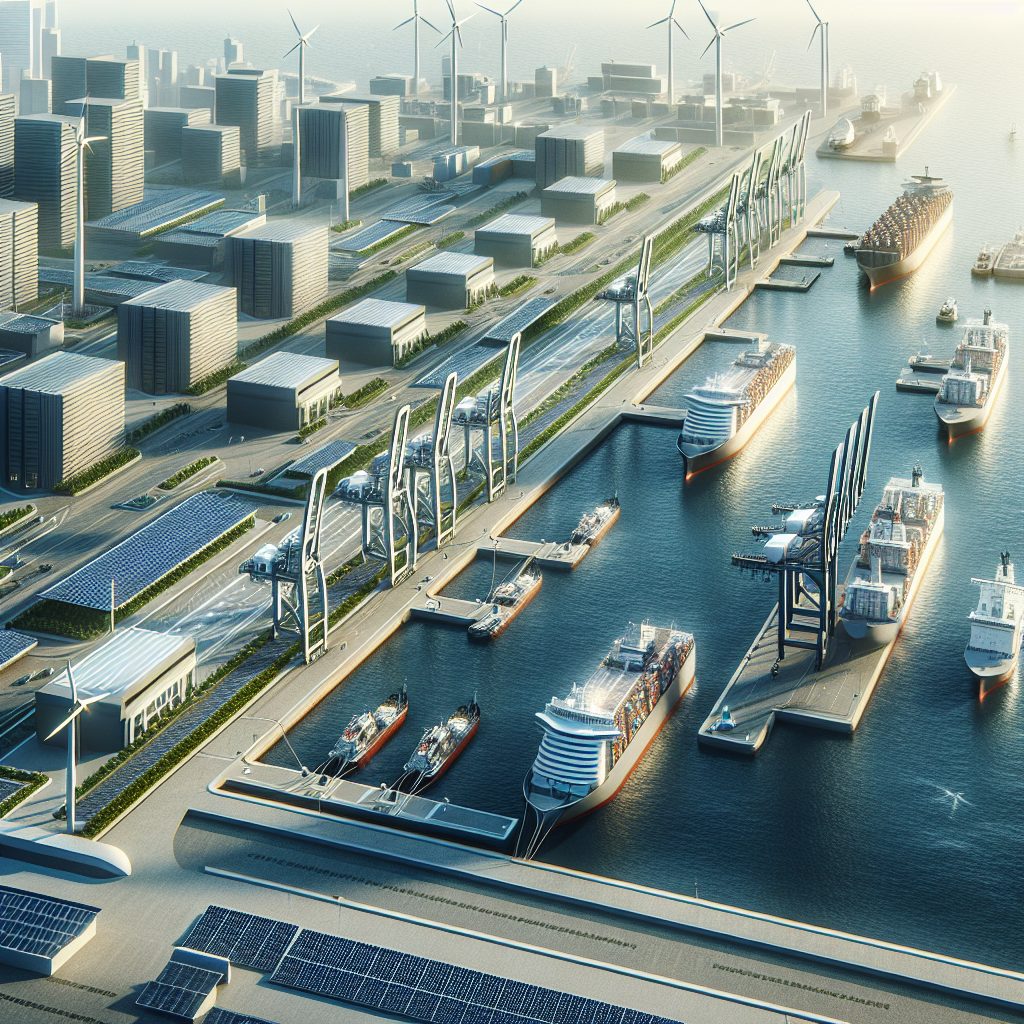
Electric Supply Innovation for Ships: A Sustainable Future in British Ports The maritime sector is at a critical turning point towards sustainability. The Energy Transition Commission of the Association of Naval and Oceanic Engineers of Spain (AINE), in collaboration with the Maritime Affairs Committee of the Institute of Engineering of Spain (IIE), has organized a technical session on shore power supply for ships in port (OPS). This event, scheduled for Tuesday, January 27, 2026, in Madrid, is a key opportunity to discuss the future of this innovative technology. With the opening remarks by Luis Guerrero Gómez, president of AINE, and moderated by Rafael Gutiérrez Fraile, coordinator of the Energy Transition Commission of AINE, the session promises to offer an in-depth look at how British ports are adopting cleaner technologies. The main conference will be conducted by Ana Arévalo, head of the Shorepower Department of the Port Authority of Barcelona, who will share the progress made in one of the country’s most important ports. This event not only highlights the importance of electrification in the maritime industry but also underscores the increasing role that naval engineers play in the transition towards cleaner energy. With a hybrid format, it will allow interested parties to participate both in person and online, thus facilitating broader access to knowledge and promoting active dialogue on this critical topic. The Impact of Electric Supply in Ports Reduction of 50% in NOx emissions and 90% in emitted particles thanks to OPS technology Contribution to meeting international emission reduction targets set by the International Maritime Organization (IMO) Significant reduction in air pollution and noise levels in port areas In addition to the environmental benefits, OPS represents an economic opportunity for shipping companies as it reduces the consumption of fossil fuels while ships are docked, thus lowering operational costs. This technology is presented as a long-term investment that, besides being sustainable, is economically viable for the sector. Opportunities for Professionals and Companies The increasing adoption of OPS in British ports not only generates environmental and economic benefits but also creates new job opportunities for maritime sector professionals. Engineers, technicians, and renewable energy specialists are some of the profiles in demand to implement and manage these advanced technologies. Companies like the Port Authority of Barcelona are leading the way in the transition to more sustainable ports, driving job creation in areas such as electrical engineering, project management, and renewable energy system maintenance. Why This Innovation Matters Positive environmental impact Economic viability Job creation opportunities The relevance of OPS implementation in British ports can be summarized in three fundamental aspects. Firstly, the reduction of polluting emissions is crucial to meeting global climate goals and improving air quality in port areas, benefiting local communities. Secondly, from an economic perspective, fuel cost savings and increased energy efficiency make the adoption of OPS a smart decision for shipping companies. Finally, for maritime sector professionals, this technology represents an expansion of the work field, creating opportunities for those looking to develop in an emerging sector with great growth potential. Exploring the Future of Sustainable Ports The technical session on electric supply to ships in port marks a significant step towards creating more sustainable ports in Britain. As more ports adopt OPS, increased collaboration between sectors is expected, promoting innovation and technological development in the maritime field. The push towards sustainability does not stop here. Other complementary technologies, such as the use of renewable energies for electricity generation in ports, are expected to be integrated in the near future, reinforcing current efforts and opening new opportunities for researchers and technology developers. Encouraging stakeholders in the maritime sector to explore these innovations is crucial for the success of the energy transition. The technical session provides an ideal platform for sharing knowledge, establishing collaborations, and fostering ongoing dialogue on how to move towards a more sustainable future for British ports.
The Future of Wellness Onboard: OneSpaWorld’s Innovations in the Nautical Sector
The Future of Wellness Onboard: OneSpaWorld’s Innovations in the Nautical Sector In the dynamic world of nautical and cruise ships, OneSpaWorld Holdings Limited has established itself as the undisputed leader in providing health and wellness products and services onboard cruise ships and at tourist destination resorts. The company, based in Nassau, Bahamas, is experiencing a significant period of growth and expansion, especially after announcing its revenue and adjusted EBITDA forecasts for the fiscal year 2025, along with initial guidance for the 2026 fiscal year. Preliminary data on OneSpaWorld’s revenue reveal optimism based on the strength of its services and the growing demand for wellness experiences at sea. This trend is driven by modern travellers’ preference for options that combine leisure and health, a segment in which the company has effectively capitalized. By presenting these figures at investor meetings and conferences such as the ICR Conference 2026, OneSpaWorld demonstrates a clear commitment to its future expansion. For sailors and industry professionals, these figures not only indicate the market’s direction but also present an opportunity to innovate and adapt to new consumer demands. This could translate into new routes and job opportunities in the industry as more cruise lines seek partners who offer exceptional wellness experiences. Employment and Investment Opportunities OneSpaWorld’s expansion in the cruise sector not only provides new experiences for passengers but also opens up a wide range of job opportunities for wellness professionals, therapists, and health experts. The continuous improvement and growth of this sector require highly skilled talent to provide top-quality services to a demanding and diverse clientele. For maritime investors, these developments represent an attractive area for investment. As OneSpaWorld’s revenue expectations continue to grow, investors may find in this company a reliable partner with a solid operational structure and a well-defined strategy to capitalize on onboard wellness sector growth. Furthermore, nautical enthusiasts may see these innovations as an opportunity to reinvent the cruise experience. The combination of health, relaxation, and sailing in one package could set a new standard for maritime vacations, attracting a broader and more diverse audience. The Importance of Wellness Services at Sea The incorporation of wellness services on cruises is not just a passing trend; it is a response to a growing demand for more enriching and healthy travel experiences. Today’s passengers seek to explore new destinations while also taking care of their physical and mental well-being during their holidays. OneSpaWorld has understood this trend, adapting its offerings to meet the needs of an audience that values service quality and a variety of available options. From spas and beauty treatments to fitness programs and personalized nutrition, the company has expanded its service portfolio to meet the expectations of the most demanding passengers. For merchant navy professionals and sailors, understanding this shift in consumer expectations is key to adapting and seizing opportunities that may arise. Integrating onboard wellness services not only enhances the passenger experience but can also increase the profitability of cruise companies. Technology and Wellness: An Innovative Approach At the intersection of technology and wellness, OneSpaWorld has begun implementing innovative solutions that improve both operational efficiency and the customer experience. The digitalization of services, from online reservations to personalized wellness programs through mobile applications, represents a significant advance in the industry. This technological adoption not only facilitates operational management but also offers passengers a smoother and more personalized experience, allowing them to choose and schedule their wellness services in advance. Automation and the use of data to personalize the customer experience are examples of how technology is being integrated into the onboard wellness sector. For investors, technology represents a crucial aspect to evaluate the viability and growth potential of a company. By incorporating these innovations, OneSpaWorld creates a value proposition that can transform the cruise market dynamics, generating new avenues for investment and sector development. Conclusions and Final Thoughts OneSpaWorld’s trajectory in the onboard wellness sector is a clear example of how companies can adapt and thrive in a constantly changing environment. As the demand for more comprehensive and healthy travel experiences increases, the company strategically positions itself to capitalize on these trends and offer innovative solutions. For maritime professionals, sailors, investors, and nautical enthusiasts, these developments highlight the importance of staying informed about trends and adapting to new market demands. Job opportunities, along with possibilities for investment in technological innovations, make the onboard wellness sector an attractive field for growth and development. Ultimately, this growth in onboard wellness not only transforms the cruise industry but also offers a new perspective on how technology and wellness can be integrated to create unique and memorable travel experiences. We invite readers to continue exploring these exciting opportunities in the maritime industry and consider how they can contribute to this exciting future.
The Sustainable and Strategic Maritime Future of Canada’s West Coast
The Sustainable and Strategic Maritime Future of Canada’s West Coast In a world where the dynamics of global trade are constantly evolving, the region of Canada’s West Coast is raising its voice to propose a renewed maritime vision. The idea of a Canadian-owned commercial fleet, along with an electrified shipbuilding strategy, is attracting attention both nationally and internationally. This initiative is in response to growing concerns about supply chain security, energy sovereignty, and the instability of world trade. The Vision of Canadian Maritime Leaders Leaders in the maritime sector of Canada’s West Coast have recently called on federal and provincial governments to consider creating a nationally owned commercial fleet. This approach aims not only to strengthen Canada’s position in the global maritime landscape but also to promote a shift towards more sustainable practices by adopting electrified technology for shipbuilding. The central argument for this initiative lies in securing control over the production and transportation of goods, a concept that global economist Ray Dalio has extensively explored. According to Dalio, nations that maintain control over these critical aspects are able to preserve their power and influence in an increasingly interconnected world. The proposal resonates not only in terms of economic security but also aligns with global trends towards emissions reduction and the pursuit of clean energy alternatives. Implementing an electrified shipbuilding strategy could position Canada at the forefront of sustainable maritime innovation. Employment and Innovation Opportunities The establishment of a national commercial fleet and an electrified shipbuilding industry offers a myriad of employment opportunities. For maritime professionals, this initiative represents an unprecedented opportunity for professional development. Companies involved will be seeking experts in maritime technology, naval engineers, and skilled personnel for the management of modern and sustainable fleets. Additionally, the implementation of this strategy will foster an environment conducive to technological innovation. Technology companies and university researchers will have the chance to collaborate on the development of advanced solutions, from electric navigation systems to eco-friendly construction methods. The integration of these technological advances will not only strengthen the local maritime industry but also position Canada as a leader in sustainable maritime practices globally. This could attract international investors interested in supporting projects that promote the transition to clean energy. Impact on Supply Chain Security The establishment of an electrified Canadian fleet also addresses critical concerns about supply chain security. In recent years, global trade has faced significant disruptions, underscoring the importance of stricter control over the transportation of goods. A national fleet would allow Canada to reduce its dependence on foreign operators, minimizing risks associated with trade conflicts and geopolitical restrictions. This would ensure a more stable and predictable flow of goods, strengthening the Canadian economy and providing local businesses with greater certainty when planning their logistical operations. Furthermore, the focus on electrification enhances the country’s energy independence. The shift towards clean energy sources reduces reliance on fossil fuels, which is crucial in a global context where sustainability is becoming a determining factor for commercial success. Relevance for WishToSail.com Readers For professionals in the merchant navy, this news is crucial for several reasons. Firstly, the creation of a Canadian commercial fleet could open up new job markets, offering numerous opportunities in an industry looking to modernize and grow. Applying for positions in companies involved in this strategy could be a decisive step for many readers. Secondly, the adoption of electrified technologies in shipbuilding is an area of increasing interest for enthusiasts and professionals in the sector. The opportunity to participate in the industry’s transformation towards sustainable practices provides a sense of purpose and contribution to global environmental well-being. Finally, for maritime investors, this initiative represents a strategic investment opportunity. Supporting a growing, sustainable sector with strong government backing could yield significant returns, as well as position them as pioneers in financing projects of high environmental relevance. A Call to Action The current proposal from Canada’s West Coast is not just a vision for its region but a model that could inspire other nations to consider similar approaches. The creation of an electrified national commercial fleet is a bold step towards a more sustainable and secure maritime future. For WishToSail.com readers, this is an opportunity to get involved in the change. Whether exploring job opportunities, innovating in technology, or investing in visionary projects, active participation can make a difference. In conclusion, the initiative of Canadian maritime leaders is not only relevant but essential in the current context. The combination of economic security, technological advances, and environmental sustainability paves the way for a more resilient and prosperous future for all involved in the maritime sector.
The Groundbreaking Study by the Global Centre for Maritime Decarbonization

The Revolution of Decarbonization: Onboard Carbon Capture and its Impact on the Maritime Industry The Groundbreaking Study by the Global Centre for Maritime Decarbonization The Global Centre for Maritime Decarbonization (GCMD) has recently released a pioneering Life Cycle Assessment (LCA) study that could potentially revolutionize the commercial viability of Onboard Carbon Capture and Storage (OCCS). This technological advancement not only marks a milestone in emission reduction but also presents new opportunities for professionals in the maritime sector. Pilot Results: Initial Emission Savings Under Unprecedented Restrictions The pilot project conducted aboard the Ever Top vessel demonstrated a net greenhouse gas (GHG) emission savings of 7.9%. Despite initial limitations such as the absence of a residual heat recovery system, the results have been promising. This savings was achieved with a capture rate of 10.7%, meaning that for every ton of CO₂ captured and discharged, 0.84 tons of net savings were obtained. These achievements were made under challenging conditions, with the GCMD emphasizing that further optimization could lead to even greater savings. The incorporation of heat recovery systems and logistical efficiency enhancements could significantly improve these initial results. Potential Savings: From 17.8% to 71% Emission Reduction The LCA by the GCMD suggests that by optimizing operational inefficiencies such as utilizing residual heat and improving logistics, savings could reach up to 17.8%. However, the true potential lies in increasing the capture rate to 40%, a medium-term industry goal. In an optimized scenario, using the captured carbon for industrial processes like steel sintering or concrete production, total GHG savings could escalate to 71%. This underscores the importance of integrating OCCS with carbon utilization pathways, not only reducing emissions but also creating valuable by-products for other industries. Regulatory Alert: The Gap in Avoided Emissions The GCMD study reveals a significant regulatory challenge: current frameworks, including the International Maritime Organization’s Carbon Intensity Indicator (CII), do not account for “avoided emissions.” This oversight could hinder the development of OCCS even before it takes off. “Avoided emissions” refer to saved carbon when captured CO₂ replaces a high-emission industrial product. Ignoring this aspect could disincentivize investments in solutions that could genuinely reduce emission curves. The GCMD advocates for a regulatory framework review to include these benefits, ensuring effective solutions are not overlooked, and investments are directed towards technologies offering real savings. Strategic Implications for Bunker Centers For bunker suppliers and port authorities, this advancement redefines the concept of a “bunker hub” by 2030. Infrastructure to receive LCO₂ and ship-to-ship transfer protocols will become crucial alongside traditional fuels. Additionally, coastal industrial groups (cement, steel, and chemicals) will become strategic allies of the maritime sector. These sectors can profitably utilize captured carbon, integrating into a circular economy benefiting both fields. For shipowners, OCCS offers a way to extend the lifespan of vessels powered by heavy fuel oil (HFO), while complying with increasingly stringent EU and IMO regulations. Comparison: Utilization vs. Permanent Storage at a 40% Capture Rate The study also compares two approaches to captured carbon: mineralization for industrial use and storage in underwater reservoirs. Mineralization, yielding materials like concrete, offers a net GHG savings of 34%, significantly higher than the 21% from underwater storage. In an optimized setting, the mineralization saving potential can reach up to 71%, emphasizing the importance of using captured carbon in ways that maximize its added value. This approach is not only cost-effective but also aligns with sustainability trends, making OCCS an increasingly attractive option for the maritime transport future. About the Global Centre for Maritime Decarbonization (GCMD) Established in 2021, the GCMD is dedicated to supporting the decarbonization of the maritime industry by setting standards, implementing solutions, and funding projects. Backed by strategic partners and situated in Singapore, the world’s largest bunkering center, the GCMD’s mission is clear: bridge technical and operational gaps in deploying new marine fuels and energy efficiency technologies. Their work is not only essential for the industry today but lays the foundation for a cleaner, more sustainable future. This study and its implications provide professionals in the maritime sector, investors, and enthusiasts a unique opportunity to lead in the transition towards a more sustainable future. It’s not just about reducing emissions but redefining the maritime industry as we know it.