


The Drastic Decline in Naval Orders in 2025: A Reflection of Global Economic Slowdown
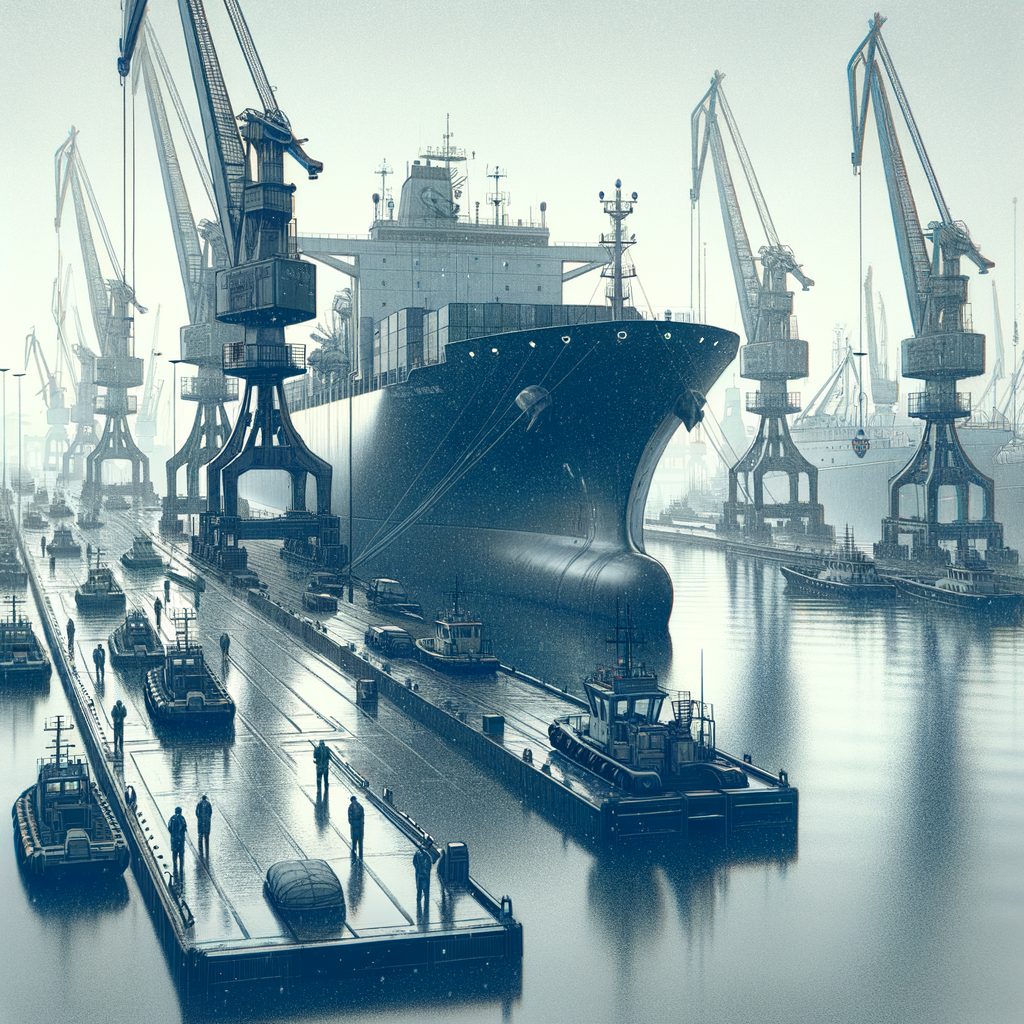
“`html The Drastic Decline in Naval Orders in 2025: A Reflection of Global Economic Slowdown The global maritime sector, long considered a bellwether for worldwide economic trends, is currently experiencing a significant downturn in new shipbuilding orders. In 2025, orders plummeted by 47% compared to the previous year, marking a sharp decrease that highlights the economic uncertainties and challenges facing shipbuilding industries worldwide. This phenomenon not only impacts shipbuilders but also has profound implications for the supply chain and the future sustainability of maritime transport. Alternative fuels, hailed as a solution to reduce the maritime industry’s carbon footprint, have maintained a stable share in the order book. However, the absolute number of orders for vessels powered by these fuels has decreased, reflecting tensions between the need for green innovation and economic realities. The Alternative Fuels Insight (AFI) platform by DNV provides a detailed view of these trends, highlighting both achievements and areas of concern for the sector’s future. Detailed Analysis: The Slowdown in Orders and the Role of Alternative Fuels in 2025 The year 2025 witnessed a significant drop in new shipbuilding orders, decreasing from 4,405 in 2024 to just 2,403. This 47% decline represents one of the largest reductions in new order activity over the last decade. The share of alternative fuels remained at 38%, thanks primarily to orders for container ships. These vessels, essential for global trade, continued to prioritise liquefied natural gas (LNG) as an energy source, with 58% of the total tonnage powered by this fuel. Methanol and other alternative fuels such as ammonia and LPG also played a role, albeit on a smaller scale. Data indicates that methanol orders fell from 149 in 2024 to 61 in 2025, reflecting a decline in market confidence. According to Knut Ørbeck-Nilssen, DNV’s Maritime CEO, “This turbulent year has complicated strategic decisions, despite a continued push towards cleaner fuels in certain segments.” This suggests that while shipowners are committed to sustainability, they face significant challenges balancing immediate economic needs with long-term strategies to reduce emissions. Impact on the Merchant Navy and Nautical Sector The slowdown in orders has had a noticeable impact on the daily work of professionals in the merchant navy and nautical sector. With fewer ships entering operation, the pace of work in shipyards has decreased, potentially leading to job reductions and a lower demand for highly specialised personnel for the construction and maintenance of new vessels. Additionally, with fewer ships powered by alternative fuels, there is expected to be a slowdown in the adoption of new technologies and training initiatives for onboard personnel. The continued focus on conventional fuels by market-sensitive segments such as bulk carriers and tankers reflects resistance to change that could slow the transition towards a more sustainable global fleet. However, advancements in the supply of alternative fuels, such as the inclusion of 22 LNG bunkering vessels in the order book, show positive points that could influence the sector in the long term. Companies that manage to adapt to these new realities will be better positioned to lead the market in the next decade. Challenges and Future of the Sector for the Coming Years Looking to the future, the maritime sector faces several significant challenges. Uncertainty around regulatory policies for alternative fuels is a major obstacle for shipowners seeking secure investments. Additionally, the high capital cost associated with converting to cleaner technologies remains a barrier for many. Forecasts suggest the market may experience a recovery, but this will depend on clarity in regulations and investments in alternative fuel infrastructure. The drive towards scalable and sustainable solutions, such as Wind-Assisted Propulsion Systems (WAPS), which have seen a slight increase in adoption with the delivery of 24 equipped vessels, may represent a promising avenue for sector development. However, political will and industry commitment will be crucial to fostering the innovation and investment needed to truly transform the maritime sector in the next decade. Key Concepts In the context of this analysis, it’s important to understand some technical terms that have been mentioned. LNG, or liquefied natural gas, is a fossil fuel cooled into a liquid state to facilitate storage and transport. It is considered a cleaner option compared to traditional fuels due to its lower carbon emissions. Methanol is a simple alcohol that can be used as an alternative fuel in modified engines. Its use in the maritime industry is still emerging but offers the potential to significantly reduce carbon dioxide and other pollutant emissions. Wind-Assisted Propulsion Systems (WAPS) represent an innovative technology that uses sails or wind rotors to reduce fuel consumption of ships, thereby decreasing total emissions. Finally, car carriers are vessels specifically designed for the transport of vehicles. They have experienced a 90% drop in new orders, reflecting a decrease in the demand for automobile transport capacity worldwide. The article The Drastic Decline in Naval Orders in 2025: A Reflection of Global Economic Slowdown was first published on WishToSail.com. “`
The Buenavista Express Joins the Huelva-Canary Islands Route, Enhancing Maritime Transport Between the Mainland and the Archipelago
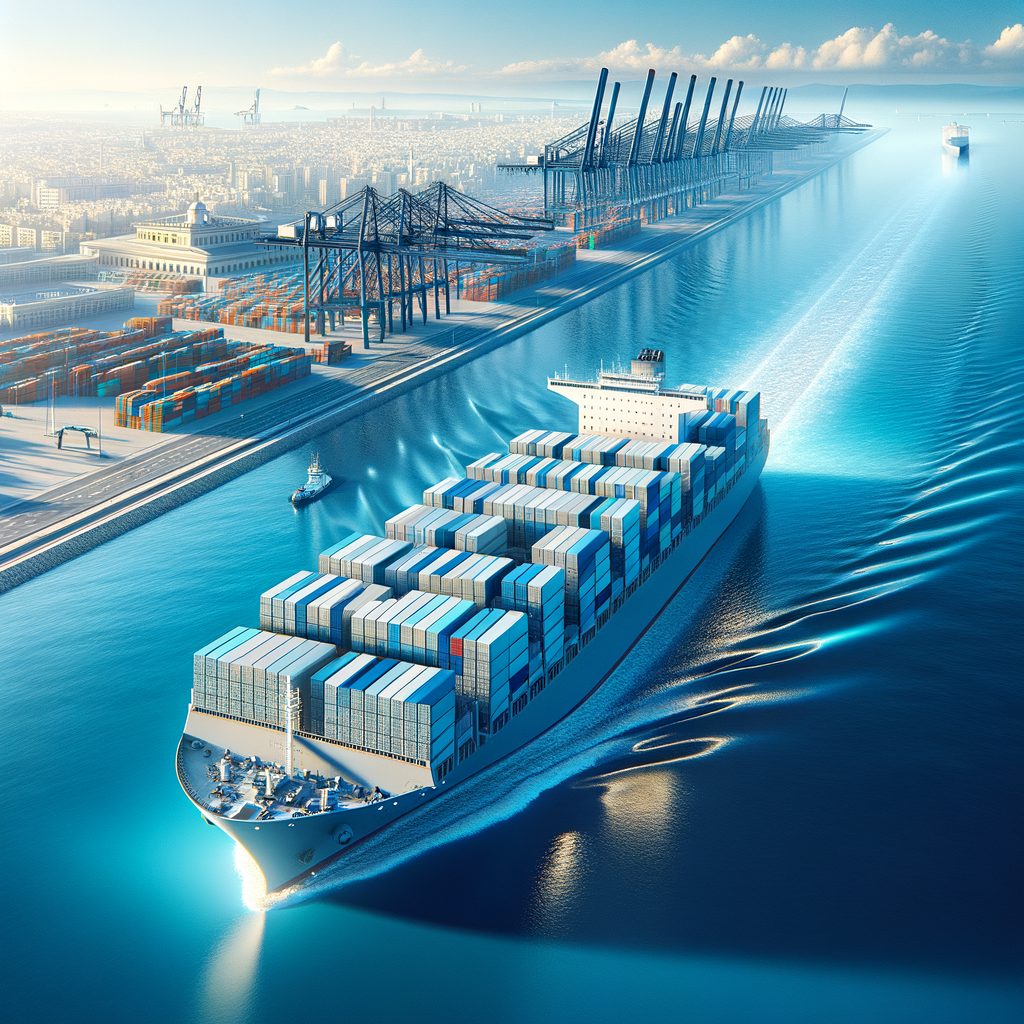
“`html The Buenavista Express Joins the Huelva-Canary Islands Route, Enhancing Maritime Transport Between the Mainland and the Archipelago Maritime transport between the Iberian Peninsula and the Canary Islands is a vital artery for economic and social exchange in Spain. This route not only facilitates the movement of passengers, but is also essential for roll-on/roll-off cargo, ensuring that goods and products reach their destinations efficiently. For years, shipping companies have played a crucial role in ensuring these connections are safe, fast, and comfortable for users. In this context, shipping companies are continuously seeking to improve their services by incorporating new vessels and technologies. The recent announcement of the ferry Buenavista Express replacing the Sicilia on the route connecting the port of Huelva with the Canary Islands is a clear example of this evolution. This incorporation, scheduled for 24 January 2026, is a collaborative effort between Baleària and Fred. Olsen Express, leaders in the national and international maritime transport sector. Detailed Analysis: The Incorporation of the Buenavista Express The Buenavista Express is a ropax ferry, designed to transport both passengers and roll-on/roll-off cargo. This vessel, with its length of 172 metres, stands out for its cargo capacity of 1,850 linear metres, making it an optimal choice for the transportation of vehicles and goods. Its ability to carry up to 1,250 passengers and 390 vehicles underscores its value as a bridge between the Mainland and the Canary Archipelago. The design of the Buenavista Express is oriented towards maximising passenger comfort and safety. It offers over 200 cabins, including double and quadruple options, accommodating up to 750 passengers, and nearly 550 seats in various configurations. Onboard services include cafés, restaurants, terraces, and facilities specially designed for passengers with reduced mobility and those travelling with pets. Furthermore, its maximum speed of 21.5 knots ensures an efficient journey. Impact on the Merchant Navy and the Nautical Sector The introduction of the Buenavista Express on the Huelva-Canary Islands route represents a significant advancement for the merchant navy and the nautical sector in general. The increased capacity of the vessel will not only improve operational efficiency but also meet the growing demand for the transport of goods and passengers. This established route, also operated by the vessel Marie Curie, will strengthen the connectivity between the Canary Islands and the Mainland, facilitating economic and cultural exchange. For professionals in the sector, this implies an improvement in working conditions, with more modern and better-equipped vessels. The incorporation of new technologies on board can also increase safety and efficiency in daily operations, resulting in a more reliable service for customers. Challenges and the Future of the Sector in the Coming Years Looking to the future, the nautical sector faces various challenges and opportunities. Sustainability is a crucial issue, with the maritime industry constantly seeking to reduce its carbon footprint. Modern vessels like the Buenavista Express are designed to be more energy-efficient, but the transition to cleaner energy sources remains a priority. Additionally, shipping companies must adapt to the growing demand for digital technology, which includes everything from ticket booking to cargo management. The enhancement of port infrastructure and logistical management are equally key areas that will determine the sector’s future success. Key Concepts Ropax: A type of vessel that combines the characteristics of a roll-on/roll-off ferry and a passenger ferry. It is designed to transport vehicles and roll-on/roll-off cargo, as well as passengers. Length: The total length of a vessel, measured from the front (bow) to the back (stern). Roll-on/roll-off cargo: Refers to the transportation of goods that are loaded and unloaded from the ship using wheeled vehicles, such as cars, trucks, or trailers. Knots: A unit of speed equal to one nautical mile per hour, commonly used in maritime and air navigation. The entry The Buenavista Express Joins the Huelva-Canary Islands Route, Enhancing Maritime Transport Between the Mainland and the Archipelago was first published on WishToSail.com. “`
Fred. Olsen Express: A Quantitative and Qualitative Leap in Canary Islands Maritime Transport in 2025
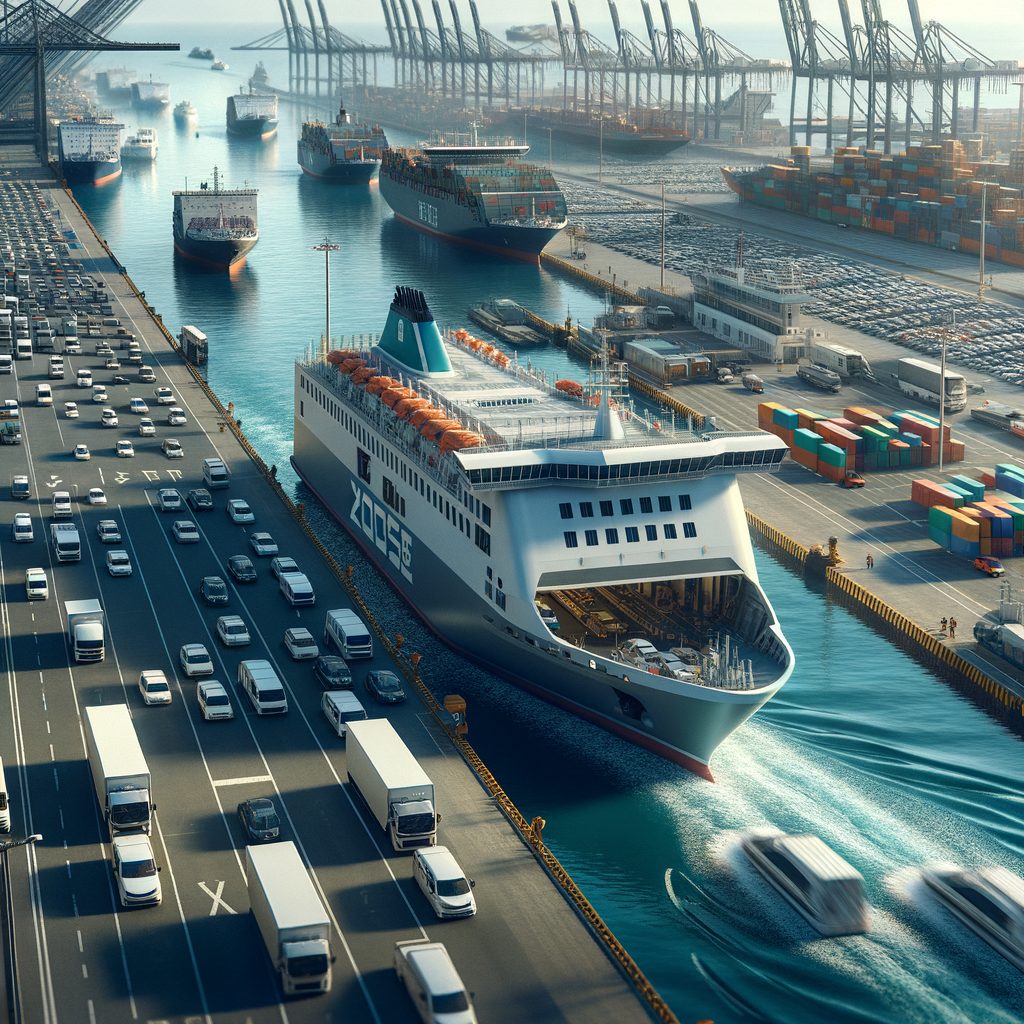
“`html Fred. Olsen Express: A Quantitative and Qualitative Leap in Canary Islands Maritime Transport in 2025 Maritime transport has been a fundamental pillar of commerce and mobility among islands for centuries, especially in archipelagos like the Canary Islands. The ability to connect the islands not only enhances the quality of life for residents but also boosts tourism, a critical sector for the local economy. In this context, the Canary Islands ferry operator, Fred. Olsen Express, has stood out as a key player, consistently surpassing its own records in passenger and vehicle transport. The year 2025 marked a milestone in the history of Fred. Olsen Express, solidifying its position as a leader in the sector. The company not only succeeded in transporting 4 million passengers but also increased the number of vehicles embarked by 10% compared to 2024. This growth reflects a rising demand and recognition of the quality of their services, which have been continuously improved through technological innovation and a firm commitment to sustainability. In-depth Analysis: Historic Record and New Routes of Fred. Olsen Express Fred. Olsen Express closed the year 2025 with historic figures, reaching 4 million passengers transported for the first time. This achievement is largely due to the opening and consolidation of new routes, such as the one connecting El Hierro with Tenerife, celebrating its first anniversary with a successful operation of 928 trips in a year. The incorporation of new technologies has been crucial to increasing the efficiency and safety of their services. Among these innovations is the installation of an early object detection system in the sea, developed in collaboration with Aeromarine and SEA.AI. This system not only enhances passenger safety but also protects the rich marine biodiversity of the region. Impact on the Merchant Navy and the Nautical Sector The growth of Fred. Olsen Express has significant implications for the merchant navy and the nautical sector in the Canary Islands. With the addition of the vessel Breñas Cargo, the company expanded its cargo capacity, managing to mobilise 1,670,000 linear metres of cargo during the year. This increase not only responds to greater demand but also facilitates the flow of essential goods, such as food and textile products, between the islands and the mainland. For professionals in the sector, this growth means more employment opportunities and the need to adapt to new technologies and operational methods. The emphasis on sustainability and innovation also requires a constant focus on training and professional development, ensuring that workers are equipped to handle the demands of a rapidly evolving sector. Challenges and Future of the Sector for the Coming Years The future of maritime transport in the Canary Islands looks promising, but it is not without challenges. The need to reduce carbon emissions remains a global priority, and ferry operators must invest in cleaner and more efficient technologies to comply with environmental regulations. Additionally, the growing competition in the sector demands that Fred. Olsen Express and other ferry companies continue to innovate, not only in technology but also in customer experience. The improvement of wifi connectivity through the incorporation of Starlink technology is an example of how digitalisation can enhance customer service at sea. Key Concepts Ro-ro: A ro-ro (roll-on/roll-off) ship is a type of vessel designed to carry wheeled cargo, such as cars and trucks. These ships allow vehicles to enter and exit the ship under their own power, facilitating faster and more efficient loading and unloading. Starlink: Starlink is a constellation of satellites developed by SpaceX to provide high-speed internet services globally. Connecting the Fred. Olsen Express fleet to this network significantly improves connectivity during voyages. Sustainability: In the context of maritime transport, sustainability refers to practices that minimise environmental impact, such as reducing carbon emissions and protecting marine biodiversity. Initiatives like coastal clean-ups and wildlife conservation projects are examples of this commitment. The article Fred. Olsen Express: A Quantitative and Qualitative Leap in Canary Islands Maritime Transport in 2025 was first published on WishToSail.com. “`
Innovative Partnership Between UnCruise Adventures and Approach Guides Revolutionises Marketing for Small Ship Adventure Cruises

“`html Innovative Partnership Between UnCruise Adventures and Approach Guides Revolutionises Marketing for Small Ship Adventure Cruises In the dynamic world of adventure cruising, personalisation and targeted marketing have taken on unprecedented importance. As travellers pursue more unique and authentic experiences, cruise companies face the challenge of standing out in a highly competitive market. This sector, which has witnessed significant growth in recent years, focuses not only on offering journeys to breathtaking destinations but also on providing a personalised experience for each passenger. UnCruise Adventures, renowned for its pioneering approach to small ship adventure cruises, has taken a significant step to enhance the way its travel advisors interact with clients. The recent partnership with Approach Guides, experts in travel guides and marketing tools, emerges as an innovative solution to strengthen its market position and improve the customer experience from the very first point of contact. Detailed Analysis: Strategic Alliance Between UnCruise Adventures and Approach Guides The collaboration between UnCruise Adventures and Approach Guides aims to provide travel advisors with modern, user-friendly marketing tools. These tools are specifically designed to convert travel inspiration into effective bookings, highlighting the importance of personalisation in the cruise sector. The new system offers advisors instant access to co-branded marketing content and a fully customisable platform, allowing them to tailor campaigns to the specific needs of their clients. The platform developed through this partnership enables advisors to integrate dynamic visual and textual content that resonates with the personal interests of travellers. This not only facilitates the advisors’ tasks but also enhances the customer experience by offering them engaging and relevant content that can transform a simple enquiry into a concrete booking. Impact on the Merchant Navy and Nautical Sector The implementation of this advanced digital platform has a significant impact on the daily work of professionals in the merchant navy and adventure cruise sectors. By offering potential clients a more personalised and engaging marketing experience, advisors can increase conversion rates and improve customer satisfaction. This digital transformation allows cruise companies to manage their operations more efficiently and respond agilely to market demands. Furthermore, the adoption of advanced marketing technologies in the merchant navy and nautical sectors can serve as a model for other companies seeking to innovate in their marketing strategies. The focus on personalisation and co-creation of content marks a shift towards more customer-centric practices, which is crucial in a sector where the traveller’s experience is paramount. Challenges and Future of the Sector for the Coming Years The move towards more personalised and digital marketing presents certain challenges, especially in terms of data privacy and personalisation without intrusion. Companies must carefully navigate privacy regulations while maximising the use of customer data to provide unique experiences. Another significant challenge is technological integration and staff training, ensuring advisors are well-equipped to use these tools effectively. Looking ahead, the adventure cruise sector is expected to continue evolving towards even more immersive and personalised experiences. Trends indicate an increase in demand for sustainable and environmentally friendly travel, which also impacts marketing strategies and itinerary planning. Companies that successfully integrate these trends with sophisticated marketing tools will be better positioned to capture the attention of an increasingly discerning audience. Key Concepts Co-branding: A marketing strategy where two or more brands collaborate to create a single product or service that carries the name and characteristics of both, combining their strengths and increasing market impact. Personalisation: The process of tailoring a product or service to the individual preferences of each customer, which is particularly vital in the luxury and travel experience sectors. Experience Marketing: A marketing technique focused on creating an emotional connection with the customer through personalised experiences, actively engaging the customer with the brand. Conversion Rates: A metric indicating the percentage of users who take a desired action, such as making a purchase or signing up for a service, in relation to the total number of visitors. The entry Innovative Partnership Between UnCruise Adventures and Approach Guides Revolutionises Marketing for Small Ship Adventure Cruises was first published on WishToSail.com. “`
Genesee & Wyoming Inc. Accelerates Industrial Development with Projects Exceeding 1,000 Million Dollars

“`html Genesee & Wyoming Inc. Accelerates Industrial Development with Projects Exceeding 1,000 Million Dollars In a world where logistics and transport are fundamental pillars of the global economy, the ability of transport companies to adapt and expand is crucial for their survival and growth. The railway industry, historically known for its vital role in the large-scale movement of goods, continues to be an integral part of transport infrastructure, particularly in North America. In this context, Genesee & Wyoming Inc. (G&W), a leading company in the United States railway sector, has announced an impressive advancement in its industrial development strategy. This announcement is particularly significant at a time when the American economy is facing challenges and opportunities for transformation. Investment in infrastructure and industrial projects not only stimulates economic growth but also has a significant impact on job creation and the strengthening of local communities. With a renewed focus on industrial project development, G&W is strategically positioning itself to capitalise on economic growth and meet the increasing demand for freight transport. Detailed Analysis: G&W’s Industrial Projects Genesee & Wyoming Inc. has revealed an ambitious set of 44 industrial projects spread across 16 states in the United States. These projects represent an investment of over 1,000 million dollars by clients and are expected to generate more than 700 jobs. Technically, these projects are designed to add more than 82,000 freight carloads to the railway sector, which is a testament to the magnitude and potential impact of these developments. The execution of these projects not only involves the construction of new railway infrastructures but also the integration of advanced technologies that enhance the efficiency and sustainability of transport. From the implementation of railway traffic management systems to the incorporation of clean energy solutions, G&W is at the forefront of innovation in the railway sector. These initiatives not only optimise logistic operations but also reduce the carbon footprint of railway transport, aligning with global trends towards greater sustainability. Impact on the Merchant Navy and Maritime Sector The impact of these industrial developments extends beyond the railways, affecting the maritime sector and the merchant navy as well. The ability to efficiently transport large volumes of goods by rail to seaports is essential for the smooth flow of international trade. With more than 82,000 new freight carloads anticipated, seaports will need to adapt to handle the increased traffic of goods, potentially leading to the expansion of port facilities and the modernisation of their infrastructure. Moreover, the creation of new jobs in local communities will not only benefit the regional economy but also foster greater collaboration between the railway and maritime industries. This synergy is vital to maintaining the competitiveness of the United States in global trade, particularly at a time when supply chains are facing unprecedented pressures. Challenges and Future of the Sector for the Coming Years Despite the optimism surrounding these projects, the sector faces numerous challenges that could affect their future development. Stricter environmental regulations and concerns about the ecological impact of transport are issues that railway companies will need to address proactively. Additionally, fluctuations in fuel prices and transport tariffs may influence the economic viability of these projects in the long term. Looking to the future, trends indicate a growing demand for sustainable and innovative transport solutions. This could include the transition towards electric or hybrid locomotives, as well as the implementation of automation and digitalisation technologies to improve operational efficiency. Genesee & Wyoming Inc. and other companies in the sector will need to adapt swiftly to these changes to maintain their competitive position in the market. Key Concepts In the context of G&W’s industrial developments, several technical terms are crucial to understanding the scope of the impact of these projects: Carloads: A term that describes the amount of cargo that can be transported in a single railcar. It is a key measure for freight transport capacity and the efficiency of railway operations. Railway Infrastructure: Includes tracks, stations, tunnels, bridges, and other physical elements necessary for the operation of a railway system. The modernisation of this infrastructure is essential to increasing transport capacity and efficiency. Sustainability in Transport: Refers to practices and technologies that reduce the environmental impact of freight transport. This can include the use of cleaner fuels, route optimisation, and carbon emission reductions. In summary, the industrial projects announced by Genesee & Wyoming Inc. not only represent a significant advancement in the railway sector but also have the potential to transform the logistics landscape in the United States. As the world watches how this initiative evolves, the transport sector as a whole will need to adapt and evolve to face the challenges of the future. The article Genesee & Wyoming Inc. Accelerates Industrial Development with Projects Exceeding 1,000 Million Dollars was first published on WishToSail.com. “`
The Strategic Importance of Starboard Group in the Global Landscape 2026: Insights from the “Unleash the Potential Summit” in Mexico

“`html The Strategic Importance of Starboard Group in the Global Landscape 2026: Insights from the “Unleash the Potential Summit” in Mexico The international nautical and maritime industry has undergone significant transformations over recent decades, driven by a combination of technological advancements, regulatory changes, and the globalisation of trade. In this context, annual summits organised by industry leaders, such as the Starboard Group, play a crucial role in defining business and operational strategies. Starboard Group, renowned for its innovative approach and leadership in the industry, recently held its “Unleash the Potential Summit 2026” in Mexico. This event brought together over 200 senior managers and corporate leaders to discuss and optimise their business strategies for the coming years. The gathering occurred at a critical juncture for the sector, as maritime companies face multiple challenges, ranging from environmental sustainability to the digitalisation and automation of their operations. Events of this calibre are essential for facilitating the exchange of ideas, fostering strategic alliances, and establishing a consensus on best practices that can guide the sector towards a more efficient and sustainable future. Detailed Analysis: Starboard Group’s “Unleash the Potential Summit 2026” The 2026 summit of Starboard Group was a meticulously structured event aimed at catalysing the potential of its global operations and addressing emerging challenges in the maritime industry. The topics discussed included the implementation of artificial intelligence technologies to optimise navigation routes, the use of big data to enhance logistical operational efficiency, and investments in clean energy to reduce the carbon footprint of fleets. One of the highlights was the presentation on the use of advanced analytics to predict ship maintenance, which could lead to significant savings in operational costs. Furthermore, the summit placed particular emphasis on the continuous training of personnel, aligning the workforce’s skills with the evolving market needs. This not only improves operational efficiency but also ensures that Starboard Group maintains its competitive position in a dynamic and highly regulated environment. Impact on the Merchant Navy and Nautical Sector The discussions and resolutions from the “Unleash the Potential Summit 2026” will have a significant impact on the merchant navy and the nautical sector in general. The adoption of new technologies and processes discussed at the summit has the potential to redefine the industry’s operational standards. For instance, the application of artificial intelligence in route planning not only reduces fuel costs but also enhances safety by predicting and avoiding adverse weather conditions. Industry professionals will need to adapt to a more digitalised work environment, where technical skills and knowledge of automated systems will be crucial. Additionally, the renewed focus on sustainability could lead to an increased demand for new professional profiles focused on environmental management and regulatory compliance, opening new career paths in the industry. Challenges and the Future of the Sector in the Coming Years As the maritime industry progresses towards greater digitalisation and sustainability, it faces several challenges. Integrating new technologies into existing systems can be costly and complex, requiring substantial investment in infrastructure and training. Moreover, the increasing regulatory pressure regarding greenhouse gas emissions compels companies to reassess their operational practices and invest in cleaner technologies. In the coming years, the sector is expected to advance towards the total automation of operations, with autonomous ships potentially revolutionising maritime logistics. Simultaneously, cybersecurity will become a priority, given the potential increase in threats as more systems become digitally connected. Key Concepts In analysing Starboard Group’s summit, several relevant technical terms emerged, highlighting the need for a deep understanding of these concepts within the sector. For instance, “big data” refers to the management and analysis of large volumes of data to improve decision-making and optimise operations. “Artificial intelligence” involves using algorithms and automated systems to perform tasks that traditionally require human intelligence. Another key term is “sustainability,” which in the maritime context, focuses on reducing the environmental impact of naval operations, ensuring practices that protect marine ecosystems and reduce carbon emissions. These concepts are not only essential for the sector’s present but also define its future, shaping how companies operate and compete in the global market. The entry The Strategic Importance of Starboard Group in the Global Landscape 2026: Insights from the “Unleash the Potential Summit” in Mexico was first published on WishToSail.com. “`