


Historical Evolution of European Union Emission Allowance Prices: A Comprehensive Analysis of Their Impact on the Maritime Sector
“`html Historical Evolution of European Union Emission Allowance Prices: A Comprehensive Analysis of Their Impact on the Maritime Sector Environmental regulation is a hot topic across the maritime industry, where the need to reduce greenhouse gas emissions has become a critical factor in daily operations and future development. In this context, the Spanish Shipowners’ Association (ANAVE) has released a detailed report on the historical evolution of European Union emission allowance prices, a key factor influencing the economic and operational decisions of maritime companies across Europe. Emission allowances, also known as permits to emit a specific amount of greenhouse gases, are an essential tool in the European Union’s strategy to combat climate change. This system, officially known as the European Union Emissions Trading System (EU ETS), sets a cap on the total amount of certain greenhouse gases that can be emitted by factories, power plants, and aircraft operating within the EU. Within this cap, companies receive or purchase emission allowances, which can be traded according to their needs. Detailed Analysis: Evolution of Emission Allowance Prices The ANAVE report offers an exhaustive analysis of how the prices of these allowances have fluctuated over time, reflecting the challenges and opportunities these fluctuations present for the industry. Since its establishment in 2005, the EU ETS has undergone several changes, including significant reforms aimed at increasing the system’s effectiveness. In the early years, emission allowance prices were low due to the over-allocation of free allowances, resulting in an oversupplied market. However, over time, and particularly since 2018, reforms have been implemented that have led to an increase in prices, reflecting a stricter policy towards emission reduction. The implementation of the Market Stability Reserve (MSR) in 2019 was a turning point that led to a gradual increase in prices. This measure aims to adjust the supply of emission allowances in the market, removing surpluses to stabilise prices and encourage investment in clean technologies. As a result, emission allowance prices have reached new historical highs, surpassing €50 per tonne of CO2 in 2021, underscoring the growing pressure for industries, including the maritime sector, to adopt more sustainable practices. Impact on the Merchant Navy and Nautical Sector The increase in emission allowance prices has a direct impact on the competitiveness of the merchant navy and the nautical sector. Shipping companies are compelled to reevaluate their operational strategies to minimise their carbon footprints and, consequently, their associated costs. This has led to increased investment in emission reduction technologies, such as the use of low-sulphur fuels, exhaust gas cleaning systems (scrubbers), and the adoption of renewable energy sources onboard vessels. Moreover, the green policies driven by rising emission costs are accelerating innovation in ship design and route optimisation to reduce fuel consumption. Companies are exploring new avenues to improve energy efficiency, from modernising existing fleets to constructing new, more sustainable ships. This translates into a greater demand for professionals skilled in green technologies and efficient resource management, which is shaping the profile of the maritime worker of the future. Challenges and Future of the Sector in the Coming Years The path towards a greener and more sustainable maritime industry is fraught with challenges. The sector’s reliance on marine diesel and other fossil fuels remains high, and the transition to cleaner alternatives not only requires significant investment but also a shift in mindset across the industry. The implementation of new and untested technologies on a large scale presents technical and economic risks that must be carefully managed. However, the future of the sector appears promising, with a growing focus on innovation and sustainability that is redefining how ships are conceived and operated. Digitalisation, along with the development of alternative fuels such as hydrogen and ammonia, promises to revolutionise the sector in the coming decades. The European Union remains a key player in this process, setting clear and ambitious guidelines for the maritime sector to contribute to its long-term climate goals. Key Concepts Emission Allowances: Permits that allow companies to emit a limited amount of greenhouse gases. Under the EU ETS system, one allowance equals one tonne of CO2. Market Stability Reserve (MSR): A mechanism within the EU ETS designed to address the oversupply of emission allowances, ensuring market stability and promoting investments in clean technology. Scrubbers: Systems installed on ships to remove pollutants from exhaust gases before they are released into the atmosphere, thereby reducing sulphur emissions. The article Historical Evolution of European Union Emission Allowance Prices: A Comprehensive Analysis of Their Impact on the Maritime Sector was first published on WishToSail.com. “`
Revolution in Nautical Technology: The New Electric Propulsion System for Commercial Vessels
Revolution in Nautical Technology: The New Electric Propulsion System for Commercial Vessels As the world becomes increasingly focused on sustainability and reducing carbon emissions, the maritime industry faces an urgent need to adapt to new ecological demands. Traditionally reliant on fossil fuels, the Merchant Navy finds itself at a critical turning point. Recent technological advancements have begun to offer viable solutions that could completely transform how commercial vessels operate on our oceans. One of the most promising developments is the implementation of electric propulsion systems in commercial vessels, an innovation that could redefine standards of efficiency and sustainability in the nautical sector. This advancement not only responds to increasing regulatory pressure to reduce emissions of harmful gases but also aligns with the economic interests of shipping companies seeking to optimise long-term operational costs. Detailed Analysis: The New Electric Propulsion System The electric propulsion system for commercial vessels relies on electric motors powered by high-capacity batteries or onboard generators operating on renewable energy sources. This technology allows vessels to operate with significantly greater energy efficiency compared to traditional internal combustion engines. Additionally, the reduction in noise and vibrations provides a safer and more comfortable working environment for the crew on board. The heart of the system lies in lithium-ion batteries, which have been enhanced to provide greater autonomy and storage capacity. These batteries can be recharged by connecting to the electrical grid at adapted ports, facilitating the transition to more sustainable logistics. Moreover, the combined use of solar and wind energy to power onboard electric generators represents a hybrid solution that maximises efficiency on long-distance routes. Impact on the Merchant Navy and the Nautical Sector The introduction of electric propulsion in commercial vessels has a significant impact on the daily routine of the Merchant Navy. Firstly, vessel operations become more efficient by reducing fuel consumption and, consequently, operational costs. Additionally, the new systems require less maintenance, which decreases vessel downtime and improves the overall productivity of fleets. For maritime professionals, this means the need to acquire new technical skills related to the maintenance and operation of advanced electrical systems. Furthermore, the renewed focus on sustainability could generate new employment opportunities in areas such as environmental engineering and renewable resource management within the maritime sector. Challenges and Future of the Sector for the Coming Years Despite the benefits, the universal implementation of electric propulsion in the Merchant Navy faces significant challenges. One of the main hurdles is the port infrastructure, which needs to be adapted to allow for the efficient recharging of electric vessels. This requires substantial investment from both governments and the private sector. Moreover, the transition to a fully electric maritime fleet could take several years, depending on the pace of development and adoption of these technologies. However, the trend towards sustainability is undeniable, and international legislation is expected to continue driving policies that favour emission reductions in maritime transport. Key Concepts Lithium-ion Batteries: These are rechargeable energy storage devices that use lithium compounds to provide electric power efficiently. Electric Propulsion: A propulsion system that uses electric motors to move a vehicle, in this case, a vessel, using energy stored in batteries. Onboard Generators: Machines that convert mechanical energy into electricity and are used to provide power to electrical systems on vessels. Renewable Energy: Energy sources obtained from inexhaustible natural resources, such as solar or wind, employed to power electrical systems sustainably. The adoption of electric propulsion systems in the maritime industry not only represents a technological advance but also a paradigm shift towards more sustainable and efficient operation of commercial vessels. With the challenges clearly identified and a wealth of opportunities to explore, the future of the nautical sector is poised towards a greener and more promising horizon. The article Revolution in Nautical Technology: The New Electric Propulsion System for Commercial Vessels was first published on WishToSail.com.
ANAVE Unveils the Evolution of Marine Fuel Prices at Major Global Ports: Analysis and Perspectives
“`html ANAVE Unveils the Evolution of Marine Fuel Prices at Major Global Ports: Analysis and Perspectives In the dynamic and globalised maritime sector, having detailed knowledge of fluctuations in marine fuel prices is crucial for the efficient operations of shipping companies. The Spanish Shipowners Association (ANAVE) has taken a significant step forward by offering a comprehensive analysis of the evolution of these prices at the 20 most important supply ports worldwide. This kind of strategic information is vital for fleet operators to plan their routes and budgets more effectively, minimising costs and maximising operational efficiency. Marine fuels, which constitute a significant portion of a shipping company’s operational costs, have experienced considerable volatility in recent years. Factors such as environmental regulations, fluctuating demand, and geopolitical tensions directly affect their prices. This scenario compels shipping companies to remain constantly updated on these variables to compete effectively in the international market. Detailed Analysis: Evolution of Marine Fuel Prices by ANAVE The report presented by ANAVE provides a thorough analysis of the variations in marine fuel prices, highlighting both increases and decreases at key ports. These ports, including Singapore, Rotterdam, Houston, and Shanghai, serve as critical hubs for global maritime trade. ANAVE has utilised data from multiple sources, including commodity exchanges and energy agency reports, to offer a clear and comprehensible view of market trends. The report emphasises how price variations are not only dependent on supply and demand but also on structural and situational factors. For instance, the impact of the International Maritime Organization (IMO) regulations on the permissible sulphur content in fuels has brought about significant changes in shipping companies’ purchasing preferences, driving the demand for cleaner and less polluting fuels. Impact on the Merchant Navy and Nautical Sector The availability and cost of marine fuels are critical for decision-making within the merchant navy. Fluctuations in prices directly affect the profit margins of shipping companies, influencing route selection, navigation speed, and provisioning strategies. This necessitates more sophisticated operational planning and the implementation of advanced technologies to enhance the energy efficiency of vessels. Furthermore, changes in fuel supply and prices can influence the competitiveness of certain ports over others. Shipping companies, prioritising cost efficiency, may opt to change their ports of call or adjust their itineraries, which can significantly alter global maritime trade dynamics in the long term. Challenges and Future of the Sector for the Coming Years In the coming years, the maritime sector will face several challenges concerning marine fuels. Regulatory pressures will continue to drive a shift towards more sustainable fuels, such as LNG (Liquefied Natural Gas) and biofuels. As the industry works to reduce its carbon footprint, investments in new propulsion technologies and improvements in energy efficiency will be critical. Digitalisation and artificial intelligence will also play a crucial role in managing fuel prices and consumption. Data analysis platforms and onboard energy management systems will enable more precise monitoring and quicker responses to market fluctuations. The development of alternative fuels and the transition towards greener transport will be dominant trends, defining the future of a sector striving to balance sustainability and profitability. Key Concepts In the context of this discussion, it is important to understand some fundamental technical terms. The term “IMO 2020” refers to the International Maritime Organization regulation that limits the sulphur content in marine fuels to 0.5%, a significant reduction from the previous limit of 3.5%. This regulation has profoundly impacted the fuel market, prompting a shift towards cleaner options. On the other hand, LNG, or Liquefied Natural Gas, has become a popular alternative due to its lower sulphur and carbon emissions. As regulations become stricter, the sector is exploring alternatives such as biofuels, which promise to reduce greenhouse gas emissions. Adapting to these new energy sources will require adequate infrastructure and significant investment, aspects that shipping companies are already beginning to address. This entry ANAVE Unveils the Evolution of Marine Fuel Prices at Major Global Ports: Analysis and Perspectives was first published on Quiero Navegar App. “`
Impact of Russian Attacks on Merchant Ships in the Black Sea: A Comprehensive Analysis of the Wael K and Ladonna Cases
“`html Impact of Russian Attacks on Merchant Ships in the Black Sea: A Comprehensive Analysis of the Wael K and Ladonna Cases The international maritime sector is facing unprecedented challenges amid escalating geopolitical tensions. One of the most recent incidents has put the global maritime community on high alert: the attack on two merchant vessels in the Black Sea, revealing the vulnerabilities of shipping routes in conflict zones. These attacks not only underscore the risks to global trade but also highlight the urgent need for more robust security measures. Historically, the Black Sea has been a crucial artery for the trade of grains and other staple goods, with Ukraine and Russia playing pivotal roles in global supply. However, the prolonged conflict in the region has transformed this route into a battleground, directly impacting the logistics sector and the economic stability of multiple nations. The recent incidents, including the attack on the vessel Wael K, have captured international attention, reigniting the debate over maritime security and the implications of military actions in international waters. Detailed Analysis: Attack on the Vessel Wael K The Wael K, a cargo ship with a deadweight tonnage (DWT) of 8,000, became the target of a Russian attack on 9 January. Registered in Saint Kitts and Nevis and owned by Turkish interests, the vessel was attacked while en route to the Ukrainian port of Chornomorsk to load grain. The attack, carried out by a Russian drone, caused significant damage to its superstructure, a critical part of the vessel housing the bridge and other essential facilities. The Second Officer of the Wael K, a Syrian national, sustained injuries from the attack, highlighting the risks faced by seafarers in conflict zones. Despite these damages, the crew demonstrated remarkable skill and determination, managing to navigate the vessel under its own power to the nearest port for technical and medical assistance. Impact on the Merchant Navy and the Nautical Sector The attacks on merchant ships in the Black Sea represent a serious threat to international maritime security and directly affect the daily operations of the merchant navy. Crews must now consider the additional risk of being targeted by military attacks, increasing psychological pressure on sector professionals. Furthermore, these incidents can result in higher operational costs due to the need to reroute, implement additional security measures, and potential cargo losses. For shipping companies, the increase in insurance premiums and the cost of additional protection become inevitable factors to manage. Additionally, ports in the region, crucial for the trade of grains and other goods, are experiencing a decline in their activities due to the fear of further attacks, affecting local economies and global supply chains. Challenges and Future Prospects for the Sector in Coming Years The future of the maritime sector in the Black Sea and other conflict zones is uncertain and will largely be determined by the development of the geopolitical situation. Maritime security has become a strategic priority, and shipping companies are expected to invest in advanced detection and defence technologies to protect their assets and crews. International cooperation will be essential to establish more effective security protocols and ensure the free movement of goods. In the long term, it is likely that nations will increase self-sufficiency concerning essential supplies, seeking to reduce dependence on dangerous shipping routes. Additionally, the adoption of technological solutions, such as surveillance drones and early warning systems, could redefine maritime security strategies. Key Concepts Superstructure: In naval context, the superstructure refers to the structures that rise above a ship’s hull, including the bridge and accommodation areas. It is crucial for the control and operation of the vessel. General Cargo Ship: A type of vessel designed to transport various goods rather than a single type of cargo. Its flexibility allows it to adapt to different types of cargo, although they are more vulnerable to damage in conflict situations. Military Drone: An unmanned aerial vehicle used in military operations for reconnaissance or attack, noted for its ability to operate without an onboard pilot, making them strategic tools in modern conflicts. The entry Impact of Russian Attacks on Merchant Ships in the Black Sea: A Comprehensive Analysis of the Wael K and Ladonna Cases was first published on WishToSail.com. “`
The Resurgence of Maritime Transport: An In-Depth Analysis of the Shipping Market Review 2025 Report
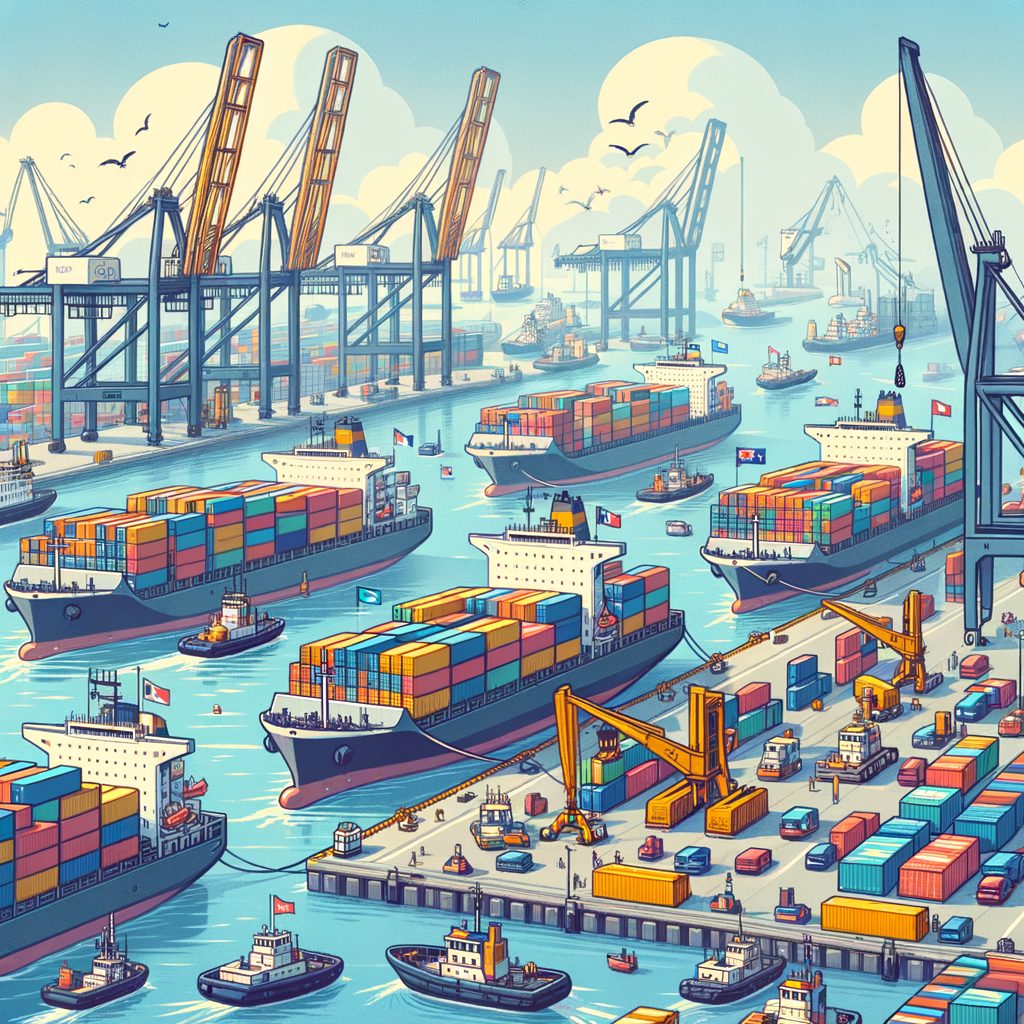
“`html The Resurgence of Maritime Transport: An In-Depth Analysis of the Shipping Market Review 2025 Report Maritime transport is a crucial cog in the machinery of global trade, responsible for moving over 80% of world trade by volume. In recent years, it has faced significant challenges, from geopolitical tensions to pandemic-related restrictions, which have tested its adaptability and resilience. However, the sector has shown a remarkable capacity for recovery and reinvention, as highlighted in the recent Shipping Market Review 2025 report by Clarksons Research. This annual report provides a comprehensive overview of the current state of the maritime market, addressing both the challenges and opportunities that this vital industry faces. By focusing on the evolution of various segments of maritime transport, from tankers to bulk carriers, the analysis offers valuable insights into the dynamics shaping the sector. In a context of increasing geopolitical tensions and economic fluctuations, the report underscores the importance of innovation and adaptability to remain competitive on a global scale. Detailed Analysis: The Evolution of the Maritime Transport Market in 2025 The Shipping Market Review 2025 by Clarksons Research highlights that global maritime transport experienced a growth of 1.1%, reaching a total of 12.9 billion metric tonnes (Mt). This growth, though modest, is significant amidst geopolitical and economic uncertainties. The container shipping segment was particularly notable, with the ClarkSea Index rising by 39% year-on-year, reflecting robust demand and efficient optimisation of global maritime logistics. In the realm of tankers, the scenario is more complex. Although the weighted Clarksons Index remained stable, a clear divergence in trends was observed. Very Large Crude Carriers (VLCCs) saw a 39% increase, driven by factors such as an increase in OPEC production and an environment of international sanctions limiting available supply. On the other hand, the product tanker market remains healthy, although the chemical tanker market shows signs of weakness. The bulk carrier sector also showed signs of recovery, particularly in the second half of the year, although it still faces an 8% decline from 2024. The Very Large Gas Carrier (VLGC) index presented positive growth of 18%, thanks to increased transported volumes and changes in trade routes, while spot earnings for LNG carriers suffered a 31% decline. Impact on Merchant Navy and the Nautical Sector The evolution of maritime markets has a direct impact on the daily operations of the merchant navy and the nautical sector in general. The increase in container and tanker freight rates implies changes in logistical and operational planning to maximise the efficiency and profitability of routes. Professionals in the sector must adapt swiftly to these fluctuations, adjusting their fleet management and human resource strategies to meet the market’s growing demands. The consolidation of the sale and purchase market and changes in the global fleet also demand continuous updates of knowledge and skills from seafarers and fleet managers. The increasing complexity of international regulations, driven by environmental concerns and geopolitical sanctions, adds an additional layer of challenge that professionals in the sector must navigate with skill. Challenges and Future of the Sector for the Coming Years The future of the maritime sector is full of challenges and opportunities. The need to reduce carbon emissions and comply with stricter environmental regulations will remain a key driver of technological innovation in shipbuilding. The adoption of alternative fuels and energy-efficient technologies is a trend likely to accelerate in the coming years, driven by regulatory pressures and consumer expectations. Furthermore, geopolitical dynamics will continue to influence trade routes and the demand for maritime transport. The ability to adapt quickly to these changes will be crucial for maritime operators. Digitalisation and the use of advanced technologies, such as artificial intelligence and blockchain, are poised to transform the industry, optimising processes and improving transparency and security in operations. Key Concepts The report mentions several technical terms that are essential for understanding the dynamics of the maritime sector. For instance, the ClarkSea Index is a benchmark indicator that measures the financial performance of freight markets, providing an integrated view of market health. VLCCs, or Very Large Crude Carriers, are large-capacity vessels used primarily for crude oil transport, and their demand is influenced by global oil production and geopolitical policies. Meanwhile, VLGCs, or Very Large Gas Carriers, are crucial for transporting liquefied gases such as LPG, and their market is driven by changes in supply chains and global energy consumption. Understanding these terms is crucial for any professional in the sector seeking to navigate successfully in the complex environment of maritime transport. The entry The Resurgence of Maritime Transport: An In-Depth Analysis of the Shipping Market Review 2025 Report was first published on WishToSail.com. “`
The LNG Revolution in Maritime Transport: Challenges and Perspectives in the European Union
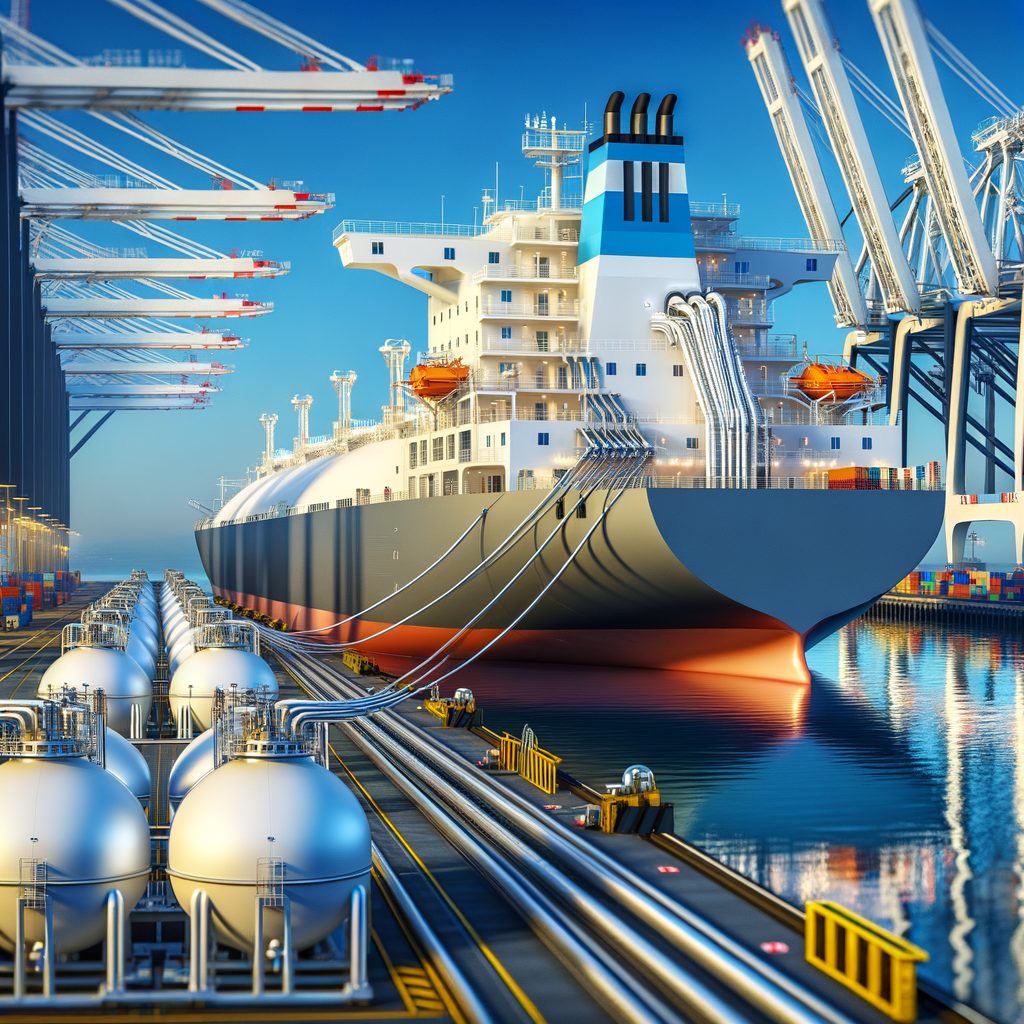
“`html The LNG Revolution in Maritime Transport: Challenges and Perspectives in the European Union Maritime transport is a fundamental sector in the global economy, responsible for transporting approximately 90% of worldwide trade. However, it is also one of the principal contributors to greenhouse gas (GHG) emissions, a challenge that global regulators are striving to mitigate through stricter and more sustainable policies. One of the innovations gaining traction in the sector is the use of Liquefied Natural Gas (LNG) as an alternative fuel, which promises to significantly reduce GHG emissions compared to traditional fossil fuels. Recently, a container ship opted to refuel with LNG at the port of Rotterdam, Netherlands, marking a significant milestone in the sector’s green transition. This step comes at a time when maritime transport is bracing for a significant increase in regulatory costs within the European Union, especially with the culmination of the EU Emissions Trading System (EU-ETS) in 2026. This context is driving shipping companies to seek more sustainable alternatives that allow them to maintain profitability while complying with increasingly stringent environmental regulations. Detailed Analysis: Using LNG as Fuel in Maritime Transport Liquefied Natural Gas (LNG) is a low-carbon hydrocarbon that, when used as fuel, produces less carbon dioxide (CO2), sulphur oxides (SOx), and nitrogen oxides (NOx) compared to the traditional heavy fuel oil used in ships. The liquefaction process allows its volume to be reduced, facilitating its storage and transport. In the case of the port of Rotterdam, one of the largest and most advanced globally, the LNG supply infrastructure has been designed to minimize emissions during refuelling and maximize the safety of the process. The use of LNG not only addresses the need to reduce emissions but also meets the stringent air quality standards set by international regulations. The International Maritime Organization (IMO) has established that by 2030, CO2 emissions must be reduced by at least 40% compared to 2008 levels, incentivizing the adoption of cleaner technologies. Moreover, LNG provides the ability to comply with Emission Control Areas (ECAs), where emission constraints are even stricter. Impact on Merchant Marine and the Nautical Sector The shift towards cleaner fuels such as LNG will have a profound impact on the maritime sector, affecting everything from the daily operation of ships to the strategic planning of shipping companies. Operationally, the use of LNG requires specialised training for crews and upgrades to port infrastructures to ensure a safe and efficient supply. For merchant marine professionals, this change implies an adaptation in their work routines, as LNG refuelling operations differ from those of traditional fuels. Furthermore, the economic impact of this transition is not negligible. While LNG may offer lower operational costs in the long term due to its higher energy efficiency, the initial cost of converting ships to operate on LNG can be substantial. This can represent a challenge for small and medium-sized shipping companies that operate on tighter profit margins. However, savings on regulatory costs, especially within the context of the EU-ETS, can offset these initial investments. Challenges and Future of the Sector in the Coming Years The path towards more sustainable maritime transport is fraught with challenges. A major one is the availability of adequate infrastructure for LNG supply in key ports worldwide. Although ports like Rotterdam are well-equipped, others may lack the same capabilities, limiting potential routes for LNG-powered ships. Looking to the future, research and development of alternative propulsion technologies, such as hydrogen and electric batteries, are rapidly advancing. However, LNG is likely to play a crucial role during the transition to fully decarbonised maritime transport. Trends indicate an increase in investment in LNG infrastructure, as well as in the research of biofuels and synthetic fuels that could complement LNG use and help achieve long-term emission reduction targets. Key Concepts Liquefied Natural Gas (LNG): This is natural gas that has been processed to be transported in liquid form at cryogenic temperatures. By liquefying the gas, its volume is reduced, facilitating storage and transport. EU-ETS (Emissions Trading System): This is a European Union scheme that limits greenhouse gas emissions by allocating a finite number of permits. Companies must acquire these permits to cover their emissions, incentivizing GHG reduction. Nitrogen Oxides (NOx) and Sulphur Oxides (SOx): These are air pollutants resulting from the combustion of fossil fuels. They are responsible for acid rain and respiratory health issues in humans. Emission Control Areas (ECAs): These are areas designated by the IMO where stricter standards for gas emissions apply, requiring ships to use cleaner fuels or emission reduction technologies. The entry The LNG Revolution in Maritime Transport: Challenges and Perspectives in the European Union was first published on WishToSail.com. “`