


The President’s Rowing Trophy “Memorial Antonio Rodríguez”: A Tribute to Tradition and Excellence in the Bay of Málaga

“`html The President’s Rowing Trophy “Memorial Antonio Rodríguez”: A Tribute to Tradition and Excellence in the Bay of Málaga In the realm of nautical sports, few competitions capture the essence of tradition and excellence like the President’s Rowing Trophy “Memorial Antonio Rodríguez”. Held annually in the picturesque bay of Málaga, this event has secured its place as a fundamental fixture within the region’s sporting calendar. Now in its twenty-fourth edition, the trophy attracts top rowers and teams, testament to the deep roots rowing has in the culture of Málaga. The prestigious Real Club Mediterráneo, with over a century of history, is the organising institution behind this esteemed trophy. Situated in the prime location of the Costa del Sol, the club has not only nurtured the practice of rowing but has also become a hub for developing athletes who have represented Málaga in national and international competitions. Each edition of the trophy is not just an opportunity for competition but a celebration of past and future achievements within the local rowing community. A Detailed Analysis: The Twenty-Fourth Edition of the President’s Rowing Trophy The twenty-fourth edition of the President’s Rowing Trophy was conducted under ideal weather conditions, allowing all scheduled heats to proceed smoothly. This year, the competition was dominated by team Canucas, who triumphed over direct competitors: Numas, Bolganys, and Willys. The event was marked by intense competition, reflecting the high level of preparation and strategy employed by all teams involved. The event also included the traditional christening of new boats, a ceremony rich with symbolism that marks the beginning of a new era for each vessel and the athletes who will row them. In 2023, eight new boats were introduced and christened in honour of notable figures within the club, such as Encarnación Hijano Martel and Javier Madrid Balebona, acknowledging their contributions to the sport. Impact on the Merchant Navy and Nautical Sector The President’s Rowing Trophy holds significant importance not only in the sports arena but also within the merchant navy and the wider nautical sector in the region. Events like this stimulate interest in nautical activities, thereby boosting local participation and the development of talent in water sports. Moreover, the growing popularity of such competitions promotes sports tourism, directly benefiting the local economy and the nautical industry. For professionals in the merchant navy, the surge in these activities may lead to increased demand for services related to the maintenance and provisioning of vessels. Furthermore, rowing competitions encourage collaboration between clubs and maritime entities, fostering the training and certification of new talents in areas such as vessel handling and nautical event management. Challenges and the Future of the Sector for the Coming Years Looking forward, the nautical sector and rowing competitions face several challenges. Among these, environmental sustainability is an escalating concern. Implementing practices that minimise the environmental impact of competitions is crucial for preserving local marine ecosystems. Technological innovations in building more sustainable vessels and the responsible use of resources are key areas for the future development of the sector. Additionally, the globalisation of sports and the rise of international competition demand that local clubs continue to elevate their training and competition standards. Investment in infrastructure, training, and technology will be essential to maintain the relevance and competitiveness of events like the President’s Rowing Trophy in the years to come. Key Concepts Several technical terms and concepts are vital for a better understanding of this news. For example, a “heat” in the context of rowing refers to each series of races organised during a competition. The “christening of boats” is a maritime tradition that symbolises the induction of new vessels into a club’s fleet, a ceremony steeped in symbolism and tradition. Understanding terms such as “provisioning” and “nautical event management” is essential for anyone involved in the merchant navy and the nautical sector, as they involve the logistics and planning necessary for the success of competitions and daily operations in nautical clubs. The entry The President’s Rowing Trophy “Memorial Antonio Rodríguez”: A Tribute to Tradition and Excellence in the Bay of Málaga was first published on WishToSail.com. “`
Continental Battery Systems Revolutionises its Leadership: Mike Harris Takes Over as New CEO to Propel Innovation in the Energy Sector

“`html Continental Battery Systems Revolutionises its Leadership: Mike Harris Takes Over as New CEO to Propel Innovation in the Energy Sector The battery industry has witnessed significant growth in recent years, driven by the increasing demand for efficient and sustainable energy solutions. Companies like Continental Battery Systems, a leader in the distribution of batteries for the automotive, commercial, and specialised markets, play a crucial role in this ecosystem. This company, based in Dallas, is renowned for its ability to adapt to the ever-changing market needs, providing products ranging from car batteries to solutions for industrial applications. In this context of continuous evolution, leadership within companies in this sector is vital. Strategic direction not only affects how companies operate internally but also influences their ability to innovate and expand into new markets. Recently, Continental Battery Systems has announced a significant change in its leadership, a move that promises to continue strengthening its position in the North American replacement battery market and beyond. In-depth Analysis: Appointment of Mike Harris as CEO of Continental Battery Systems Mike Harris has been appointed as the new CEO of Continental Battery Systems, succeeding Chris Alberta, who will assume the role of Executive Chairman of the Board. This transition is more than just a change of names in the executive offices; it represents a new chapter in the company’s history. Harris brings over two decades of experience in leading large corporations to his new role. His career is marked by a strong ability to manage large-scale organisations, focus on innovation, and promote sustainable growth. Throughout his career, Harris has demonstrated exceptional skills in implementing effective market strategies, fostering collaborative corporate cultures, and optimising operations to maximise efficiency. His appointment aligns with Continental Battery Systems’ objective to expand its market influence, enhance its product offerings, and strengthen its commitment to sustainability. Harris’s focus on technological innovation and operational optimisation will be essential in taking the company to new heights in a sector where competition is increasingly fierce. Impact on the Merchant Navy and the Nautical Sector The appointment of Mike Harris as CEO also has significant implications for the merchant navy and the nautical sector, given that batteries are critical components in maritime operations. From energy systems for vessels to energy storage solutions in ports, the maritime sector heavily relies on the reliability and efficiency of batteries. With Harris at the helm, Continental Battery Systems is expected to intensify its efforts in innovating more durable and efficient batteries, which could transform daily operations in the merchant navy. Improvements in battery technology can lead to a reduction in operational costs and greater energy efficiency for ships, in addition to fostering the development of greener technologies, an increasingly important aspect in a world moving towards environmental sustainability. Challenges and Future of the Sector for the Coming Years The battery sector faces several challenges that will shape its future in the short and long term. Among these challenges are the need for more sustainable materials, efficient battery recycling, and continuous innovation to meet growing demand. Sustainability is a key issue, as the environmental impact of battery production and disposal remains a global concern. Under Harris’s leadership, Continental Battery Systems is expected to focus on addressing these challenges through investment in research and development, as well as strategic partnerships that drive technological advancement. The commitment to sustainability is not only ethical but also a necessity to maintain competitiveness in the future market. The company could lead the way towards a greener and more socially responsible battery industry. Key Concepts To better understand the impact of this leadership change, it is important to familiarise oneself with some key concepts of the sector: Aftermarket: Refers to the market for parts and components sold after the original manufacturing and sale of the product, such as replacement batteries. Sustainability: In the context of batteries, refers to production and recycling practices that minimise environmental impact and promote responsible use of resources. Technological Innovation: The process of developing new technologies or improving existing ones to enhance the efficiency, longevity, and sustainability of batteries. In summary, the arrival of Mike Harris as CEO of Continental Battery Systems marks a turning point for the company, with a renewed focus on innovation and sustainability that promises to positively influence the maritime sector and beyond. The entry Continental Battery Systems Revolutionises its Leadership: Mike Harris Takes Over as New CEO to Propel Innovation in the Energy Sector was first published on WishToSail.com. “`
The Promising Season of the Optimist Class at the Royal Alicante Regatta Club: Success at the Benidorm Christmas Nautical Festival
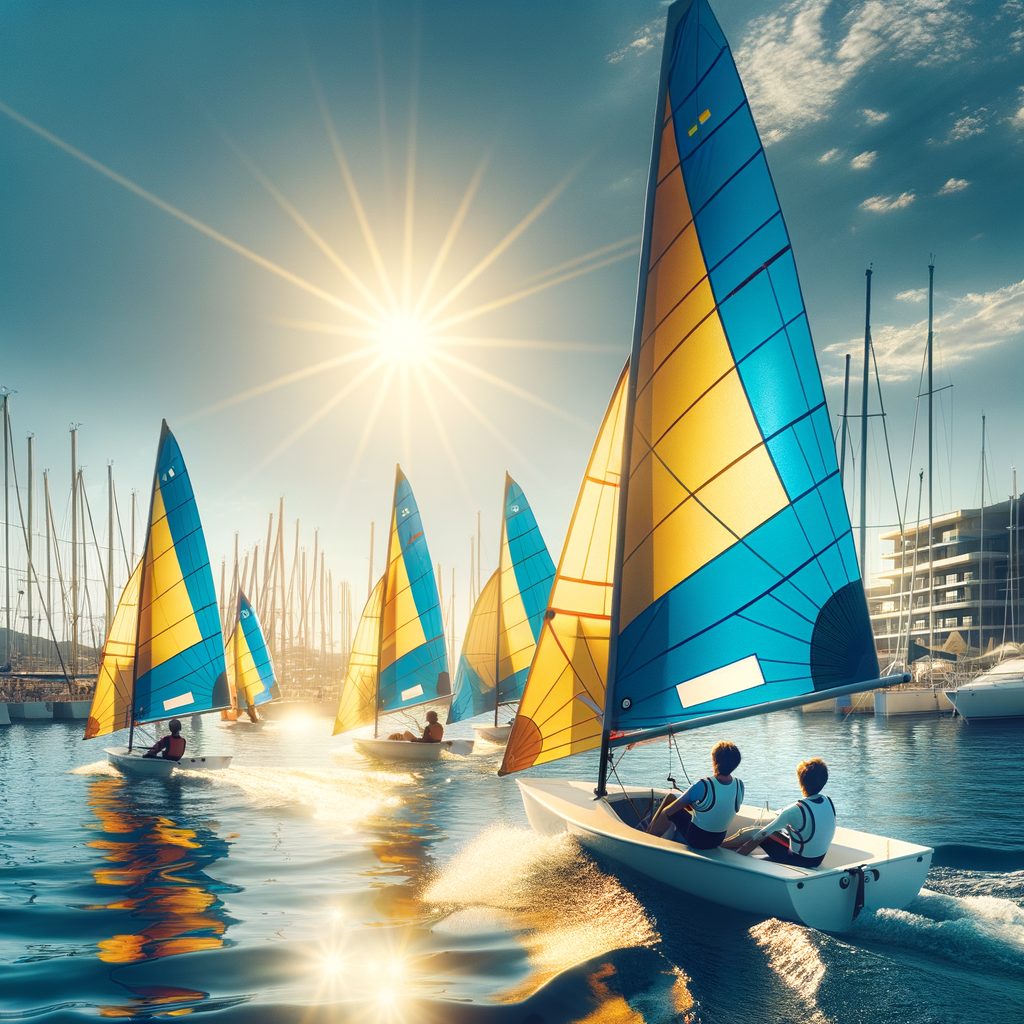
The Promising Season of the Optimist Class at the Royal Alicante Regatta Club: Success at the Benidorm Christmas Nautical Festival The world of sailing, particularly in the Optimist class regattas, presents a challenging and opportunistic arena for young athletes aspiring to make their mark in the competitive nautical field. In the United Kingdom, similar to Spain, maritime tradition and culture hold a significant place, with numerous yacht clubs playing a pivotal role in nurturing future sailors. Within this context, the Benidorm Christmas Nautical Festival stands as a key event in the competition calendar, serving as a scoring regatta for the Optimist Class B, attracting participants from across the region. The Royal Alicante Regatta Club (RARC) has established itself as a breeding ground for nautical talent, thanks to its commitment to the development and training of young sailors. This club not only offers top-notch facilities but also boasts a dedicated team of coaches who tirelessly work to enhance the technical and tactical skills of their athletes. This continuous effort is evident in the participation of its sailors in significant competitions such as the 52nd edition of the Benidorm Christmas Nautical Festival. In-Depth Analysis: Success of the RARC Optimist Class in Benidorm The Benidorm Christmas Nautical Festival is an annual event that challenges young sailors to showcase their skill and adaptability to complex sailing conditions. Held over two days, this year’s edition was marked by highly unstable weather conditions, testing not only the young sailors’ abilities but also the efficiency of the race committee, which managed to complete three races under difficult circumstances. Twelve sailors from the Royal Alicante Regatta Club competed in this prestigious regatta, standing out for their performance and determination in each race. Among the remarkable achievements, Fran Sirvent secured an impressive second place in the overall standings, while Iván Soler excelled by leading the Under-11 category. These results speak volumes not only of the individual talent of the participants but also of the teamwork and dedication of the RARC in nurturing its young athletes. Impact on the Merchant Navy and the Nautical Sector Participation and success in competitions like the Benidorm Christmas Nautical Festival have a significant impact on the nautical sector. On one hand, they foster a culture of sailing among the youth, ensuring the continuity of this tradition for future generations. On the other hand, they enhance the prestige of yacht clubs as high-performance training centres, capable of preparing sailors to participate in international competitions. These events also play a crucial role in the local economy, attracting visitors and promoting nautical tourism, which in turn benefits the merchant navy. Furthermore, the development of nautical skills from an early age opens up opportunities for careers in the merchant navy, a sector vital for global trade. Challenges and the Future of the Sector for the Coming Years The nautical sector faces several challenges in the coming years, such as environmental sustainability and the adaptation to new technologies. The training of young sailors must incorporate environmental awareness, teaching them the importance of sustainable sailing practices to protect oceans and coastlines. Additionally, the incorporation of new technologies in navigation, such as advanced navigation systems and meteorological data analysis, will be key to preparing sailors for future challenges. The RARC and other yacht clubs must continue investing in infrastructure and training to remain at the forefront, ensuring that their sailors are equipped to face the future of the nautical sector with confidence and skill. Key Concepts Optimist: A class of small, single-handed sailing dinghy used primarily for training children and young people in the sport of sailing. It is one of the most popular classes in the world due to its safe design and easy handling. Regatta: A series of boat races, typically involving sailing, motor, or rowing boats. Regattas can be held for various types of boats and often serve as competitive racing events. Race Committee: A group of individuals responsible for organizing and overseeing a regatta, ensuring that it is conducted according to established rules and in safe conditions. Optimist Class B: A category within the Optimist class that groups young sailors, allowing them to compete and develop their skills before advancing to more advanced categories. The article The Promising Season of the Optimist Class at the Royal Alicante Regatta Club: Success at the Benidorm Christmas Nautical Festival was first published on WishToSail.com.
The 12th El Puerto City Regatta: A Comprehensive Analysis of the Optimist Excellence Cup 2026 and Its Influence on the Nautical Sector

“`html The 12th El Puerto City Regatta: A Comprehensive Analysis of the Optimist Excellence Cup 2026 and Its Influence on the Nautical Sector Sailing in light boats is a sport that combines strategy, skill, and endurance, renowned for its ability to attract young talent from across the globe. Within this realm, the El Puerto City Regatta, a vital component of the Optimist Excellence Cup circuit, has established itself as one of the most prestigious events for the Optimist class. This circuit serves as a meeting ground for the most promising young sailors, where excellence and competitiveness are the fundamental pillars. The 2026 edition, organised by Club Náutico Puerto Sherry, was no exception, standing out for its meticulous organisation and the technical prowess of its participants. The Bay of Cádiz, famous for its challenging weather conditions, was the stage for this competition which brought together over 150 international young sailors. This event not only provides an opportunity to demonstrate nautical skills but also symbolises the importance of dinghy sailing in the development of future professional athletes, fostering values such as sportsmanship, respect for the sea, and teamwork. In-Depth Analysis: The 12th El Puerto City Regatta The El Puerto City Regatta, held from 2nd to 4th January, was marked by a series of meteorological conditions that tested the abilities of the young competitors. On the first day, races were successfully conducted despite winds exceeding 18 knots, demanding excellent handling skills from the sailors. Strategy under such conditions requires a profound understanding of wind dynamics and currents, alongside the ability to make quick adjustments in navigation. The second day allowed for one more race to be added to the overall count, reaching the four valid races necessary for classification. Here, the discard rule played a crucial role, allowing competitors to eliminate their worst result, a strategy that can significantly alter the final standings. However, the third day of competition was cancelled due to excessively strong winds, prioritising the safety of the participants. Impact on the Merchant Navy and the Nautical Sector These dinghy sailing competitions are not only significant for athletes but also have a substantial impact on the nautical sector as a whole. Events like the Optimist Excellence Cup boost sports tourism and strengthen the local economy. They also provide a platform for innovation in nautical technology, from boat materials to safety devices. For professionals in the merchant navy, such competitions serve as an ideal training ground, promoting skills transferable to commercial navigation such as quick decision-making, team management, and adaptation to changing conditions. Challenges and Future Prospects for the Sector Looking ahead, the dinghy sailing sector faces several challenges, including the need to attract new generations of sailors in an increasingly digital world. Sustainability is also a key issue, as yacht clubs and event organisers must implement more eco-friendly practices to reduce the environmental impact of their activities. Moreover, technological advancements will offer new opportunities to enhance boat performance and sailor safety. The future of the El Puerto City Regatta and similar events will largely depend on their ability to innovate and adapt to these changes, maintaining their relevance in the international dinghy sailing circuit. Key Concepts A clear understanding of technical terms is crucial to fully appreciate the complexity of these competitions. For instance, the “Optimist” is a small class of vessel, primarily used by the youth, designed to offer a balance between stability and manoeuvrability. The “discard rule” is a regulation that allows competitors to eliminate their worst result from the series of races for the final classification, which can be crucial in variable racing conditions. The term “race” or “heat” refers to each of the individual races or trials that make up the entire event. The entry The 12th El Puerto City Regatta: A Comprehensive Analysis of the Optimist Excellence Cup 2026 and Its Influence on the Nautical Sector was first published on WishToSail.com. “`
The Triumph of Innovation at the WASZP EuroCup 2025: An Analysis of the Competition in Barcelona Waters

“`html The Triumph of Innovation at the WASZP EuroCup 2025: An Analysis of the Competition in Barcelona Waters The world of dinghy sailing is in a state of constant evolution, and one of the most vibrant arenas to witness this transformation is the European WASZP circuit. This circuit embodies a surge of technological innovation, strategic navigation, and high-level competition. In recent years, WASZP competitions have captivated the attention of sailing enthusiasts, industry professionals, and new generations of sailors. This type of vessel, renowned for its innovative design and foiling capability, has become the emblem of a new era in sailing. The WASZP EuroCup 2025 Final, held in Barcelona, has established itself as one of the most anticipated events on the nautical calendar. With the Catalan city as host, the competition brought together some of the world’s best sailors, who faced the ever-challenging waters of the Mediterranean. The combination of weather, sea conditions, and the skill of the participants made this event a true sporting spectacle. Organised in collaboration with the prestigious Royal Nautical Club of Barcelona and sponsored by Renting Ribs, the event was a resounding success on both sporting and logistical fronts. In-Depth Analysis: WASZP EuroCup Final 2025 The WASZP is more than just a sailing class; it is a representation of advances in design and technology within the nautical domain. Unlike traditional vessels, the WASZP is designed to rise above the water using foils, thereby reducing friction and enabling impressive speeds. This style of sailing demands exceptional technical skill and precision, as demonstrated by competitors during the six races held in Barcelona. The competition itself was intense. Pablo Astiazaran Pérez-Cela excelled in the overall standings, showcasing exceptional skill in wind management and boat control. Adaptability to the changing sea conditions was crucial to his success. In the women’s category, Sol López Navarro shone brightly, demonstrating impeccable technique and determination that earned her the top spot in her category. Impact on the Merchant Marine and Nautical Sector The evolution of technology in vessels like the WASZP has a significant impact on the broader nautical sector. These advancements are not only redefining the sport of sailing but are also influencing wider practices within the merchant marine. The integration of foiling technologies and advanced designs can be transferred to commercial vessels, improving fuel efficiency and reducing the environmental impact of maritime operations. Moreover, the popularity of these events and the growing interest in sports sailing are boosting the local economy, creating a demand for nautical-related services such as training, maintenance, and nautical tourism. This, in turn, generates employment and fosters the development of maritime infrastructure. Challenges and Future of the Sector for the Coming Years Despite the advances, the nautical sector faces several challenges. Sustainability is a growing concern, and the industry is under pressure to reduce its environmental impact. Technological innovations, such as those seen in the WASZP, offer promising solutions, but large-scale implementation will require time and resources. Additionally, training new sailors and attracting young talent is essential to sustain the sport’s growth. Initiatives promoting the accessibility of sailing at the youth level and in underprivileged communities will be crucial for the sector’s future. The development of educational technologies and virtual platforms for teaching navigation tactics and maritime safety also appear as important trends in the coming years. Key Concepts Foiling: A sailing technique where a vessel uses submerged foils (wings) to lift the hull out of the water, thus reducing friction and increasing speed. WASZP: A one-design sailing dinghy engineered for foiling, notable for its accessibility and affordability compared to other high-performance boats. RCNB (Royal Nautical Club of Barcelona): One of the most prestigious institutions in the Spanish nautical field, known for organising high-level competitions and promoting aquatic sports. Renting Ribs: The event’s sponsor, a company specialising in the rental and leasing of Rigid Inflatable Boats (RIBs), used for both recreational and professional activities and competitions. This entry, The Triumph of Innovation in the WASZP EuroCup 2025: An Analysis of the Competition in Barcelona Waters, was first published on WishToSail.com. “`
Innovations in Onshore Power Supply for Ships in Port: A Crucial Approach for Maritime Energy Transition

“`html Innovations in Onshore Power Supply for Ships in Port: A Crucial Approach for Maritime Energy Transition The maritime industry is currently undergoing a crucial transition towards more sustainable and environmentally friendly practices. In recent years, the sector has witnessed a growing interest in reducing its carbon footprint, particularly concerning the use of fossil fuels. This transformation is driven not only by stricter international regulations, such as the International Maritime Organization’s (IMO) MARPOL Convention, but also by an increasing social demand for responsible business practices. Among the wide range of initiatives, Onshore Power Supply (OPS) emerges as a viable solution to reduce greenhouse gas emissions and noise pollution in ports. In this context, the upcoming technical conference organised by the Energy Transition Committee of the Spanish Association of Naval and Ocean Engineers (AINE), in collaboration with the Maritime and Marine Affairs Committee of the Institute of Engineering of Spain (IIE), stands out. This event aims to analyse the latest innovations in OPS, a topic that is not only crucial for the sector’s sustainability but also for its future competitiveness. The conference will take place on Tuesday, 27th January 2026, at 18:00, in the IIE’s auditorium in Madrid, featuring a hybrid format that allows both in-person and online participation. Detailed Analysis: Onshore Power Supply (OPS) for Ships in Port Onshore Power Supply, or OPS, is a technology that allows ships to switch off their auxiliary engines while docked and utilise electricity supplied from the shore. This system not only significantly reduces emissions of carbon dioxide (CO2), nitrogen oxides (NOx), and particulate matter but also decreases noise affecting urban environments near ports. Implementing OPS requires advanced port infrastructure, including transformers, cabling installations, and energy management systems capable of supporting the electric demand of docked vessels. At the scheduled conference, Ana Arévalo, head of the Shorepower Department of the Port Authority of Barcelona, will share the latest developments in the field of OPS. The Port Authority of Barcelona has been a pioneer in adopting this technology in Spain, and its experience offers valuable lessons for other ports seeking to implement OPS systems. The focus on technical specifications, applicable regulations, and the challenges of technological integration will be key to understanding the transformative potential of this innovation. Impact on the Merchant Navy and the Nautical Sector The adoption of OPS is transforming the daily work of professionals in the merchant navy and the nautical sector. For ship operators, the shift to OPS implies a significant technological adaptation, including updating onboard electrical systems to be compatible with shore-based supply. Operationally, mariners must familiarise themselves with new procedures to connect and disconnect OPS systems and manage energy supply during port stays. Additionally, ports implementing OPS position themselves as sustainability leaders, attracting shipping companies that share these values. The transition to OPS also impacts naval engineers and maintenance technicians, who must ensure that ships’ electrical systems are compatible with port infrastructures. This requires continuous updating of technical knowledge and close collaboration with port authorities. Shipping companies implementing OPS will not only see benefits in terms of sustainability but also potential economic savings due to reduced fuel consumption. Challenges and Future of the Sector in the Coming Years Despite its obvious benefits, implementing OPS faces several challenges. One of the most significant is the high initial cost of infrastructure, both for ports and ships. Moreover, the standardisation of OPS systems at the international level is crucial to ensure interoperability between ports and shipping companies, requiring a coordinated global effort. Regulations must adapt to support this technology, and authorities must work together to promote its adoption. Looking to the future, OPS could be an essential component of smart ports, where digitalisation and automation optimise the flow of energy and resources. As renewable energy technologies, such as wind and solar, integrate into OPS infrastructure, ports could become green energy hubs, supplying clean electricity to ships and further reducing their environmental impact. This evolution will be accompanied by increased training and education of personnel, ensuring they are prepared to handle these advanced technologies. Key Concepts The term Onshore Power Supply (OPS) refers to a system that allows ships docked in port to receive electricity from the land grid, reducing reliance on onboard auxiliary engines burning fossil fuel. MARPOL is the international convention for preventing pollution from ships, setting limits on emissions and discharges. OPS electricity must be compatible in terms of voltage and frequency with onboard systems, often requiring specialised transformers and energy management equipment. In summary, the technical conference organised by AINE and IIE represents a significant step towards integrating OPS into the Spanish maritime sector, promising to enhance the sustainability and efficiency of maritime transport. However, for this technology to reach its full potential, it is essential to address both the technical challenges and the economic and regulatory barriers to its widespread implementation. The entry Innovations in Onshore Power Supply for Ships in Port: A Crucial Approach for Maritime Energy Transition was first published on WishToSail.com. “`