


AltaSea at the Port of Los Angeles: New Board of Trustees with Prominent Figures to Boost the Blue Economy

“`html AltaSea at the Port of Los Angeles: New Board of Trustees with Prominent Figures to Boost the Blue Economy In a world where oceanic resources are becoming increasingly crucial for economic and environmental sustainability, the concept of the Blue Economy has gained unprecedented relevance. This economy focuses on the sustainable exploitation of the oceans, promoting economic growth, enhancing human well-being, and ensuring the health of marine ecosystems. Within this context, AltaSea at the Port of Los Angeles has emerged as a leading technological hub for the Blue Economy, driving innovation through collaboration between businesses, academia, and the public sector. With the growing concern over climate change and environmental degradation, the role of maritime innovation centres is more critical than ever. AltaSea has taken a central role in this transformation, attracting experts from various disciplines to address the challenges associated with the oceans. The recent addition of Andrew Zimmern, an award-winning chef and advocate for food sustainability, and Ashlan Cousteau, an environmental journalist and ocean advocate, to its Board of Trustees, underscores its commitment to governance that combines culinary expertise, environmental journalism, and activism. Detailed Analysis: Appointment of Andrew Zimmern and Ashlan Cousteau at AltaSea Andrew Zimmern and Ashlan Cousteau, known for their work in promoting sustainable practices, join AltaSea to advance innovation and sustainability in the Blue Economy. Zimmern, renowned for his focus on the connectivity of food systems, brings a unique perspective on how sustainable culinary practices can be integrated into the management of marine resources. His experience in the global food industry has allowed him to observe the interconnections between marine ecosystems and human consumption habits. On the other hand, Ashlan Cousteau, with a track record of reporting on environmental issues, brings a wealth of knowledge on how media and public outreach can shape environmental policies and public attitudes towards ocean conservation. Cousteau has been at the forefront of environmental journalism, highlighting critical challenges facing the oceans, from plastic pollution to overfishing and climate change. Impact on the Merchant Navy and Nautical Sector The inclusion of Zimmern and Cousteau in AltaSea’s Board represents a significant impact on the Merchant Navy and the nautical sector at large. Zimmern’s expertise in food sustainability may lead to the implementation of more responsible practices in the maritime supply chain, promoting the sustainable use of maritime resources. Furthermore, his insights could drive the development of new regulations to reduce food waste on maritime routes and within fishing fleets. Meanwhile, Cousteau’s activism may prompt a more rigorous approach to environmental education within the nautical sector. Her work could inspire shipping companies to adopt greener practices, encouraging the use of clean technologies and the implementation of programmes for marine environmental protection. Additionally, her influence in the media could help raise awareness among industry professionals about the importance of preserving marine biodiversity. Challenges and Future of the Sector in the Coming Years As we move towards a future where sustainability is paramount, the nautical sector faces significant challenges. Integrating sustainable approaches within the maritime industry is a complex challenge requiring collaboration and long-term vision. One of the main obstacles is implementing clean technologies and transitioning to renewable energy sources for maritime operations. International regulations, such as the guidelines from the International Maritime Organization (IMO), will be crucial in guiding this transition. Moreover, education and training in sustainability will be vital to preparing the next generation of industry professionals. AltaSea’s initiative can serve as a model for other innovation centres globally, fostering international cooperation in research and development of sustainable practices for the ocean. Key Concepts Blue Economy: Refers to the sustainable exploitation of the oceans for economic growth, the improvement of social well-being, and the health of marine ecosystems. It includes activities such as sustainable fishing, renewable ocean energy, and responsible coastal tourism. Food Sustainability: Practices aimed at meeting current food needs without compromising the ability of future generations to meet their own needs. This includes reducing food waste and the responsible use of natural resources. International Maritime Organization (IMO): A United Nations agency responsible for establishing standards for the safety, security, and environmental behaviour of ships. Its role is crucial in regulating sustainable practices in the maritime industry. The entry AltaSea at the Port of Los Angeles: New Board of Trustees with Prominent Figures to Boost the Blue Economy was first published on WishToSail.com. “`
MarineMax to Unveil First Quarter 2026 Financial Results: An Analysis of the Global Leader in Recreational Boat Sales

“`html MarineMax to Unveil First Quarter 2026 Financial Results: An Analysis of the Global Leader in Recreational Boat Sales In the dynamic realm of recreational sailing and the nautical industry, MarineMax, Inc. has firmly established itself as an undisputed giant. Based in Oldsmar, Florida, this company not only leads in the sale of recreational boats and yachts but also operates marinas and offers specialised services for superyachts. This comprehensive approach has enabled MarineMax to dominate a constantly evolving market, adapting to the needs of a discerning audience that seeks unique experiences at sea. The upcoming release of financial results for the first quarter of fiscal year 2026 is an eagerly awaited event by investors and professionals within the nautical sector. These results will not only provide a clear insight into MarineMax’s economic performance but also offer indications about the overall health of the nautical industry in a global context. In a market where innovation and sustainability are increasingly crucial, analysing these figures allows for inferences on trends and advancements that could significantly impact the future direction of the sector. In-Depth Analysis: MarineMax’s First Quarter 2026 Financial Results The announcement by MarineMax to release its first-quarter financial results prior to the opening of the New York Stock Exchange on 29 January 2026 generates considerable anticipation. This practice, common among large corporations, seeks to provide transparency and anticipate reactions in the financial market. The conference that will follow the report will be led by Brett McGill, CEO and President of the company, along with Mike McLamb, Executive Vice President and Chief Financial Officer. During this event, crucial topics such as sales growth, the expansion of their marina network, and advancements in superyacht services are expected to be addressed. On a technical level, the financial results will reflect not just the company’s revenue and net profits but also key performance indicators (KPIs) such as operating margin, inventory management efficiency, and cash flow generation capacity. These data are essential to understand how MarineMax manages market challenges, such as fluctuations in luxury boat demand and cost pressures associated with marina operations and after-sales services. Impact on the Merchant Navy and the Nautical Sector As a benchmark in the sale and operation of recreational boats, MarineMax plays a significant role in the merchant navy and the nautical sector at large. The disclosure of its financial results provides a snapshot of current market trends, which is crucial for industry professionals. The demand for new technologies, such as more advanced navigation systems and personalised services for yachts, is directly reflected in their sales figures and may indicate the direction the sector is heading. For workers in the merchant navy, these results may also imply changes in daily operations. For instance, a growing trend towards automation and digitalisation in vessels may require new skills and training to navigate this changing environment. Furthermore, the expansion of marina infrastructure and service improvements offer opportunities for employment and collaboration within the sector. Challenges and Future Prospects for the Sector in the Coming Years The future landscape for MarineMax and the nautical sector as a whole is filled with challenges and opportunities. Among the primary challenges is the need to adopt more sustainable practices in response to the growing global focus on maritime environmental conservation. Stricter regulations on emissions and the pressure to implement renewable energies in vessels are critical issues the industry must address. Conversely, technological advancement remains a key driver. The implementation of artificial intelligence and the Internet of Things (IoT) in navigation and vessel management promises to revolutionise the sector, enhancing safety and optimising resource consumption. These trends, combined with potential growth in emerging markets demanding luxury experiences on the water, point to an interesting path for the coming years. Key Concepts To fully comprehend the impact of MarineMax’s financial results, it is essential to familiarise oneself with various technical and industry terms. For example, automation in vessels includes Learning Management Systems (LMS), which facilitate continuous crew training through digital platforms. Additionally, terms such as “superyacht” refer to luxury vessels that exceed certain dimensions and exclusive characteristics, requiring specialised services. The incorporation of sustainable technologies also introduces concepts such as hybrid propulsion, which combines electric and fossil fuel engines to reduce emissions. Understanding these terms is crucial to visualising how MarineMax and the nautical industry are evolving in a world demanding innovation and sustainability. The entry MarineMax to Unveil First Quarter 2026 Financial Results: An Analysis of the Global Leader in Recreational Boat Sales was first published on WishToSail.com. “`
BlackSky Expands Global Presence with New Gen-3 Expansion Contracts: A Key Advance in Artificial Intelligence for Earth Observation

“`html BlackSky Expands Global Presence with New Gen-3 Expansion Contracts: A Key Advance in Artificial Intelligence for Earth Observation In an increasingly interconnected world, advanced Earth observation technologies play a crucial role in data collection for a variety of applications. From environmental management to national security, satellite imagery and data analysis have become essential tools for governments and businesses. In this context, the geospatial intelligence company BlackSky has made a significant move by signing multiple Gen-3 expansion contracts across the Americas, Asia, and Europe. This advancement marks a paradigm shift in how satellite data is collected and utilised, thanks to the application of artificial intelligence (AI) to enhance precision and efficiency. The Earth observation industry has seen exponential growth over the past decade, driven by the increasing demand for accurate and timely data. BlackSky, with its innovative focus on artificial intelligence and real-time analysis, positions itself at the forefront of this technological revolution. The announcement of new expansion contracts underscores the company’s ability to adapt to the changing needs of the global market, prioritising the renewal of agreements through a customer-centric approach that ensures optimised outcomes. Detailed Analysis: Global Expansion of BlackSky’s Gen-3 Contracts BlackSky has signed a series of Gen-3 expansion contracts that represent a strategic step towards consolidating its global presence in the Earth observation industry. The contracts include agreements in the Americas, Asia, and Europe, demonstrating the versatility and adaptability of its AI-based solutions. BlackSky’s Gen-3 technology focuses on providing high-resolution satellite imagery and real-time data analysis, enabling clients to make informed decisions based on up-to-date and accurate information. These expansion contracts indicate a successful transition from pilot programmes to renewal agreements, a testament to the trust and satisfaction of clients in the capabilities of Gen-3 technology. BlackSky has integrated advanced machine learning algorithms that allow for deeper analysis and quicker interpretation of satellite data. This significantly enhances clients’ ability to monitor environmental changes, manage resources, and respond to critical events in real-time. Impact on the Merchant Navy and Nautical Sector The implementation of advanced technologies offered by BlackSky has a direct impact on the daily operation of the merchant navy and the nautical sector. The ability to obtain precise imagery and immediate analysis allows captains and fleet operators to optimise routes, ensure safety, and improve operational efficiency. For example, BlackSky’s technology can be used to monitor adverse weather conditions and changes in the marine environment, enabling vessels to adjust their pathways to avoid potential hazards. Furthermore, real-time analysis of Earth observation data facilitates the detection of illegal activities, such as unreported fishing or waste dumping at sea, helping maritime authorities protect natural resources and ensure compliance with international regulations. This advanced surveillance capability is essential for maintaining the safety and sustainability of nautical operations in an increasingly complex global environment. Challenges and Future of the Sector in the Coming Years As Earth observation technology continues to evolve, the sector faces several challenges and opportunities. One of the main challenges will be managing the massive volume of data generated by the growing constellation of observation satellites. Companies will need to invest in data processing infrastructure and analytical capabilities to effectively manage this influx of information. However, the future of the sector is promising, with artificial intelligence and machine learning playing an increasingly important role in optimising operations and decision-making. Collaboration between technology companies and sectors such as maritime and air transport will be crucial in developing innovative solutions to address global issues like climate change and natural disaster management. Key Concepts Artificial Intelligence (AI): A field of computer science focused on creating systems capable of performing tasks that typically require human intelligence, such as pattern recognition, learning, and decision-making. Gen-3: Refers to the third generation of satellite technology and data processing systems offering enhanced capabilities, such as higher image resolution and real-time analysis. Earth Observation: The collection of data about the planet’s surface using remote sensors, usually located on satellites, to monitor and analyse changes in the terrestrial environment. Machine Learning: A branch of artificial intelligence that enables systems to learn and improve automatically from experience without being explicitly programmed. The entry BlackSky Expands Global Presence with New Gen-3 Expansion Contracts: A Key Advance in Artificial Intelligence for Earth Observation was first published on WishToSail.com. “`
Strategic Expansion of DCL Logistics: New Fulfilment Centre in Perris, CA, Fuels E-Commerce Growth

“`html Strategic Expansion of DCL Logistics: New Fulfilment Centre in Perris, CA, Fuels E-Commerce Growth In the ever-dynamic world of e-commerce, companies face continual challenges in meeting the mounting demands of their customers. As the sector continues to evolve, efficient logistics and fulfilment have become fundamental pillars for the success of modern brands. Against this backdrop, DCL Logistics, a leading fulfilment partner, has announced the acquisition of a new 165,000 square foot centre in Perris, California. This expansion will allow DCL Logistics to augment its operational capacity in Southern California to more than 320,000 square feet, a strategic move in response to the remarkable increase in shipping volume the company has witnessed, which has surpassed 300% since 2023. The growth of e-commerce has been a global phenomenon, driven by changes in consumer habits, digitalisation, and the need for immediate access to a wide array of products. Logistics companies like DCL Logistics play a crucial role in this ecosystem by providing efficient and scalable solutions that enable brands to meet customer expectations. In an environment where rising costs and tariff pressures are a constant concern, the expansion of DCL’s facilities in Perris not only represents an investment in infrastructure but also a commitment to innovation and operational efficiency. Detailed Analysis: DCL Logistics Expansion in Perris, CA The recent acquisition by DCL Logistics of a Class A building in Perris, California, marks a significant milestone in the company’s growth strategy. This new fulfilment centre not only increases storage capacity but also enhances the efficiency of inventory management and order processing for its clients. The advanced infrastructure of the facility is designed to support a high volume of operations, integrating cutting-edge technology that optimises workflow and reduces processing time. The design of the fulfilment centre incorporates automated systems for inventory management and merchandise handling, allowing for greater accuracy and speed in order processing. Additionally, the strategic location of Perris in the Southern California metropolitan area facilitates access to major transportation networks, optimising distribution routes and reducing delivery times. This expansion is a direct response to the needs of brands seeking to maintain a competitive edge in a constantly changing market. Impact on the Merchant Navy and the Nautical Sector The increase in fulfilment capacity at DCL Logistics has significant implications for the merchant navy and the nautical sector, particularly concerning supply chain management and port logistics. An increase in shipping volume can translate into greater demand for maritime transport services, which could impact the region’s ports and navigation routes. Maritime professionals will need to adapt to these changes by implementing advanced technologies and efficient practices to manage the increase in traffic and ensure the continuity of operations. Moreover, greater efficiency in land fulfilment can alleviate pressure on ports, allowing for a smoother management of the flow of goods and better coordination between different modes of transportation. Challenges and the Future of the Sector for the Coming Years The future of the logistics and fulfilment sector is tied to the ability of companies to adapt to emerging trends and overcome existing challenges. Among the main challenges are managing operational costs, tariff pressures, and the need for environmental sustainability. Companies will need to invest in green technologies and sustainable practices to minimise their carbon footprint and contribute to a cleaner environment. Additionally, digitalisation will continue to play a crucial role in the transformation of the logistics sector. The implementation of artificial intelligence solutions, big data, and automation will enable companies to optimise their operations, improve the accuracy of their forecasts, and provide a more personalised and efficient customer service. These innovations will be fundamental to maintaining competitiveness and meeting consumer expectations in an increasingly demanding market. Key Concepts Class A: Refers to buildings of the highest quality in terms of location, construction, and maintenance. These properties typically feature the best infrastructures and the latest technologies, making them highly desirable for companies seeking operational efficiency. Inventory Management: The process of supervising and controlling the ordering, storage, and use of components or products that a company uses in its production or sale. Efficient inventory management is crucial to minimise costs and improve customer satisfaction. Process Automation: The use of technologies to perform tasks or processes with minimal human intervention, which increases efficiency and reduces operational errors. Artificial Intelligence (AI): A branch of computer science focused on creating systems capable of performing tasks that require human intelligence, such as learning, pattern recognition, and decision-making. The entry Strategic Expansion of DCL Logistics: New Fulfilment Centre in Perris, CA, Fuels E-Commerce Growth was first published on WishToSail.com. “`
The Royal Nautical Club of Castellón: Starting Point for the First Vertical Circumnavigation
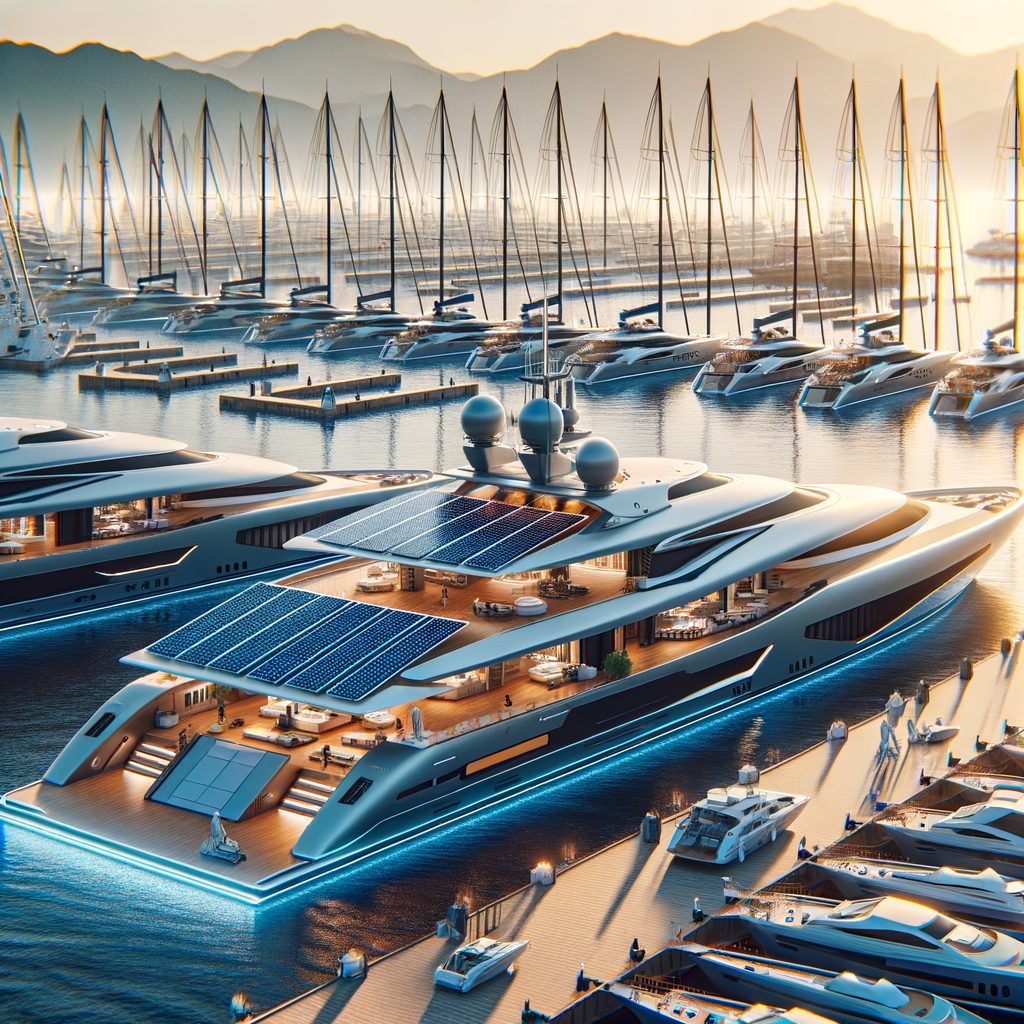
“`html The Royal Nautical Club of Castellón: Starting Point for the First Vertical Circumnavigation Sailing has always been a testament to the adventurous spirit of humankind, an activity that has driven generations to explore the unknown and challenge the boundaries of the sea. In recent years, the maritime world has experienced significant evolution due to technological advancements and a renewed interest in sustainability and innovation. In this context, the Royal Nautical Club of Castellón emerges as a key player in elite sailing, establishing itself as a benchmark in organising world-class events and promoting maritime culture. In a world where maritime competitions and challenges are increasingly complex and spectacular, the first vertical circumnavigation emerges as an unprecedented milestone. This event not only marks a before and after in the history of navigation but also highlights the ability of the Royal Nautical Club of Castellón to support and facilitate adventures that challenge human imagination and ingenuity. The choice of Castellón as the port of departure and arrival reaffirms its strategic position and commitment to excellence and innovation in the nautical sector. In-depth Analysis: The First Vertical Circumnavigation The first vertical circumnavigation represents an innovation in the realm of nautical competitions. Unlike traditional equatorial circumnavigations, this challenge involves a longitudinal route, traversing all the planet’s meridians, which involves a series of logistical and technical complexities. The vertical journey demands meticulous planning, taking into account extreme climatic variations and ocean currents across different hemispheres. Moreover, sailors must navigate polar regions, presenting additional challenges due to adverse weather conditions and the presence of ice. From a technical perspective, this voyage requires vessels specially designed to withstand the harsh conditions of the Atlantic, Pacific, and Arctic Oceans. Technology plays a crucial role, from advanced navigation systems to materials resistant to corrosion and ice. Safety is another fundamental pillar, with vessels equipped with satellite communication technology to ensure constant contact and precise tracking throughout the journey. Impact on the Merchant Navy and the Nautical Sector This event underscores how the nautical sector is in constant evolution, and how nautical clubs and related institutions can play a crucial role in pushing new frontiers in navigation. For professionals in the merchant navy, the vertical circumnavigation represents an opportunity to explore new technologies and strategies that could be applied in their daily operations. The need to innovate in vessel design and navigation techniques can lead to significant improvements in the efficiency and safety of commercial maritime operations. Additionally, this event can foster greater international collaboration in maritime research, promoting the exchange of knowledge and the development of more sustainable and safe practices. The logistical and technical challenges associated with such voyages can also provide valuable lessons that could be applied to future maritime exploration projects. Challenges and the Future of the Sector in the Coming Years Looking to the future, the first vertical circumnavigation could be just the beginning of a new era of maritime exploration. The nautical sector is called to embrace emerging technologies, such as artificial intelligence and automation, to enhance the efficiency and safety of vessels. Moreover, sustainability emerges as a priority theme, driving the development of more eco-friendly ships and the implementation of navigation practices that minimise environmental impact. The success of such events could also inspire more organisations and individuals to embark on innovative maritime challenges, fostering a culture of exploration and adventure that could revitalise the sector. As technology continues to advance, the opportunities for new forms of navigation and exploration expand, leading to an exciting and promising future for the global nautical community. Key Concepts To better understand this event, it is helpful to familiarise oneself with some key technical terms. For example, meridian navigation refers to travel along lines of longitude, which involves unique challenges in terms of climatology and navigation. Ocean currents are movements of water within the oceans, which can significantly affect navigation, especially on unconventional routes. Satellite communication technology allows for real-time tracking and communication, essential for the safety of vessels on long and complex voyages. Another relevant term is circumnavigation, which traditionally refers to navigation around the equator. The choice of a vertical route represents a bold deviation from this conventional approach, presenting new challenges and opportunities for innovation in the design and execution of maritime voyages. The entry The Royal Nautical Club of Castellón: Starting Point for the First Vertical Circumnavigation was first published on WishToSail.com. “`
Success at the Sailing Regatta in El Puerto de Santa María: A Milestone for ILCA 4 Classification to the Spanish Championship

“`html Success at the Sailing Regatta in El Puerto de Santa María: A Milestone for ILCA 4 Classification to the Spanish Championship The world of Spanish sailing experienced a memorable end to the year with the final sailing regatta in El Puerto de Santa María. This event not only marked the conclusion of the season but also served as the last scoring opportunity for the classification to the ILCA 4 Spanish Championship. Such competitions not only test the technical skills of sailors but also reflect the commitment and dedication of Spanish yacht clubs in nurturing young talent in this centuries-old discipline. The nautical environment of El Puerto de Santa María is a hub of maritime and sporting activity. Thanks to its strategic location and favourable climatic conditions, it has established itself as a go-to venue for sailing events. The December regatta, organised with the meticulous planning that characterises these events, brought together the best talents from various categories, with a particular focus on the ILCA 4 and ILCA 6 classes. Detailed Analysis: The Last Sailing Regatta of the Year in El Puerto de Santa María The regatta, held from December 28th to 30th, was not just a sporting event but a showcase of talent and strategy. Young promises of Spanish sailing competed with the aim of securing their place in the Spanish Championship. The highlighted categories were ILCA 4 and ILCA 6, where the competition was fierce. In the ILCA 6 category, the young José Manuel Cuéllar achieved an impressive third place in the SUB19 classification, establishing himself as one of the emerging talents to watch. In the ILCA 4 Female category, Julia Cantón emerged as the Champion of Andalucía and finished second in the overall female SUB18 classification, a significant achievement that underscores her promising future in sailing. Edith Carrique secured the third place in the SUB18 female category and second in the Andalusian female classification, while Mar Tito achieved third place in the SUB16 female category. These results not only highlight individual effort but also the collective work of coaches and clubs in developing young sailors. Impact on the Merchant Navy and the Nautical Sector The hosting of sailing events of this magnitude has a significant impact on the merchant navy and the nautical sector in general. Firstly, they help solidify Spain’s reputation as a prominent destination for nautical tourism, attracting athletes, tourists, and industry professionals worldwide. Furthermore, they serve as training platforms for new talents, who gain practical experience in navigation, marine meteorology, and competition techniques essential in professional maritime life. The regatta also fosters local economic development, involving a wide network of services, from port infrastructure to hospitality and local commerce. This flow of economic activity is proof of the added value that nautical sports bring beyond the competition itself. Challenges and Future of the Sector in the Coming Years Looking to the future, the nautical sector faces several challenges which, although complex, offer opportunities for innovation and progress. Sustainability has become a central theme, with an increasing focus on reducing the carbon footprint of maritime operations and implementing cleaner and more efficient technologies. Against this backdrop, events like the regatta in El Puerto de Santa María also become platforms to promote responsible and sustainable practices at sea. Additionally, the use of advanced technologies, such as artificial intelligence to optimise routes and predict weather conditions, will play a crucial role in transforming the sector. In the coming years, the sector is expected to continue growing in interest, with greater participation from young people, requiring constant adaptation of infrastructures and teaching methods to meet new demands. Key Concepts The regatta featured various categories, including ILCA 4 and ILCA 6, which refer to different classes of boats according to the International Laser Class Association (ILCA) standards. These boats are designed to be fast and manoeuvrable, characteristics that make them popular in international competitions. The terminology like SUB18 and SUB19 refers to the age categories for classifying sailors, a common practice in sports competitions to ensure fairness among participants. The term “Spanish Championship” reflects the culmination of a series of competitions in which sailors must participate to earn the necessary points to qualify. This classification system highlights the importance of consistency and sustained performance throughout the season. This article was first published on WishToSail.com. “`