


The Future of Hospitality at Sea: The Floating Hotels Market and Its Global Growth Until 2032
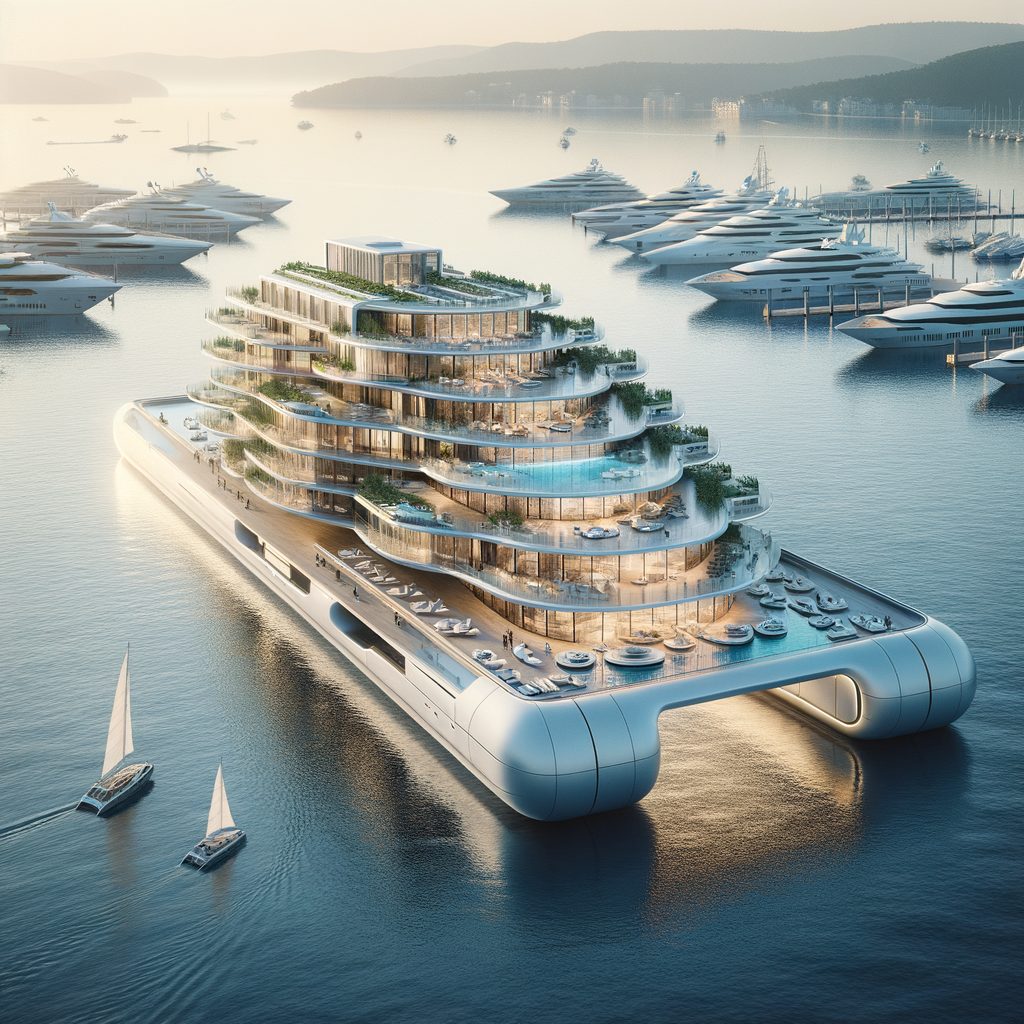
“`html The Future of Hospitality at Sea: The Floating Hotels Market and Its Global Growth Until 2032 In an increasingly interconnected world, where the pursuit of unique experiences is a growing trend, the hotel sector is not lagging in its quest to innovate and offer attractive proposals for travellers. Floating hotels, a fusion of maritime engineering and innovation in hospitality, present themselves as a fascinating alternative gaining ground in the global market. These establishments not only offer a unique stay above the water but are also designed to provide all the comforts of a conventional hotel while utilising the latest technologies to minimise their environmental impact. The report “Floating Hotels Market – Global Forecast 2026-2032” published by ResearchAndMarkets.com highlights the remarkable growth this sector is experiencing. Valued at USD 4.83 billion in 2025, floating hotels are projected to reach USD 5.19 billion in 2026, with continuous growth expected to USD 8.03 billion by 2032. This growth, with a compound annual growth rate (CAGR) of 7.50%, reflects not only consumer interest in novel experiences but also the evolution of naval engineering and architecture. In-Depth Analysis: The Global Floating Hotels Market The concept of floating hotels is not entirely new but has gained significant momentum in recent years thanks to technological innovations and the growing demand for unique travel experiences. These hotels are designed to operate as a fully functional resort on the water, offering services that include accommodation, restaurants, recreational activities, and more, all aboard a floating structure. From a technical standpoint, floating hotels are marvels of maritime engineering. They utilise advanced naval architecture techniques to ensure stability and safety, even in adverse weather conditions. The construction of these structures involves using lightweight and durable materials resistant to corrosion and the effects of saltwater. Moreover, there is a strong emphasis on sustainability, with the implementation of renewable energy systems and technologies for water treatment and waste management. Impact on the Merchant Marine and Nautical Sector The evolution of floating hotels represents a significant change in the merchant marine industry and the nautical sector. For merchant marine professionals, this means a greater demand for crew trained in hotel operations, as well as in the handling and maintenance of the vessels. Additionally, ports and marinas must adapt to accommodate these new structures, potentially driving the development of specific infrastructures and port services. The nautical sector is also positively affected by this innovation, as floating hotels attract tourists and promote the development of maritime routes and the creation of new business opportunities for companies related to maritime tourism and leisure. This could include everything from providers of excursion and water sports services to companies focused on logistics and naval maintenance. Challenges and Future of the Sector in the Coming Years Despite the opportunities, the floating hotels market faces significant challenges. Maritime regulations are stringent, and floating hotels must comply with strict international standards concerning safety, environment, and operation. Furthermore, the high initial cost of developing these structures could limit their proliferation, although it is anticipated that ongoing technological innovation and increasing investor interest will mitigate some of these obstacles. Looking ahead, the sector is likely to continue growing, driven by the demand for unique experiences and the pressure to adopt more sustainable practices. Technology is also expected to play a crucial role, with developments in areas such as artificial intelligence and automation potentially transforming the operation of these floating establishments. Key Concepts To better understand the floating hotels market and its impact, it is important to familiarise oneself with some technical terms. The term “CAGR” (compound annual growth rate) is a measure used to describe the growth of an investment over a specific period, expressed as an annualised percentage. On the other hand, “naval architecture” refers to the design and construction process of vessels and other floating structures, involving knowledge in hydrodynamics, material resistance, stability, and more. Additionally, sustainability in the context of floating hotels involves implementing technologies that minimise environmental impact, such as the use of solar and wind energy, as well as advanced systems for waste and water management. These developments are essential not only to comply with international regulations but also to meet the growing demand for more eco-friendly practices from consumers. The entry The Future of Hospitality at Sea: The Floating Hotels Market and Its Global Growth Until 2032 was first published on WishToSail.com. “`
Port Houston Initiates the 2026 Community Grants Programme to Strengthen Ties with the Local Community
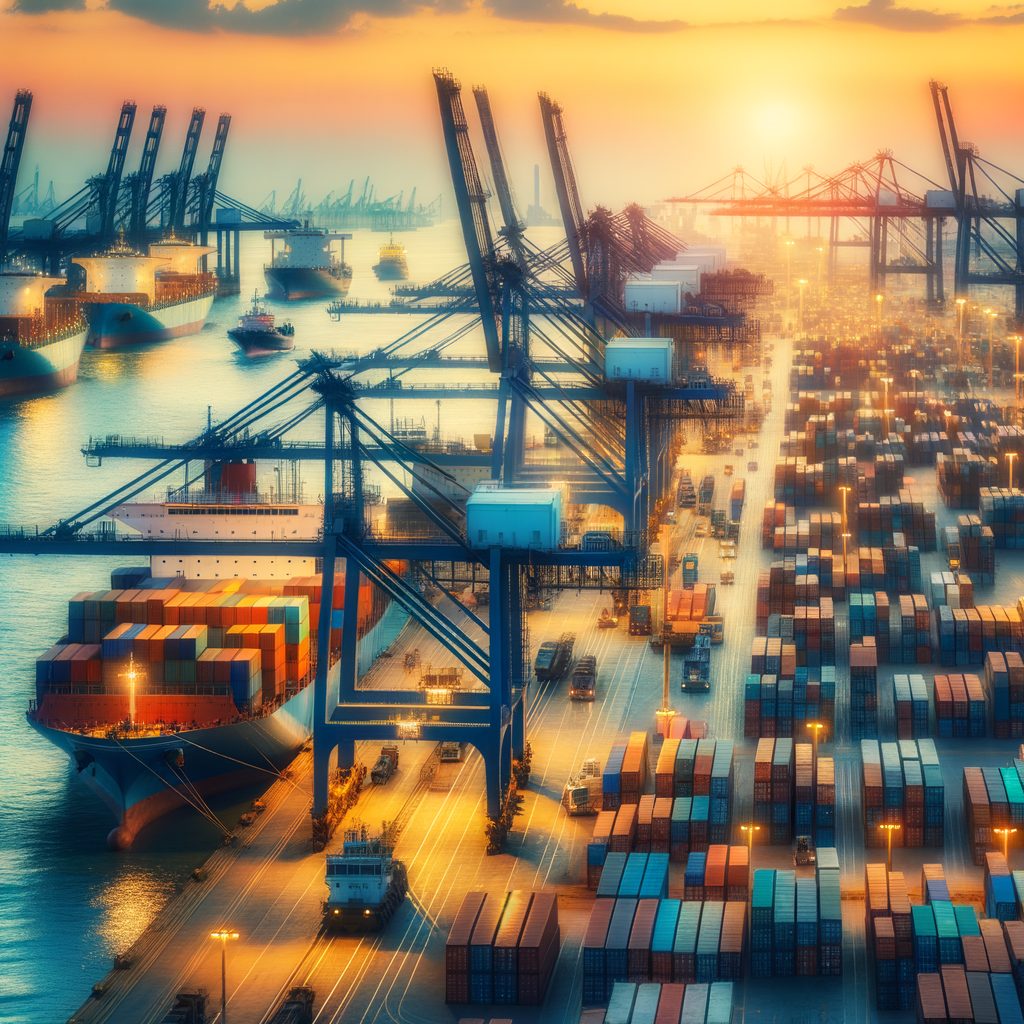
“`html Port Houston Initiates the 2026 Community Grants Programme to Strengthen Ties with the Local Community The maritime industry serves as a crucial pillar in both the global and local economy, acting as a central hub for international trade and the development of neighbouring communities. With an increasing focus on social responsibility and sustainable development, ports are exploring ways to give back and fortify connections with the communities in which they operate. In this context, initiatives such as Port Houston’s Community Grants Programme have become exemplary models for other ports worldwide. Port Houston, recognised as one of the most significant ports in the United States, has reaffirmed its commitment to the communities surrounding the Houston Ship Channel. This channel, extending approximately 84 kilometres, not only plays a vital role in the transportation of goods but also in the local economy. The announcement of the application opening for the 2026 Community Grants Programme underscores the port’s focus on community integration and sustainable development. Detailed Analysis: Port Houston’s 2026 Community Grants Programme The Community Grants Programme of Port Houston aims to provide financial support to non-profit organisations working in specific areas such as education, the environment, and economic and community development. From 1st February, eligible organisations can submit their Letters of Interest to Port Houston. Those that meet the established guidelines and priorities for the 2026 programme will be invited to complete the full grant application. The application process is designed to be inclusive and accessible, favouring organisations that can demonstrate a positive and tangible impact on local communities. The grants awarded may vary in amount, depending on the scope and need of each project, presenting a significant opportunity for local organisations to amplify their work and impact. Impact on the Merchant Navy and Nautical Sector The introduction of community grants programmes by port entities like Port Houston has a transformative effect on the relationship between the maritime sector and local communities. By supporting projects that enhance local infrastructure, promote maritime education, and protect the environment, these programmes not only improve the quality of life in communities but also cultivate a more informed and engaged workforce. For professionals in the merchant navy, such initiatives can translate into a more stable and collaborative working environment, with better infrastructure and community services. Furthermore, with a focus on educational development, a new generation of maritime workers can be expected, better prepared and more aware of the challenges and opportunities within the sector. Challenges and Future of the Sector for the Coming Years While the implementation of community grants programmes offers numerous benefits, it also presents challenges. Effective management of these funds requires careful planning and continuous evaluation to ensure that the programme’s objectives are met and that resources are used optimally. Additionally, there is a need to adapt these programmes to the changing needs of communities and the economic environment. Looking forward, it is anticipated that more ports will adopt similar approaches, integrating sustainability and social responsibility considerations into their operations. This could include greater investments in green technology, climate-resilient infrastructure, and the promotion of sustainable practices in the maritime supply chain. Key Concepts Houston Ship Channel: An 84-kilometre-long artificial waterway connecting Houston with the Gulf of Mexico, vital for American maritime trade. Letters of Interest (LOI): A formal document submitted by an organisation to express its intention to apply for a grant, usually providing a brief description of the project and its alignment with the programme’s objectives. Non-Profit Organisations: Entities dedicated to promoting a social, educational, religious, or other cause, using their surpluses to achieve their mission rather than distributing them as profits. The article Port Houston Initiates the 2026 Community Grants Programme to Strengthen Ties with the Local Community was first published on WishToSail.com. “` This comprehensive article has been adapted into British English, substituting Spanish nautical terms with their British equivalents, ensuring the content is accessible to our readers at WishToSail.com.
Ambassador Cruise Line Transforms Onboard Connectivity with Quvia’s Innovation
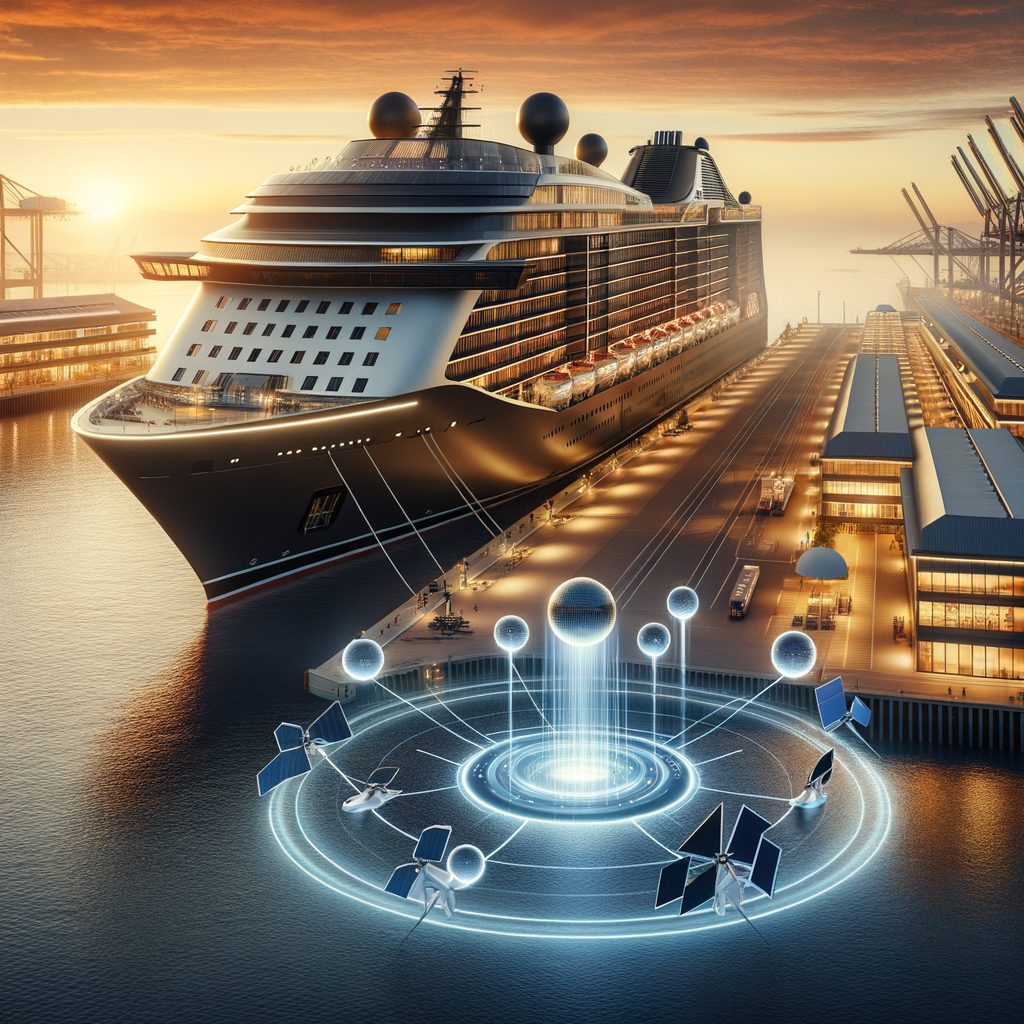
“`html Ambassador Cruise Line Transforms Onboard Connectivity with Quvia’s Innovation In recent years, the cruise industry has experienced sustained growth, particularly within the segment of affordable cruise lines aiming to provide quality experiences at accessible prices. This surge in demand has driven companies to integrate advanced technologies that enhance the customer experience and optimise onboard operations. In this context, connectivity and the efficient management of technological resources have become crucial elements for distinguishing oneself in an increasingly competitive market. In line with this trend, Ambassador Cruise Line, known for its focus on delivering quality at affordable prices, has taken a significant step by partnering with Quvia, a powerful platform based on artificial intelligence for managing Quality of Experience (QoE). This collaboration not only represents a technological advancement but also reinforces Ambassador’s commitment to innovation and customer satisfaction. In-Depth Analysis: Quvia’s Connectivity Innovation Quvia emerges as a pioneering solution in the realm of maritime connectivity, providing cruise lines like Ambassador with advanced tools to monitor and manage the quality of the user experience onboard. Quvia’s platform employs artificial intelligence algorithms to offer real-time visibility into connectivity performance, allowing vessels to proactively identify any issues and adjust capacity according to demand. This proactive approach is vital in an environment where connectivity is not only a passenger expectation but also an operational necessity. Quvia provides precise forecasts on data usage and network capacity required at different times, thereby optimising resource usage and ensuring a high-quality experience for both passengers and crew. Furthermore, by integrating predictive capabilities, the platform helps anticipate demand peaks and prevent network saturation that could negatively impact the user experience. Impact on the Merchant Navy and Nautical Sector The implementation of technologies like Quvia has a significant impact on the merchant navy and the nautical sector at large. For professionals working onboard, having reliable, high-quality connectivity transforms their daily operations, enabling them to perform administrative and operational tasks more efficiently. Additionally, with the ability to foresee and manage connectivity demand, onboard operations can be planned more effectively, reducing downtime and improving coordination across various areas of the ship. For passengers, enhanced onboard connectivity translates into a more satisfying experience, with access to online entertainment, seamless communications, and the ability to share their experiences in real-time. This, in turn, strengthens the cruise line’s reputation and can contribute to greater customer loyalty. Challenges and Future of the Sector in the Coming Years As technology advances, the cruise sector faces the challenge of integrating these advancements efficiently without compromising data security and privacy. Cybersecurity becomes a priority, and companies must ensure their systems are robust and protected against external threats. Furthermore, the ongoing evolution of customer expectations presents challenges regarding innovation and the personalisation of services offered onboard. Looking to the future, artificial intelligence and machine learning systems are expected to play an increasingly crucial role in optimising maritime operations. The ability of these systems to analyse large volumes of data and offer personalised solutions in real-time will be fundamental in maintaining competitiveness in the sector. Cruise lines that invest in these technologies will be better positioned to adapt to the changing market demands and offer enriching experiences to their passengers. Key Concepts QoE (Quality of Experience): Refers to the overall perception of a service by the end-user, based on factors such as service quality, reliability, and ease of use. Artificial Intelligence (AI): Technology that enables machines to simulate human thinking, learn from experience, and perform tasks autonomously. Real-Time Network: The capability of a system to process data and provide results instantaneously, allowing rapid responses to changing conditions. Cybersecurity: A set of practices designed to protect networks, devices, and data from unauthorised access or malicious attacks. The entry Ambassador Cruise Line Transforms Onboard Connectivity with Quvia’s Innovation was first published on WishToSail.com. “`
Launch of H2SITE Norway AS: A New Era for Hydrogen-Based Maritime Solutions
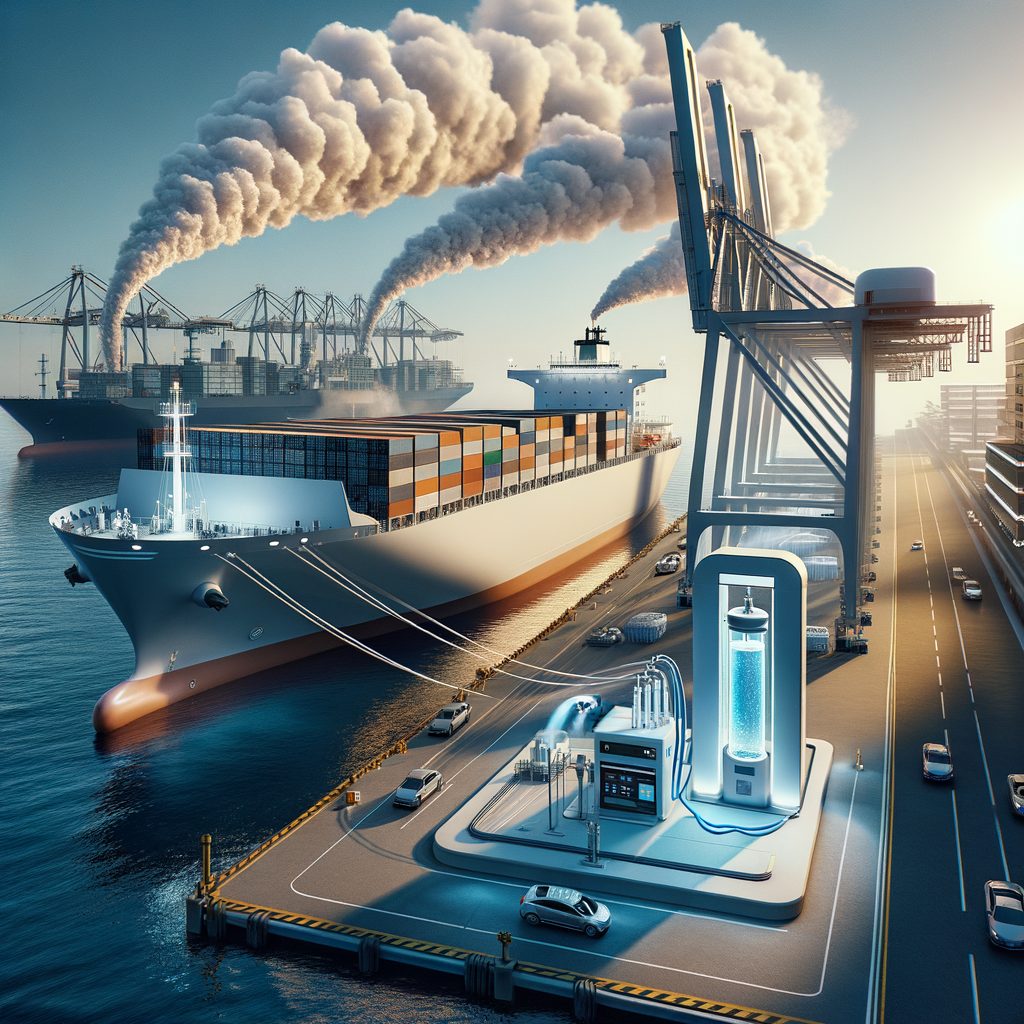
“`html Launch of H2SITE Norway AS: A New Era for Hydrogen-Based Maritime Solutions In the ever-evolving and demanding world of the maritime industry, the pursuit of sustainable solutions has gained unprecedented importance. With climate change and environmental regulations nudging the sector towards greater ecological responsibility, fossil fuels are gradually being replaced by cleaner alternatives. Among these, hydrogen emerges as a promising candidate due to its potential to significantly reduce carbon emissions. The maritime industry, known for its high energy consumption levels, views hydrogen as a viable path to achieving its decarbonisation goals. In this context, the Spanish company H2SITE has taken a significant step forward by establishing H2SITE Norway AS. This new subsidiary, headquartered in Bergen, Norway, aims to promote the use of hydrogen in the maritime and offshore sectors. The choice of Bergen, a pivotal hub in the Norwegian maritime industry, is no coincidence, as it provides a conducive environment for innovation and the development of sustainable technologies. Comprehensive Analysis: H2SITE Norway AS and Its Role in Maritime Innovation H2SITE Norway AS is founded with the objective of embedding hydrogen-based solutions within the maritime industry. The parent company, H2SITE, has been at the forefront of developing hydrogen separation and production technologies that allow for more efficient integration into energy systems. The Norwegian subsidiary is poised to act as a bridge between the technology sector and the maritime industry, facilitating the deployment of these technologies on ships and offshore platforms. As a clean fuel, hydrogen offers numerous benefits. Firstly, its use in fuel cells enables the generation of electrical energy without CO2 emissions. Moreover, its production can be entirely renewable if electricity from clean sources, such as wind or solar, is used for its electrolysis. This aspect is crucial for the maritime industry, which is actively seeking ways to operate more sustainably. Impact on the Merchant Navy and Nautical Sector The introduction of hydrogen-based technologies promises to revolutionise the operation of the merchant navy and the nautical sector. For industry professionals, this signifies substantial changes in their daily operations. Vessels equipped with hydrogen systems will require specialised training for handling this fuel and its associated systems. This impacts not only engineers and technicians onboard but also the naval architects and engineers responsible for integrating these new technologies into ship designs. With the implementation of hydrogen-based solutions, ship operations could become quieter and less polluting, thereby improving both working conditions and the marine environment. Additionally, it could open new employment opportunities in the sector related to the maintenance and operation of these advanced systems. Challenges and Future of the Sector in the Coming Years Despite the promises of hydrogen, the industry faces significant challenges on its path to decarbonisation. The production cost of green hydrogen remains high, and its storage and distribution infrastructure needs substantial development. Furthermore, the maritime industry must tackle the safety challenges associated with handling hydrogen, a gas that, while clean, is also highly flammable. Looking to the future, the maritime sector aims for greater international collaboration to share knowledge and develop global standards for hydrogen use. With initiatives like H2SITE Norway AS, the journey towards sustainability seems increasingly attainable, although a long road still lies ahead. Trends indicate that we will see an increase in research and development investment to enhance the efficiency and safety of hydrogen as an energy source. Key Concepts To better understand the technical terms mentioned in this article, it is crucial to define some key concepts: Green Hydrogen: Refers to hydrogen produced through water electrolysis using electricity from renewable sources. It is considered the most sustainable due to its zero CO2 emissions. Fuel Cell: A device that generates electricity through a chemical reaction between hydrogen and oxygen, producing water as the only by-product. Electrolysis: A chemical process that uses electricity to decompose water into oxygen and hydrogen. It is the cleanest method of hydrogen production. The path towards a decarbonised future in the maritime sector is challenging but not impossible. With the boost from innovations like those promoted by H2SITE Norway AS, hydrogen could be key to freeing the sector from its reliance on fossil fuels. The entry Launch of H2SITE Norway AS: A New Era for Hydrogen-Based Maritime Solutions was first published on WishToSail.com. “`
Nobilis Group, Inc. Revolutionises Leadership to Drive Innovation in Vehicle Protection and Chemical Solutions in the Nautical Sector
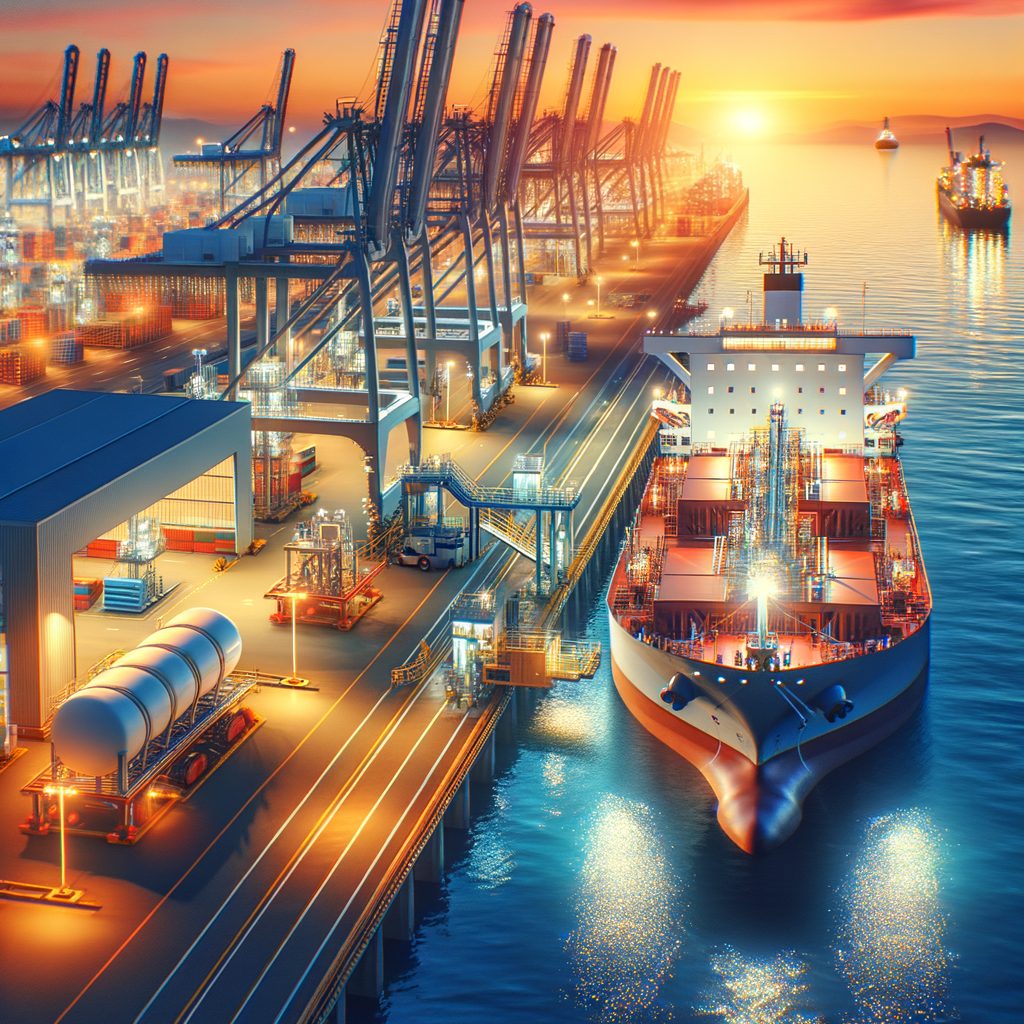
“`html Nobilis Group, Inc. Revolutionises Leadership to Drive Innovation in Vehicle Protection and Chemical Solutions in the Nautical Sector In recent years, the maritime industry has undergone significant transformation, driven in part by technological advancements and the growing demand for sustainable and efficient solutions. Companies like Nobilis Group, Inc., based in Irving, Texas, have positioned themselves at the forefront of this change. Known for their vehicle protection programmes, chemical manufacturing solutions, and repair services for markets such as automotive, recreational vehicles (RVs), motorsports, and marine, Nobilis has proven to be a key player in the evolution of these sectors. Nobilis’s recent announcement regarding the promotion of industry veterans to key executive positions underscores its commitment to innovation and excellence. Stan Starnes has been appointed President, while Jeff Beaver will assume the role of Chief Administrative Officer. Additionally, Rushi Modha joins the team as Chief Operations Officer, bringing a wealth of experience and knowledge that promises to propel the company to new heights. Under the continued leadership of its founder, Troy Good, Nobilis is poised to tackle modern market challenges and strengthen its position as a leader in the sector. Detailed Analysis: Innovation in Nobilis Group, Inc.’s Leadership The decision by Nobilis Group to restructure its executive team is in response to the need to adapt to an ever-changing business environment. Stan Starnes, now President, brings a strategic vision and a focus on market expansion that is crucial for maintaining the company’s sustained growth. His previous experience in the automotive and marine industries allows him to understand the complexities of the sector, positioning Nobilis to capitalise on emerging opportunities. Jeff Beaver, as the new Chief Administrative Officer, will be responsible for optimising the company’s internal operations, ensuring that resources are allocated efficiently and that a high level of quality is maintained across all services offered. Meanwhile, Rushi Modha, in his role as Chief Operations Officer, will focus on improving manufacturing and distribution processes—critical areas for the success of Nobilis’s vehicle protection programmes and chemical solutions. Impact on the Merchant Navy and Nautical Sector The restructuring of Nobilis Group’s leadership has implications not only for the company itself but also for the nautical sector as a whole. The integration of advanced chemical solutions and vehicle protection programmes is revolutionising the way commercial and recreational vessels operate. With its renewed focus on innovation and efficiency, Nobilis is uniquely positioned to provide products that enhance the safety and durability of maritime fleets. Vessel owners and operators in the merchant navy can benefit from the vehicle protection technologies developed by Nobilis, which include chemicals designed to withstand adverse marine conditions and prolong the lifespan of vessels. This approach not only optimises operational performance but also contributes to reducing maintenance and repair costs, a crucial aspect in the highly competitive environment of the merchant navy. Challenges and Future of the Sector in the Coming Years The nautical sector faces various challenges in the coming years, from the need to improve sustainability to adapting to stricter environmental regulations. Nobilis, with its renewed executive team, is strategically positioned to address these challenges through constant innovation and the enhancement of its processes and products. The implementation of new protection technologies and more environmentally friendly chemical solutions will be key to helping vessels comply with environmental regulations without sacrificing performance. Furthermore, the trend towards digitalisation and the use of data to optimise maritime operations will continue to grow, and Nobilis will need to adapt quickly to these changes to remain relevant in the market. Key Concepts The term “vehicle protection programmes” refers to various services and products designed to protect vehicles (in this case, vessels) against physical damage and wear. It includes chemical products that prevent corrosion and environmental damage. “Chemical manufacturing solutions” in the context of Nobilis, involve creating products that enhance the durability and performance of marine vehicles when facing adverse conditions. The role of a “Chief Operations Officer” is crucial to ensuring that a company’s daily operations are conducted efficiently, optimising processes and resources to maximise productivity and profitability. The entry Nobilis Group, Inc. Revolutionises Leadership to Drive Innovation in Vehicle Protection and Chemical Solutions in the Nautical Sector was first published on WishToSail.com. “`
H2SITE Norway: Pioneering Hydrogen Solutions for Maritime Decarbonisation
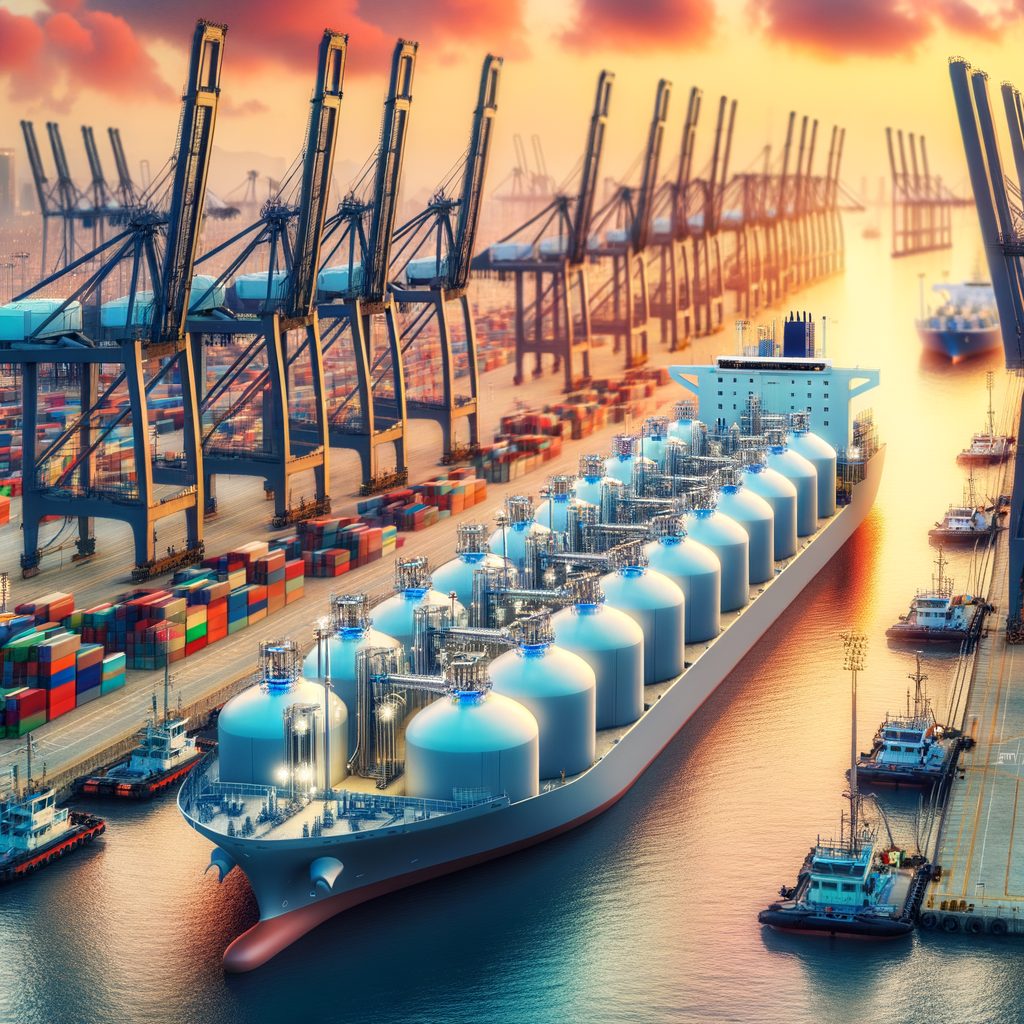
“`html H2SITE Norway: Pioneering Hydrogen Solutions for Maritime Decarbonisation The maritime sector is undergoing a significant transformation as it seeks sustainable solutions to mitigate its environmental impact. In this context, hydrogen emerges as a promising option for the decarbonisation of the industry. Although transitioning to clean energy sources poses a challenge, innovative companies are developing technologies that could revolutionise maritime transport. H2SITE, a Spanish start-up, has taken a crucial step by establishing its new subsidiary, H2SITE Norway AS, in Bergen, Norway, a country renowned for its leadership in the maritime industry and its commitment to sustainability. Norway, with its strong maritime tradition and significant commitment to sustainability, provides fertile ground for innovation in hydrogen solutions. The strategic location of Bergen, a major seaport and hub of the offshore industry, will facilitate H2SITE’s collaboration with key industry players. This expansion not only represents an opportunity for the company but also a significant advancement in the practical implementation of hydrogen technologies for the decarbonisation of vessels. Detailed Analysis: H2SITE Norway AS and its Hydrogen Technology H2SITE, headquartered in Bilbao, specialises in the development and manufacture of membrane technologies for hydrogen production. The company has focused its efforts on creating efficient and compact solutions that allow for on-site hydrogen generation, utilising innovative palladium membrane technology. This approach enables the separation of hydrogen from natural gas or biogas, producing high-purity hydrogen suitable for industrial and energy applications. The primary aim of establishing H2SITE Norway AS is to promote the adoption of these technologies in the maritime industry. With its membrane technology, the company offers a flexible solution that can be integrated into ships and offshore platforms, enabling hydrogen production directly on board. This not only reduces carbon emissions by replacing fossil fuels but also lessens dependence on costly and complex infrastructures, such as hydrogen distribution networks. Impact on the Merchant Navy and Nautical Sector The introduction of hydrogen-based solutions represents a paradigm shift for the merchant navy and the nautical sector in general. Traditional vessels, which primarily rely on fossil fuels, are responsible for a significant portion of global carbon dioxide emissions. However, with the implementation of hydrogen technologies, a drastic reduction in these emissions is possible, contributing to global sustainability goals. For professionals in the sector, this transition will require a change in the skills needed, including specific training in hydrogen technologies and the operation of advanced energy systems. Moreover, shipping companies and maritime operators will need to adapt to new regulatory frameworks that promote the use of clean energy, which could include economic incentives and stricter emission regulations. Challenges and Future Prospects for the Sector Despite the potential of hydrogen, widespread adoption of this technology in the maritime sector faces several challenges. One of the main obstacles is the cost associated with production and the infrastructure required for hydrogen storage and distribution. However, it is expected that with advancements in research and the development of new technologies, costs will progressively decrease. The future of the nautical sector seems to lean towards greater sustainability, with emerging trends such as fleet electrification and the promotion of alternative fuels. In the coming years, we will see an increase in international collaboration to establish common standards and encourage investment in clean technologies. H2SITE’s initiative is a clear indication of how the sector can evolve towards a more sustainable and efficient model. Key Concepts Several technical terms are fundamental to understanding the news about H2SITE and its impact on the maritime sector: Hydrogen: A chemical element that, in its pure form, is used as a clean fuel, producing only water as a by-product. Palladium Membrane: A technology that allows the separation and purification of hydrogen from natural gas or biogas, based on the use of membranes made of palladium. Decarbonisation: The process of reducing carbon emissions, generally by replacing fossil fuels with cleaner energy sources. Offshore: Related to maritime operations conducted off the coast, often on oil or gas extraction platforms. The article H2SITE Norway: Pioneering Hydrogen Solutions for Maritime Decarbonisation was first published on WishToSail.com. “`