


The XII Aurelio Fernández Lage Memorial: The Resurgence of Competition in Galician Sailing Under Challenging Weather Conditions

“`html The XII Aurelio Fernández Lage Memorial: The Resurgence of Competition in Galician Sailing Under Challenging Weather Conditions The sailing world in Spain has witnessed remarkable growth over recent decades, drawing an increasing number of young talents eager to leave their mark on this demanding discipline. Nautical events, such as the Aurelio Fernández Lage Memorial, not only foster competitiveness and skill development but also serve as a meeting point for the maritime community. These competitions are crucial for keeping the tradition of sailing alive in coastal regions like Galicia, where the sea is an integral part of cultural and economic identity. The Real Club Náutico de La Coruña, renowned for its commitment to promoting nautical sports, has hosted numerous events that reinforce its position as a fundamental pillar in fostering sailing in the region. The twelfth edition of the Aurelio Fernández Lage Memorial stood out for its ability to bring together a wide variety of participants, from young prospects to seasoned competitors, all united by the spirit of overcoming challenges and love for the sea. In-Depth Analysis: XII Aurelio Fernández Lage Memorial The XII Aurelio Fernández Lage Memorial was notable not only for the active participation of 135 sailors but also for the complex weather conditions that tested the skills and mettle of the participants. On the first day of competition, the organising committee managed to complete one race before winds exceeding 30 knots forced the suspension of activities for safety reasons. Such decisions are crucial to ensuring the participants’ integrity, highlighting the importance of experience and professional judgement by the committee led by Arcadio García Tizón. The event’s organisation demonstrated a remarkable effort to promote grassroots sports, including a training regatta for sailing schools. These initiatives are fundamental in inspiring the next generation of sailors, offering them their first experience in a competitive environment that is both accessible and educational. The participation of young sailors like Manuela García, Olivia Gómez, and Álvaro Mato underscores the club’s commitment to developing young talent. Impact on the Merchant Navy and the Nautical Sector The celebration of events like the Aurelio Fernández Lage Memorial significantly impacts the merchant navy and the nautical sector in general. Such competitions help maintain an active connection between yacht clubs and sector professionals, fostering collaboration and knowledge exchange. Furthermore, these events act as a launching platform for young talents who may eventually be considered for more professional roles within the merchant navy. The high visibility of these competitions also helps attract sponsors and governmental support, which is essential for the growth and sustainability of the nautical sector. The presence of representatives from the A Coruña City Council, the Xunta de Galicia, and the Fernández Lage family during the awards ceremony underscores the social and cultural importance of sailing in the community. Challenges and Future of the Sector in the Coming Years As the nautical sector advances, it faces several challenges, including the effects of climate change, the need for more sustainable technologies, and adaptation to new international regulations. The extreme weather conditions experienced during this event are a reminder of the increasing climatic volatility that organisers must consider in future competitions. The future of the sector will also hinge on digitalisation and the use of advanced technologies to improve the safety and efficiency of events. Continuous training and adaptation to new regulations, such as those presented in the STCW (Standards of Training, Certification, and Watchkeeping) Convention, will be fundamental for sector professionals. Additionally, the increased use of online learning platforms (LMS) for training both young and experienced sailors could see greater integration. Key Concepts In the context of sailing and the merchant navy, it is essential to understand certain technical terms frequently used in the industry. ‘STCW’ refers to the set of international standards for the training, certification, and watchkeeping of seafarers, crucial for safety and regulatory compliance. ‘LMS’ or Learning Management Systems are digital tools that facilitate online teaching and learning, increasingly important in the training of new sailors. ‘Hazmat’ is used to describe hazardous materials that require special handling during maritime transport. These concepts, among others, are vital knowledge that nautical professionals must possess to operate effectively in a rapidly changing environment. The article The XII Aurelio Fernández Lage Memorial: The Resurgence of Competition in Galician Sailing Under Challenging Weather Conditions was first published on WishToSail.com. “`
Irene de Tomás: A Historic Triumph for Spanish Sailing at the Youth Sailing World Championship in ILCA 6
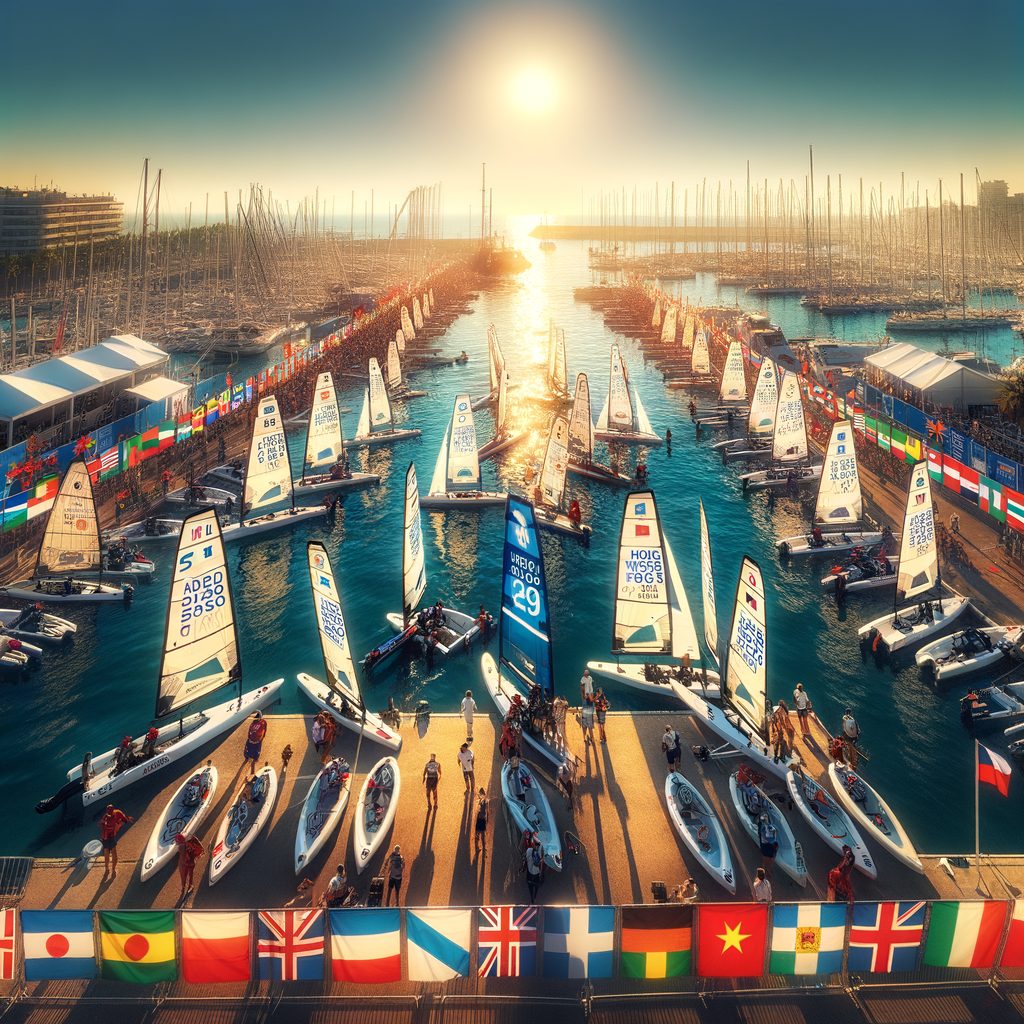
“`html Irene de Tomás: A Historic Triumph for Spanish Sailing at the Youth Sailing World Championship in ILCA 6 The realm of sailing is in perpetual evolution, both in terms of technology and human talent. Within this sectorial context, international championships serve not only as a showcase for young athletes but also as an opportunity for countries to exhibit their potential in the nautical sport. In recent years, Spain has taken on an increasingly prominent role in the field of sailing, with yacht clubs fostering the development of promising youth, such as the Real Club Náutico de Valencia (RCNV). The recent triumph of Irene de Tomás at the Youth Sailing World Championship held in Vilamoura, Portugal, symbolises years of training and institutional support. This achievement not only marks a personal milestone for De Tomás but also reflects the level of professionalism and commitment that the RCNV and the Proyecto FER have dedicated to nurturing new talents. In-depth Analysis: The Youth Sailing World Championship in ILCA 6 The Youth Sailing World Championship is among the most prestigious events on the calendar of World Sailing, the international sailing federation. This championship was held in Vilamoura, a Portuguese locale renowned for its excellent infrastructure for nautical sports and capacity to host international competitions. This year’s edition was contested in challenging weather conditions, with winds that changed drastically from one day to the next and occasional rains, adding an additional layer of complexity for the competitors. Irene de Tomás managed to stand out in the ILCA 6 class, a single-handed dinghy popular among young sailors for its technical demands and ability to develop advanced sailing skills. Over five days of competition, participants were required to complete nine races. De Tomás exhibited impressive consistency, especially in the second race, where she achieved a partial victory, and in the fourth race, securing a well-earned second place. The key to her success lay in her ability to quickly adapt to shifting wind conditions, a crucial skill in the sailing world. Impact on the Merchant Navy and the Nautical Sector Irene de Tomás’ triumph has significant implications both personally and for the Spanish nautical sector. Firstly, it elevates the profile of the RCNV and Proyecto FER, highlighting their commitment to the development of young talent. For the merchant navy, victories such as these underscore the importance of investing in the training of new generations of sailors, who in the future may apply their skills in roles beyond sporting competition, such as in commercial navigation operations and maritime management. Moreover, De Tomás’ success inspires other young individuals to consider sailing as a viable career, not just from a sporting perspective but also professionally. As nautical technology advances, the demand for qualified personnel in the sector continues to grow, creating opportunities for those with practical skills and experience in navigation. Challenges and Future of the Sector for the Coming Years The nautical sector faces numerous challenges in the coming years, from the integration of sustainable technologies to addressing the impacts of climate change on maritime routes. However, it also offers abundant opportunities for those willing to innovate and adapt. The training of young talents like Irene de Tomás becomes crucial in this context, as they bring new ideas and fresh perspectives to the sector. In terms of trends, digitalisation is expected to continue transforming the way vessels are managed and competitions conducted. For instance, the use of advanced weather monitoring systems and data analysis can provide sailors with a significant competitive edge. Additionally, the focus on sustainability will remain a priority, with initiatives to reduce the carbon footprint of vessels and promote more eco-friendly practices. Key Concepts ILCA 6: Refers to a single-handed dinghy class used in sailing competitions. It is known for its simple design and demanding sailing capabilities, making it ideal for training young sailors. World Sailing: The international federation governing the sport of sailing. It organises events like the Youth Sailing World Championship and sets the rules and guidelines for international competitions. Proyecto FER: A Spanish initiative that supports young athletes in their professional development, providing resources and opportunities to compete at an international level. Variable Wind: Refers to wind conditions that change in direction and intensity, which can pose a significant challenge for sailors who must adjust their racing strategy accordingly. The article Irene de Tomás: A Historic Triumph for Spanish Sailing at the Youth Sailing World Championship in ILCA 6 was first published on WishToSail.com. “`
Advancements in Sustainability: Naturgy’s New LNG and BioLNG Supply Vessel Revolutionises Maritime Transport on the Iberian Peninsula
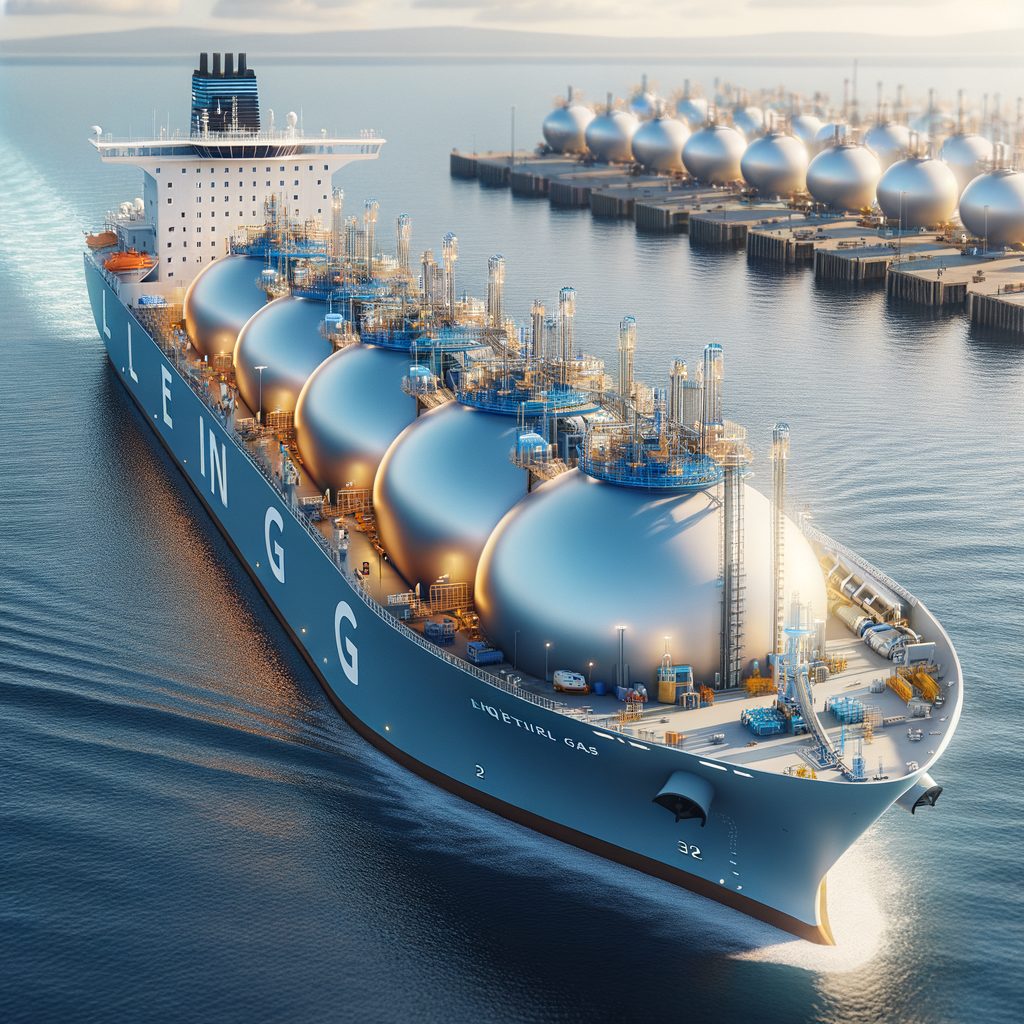
“`html Advancements in Sustainability: Naturgy’s New LNG and BioLNG Supply Vessel Revolutionises Maritime Transport on the Iberian Peninsula In a world increasingly focused on sustainability and the reduction of emissions, the maritime sector has been adapting to the demands of the energy transition. The use of alternative and cleaner fuels has become a priority for companies committed to the environment. In this context, Liquefied Natural Gas (LNG) and BioLNG have emerged as viable solutions for reducing the maritime transport carbon footprint. These fuels not only help decrease CO2 emissions but also significantly reduce the presence of sulphur and nitrogen oxides in the air, which are harmful to human health and the ecosystem. The maritime transport industry is undergoing an unprecedented phase of change, driven by new environmental regulations and the demand for cleaner energy solutions. In this regard, major energy companies are playing a crucial role, investing in technology and fleets that allow a transition towards a more sustainable future. The recent alliance between Naturgy and Enagás for the construction of the Mistral LNG supply vessel is a clear example of this commitment, reflecting the importance of adopting advanced technologies that can ensure a positive environmental impact. In-depth Analysis: The Mistral LNG and Its Role in the Future of Marine Energy The Mistral LNG is a supply vessel specifically designed to operate in the waters of the Iberian Peninsula, a strategic area that connects Europe with the rest of the world through important maritime trade routes. With a cargo capacity of 18,900 m³ of liquefied gas, this vessel boasts advanced technical characteristics that place it at the forefront of innovation in the sector. Its length of 138.8 metres, combined with a dual-fuel engine, enables it to sail at a service speed of 13 knots with an autonomy of over 4,500 nautical miles, which is essential for ensuring a continuous and efficient supply of LNG and BioLNG. Additionally, the Mistral LNG is equipped with advanced technology to minimise greenhouse gas emissions and enhance energy efficiency. This includes heat recovery systems and fuel consumption optimisation, which not only reduces environmental impact but also improves the vessel’s operational profitability. The capability to supply both LNG and BioLNG provides flexibility to the fleet, allowing maritime operators to comply with stringent environmental regulations and enhance their sustainability profile. Impact on the Merchant Navy and the Nautical Sector The introduction of the Mistral LNG to the market not only represents a technological advance but also has a significant impact on the daily operations of the merchant navy and the nautical sector in general. By offering a cleaner and more efficient solution for marine fuel supply, this vessel will assist shipping companies in reducing their carbon emissions and complying with international regulations demanding less pollution. This is particularly relevant at a time when the International Maritime Organisation (IMO) has set ambitious targets for emission reductions in the sector. For sector professionals, this signifies a change in how operations are planned and executed. Operators will need to adapt to the new supply technology and the logistics involved in using LNG and BioLNG. Furthermore, onboard personnel will require specialised training to safely handle this type of fuel, potentially generating new employment opportunities and specialisation within the industry. Challenges and the Future of the Sector in the Coming Years As the maritime sector moves towards a more sustainable future, it faces several significant challenges. The integration of new technologies requires considerable investments and continuous adaptation by companies. However, these investments are necessary to comply with environmental regulations and capitalise on growth opportunities in a global market increasingly aware of climate change. In the coming years, the use of alternative fuels such as LNG and BioLNG is expected to increase exponentially, driven by the demand for cleaner and more efficient solutions. Companies that adapt to this change will have a significant competitive advantage in the market, while those that do not may face sanctions and a loss of reputation. Additionally, the development of adequate infrastructure for the supply of these fuels will be crucial to ensure their widespread adoption. Key Concepts LNG (Liquefied Natural Gas): It is natural gas that has been cooled to cryogenic temperatures to convert it into liquid. This process reduces its volume, facilitating storage and transport. BioLNG: It is liquefied natural gas produced from renewable sources, such as organic waste. It shares the advantages of traditional LNG but with a lower environmental impact. Dual Fuel Engine: This type of engine can operate on two types of fuel, usually natural gas and diesel, providing flexibility and efficiency in energy consumption. Length Overall (LOA): This is the total length of the vessel, measured from the bow to the stern. It is one of the most important parameters for determining the vessel’s cargo capacity and manoeuvrability. IMO (International Maritime Organisation): It is a specialised United Nations agency responsible for establishing regulations for maritime safety, environmental protection, and efficiency. The post Advancements in Sustainability: Naturgy’s New LNG and BioLNG Supply Vessel Revolutionises Maritime Transport on the Iberian Peninsula was first published on WishToSail.com. “`
First Ammonia Transfer between Vessels at Port Dampier: A Milestone in Maritime Decarbonisation
“`html First Ammonia Transfer between Vessels at Port Dampier: A Milestone in Maritime Decarbonisation In the current maritime industry landscape, the quest for alternatives to conventional fossil fuels has become a pressing priority. The maritime sector’s carbon emissions significantly contribute to climate change, driving the need to find cleaner and more sustainable fuels. In this context, ammonia has emerged as a potential replacement due to its ability to be used as fuel without direct carbon emissions. However, its application in the maritime domain presents significant technical and safety challenges that require specific attention and regulation. This shift is part of a broader decarbonisation strategy that seeks not only to implement cleaner fuels but also to ensure the safety and economic viability of their use in large-scale operations. Leading these efforts is the International Association of Classification Societies (IACS), which has played a crucial role in developing regulations and standards that facilitate the transition to new types of fuel in the maritime industry. In-Depth Analysis: Inclusion of Ammonia in the UR M78 Revision The IACS has announced a revision of its Unified Requirement UR M78, a regulation that sets the safety standards for internal combustion engines powered by gases or fuels with low flash points. This fourth revision marks a significant advancement by including ammonia as an approved fuel, thereby expanding the spectrum of legally recognised and regulated alternative fuels. Chemically known as NH3, ammonia is a compound that, when used appropriately, can drastically reduce the maritime sector’s carbon emissions. However, its use presents inherent risks due to its toxic nature and explosive potential. Therefore, the UR M78 revision introduces comprehensive safety measures, such as gas recovery systems and Ammonia Release Mitigation Systems (ARMS), designed to prevent leaks and effectively manage toxic emissions. Additionally, the technical requirements for ventilation systems and explosion relief devices have been updated to ensure that any risk situation is detected and managed immediately. Engines must incorporate a depression ventilation system and constant monitoring to predefined concentration limits, with automatic safety actions activated under specific conditions. Impact on the Merchant Navy and Nautical Sector The implementation of these regulations directly impacts the daily operations of the merchant navy and the nautical sector. The transition to using ammonia as fuel requires crews to be trained in new safety practices and risk management. This involves not only an update in technical knowledge but also an adaptation to new emergency and maintenance protocols that ensure operational integrity. For maritime operators, transitioning to ammonia could represent a competitive advantage. However, they must also consider significant investments in updating their fleets and training their staff. Shipping companies adopting these cleaner technologies will be able to access new markets and comply with emerging international regulations increasingly focused on environmental sustainability. Challenges and Future of the Sector in the Coming Years While the UR M78 revision represents a decisive step toward decarbonisation, the sector faces considerable challenges. The global infrastructure for ammonia supply and storage is still under development, and the industry must overcome technical and economic hurdles to ensure ammonia becomes a viable option on a massive scale. In the coming years, rapid evolution in engine technology and ammonia storage systems is expected. Collaborations between regulatory entities, governments, and private companies will be essential to develop global standards and ensure that ammonia use is safe and efficient. Moreover, government support policies, including tax incentives and research and development grants, will be crucial in accelerating this transition. Key Concepts Ammonia (NH3): A chemical compound that can be used as an alternative fuel in internal combustion engines. It is considered a viable option for reducing carbon emissions but poses toxicity and explosion risks. Ammonia Release Mitigation Systems (ARMS): Technologies designed to prevent and manage ammonia leaks, ensuring that toxic emissions are effectively controlled. Unified Requirement UR M78: An IACS regulation setting safety standards for engines powered by fuels with low flash points, recently revised to include ammonia. Decarbonisation: The process of reducing carbon emissions, in this case, in the maritime sector, through the adoption of cleaner alternative fuels. The entry First Ammonia Transfer between Vessels at Port Dampier: A Milestone in Maritime Decarbonisation was first published on WishToSail.com. “`
Increase in Piracy Incidents in the Singapore Strait: A Growing Challenge for Global Maritime Security
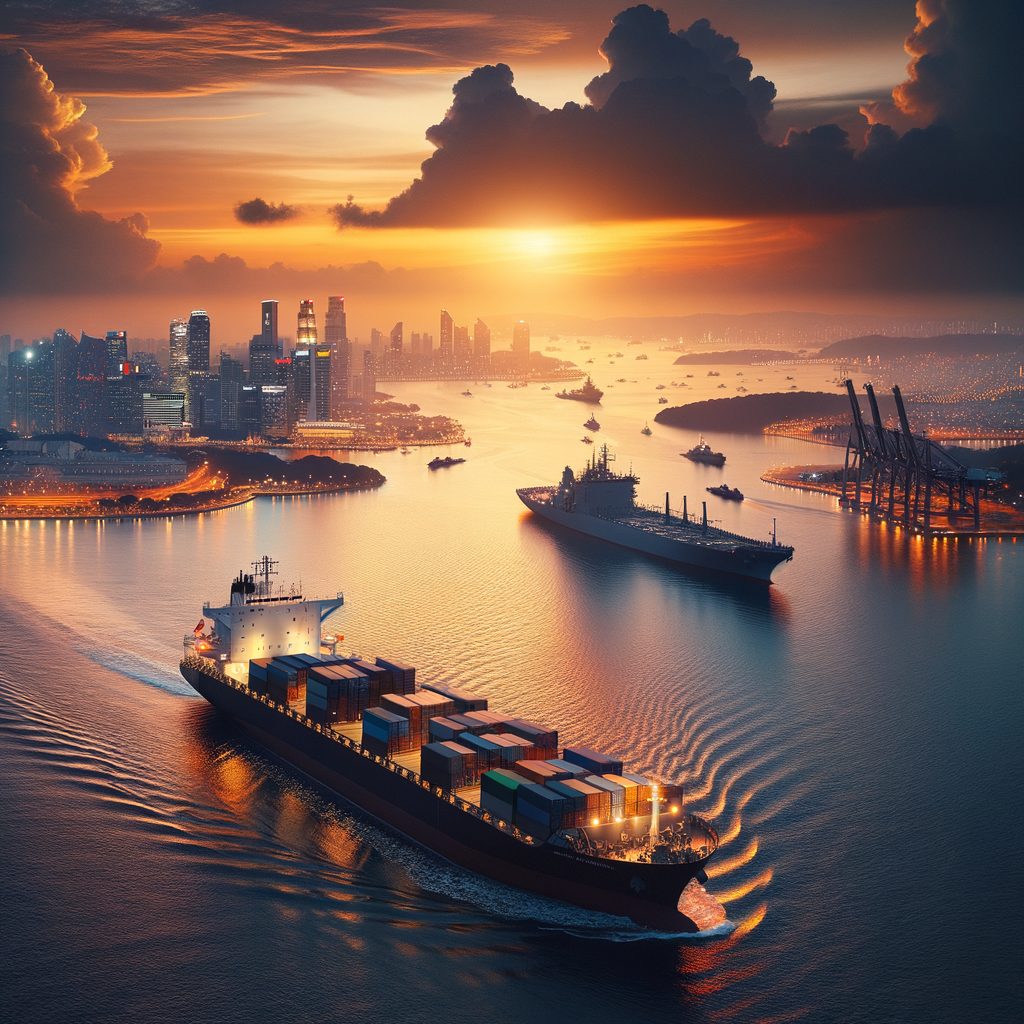
“`html Increase in Piracy Incidents in the Singapore Strait: A Growing Challenge for Global Maritime Security In the maritime world, the rise in piracy incidents represents an ongoing threat that demands immediate attention. Maritime trade routes are the backbone of international commerce, transporting approximately 90% of the world’s goods. However, these routes are increasingly threatened by acts of piracy, particularly in strategic regions such as the Singapore Strait. This region, which connects the Indian Ocean with the South China Sea, is among the busiest waterways globally, making it a crucial point for global trade and an attractive target for pirates. The recent Annual Piracy and Armed Robbery Report by the International Maritime Bureau (IMB) for 2025 highlights a worrying 18% increase in pirate attacks compared to the previous year. Pirate attacks are not a new phenomenon, but their evolution and sophistication in recent years have posed new challenges for maritime security. In 2025, 137 piracy incidents were recorded, a significant increase compared to 116 in 2024. Of these, 58% occurred in the Singapore Strait, underscoring the need for enhanced international vigilance and cooperation to safeguard this vital passage. The threat of piracy not only jeopardises crew safety but also endangers the stability of global supply chains, on which countless economies rely. Detailed Analysis: Rise of Piracy in the Singapore Strait Located between the Malaysian Peninsula and the island of Sumatra, the Singapore Strait is one of the world’s most crucial maritime routes, utilised by over 100,000 vessels annually. This high density of maritime traffic, combined with proximity to less-policed waters, has turned the strait into a breeding ground for piracy. In 2025, 80 incidents were recorded in this region, far exceeding the 43 incidents of 2024. While many of these attacks are considered low-level and opportunistic, the use of weapons has increased, with 27 incidents reported in 2025 compared to just eight the previous year. The majority of incidents in the Singapore Strait involve the boarding of vessels, with perpetrators primarily seeking easily transportable valuables such as fuel and electronic goods. These attacks, although often not deemed severe, are concerning due to their frequency and the increased use of violence. The response of local authorities, such as the Indonesian Maritime Police, has been crucial in reducing the number of attacks in the second half of 2025, highlighting the importance of proactive measures and international cooperation in combating piracy. Impact on Merchant Marine and Nautical Sector The rise in pirate attacks significantly impacts the merchant marine and the nautical sector at large. Maritime professionals, who already face challenges due to changing climate, operational costs, and logistical complexities, must now also prepare to counter the threat of piracy. Shipping companies are investing more in security measures, ranging from hiring private security teams to installing advanced technologies to detect threats and protect the crew and cargo. Moreover, crew training in self-protection measures and the implementation of risk management practices have increased significantly. Vessels are adopting stringent protocols, such as the use of ‘safe rooms’ where the crew can shelter during an attack, and participation in convoys escorted by naval forces when navigating high-risk areas. These changes not only increase operational costs but also affect the physical and psychological well-being of the crew, as sailing in high-risk areas can be stressful and dangerous. Challenges and Future Prospects for the Sector The future of the maritime sector concerning piracy faces several challenges. The increasing sophistication of pirate attacks, coupled with the rise in weapon use, demands a coordinated and effective response. Additionally, the need for rapid incident reporting is crucial to mitigate risks, as prompt notifications allow naval forces to regroup and provide real-time assistance. However, delays in reporting remain an issue. As technologies advance, naval forces and shipping companies are exploring innovative solutions such as using drones for maritime surveillance and developing artificial intelligence software to predict attack patterns. These tools promise to enhance the safety and efficiency of shipping operations. Furthermore, international cooperation is expected to continue strengthening, with new alliances and agreements between countries to protect essential maritime routes. Key Concepts Maritime Piracy: Acts of robbery or violence committed at sea, generally with the aim of hijacking ships, stealing cargo, or demanding ransoms. Singapore Strait: One of the world’s most important and busiest maritime routes, connecting the Indian Ocean with the South China Sea. Safe Rooms: Fortified spaces aboard a ship where the crew can seek refuge during a pirate attack. Escorted Convoys: Groups of ships that sail together under the protection of naval forces to enhance security in dangerous waters. International Maritime Bureau (IMB) Report: An annual publication detailing piracy and armed robbery incidents worldwide, used to assess and improve maritime security. The article Increase in Piracy Incidents in the Singapore Strait: A Growing Challenge for Global Maritime Security was first published on WishToSail.com. “`
Exponential Increase in the Use of LNG in Maritime Transport: The Case of Avenir Aspiration and MSC Adya in Málaga
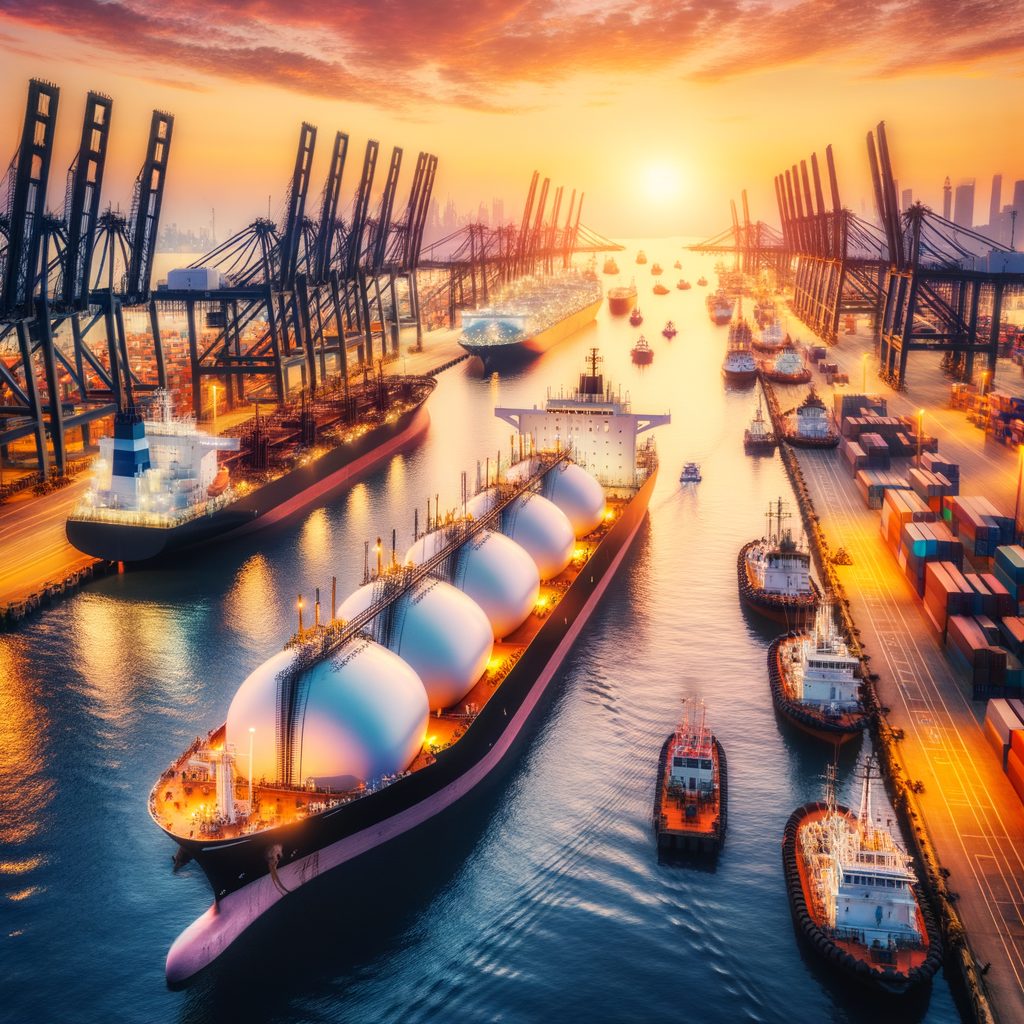
“`html Exponential Increase in the Use of LNG in Maritime Transport: The Case of Avenir Aspiration and MSC Adya in Málaga The global maritime sector is undergoing an unprecedented transformation, driven by the growing need to reduce greenhouse gas emissions and meet environmental sustainability goals. In this context, liquefied natural gas (LNG) has emerged as a viable and effective alternative to traditional fossil fuels. The United Kingdom, with its strategic geographical location and advanced infrastructure for handling such fuel, is positioning itself as a leader in the adoption of LNG for maritime transport. The port of Málaga has recently witnessed a significant example of this trend, with the Avenir Aspiration supplying LNG to the container ship MSC Adya. This event not only symbolises progress in the utilisation of clean fuels but also highlights the increasing capacity of British ports to support LNG refuelling operations. This development coincides with the exponential growth in LNG supply in the country, which saw a 111% increase in volume during 2025. Detailed Analysis: LNG Supply from Avenir Aspiration to MSC Adya The Avenir Aspiration, a vessel specialised in the transportation and supply of LNG, played a crucial role in refuelling the MSC Adya, a state-of-the-art container ship. This refuelling operation was conducted using the Ship-to-Ship (STS) method, a technique that allows the transfer of fuel between two vessels at sea or in port. This technical process requires meticulous coordination and adherence to strict safety standards to ensure that LNG is transferred efficiently and safely. The use of LNG in the maritime sector offers several advantages, including a significant reduction in emissions of sulphur oxides (SOx), nitrogen oxides (NOx), and fine particulates, contributing to a reduced environmental footprint. Furthermore, its cleaner combustion compared to heavy fuel oil allows vessels to comply with international emission regulations, such as those established by the International Maritime Organization (IMO). Impact on the Merchant Navy and Nautical Sector The adoption of LNG as a fuel is transforming daily operations in the merchant navy. Professionals in the sector must adapt to new fuel handling and storage procedures, as well as more advanced propulsion systems. The increase in LNG use has also led to a higher demand for specialised training for maritime personnel, compelling educational institutions to update their curricula to include knowledge of this technology. Moreover, the capability of ports to offer LNG STS services has become a key competitive factor. Ports investing in the necessary infrastructure to support such operations are better positioned to attract shipping companies seeking to minimise their environmental impact, which can translate into a significant increase in maritime traffic and, consequently, an economic boost for the region. Challenges and Future Prospects for the Sector Despite its advantages, LNG faces challenges that must be addressed to establish itself as the fuel of the future in navigation. One of the main challenges is the need to develop a global supply network that allows ships to refuel easily worldwide. Another challenge is the perception that LNG is only a transitional solution towards even more sustainable fuels, such as hydrogen or advanced biofuels. In the coming years, it is expected that the maritime sector will continue to explore these alternatives, while focusing on improving the efficiency of LNG engines and further reducing their residual emissions. Research and development in LNG storage and handling technologies will also be crucial to ensuring its long-term viability. Key Concepts The term “Ship-to-Ship” (STS) refers to the operation of cargo transfer, in this case LNG, between two vessels at sea or in port. This technique is essential for refuelling ships operating on LNG, allowing them to refuel without the need to dock. “LNG” or liquefied natural gas is natural gas that has been cooled to -162°C, transforming it into liquid form for easier storage and transport. This process reduces its volume to 1/600 of natural gas in gaseous state, making it more efficient for maritime transport. “BioLNG” is a variant of LNG produced from renewable sources such as agricultural waste or organic waste. Like conventional LNG, BioLNG is used as a clean fuel but has an even more sustainable lifecycle due to its renewable origins. The article Exponential Increase in the Use of LNG in Maritime Transport: The Case of Avenir Aspiration and MSC Adya in Málaga was first published on WishToSail.com. “`