


New Strategic Alliance in the Port Sector: CMA CGM and Stonepeak Launch UNITED PORTS LLC to Strengthen Global Terminals
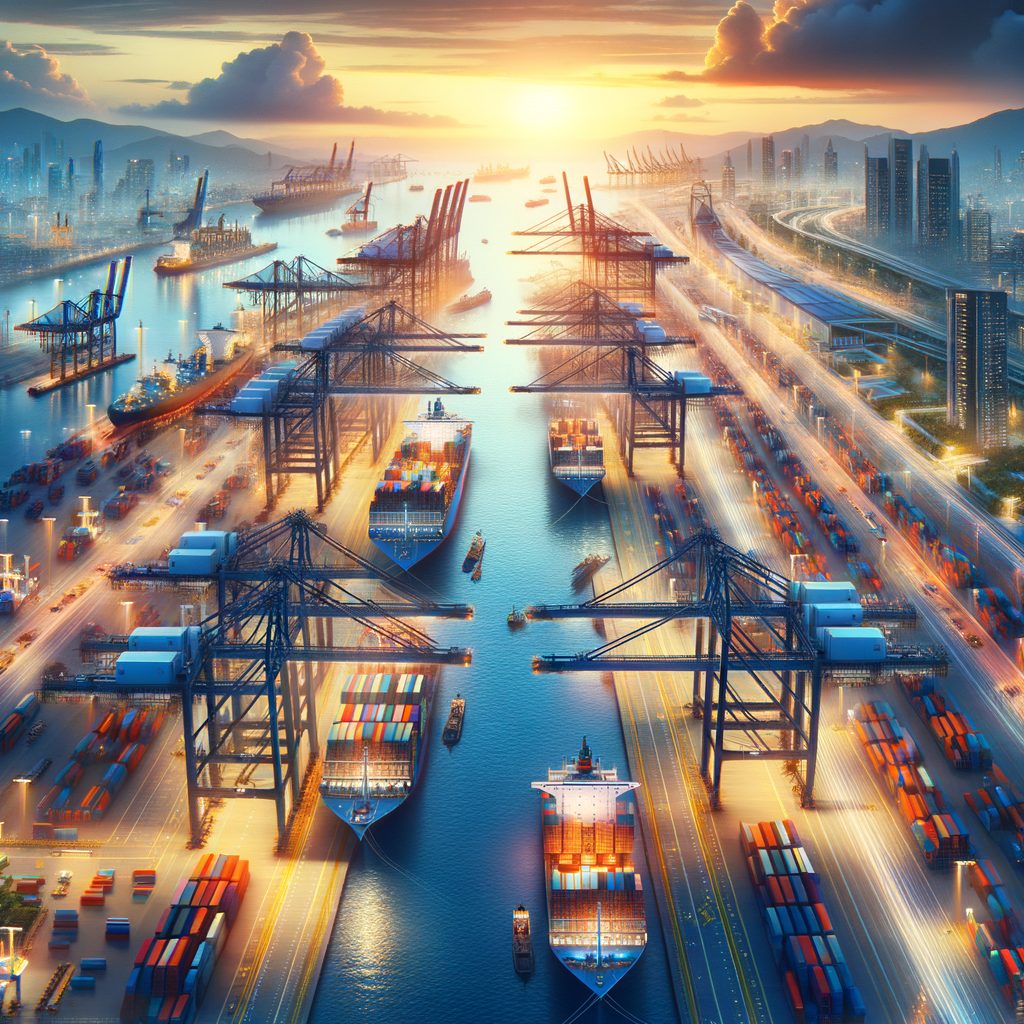
“`html New Strategic Alliance in the Port Sector: CMA CGM and Stonepeak Launch UNITED PORTS LLC to Strengthen Global Terminals The maritime and port sector is experiencing a period of significant evolution, driven by globalisation and the increasing demand for efficient logistical solutions. In this context, strategic alliances and the acquisition of critical infrastructure are key moves to consolidate market positions. Recently, two giants of the sector, the CMA CGM Group, renowned for its leadership in maritime, land, air, and logistics solutions, and Stonepeak, a prominent alternative investment company specialising in infrastructure and real assets, have announced an ambitious collaboration. This alliance materialises through the creation of UNITED PORTS LLC, a new joint venture in the United States designed to acquire and operate ten of the major port terminals currently managed by CMA CGM globally. This strategic move not only underscores the importance of investment in port infrastructure but also highlights the relevance of establishing robust collaborations to tackle the dynamic challenges of global trade. In-depth Analysis: Creation of UNITED PORTS LLC The announcement of UNITED PORTS LLC represents one of the most significant initiatives in the recent port sector. This joint venture is backed by an investment of 2.4 billion dollars, with Stonepeak acquiring a 25% minority stake. The creation of this new entity not only reflects a strong confidence in the growth of maritime trade but also in the capacity of these companies to optimise port operations through innovation and efficiency. The choice of the ten terminals is strategic, as these nodes are critical points in global trade routes, facilitating the movement of goods between continents. By consolidating the management of these terminals under UNITED PORTS LLC, it is anticipated that operations will be improved through advanced cargo management technologies, route optimisation, and sustainability, a component increasingly crucial in modern port management. Impact on the Merchant Navy and the Nautical Sector The creation of UNITED PORTS LLC will significantly impact the daily work of professionals in the maritime and port sector. Firstly, an improvement in the efficiency of loading and unloading is anticipated, thanks to investments in technology that streamline these processes. Additionally, access to improved infrastructure may reduce waiting times and operational costs, which, in turn, translates into greater competitiveness for shipping lines using these ports. On a labour level, the modernisation of the terminals may necessitate new training for port workers. These technological advancements will demand specialised skills in handling automated machinery and digital management systems, opening the door to new employment opportunities within the sector. Challenges and the Future of the Sector in the Coming Years Despite the opportunities this alliance presents, there are also challenges that must be carefully managed. The integration of advanced technologies in port terminals will require continuous investment not only in physical infrastructure but also in cybersecurity, to protect critical systems from potential attacks. Looking to the future, sustainability and decarbonisation of port operations are expected to be key focus areas. With increasing pressure to reduce carbon emissions, ports are exploring the use of renewable energy and cleaner operational practices. Moreover, stricter environmental regulations will demand rigorous compliance, which could influence the planning and development of future port projects. Key Concepts Joint Venture (JV): A business arrangement in which two or more parties agree to pool resources to execute a specific task, which in this case involves the joint management of port terminals. Critical Infrastructure: Refers to the essential facilities, systems, and assets whose destruction or dysfunction would have a debilitating impact on safety, economy, and public health. Cargo Management Technology: A set of systems and processes used to enhance the efficiency and effectiveness in the handling of goods within ports, including software for route optimisation and automated operations. Decarbonisation: The process of reducing or eliminating carbon emissions, especially in the context of industrial operations, to mitigate climate change. The entry New Strategic Alliance in the Port Sector: CMA CGM and Stonepeak Launch UNITED PORTS LLC to Strengthen Global Terminals was first published on WishToSail.com. “`
The Innovation of Prodigy’s TNPP as a Key Strategy in the Arctic Sovereignty of the New Canadian Government
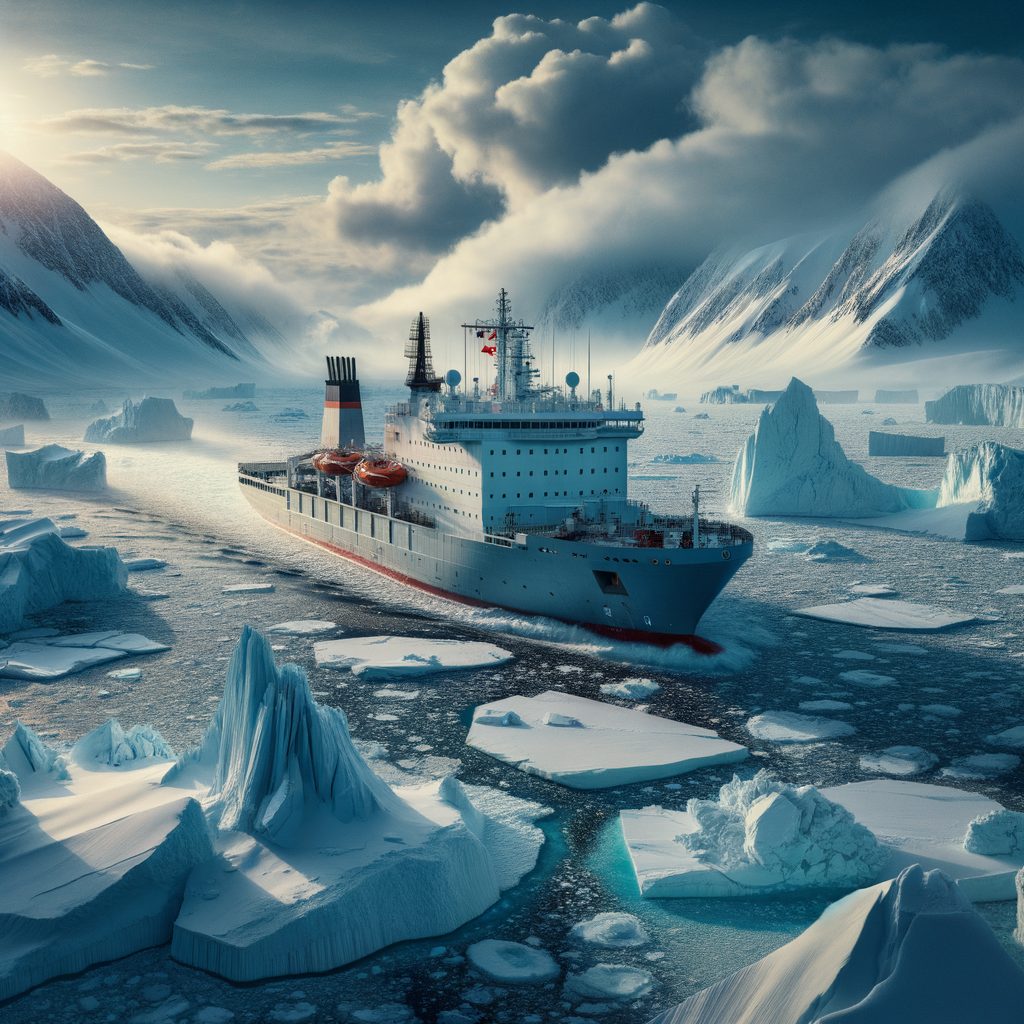
“`html The Innovation of Prodigy’s TNPP as a Key Strategy in the Arctic Sovereignty of the New Canadian Government The Arctic has emerged as a focal point of geopolitical and economic interest over the past decade due to its wealth of natural resources and strategic position. As climate change reduces ice layers, new maritime routes are opening up, bringing with them opportunities and challenges that are transforming the 21st-century geopolitical landscape. This phenomenon has prompted many nations, including Russia, the United States, and Canada, to strengthen their presence in the region. In this context, technology and innovation have emerged as strategic allies for power projection and the protection of national interests. The new Canadian government has recognised the importance of securing its sovereignty in the Arctic, an area rich in resources and of growing international interest. To this end, it has invested in a range of advanced policies and technologies, among which the Technologically New Propulsion Platforms (TNPP) from Prodigy stand out. These platforms not only represent an advancement in maritime propulsion but are also a key component in the strategy to consolidate Canada’s presence in these cold and contested waters. Detailed Analysis: Innovation of Prodigy’s TNPP Prodigy’s TNPP is an innovative development in the field of naval propulsion, specifically designed to operate in extreme conditions like those of the Arctic. These propulsion platforms, focused on unprecedented energy efficiency, utilise a combination of advanced electric engines and renewable energy systems that allow for silent and environmentally friendly operation. One of the most notable aspects of the TNPP is its ability to reduce emissions of polluting gases, a critical factor in such a fragile environment as the Arctic. The development of the TNPP has involved a rigorous process of research and testing in simulated and real environments to ensure their effectiveness and reliability. The platforms are equipped with autonomous navigation technologies and advanced detection systems that enhance the safety and efficiency of maritime operations in remote regions. These features not only enable better operation in ice and open waters but also provide valuable data for environmental monitoring, thus contributing to climate science and the protection of this delicate ecosystem. Impact on the Merchant Navy and the Nautical Sector The introduction of Prodigy’s TNPP represents a significant shift in the daily operations of the merchant navy operating in the Arctic. By enhancing the efficiency of vessels, operational costs are reduced, and the viability of commercial routes in the region increases. Additionally, the capacities for autonomous navigation improve crew safety by minimising the risk of accidents in such a hostile environment with extreme weather conditions. In the nautical sector in general, these propulsion platforms are setting new standards for sustainability and energy efficiency. The adoption of clean and renewable technologies in the propulsion of merchant vessels not only contributes to reducing environmental impact but also improves the corporate image of the companies involved, aligning them with the growing demands of consumers and regulators for more sustainable practices. Challenges and the Future of the Sector for the Coming Years Despite significant advances, the adoption of TNPP in the Arctic does not come without challenges. One of the main obstacles is the initial cost of implementation and the need for adequate support infrastructure for their maintenance and operation. However, the potential to transform maritime transport in the Arctic is immense, and it is expected that, as technology is refined and costs decrease, it will become a standard in the industry. Looking to the future, the trend towards automation and sustainability will continue to mark the course of technological development in the maritime sector. With the Arctic becoming increasingly accessible, a rise in commercial activity is anticipated, which could lead to more intense competition for resources and routes. In this scenario, the adoption of advanced technologies, such as TNPP, will be crucial to maintaining competitiveness and ensuring national sovereignty in this strategic region. Key Concepts TNPP (Technologically New Propulsion Platforms): Propulsion platforms that integrate advanced technologies to operate efficiently in extreme conditions, such as the Arctic, using electric engines and renewable energies. Autonomous Navigation: Technology that allows ships to operate without direct human intervention, using advanced sensors and artificial intelligence systems to improve safety and efficiency in navigation. Emissions of Polluting Gases: Gases released into the atmosphere as a by-product of the combustion of fossil fuels, contributing to climate change and environmental pollution. This entry was first published on WishToSail.com. “`
The Reopening of Oregon’s Only International Container Terminal Boosts Technology with Tideworks
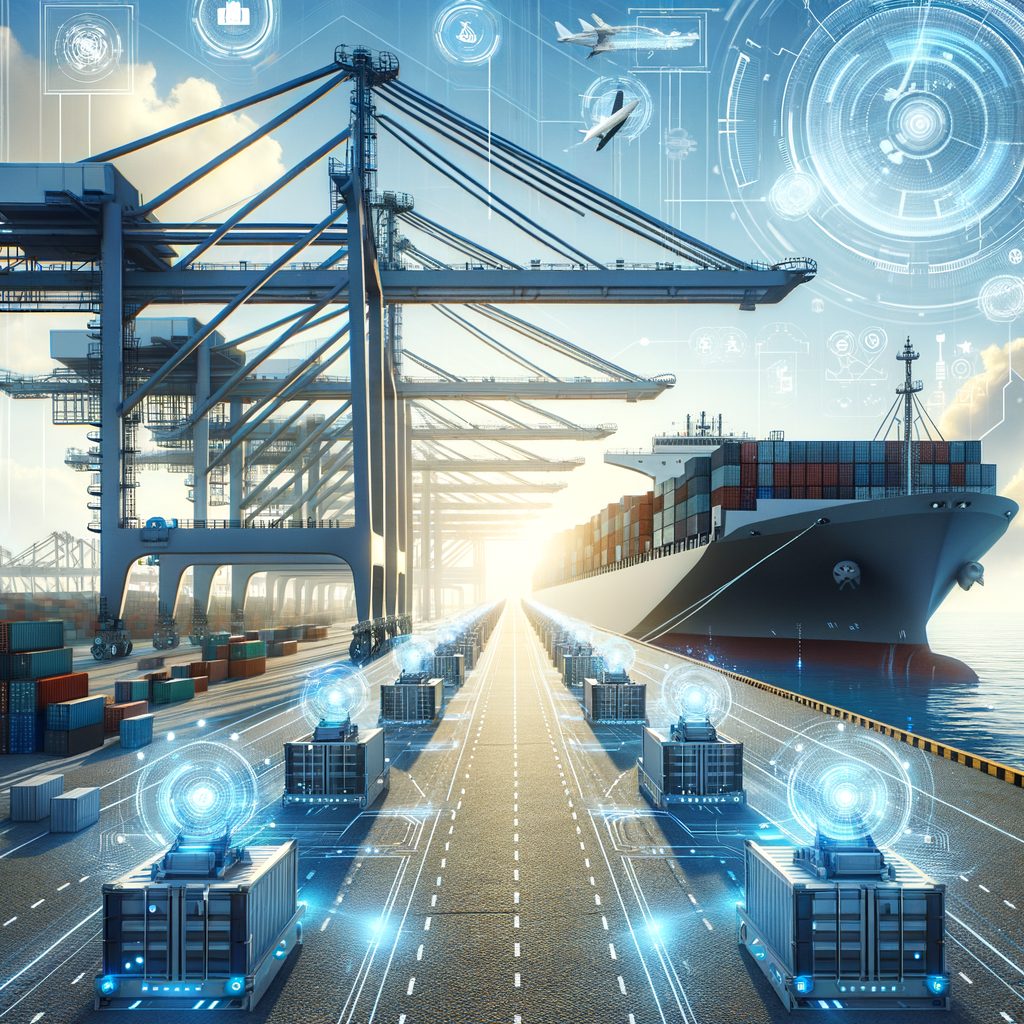
“`html The Reopening of Oregon’s Only International Container Terminal Boosts Technology with Tideworks In today’s globalised world, maritime trade is a fundamental pillar of the global economy. Ports, as vital nodes in this extensive logistical network, play a crucial role in facilitating the international exchange of goods. In the United States, the state of Oregon has historically been prominent for its contributions to maritime trade, although it has faced significant challenges in recent years. However, the recent reopening of Oregon’s only international container terminal, supported by the advanced technology of Tideworks, promises to revitalise the state’s presence in global commerce. The maritime industry, having endured drastic changes due to the pandemic and escalating international trade tensions, is at a pivotal point where technological innovation stands as a key differentiator. Consequently, the adoption of advanced technological solutions becomes indispensable to ensure the competitiveness and efficiency of ports in the 21st century. The decision to implement Tideworks Technology at the Oregon terminal is a clear example of how the industry is adapting its operational infrastructure to modern demands. Detailed Analysis: Reopening the Terminal with Tideworks Technology The reopening of the international container terminal in Oregon, now equipped with Tideworks technology, marks a significant transformation in the management and operation of its logistical processes. Tideworks Technology is renowned for providing integrated Terminal Operating Systems (TOS), which facilitate the optimisation of operations through real-time information systems. These platforms enable more agile management of container ingress and egress, thereby enhancing the efficiency of supply chains. Tideworks’ system is designed to provide comprehensive visibility, allowing terminal operators to make informed decisions through accurate and up-to-date data. This translates into reduced waiting times, improved planning for loading and unloading, and increased container handling capacity. Additionally, its integration with other port and shipping management systems strengthens connectivity and collaboration among various actors within the maritime ecosystem. Impact on the Merchant Navy and Nautical Sector The modernisation of the terminal with advanced technology has a direct and positive impact on the merchant navy and the nautical sector in general. For professionals in the field, this translates into greater operational efficiency, which in turn can improve working conditions and reduce the stress associated with delays and inefficient communication. The use of advanced technology also paves the way for the implementation of more sustainable practices, reducing the environmental impact of port operations. Shipowners and logistics operators will benefit from greater predictability in port operations. This facilitates long-term planning and efficient execution of routes, contributing to reduced operational costs and increased profitability. At the same time, seafarers and port workers face a safer working environment that is less prone to human error, thanks to automated systems that monitor and manage processes with high precision. Challenges and the Future of the Sector in the Coming Years Despite the tangible benefits brought by this modernisation, the maritime industry faces critical challenges that will influence its future evolution. The increasing digitalisation and automation require a workforce trained in new technologies, posing a challenge in terms of training and employment adaptation. Additionally, the sector must continue to grapple with growing international regulations aimed at mitigating the environmental impact of maritime transport. Looking to the future, technological innovation is expected to remain a key driver for competitiveness in the maritime sector. The development of smart ports, which combine emerging technologies such as the Internet of Things (IoT) and Artificial Intelligence, promises to revolutionise how port operations are managed. Furthermore, the transition towards cleaner fuels and the implementation of sustainability policies will be determining factors in the future direction of the sector. Key Concepts To better understand the magnitude of this news, it is essential to familiarise oneself with some key concepts: Terminal Operating System (TOS): A software system that manages the operations of a container terminal, including the planning and tracking of container loading and unloading, as well as inventory and resource management. Internet of Things (IoT): A network of physical objects that utilise sensors to connect and share data with other devices and systems over the internet, enabling process automation and optimisation. Artificial Intelligence (AI): The simulation of human intelligence processes by machines, particularly computer systems, including machine learning, pattern recognition, and decision-making. With this reopening, Oregon’s terminal not only positions itself to be a leader in port operations on the west coast of the United States but also offers a model for other ports seeking to modernise and effectively address future challenges. The entry The Reopening of Oregon’s Only International Container Terminal Boosts Technology with Tideworks was first published on WishToSail.com. “`
J.B. Hunt Transport Services and Its Impact at the Evercore ISI Conference: Innovations and Strategies for the Future of Transport

“`html J.B. Hunt Transport Services and Its Impact at the Evercore ISI Conference: Innovations and Strategies for the Future of Transport In the transportation and logistics industry, innovation and adaptability are crucial factors for remaining competitive. J.B. Hunt Transport Services, Inc., one of the leading transportation and logistics companies in the United States, has shown itself to be a leader in this area. With over 60 years in the market, its focus on technology and sustainability has enabled it not only to adapt to market changes but also to anticipate them and lead the way towards the future of transportation. The world of transportation has been experiencing significant change in recent years, driven by digitalisation, automation, and a renewed focus on sustainability. Companies like J.B. Hunt have embraced these trends, implementing advanced technologies and redefining their strategies to align with the changing expectations of customers and increasingly stringent environmental regulations. Detailed Analysis: J.B. Hunt’s Participation in the Evercore ISI Conference In the context of the annual Evercore ISI conference, J.B. Hunt Transport Services’ participation is particularly noteworthy. Held in New York, the conference is a gathering point for industry leaders in transportation and provides a platform to discuss emerging trends, investment opportunities, and innovative strategies. The presence of Brad Delco, Chief Financial Officer and Executive Vice President of Finance, along with Brad Hicks, Executive Vice President and President of Dedicated Contract Services, underscores the importance that J.B. Hunt places on these areas. Through individual meetings with investors, J.B. Hunt has the opportunity to highlight its latest initiatives in transportation technology and sustainability. This includes the use of integrated transportation management systems, which optimise operational efficiency and reduce carbon emissions, as well as the implementation of electric trucks and other forms of renewable energy. The company may also discuss its focus on the digital supply chain and how it is using advanced data and analytics to improve visibility and predictability in its operations. Impact on the Merchant Navy and the Maritime Sector The maritime industry and the nautical sector are not exempt from the innovations that J.B. Hunt and other transportation companies are promoting. The integration of advanced technologies, such as the Internet of Things (IoT) and artificial intelligence, is beginning to permeate maritime logistics as well. These technologies are enabling maritime companies to optimise navigation routes, manage cargo capacities more efficiently, and improve safety aboard vessels. Additionally, the sustainability strategies discussed at conferences such as Evercore ISI can inspire maritime operators to adopt more eco-friendly methods, such as reducing emissions through alternative fuels and implementing stricter environmental management standards. This is not only crucial for complying with international regulations but also responds to the growing consumer demand for more sustainable practices at all stages of the supply chain. Challenges and the Future of the Sector in the Coming Years As we move towards a more digital and sustainable era, the transportation sector faces several challenges. The transition to cleaner and more efficient technologies requires significant investment, and not all companies are equipped to bear this expense. However, for those that manage to adapt, like J.B. Hunt, the potential for growth is immense. In the near future, we can expect increased collaboration between the land and maritime transportation industries. Interoperability between different modes of transport will be key to enhancing the overall efficiency of the supply chain. Furthermore, international regulations will continue to pressure companies to reduce their environmental impact, which could accelerate the adoption of innovative technologies across the industry. Key Concepts It is essential to understand some of the technical terms used in the context of this news. “IoT” or Internet of Things refers to the interconnection of devices via the Internet, enabling greater automation and control. “Integrated Transportation Management” refers to systems that coordinate and optimise transportation operations across multiple modes and routes. “Sustainability” in the context of transportation refers to practices that minimise environmental impact, such as the use of renewable energies and the reduction of carbon emissions. With these advances, J.B. Hunt sets the path towards innovation in the transportation sector, establishing a standard that other companies must follow to remain relevant and competitive in a world that increasingly demands responsibility and efficiency. The article J.B. Hunt Transport Services and Its Impact at the Evercore ISI Conference: Innovations and Strategies for the Future of Transport was first published on WishToSail.com. “`
The Strategy of ArcBest: Dividends, Integrated Logistics, and Future Trends in the Global Supply Chain
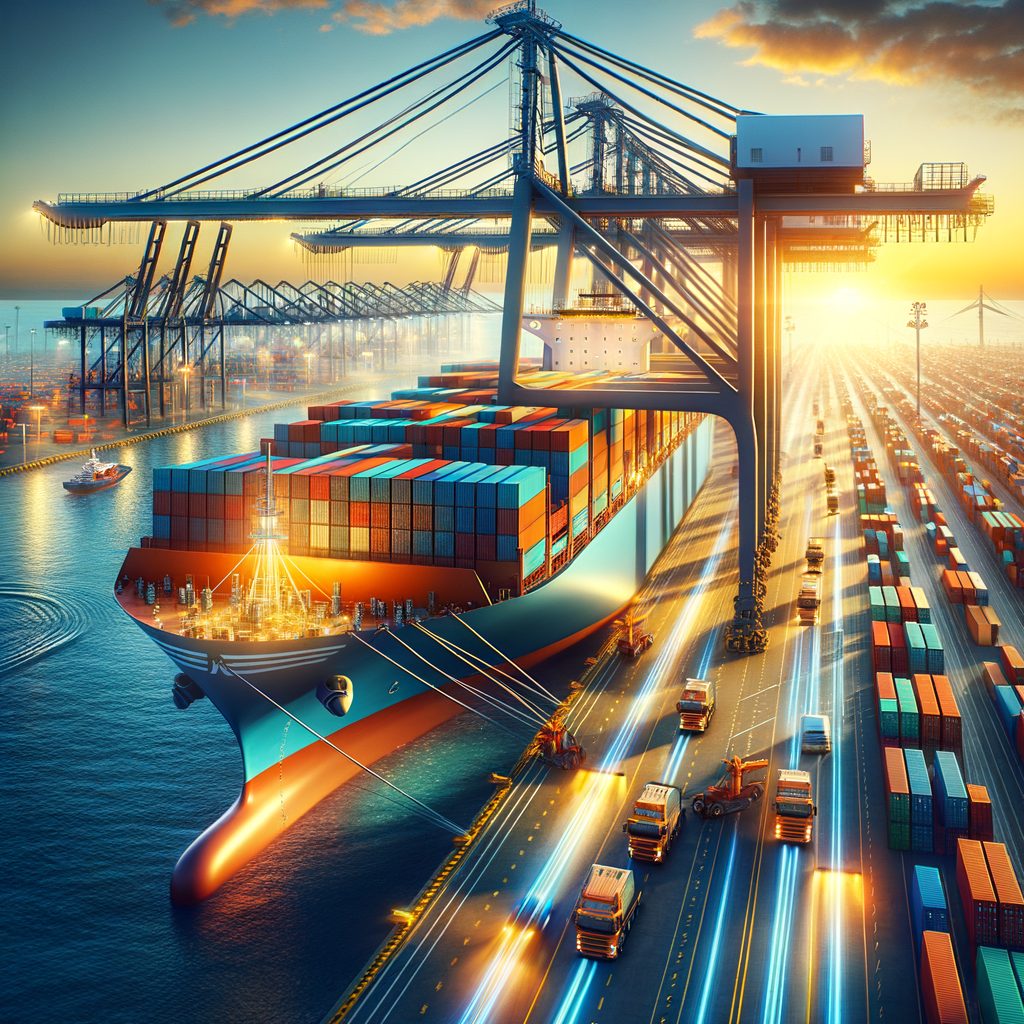
“`html The Strategy of ArcBest: Dividends, Integrated Logistics, and Future Trends in the Global Supply Chain In the dynamic world of global logistics, the actions of major corporations can significantly impact not only their own financial outcomes but also the structure and functioning of the sector as a whole. ArcBest, one of the largest logistics companies globally, has recently announced its decision to declare a quarterly cash dividend of twelve cents per share. This decision reflects not only the company’s financial health but also a broader strategy in a sector characterised by fierce competition and rapid technological evolution. Founded in 1923, ArcBest has grown to become a crucial player in the global supply chain, with over 14,000 employees spread across 250 campuses and service centres. The company has witnessed significant transformations in transportation and logistics over the decades, continuously adapting to meet the changing needs of its customers. The declaration of the quarterly dividend is just one aspect of how ArcBest manages its finances and operations to maintain its competitive position. Detailed Analysis: ArcBest’s Dividend Declaration The recent declaration of a quarterly dividend of twelve cents per share by ArcBest is more than a mere financial gesture; it is a statement of confidence in its operations and its ability to generate sustainable income. Dividends are cash payments to shareholders that come from a company’s profits, and their declaration can indicate a strong financial position and a positive forecast of future cash flow. In the case of ArcBest, this dividend is intended for common shareholders as of 10th February 2026, and it will be paid on 24th February 2026. The payment of dividends can be a strategic tactic to attract and retain investors, by offering them a direct return on their investment in the company’s shares. It can also be seen as a signal of long-term stability, which is crucial in a sector where global economic fluctuations can drastically affect daily operations. ArcBest’s operations in integrated logistics span multiple transportation modes and customised services, allowing them to offer comprehensive solutions to their clients. This integration not only optimises efficiency but also reduces costs, thereby increasing profitability that can be shared with shareholders. Impact on the Merchant Navy and the Nautical Sector Maritime freight logistics is an integral part of the global supply chain, and the strategic decisions of players like ArcBest directly impact this sector. By offering integrated logistics solutions, ArcBest facilitates coordination between land, sea, and air transport, improving the overall efficiency of maritime shipping operations. For professionals in the merchant navy, this means greater predictability in the schedules for shipping and receiving goods, optimisation in the use of resources, and possibly a reduction in wait times at ports. This synchronisation can also influence safety and regulatory compliance, as well-coordinated logistics allow for better planning and execution of the processes necessary to comply with international regulations such as the International Ship and Port Facility Security (ISPS) Code and the emissions regulations of the International Maritime Organization (IMO). Improved efficiency could result in lower operational costs and a reduced environmental impact, aspects that are increasingly important in the current context of sustainability. Challenges and Future of the Sector for the Coming Years The future of global logistics and, by extension, the nautical sector, is riddled with challenges and opportunities. The growing demand for e-commerce, coupled with increasing consumer expectations for rapid and reliable deliveries, pressures logistics companies to continually innovate. ArcBest, like other leaders in the sector, will need to address the necessity of integrating emerging technologies such as artificial intelligence, blockchain, and the Internet of Things (IoT) to further enhance the efficiency and security of their operations. Moreover, the growing concern over climate change and pressure to comply with stricter emissions and energy efficiency regulations will compel companies to invest in cleaner and more sustainable technologies. This could include everything from the use of alternative fuels to the development of more energy-efficient vessels. In an increasingly interconnected world, the ability to effectively manage global supply chains sustainably will be a key differentiator. Key Concepts To fully understand the impact of ArcBest’s actions and their relevance in the sector, it is crucial to understand some key terms: Dividends: These are cash payments made to a company’s shareholders from its profits. They indicate the company’s financial health and are a tool for attracting and retaining investors. Integrated Logistics: This refers to the coordination of all aspects of transportation, from pickup to delivery, across multiple modes, to optimise efficiency and reduce costs. ISPS Code: The International Ship and Port Facility Security Code is a set of regulations that establish measures to enhance the security of ships and ports against security threats. IMO: The International Maritime Organization is a United Nations agency responsible for regulating maritime transport to ensure its safety and sustainability. The entry The Strategy of ArcBest: Dividends, Integrated Logistics, and Future Trends in the Global Supply Chain was first published on WishToSail.com. “`
Cadeler Signs Historic Agreement for the Installation and Transport of Monopiles at a Major Offshore Wind Farm in Europe
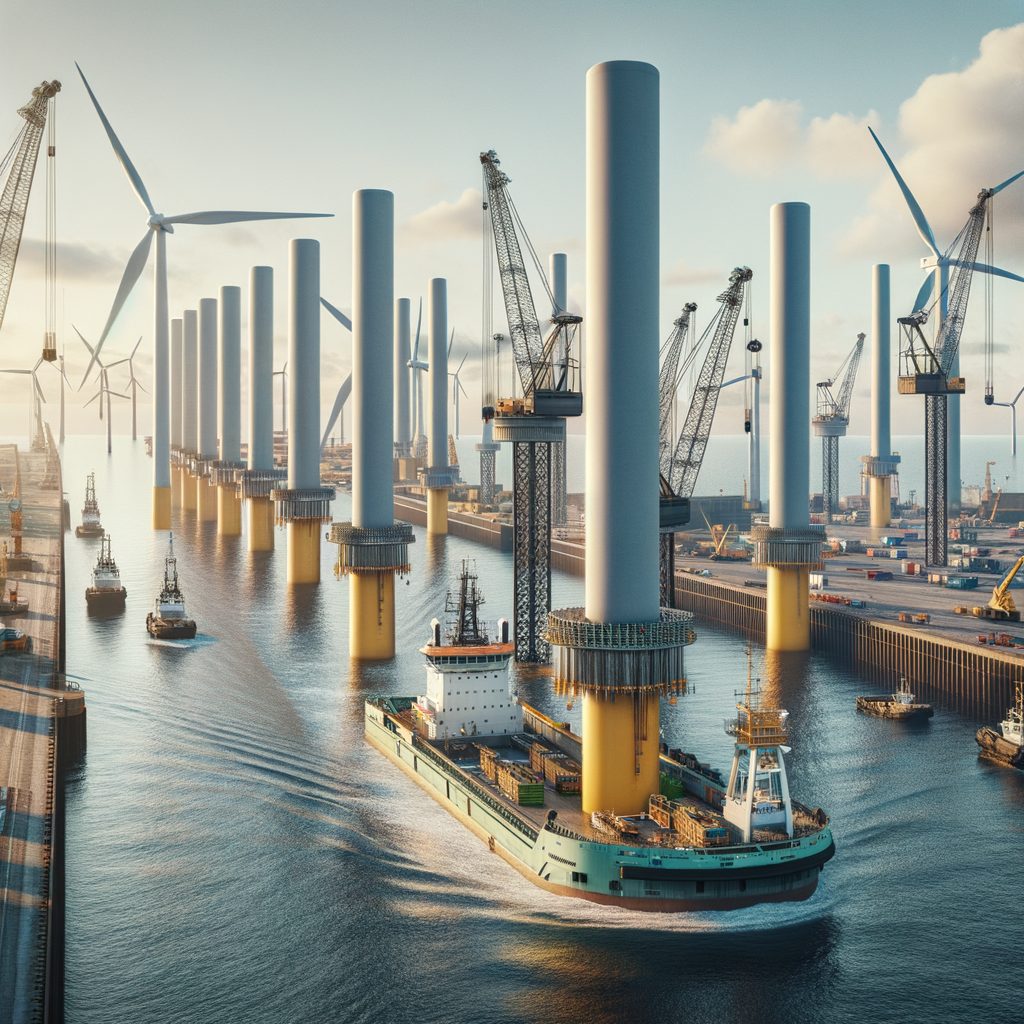
“`html Cadeler Signs Historic Agreement for the Installation and Transport of Monopiles at a Major Offshore Wind Farm in Europe The global energy sector is undergoing a crucial transition towards cleaner and more sustainable energy sources. In this context, offshore wind energy is becoming a fundamental pillar in achieving carbon emission reduction goals and progressing towards a more sustainable future. Europe, a world leader in the adoption of clean energy technologies, remains the epicentre of offshore wind energy expansion, with numerous projects aimed at implementing offshore wind farms. These projects not only respond to the growing demand for renewable energy but also represent a significant advancement in the technology of installation and maintenance of marine infrastructure. At the heart of this energy revolution is Cadeler, a company that has set a new benchmark by signing an agreement for the transport and installation of monopiles and transition pieces at a major offshore wind farm in Europe. This agreement not only underscores the importance of offshore wind energy in Europe’s energy mix but also highlights the crucial role of specialised logistics and construction companies in executing these ambitious projects. Detailed Analysis: Cadeler’s Offshore Monopile Installation Agreement The recent agreement signed by Cadeler represents a significant step forward in the development of offshore wind infrastructure. Monopiles are fundamental structures in the construction of offshore wind farms, as they serve as the foundations on which wind turbines are mounted. These engineering marvels require precise transportation and installation due to their extraordinary size and weight. Monopiles can have a diameter of up to 10 metres and weigh hundreds of tonnes, necessitating highly specialised logistics and robust installation equipment. The agreement involves not only the maritime transport of these critical components but also their installation at strategic offshore locations. This process is carried out using specialised installation vessels equipped with high-capacity cranes to lift and place the monopiles on the seabed. Moreover, maritime and weather conditions pose a constant challenge, requiring meticulous planning and the ability to adapt to changes in the marine environment. Impact on the Merchant Navy and the Nautical Sector This type of project has a significant impact on the merchant navy and the nautical sector in general. Firstly, it creates opportunities for shipping companies that can engage in the transport of massive components, as well as those specialising in the logistics of complex projects. This also poses a challenge in terms of competition and training, as the demand for qualified personnel to handle these projects is high and requires specific training in offshore installation technologies. Furthermore, Cadeler’s agreement highlights the importance of developing port infrastructure capable of handling large volumes of traffic and heavy cargo handling. Ports must be equipped with advanced technology and have trained personnel to manage the logistical challenges presented by offshore wind energy projects. Additionally, such projects can boost job creation and improve local economies while strengthening maritime infrastructure. Challenges and Future of the Sector in the Coming Years As the offshore wind energy sector continues to grow, so do the challenges associated with its expansion. One of the main challenges is the need to develop more efficient and sustainable technologies for the manufacture and transport of monopiles and other critical components. Innovation in materials and construction techniques is essential to reduce the costs and environmental impact of these projects. Looking to the future, it is expected that competition among companies specialising in offshore installation and transport will increase, driving innovation and efficiency in the sector. Moreover, government policies and international regulations will play a crucial role in establishing safety and sustainability standards for the industry. Collaboration between European countries and international companies will be essential to achieve long-term clean energy goals. Key Concepts Monopile: A type of foundation used in marine structures, particularly in offshore wind turbines. It consists of a large-diameter steel tube driven into the seabed to provide stability and structural support. Offshore Wind Farm: Refers to a collection of wind turbines located at sea that harness strong and consistent marine winds to generate electricity efficiently and sustainably. Transition Pieces: Components that connect the monopile to the wind turbine tower. These pieces allow the installation of different types of towers on the same type of foundation. Logistics of Complex Projects: Refers to the planning and execution of transport and installation operations for large industrial structures and components, requiring precise coordination and the use of advanced technology. The entry Cadeler Signs Historic Agreement for the Installation and Transport of Monopiles at a Major Offshore Wind Farm in Europe was first published on WishToSail.com. “`