


Leadership Transition at Schneider National: What Does it Mean for the Future of Multimodal Transport?
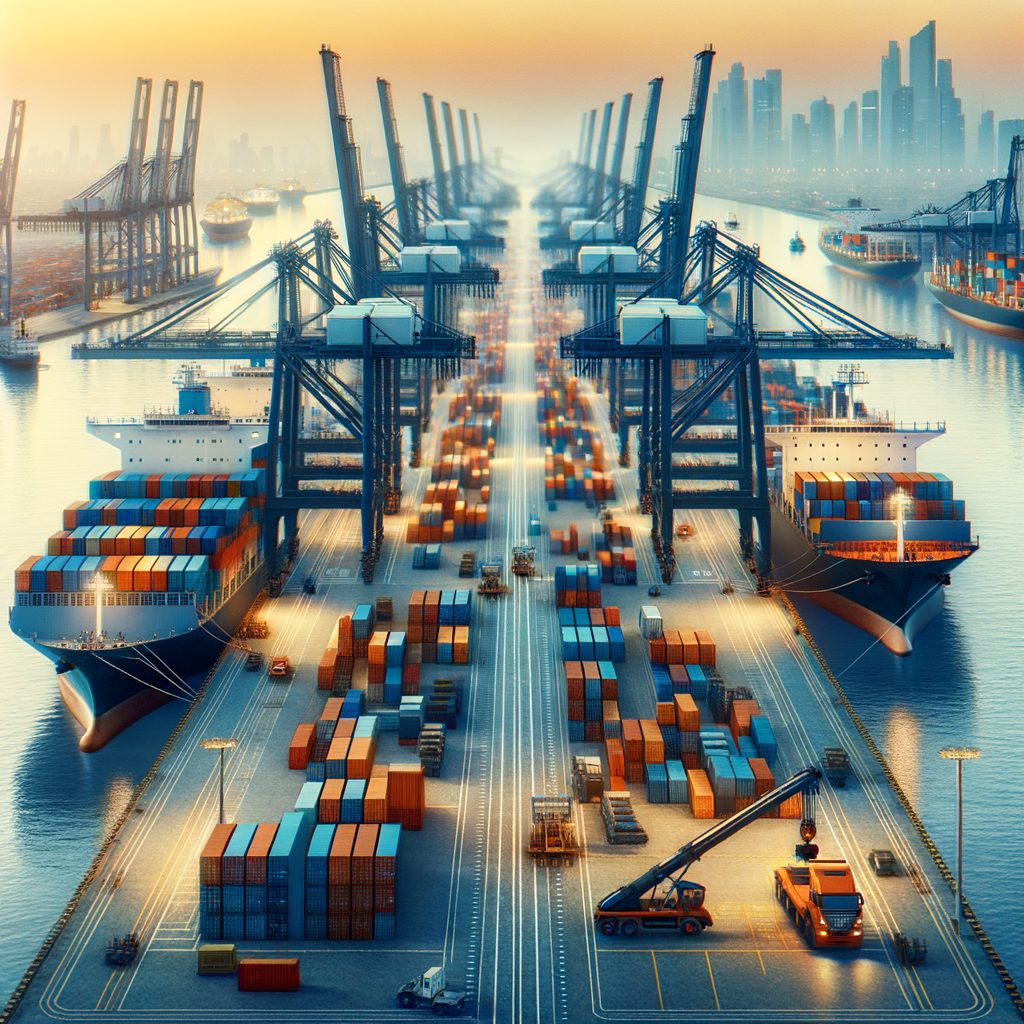
“`html Leadership Transition at Schneider National: What Does it Mean for the Future of Multimodal Transport? The multimodal transport sector is an essential pillar of global connectivity, enabling the efficient integration of different modes of transport such as railways, trucks, and ships to move goods across vast distances. Companies like Schneider National, Inc., operating within this domain, are key players in international logistics, significantly influencing global supply chains. The recent news about the leadership change at Schneider National raises important questions about the future of the company and, by extension, the multimodal transport sector as a whole. In an increasingly globalised world, multimodal transport companies not only face the pressure to continuously improve operational efficiency but also to adapt to the growing demands for sustainability. Freight transport, especially by sea and land, is responsible for a considerable portion of greenhouse gas emissions, placing these companies at the forefront of regulatory and technological efforts to reduce carbon footprints. In-depth Analysis: Leadership Transition at Schneider National Schneider National, Inc., one of the leading companies in multimodal transport and logistics services, has announced a significant change in its executive team. Mark Rourke, who has served as the company’s President and Chief Executive Officer since 2019, will transition to the role of Executive Chairman of the Board effective 1st July 2026. This strategic move is designed to ensure continuity and prepare the company for its next phase of growth. Rourke’s transition to Executive Chairman is a calculated step wherein the company’s leadership seeks to leverage his extensive experience and industry knowledge. During his tenure as CEO, Rourke has been instrumental in implementing various initiatives that have strengthened Schneider National’s market position, such as the expansion of logistics capabilities and the push towards digitalisation of processes. This leadership change not only aims to ensure a smooth transition but also to provide a solid foundation for future innovations. Impact on the Merchant Navy and Nautical Sector The impact of this leadership transition at Schneider National extends beyond land and intermodal operations, affecting the merchant navy and the nautical sector in general. As a multimodal provider, the company plays a crucial role in integrating different modes of transport. Continuity in its leadership is essential to maintain stability and innovation in maritime operations, which are an integral part of its service offerings. As Schneider moves towards a more digital and sustainable approach, it is anticipated that the company will implement advanced technologies in its maritime operations. This includes the use of more efficient fleet management systems, the adoption of alternative fuels, and the integration of automation technologies that can revolutionise cargo handling and logistics aboard ships. Challenges and Future of the Sector in the Coming Years The multimodal transport sector faces a range of challenges and opportunities in the coming years. Transitioning to more sustainable operations is a key priority, driven by both governmental regulation and consumer demand for more eco-friendly practices. Leading companies like Schneider National are uniquely positioned to set the pace in this transformation. Furthermore, with technological advancements, greater digitalisation in supply chain management is expected, using artificial intelligence and data analytics to optimise routes, manage inventories, and anticipate demands. These innovations will not only enhance operational efficiency but also offer companies greater adaptability and responsiveness to changes in the global market. Key Concepts To better understand the changes and challenges in the sector, it is important to familiarise oneself with some key concepts. The term “multimodal transport” refers to the use of multiple types of transport to move goods from their origin to their final destination, optimising time and associated costs. “Digitalisation” in this context involves the implementation of technology to enhance the efficiency and transparency of logistics operations, from fleet management to shipment tracking. Additionally, the concept of “sustainability” in transport relates to adopting practices that minimise environmental impact, such as using clean fuels and improving energy efficiency. Each of these elements plays a crucial role in the future of multimodal transport and in the continued success of companies like Schneider National. The entry Leadership Transition at Schneider National: What Does it Mean for the Future of Multimodal Transport? was first published on WishToSail.com. “`
Atmus Filtration Technologies Inc. Announces Fourth Quarter and Full Year 2025 Financial Results: Outlook for the Filtration Industry in the Merchant Navy
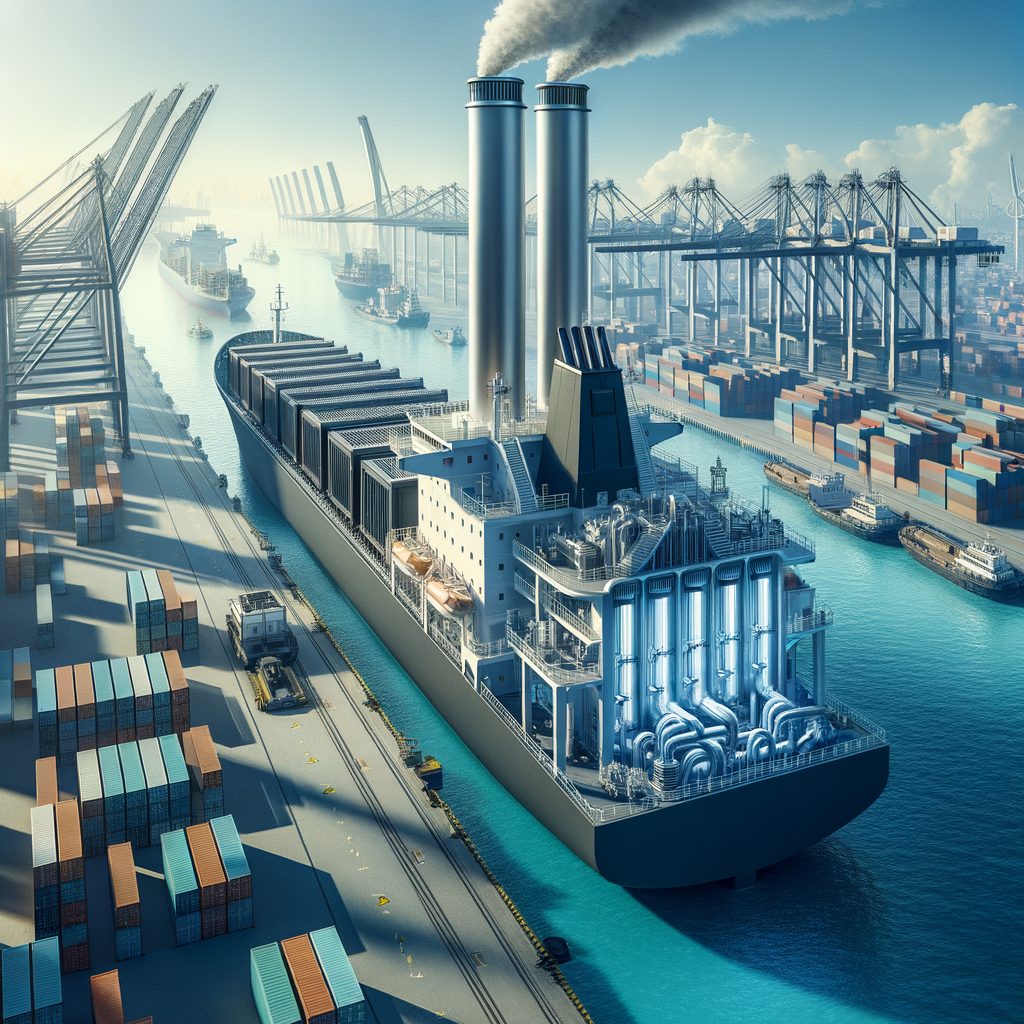
Atmus Filtration Technologies Inc. Announces Fourth Quarter and Full Year 2025 Financial Results: Outlook for the Filtration Industry in the Merchant Navy The filtration industry plays a crucial role in the efficiency and sustainability of maritime operations. From fuel purification to air filtration in engines, filtration technologies are essential components for ensuring the optimal performance of vessels in the merchant navy and the nautical sector. In this context, Atmus Filtration Technologies Inc., a leading global company in filtration, has announced the release of its financial results for the fourth quarter and the full year 2025. This announcement has sparked interest among financial circles and the industrial sector alike. The performance of Atmus holds significant implications for the future of filtration technologies in maritime applications. Continuous improvements in filtration efficiency not only impact the protection of the marine environment by reducing pollutant emissions but also optimise fuel consumption, a crucial factor in reducing operational costs for global fleets. The evaluation of their financial results will provide insight into innovation and development trends that could redefine the industry’s landscape in the coming years. Detailed Analysis: Financial Results of Atmus Filtration Technologies Inc. Atmus Filtration Technologies Inc. has scheduled the release of its financial performance for the fourth quarter and entire year of 2025 for 13th February 2026, before the market opens. This report will not only reflect the company’s economic performance but also serve as an indicator of the overall health of the filtration sector. With a focus on innovation and advanced technology, Atmus has established itself as an essential provider of filtration solutions across multiple industries, including nautical. The conference call that Atmus will conduct on the same day will provide a platform to discuss not only the financial figures but also the strategic direction of the company. The importance of this communication lies in the possibility of obtaining valuable information on how the company is navigating the current market challenges, such as the increase in global competition and the growing demands for environmental sustainability. The live broadcast and the option to replay the conference ensure that the investment community has access to these crucial data. Impact on the Merchant Navy and Nautical Sector The financial results of Atmus can offer insights into the impact that filtration technologies have on the merchant navy and the nautical sector. Filtration systems are fundamental for the maintenance of engines and auxiliary systems on vessels, reducing wear and tear and increasing the lifespan of equipment. Atmus’s ability to innovate in this area could mean significant improvements in operational efficiency and compliance with increasingly stringent environmental regulations. Moreover, efficiency in the filtration of fuels and lubricating oils is critical in fleet management. With the implementation of regulations such as IMO 2020, which limits the sulphur content in marine fuels, advanced filtration solutions become a key element to ensure regulatory compliance without sacrificing efficiency and performance. Challenges and Future of the Sector in the Coming Years The filtration sector faces several challenges and opportunities in the near future. The transition towards cleaner energy sources and the tightening of environmental regulations present both challenges and opportunities for innovation in filtration technologies. Companies like Atmus, which lead in this field, must adapt to an ever-changing environment driven by digitalisation and automation. Investment in research and development will be crucial to staying at the forefront. Additionally, the trend towards more eco-friendly vessels is driving the demand for filtration systems that can handle biofuels and other sustainable alternatives. In this context, strategic alliances and collaborations within the industry could play a vital role in the evolution and application of these technologies. Key Concepts In the context of the mentioned news, several technical terms are crucial for a deep understanding: Fuel Filtration: The process of removing impurities from fuels to improve engine performance and comply with regulations. IMO 2020: An international regulation that limits the sulphur content in marine fuels to reduce pollution. Webcast: An online broadcast of live events, allowing remote access to information and conferences. Atmus’s ability to navigate these terms and their implications in the industry reflects its leadership and influence on the future of the maritime and nautical sector. The entry Atmus Filtration Technologies Inc. Announces Fourth Quarter and Full Year 2025 Financial Results: Outlook for the Filtration Industry in the Merchant Navy was first published on WishToSail.com.
Dorian LPG Announces Irregular Dividend and Unveils Financial Plans for 2026
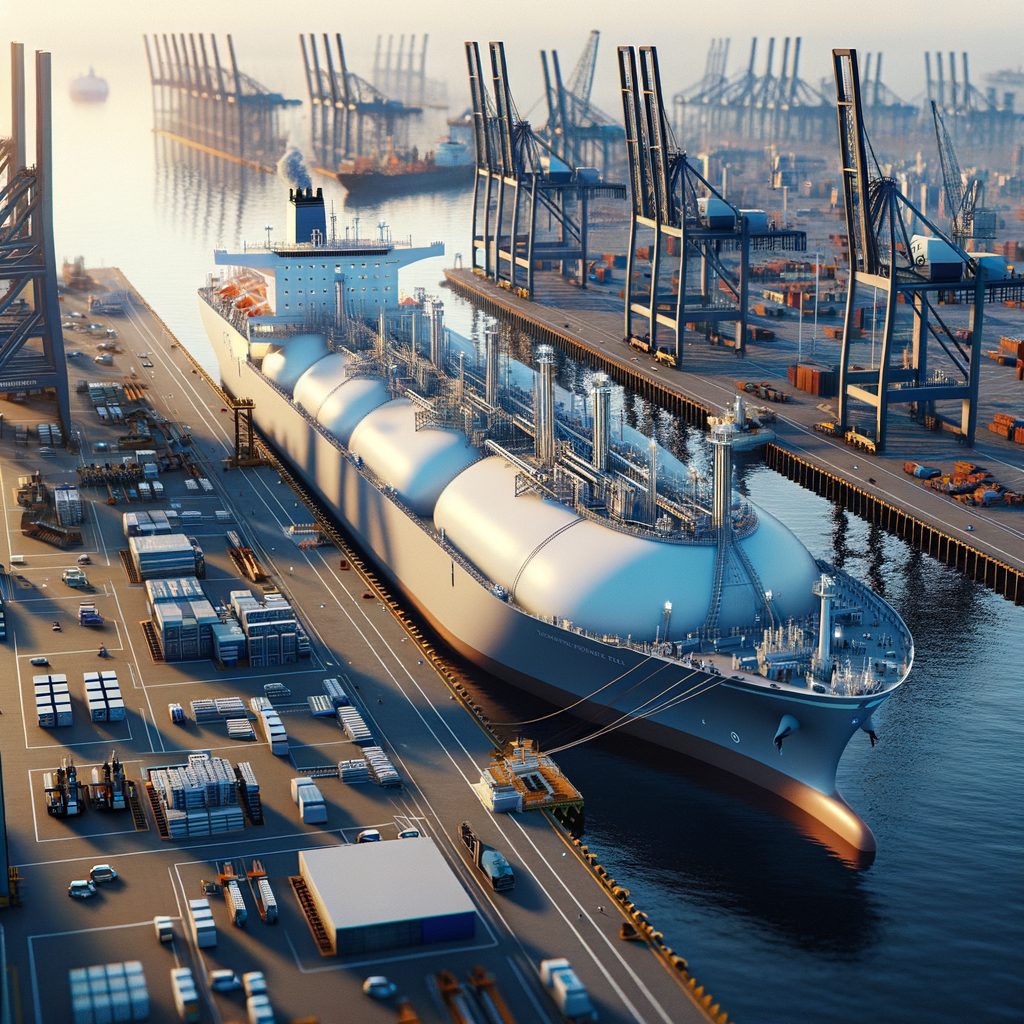
“`html Dorian LPG Announces Irregular Dividend and Unveils Financial Plans for 2026 In recent years, the maritime gas transport sector has witnessed significant growth, driven by a global rise in demand for cleaner energy sources. Companies involved in the transportation of Liquefied Petroleum Gas (LPG), such as Dorian LPG, have played a crucial role in this transition due to their ability to transport large volumes of gas efficiently and safely. With an increasingly competitive market, the financial and strategic decisions of these companies are closely monitored by both investors and industry analysts. Dorian LPG has established itself as a leader in the operation of Very Large Gas Carriers (VLGCs), vessels specifically designed for the transportation of substantial quantities of LPG. These ships are not only vital for international energy trade but also represent technological advancements in terms of efficiency and sustainability. The company’s recent decision to issue an irregular dividend marks a significant milestone and reflects its commitment to value creation for shareholders, while it prepares to announce its financial results in February 2026. Detailed Analysis: Dorian LPG’s Irregular Dividend The declaration of an irregular dividend of $0.70 per share by Dorian LPG represents a strategic significant move. This distribution involves approximately $29.9 million to shareholders, a decision that can be viewed as an indicator of the company’s financial health and its ability to generate cash flow. Unlike regular dividends, irregular dividends are not distributed on a periodic and consistent basis but are usually the result of extraordinary profits or strategic adjustments in financial policy. In technical terms, a company’s ability to issue an irregular dividend suggests that it has managed to accumulate sufficient capital reserves to sustain its operations and cover its financial obligations, even after distribution. Such an announcement typically has a positive impact on the value of shares, as it reflects the board of directors’ confidence in the company’s future prospects. Additionally, the announcement of their financial results before the market opens on 5th February 2026 will be a key event for investors seeking a deeper evaluation of its performance. Impact on the Merchant Navy and the Nautical Sector Dorian LPG’s decision to distribute an irregular dividend and prepare the publication of its financial results has significant implications for the merchant navy and the nautical sector in general. Initially, it strengthens Dorian LPG’s position as a reliable and financially solid operator within the LPG transportation industry. This could attract new contracts and strategic alliances, increasing the demand for its services and, consequently, the activity of its VLGC fleet. Moreover, these financial decisions may influence the practices of other companies in the sector, which might be motivated to reassess their dividend strategies and financial communication. In a broader context, the increase in dividend distribution could reflect greater investor confidence in the nautical sector, fostering a period of expansion and technological development in the industry. Challenges and Future of the Sector for the Coming Years The future of the maritime LPG transport sector faces several challenges and opportunities. As the world seeks to reduce its reliance on more polluting fossil fuels, LPG positions itself as a cleaner and more accessible alternative. However, companies must navigate an increasingly complex regulatory environment, which demands greater transparency and adoption of cleaner and more efficient technologies. In the coming years, it is expected that the maritime sector will invest significantly in decarbonisation technologies, such as dual fuel engines, emission reduction systems, and improvements in the energy efficiency of ships. Furthermore, digitalisation and the implementation of advanced logistics management solutions will play a crucial role in optimising routes and reducing operational costs. Commitment to sustainability will not only be a competitive differentiator but a necessity to comply with increasingly stringent international regulations. Key Concepts To fully understand the impact of this news, it is important to familiarise oneself with some technical terms used. Very Large Gas Carriers (VLGCs) are vessels specifically designed to transport large volumes of LPG globally. These ships stand out for their loading capacity and efficiency in terms of fuel consumption and emission reduction. LPG, or liquefied petroleum gas, is a mixture of hydrocarbons used as an energy source in industrial, commercial, and residential applications. Its safe and efficient transportation is crucial to meeting global energy demand. Additionally, irregular dividends, like the one announced by Dorian LPG, are payments to shareholders that do not follow a predictable schedule and often depend on exceptional financial circumstances. The entry Dorian LPG Announces Irregular Dividend and Unveils Financial Plans for 2026 was first published on WishToSail.com. “`
Algoma Central Corporation Announces Dividend Increase: A Reflection of Stability and Growth in Maritime Transport
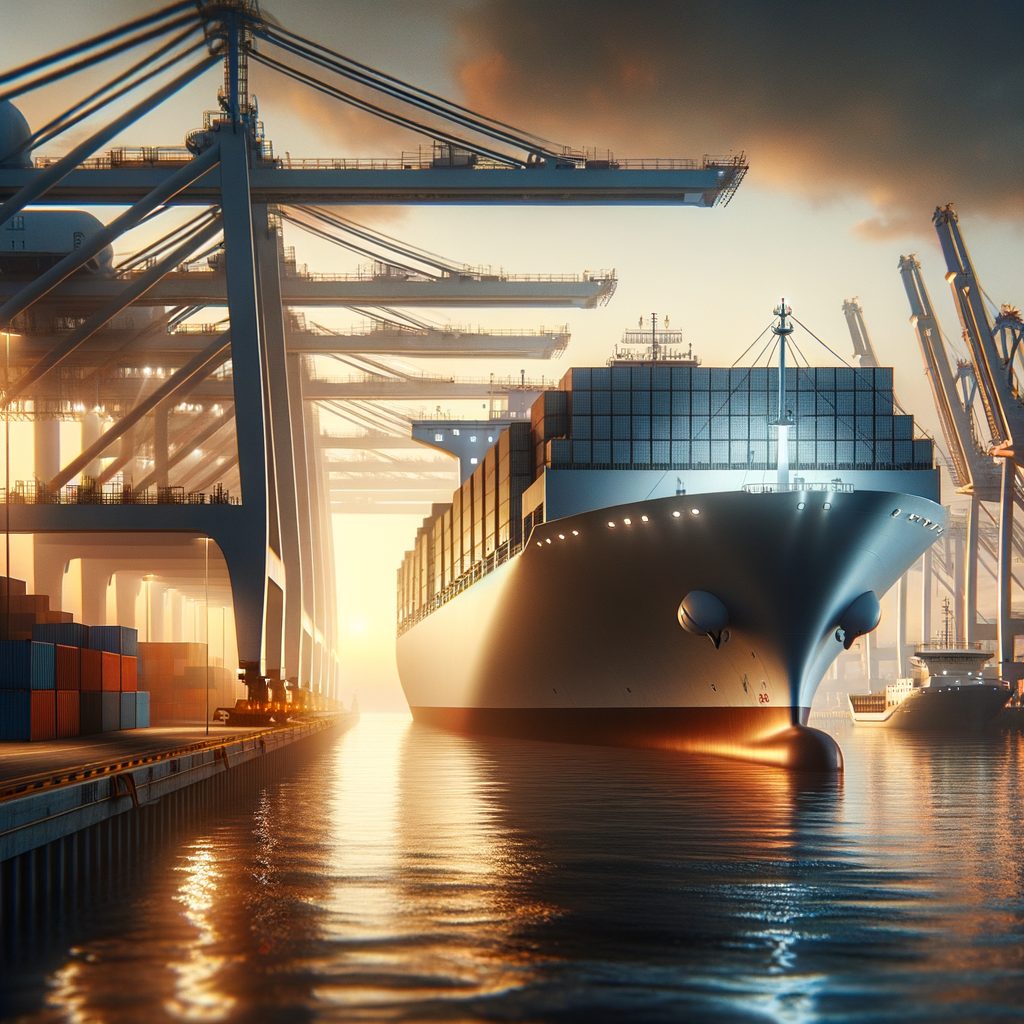
“`html Algoma Central Corporation Announces Dividend Increase: A Reflection of Stability and Growth in Maritime Transport In a global environment where economic stability and sustained growth present challenges, Algoma Central Corporation has once again demonstrated its commitment to its shareholders by announcing an increase in its quarterly dividend. This decision not only reflects the company’s financial robustness but also its ability to adapt and thrive in the ever-evolving maritime transport sector. The commercial shipping industry is a fundamental pillar of international trade, enabling the efficient and sustainable movement of goods across vast distances. Companies like Algoma play a crucial role in this global network, ensuring that products reach their destinations safely and punctually. Over the years, Algoma has solidified its position as a leader in maritime transport services, operating a diverse fleet that includes dry bulk carriers and tankers. This diversification not only enhances its service capabilities but also mitigates risks associated with reliance on a single type of vessel or market. The decision to increase dividends is a clear indication that the company has not only maintained its operational stability but has also succeeded in generating additional value for its investors, even amidst global economic challenges. Detailed Analysis: Dividend Increase by Algoma Central Corporation The recent announcement by Algoma Central Corporation regarding the increase of the quarterly dividend to $0.21 per common share is a strategic move warranting detailed analysis. This 5% increase from the previous dividend of $0.20 indicates a positive trend in the company’s financial management. The directors’ decision to authorise this increase reflects their confidence in the company’s future performance and income-generating capacity. Technically, dividends represent a portion of a company’s earnings distributed to shareholders. In Algoma’s case, this increase not only guarantees a more attractive return for its investors but also reaffirms its long-term strategy of rewarding those who have invested in the company. The payment of these dividends is scheduled for 2nd March 2026, with a record date set for 13th February of the same year, providing a clear timeframe for shareholders wishing to benefit from this financial policy. Impact on the Merchant Navy and Nautical Sector The dividend increase by Algoma Central Corporation symbolises more than just a financial return for shareholders; it is a sign of confidence in the maritime sector as a whole. Such positive financial moves can influence other companies within the sector, stimulating healthy competition and promoting better financial management practices. For the merchant navy, this announcement could translate into continued operational stability, which is crucial for maintaining service levels and efficiency. Nautical industry professionals might view this increase as a reaffirmation that their companies are on a path of sustainable growth, potentially leading to greater investment in training, technology, and safety. These types of investments not only improve working conditions but also enhance operational efficiency, a benefit that extends throughout the entire maritime supply chain. Challenges and Future of the Sector in the Coming Years Despite positive signals such as the dividend increase by Algoma, the maritime transport sector faces numerous challenges in the coming years. Among these is the need to adopt more sustainable technologies to reduce carbon footprints and comply with increasingly stringent environmental regulations. Additionally, global economic volatility and exchange rate fluctuations can impact the financial stability of companies. Nonetheless, the future of the maritime sector appears promising, with a growing focus on technological innovation and digitalisation. Investments in artificial intelligence solutions, automation, and data analytics are transforming the way shipping companies operate, enhancing efficiency and reducing operational costs. The ability to adapt to these new technologies will be crucial for long-term success in the maritime sector. Key Concepts In the context of this announcement, it is important to understand some technical terms frequently used in the financial and maritime sectors. For instance, a dividend is a distribution of a portion of a company’s earnings to its shareholders, calculated based on the number of shares each shareholder owns. The record date is the day set by a company to determine which shareholders are entitled to receive the declared dividend, while the payment date is when the company actually distributes the dividend. Additionally, the term diversified fleet refers to a company’s strategy of operating different types of vessels, which helps mitigate risks by not relying on a single type of cargo or market. This approach allows the company to better adapt to market fluctuations and maximise its operational income. The entry Algoma Central Corporation Announces Dividend Increase: A Reflection of Stability and Growth in Maritime Transport was first published on WishToSail.com. “`
Werner Enterprises: Logistic Innovations on the Horizon of 2026 that Will Revolutionise the Merchant Navy
“`html Werner Enterprises: Logistic Innovations on the Horizon of 2026 that Will Revolutionise the Merchant Navy In an ever more interconnected world, logistics and transportation play a crucial role in the global economy. Companies leading this sector must constantly adapt to technological and regulatory changes, always seeking efficiency and sustainability. Werner Enterprises, Inc., a prominent company in the field of transportation and logistics, has announced its participation in two significant investment conferences in 2026. These events provide an opportunity to discuss emerging trends and technologies that are transforming the sector. The conferences, organised by Stifel and Citi, will take place in Miami, a hub of innovation and international trade. During these events, Werner Enterprises will have the opportunity to interact with investors and industry leaders, presenting their advancements and strategies for the future. Such events are crucial for logistics companies to align their operations with market expectations and technological developments. In-Depth Analysis: Werner Enterprises’ Participation in 2026 Investment Conferences Werner Enterprises has been invited to participate in the Stifel 2026 Transportation and Logistics Conference and the Citi 2026 Global Industrial Tech and Mobility Conference. Both conferences focus on highlighting technological innovations impacting the logistics and mobility sector. During the Stifel conference, scheduled for 10 February 2026, Werner Enterprises will offer a “fireside chat” presentation, where they are expected to discuss their innovative approach to automation and the use of advanced technology in fleet management. At the conference organised by Citi, set for the following week, the focus will broaden to include global industrial technologies and mobility, where Werner will discuss their vision regarding the role of digital platforms and the Internet of Things (IoT) in the supply chain. These presentations not only highlight Werner’s commitment to innovation but also reinforce their position as a leader in adapting new technologies to improve the efficiency and sustainability of transport. Impact on the Merchant Navy and Nautical Sector The adoption of advanced technologies by Werner Enterprises is set to have a significant impact on the merchant navy and nautical sector. The implementation of automated systems and route optimisation through artificial intelligence can significantly reduce transit times and fuel usage. Additionally, the use of IoT allows real-time monitoring of cargo conditions and fleet status, which is crucial for operations at sea where conditions can change rapidly. These advancements not only increase operational efficiency but also enhance safety and risk management, fundamental aspects of maritime fleet management. The ability to predict mechanical failures before they occur through real-time data analysis could reduce the number of incidents at sea, safeguarding both crew and cargo. Challenges and the Future of the Sector in Coming Years Although the technological prospects are promising, the industry faces significant challenges. Integrating new technologies requires substantial investments and the constant upgrading of existing infrastructure. Moreover, there is a need to train workers in the use of new systems and ensure that international regulations related to safety and the environment are rigorously complied with. In the coming years, it is expected that the pressure to reduce carbon emissions will further drive innovation in the sector. Companies that can develop cleaner propulsion technologies and improve energy efficiency will be better positioned to compete in an increasingly regulated and environmentally conscious market. This context presents both challenges and opportunities for companies like Werner Enterprises, which must balance the need for innovation with sustainability and regulation. Key Concepts Fireside Chat: A more informal and conversational presentation format where company leaders freely discuss their strategies and visions, facilitating a clearer and more direct understanding for investors and stakeholders. Internet of Things (IoT): Technology that connects devices and systems via the internet, allowing real-time data exchange to optimise processes and improve operational efficiency. Automation: The use of technology to perform tasks with minimal human intervention, increasing efficiency and reducing operational errors. Artificial Intelligence (AI): The capability of a machine to mimic human cognitive functions such as learning and problem-solving, applied in logistics to optimise routes and predict maintenance needs. The entry Werner Enterprises: Logistic Innovations on the Horizon of 2026 that Will Revolutionise the Merchant Navy was first published on WishToSail.com. “` This adaptation provides an extensive overview of Werner Enterprises’ future strategies and their potential impact on the maritime industry, suitable for a comprehensive article on WishToSail.com, while adhering to the specified guidelines.
Innovative Blue Bonds Methodology by Kestrel for Water and Oceanic Projects in the US Municipal Market
“`html Innovative Blue Bonds Methodology by Kestrel for Water and Oceanic Projects in the US Municipal Market In a global context where sustainability and environmental conservation have become fundamental aspects of economic development, the financial sector is adapting its tools and strategies to support ecological projects. Recently, blue bonds have emerged as a key piece in this puzzle, providing financing for projects aimed at protecting and preserving water and oceanic resources. These bonds allow investors to channel their funds into initiatives that address climate change and its adverse effects on aquatic ecosystems. Within this framework, the company Kestrel has taken a significant step forward by launching a specific blue bonds methodology tailored for the municipal market of the United States. This development not only aims to promote the credible issuance of bonds for water and coastal-related projects but also sets a precedent for how cities can finance their water sustainability efforts. Detailed Analysis: Kestrel’s Blue Bonds Methodology The blue bonds methodology introduced by Kestrel represents a crucial innovation for the financing of sustainable aquatic projects. This methodology offers a structured framework for the issuance of bonds intended for projects that have a positive impact on the environment, particularly on bodies of water and coastal ecosystems. Kestrel’s initiative seeks to standardise the bond issuance process, ensuring that funded projects meet strict sustainability and effectiveness criteria. Technically, blue bonds are a type of green bond, but specifically oriented towards water-related projects. Kestrel’s methodology includes a set of criteria and guidelines to define which types of projects qualify for financing through these bonds. Among the criteria are water management, marine biodiversity protection, water pollution mitigation, and adaptation to climate change. Impact on the Merchant Navy and the Nautical Sector The introduction of a blue bonds methodology has significant implications for the merchant navy and the nautical sector. Firstly, it offers new financing opportunities for projects seeking to modernise port infrastructure and develop clean technologies for maritime transport. This is particularly relevant at a time when the decarbonisation of maritime transport has become a global priority. Furthermore, the availability of financing through blue bonds could incentivise companies in the nautical sector to adopt more sustainable practices, such as reducing greenhouse gas emissions and minimising pollution discharges into the oceans. In the long term, this could lead to a significant transformation in maritime operations, promoting greater environmental responsibility among sector players. Challenges and Future of the Sector for the Coming Years Despite the opportunities that blue bonds provide, significant challenges must be addressed for the nautical sector and merchant navy to fully benefit from this methodology. One of the main challenges is the need to establish global standards for blue bond issuance that ensure their effectiveness and credibility. International cooperation will be essential to create a uniform regulatory framework that allows comparability and transparency among blue bond issuances in different regions. Looking to the future, it is expected that the demand for sustainable financing will continue to grow, driven by the increasing public awareness of climate change and the pressure on industries to reduce their carbon footprint. Trends indicate that blue bonds could become an increasingly common financial tool in the funding of maritime projects, fostering innovation and sustainability in the sector. Key Concepts To better understand the news, it is important to familiarise oneself with some technical terms mentioned: Blue Bonds: Debt instruments issued to finance projects related to the conservation and sustainable management of water and oceanic resources. Climate Change: Alterations in the Earth’s climate caused partly by greenhouse gas emissions, which affect global weather patterns and biodiversity. Sustainability: Practices that seek to meet current needs without compromising the ability of future generations to meet their own needs. The entry Innovative Blue Bonds Methodology by Kestrel for Water and Oceanic Projects in the US Municipal Market was first published on WishToSail.com. “`