The Nuclear Revolution in Maritime Transport: The USA and the UK Leading the Way
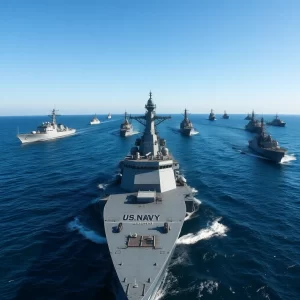
The maritime sector is on the brink of an unprecedented technological revolution thanks to a pioneering agreement between the United States and the United Kingdom. Both countries have signed a Memorandum of Understanding under the Technology Prosperity Deal, aiming to boost the development of nuclear technologies applied to maritime transport. This agreement not only promises to redefine the operational foundations of the sector but could also serve as a model for future international alliances.
Nuclear Energy as a Driver of Change
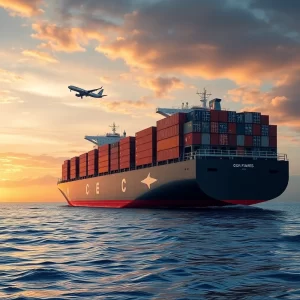
Maritime transport has long been a cornerstone of international trade, but also one of the sectors most dependent on fossil fuels. With the urgent need to reduce carbon emissions, the search for sustainable energy sources has become a priority. This is where nuclear energy plays a crucial role. The agreement between the USA and the UK seeks not only to promote the adoption of this technology but also to establish a regulatory and safety framework to ensure its responsible implementation.
- The Nuclear Energy Maritime Organization (NEMO) has welcomed this memorandum, highlighting the possibility of decarbonizing naval transport through the use of nuclear energy.
- According to NEMO, the collaboration between both countries will enhance regulatory harmonization, ensuring that all implementations are carried out to the highest safety and environmental standards.
Mark Popplewell, CEO of NuclearRisk Insurers Ltd, states that the regulatory clarity resulting from this cooperation is a vital step. This clarity not only reduces uncertainty but also facilitates insurance support for initial prototypes, which is essential for the advancement of any new technological project.
The Opportunity for Innovation in the Maritime Sector
The application of nuclear energy in maritime transport opens up unprecedented opportunities for professionals in the sector. From the construction of floating nuclear plants to the operation of nuclear-powered merchant ships, the field is ready to welcome a new generation of experts. This agreement represents an injection of innovation that demands the training of a specialized workforce.
- NEMO has committed to promoting training initiatives to prepare professionals to face these challenges.
- The ability of the USA and the UK to lead this technological change could also attract significant investments from other countries and companies.
The collaboration and exchange of knowledge between nations can accelerate the development of advanced technologies, not only in the maritime sector but also in related coastal industries.
For sailors, the introduction of these technological innovations represents an evolution in their daily operational routines. The new systems will require ongoing and specialized training, ensuring that crews are equipped to handle the complexity that nuclear energy entails. The United States and the United Kingdom are at the forefront of this transformation, potentially setting new global standards for sustainable maritime transport.
Global Impact and the Future of Multinational Alliances
The agreement between Washington and London lays the groundwork for future worldwide collaborations, joining efforts for the peaceful use of nuclear energy. This alliance aims not only to benefit both nations but also to position itself as an example for other countries interested in adopting sustainable technologies.
- The success of this collaboration could be the necessary catalyst for other nations to adopt similar approaches, leading to a more extensive and efficient decarbonization of the maritime sector.
- Furthermore, companies that adhere to these new regulations will be better positioned to compete in the global market, offering more eco-friendly maritime services.
In an increasingly interconnected world, the possibility of establishing international standards in the use of nuclear technology could facilitate a transition to more sustainable transport, marking a milestone in the history of global trade. This transition is not only relevant from an environmental perspective but also economic, as it can significantly reduce long-term operating costs.
Why is This News Relevant?
This agreement is essential for several reasons. Firstly, it establishes a clear path towards decarbonizing maritime transport, a crucial goal in the fight against climate change. Secondly, it creates new job opportunities for professionals in the sector, from nuclear engineering to risk management. And finally, it is an example of how international cooperation can be a powerful driver for technological change.
For maritime investors, this initiative represents a strategic opportunity to participate in a sector undergoing transformation. The adoption of nuclear technologies could translate into a significant competitive advantage, with more efficient and sustainable vessels.
In summary, the agreement between the United States and the United Kingdom to promote the development of nuclear technology in the maritime sector is not only a step towards a cleaner and more sustainable future but also a call to action for professionals and investors looking to be at the forefront of innovation. The invitation to explore, learn, and adapt is more relevant than ever, and those who accept it will be better prepared to face the challenges and opportunities that the future holds.