The Future of Intelligent Transport Systems in the Maritime Sector: The Future of Efficient and Secure Navigation
In a world constantly evolving technologically, intelligent transport systems (ITS) are significantly transforming the way we understand maritime transport. According to a recent report, the global market for intelligent transport systems was valued at $42.55 billion in 2025 and is projected to reach $55.36 billion by 2030. This demonstrates a significant Compound Annual Growth Rate (CAGR), highlighting its relevance and impact on the sector. These systems, which range from advanced traffic management to security and surveillance systems, are designed to enhance operational efficiency, increase safety, and minimize environmental impact. In the maritime context, this translates into a revolution in route management, port traffic optimization, and real-time monitoring, among other advancements.
The impact of ITS on the maritime sector is not only transforming how shipping companies operate, but also offering new employment opportunities. Companies in the sector are constantly seeking trained professionals to implement and manage these technologies, making it a fertile field for investment in human talent within the industry.
Technological Innovations that Are Changing the Game
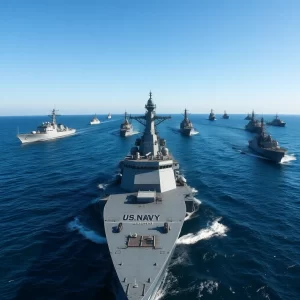
The integration of advanced technologies such as artificial intelligence, big data, and real-time communication systems is enabling an unprecedented level of precision and efficiency in maritime navigation. For example, the use of machine learning algorithms to predict weather and traffic conditions can help optimize routes, reducing time and fuel consumption. Additionally, advanced surveillance systems are significantly enhancing safety at sea. With the increase in maritime traffic, the ability to detect unusual or potentially dangerous activities in real-time is essential to prevent incidents. These systems not only promote safety but also facilitate more effective emergency management.
Smart port management systems are also a key piece in this transformation. By using sensors and IoT technologies, it is possible to track port operations in real-time, from loading and unloading of goods to berth space management. This leads to operational optimization resulting in significant cost savings and increased customer satisfaction.
Reasons for Investing in Intelligent Transport Systems
- Improving operational efficiency
- Strengthening maritime security
- Promoting sustainability in the maritime sector
Firstly, ITS are a practical solution to enhance operational efficiency. By implementing these technologies, maritime sector operators can reduce operating costs and improve long-term profitability. The ability to optimize routes and manage port operations more efficiently translates into time and cost reductions.
Secondly, these systems enhance maritime security, which is crucial for protecting investments and the well-being of crews. Surveillance and monitoring technologies provide closer control over operations, enabling faster and more effective responses to potential threats or emergencies.
Finally, ITS represent a significant opportunity for sustainability in the maritime sector. Optimizing fuel consumption not only reduces costs but also decreases the carbon footprint of maritime operations. This is not only beneficial for the environment but also meets growing regulatory demands and consumer expectations.
Career Opportunities and Professional Growth
The rise of ITS in the maritime sector is generating a range of new job opportunities. From systems engineers to data specialists, there is a growing demand for professionals with skills in technology and transport management. Shipping companies and technology firms are actively seeking trained talent to lead the implementation of these innovative solutions. Acquiring knowledge in ITS can be a strategic step in the professional development of sailors and merchant navy professionals. The ability to work with these technologies not only enhances employability but also opens doors to more specialized and higher-responsibility roles within the industry.
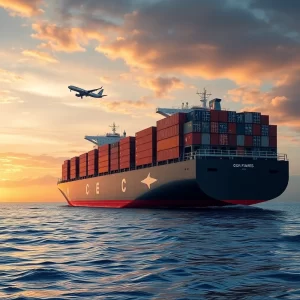
Therefore, it is a propitious time for those interested in the sector to consider training in ITS technologies. Companies such as Maersk, MSC, and CMA CGM are just a few of the many investing in these systems and can offer opportunities for those looking to advance their careers in the maritime sector.
The Future of Maritime Transport: A Journey Towards Efficiency and Sustainability
In conclusion, the implementation of intelligent transport systems is revolutionizing the maritime sector, offering a range of tangible benefits for both companies and industry professionals. With the promise of more efficient routes, optimized port operations, and significantly improved safety, these systems are at the heart of maritime digital transformation. For investors, ITS represent an opportunity to capitalize on the digitization of maritime transport, an essential sector for the global economy. The increasing adoption of these technologies suggests a path towards a more sustainable, secure, and profitable industry, making this a strategic long-term investment.
We invite readers to delve further into the impact of intelligent transport systems on the maritime economy and consider how they can apply these advancements in their own professional context. The era of intelligent maritime transport is already here, and it is time to embark on this exciting journey towards the future.