The Future of Merchant Shipping with Ammonia-Powered Vessels
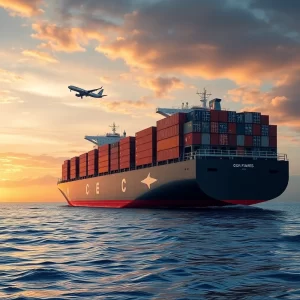
In a significant advance towards decarbonizing maritime transport, a consortium led by the Mediterranean Shipping Company (MSC) has obtained Approval in Principle (AiP) from the classification society DNV for an ultra-large container ship (ULCS) with a capacity of 21,700 TEU and dual-fuel ammonia engines. This innovation stands out not only for its capacity but also for its commitment to reducing carbon emissions in the sector. The design of this vessel has focused on achieving maximum efficiency and readiness for a carbon-free future.
Among the most notable features are the latest-generation dual engines that allow the use of ammonia as fuel, a compound that promises to be a key component in the transition to cleaner energy in maritime transport. Additionally, the ship will include large type C ammonia tanks that ensure a wide operational range with this alternative fuel. The hull architecture, optimized for hydrodynamic efficiency, incorporates a vertical bow design and a high-efficiency propeller system, providing a competitive advantage in terms of reducing operating costs and emissions.
The Value of DNV Validation: A Gateway to Commercial Construction
DNV, one of the most prestigious classification authorities globally, has validated this concept after a thorough review process that encompassed the safety of the ammonia fuel system and propulsion arrangement. This recognition not only endorses the technical viability of the design but also opens the door to the development of more detailed engineering studies and possible commercial construction under DNV class regulations. DNV’s validation reinforces ammonia’s position as a viable fuel for large container vessels.
This milestone is part of the growing interest in sustainable alternatives that not only meet current environmental regulations but also exceed them in anticipation of stricter future regulations. The consortium involved in this project is now preparing to conduct comprehensive safety analyses and gas handling protocols, crucial elements for fully integrating the fuel system into the ULCS design, ensuring its practical and operational viability.
Employment and Investment Opportunities in the Maritime Sector
The introduction of cutting-edge technology in ship design offers interesting opportunities for maritime sector professionals. From naval engineers to alternative fuel specialists, the need for experts will be vital for the implementation and effective operation of this new generation of vessels. For maritime investors, this is an ideal time to participate in a sector undergoing a transformation towards sustainability.
The transition to alternative fuels is not only a response to environmental demand but also represents an investment opportunity in projects that promise to become the norm in the near future. Additionally, for maritime transport companies, adopting these new technologies not only optimizes operations but also strengthens their position in an increasingly environmentally conscious market. For those interested in joining this wave of change, submitting a resume to companies like MSC could be the first step in being part of this green revolution.
The Importance of Sustainability in the Maritime Industry
Sustainability has become a fundamental pillar in the strategy of major shipping companies. The transition to fuels like ammonia, which do not emit carbon, is a direct response to the need to reduce the environmental impact of maritime transport, responsible for approximately 2.5% of global greenhouse gas emissions. The use of ammonia as fuel not only promises to reduce emissions but also mitigates the risk of oil spills and other incidents related to fossil fuels.
This change significantly contributes to the protection of oceans and marine life. Furthermore, a commitment to sustainability not only benefits the environment but also positions companies as leaders in innovation. This is crucial in a market where consumers and business partners increasingly prioritize sustainable practices.
A Call to Action
The introduction of a 21,700 TEU ammonia-powered vessel is more than a technical effort; it is a declaration of intent from the sector towards a greener and more sustainable future. Nautical professionals, investors, and enthusiasts have a unique opportunity to participate in this transformation. In a time where sustainability becomes a requirement, this project not only represents a technological improvement but also a response to the global challenge of climate change.
Encouraging action, whether through investment, employment, or the adoption of new technologies, is vital to shaping the maritime transport of the future. The journey towards a sustainable future is underway, and every sector professional can be part of this journey. We encourage everyone to explore the opportunities that this promising change offers.