“`html
Strategic Alliance between Glenfarne and Danaos to Propel the Alaska LNG Project
In the dynamic and competitive realm of global energy, liquefied natural gas (LNG) projects have become fundamental pillars in meeting the burgeoning demand for clean and sustainable energy. Natural gas, in its liquefied form, presents a less polluting alternative to coal and oil, positioning itself as an intermediate solution in the transition towards renewable energy sources. Within this context, the Alaska LNG Project stands as a crucial initiative to secure global energy supply, leveraging the vast natural gas reserves of the Arctic.
In this environment, collaboration among different players in the energy and maritime industries is essential for the success of LNG projects. The recent strategic partnership between Glenfarne Alaska LNG, LLC and Danaos Corporation exemplifies how synergy between LNG production and its transportation can enhance operational efficiency and the economic viability of these mega-projects. This alliance not only represents a significant advancement for the Alaska LNG Project but also underscores the critical role that transporters play in the global LNG supply chain.
In-depth Analysis: The Innovative Partnership between Glenfarne and Danaos
The agreement between Glenfarne and Danaos marks a milestone in the LNG industry for several reasons. Glenfarne, through its subsidiary Glenfarne Alaska LNG, is the principal developer of the Alaska LNG Project, which seeks to exploit Alaska’s extensive natural gas reserves to convert them into LNG and distribute them worldwide. Danaos Corporation, on the other hand, is one of the world’s largest container ship owners, with vast experience in managing and operating large-capacity vessel fleets.
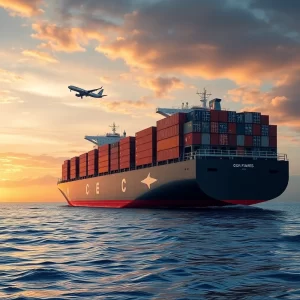
Under the agreement, Danaos will facilitate the construction and operation of at least six LNG carrier vessels, representing a significant investment in the maritime transport infrastructure of the project. Each of these vessels will be equipped with cutting-edge technology to ensure efficiency and safety in the transportation of LNG, from the liquefaction facilities in Alaska to international markets. Additionally, Danaos will make a $50 million investment, reinforcing its commitment to the project and its confidence in the potential of the LNG market.
Impact on the Merchant Navy and the Maritime Sector
The operation of large-scale LNG vessels introduces significant changes in the daily routine of the merchant navy. With the implementation of these LNG carriers, professionals in the sector must adapt to new technologies, improved safety protocols, and stringent environmental regulations. Vessels specifically designed for LNG transportation require a superior level of precision and care due to the cryogenic properties of liquefied gas and the necessity to maintain it at extremely low temperatures.
This advancement also generates new employment and specialisation opportunities within the maritime industry. Highly trained crews are required to operate these vessels, increasing the need for specialised training and appropriate certifications, such as those demanded by the STCW (Standards of Training, Certification, and Watchkeeping for Seafarers) code. This code sets international standards for the training and certification of seafarers, ensuring they possess the necessary competencies to meet the demands for safety and efficiency in the operation of LNG vessels.
Challenges and Future of the Sector in the Coming Years
As the LNG market continues to expand, the sector faces several challenges and opportunities. The primary challenge is the volatility of natural gas prices, which can affect the profitability of LNG projects. Additionally, environmental concerns and increasingly stringent regulations require sector players to adopt sustainable practices, minimising greenhouse gas emissions during the production and transportation of LNG.
However, the future of LNG appears promising, driven by growing demand in Asia and Europe, where countries seek to diversify their energy sources and reduce dependence on coal. Technological innovation will continue to play a crucial role in reducing costs and increasing efficiency in the LNG supply chain. In this regard, the Alaska LNG Project, backed by the alliance between Glenfarne and Danaos, positions itself as a leading example of how strategic collaboration can drive technological advancement and sustainability in the energy sector.
Key Concepts
Below are explanations of some of the technical terms mentioned in the article:
- LNG (Liquefied Natural Gas): Natural gas that has been cooled to a liquid state at approximately -162°C for storage and transport, enabling its movement over long distances without the need for pipelines.
- STCW (Standards of Training, Certification, and Watchkeeping for Seafarers): An international convention that sets minimum standards for the training, certification, and watchkeeping of seafarers, ensuring they possess the competencies necessary for the safe and efficient operation of vessels.
- Cryogenic Technology: Refers to the techniques used to cool, store, and handle materials at very low temperatures, such as LNG.
- Environmental Regulations: Norms aimed at minimising the environmental impact of industrial activities, including emission reductions and the protection of marine ecosystems in the context of LNG transportation.
The article Strategic Alliance between Glenfarne and Danaos to Propel the Alaska LNG Project was first published on WishToSail.com.
“`