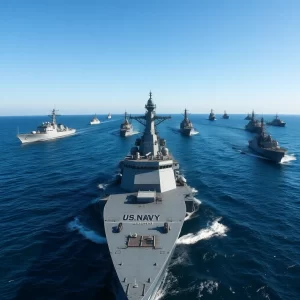
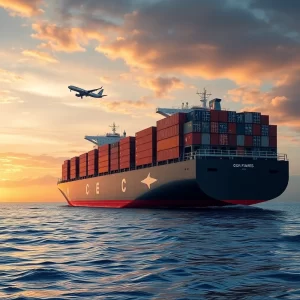
Korean shipbuilders, led by HD Korea Shipbuilding & Offshore Engineering, are currently surpassing their Chinese rivals in the race for new vessel orders. According to the shipbuilding industry, as of February 3rd, HD Korea Shipbuilding delivered 96 vessels, representing 70.6% of the 136 total deliveries made last year. This achievement is attributed to their ability to meet delivery deadlines and their rapid construction capabilities.
Context and Background
The rise of Korean shipbuilders on the global stage is not a recent phenomenon. Historically, South Korea has been a key player in the shipbuilding industry, closely competing with China and Japan. In recent years, the demand for more efficient and eco-friendly vessels has surged, and Korean shipyards have capitalised on this trend by focusing on innovation and operational efficiency.
Timely delivery capability is crucial in a market where delays can result in significant losses for shipowners. Furthermore, the rapid construction capacity allows Korean shipyards to respond more agilely to changes in market demand.
In-Depth Technical Analysis
Construction Capabilities and Delivery Times
The Korean shipbuilding industry has made significant investments in advanced technology and optimised production processes. This includes the adoption of Computer-Aided Design (CAD) systems and modular manufacturing techniques that reduce construction times without compromising quality.
Innovation in Design and Sustainability
Korean shipyards are also at the forefront of building vessels powered by alternative fuels, such as Liquefied Natural Gas (LNG), which comply with international environmental regulations, such as the MARPOL Convention from the International Maritime Organization (IMO).
Concrete Operational Implications
For industry professionals, this leadership in innovation and timely delivery means that shipowners can plan their operations with greater certainty, thereby reducing the risk of supply chain disruptions.
Moreover, the ability to construct more sustainable vessels opens new opportunities for naval engineers specialising in green technologies and officers experienced in LNG vessel operations.
Impact on the Labour Market
This surge in Korean shipbuilding is driving demand for specialised technical profiles, such as engineers in alternative propulsion systems and experts in modular construction logistics. Interested professionals should consider specific training in these areas to enhance their employability.
Macro Context
In a context of increasing global competition, where efficiency and sustainability are increasingly valued, Korean shipyards are strategically positioned to meet the demand for modern and efficient vessels. This comes at a time when the maritime industry faces pressure to reduce its carbon footprint and improve energy efficiency.
Outlook
In the short term, Korean shipbuilders are expected to maintain their leadership in advanced vessel construction by leveraging their innovation and timely delivery capabilities. However, competition with China will remain intense, especially if Chinese shipyards enhance their technology and delivery capabilities.
FAQ
- Why are Korean shipbuilders outpacing their Chinese counterparts in orders?
Mainly due to their ability to deliver on time and their speed of construction.
- What technologies are Korean shipbuilders adopting to improve efficiency?
They are utilising CAD systems and modular manufacturing techniques.
- How does this affect the shipbuilding labour market?
It increases the demand for specialised technical profiles in green technologies and construction logistics.
This news is based on “Korean shipbuilders win orders as early deliveries outpace China amid rate slump” from Shipbuilding News – Hellenic Shipping News Worldwide, accessible at the original link.
Legal Notice: This article is an independent editorial analysis based on public information and technical knowledge of the maritime sector. It does not substitute for consultation with qualified professionals nor constitutes specific technical, legal, regulatory, or professional advice.
Editorial Note: This article has been professionally adapted from Spanish to British English
for the WishToSail.com international maritime audience. Original article published at
QuieroNavegar.app.