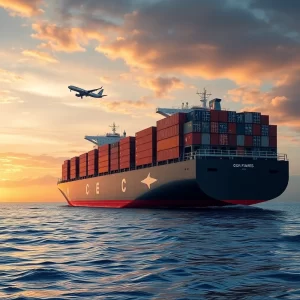
Qatar Petroleum has announced its intention to significantly expand its fleet of liquefied natural gas (LNG) carriers in response to a projected 50% increase in LNG production capacity by 2027. This strategic move, centred around the world’s largest gas field, the North Field, aims to consolidate Qatar’s role as a leader in the global LNG market.
Context and Background
The announcement comes at a time when global demand for LNG is on the rise, driven by the transition towards cleaner energy sources. Historically, Qatar has been a key player in the LNG market, and its ability to ramp up production is bolstered by the exploitation of the North Field. This expansion not only signifies an increase in production but also necessitates a larger and more modern fleet to transport LNG to global markets.
The last ‘Qatar boom’ in the 2000s led to the construction of numerous LNG carriers, transforming the shipbuilding landscape in Asia, particularly in South Korea and Japan. The new expansion could replicate this effect, benefiting shipyards specialised in LNG vessels.
Technical Analysis of LNG Transport
Design and Technology of LNG Carriers
LNG carriers are specialised vessels that require advanced technology to maintain gas at extremely low temperatures (-162°C). Qatar’s fleet expansion will drive the demand for vessels equipped with advanced cryogenic membranes and efficient propulsion systems. New orders are expected to include emission reduction technologies to comply with international environmental regulations.
Shipyard Capabilities
Shipyards in South Korea, China, and Japan, which are leaders in the construction of LNG carriers, are well positioned to benefit from this increase in demand. However, current production capacity may pose a challenge if demand exceeds supply, potentially leading to higher prices and extended delivery times.
Operational Implications
For industry professionals, this expansion signifies the need for new competencies in the management and operation of LNG vessels. Deck and engineering officers will need to familiarise themselves with new propulsion technologies and environmental control systems. Additionally, the logistical management of routes and loading and unloading operations will be critical to maximise operational efficiency.
Impact on the Labour Market
The growth in the LNG fleet will increase the demand for naval engineers and technicians specialising in cryogenic systems. Universities and training centres should consider expanding their programmes in maritime engineering and LNG technology to meet this emerging demand.
Macro Context
In a climate of geopolitical tensions and fluctuating energy prices, Qatar’s ability to increase its LNG production strengthens its strategic position in global energy trade. This could influence long-term contract negotiations and the stability of LNG prices.
Outlook
In the short term, shipyards are expected to see an increase in orders, but they will need to carefully manage their production capacity. In the long term, the expansion of Qatar’s fleet could solidify its market position, although it will depend on the dynamics of global LNG supply and demand.
This news is based on “Second Qatar LNG Boom Spurs Korea-China Shipbuilding Showdown” from Shipbuilding News – Hellenic Shipping News Worldwide, accessible at this original link.
Disclaimer: This article is an independent editorial analysis based on public information and technical knowledge of the maritime sector. It does not substitute for consultation with qualified professionals nor constitute specific technical, legal, regulatory, or professional advice.
Editorial Note: This article has been professionally adapted from Spanish to British English
for the WishToSail.com international maritime audience. Original article published at
QuieroNavegar.app.