



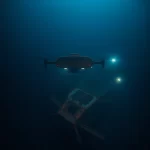

- U.S. Marines launched an inflatable assault boat from a submarine off Augusta, Italy, on 22 February 2026.
- The operation was integrated into NATO’s Dynamic Manta 26 exercise, focusing on anti-submarine warfare (ASW) and anti-surface training.
- Key aim is to enhance interoperability and competence among allied naval forces in complex maritime scenarios.
On 22 February 2026, U.S. Marine Corps reconnaissance elements from the 2nd Marine Division executed a sophisticated manoeuvre: deploying a rubber assault craft from a submarine in the waters near Augusta, Italy. This event was a core part of NATO’s Dynamic Manta 26 exercise, aimed at refining naval warfare skills and strengthening allied collaboration. Its relevance stems from growing geopolitical tensions and the need for seamless joint operations in modern maritime defence.
CONTEXT AND BACKGROUND
Dynamic Manta is an annual NATO naval exercise conducted in the Mediterranean Sea for over a decade. Historically, it has trained forces in anti-submarine warfare (ASW, targeting underwater threats) and anti-surface warfare, simulating realistic conflict environments with involvement from multiple nations, including surface vessels, submarines, and aircraft.
The deployment of small boats from submarines is not novel, tracing back to special forces operations during the Second World War. However, its inclusion in NATO drills like Dynamic Manta signifies a shift towards more coordinated and stealthy tactics, vital for reconnaissance and infiltration missions in contested waters.
IN-DEPTH TECHNICAL ANALYSIS
From a technical standpoint, this operation presents significant challenges. Submarines, designed for submerged operations, must partially surface to release the craft, compromising their stealth or low-observability profile. This increases vulnerability to detection during the brief exposure.
The assault craft, typically an inflatable, lightweight rubber boat, allows for rapid transport of small teams but is susceptible to adverse weather conditions, limiting operational windows. Interoperability—the ability of different military forces to work together effectively—is crucial here.
In Dynamic Manta 26, this involves standardised communication protocols, tactical procedures, and logistics systems. For instance, radio and navigation equipment must be compatible across U.S. and allied participants to minimise errors in high-pressure scenarios.
CONCRETE OPERATIONAL IMPLICATIONS
This manoeuvre enhances maritime force projection, enabling swift, covert deployments of personnel to coastal areas without immediate detection. Operationally, it demands precise logistics, such as secure storage of boats on submarines and intensive crew training in emergency protocols.
For the civil maritime sector, while not directly applicable, such exercises drive innovation in underwater navigation technologies and durable materials. These advancements could trickle down to commercial uses like offshore exploration or port security enhancements.
IMPACT ON THE LABOUR MARKET
Exercises like Dynamic Manta boost demand for specialised maritime professionals. Sailors and officers with expertise in submarine operations, small boat handling, and naval communications find opportunities in armed forces and defence contractors.
Additionally, this spurs training pathways in naval academies and courses focused on NATO interoperability standards, supporting career development in defence-related fields.
MACRO CONTEXT
Geopolitically, the Mediterranean is a hotspot with eastern tensions justifying NATO’s increased focus on maritime defence. Global regulations, such as those from the International Maritime Organization (IMO), though trade-oriented, indirectly influence naval forces by setting safety standards often adopted in military contexts.
The trend towards joint operations and unmanned technologies in naval warfare is likely to expand, with future exercises potentially incorporating underwater or surface drones for more complex simulations.
OUTLOOK
Short-term, expect more similar drills in the region, emphasising new technology integration and broader allied participation. Long-term, this could lead to more robust NATO standards for special forces operations from the sea, impacting strategic planning and naval equipment procurement.
FAQ
- What is a combat rubber assault craft? It is an inflatable, lightweight boat designed for stealthy transport of small military teams in reconnaissance or infiltration missions, capable of rapid deployment from platforms like submarines.
- How is a boat launched from a submarine? Typically, the submarine surfaces partially, opens a special hatch, and the boat is deployed manually or mechanically into the water, requiring precise coordination to avoid damage and maintain stealth.
- Why is interoperability important in NATO? It allows forces from different countries to operate seamlessly using compatible equipment and procedures, crucial for joint missions to improve efficiency and reduce risks in conflicts.
- What skills are required for these operations? Professionals need training in submarine navigation, small vessel handling, military communications, and safety protocols in high-stress environments, often gained through specialised armed forces programmes.
Editorial Note: This article has been professionally adapted from Spanish to British English
for the WishToSail.com international maritime audience. Original article published at
QuieroNavegar.app.


