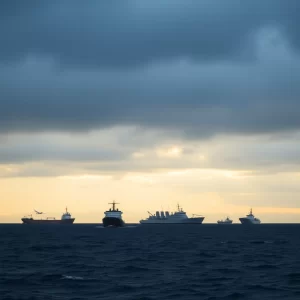



- LR2 tankers operating in dirty cargo reach unprecedented levels from October 2025.
- Closure of the Strait of Hormuz disrupts key shipping lanes, boosting demand for long-range vessels.
- Maintenance costs for tankers rise by 20-30% due to increased cleaning requirements.
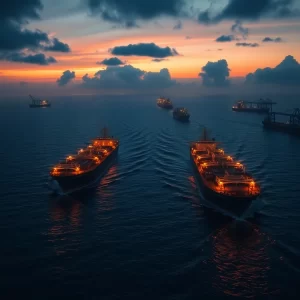
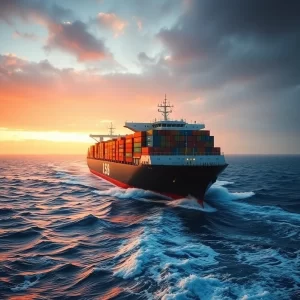
In a significant market shift, LR2 tankers designed for clean petroleum products are now carrying crude oil at record numbers. This trend, which began in October 2025, has accelerated rapidly due to geopolitical disruptions, particularly the closure of the Strait of Hormuz, forcing global fleet reconfigurations.
CONTEXT AND BACKGROUND
Historically, LR2 tankers (Long Range 2, with a typical capacity of 80,000 to 119,999 DWT) have specialised in transporting clean products like gasoline or diesel. However, the sector has seen temporary adjustments during past crises, such as the 2020 pandemic.
The current change is notable for its scale and persistence. The dirty market, which handles crude oil and heavy derivatives, often offers more volatile but potentially higher freight rates during shortages, marking a turning point from October 2025.
IN-DEPTH TECHNICAL ANALYSIS
LR2 vessels are well-suited for this transition due to their versatile size and long-range capabilities. With lengths around 250 metres, they can access diverse ports and navigate extended routes that bypass the Strait of Hormuz.
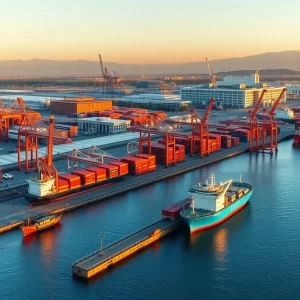
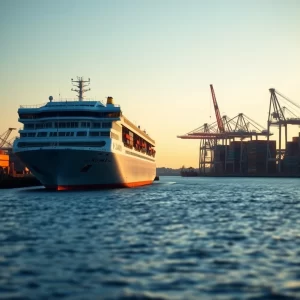
Operationally, this requires altered tank cleaning patterns. Carrying crude leaves residues that risk cross-contamination, increasing maintenance costs by 20-30% based on industry standards. Port logistics must also adapt to handle more such vessels in dirty cargo facilities.
Economically, the migration reflects favourable freight differentials. With the Strait closed, alternative routes have heightened demand for long-range ships, where LR2s compete with Aframax and Suezmax tankers, pressuring freight rates downward in specific segments.
CONCRETE OPERATIONAL IMPLICATIONS
For shipowners, this necessitates fleet reassessments. Older vessels may need investments in cleaning systems, while new builds could be designed for greater flexibility. Port operators face increased traffic in dirty loading zones, requiring schedule and equipment adjustments.
Safety-wise, crude transport involves higher contamination and accident risks. Crews must receive additional training in handling dirty products and emergency protocols, adhering to norms like MARPOL (the International Convention for the Prevention of Pollution from Ships).
IMPACT ON THE LABOUR MARKET
This trend creates opportunities for naval officers and engineers with experience in dirty tanker operations. Demand is expected to rise for specific STCW (Standards of Training, Certification and Watchkeeping) courses and certifications in contaminant cargo management.
For crew members, more frequent rotations may occur due to intensive cleaning cycles. Ship agents and maritime brokers will need skills in negotiating dirty freight rates and alternative routing.
MACRO CONTEXT
Geopolitically, the Strait of Hormuz closure highlights the fragility of maritime chokepoints. This drives countries to diversify routes, such as the North-South Corridor or Suez Canal expansions, affecting long-term shipping strategies.
Regulatory bodies like the IMO (International Maritime Organization) might review cargo segregation guidelines. Decarbonisation trends with alternative fuels add complexity, as LR2s could delay ecological adaptations by prioritising immediate profitability.
OUTLOOK
In the short term, the dirty market is likely to remain firm while disruptions persist. If the Strait of Hormuz reopens, fleet normalisation could occur, but LR2s may stay if economic differentials sustain.
For investors, this signals volatility in tanker segments. Companies with flexible fleets, such as Euronav or Frontline, could benefit, but decisions should be based on independent risk analysis.
FAQ
- What is an LR2 tanker? LR2 (Long Range 2) tankers are medium-sized vessels with a capacity of 80,000 to 119,999 deadweight tonnes (DWT), originally designed for clean petroleum products like gasoline but now adapted for crude oil.
- Why is the dirty market more profitable now? Due to the closure of the Strait of Hormuz, alternative routes have increased demand for long-range vessels, offering higher freight rates for crude oil transport compared to clean products in certain regions.
- What are the operational risks of this transition? Risks include cross-contamination in tanks requiring costly clean-ups, and higher safety hazards when handling crude, necessitating additional crew training.
- How does this impact freight prices? It can increase competition in the dirty segment, pushing some freight rates down, while the clean market might face temporary scarcity and more volatile prices.
Editorial Note: This article has been professionally adapted from Spanish to British English
for the WishToSail.com international maritime audience. Original article published at
QuieroNavegar.app.