- IMO received over 1,900 distress requests since December 2025, with 800 vessels trapped in the Persian Gulf.
- ITF reports 410 abandoned ships globally in 2025, mostly linked to dark fleets and flags of convenience.
- Demand for officers with Crisis Management and Maritime Transport certifications is surging as shipping lines reinforce crew safety protocols.
Since December 2025, more than 1,900 seafarers have been stranded aboard their vessels in the Persian Gulf, trapped by the ongoing Iran-US conflict. The International Maritime Organization (IMO) and the UN Security Council are pressuring for humanitarian access, but crew members face mounting shortages of food, water, and medical supplies – and many have not been paid. This unprecedented crisis is reshaping the maritime labour market, with a sharp rise in demand for officers holding specialised crisis management credentials.
Context and Background
Seafarer abandonment is not new – during the COVID-19 pandemic, thousands were stranded in ports worldwide due to travel restrictions. However, the current situation in the Persian Gulf introduces a dangerous new variable: active armed conflict, naval blockades, and movement restrictions imposed by opposing forces. According to the International Transport Workers’ Federation (ITF), 410 ships were abandoned globally in 2025, surpassing pandemic-era peaks, with the majority concentrated in the Persian Gulf.
The crisis is exacerbated by the proliferation of so-called dark fleets – vessels owned by entities registered in tax havens and flying flags of convenience (flags of states with limited enforcement capacity, such as Liberia, Panama, or the Marshall Islands). These operators, lacking a physical presence in jurisdictions with robust labour laws, can abandon crews with little immediate legal consequence.
In-Depth Technical Analysis
1. Armed conflict and naval blockades
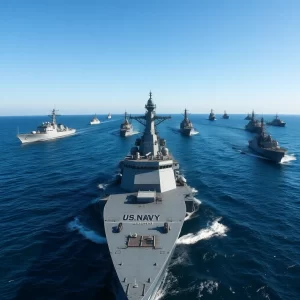
Unlike the COVID-19 crisis, where immobility stemmed from health restrictions, ships are now trapped by military blockades. Standard IMO crew-change protocols cannot be applied because local authorities – Iran and the US-led coalition – do not authorise auxiliary vessel movements. For maritime professionals, this is an extreme crisis management scenario: unpredictable timelines, dwindling supplies, and rapidly declining crew morale. Standard STCW (Standards of Training, Certification and Watchkeeping) safety training does not cover such situations, driving demand for officers with specific Crisis Management and Maritime Transport qualifications for hostile environments.
2. The gulf between global carriers and dark fleets
Major lines like Maersk, MSC, and CMA CGM operate in the region with enhanced security protocols and the ability to repatriate crews. They maintain crisis departments, war insurance, and contracts with repatriation clauses. In contrast, smaller owners operating under dark fleets often lack even an accessible legal representative. This disparity exposes a systemic vulnerability: although 80% of world trade moves by sea, a significant portion of the fleet operates outside the labour standards of the Maritime Labour Convention (MLC).
3. IMO and UN: pressure without enforcement
The IMO and UN Security Council have adopted resolutions urging Iran and the US to allow crew changes and supply deliveries. However, these bodies lack direct coercive mechanisms over the warring parties. Diplomatic pressure is real but slow, and meanwhile seafarers remain trapped. For job seekers, this is a clear signal: the Persian Gulf and adjacent waters (including the Strait of Hormuz) are now high-risk zones, and responsible shipping lines are demanding additional certifications for such posts.
Concrete Operational Implications
The crisis has direct effects on daily vessel operations in the region:
- Port delays: Ports in the UAE, Saudi Arabia, and Oman have tightened security checks, increasing waiting times and freight costs.
- Rising war risk premiums: Insurers have hiked premiums for ships transiting the Persian Gulf, squeezing route profitability.
- Rerouting: Some lines are diverting vessels around the Cape of Good Hope, extending transit times and operational expenses.
For officers and crew, contracts in the region now often include hazard pay, conflict-zone bonuses, and – crucially – a requirement for specialised training in crisis management and international maritime security.
Impact on the Labour Market
The crisis is reshaping demand for maritime professionals. Global shipping lines are seeking officers with:
- IMO Model Course 1.29 (Crisis Management and Human Factors): Training to manage onboard emergencies including armed conflict, kidnapping, or abandonment.
- Maritime Transport and logistics in conflict zones: Skills to plan alternative routes, manage limited supplies, and coordinate with local authorities.
- IGF (International Gas Fuel) experience: Although not directly linked, LNG and methanol-fuelled vessels are increasingly common in the region, requiring specific handling expertise.
Experience in high-risk areas such as the Horn of Africa or the Red Sea, and prior service on flag-of-convenience ships (which familiarises seafarers with legal and operational constraints), are especially valued. For junior crew, this crisis represents an opportunity to obtain these increasingly demanded and better-remunerated certifications. Nautical academies report a rise in enrolments for Crisis Management and Advanced Maritime Security courses.
Macro Context: Geopolitics, Global Regulations, and Trends
The Persian Gulf conflict is not isolated. The war in Ukraine had already disrupted Black Sea and Baltic routes, and now Middle East instability compounds the challenge. Environmental regulations (IMO 2023, EEXI, CII) are pushing owners to renew fleets, but conflict zones add a risk factor that raises the cost of financing newbuilds. Meanwhile, pressure on flags of convenience is mounting: the IMO and ITF demand greater transparency and accountability from registries like Liberia and Panama, though progress is slow.
For industry investors, this crisis reinforces the thesis that crew welfare and crisis management are critical to supply chain stability. Lines that invest in protecting their people and advanced training are better positioned to weather such scenarios.
Outlook
In the short term, no immediate solution is in sight. Diplomatic negotiations are slow, and seafarers remain trapped. The IMO has proposed a humanitarian corridor for crew changes, but it requires approval from both sides. In the medium term, international rules against dark fleets are likely to tighten, with stiffer penalties for owners who abandon crews. Pressure on flags of convenience will also grow.
For maritime professionals, the lesson is clear: crisis management and security training for conflict zones is no longer optional but a ticket to the best jobs. Those who invest now in these certifications will be better prepared for future crises.
Editorial Note: This article has been professionally adapted from Spanish to British English
for the WishToSail.com international maritime audience. Original article published at
QuieroNavegar.app.