







The Evolution of the Nautical Industry

The Evolution of the Nautical Industry In a world where globalization and technology are advancing rapidly, the nautical industry is not lagging behind. The year 2025 is shaping up to be a period of transformation focused on personalized experiences and the discovery of lesser-known destinations. This approach not only meets the increasingly demanding expectations of travellers but also opens up new opportunities for professionals in the sector, from the merchant navy to nautical enthusiasts seeking unique adventures on the high seas. The rise of personalization is evident in the creation of tailored itineraries that cater to the specific tastes of sailors. This includes customized routes that explore hidden corners of the aquatic world and immersive experiences that allow travellers to authentically experience local culture. These trends are driving the industry to adopt technological innovations that facilitate this new way of travelling. Companies in the sector, such as the renowned travel operator Expat Explore, are capitalizing on this trend and highlighting the importance of personalized and immersive experiences. The positive impact of these changes is not only reflected in customer satisfaction but also in the creation of new jobs in a sector that is reinventing itself to meet these new demands. Technological Innovations Serving Navigation Technology plays a crucial role in the transformation of the nautical industry. Advanced navigation systems allow for the mapping of specific routes that were previously unimaginable. These tools not only enhance safety by calculating weather conditions and ocean currents but also optimize fuel consumption, making navigation more sustainable and cost-effective. The integration of artificial intelligence and big data technologies is revolutionizing how trips are planned. It is now possible to analyze large volumes of data to better understand travel patterns and consumer preferences, allowing companies to offer increasingly personalized experiences tailored to the needs of their customers. For maritime investors, these innovations represent an unprecedented opportunity to capitalize on a growing sector. The adoption of cutting-edge technologies not only improves the operational efficiency of fleets but also increases the value of investments by ensuring that operations are aligned with market trends. Discovering New Routes and Destinations Today, travellers seek authenticity and exclusivity in their nautical adventures. This has led to the exploration of less conventional routes and lesser-known destinations offering unique experiences away from mass tourism. This approach not only satisfies the most intrepid adventurers but also benefits local communities, promoting sustainable economic development. The possibility of opening up new routes presents a growth opportunity for the maritime industry, especially for navigation companies and tour operators. These new itineraries require trained and passionate staff who share the desire to explore and discover the unknown, thus opening up a wide range of job opportunities for sector professionals. The new routes also have significant implications for the merchant navy, which benefits from the development of infrastructure in these areas. Investment in ports and navigation routes enhances logistical capacity, allowing more vessels to transit these waters efficiently and safely. The Importance of Immersive Experiences Living an immersive experience means fully immersing oneself in the culture and environment of a destination. In the nautical field, this ranges from participating in local traditional activities to tasting local cuisine in the middle of the sea. These experiences not only enrich the journey but also create unforgettable memories and genuine connections to the places visited. Offering immersive experiences poses a creative challenge for nautical professionals, requiring collaboration and a deep understanding of local cultures. Guides and operators play an essential role in designing and executing activities that highlight the cultural heritage of each destination. Immersive experiences also have a positive impact on local communities, increasing their visibility and attracting more conscientious and responsible tourism that appreciates and respects traditions. This generates income that is reinvested in cultural conservation and strengthening local economies. Conclusions and Opportunities for the Future The growing emphasis on personalization and immersive experiences in navigation not only responds to current tourism trends but also redefines travellers’ expectations and industry possibilities. Technological innovation, exploration of new routes, and commitment to cultural authenticity are fundamental pillars driving this change. For maritime sector professionals, these trends present multiple opportunities. There is not only a growing demand for skilled talent to operate and manage these new experiences but also doors opening for those with an innovative mindset and a passion for sustainable development. From the merchant navy to recreational sailors, the maritime sector is at an exciting crossroads of evolution and progress. In summary, the nautical industry in 2025 is an example of how personalization and innovation can transform the way we explore the world. By embracing these trends, it can be ensured that navigation remains not only relevant but flourishes, offering endless possibilities for professionals and investors alike. It is an exciting time to be part of this journey, where the waves of change lead to unexpected destinations and unforgettable experiences.
The Revolution of Global Logistics with XLERATE 2.0 by ECU Worldwide

The Revolution of Global Logistics with XLERATE 2.0 by ECU Worldwide The maritime logistics sector has witnessed a groundbreaking milestone with the launch of XLERATE 2.0 by ECU Worldwide. This advancement not only signifies an improvement in the speed and reliability of global logistics services but also sets new standards in the industry. Professionals in the sector, including the merchant navy and sailors, now have a tool that optimizes their operations and reduces transit times. XLERATE 2.0 enhances speed and efficiency in global logistics services. This innovation is crucial in a global context where speed and accuracy are essential for maintaining competitiveness. The reliability of XLERATE 2.0 is another cornerstone. By utilizing advanced technologies, ECU Worldwide ensures that shipments reach their destination without any hitches, minimizing risks and ensuring customer satisfaction. This focus has sparked renewed interest in job and investment opportunities in the logistics sector, positioning ECU Worldwide as a leader in technological innovation. Advanced Technological Integrations One of the most outstanding features of XLERATE 2.0 is its integration of cutting-edge technologies. This system employs artificial intelligence algorithms and real-time data analysis to optimize routes and anticipate potential contingencies. These advancements empower maritime operators to make informed decisions, leading to significant cost savings and increased customer satisfaction. XLERATE 2.0 integrates AI algorithms and real-time data analysis for route optimization. The platform provides advanced tracking and traceability tools for total logistic process visibility. The use of these technologies not only benefits large corporations but also opens doors for small and medium-sized businesses in the sector looking to enhance their operational efficiency and competitiveness. In this regard, ECU Worldwide positions itself not only as a logistics service provider but also as a strategic partner for any business seeking to improve its global presence. Employment and Investment Opportunities With the implementation of XLERATE 2.0, new avenues open up for those looking to advance their careers in the maritime sector. ECU Worldwide is at the forefront of logistics transformation, and its commitment to technology provides a dynamic and stimulating environment for professionals. The company invites interested individuals to submit their resumes, showcasing the wide range of job opportunities available both onshore and offshore. ECU Worldwide offers diverse job opportunities for maritime professionals in various roles. The innovations introduced with XLERATE 2.0 indicate the direction in which the sector is moving, attracting maritime investors due to the growth potential of these innovative solutions. The combination of cost reduction and increased operational efficiency makes investing in this technology particularly appealing. These opportunities are not limited to individuals alone. Companies looking to expand internationally also find in XLERATE 2.0 a valuable tool to enhance their logistics and presence in global markets. Real Impact on the Maritime Sector Daily Operations The introduction of XLERATE 2.0 represents a significant change in how the maritime sector operates. For sailors, this means more efficient routes and less downtime, resulting in a more effective use of resources and increased job satisfaction. For the merchant navy, improved shipment reliability ensures that cargo arrives on time, minimizing the risk of costly delays. XLERATE 2.0 enhances efficiency for maritime professionals, leading to improved operational planning. The use of real-time data in risk prediction and mitigation offers a competitive advantage for maritime investors. For maritime enthusiasts, these technological advancements offer inspiration for exploration and adventure while raising safety and efficiency standards, making navigation more accessible and secure for everyone. Key Reasons for Relevance XLERATE 2.0 is highly relevant for maritime professionals due to its ability to optimize operational efficiency and improve the reliability of maritime routes. This results in less time wasted and a significant improvement in logistics planning. Investing in XLERATE 2.0 offers a clear long-term return on investment for maritime investors. For nautical enthusiasts, the adoption of technological innovations in the sector provides new opportunities for safer and more efficient routes, increasing safety and satisfaction in recreational navigation.
The Energy Revolution in the Maritime Sector: The Innovative Technology of Hyliion and Mesa Natural Gas Solutions

The Energy Revolution in the Maritime Sector: The Innovative Technology of Hyliion and Mesa Natural Gas Solutions In the dynamic world of the maritime sector, where energy efficiency and sustainability are increasingly crucial, the recent alliance between Hyliion Holdings Corp. and Mesa Natural Gas Solutions is seen as a disruptive piece of news. Both companies have signed a non-binding Letter of Intent to explore and demonstrate the potential of the KARNO™ Power Module in industrial applications, specifically in the oil and gas sectors, which could have significant implications in the maritime field. The KARNO™ Power Module: A Leap towards Energy Sustainability The KARNO™ Power Module is an advanced technology developed by Hyliion that promises to change the rules of the game in sustainable electricity production. Its ability to generate energy more efficiently and with lower carbon emissions is particularly relevant for the maritime industry, which is constantly seeking to reduce its environmental footprint. This innovation is part of a phased demonstration plan, which will allow evaluating its functionality in various industrial environments. The KARNO™ potential lies in its efficiency and versatility. Unlike traditional generators, this module can operate with multiple types of fuels, including natural gas, providing additional flexibility. Its modular design facilitates its adaptation in maritime applications, from large cargo ships to smaller vessels dedicated to tourism or research. For maritime professionals, the adoption of technologies like the KARNO™ represents an opportunity to optimize operations, reduce fuel costs, and comply with increasingly strict regulations on emissions. This technology not only improves efficiency but also contributes to the sustainable reputation of companies that decide to incorporate it. Strategic Collaboration: Hyliion and Mesa Join Forces The partnership between Hyliion and Mesa Natural Gas Solutions is an example of how synergies between companies can drive technological innovation. Mesa, known for its experience in manufacturing natural gas generators and microgrids, brings its knowledge and production capacity to the effective implementation of the KARNO™ Power Module. The strategic collaboration aims not only to demonstrate the effectiveness of the KARNO™ in land applications but also to explore its potential in maritime environments. Given that oil and gas extraction operations often depend on offshore platforms, this technology could offer a more efficient and less polluting energy solution. Maritime investors should pay attention to this collaboration as it presents a unique opportunity to diversify their investments in clean and profitable technologies. With the rise of sustainability, the demand for advanced energy solutions is increasing, and Hyliion and Mesa are well positioned to lead this transition in the maritime sector. Impact on the Maritime Sector: Job Opportunities and Sustainability The introduction of the KARNO™ Power Module in the maritime industry not only brings technological and economic benefits but also opens up new job opportunities. Companies that adopt this technology will need skilled professionals for its operation and maintenance, creating demand for experts in renewable energies and clean technologies. In addition, the implementation of this technology aligned with sustainable practices reinforces the maritime sector’s commitment to the environment. Companies integrating these solutions will be able to access new trade routes that prioritize sustainability and comply with international emission standards. For nautical enthusiasts, the adoption of technologies like the KARNO™ translates into cleaner and more efficient navigation, making the pleasure of sailing even more rewarding and environmentally responsible. The application of these innovations in recreational vessels could increase the range of products for an audience interested in ecology and efficiency. Conclusion: A Path towards a Sustainable Energy Future The collaboration between Hyliion Holdings Corp. and Mesa Natural Gas Solutions marks a milestone in the search for sustainable energy solutions for the maritime sector. The KARNO™ Power Module promises not only to improve the energy efficiency of maritime operations but also to lay the foundations for a more environmentally friendly industry. For professionals in the sector, this technology represents an opportunity to lead the transition towards a more sustainable and economically competitive operational model. The maritime industry is at a turning point, and those who adopt these technological innovations will be better positioned to face future challenges. We invite WishToSail.com readers to closely follow this development and consider the opportunities that this technology presents, both in the professional and recreational fields. The era of energy sustainability in the maritime sector has begun, and the KARNO™ Power Module is a clear example that change is possible and within reach.
Seadrill: Innovations and Opportunities in the Merchant Navy for 2025

Seadrill: Innovations and Opportunities in the Merchant Navy for 2025 The merchant navy is currently undergoing a transformation, with emerging technologies and innovative strategies offering unique opportunities for both experienced professionals and those just starting their careers in the sector. In this context, the recent release of Seadrill’s first quarter results for 2025, one of the leading companies in maritime drilling, highlights not only its financial performance but also its commitment to innovation and sustainable growth. Financial Results for the First Quarter of 2025: A Detailed Analysis The financial results for the first quarter have undoubtedly been a focal point for investors and analysts. Seadrill has reported a 5% increase in total revenue, reaching $1.5 billion compared to the same period last year. This growth can be attributed to the expansion of its fleet with the addition of two new advanced drilling platforms. These platforms, designed to operate in ultra-deep waters, represent a significant investment in cutting-edge technology. Furthermore, the company has focused its efforts on optimizing its operations, reducing operating costs by 3%. This has been achieved through the implementation of automated systems for predictive maintenance, which not only extend the life of the platforms but also improve safety and efficiency. This focus on automation not only has positive economic implications but also strengthens Seadrill’s position as a leader in innovation within the sector. For maritime investors, these results indicate the stability and growth potential of Seadrill in a volatile market. The combination of increasing revenue and decreasing costs signals effective management and a solid business strategy that can offer attractive returns. Technological Innovations: Leading the Maritime Sector Seadrill has proven to be a pioneer in adopting new technologies within the maritime drilling industry. The recently incorporated drilling platforms are equipped with automated control systems that allow for more precise and safer operations, thus reducing the margin of human error. These innovations are crucial for maximizing operational efficiency and minimizing environmental impact, an increasingly relevant topic for the industry. A highlight is the use of alternative energy sources to reduce the carbon footprint of drilling operations. Seadrill has begun integrating renewable energy technologies, such as offshore wind energy, to support operations in remote locations. This initiative not only reduces long-term energy costs but also reinforces the company’s commitment to sustainability and environmental responsibility. For maritime professionals, these innovations offer not only a glimpse into the future of the industry but also opportunities to acquire new technical skills and advance in their careers. Companies that invest in continuous training and updating of their workers are better positioned to address the challenges of an ever-evolving market. Employment and Professional Opportunities in a Changing Environment Seadrill’s growth and focus on technological innovation also translate into employment opportunities. The expansion of its fleet and the implementation of advanced technologies require highly skilled professionals in marine engineering, operations management, and information technologies. These advancements demand an adaptable workforce with specific skills, presenting an excellent opportunity for those interested in developing their careers in the maritime sector. Submitting a resume to companies that, like Seadrill, are at the forefront of the industry, can open doors to exciting and rewarding projects. The ability to work with state-of-the-art platforms under a sustainable approach adds significant value to any professional trajectory, especially at a time when sustainability is a critical aspect in all industries. In addition, the maritime routes being enabled by these new technologies also create opportunities for sailors and maritime transport professionals. The ability to explore and operate in previously inaccessible areas due to depth or extreme conditions is now a reality, thus expanding the operational horizon of the merchant navy. Relevance for WishToSail.com’s Audience Segments For maritime investors, Seadrill’s financial successes and commitment to innovation are encouraging signs that investing in technology and sustainability can lead to profitable growth. This company sets an example for other organizations looking to integrate environmental responsibility with economic performance. For sailors and nautical enthusiasts, technological improvements in platforms and the expansion of maritime routes open new opportunities for exploration and skills development. Access to advanced technologies can transform how sailors experience the sea, improving both safety and efficiency. Finally, for maritime professionals, the new job opportunities in innovative companies like Seadrill offer the possibility of being part of a significant change in the sector, providing a work environment that values innovation, sustainability, and professional growth. Overall, the publication of Seadrill’s first quarter results for 2025 not only reflects the current state of the company but also offers a glimpse into the future of the maritime industry. This is an exciting time to be involved in the sector, and those looking to advance in their careers or investments will find valuable guidance in these trends.
Young Talent Shines in Spanish Sailing
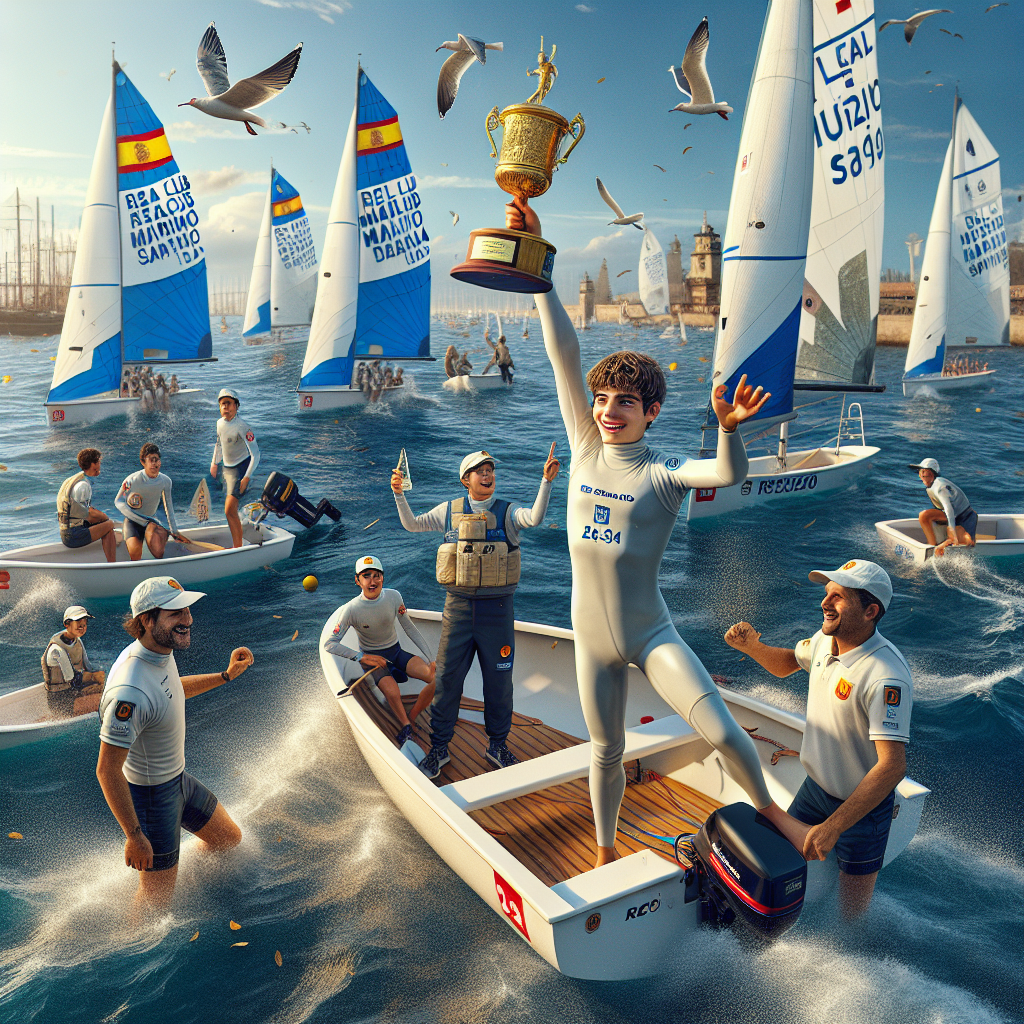
Young Talent Shines in Spanish Sailing Young talent is making a splash in the world of sailing, with Jan Palou from the Real Club Náutico de Palma (RCNP) emerging as one of the most promising figures in the sport in Spain. With his recent success in becoming the Sub 13 Optimist Spanish Champion, as well as securing the bronze medal in the overall classification in Santander, Palou not only cements his place on the podium but also in the heart of Spain’s nautical sports. A Triumph in Santander Waters The competition, held from April 17 to 20, brought together 155 competitors from across the country at the Real Club Marítimo de Santander. Over three intense days, the sailors faced challenging weather conditions, from light winds to strong gusts that tested their navigation skills. Despite the cancellation of the final day due to extreme winds, Jan Palou stood out for his consistency and skill, allowing him to maintain a strong position in a highly competitive championship. The young sailor faced the currents with determination, especially challenging for someone accustomed to the waters of Palma, showcasing his adaptability and ability to overcome obstacles. This championship not only marked a personal milestone for Palou but also reflected the high level of preparation that the Real Club Náutico de Palma provides to its young talents, under the technical direction of Jaume Genovard. The Future of Spanish Sailing Jan Palou is emerging as one of the most solid promises in sailing in Spain and the Balearic Islands. His ability to excel in highly competitive events, such as becoming the youngest winner of the Trofeo Ciutat de Palma, highlights his strong determination and innate talent. At just 11 years old, he competed against an international fleet of 350 sailors and emerged victorious, a feat that bodes well for a bright future. Palou’s success is not only inspiring for other young sailors but also underscores the importance of nurturing talent from a young age. Verifiable data and information Inspiring young sailors Importance of early talent development His example demonstrates how discipline, rigorous training, and the support of sports institutions can shape champions. Additionally, his teammate Mary-Anne Osha also made a strong impression by securing third place in the female Sub 13 category, reinforcing the significant role of young female athletes in the nautical field. Relevance for the Professional Nautical Industry The rise of young talents like Jan Palou has significant implications for the maritime and nautical industry. Firstly, these achievements highlight the need to invest in training and development programs for young sailors, ensuring a steady flow of talent to maintain Spain’s competitiveness internationally. Investment in training programs International competitiveness Strengthening industry relationships Secondly, the visibility gained from these events provides a platform for sponsors and investors to discover future sailing stars, opening opportunities to support and develop sporting careers from their inception. This, in turn, strengthens the relationship between nautical and sports companies, driving the sector to new horizons. Finally, for nautical enthusiasts, Palou’s success and that of his peers serve as a reminder of the potential that the new generation brings to the sport, encouraging the community to get more involved in nautical activities, whether as competitors, coaches, or mentors. A Call to Action As Spanish sailing continues its upward trajectory, it is crucial for both institutions and sponsors to recognize and support emerging talent. Jan Palou and other young sailors are the future of our sport, and their achievements are an invitation for everyone—from experienced sailors to maritime investors—to come together in fostering this bright future. Recognition of emerging talent Support for young sailors Exploring new opportunities in the maritime industry Clubs and related companies must continue to invest in the training and support of these young talents. The doors are open for those interested in the maritime industry to explore new business, sponsorship, and employment opportunities. In Conclusion Jan Palou’s story is a source of optimism and motivation for the Spanish nautical sector. This young sailor has not only proven his worth in the waters of Santander but has also reminded us of the power of effort and passion in the pursuit of excellence. Looking ahead, it is clear that Spanish sailing has a promising future, guided by the favorable winds of the new generation of champions.
The Significant Impact of Youth Sailing Competition in Almería: A Platform for Future Opportunities
The Significant Impact of Youth Sailing Competition in Almería: A Platform for Future Opportunities Over the weekend, the Club de Mar Almería became the hub of youth nautical activity in Andalucía. Despite adverse weather conditions on Sunday, the competition managed to complete three races on Saturday, with variable meteorological conditions testing the skills of the young athletes. This event served not only as a competition but also as a learning opportunity for young sailors, who faced increasing southwest winds. Such events are crucial for the development of sailing in Spain, as they promote competitiveness and camaraderie among young sailors. Moreover, these moments of intense nautical activity provide a platform for identifying and nurturing emerging talent. Participation in regional competitions like this is a key step towards the professionalization of these young athletes. The positive impact of these competitions extends beyond the sporting aspect, also providing a significant economic stimulus to the region by attracting participants and spectators from various locations. This generates a ripple effect that benefits different sectors, from hotels to local restaurants. Competition Results: Showcasing Young Talent In the Sub11 Female category, Sofia Moreno from RCN Roquetas secured the top spot. Among the boys in the same category, Iñigo Urquiza from CM Almería stood out as the winner, followed by Sandro Molina and Agustín Frías. The Sub13 category saw young sailors from Motril and Almería leading the way. Lola Molina, Ana Pozo, and Paula Vilchez claimed the podium for the female division, while Hugo Sarmiento, Martín Salvador, and Javier Ojeda did the same for the male category. These results reflect the commitment and dedication of these young athletes, as well as the support from their coaches and clubs. In the ILCA classes, the efforts of Hugo Maldonado, Antonio Olvera, and Julia Villegas in ILCA 4, along with Arturo Yáñez in ILCA 6, were rewarded with prominent positions on the podium. These performances not only highlight individual talent but also underscore the importance of teamwork and perseverance in competition. Professional Opportunities and Growth in the Nautical Sector For maritime professionals and maritime investors, these events represent more than just sports competitions. They offer a clear insight into the dedication and professionalism that young individuals are willing to bring to the nautical field. Additionally, they provide an unparalleled opportunity to recruit future talents who can excel in various roles within the maritime industry. The nautical sector faces challenges that require specific skills and adaptability to new technologies. Young individuals who excel in events like the one organized by the Club de Mar Almería prove to be ideal candidates for training in these aspects, given their early exposure to the rigor and demands of nautical sports. Technological Innovations in Sailing Sailing competitions offer a glimpse into how technological innovations are transforming the sport. From lighter and faster boats to advanced navigation systems, competitors must quickly adapt to these changes to stay competitive. For nautical clubs and organizers, incorporating these technologies not only enhances the competitive experience but also increases safety on the water. From remote monitoring systems to real-time tracking applications, technology is redefining how sailing competitions are conceived and executed. These innovations not only enhance athletes’ performance but also attract new professional profiles to the sector, such as naval engineers and marine technology specialists. Events like the one held in Almería serve as a platform for exploring and applying new technological ideas. Relevance for Different Audiences of WishToSail.com For sailors and nautical enthusiasts, events like this one represent an opportunity to discover new routes, experiences, and learn about best practices in navigation and competition. They are gathering spaces that promote the exchange of knowledge and experiences, enriching their daily lives. Maritime investors, on the other hand, can see these events as potential opportunities to invest in infrastructure and technology to sustain the growth of the nautical community. Active participation in these scenarios ensures a deep understanding of the emerging needs in the sector. Finally, for maritime professionals, the competition at the Club de Mar Almería underscores the importance of continuous learning and skill development. These events serve as a reminder of the need for adaptability and constant learning in an ever-evolving environment—a crucial factor for success in any maritime career.