


The Evolution of the Nautical Industry
In a world where globalization and technology are advancing rapidly, the nautical industry is not lagging behind. The year 2025 is shaping up to be a period of transformation focused on personalized experiences and the discovery of lesser-known destinations. This approach not only meets the increasingly demanding expectations of travellers but also opens up new opportunities for professionals in the sector, from the merchant navy to nautical enthusiasts seeking unique adventures on the high seas.
- The rise of personalization is evident in the creation of tailored itineraries that cater to the specific tastes of sailors.
- This includes customized routes that explore hidden corners of the aquatic world and immersive experiences that allow travellers to authentically experience local culture.
These trends are driving the industry to adopt technological innovations that facilitate this new way of travelling. Companies in the sector, such as the renowned travel operator Expat Explore, are capitalizing on this trend and highlighting the importance of personalized and immersive experiences. The positive impact of these changes is not only reflected in customer satisfaction but also in the creation of new jobs in a sector that is reinventing itself to meet these new demands.
Technological Innovations Serving Navigation
Technology plays a crucial role in the transformation of the nautical industry. Advanced navigation systems allow for the mapping of specific routes that were previously unimaginable. These tools not only enhance safety by calculating weather conditions and ocean currents but also optimize fuel consumption, making navigation more sustainable and cost-effective.
- The integration of artificial intelligence and big data technologies is revolutionizing how trips are planned.
- It is now possible to analyze large volumes of data to better understand travel patterns and consumer preferences, allowing companies to offer increasingly personalized experiences tailored to the needs of their customers.
For maritime investors, these innovations represent an unprecedented opportunity to capitalize on a growing sector. The adoption of cutting-edge technologies not only improves the operational efficiency of fleets but also increases the value of investments by ensuring that operations are aligned with market trends.
Discovering New Routes and Destinations
Today, travellers seek authenticity and exclusivity in their nautical adventures. This has led to the exploration of less conventional routes and lesser-known destinations offering unique experiences away from mass tourism. This approach not only satisfies the most intrepid adventurers but also benefits local communities, promoting sustainable economic development.
- The possibility of opening up new routes presents a growth opportunity for the maritime industry, especially for navigation companies and tour operators.
- These new itineraries require trained and passionate staff who share the desire to explore and discover the unknown, thus opening up a wide range of job opportunities for sector professionals.
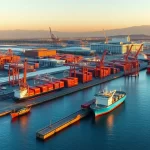
The new routes also have significant implications for the merchant navy, which benefits from the development of infrastructure in these areas. Investment in ports and navigation routes enhances logistical capacity, allowing more vessels to transit these waters efficiently and safely.
The Importance of Immersive Experiences
Living an immersive experience means fully immersing oneself in the culture and environment of a destination. In the nautical field, this ranges from participating in local traditional activities to tasting local cuisine in the middle of the sea. These experiences not only enrich the journey but also create unforgettable memories and genuine connections to the places visited.
- Offering immersive experiences poses a creative challenge for nautical professionals, requiring collaboration and a deep understanding of local cultures.
- Guides and operators play an essential role in designing and executing activities that highlight the cultural heritage of each destination.
Immersive experiences also have a positive impact on local communities, increasing their visibility and attracting more conscientious and responsible tourism that appreciates and respects traditions. This generates income that is reinvested in cultural conservation and strengthening local economies.
Conclusions and Opportunities for the Future
The growing emphasis on personalization and immersive experiences in navigation not only responds to current tourism trends but also redefines travellers’ expectations and industry possibilities. Technological innovation, exploration of new routes, and commitment to cultural authenticity are fundamental pillars driving this change.
For maritime sector professionals, these trends present multiple opportunities. There is not only a growing demand for skilled talent to operate and manage these new experiences but also doors opening for those with an innovative mindset and a passion for sustainable development. From the merchant navy to recreational sailors, the maritime sector is at an exciting crossroads of evolution and progress.
In summary, the nautical industry in 2025 is an example of how personalization and innovation can transform the way we explore the world. By embracing these trends, it can be ensured that navigation remains not only relevant but flourishes, offering endless possibilities for professionals and investors alike. It is an exciting time to be part of this journey, where the waves of change lead to unexpected destinations and unforgettable experiences.