


The Challenge of Maritime Transport in the Face of Increased CO₂ Emissions in 2024
The Challenge of Maritime Transport in the Face of Increased CO₂ Emissions in 2024 The maritime transport sector, a backbone of global trade, faced a significant increase in CO₂ emissions in 2024. The reported figures reveal a 9.6% rise, reaching a total of 140.5 million tonnes. This upturn contrasts with the reduction seen in 2023, placing the sector at a crossroads regarding its environmental impact. The geopolitical tensions in the Red Sea have been a decisive factor in this increase. As a result of these conflicts, many ships were forced to divert their routes, circumnavigating the African continent, resulting in longer journeys and increased fuel consumption. This circumstance highlights the sector’s vulnerability to global political instabilities. In addition to route extensions, the maritime sector is under increasing pressure to comply with stricter emissions restrictions, driven by global initiatives to combat climate change. For merchant navy professionals, this situation represents not only a technical challenge but also an opportunity to lead the way towards more sustainable practices. The European MRV System and its Financial Impact The European monitoring, reporting, and verification (MRV) system imposes strict monitoring on ships of 5,000 GT or more. In 2024, the emissions recorded in this system amounted to 83.7 million tonnes, reflecting the significant financial impact these emission levels have on the industry. The total cost associated with emission rights under the European ETS (Emissions Trading System) regime was approximately €2.2 billion for the sector in 2024. This figure illustrates the economic implications of environmental policies for shipping companies, which must balance their operations with regulatory compliance. The forecast for 2025 is that this cost will increase, as shipping companies will have to surrender rights for 70% of their emissions, compared to the 40% required in 2024. Furthermore, the 11.4% increase in the average price of emission rights in the first half of 2025 suggests that the economic impact will be even greater. Technological Innovations: A Light at the End of the Tunnel The current situation has sparked interest in innovative technologies that could revolutionize the sector. From more efficient engines to the use of alternative fuels such as hydrogen and ammonia, investments in R&D are crucial to mitigate emissions and reduce environmental impact. The development of more sustainable navigation technologies also presents job opportunities for maritime engineers and specialized technicians. Companies are seeking talent that can lead projects integrating these innovations, offering new employment perspectives. Furthermore, these technologies not only promise environmental benefits but also economic benefits by potentially reducing long-term operating costs. Commitment to sustainability could be a key differentiator for companies looking to stand out in an increasingly eco-conscious market. Opportunities and Challenges for the Merchant Navy The current context offers three key reasons why changes in maritime transport are relevant to the audience of WishToSail.com. Firstly, the sector is undergoing a transformation that requires continuous adaptation and learning about new regulations and technologies. Secondly, geopolitical tensions and altered routes underline the need for strategic planning and flexibility on the part of shipping companies. These skills are essential for professionals looking to stand out and advance in their careers within the sector. Finally, investments in sustainability and technology represent an opportunity for maritime investors looking to support initiatives with long-term growth potential. The successful integration of green solutions can offer significant returns while contributing to a more sustainable future for the industry. Looking to the Future of Maritime Transport The path to a more sustainable maritime transport is challenging but also full of opportunities. Companies and professionals embracing change, investing in innovation, and working collaboratively to overcome obstacles will be better positioned to lead the sector’s transformation. The global maritime community is uniquely positioned to influence change, and the potential for a positive environmental impact should not be underestimated. This process requires a concerted and coordinated effort involving all stakeholders from regulators to operators. For the readers of WishToSail.com, this is a call to action to actively engage in technological development, strategic planning, or investment in sustainability. The future of the oceans and maritime transport depends on how we respond to these challenges today.
Innovative Agreement between Norway and France: Transporting Captured Carbon for a Greener Future
Innovative Agreement between Norway and France: Transporting Captured Carbon for a Greener Future Innovative Agreement between Norway and France: Transporting Captured Carbon for a Greener Future An Innovative Approach to Emissions Management The recent agreement signed between Norway and France represents a significant advancement for the maritime sector and the fight against climate change. Signed on June 23, this groundbreaking agreement will allow the cross-border transport of carbon dioxide (CO2) captured from French ports to subsea storage facilities in the North Sea. This joint effort aims not only to efficiently manage emissions but also to drive the development of a European value chain for carbon capture and storage. The captured CO2 from major French maritime industrial centers, such as Le Havre, Dunkirk, and Saint-Nazaire, will be transported via sea to the Øygarden terminal in Norway. There, the carbon will be injected and stored at a depth of 2,600 meters below the seabed. This process follows the successful model of the Northern Lights project, supported by energy companies like Equinor, Shell, and TotalEnergies, and represents an innovative and sustainable solution for emission reduction. This agreement offers multiple benefits not only in terms of emission reduction but also in the development of advanced maritime technologies and the potential creation of new job opportunities in the sector. Effective carbon storage management can open new doors for engineers, researchers, and technicians, promoting a more sustainable and technologically advanced maritime industry. The Strategic Norway-France Alliance The collaboration between Norway and France is not just an agreement between nations but a strategic alliance that underscores the importance of addressing climate change at a European level. The support from the Norwegian Minister of Energy, Terje Aasland, and the French Minister of Economy and Finance, Éric Lombard, reflects both countries’ commitment to leading carbon capture and storage initiatives in Europe. The Northern Lights project, an integral part of the Longship initiative launched by Norway in 2020, has already demonstrated its effectiveness with the first CO2 shipment from the Brevik cement plant to the Øygarden terminal in June 2025. This project stands as an example of how cross-border cooperation and technological innovation can provide effective solutions to global environmental challenges. France has modified its legislation to facilitate cross-border CO2 transport, underscoring the strategic importance of this project. This regulatory change, aligned with the London Protocol and European emissions trading legislation, establishes a robust legal framework for carbon management, positioning Europe as a leader in energy transition and environmental sustainability. Opportunities and Benefits for the Maritime Sector Specialized CO2 tanker vessels play a crucial role in this process, opening a new market for shipbuilding and logistics services. This initiative promotes sustainability and fosters innovation and the development of new technologies in the maritime industry. For sector professionals and maritime investors, this agreement offers various opportunities, from job creation related to carbon capture and storage to the development of advanced maritime infrastructures. This is an ideal moment for engineers, technicians, and other professionals to submit their resumes to companies involved in this ambitious project. Additionally, this agreement has a positive impact on the nautical enthusiasts community, who can expect a future with more sustainable and responsible practices in the sector. A Future of Sustainability and Innovation The agreement between Norway and France for the transport and storage of captured carbon represents an innovative vision for a greener and more sustainable future. The first phase of the Northern Lights project’s ability to store up to 1.5 million tons of CO2 annually, with plans to increase to over 5 million tons, highlights the potential of this initiative to mitigate climate change on a large scale. The adoption of carbon capture and storage technologies is relevant not only for merchant mariners and maritime investors but also for nautical enthusiasts who value the preservation of the marine environment. This joint effort by Norway and France demonstrates how international collaboration and technological innovation can provide effective solutions to current environmental challenges. In conclusion, the agreement between Norway and France is more than just a treaty; it is a statement of intent towards a future where sustainability and technology come together to create a more responsible and efficient maritime sector. It is a call for maritime sector professionals, investors, and nautical enthusiasts to be part of this transformative change, contributing to a cleaner and more sustainable world.
The LNG London: A Milestone in Maritime Energy Revolution

The LNG London: A Milestone in Maritime Energy Revolution The maritime industry in Europe is witnessing a significant event that marks a turning point: the LNG London, an innovative liquefied natural gas (LNG) bunkering vessel owned by Victrol, has reached the impressive milestone of 1,000 safe bunkering operations. This achievement not only showcases the operational capacity and environmental commitment of this vessel but also sets a benchmark in the search for cleaner fuels for maritime transport. Chartered by Shell Marine and operated by Victrol, the LNG London is more than just a vessel; it is a model of efficiency and sustainability. Since its launch in June 2019, with a capacity of 3,000 m³ and 110 meters in length, it has demonstrated that alternative fuels are not only viable but necessary for the energy transition of the maritime industry. The LNG London has significantly contributed to reducing greenhouse gas emissions, a critical goal in combating climate change. There is a growing demand for LNG as an efficient maritime fuel, creating new job opportunities for operators, technicians, and logistics specialists. Innovation and Safety: Pillars of the Maritime Future The success of the LNG London is a result of strict adherence to the highest safety standards. Handling LNG, which must be stored at -160°C, leaves no room for error. The crew on board the LNG London has demonstrated outstanding competence in each of the thousand operations carried out, ensuring the reliability of the vessel and safety in every bunkering operation. This level of safety not only protects crews and vessels but also ensures compliance with the most stringent international regulations. The LNG London’s robust and functional design allows it to navigate inland waterways easily, facilitating efficient LNG supply to both maritime and river vessels. The Impact of a Thousand Bunkering Operations: Towards Decarbonization The transition to low-carbon fuels is urgent, and the safe operations of the LNG London represent a significant step towards decarbonizing maritime transport. The use of LNG significantly reduces carbon dioxide emissions and other pollutants, contributing to the protection of the marine environment. Shell Marine, through the LNG London, distributes bio-LNG in the ARA Region (Amsterdam, Rotterdam, and Antwerp), enabling vessels in this critical area to meet the most advanced environmental standards. The success of the LNG London has paved the way for the expansion of LNG bunkering infrastructure in Europe, supported by vessels like the Energy Stockholm operating in key ports. Expanding the LNG Bunkering Network The growth of the LNG bunkering network in Europe, led by companies like Shell Marine and Victrol, reinforces Europe’s position as a global leader in supplying alternative fuels to the maritime industry. This expansion not only benefits the environment but also offers significant business opportunities for investors and industry professionals. Investing in sustainability in the maritime sector is increasingly attractive, with companies like Victrol leading the way in innovative and sustainable solutions. Victrol: A Legacy of Innovation and Sustainability With over 50 years of experience in logistics and maritime transport solutions, Victrol is at the forefront of transitioning towards a cleaner and more sustainable economy. Their diverse fleet and innovative operations showcase their adaptability to market demands and their commitment to sustainability. Victrol’s vision of a cleaner and more efficient maritime industry aligns with global sustainability trends, making them an inspiring example for other companies in the sector.
The First Delivery of B30-MGO in Hong Kong by Chimbusco Pan Nation
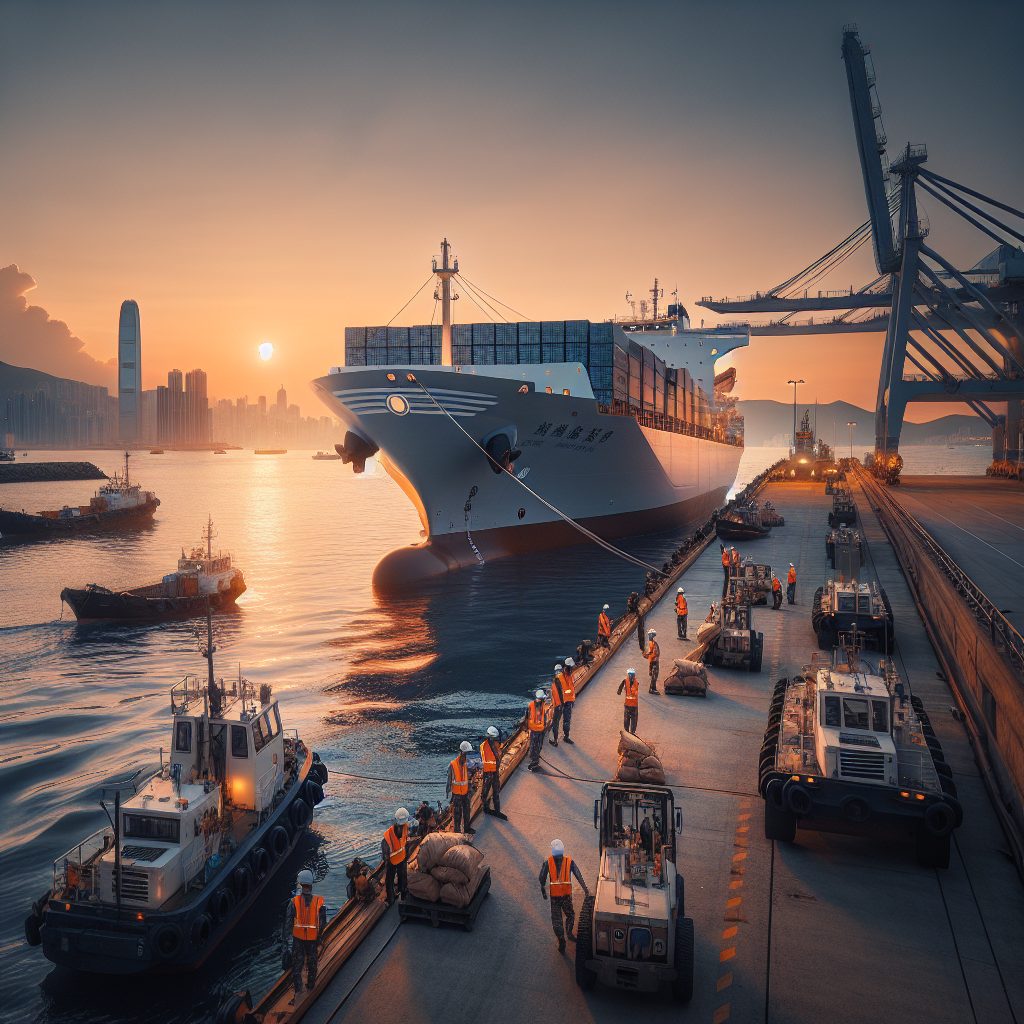
The First Delivery of B30-MGO in Hong Kong by Chimbusco Pan Nation On July 11, 2025, Chimbusco Pan Nation (CPN), a leading player in the maritime fuel supply sector in Hong Kong, successfully completed the first delivery of B30-Marine Gasoil (B30-MGO) in the region. This milestone marks a significant advancement in sustainable fuel supply for the maritime industry, with an innovative blend of 30% biodiesel and 70% marine gasoil (MGO). This effort reaffirms CPN and Orient Overseas Container Line’s (OOCL) commitment to reducing carbon emissions in their maritime operations. The adoption of cleaner and more sustainable fuels is an urgent necessity for the maritime sector, especially with increasingly stringent environmental regulations. The use of B30-MGO not only provides an environmentally friendly alternative but also enables companies like OOCL to comply with regulations without the need for major modifications to their existing vessels. CPN stands out in its ability to offer all grades of marine biofuel certified by ISCC-EU, ensuring that their fuels meet the rigorous sustainability criteria and greenhouse gas emission reduction standards of the European Union. This certification enhances CPN’s position as a key provider in the transition to cleaner energy sources in the maritime sector. CPN delivered over 78,000 metric tons of marine biofuel in the first half of 2025, representing an 80% increase from the previous year. This exponential growth demonstrates CPN’s strategic focus on decarbonization and its progress in making “the impossible possible.” CPN’s simultaneous delivery of B30-High Sulphur Marine Fuel Oil (B30-HSFO) underscores its technical competence in meeting the complex bunkering demands of today. For professional sailors and maritime investors, these developments signal growth potential in the sustainable fuel sector. CPN emerges as a reliable and pioneering partner, essential for any company or professional looking to engage in greener and more sustainable initiatives within the maritime sector. Opportunities in Employment and Investment The increased supply and adoption of sustainable fuels create significant job opportunities in the sector. Companies like CPN and others following their lead will need skilled professionals to manage, operate, and optimize the use of these new fuels. It is a great opportunity for industry professionals to submit their resumes and join this green revolution. Additionally, for maritime investors, the transition to biofuels offers attractive opportunities. Companies leading in innovation and sustainability will be well positioned to benefit from the growing demand for clean energy solutions as regulations tighten. Investing in these companies could prove lucrative in the long run. The collaboration between CPN and OOCL is an inspiring example of how the maritime industry is moving towards a cleaner and more efficient future. Other stakeholders in the sector should take note and consider adopting similar approaches. Sustainability is not just a passing trend but a necessity and an opportunity for all involved in the maritime supply chain. Future Prospects for Sustainable Maritime Transport The delivery of B30-MGO in Hong Kong heralds a series of changes that could transform the global maritime transport landscape. As more innovations in biofuels develop, we are likely to see increased competition and lower costs, facilitating wider adoption. By integrating cleaner fuels, companies not only contribute to the environment but also meet the expectations of consumers and regulators demanding greener operations. Companies like OOCL, already committed to energy efficiency and emissions reduction initiatives, benefit significantly from adopting these new fuels. Maritime industry professionals must stay informed about these trends and adapt to changes. Those who do will be better equipped to navigate in an ever-evolving regulatory and competitive environment. Conclusion: Impact and the Road Ahead The pioneering delivery of B30-MGO by Chimbusco Pan Nation in Hong Kong is a clear example of how the maritime sector is responding to environmental challenges. This action not only supports global sustainability goals but also offers a template for other companies in the industry. For sailors and nautical enthusiasts, these innovations represent a new chapter in efficiency and responsible operations. Continuing to explore these opportunities and staying updated on technological advancements in the sector is essential to maximize the opportunities these developments bring. In summary, the supply of B30-MGO is not just a technical achievement but a significant step towards greener and more sustainable maritime transport. It is an invitation for all sector stakeholders to actively participate and contribute to creating a cleaner, more efficient, and profitable maritime future.
The Future of Marine Fuel Supply: ISO-Certified Mass Flow Meter in the Gulf of the USA
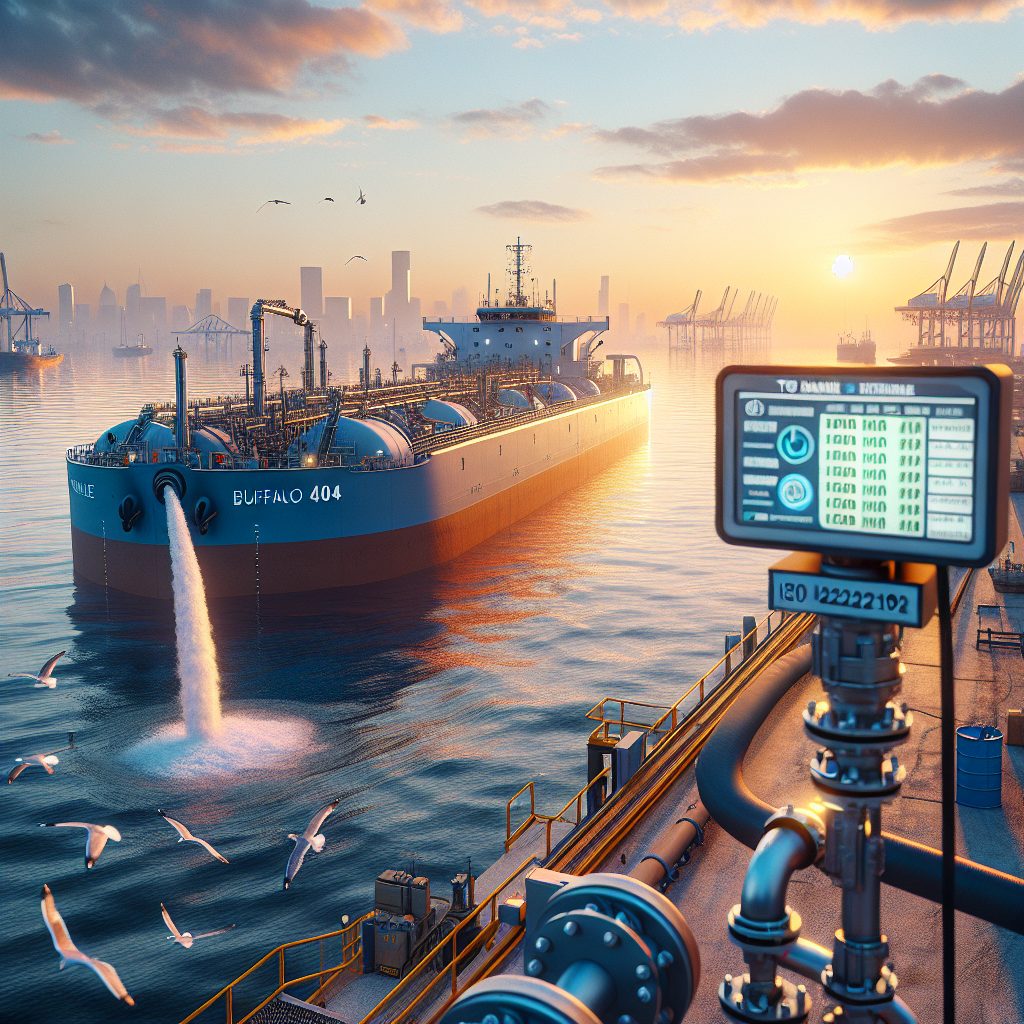
The Future of Marine Fuel Supply: ISO-Certified Mass Flow Meter in the Gulf of the USA The maritime industry is constantly evolving, with a focus on precision and transparency essential for operational success. A recent development by TFG Marine, a global marine fuel provider, to install an ISO 22192-certified mass flow meter (MFM) on the barge Buffalo 404 in the Gulf of the USA marks a significant milestone in the quest for greater transparency and efficiency in marine fuel deliveries. This technology, setting a new standard in the region, promises to transform the way operators conduct their daily activities. The MFM, compliant with international standards ISO 22192, represents a significant advancement compared to traditional volumetric methods, which are often prone to errors due to temperature, pressure, and human measurement inaccuracies. This mass flow meter ensures consistent and accurate measurements, thereby reducing disputes between suppliers and vessel owners over delivered quantities. Implementing this technology improves efficiency and reduces costs associated with disputes and miscalculations. Greater confidence in fuel transactions leads to operational efficiency. Strategic Expansion in the Gulf of the USA The installation of this innovative system is closely linked to TFG Marine’s strategic expansion in the Gulf Coast of the USA. In May 2025, the company announced its entry into the region, taking the lead in fuel deliveries at the Enterprise Houston Terminal. This geographically advantageous position enhances TFG Marine’s ability to supply critical fuels such as VLSFO, MGO, and HSFO in one of the world’s most important energy arteries. Strategic access to terminals and advanced measurement technology improve operational efficiency and minimize fuel delivery risks. Investors and industry professionals have a unique opportunity to engage in a technologically transforming industry. Global Commitment to MFM Adoption The installation in the Gulf of the USA is part of TFG Marine’s bold strategy to equip nearly 90% of its global bunkering fleet with MFMs by 2026. The company has already achieved over 60% coverage, showcasing its leadership in modern fuel logistics. Kenneth Dam, TFG Marine’s global head of bunkering, emphasizes the importance of ongoing investment in mass flow meter technology. Dam highlights that accuracy in delivered quantities and the elimination of manual discrepancies create a more transparent, reliable, and efficient bunkering process for vessel owners and operators worldwide. TFG Marine’s commitment to MFM adoption demonstrates a dedication to transforming global marine fuel supply chains. Leading the way in digitalization and MFM adoption, TFG Marine sets a standard for the industry. Enhancing Transparency and Efficiency in Supply Chains The widespread adoption of MFMs is increasingly essential for improving data integrity, reducing operational risks, and strengthening trust in marine fuel transactions. Countries like Singapore have seen a significant reduction in disputes and an enhancement in delivery speed and transparency due to mandatory MFM implementation. TFG Marine’s decision to bring this technology to the Gulf of the USA is expected to drive similar improvements and reinforce its role as a pioneer in fuel supply digitalization. Working closely with providers, partners, and regulators worldwide, TFG Marine continues to accelerate the adoption of ISO 22192-compliant systems, aligning with global efforts to digitize marine logistics and enhance traceability throughout the shipping fuel value chain. This approach presents significant employment opportunities for maritime professionals as companies seek skilled talent to implement and manage these advanced technologies. About TFG Marine TFG Marine is a global marine fuel supply and procurement company, formed in 2020 as a joint venture between Trafigura Group Pte, Frontline Ltd, and Golden Ocean Group Ltd. The company supplies over 10 million metric tons of marine fuels annually at more than 30 key bunkering hubs worldwide. For more information on mass flow meters and deliveries in the Gulf of the USA, contact Aaron Garza, TFG Marine – Gulf of the USA Region.
Revolution in Maritime Environmental Compliance: The Strategic Partnership between BetterSea and Veracity by DNV
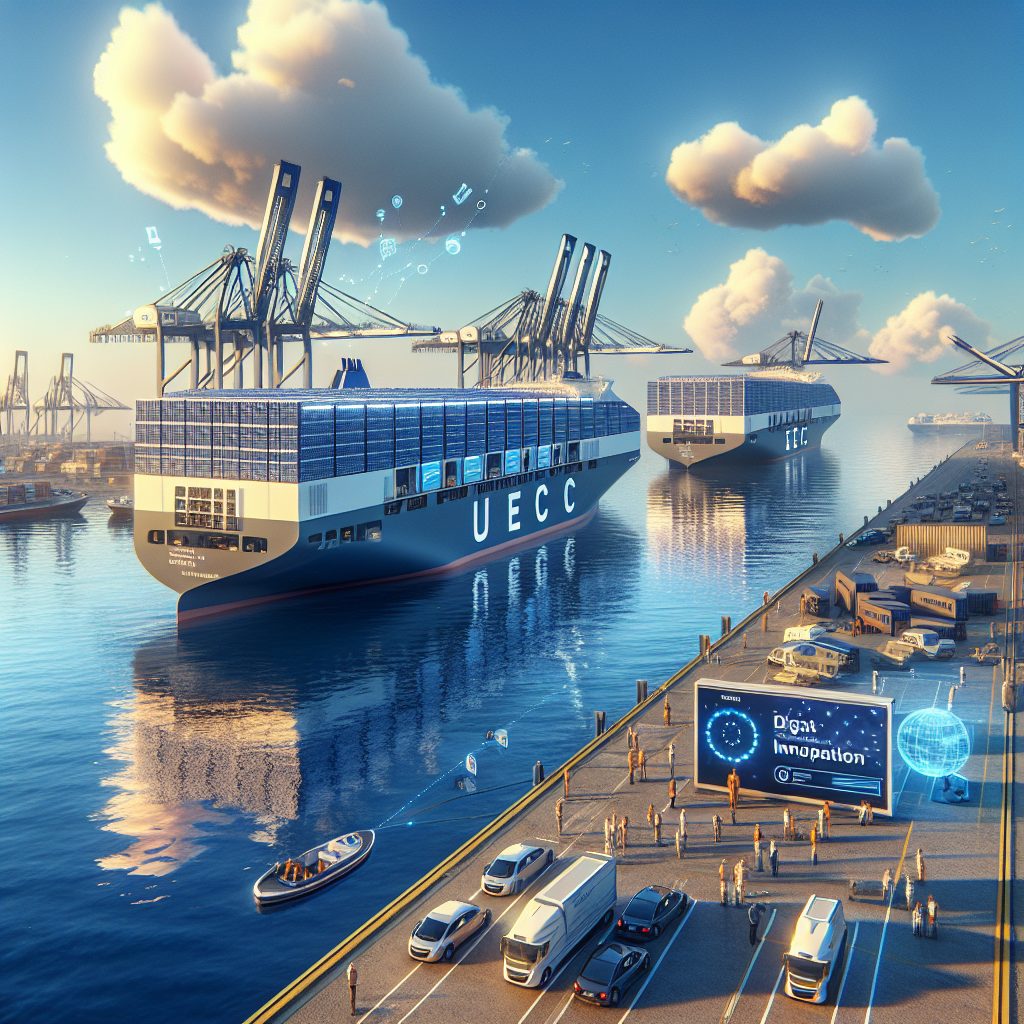
Revolution in Maritime Environmental Compliance: The Strategic Partnership between BetterSea and Veracity by DNV In a world where sustainability is key, the maritime sector is not lagging behind. BetterSea, in collaboration with Veracity by DNV, has taken a significant step in compliance with the FuelEU Maritime regulations. This strategic alliance with United European Car Carriers (UECC) enables secure and real-time digital integration of emission data, allowing vessels to comply with the greenhouse gas intensity limits set by the EU. The new solution eliminates the manual validation of data, a task that was time-consuming and resource-intensive in FuelEU compliance. Now, BetterSea platform users have access to pre-verified emission data based on each voyage, improving confidence in the reported information and speeding up verification and compliance processes. Daniel Gent, Energy & Sustainability Manager at UECC, emphasizes the importance of this innovation: “Our agreement with Veracity by DNV and BetterSea ensures that our compliance actions are based on independently validated data. This provides the digital security and simplicity needed to minimize risks and maximize the value of our investments in alternative fuels.” The European Decarbonization Framework and Commercial Opportunities The FuelEU Maritime regulation imposes annual greenhouse gas limits for ships in European waters. This poses both compliance risks and opportunities for trading surplus credits. The BetterSea platform helps shipowners manage both aspects through its trading and pooling system. Thanks to integration with DNV’s Emissions Connect verification system and real-time data exchange from Veracity, total transparency and confidence are ensured throughout the compliance cycle. Translate emission data into a strategic asset allows operators to make informed decisions and strengthen their market position. Operators can now monitor and evaluate eligible compliance pools throughout the year, reducing bottlenecks in annual verification. This proactive approach ensures that business and compliance decisions are more agile and effective. Key Benefits of the New Integration The agreement between BetterSea and Veracity offers multiple benefits. Firstly, the integrated data verification ensures that information on emissions and fuel consumption is independently validated according to FuelEU regulatory standards. This creates a trust environment among stakeholders. The instant availability of pre-verified data minimizes onboarding time and reduces operational burden, allowing operators to focus on strategic activities rather than administrative tasks. Integrated data verification ensures compliance with FuelEU regulatory standards. Reduces operational burden and allows for a focus on strategic activities. Furthermore, the automated monitoring of compliance pools through Emissions Connect allows for continuous assessment and ensures timely reporting to the Thetis verification system. Mikkel Skou, CEO of Veracity by DNV, emphasizes: “Veracity’s mission is to build trust in data and securely connect it within the maritime ecosystem. This integration allows shipowners to act on real-time validated FuelEU data, linking regulatory compliance with commercial decision-making.” Driving Maritime Decarbonization through Digitalization With over 5,000 vessels using the BetterSea platform, integration with Veracity by DNV represents a significant step towards automated and transparent FuelEU compliance. This system is designed to scale decarbonized data-based operations, ensuring credibility and efficiency. Maximilian Schroer, co-CEO of BetterSea, highlights: “Together with Veracity, we are incorporating trust and automation at every layer of FuelEU compliance. This is how the industry scales data-based decarbonized operations, with built-in credibility from the design.” This approach not only improves operational efficiency but also positions companies to lead in a market that increasingly values sustainable practices. Digitalization and decarbonization become essential pillars for the future of maritime transport. Job Opportunities in the New Maritime Era The implementation of these technological innovations not only benefits the sector in terms of compliance and efficiency but also opens doors to new job opportunities. Companies like UECC, pioneers in adopting these technologies, are continually looking for talent to contribute to their sustainability and efficiency mission. For professionals in the maritime sector, this is an opportunity to join an industry in transition, where innovation and sustainability are priorities. Submitting a resume to leading sustainability companies like UECC and BetterSea can be a significant step for those looking to be part of the sector’s evolution. Moreover, for maritime investors, understanding and participating in the transition to more sustainable operations can offer attractive investment opportunities in a market that increasingly values sustainability and technological innovation. About United European Car Carriers (UECC) UECC is one of the leading short-sea shipping companies in Europe, resulting from a joint venture between NYK Line and Wallenius Line. Its operations with modern Ro-Ro vessels focus on sustainable shipping practices, being a reference in the sector thanks to its commitment to efficiency and emissions reduction. About Veracity by DNV Veracity by DNV is a cloud platform that provides trust and connectivity for industrial digitization and decarbonization. By connecting key players in the maritime and energy sectors, Veracity promotes innovation and digital transformation through shared data. About BetterSea BetterSea is a maritime software company that transforms FuelEU compliance. Its platform offers a comprehensive solution that includes an integrated pooling market and a complete legal and financial framework, powered by partnerships with industry verifiers.