The LNG London: A Milestone in Maritime Energy Revolution
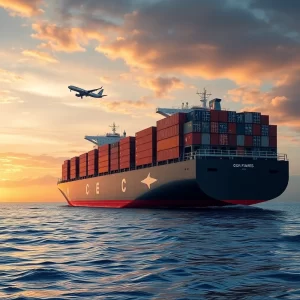
The maritime industry in Europe is witnessing a significant event that marks a turning point: the LNG London, an innovative liquefied natural gas (LNG) bunkering vessel owned by Victrol, has reached the impressive milestone of 1,000 safe bunkering operations. This achievement not only showcases the operational capacity and environmental commitment of this vessel but also sets a benchmark in the search for cleaner fuels for maritime transport. Chartered by Shell Marine and operated by Victrol, the LNG London is more than just a vessel; it is a model of efficiency and sustainability. Since its launch in June 2019, with a capacity of 3,000 m³ and 110 meters in length, it has demonstrated that alternative fuels are not only viable but necessary for the energy transition of the maritime industry.
- The LNG London has significantly contributed to reducing greenhouse gas emissions, a critical goal in combating climate change.
- There is a growing demand for LNG as an efficient maritime fuel, creating new job opportunities for operators, technicians, and logistics specialists.
Innovation and Safety: Pillars of the Maritime Future
The success of the LNG London is a result of strict adherence to the highest safety standards. Handling LNG, which must be stored at -160°C, leaves no room for error. The crew on board the LNG London has demonstrated outstanding competence in each of the thousand operations carried out, ensuring the reliability of the vessel and safety in every bunkering operation. This level of safety not only protects crews and vessels but also ensures compliance with the most stringent international regulations.
- The LNG London’s robust and functional design allows it to navigate inland waterways easily, facilitating efficient LNG supply to both maritime and river vessels.
The Impact of a Thousand Bunkering Operations: Towards Decarbonization
The transition to low-carbon fuels is urgent, and the safe operations of the LNG London represent a significant step towards decarbonizing maritime transport. The use of LNG significantly reduces carbon dioxide emissions and other pollutants, contributing to the protection of the marine environment. Shell Marine, through the LNG London, distributes bio-LNG in the ARA Region (Amsterdam, Rotterdam, and Antwerp), enabling vessels in this critical area to meet the most advanced environmental standards.
- The success of the LNG London has paved the way for the expansion of LNG bunkering infrastructure in Europe, supported by vessels like the Energy Stockholm operating in key ports.
Expanding the LNG Bunkering Network
The growth of the LNG bunkering network in Europe, led by companies like Shell Marine and Victrol, reinforces Europe’s position as a global leader in supplying alternative fuels to the maritime industry. This expansion not only benefits the environment but also offers significant business opportunities for investors and industry professionals.
- Investing in sustainability in the maritime sector is increasingly attractive, with companies like Victrol leading the way in innovative and sustainable solutions.
Victrol: A Legacy of Innovation and Sustainability
With over 50 years of experience in logistics and maritime transport solutions, Victrol is at the forefront of transitioning towards a cleaner and more sustainable economy. Their diverse fleet and innovative operations showcase their adaptability to market demands and their commitment to sustainability.
- Victrol’s vision of a cleaner and more efficient maritime industry aligns with global sustainability trends, making them an inspiring example for other companies in the sector.