



Rocket Lab and Bollinger Shipyards: A Strategic Alliance for the New Era of Maritime and Space Transportation

Rocket Lab and Bollinger Shipyards: A Strategic Alliance for the New Era of Maritime and Space Transportation Innovation at the Intersection of the Maritime and Space Sectors In a move that promises to revolutionize both the maritime and aerospace industries, Rocket Lab Corporation has announced a strategic agreement with Bollinger Shipyards for the construction and adaptation of a maritime landing platform for their reusable rocket, the Neutron. This collaboration stands out for its focus on integrating advanced technologies in the realm of interstellar and maritime transport, bringing together two leaders in their respective fields to carry out an unprecedented project. Rocket Lab, globally recognized for its space launch services, has chosen to partner with Bollinger Shipyards, the largest privately owned shipbuilder and repairer in the United States. The selection of Bollinger for this task is no coincidence; the company’s experience in shipbuilding and its ability to manage large-scale projects make them an ideal partner for this ambitious project. The maritime landing platform, spanning 400 feet (approximately 122 meters), will be essential for the sustainable and innovative development of the Neutron, Rocket Lab’s new reusable rocket. Initiatives of this kind not only promote sustainability by enabling rocket reusability but also open up new job and investment opportunities in both the maritime and aerospace sectors. Construction of the Landing Platform: A Technological Challenge The development of this maritime platform involves significant technical and logistical challenges that require careful planning and execution. The modification and adaptation of Rocket Lab’s technology to the 400-foot platform represents an engineering feat that will integrate advanced systems to support rocket landings, ensuring safety and efficiency on every mission. One of the most critical components of this project is the platform’s resistance and stability in adverse maritime conditions. With decades of experience in building ships designed to face extreme conditions, Bollinger Shipyards will contribute their expert knowledge to ensure that the platform meets all necessary safety and performance standards. Furthermore, this collaboration provides a clear example of how the intersection of industries can foster innovation and open up new possibilities for technological development. The combination of expertise in shipbuilding and space technology is a testament to how two seemingly different sectors can come together to achieve common goals, benefiting not only the companies involved but the entire maritime and aerospace supply chain. Economic and Professional Impact of the Initiative This strategic alliance not only represents a technological advancement but also a significant economic impact. The construction of the maritime landing platform will create numerous jobs in the maritime and aerospace sectors. From engineers to specialized technicians, the project will require a wide range of skills and knowledge, offering valuable job opportunities for professionals seeking new challenges. Moreover, the success of this initiative could set a precedent for future collaborations between maritime and aerospace companies, further driving economic growth in both sectors. Maritime investors and nautical enthusiasts will find in this project a rising area of interest, with opportunities to invest in innovative and sustainable technologies. Finally, projects of this kind also serve as a catalyst for education and training for future generations of professionals, highlighting the importance of respecting international standards and fostering an environment of continuous professional development. Why This News is Relevant Firstly, this collaboration demonstrates how technological innovation in the maritime industry can lead to new developments in the aerospace sector, paving the way for significant changes in the way we understand interplanetary and maritime transport. Secondly, the project provides an excellent investment opportunity for those interested in disruptive and sustainable technologies, which are destined to play a crucial role in the coming decades. Lastly, the creation of jobs in technical and specialized areas underscores the importance of such initiatives for economic growth and professional development of workers in both sectors. In summary, the collaboration between Rocket Lab and Bollinger Shipyards marks a milestone in the intersection of maritime and space transportation, promoting technological advancement and generating new economic opportunities. This is just the beginning of a promising era where the seas and space converge in a future full of possibilities.
Innovation in Cold Chain: Boosting Maritime Pharmaceutical Logistics

Innovation in Cold Chain: Boosting Maritime Pharmaceutical Logistics The cold chain is a critical process in maritime logistics and represents a constant challenge for the industry. Maintaining the proper temperature of certain products during transport is essential to ensure their quality and effectiveness. This challenge takes on an additional dimension when it comes to medications, especially those that require specific conditions, such as GLP-1 drugs used in complex medical treatments. Maritime professionals and logistics operators must be aware of innovations that help optimize these processes. It is not only about operational efficiency but also about ensuring that products reach their destination in optimal conditions. The recent introduction of the Nordic Express Pack, a packaging solution specifically designed for GLP-1 medications, represents a significant advance in this field. For sailors and maritime entrepreneurs, these innovations are not only relevant from a technological perspective but also in terms of job and business opportunities. Understanding and adopting new technologies can make a difference in an ever-evolving sector. Nordic Express Pack: Advances in Drug Transport Nordic Cold Chain Solutions has developed the Nordic Express Pack, the first packaging solution specifically designed and tested for shipping GLP-1 medications. These medications, essential for treating diseases such as type 2 diabetes, must be kept at controlled temperatures to maintain their therapeutic effectiveness and comply with regulatory requirements. The novelty of this packaging lies in its adaptability and ability to maintain the necessary thermal conditions throughout the shipping process. Designed with the demands of maritime transport in mind, it allows companies to ensure the integrity of products from origin to final destination. This advancement presents a unique opportunity for maritime logistics professionals interested in specializing in the cold chain. The demand for safe and efficient solutions is increasing, and gaining experience in these technologies can open new doors in the job market. Technological and Economic Impact on the Maritime Sector The implementation of the Nordic Express Pack represents not only a technological leap but also a significant economic impact. In a sector where time and quality are crucial, having a solution that guarantees the integrity of transported products translates into an undeniable competitive advantage. The ability to safely transport medications over long distances can encourage new maritime routes, thus optimizing logistics operations. This benefits not only pharmaceutical companies but also investors and maritime sector professionals looking to diversify their operations. Furthermore, innovation in the cold chain fosters confidence in the maritime sector by demonstrating its ability to adapt to current demands. This scenario not only strengthens existing business relationships but also creates a favorable environment for establishing new business partnerships. Opportunities and Challenges for Sector Professionals For maritime professionals and nautical enthusiasts, advancements in solutions such as the Nordic Express Pack offer three clear reasons for their relevance. Firstly, it represents an opportunity to enhance skills and competencies in cold chain management, an area where the demand for experts is on the rise. Secondly, knowledge and specialization in these technologies can increase employability and open doors to new job opportunities in the maritime and logistics sector. Companies are constantly seeking qualified individuals who can add value to their operations. Finally, for investors in the maritime sector, supporting and implementing these innovations can lead to significant economic returns. By leading the adoption of advanced technology, companies can position themselves as leaders in a highly competitive market. Conclusion: Towards a Safer and More Efficient Maritime Future The introduction of the Nordic Express Pack is a milestone in the evolution of maritime logistics, especially concerning the transport of sensitive products. As the maritime industry continues to evolve, the adoption of advanced technologies like this will be crucial for its growth and sustainability. This advancement not only reinforces the sector’s ability to meet contemporary demands but also underscores the importance of continuing to innovate to meet future needs. Professionals in the sector must stay attuned to these trends, embracing changes that can bring efficiency and safety to their operations. At the same time, it is a reminder that focusing on quality and innovation is key to success in the competitive maritime environment. We invite those interested to explore more about these technologies and consider how their adoption can benefit their daily operations.
The Revolution of Maritime Logistics: DEFCON AI Transforms Distribution Planning with Cutting-Edge Technology
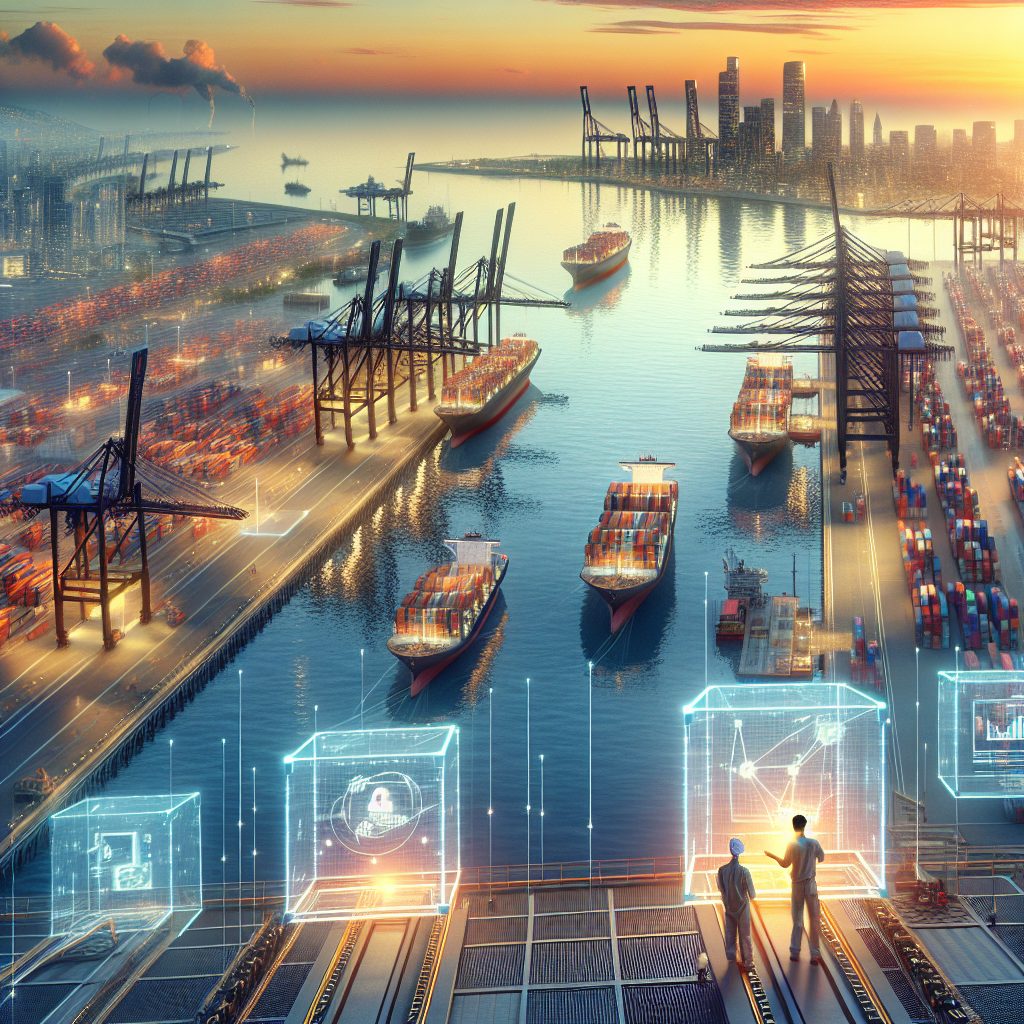
The Revolution of Maritime Logistics: DEFCON AI Transforms Distribution Planning with Cutting-Edge Technology In the dynamic and competitive world of maritime logistics, the ability to optimize complex operations is essential for success. In this context, the company DEFCON AI has taken a significant step by achieving a key milestone in research and development: the implementation of an advanced theatrical distribution planning tool for logistics in contested environments. This innovation has been achieved using data from the Talisman Sabre 2025 joint military exercise (TS 25), a strategic event between the United States and Australia aimed at enhancing interoperability in multi-domain operations. A Technological Leap in Logistics Planning The planning tool developed by DEFCON AI is not just a technological advancement; it represents a new era for maritime logistics. In a sector where effective coordination and rapid response to contingencies are crucial, this platform provides maritime operators with a significant competitive advantage. The ability to anticipate and manage contingencies in real-time allows industry professionals to optimize routes and resources, thus improving operational efficiency. This development is particularly relevant for those working in dynamic and often unpredictable environments. The tool allows for the simulation of complex scenarios, enabling operators to plan more informed and strategic actions. Additionally, by integrating various data sources into a single system, users can gain a comprehensive view of the situation, facilitating critical decision-making. The practical application of this technology is not limited to the military domain but also holds great potential in the commercial sector. From maritime route planning to resource management in ports, DEFCON AI’s tool could be key to reducing costs and enhancing efficiency in global supply chain operations. Job and Collaboration Opportunities The implementation of this tool also opens up new job and collaboration opportunities for industry professionals. Companies looking to optimize their logistics operations can greatly benefit from the expertise and skills of personnel trained in using this technology. This includes logistics engineers, data analysts, and maritime operations professionals. In an increasingly digital world, having knowledge of advanced analysis tools and strategic planning is a valuable asset. Professionals with these capabilities will not only be essential for improving logistical efficiency but will also play a crucial role in transitioning towards a more resilient and sustainable maritime sector. For companies interested in adopting this technology, it is advisable to consider the possibility of collaborating with DEFCON AI. The company not only offers the tool but also provides consulting services to tailor the platform to the specific needs of each client. This personalized approach ensures that companies can maximize the benefits of the technology and enhance their competitiveness. Innovation Serving the Maritime Future The importance of applying advanced technology in the maritime sector cannot be underestimated. As the world faces challenges such as climate change and increasing global trade demands, efficiency and sustainability become more critical than ever. Tools like the one developed by DEFCON AI are a step in the right direction, enabling maritime companies to adapt to changing conditions and operate more effectively. Moreover, the use of advanced technology in logistic planning can help reduce the environmental impact of maritime operations. By optimizing routes and reducing unnecessary resource usage, companies can decrease their carbon footprint, contributing to a greener future for maritime transportation. Finally, the potential impact of this technology goes beyond operational efficiency. By enhancing responsiveness and resilience in the maritime sector, global security and stability are strengthened. In an interconnected world where supply chains are the backbone of the economy, having robust and efficient logistics systems is fundamental for global economic well-being. Relevance for Industry Professionals For professionals in merchant marine, sailors, and maritime investors, this tool represents a significant advancement. Firstly, the ability to optimize routes and operations can directly translate into cost savings and margin improvements. Additionally, in a sector where every second counts, the ability to react to unexpected changes is invaluable. Furthermore, the innovation offers professionals the opportunity to develop new skills and enhance their existing capabilities. With constant technological changes, staying informed about the latest tools and techniques is crucial to remain competitive in the job market. Ultimately, for nautical enthusiasts, this tool provides a fascinating insight into how advanced technologies are transforming the industry. It is an opportunity to learn and explore new real-world applications, connecting the passion for sailing with technological advancement. In conclusion, the implementation of DEFCON AI’s distribution planning tool is a clear example of how technological innovation is redefining the maritime sector. This evolution not only benefits industry companies and professionals but also propels towards a more efficient and sustainable future for the entire industry. Those interested in delving deeper into this topic and exploring opportunities should seriously consider the potential for collaboration with technology leaders like DEFCON AI.
The Viking Brahmaputra: Revolutionizing River Cruising in India

The Viking Brahmaputra: Revolutionizing River Cruising in India In a significant milestone for the river cruising industry, the globally renowned company Viking®, known for its exceptional travel experiences, has announced the introduction of its first riverboat in India, the Viking Brahmaputra. This innovative vessel, specifically designed to navigate the waters of the Brahmaputra River, promises to set a new standard in river travel in this Asian country. The Viking Brahmaputra will be a ship that can accommodate 80 guests, positioning it as an exclusive option geared towards a more personalized service. Construction is underway, and it is expected to make its debut by the end of 2027. This new ship is a testament to Viking’s commitment to innovation and expanding its routes globally. The route of the Viking Brahmaputra, which will sail between Guwahati and Nimati Ghat in the state of Assam, is part of a 15-day itinerary called “Wonders of the Brahmaputra.” This route has been carefully selected to offer travelers a unique insight into the rich biodiversity, culture, and lush landscapes of the Northeast region of India. Economic Impact and Job Opportunities in the Maritime Sector The launch of the Viking Brahmaputra not only represents an innovation in river tourism but also opens up new economic and job opportunities in the region. The construction and operation of this riverboat will create direct and indirect jobs, benefiting local communities that rely on tourism and river trade. The maritime sector in India is continuously growing, and Viking’s initiative highlights the importance of investing in tourist infrastructure in less explored regions like Assam. Moreover, the increase in international tourists is expected to boost the development of complementary services, from transportation to local gastronomy. For maritime professionals and students looking to venture into this area, working with a recognized company like Viking can be a formidable platform for professional development. Viking is inviting interested individuals to submit their resumes for future job opportunities on this novel river route. Cutting-Edge Design and Technology: Setting a New Standard for River Cruises The design of the Viking Brahmaputra incorporates the latest in maritime technology, ensuring not only the safety of its passengers but also a reduced environmental impact. To maintain the biodiversity and ecological balance of the Brahmaputra River, the ship will be equipped with clean propulsion systems and advanced waste treatment technology. The onboard experience promises to be equally extraordinary, with cabins designed to offer maximum comfort and panoramic views of the river landscape. Passengers can enjoy modern facilities including a spa, a library, and several restaurants offering both international cuisine and local delicacies from Assam. This kind of innovation not only attracts tourists but also represents a significant effort by maritime companies to adapt to the demands of the modern consumer, who seeks sustainable and responsible travel experiences. Relevance and Opportunities for Maritime Investors From the perspective of maritime investors, the Viking Brahmaputra is a manifestation of the untapped potential in the river cruise market in Asia. With steady growth in tourism in India and a growing interest in more intimate and cultural travel experiences, Viking’s entry into the Brahmaputra River could mean a significant return on investment. The river cruising market remains relatively new in many parts of Asia, presenting a golden opportunity for investors looking to diversify their portfolios and capitalize on emerging destinations. In addition, Viking’s reputation as an industry leader adds a layer of security for investors. In the long term, this project could incentivize more shipping companies to explore similar routes, further expanding investment opportunities and economic development in the region. Attentive investors may consider this inaugural ship as the start of a broader trend in expanding into the Asian market. Conclusion: A Step Forward towards the Future of River Cruising The Viking Brahmaputra symbolizes a new era in river cruises, combining luxury, sustainability, and adventure. For maritime professionals, it represents not only a job opportunity but also an indication of the direction the industry is taking: towards less conventional routes and more focused on the traveler’s experience. For nautical enthusiasts and investors, this new route is a reminder of how innovation can open doors to new markets and experiences. The combination of innovative design, environmentally friendly propulsion, and a focus on unique cultural experiences make the Viking Brahmaputra an attractive proposition for any sea lover. Ultimately, the debut of this ship in 2027 will not only mark a milestone for Viking but could also be the beginning of a trend that transforms the way we experience the world’s rivers.
Breaking Ground in LNG Supply: Axpo’s First STS Operation in Sines Marks a Milestone for the Iberian Maritime Sector
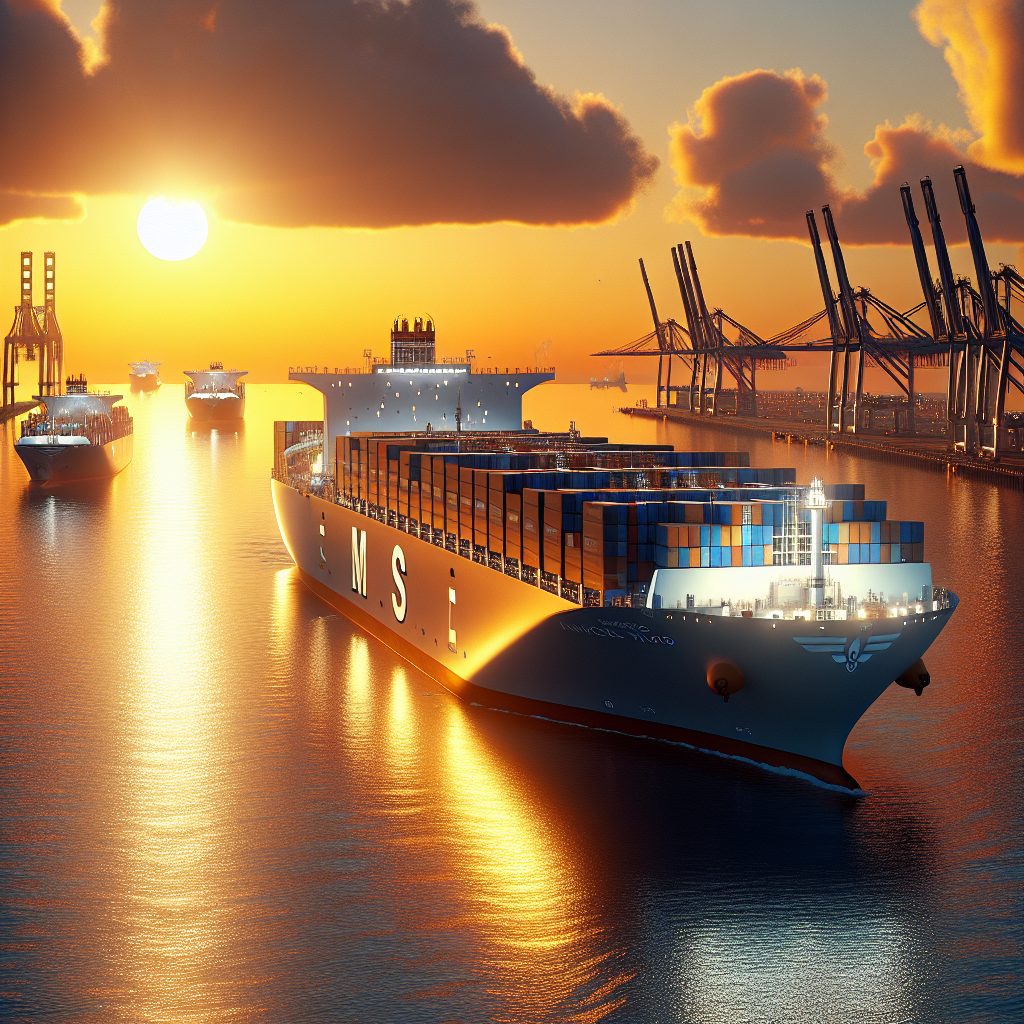
Breaking Ground in LNG Supply: Axpo’s First STS Operation in Sines Marks a Milestone for the Iberian Maritime Sector The port of Sines in Portugal has witnessed a groundbreaking event for the maritime industry: the first ship-to-ship (STS) liquefied natural gas (LNG) supply operation carried out in a Portuguese port. This milestone, achieved by Axpo Solutions, signifies not only a technological advancement but also a significant step towards sustainability and efficiency in maritime transport. In a sector constantly striving to innovate to reduce its environmental footprint, the adoption of LNG as a fuel represents a strategic shift with profound operational and commercial implications. On the 4th of July, the container ship MSC Togo received approximately 2,700 tonnes of LNG from the Avenir Aspiration, a vessel chartered by Axpo to the shipping company Avenir LNG. This operation stands out not only for its novelty in the country but also for being carried out simultaneously with regular loading and unloading operations, a technique known as SimOps. This integrated approach not only optimizes time but also enhances operational efficiency, a crucial factor in the competitive maritime transport industry. LNG significantly reduces CO2 emissions, nitrogen oxide (NOx) emissions, and practically eliminates sulfur and particulate matter emissions. Axpo is expanding its STS supply operations in the Iberian Peninsula, starting with a successful operation in the port of Malaga on March 14th. Two new-build vessels with capacities of 7,500 m3 and 12,500 m3 will enhance Axpo’s capabilities for STS operations and gas tank preparation services. Axpo’s strategic choice of ports in Spain for expansion, including Algeciras, Valencia, and Barcelona, positions the company as a key player in LNG supply in southern Europe. This expansion anticipates a growing demand in the region driven by stricter environmental regulations and increasing interest in cleaner and more efficient solutions. The initiative not only creates new job opportunities for professionals in the sector but also paves the way for a more sustainable future in maritime energy transition. Impact on the Maritime Sector and Opportunities for the Future The implementation of STS operations in the Iberian Peninsula represents a technological advancement that offers several benefits for the maritime sector. Firstly, it establishes the region as a strategic point for maritime trade by providing advanced energy solutions that comply with strict environmental regulations. Secondly, the option to conduct SimOps during STS supply optimizes port stay time, a crucial factor in port logistics. These reduced operation times not only decrease operational costs for shipping companies but also enable a higher turnover of vessels, enhancing ports’ capacity to handle maritime traffic. The adoption of LNG as marine fuel directly addresses the sector’s increasing need to comply with international emission reduction regulations. The International Maritime Organization (IMO) has set clear goals to reduce greenhouse gas emissions from ships by 50% by 2050 compared to 2008 levels. The transition to cleaner fuels such as LNG is essential to achieve these goals, and Axpo’s operations serve as a tangible example of how the industry can adapt to meet these demands. Looking Towards a Sustainable Horizon The LNG supply in STS operations carried out by Axpo in the port of Sines is not just a footnote in maritime transportation history but a milestone that underscores the importance of innovation and sustainability. The ability to integrate efficient and environmentally friendly techniques into daily operations reflects a commitment to the industry’s future and highlights the significance of the Iberian region on the global maritime map. Professionals in the sector, nautical enthusiasts, and investors have the opportunity to be part of this transformation, from developing new technologies to implementing enhanced operational practices. The impact is broad and profound, offering a pathway towards a more sustainable future in maritime energy.
Attacks with Drones and RPGs: The Impact on Maritime Security in the Red Sea

Attacks with Drones and RPGs: The Impact on Maritime Security in the Red Sea The recent attacks on the bulk carriers Magic Seas and Eternity C in the Red Sea have raised significant concerns in the international maritime community. These events, carried out by Houthi militias, have highlighted the vulnerability of commercial routes in an already tense region. The Magic Seas, attacked on July 6 while carrying iron ore and fertilizers from China to Turkey, was the target of an assault with speedboats, drones, and RPG anti-tank weapons, forcing its crew to evacuate after fires and severe structural damage. The aggression against the Magic Seas was not an isolated incident. One day later, the Eternity C faced a similar fate, under a “continuous” attack that lasted for over 48 hours. This bulk carrier, heavily damaged, lost its communication capability before finally sinking. The resumption of attacks after a period of relative calm due to a temporary ceasefire has been met with alarm by the international community, emphasizing the importance of strengthening security measures in the region. The attacks have resulted in the deaths of four crew members and the disappearance of another fifteen, highlighting the need for a coordinated and effective response to protect the lives of those operating in these waters. The intervention of the EUNAVFOR Aspides forces managed to rescue some individuals, but the incident leaves a tragic toll and a wake-up call to improve maritime security in the Red Sea. Technology in Conflict: Drones and Anti-Tank Weapons The use of drones and RPGs in these attacks represents a technological evolution in maritime confrontations, posing new threats that require innovative responses. Drones, which can be used for surveillance or as weapons, provide non-state groups like the Houthis with a sophisticated and relatively inexpensive attack capability. This type of technology allows for precise attacks, extends the reach of militias, and significantly complicates the defense efforts of commercial vessels. The presence of advanced armaments like RPGs on speedboats underscores the preparedness and operational capacity of the attackers. This implies that merchant ships must be equipped with better defense systems and crews must receive specialized training to face these types of situations. Companies in the sector are urged to invest in drone detection and defense technology, as well as in rapid response protocols to ensure the safety of their operations. These developments further complicate security in international navigation, compelling countries to reconsider their maritime protection strategies. International cooperation is essential to develop effective countermeasures and reduce the risks posed by these technologies. This serves as a reminder that maritime security must evolve at the pace of technological threats. Economic Implications and Job Opportunities The Red Sea is a vital artery for global trade, connecting Europe with Asia through the Suez Canal. Attacks on ships in this area not only pose a direct threat to human life but also generate significant economic disruptions. With over 100 merchant vessels attacked since November 2023, insurers have had to adjust their premiums and operators have had to consider safer but longer and costlier alternative routes. For maritime professionals, this situation presents challenges and opportunities. On one hand, it increases the demand for officers with experience in maritime security and crisis management, opening up potential job opportunities in a growing market. Security companies offer specialized training, and many ships are seeking personnel with specific skills to respond to emerging threats and attacks. We invite all interested parties to consider these opportunities and submit their resumes to companies operating in this region, as route restructuring and growing security concerns are redefining the profile of maritime employment. Security is now a critical competence, and those who prepare adequately will be in an advantageous position. Conclusions and Future Challenges The recent attacks in the Red Sea demonstrate that the maritime sector faces dynamic and constantly evolving threats. The international community must strengthen its collaboration to ensure that commercial routes remain safe and open. Maritime security is no longer limited to traditional piracy but has expanded into a field where technology plays a crucial role. For the audience of WishToSail.com, it is essential to stay informed about these developments and understand the potential impact on daily operations. The safety of merchant ships and their crews is crucial not only for the well-being of workers but also for global economic stability. By investing in training and cutting-edge technology, the sector can mitigate risk and enhance resilience against future attacks. This serves as a reminder that, while the challenges are significant, so are the opportunities for those willing to adapt and evolve in a changing maritime environment. As always, knowledge and preparedness are the best tools for successfully navigating uncertain waters.