



Breaking Ground in LNG Supply: Axpo’s First STS Operation in Sines Marks a Milestone for the Iberian Maritime Sector
The port of Sines in Portugal has witnessed a groundbreaking event for the maritime industry: the first ship-to-ship (STS) liquefied natural gas (LNG) supply operation carried out in a Portuguese port. This milestone, achieved by Axpo Solutions, signifies not only a technological advancement but also a significant step towards sustainability and efficiency in maritime transport. In a sector constantly striving to innovate to reduce its environmental footprint, the adoption of LNG as a fuel represents a strategic shift with profound operational and commercial implications.
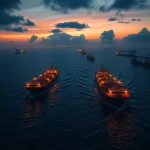
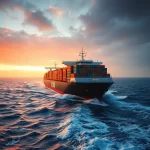
On the 4th of July, the container ship MSC Togo received approximately 2,700 tonnes of LNG from the Avenir Aspiration, a vessel chartered by Axpo to the shipping company Avenir LNG. This operation stands out not only for its novelty in the country but also for being carried out simultaneously with regular loading and unloading operations, a technique known as SimOps. This integrated approach not only optimizes time but also enhances operational efficiency, a crucial factor in the competitive maritime transport industry.
- LNG significantly reduces CO2 emissions, nitrogen oxide (NOx) emissions, and practically eliminates sulfur and particulate matter emissions.
- Axpo is expanding its STS supply operations in the Iberian Peninsula, starting with a successful operation in the port of Malaga on March 14th.
- Two new-build vessels with capacities of 7,500 m3 and 12,500 m3 will enhance Axpo’s capabilities for STS operations and gas tank preparation services.
Axpo’s strategic choice of ports in Spain for expansion, including Algeciras, Valencia, and Barcelona, positions the company as a key player in LNG supply in southern Europe. This expansion anticipates a growing demand in the region driven by stricter environmental regulations and increasing interest in cleaner and more efficient solutions. The initiative not only creates new job opportunities for professionals in the sector but also paves the way for a more sustainable future in maritime energy transition.
Impact on the Maritime Sector and Opportunities for the Future
The implementation of STS operations in the Iberian Peninsula represents a technological advancement that offers several benefits for the maritime sector. Firstly, it establishes the region as a strategic point for maritime trade by providing advanced energy solutions that comply with strict environmental regulations. Secondly, the option to conduct SimOps during STS supply optimizes port stay time, a crucial factor in port logistics. These reduced operation times not only decrease operational costs for shipping companies but also enable a higher turnover of vessels, enhancing ports’ capacity to handle maritime traffic.
The adoption of LNG as marine fuel directly addresses the sector’s increasing need to comply with international emission reduction regulations. The International Maritime Organization (IMO) has set clear goals to reduce greenhouse gas emissions from ships by 50% by 2050 compared to 2008 levels. The transition to cleaner fuels such as LNG is essential to achieve these goals, and Axpo’s operations serve as a tangible example of how the industry can adapt to meet these demands.
Looking Towards a Sustainable Horizon
The LNG supply in STS operations carried out by Axpo in the port of Sines is not just a footnote in maritime transportation history but a milestone that underscores the importance of innovation and sustainability. The ability to integrate efficient and environmentally friendly techniques into daily operations reflects a commitment to the industry’s future and highlights the significance of the Iberian region on the global maritime map. Professionals in the sector, nautical enthusiasts, and investors have the opportunity to be part of this transformation, from developing new technologies to implementing enhanced operational practices. The impact is broad and profound, offering a pathway towards a more sustainable future in maritime energy.


