


MarineMax: Tax Perspectives 2025 and Its Impact on the Global Nautical Sector

MarineMax: Tax Perspectives 2025 and Its Impact on the Global Nautical Sector Introduction to MarineMax and its Relevance in the Nautical Market MarineMax, Inc., known as the world’s largest retailer of recreational boats and yachts, is set to present its financial results for the third fiscal quarter of 2025. This event, scheduled for July 24, is not only relevant to investors but also marks a milestone for the entire global nautical industry. This sector giant is not limited to boat sales, but also operates marinas and offers services for superyachts, establishing itself as a comprehensive entity in the nautical field. The impact of MarineMax on the market is significant. With a diverse portfolio ranging from recreational boats to superyachts, the company has become a fundamental pillar in international maritime dynamics. Its activities influence market trends, making it a benchmark for maritime professionals, maritime investors, and nautical enthusiasts. The upcoming presentation of its financial results will serve as a barometer to assess the health of the nautical sector. The figures they share will not only provide insight into the company’s performance but also offer clues about emerging trends and future opportunities within the sector. Innovations and Technological Perspectives of MarineMax MarineMax has been a leader in adopting technological innovations within the nautical sector. The company has integrated advanced technologies into its services and operations, enhancing user experience and increasing operational efficiency. From state-of-the-art navigation tools to marina management platforms, MarineMax is at the forefront of digital transformation on the water. MarineMax’s technological innovations also extend to its ability to optimize the management and operation of superyachts. The company is implementing artificial intelligence-based solutions to monitor vessel performance and improve preventive maintenance. These innovations not only reduce operating costs but also extend the lifespan of vessels, a crucial aspect for superyacht owners and investors. For nautical professionals, these innovations represent job opportunities in areas such as nautical engineering and maritime technology management. Impact of Routes and New Business Initiatives In addition to its focus on advanced technologies, MarineMax has been expanding its operations through new routes and strategic commercial partnerships. These moves indicate an effort to diversify and strengthen its position in the global market. By exploring less-traveled routes and establishing collaborations with local players in emerging markets, MarineMax is opening new avenues for maritime trade and tourism. The opening of unique maritime routes presents the need for experienced captains and trained crews, which could translate into new employment opportunities within the industry. For maritime investors, MarineMax’s expansions offer an opportunity to participate in initiatives with high return potential. The diversification of routes and growth in emerging markets could result in increased value for shareholders, further consolidating MarineMax’s position as a sector leader. Relevance for the Nautical Sector and Future Opportunities The 2025 financial results presentation of MarineMax is an event of utmost importance for all segments of the WishToSail.com audience. Firstly, it provides maritime investors with crucial data that will allow them to evaluate the company’s financial performance and make informed decisions about their investments. For maritime professionals, the technological innovations and new commercial routes addressed by MarineMax represent a milestone in the sector’s evolution. The company is laying the groundwork for future developments that could transform the way vessels are managed and operated worldwide. Finally, nautical enthusiasts will find in MarineMax’s advancements a source of inspiration and an opportunity to engage more deeply in the sector. The new technologies and routes present a world of possibilities for those interested in exploring personal and professional growth in the nautical field. Conclusions and Call to Action In conclusion, the upcoming disclosure of MarineMax’s financial results represents a decisive moment for the global nautical industry. Technological innovations, emerging routes, and expansion into international markets are just some of the aspects that position MarineMax as an undisputed leader in the sector. For those interested in being part of this transformation, now is the time to consider a career with MarineMax. The company is continuously looking for talent to fill positions in its technological operations and global routes, offering a dynamic and ever-evolving work environment. We invite our readers to explore more about MarineMax and the job opportunities it offers. Whether as an investor, maritime professional, or nautical enthusiast, this is an exciting time to be part of the maritime sector and take advantage of the opportunities that MarineMax brings to the horizon. Submit your resumes and be part of this exciting maritime journey.
Exploring Innovations in Submarine Infrastructure Protection
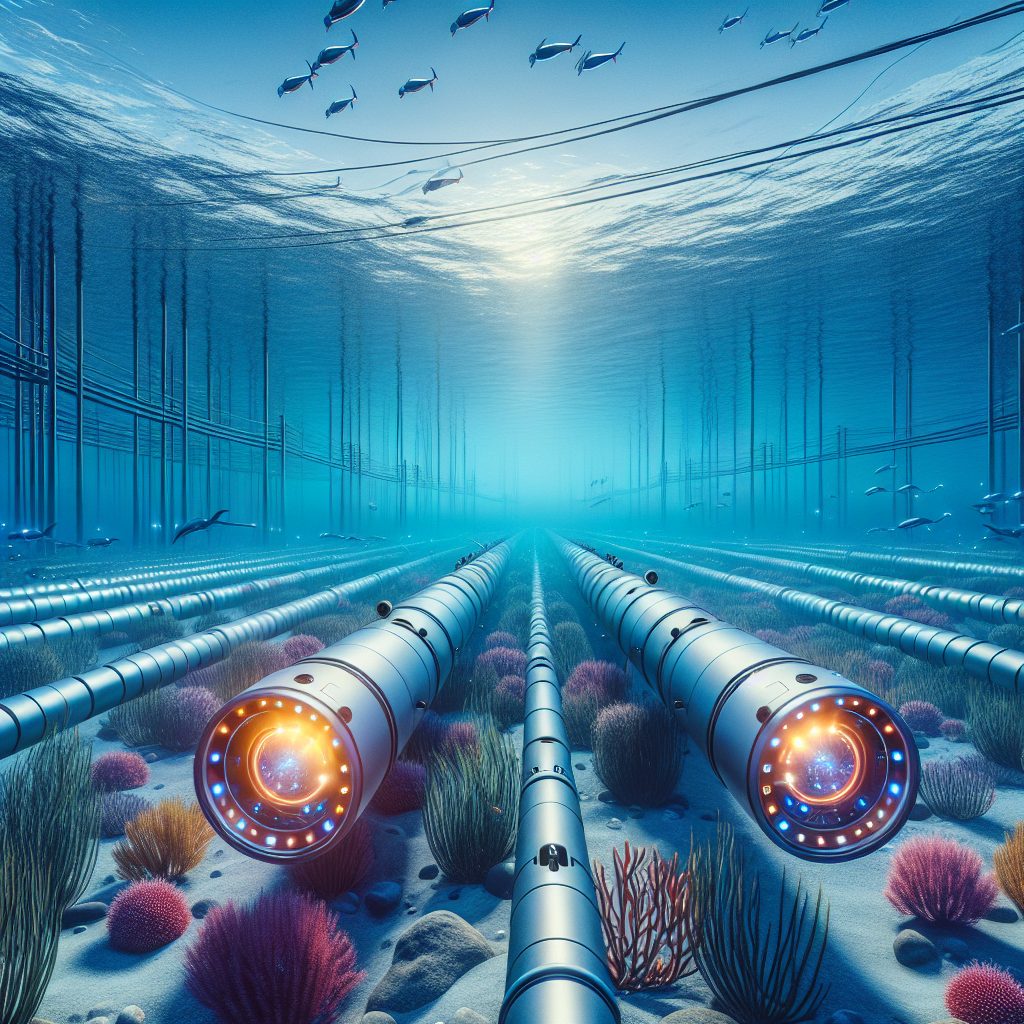
Exploring Innovations in Submarine Infrastructure Protection Within the realm of maritime security, submarine infrastructure protection systems play a vital role. These systems ensure that underwater cables, pipelines, and gas pipelines crossing oceans and seas remain safe not only from natural disasters but also from human threats. Recent suspicious sabotage incidents in the Baltic Sea have underscored the need to continuously improve and upgrade these security measures. This article aims to delve into the technological innovations and trends in submarine protection until 2033. The report “Underwater Infrastructure Protection Systems – Market and Technology Forecast to 2033,” recently featured on ResearchAndMarkets.com, provides a comprehensive insight into this evolving industry. With a holistic approach, this study not only evaluates the current situation but also offers perspectives on the advancements expected in the next decade. For maritime professionals and maritime investors, understanding innovations in this field is crucial. Innovative Technologies in Submarine Protection Advanced monitoring solutions Artificial intelligence integration Autonomous underwater drones The technological advancement in protecting submarine infrastructures has been remarkable. Current technologies are integrating advanced monitoring solutions, artificial intelligence, and robotics to enhance the security and efficiency of existing systems. An example of this is the use of underwater drones equipped with state-of-the-art sensors that can identify potential threats in advance. These drones operate autonomously, analyzing large infrastructure areas in real-time. Artificial intelligence processes the collected data, distinguishing between normal and anomalous activities, vital for preventing potential damage. Moreover, exponential growth in maritime cybersecurity investment is expected, given the increasing threats of digital attacks. These innovations not only enhance security but also reduce long-term operational costs. The use of autonomous technologies minimizes the need for direct human interventions, thereby decreasing associated risks. The Impact of Incidents in the Baltic Sea The recent events in the Baltic Sea have served as a reminder of the vulnerability of submarine infrastructure. The alleged sabotage of underwater cables and pipelines has highlighted the importance of strengthening protection measures. These incidents have led to a reevaluation of security strategies and accelerated the adoption of advanced technologies in the sector. The response to these events has been global, with multiple nations increasing cooperation to protect their maritime interests. Stricter international regulations are being developed, obliging responsible entities to implement more robust protection measures. This cooperative approach has also opened new opportunities for the development of unified safety standards. Employment and Investment Opportunities The evolution of submarine infrastructure protection systems opens up a range of job and investment opportunities. Companies leading these developments are constantly seeking qualified professionals in maritime technology, engineering, and cybersecurity. This presents an excellent opportunity for those looking to advance their careers in the maritime sector. Investors also have the chance to be part of a dynamic and expanding sector. Companies developing advanced protection technology are experiencing significant growth, and this trend is expected to continue in the coming years. Investing in these companies can be highly profitable. A Promising Future for Submarine Protection The report “Underwater Infrastructure Protection Systems – Market and Technology Forecast to 2033” indicates that we are in a period of transformation in submarine protection. Technological innovations and recent incidents have catalyzed a necessary change in global maritime security strategies. For maritime professionals and enthusiasts, understanding and adapting to these changes is crucial. Protecting submarine infrastructures not only ensures global trade and logistics but also provides an opportunity to enhance careers and invest in a growing market. As technologies continue to evolve and threats change, the maritime sector is at the forefront of technological development. Exploring these trends and being prepared for the challenges and opportunities they present is essential for thriving in this exciting field.
World Kinect Corporation Strengthens its Board of Directors with a Leader from the Energy Sector
World Kinect Corporation Strengthens its Board of Directors with a Leader from the Energy Sector World Kinect Corporation, one of the leading companies in the energy and commodities sector, has announced the addition of Greg Piper to its board of directors. This news represents a significant evolution not only for the company but also for the global maritime and energy sector, where experience and strategic vision are crucial to facing current challenges. Greg Piper is an experienced executive with over 35 years of experience in operations and management within the energy segment. This type of leadership is particularly relevant at a time when the maritime sector is transitioning towards more sustainable and efficient energy sources. His addition to the board will not only strengthen World Kinect’s operations but also contribute to shaping the direction towards more innovative and sustainable practices. Michael J. Kasbar, President and CEO of World Kinect, expressed his enthusiasm for Piper’s addition, highlighting his experience as a strategic asset for the company. Piper’s contribution could lead to a significant boost in the adoption of new energy technologies within the maritime industry, an aspect that could positively impact the operations of sailors and companies in the sector. Technological Innovations: A Boost for Nautical and Energy Piper’s entry into the board could accelerate the implementation of critical technological innovations for the maritime industry. With his experience in energy and commodities, Piper is well-positioned to guide the way towards the adoption of alternative and renewable fuels. These innovations not only have the potential to reduce the carbon footprint of maritime operations but also to decrease long-term operational costs. Reducing carbon footprint: Implementing alternative fuels can help reduce greenhouse gas emissions by up to 80% compared to traditional fuels. Cost savings: Transitioning to renewable energy sources can lead to significant cost savings in the long run, making operations more sustainable and financially efficient. Market expansion: Embracing cleaner energy practices can open up new markets and routes for maritime businesses, allowing for growth and diversification. Investing in clean technologies is not just a trend but a necessity to stay at the forefront of the sector. These measures also help companies comply with increasingly strict environmental regulations, which is critical for those looking to operate sustainably. Employment Opportunities in a Growing Sector Piper’s arrival could also translate into new job opportunities within the nautical sector. Companies looking to innovate and adapt their operations will need skilled professionals to implement and manage these technologies. World Kinect could be a source of employment for those interested in participating in the industry’s energy transformation. The demand for personnel with skills in new technologies and renewable energies is increasing, and companies like World Kinect are at the forefront of this transformation. For nautical enthusiasts, these innovations not only mean an improvement in the efficiency and sustainability of their recreational activities but also an opportunity to learn and adapt to technologies that are redefining modern navigation. Why This News is Relevant to the Maritime Sector Firstly, the arrival of a leader with Greg Piper’s experience on World Kinect’s board signifies a strategic renewal that can benefit the entire maritime industry. His expertise in energy and commodities management is essential for addressing current energy challenges. Secondly, the technological innovations that World Kinect can implement under Piper’s leadership offer a range of opportunities to improve maritime practices. This remains an essential point of interest for maritime investors and professionals seeking to maximize the efficiency and sustainability of their operations. Lastly, it represents an opportunity for professionals in the sector to explore new career paths in a dynamic and constantly evolving field. The maritime industry is uniquely positioned to lead the transition towards more sustainable practices, and changes in the management of leading companies play a crucial role in this process. Final Thoughts and Future Perspectives In conclusion, Greg Piper’s addition to World Kinect Corporation represents a strategic change that will benefit not only the company but also the maritime sector as a whole. Professionals and nautical enthusiasts should pay attention to these developments, as they may mark the beginning of a new era of innovation and sustainability in the industry. As the sector adapts to new energy and environmental challenges, having experienced leaders like Piper in key positions provides the assurance that strategic decisions will be informed and effective. This type of leadership is crucial to guide the way towards more sustainable and efficient practices. For those interested in exploring more about these advancements and how they can impact their careers or hobbies, it is recommended to closely follow the updates and future innovations that World Kinect Corporation and other companies are developing in this field. The future of the maritime sector is promising, full of opportunities for those willing to navigate these uncharted waters.
The Importance of Cybersecurity in Maritime Ports

The Importance of Cybersecurity in Maritime Ports In an increasingly interconnected world, cybersecurity has become a crucial pillar for the safety and efficiency of operations in port infrastructures. Ports, as vital nodes in the global supply chain, are highly vulnerable to cyber attacks, which can cause significant disruptions in international trade and substantial economic damage. Recent publications from the NATO Cooperative Cyber Defence Centre of Excellence (CCDCOE) underscore this reality, emphasizing the need to strengthen cybersecurity measures in ports of all NATO member and partner countries. The research, supported by threat intelligence contributions from Silobreaker, provides a comprehensive view of the current cyber challenges facing port infrastructures. This assessment is essential for developing effective policies that protect these strategic assets against a growing range of digital threats. According to the report, the increase in cyber attacks targeting port management systems and communication networks has intensified the urgency of implementing more robust cyber defense strategies. The study also highlights the need for international cooperation to share information on potential threats and best practices in cybersecurity. This collaboration not only helps improve port protection but also strengthens the resilience of the global maritime sector against cyber attacks. Therefore, maritime professionals must be aware of these guidelines, not only to protect their operations but also to contribute to international stability. Challenges and Necessary Improvements in Port Cybersecurity Maritime ports face a series of specific challenges in terms of cybersecurity, including exposure to ransomware, phishing, industrial espionage, and attacks on critical infrastructures. These threats have the capacity to paralyze port operations, resulting in massive economic losses and affecting the global supply chain. Additionally, the potential disclosure of sensitive information represents a significant risk to national security and economic competitiveness. To address these issues, CCDCOE research identifies several best practices that ports should consider implementing. These include constantly updating IT infrastructures, providing ongoing cybersecurity training for staff, and developing response and incident recovery protocols for cyber incidents. The adoption of advanced defense technologies, such as artificial intelligence and machine learning, can provide an additional layer of protection by identifying anomalous behavioral patterns that may indicate an imminent attack. Establishing rapid response teams composed of cybersecurity experts is another crucial step in the battle against cyber threats. These teams can act quickly to mitigate impacts and restore normal operations in case of incidents, minimizing downtime. Additionally, creating an organizational culture aware of cybersecurity, where digital security is understood as a shared responsibility, is vital to foster proactive and effective defense. Impact and Relevance for Maritime Sector Professionals The comprehensive assessment of port cybersecurity conducted by NATO is not only relevant to cybersecurity teams but directly affects all professionals in the maritime sector. Merchant navy executives, sailors, and operational staff must be aware of the cybersecurity policies implemented in their facilities, as their knowledge and cooperation are essential for the effectiveness of these measures. A successful attack can affect not only port operations but also the safety of personnel, ships, and cargo. From a job perspective, the growing demand for cybersecurity experts in the maritime sector represents a significant professional opportunity. Ports and shipping companies are actively seeking trained personnel who can help protect their digital assets. Therefore, industry professionals may consider obtaining cybersecurity certifications as a way to enhance their skills and increase their value in the job market. Moreover, for maritime investors, understanding the cybersecurity measures adopted by port facilities is essential for assessing the risks associated with their investments. A port that demonstrates a commitment to cybersecurity is less vulnerable to disruptions, resulting in a more stable and attractive operation from an economic and strategic standpoint. The Future of Cybersecurity in Port Infrastructures Looking ahead, cybersecurity in port infrastructures must evolve at the pace of technological growth and emerging threats. The implementation of innovative technologies such as the Internet of Things (IoT) and blockchain has the potential to significantly improve operational efficiency but also presents new risks that must be managed effectively. The integration of these technologies must be accompanied by advanced cybersecurity strategies that prevent their exploitation by malicious actors. Additionally, international cooperation will continue to be a key piece in this process. Ports from different countries must work together, sharing information and experiences to help mitigate common threats. The creation of international cybersecurity standards for port infrastructures could serve as a guide for port managers worldwide, facilitating the implementation of uniform and effective defense measures. Finally, it is crucial to foster a culture of innovation in the maritime sector that promotes research and development of cybersecurity solutions tailored specifically to the needs of the port environment. Investing in new talents and fostering collaboration between industry and academia can lead to significant advances in protecting critical infrastructures, ensuring that the maritime sector can continue to operate safely and efficiently in the digital age. Conclusions and Call to Action The publication of the port cybersecurity assessment by CCDCOE serves as a timely reminder of the critical importance of these measures in protecting vital infrastructures. As the maritime industry continues to embrace digitalization and automation, the need for robust cybersecurity practices becomes even more pronounced.
The Future of Carbon Capture at Sea: A Strategic Collaboration
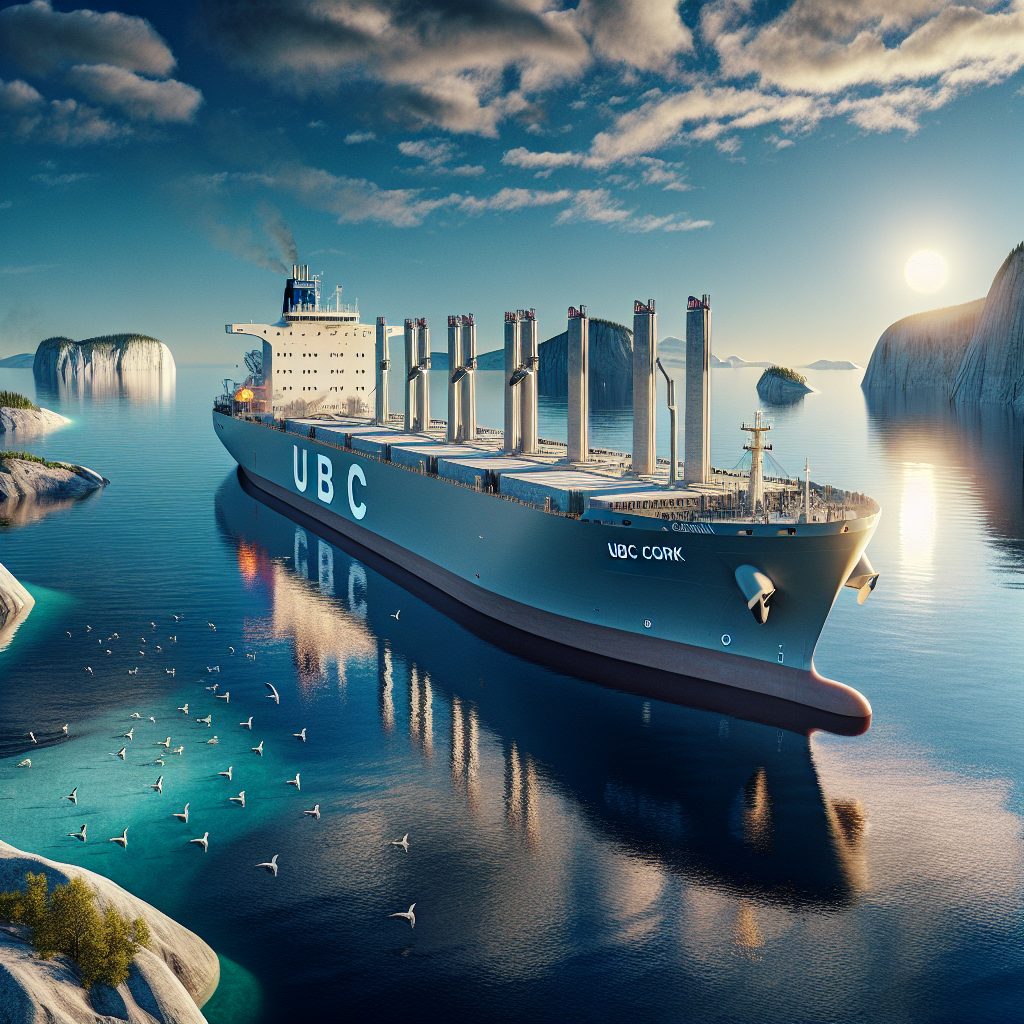
The Future of Carbon Capture at Sea: A Strategic Collaboration In a move that promises to transform the maritime industry, the climate technology startup Seabound has joined forces with the Hartmann Group and Heidelberg Materials to implement a carbon capture system on board a cement cargo ship. This collaboration represents Seabound’s first commercial installation of carbon capture technology at sea, setting a precedent in creating a circular value chain that converts CO₂ emissions into valuable inputs for the cement industry. The project will be implemented on the UBC Cork, a cement carrier owned by the Hartmann Group, operated by InterMaritime Shipmanagement, and chartered by Heidelberg Materials. This project not only anticipates a significant reduction in emissions but also represents a monumental advance in the pursuit of a circular economy within the maritime industry. The collaboration between Seabound, Hartmann Group, and Heidelberg Materials is paving the way for a more sustainable maritime industry. The UBC Cork will be the first vessel to commercially implement Seabound’s carbon capture technology at sea, marking a milestone in environmental innovation. This project is a significant step towards reducing emissions and promoting a circular value chain in the maritime sector. Carbon Capture Technology Onboard Seabound’s technology has been specifically designed for marine use, focusing on simplicity and efficiency. Rather than compressing captured CO₂ into liquids, the system chemically reacts with calcium oxide, transforming emissions into solid limestone. This approach eliminates the need for a costly and complex liquefaction and CO₂ storage process, making it more viable for implementation on ships. The system can capture up to 95% of CO₂ emissions and 98% of sulfur emissions from the ship’s exhaust gases, significantly reducing the vessel’s environmental footprint. Seabound’s technology onboard offers a practical solution for reducing emissions and aligning with decarbonization goals in the maritime industry. The system simplifies logistics by allowing the resulting limestone to be stored onboard until it can be offloaded at port, enhancing operational efficiency. By capturing and converting emissions to solid limestone, Seabound’s technology contributes to a more sustainable marine ecosystem. Circular Economy and Cement Production The project is designed to link with Heidelberg Materials’ cement production process in Brevik, Norway. Here, the captured limestone will be used as an input in the cement manufacturing process, establishing a closed-loop system where marine CO₂ emissions are recycled within the industrial supply chain. This circular economy model is not only innovative but also demonstrates a long-term commitment to sustainability. The initiative is connected to the Northern Lights Joint Venture, a CO₂ storage facility under the North Sea, enabling permanent carbon capture and storage. By integrating carbon capture with cement production, the environmental impact of both sectors is reduced, creating an economic incentive for investment in carbon capture technologies. The collaboration between Seabound, Hartmann Group, and Heidelberg Materials aims to create a more sustainable and economically viable model for maritime operations. The project’s integration with the Northern Lights Joint Venture highlights a commitment to permanent carbon capture and storage solutions. By recycling marine CO₂ emissions in cement production, the project sets a new standard for eco-friendly industrial practices. Strategic Collaboration in the Industry The project brings together key players in the maritime and industrial sectors. The Hartmann Group, with a global fleet of approximately 150 ships, is known for its commitment to sustainability. On the other hand, Heidelberg Materials leads the way in the green transition of the construction materials industry, focusing on the circular economy and carbon capture technologies. These collaborations create an ecosystem where carbon capture is not only an environmentally responsible practice but also a profitable business opportunity. This allows companies to not only comply with environmental regulations but also lead the way towards a more sustainable future. The collaboration between Seabound, Hartmann Group, and Heidelberg Materials sets a new standard for sustainable business practices in the maritime and industrial sectors. By working together, these companies aim to drive innovation in carbon capture technologies and promote a more environmentally friendly approach to maritime operations. The project provides valuable operational data that will pave the way for broader deployment of these technologies, helping the industry meet its regulatory obligations and move towards a more sustainable model. Impact on the Bunkering Sector For bunker fuel providers, the introduction of onboard carbon capture technologies signifies a shift in fuel strategy and emissions management. As more shipowners adopt these systems, there is expected to be an increased demand for compatible fuels, carbon credits, and innovative compliance solutions. Seabound’s project represents a tangible step towards emissions reduction in the maritime sector, integrating industrial carbon reuse and setting a precedent for future innovations in the bunkering and maritime transport sector. This advancement not only offers environmental benefits but also enables companies in the bunkering and maritime sectors to effectively meet their environmental commitments. The integration of carbon capture technologies onboard vessels is reshaping the bunker fuel market and emissions management strategies in the maritime sector. As shipowners embrace these technologies, there will be a growing need for sustainable fuels, carbon offset credits, and compliance solutions to support emission reduction efforts. Seabound’s project exemplifies a proactive approach to reducing emissions and fostering sustainability in the bunkering and maritime industries. Conclusion: Shaping a Sustainable Future at Sea Seabound’s initiative with its partners not only showcases the potential of technological innovation in combating climate change but also underscores the importance of strategic collaboration between different sectors to achieve common sustainability goals. This project not only offers immediate benefits in terms of emissions reduction but also lays the groundwork for a sustainable long-term operational model, essential for the future of maritime transport. We invite nautical professionals, investors, and enthusiasts to closely monitor these developments and consider the opportunities they present for contributing to a more sustainable and efficient future in the maritime sector.
Maritime Innovations: Safety Exercises and Drones Enhance Sustainability in Singapore
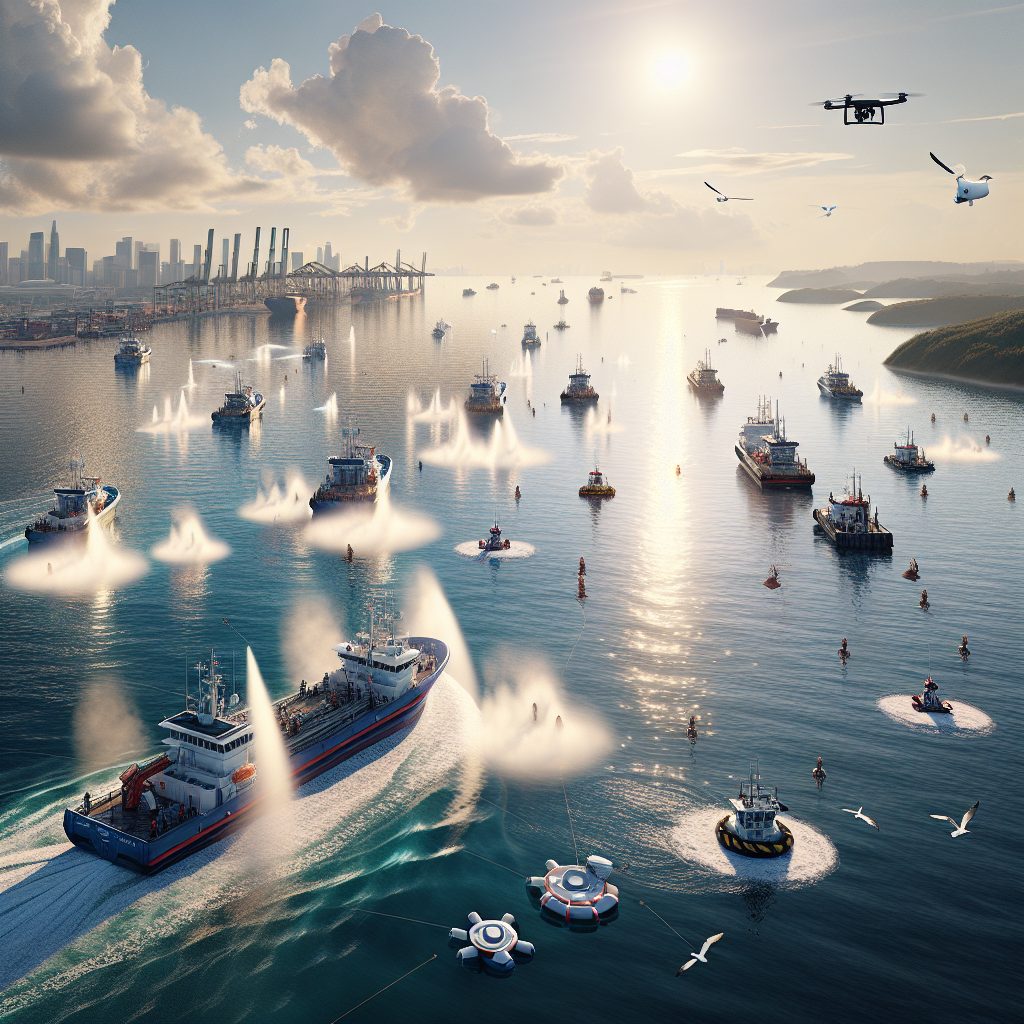
Maritime Innovations: Safety Exercises and Drones Enhance Sustainability in Singapore Introduction to Safety@Sea Week In the maritime sector, ensuring safety and sustainability is paramount. In this context, the Maritime and Port Authority of Singapore (MPA) has reaffirmed its commitment to maritime safety by organizing the 12th edition of the International Safety@Sea Week, taking place from July 15th to 18th, 2025. Under the theme “The Future of Maritime Safety: Navigating Towards the Next Frontier,” the event brings together experts and stakeholders from around the world to discuss emerging challenges and innovations in maritime safety. During the opening ceremony, Mr. Murali Pillai, Deputy Minister of State for the Ministry of Law and the Ministry of Transport, highlighted the growing complexities of the maritime sector. He identified geopolitical tensions, climate change, digital transformation, and decarbonization as key challenges that need to be addressed. He emphasized the importance of equipping the workforce, fostering strong collaborations, and leveraging technology and innovation to tackle these challenges. The Secretary-General of the International Maritime Organization (IMO), Mr. Arsenio Domínguez, underscored the importance of robust safety frameworks as maritime technology evolves. He highlighted advancements such as autonomous surface vessels and sustainable marine fuels, emphasizing the critical role of partnerships between governments and industry, as well as initiatives like the Safety@Sea Singapore campaign to promote a safety culture. Chemical Spill Drill: A Comprehensive Exercise During Safety@Sea Week, MPA conducted a large-scale exercise off the south coast of Singapore simulating a methanol spill due to a tank collision. Eleven vessels and over 150 personnel from more than 10 government agencies and industry partners participated. This drill tested coordinated responses, such as spill containment and crew evacuation. Drones were used to capture 3D images and assess damage to the vessel. A water curtain misting system helped contain chemical clouds. An Unmanned Surface Vehicle (USV) remotely monitored air quality, minimizing responders’ exposure to hazardous areas. Tools like the Maritime Digital Twin and chemical plume modeling provided better situational awareness and decision-making support. This initiative supports MPA’s ongoing preparations for methanol bunkering safety, addressing operational challenges and solutions for handling alternative fuels. Reflecting industry interest, MPA received 13 applications for methanol bunkering licenses following an open call in March 2025, with licenses expected to be issued in the fourth quarter of 2025 and operations commencing in 2026. The Potential of Drones in Port Operations MPA is not only focusing on chemical spill drills but also driving innovation in port operations through the first trials of coast-to-ship drone delivery and recovery in Singapore. In collaboration with Skyports Drone Services, TFG Marine, and CBS Ventures, these drone operations from tankers aim to improve efficiency, reduce pollution and congestion, and enhance safety by minimizing crew handling of heavy loads between ship and shore. Rigorous safety protocols, including those to manage electrostatic discharge risks, have been established to guide these trials. Insights gained will help develop operational frameworks for wider adoption of drone-supported maritime services. This presents a unique opportunity for merchant navy professionals and technology enthusiasts looking to explore new frontiers in maritime transport. Furthermore, this initiative may create new job opportunities for those specializing in drone technology and maritime logistics. Smart Buoys: Enhancing Navigation Safety Looking ahead, MPA plans to deploy next-generation smart buoys in Singapore’s waterways starting in 2026. These buoys are equipped with environmental sensors and real-time communication systems, providing crucial data on currents and waves. The technology will improve situational awareness, support dynamic traffic management, and strengthen navigation safety in the busy port region. The adoption of these smart buoys not only optimizes navigation operations but also offers a comprehensive view of water conditions, allowing ships to plan their routes more efficiently. For maritime investors, this type of technology represents a valuable investment in safety and efficiency. The positive impact of these buoys is reflected in the potential to reduce maritime incidents, resulting in significant cost savings related to insurance and damages. This project positions Singapore at the forefront of maritime safety, appealing to those interested in sustainability and technological innovation in the sector. Recognition for Safety Excellence During the event’s opening ceremony, MPA’s Chief Executive, Mr. Ang Wee Keong, presented the MPA Safety@Sea awards to six companies for their outstanding search and rescue efforts in 2024 and one company for safety solutions and innovations. Additionally, three companies received letters of recognition for their contributions to promoting safety at sea. These awards highlight companies’ increasing commitment to maritime safety and their willingness to innovate in an increasingly challenging sector. For industry professionals, these companies represent potential future employers who value safety and employee well-being. MPA continues to lead the way towards a safer and more prepared maritime environment in the face of future challenges.