The Future of Carbon Capture at Sea: A Strategic Collaboration
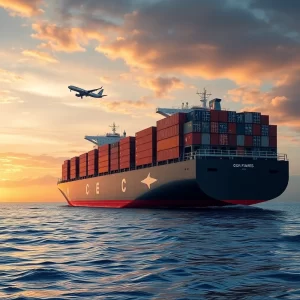
In a move that promises to transform the maritime industry, the climate technology startup Seabound has joined forces with the Hartmann Group and Heidelberg Materials to implement a carbon capture system on board a cement cargo ship. This collaboration represents Seabound’s first commercial installation of carbon capture technology at sea, setting a precedent in creating a circular value chain that converts CO₂ emissions into valuable inputs for the cement industry. The project will be implemented on the UBC Cork, a cement carrier owned by the Hartmann Group, operated by InterMaritime Shipmanagement, and chartered by Heidelberg Materials. This project not only anticipates a significant reduction in emissions but also represents a monumental advance in the pursuit of a circular economy within the maritime industry.
- The collaboration between Seabound, Hartmann Group, and Heidelberg Materials is paving the way for a more sustainable maritime industry.
- The UBC Cork will be the first vessel to commercially implement Seabound’s carbon capture technology at sea, marking a milestone in environmental innovation.
- This project is a significant step towards reducing emissions and promoting a circular value chain in the maritime sector.
Carbon Capture Technology Onboard
Seabound’s technology has been specifically designed for marine use, focusing on simplicity and efficiency. Rather than compressing captured CO₂ into liquids, the system chemically reacts with calcium oxide, transforming emissions into solid limestone. This approach eliminates the need for a costly and complex liquefaction and CO₂ storage process, making it more viable for implementation on ships. The system can capture up to 95% of CO₂ emissions and 98% of sulfur emissions from the ship’s exhaust gases, significantly reducing the vessel’s environmental footprint.
- Seabound’s technology onboard offers a practical solution for reducing emissions and aligning with decarbonization goals in the maritime industry.
- The system simplifies logistics by allowing the resulting limestone to be stored onboard until it can be offloaded at port, enhancing operational efficiency.
- By capturing and converting emissions to solid limestone, Seabound’s technology contributes to a more sustainable marine ecosystem.
Circular Economy and Cement Production
The project is designed to link with Heidelberg Materials’ cement production process in Brevik, Norway. Here, the captured limestone will be used as an input in the cement manufacturing process, establishing a closed-loop system where marine CO₂ emissions are recycled within the industrial supply chain. This circular economy model is not only innovative but also demonstrates a long-term commitment to sustainability. The initiative is connected to the Northern Lights Joint Venture, a CO₂ storage facility under the North Sea, enabling permanent carbon capture and storage. By integrating carbon capture with cement production, the environmental impact of both sectors is reduced, creating an economic incentive for investment in carbon capture technologies.
- The collaboration between Seabound, Hartmann Group, and Heidelberg Materials aims to create a more sustainable and economically viable model for maritime operations.
- The project’s integration with the Northern Lights Joint Venture highlights a commitment to permanent carbon capture and storage solutions.
- By recycling marine CO₂ emissions in cement production, the project sets a new standard for eco-friendly industrial practices.
Strategic Collaboration in the Industry
The project brings together key players in the maritime and industrial sectors. The Hartmann Group, with a global fleet of approximately 150 ships, is known for its commitment to sustainability. On the other hand, Heidelberg Materials leads the way in the green transition of the construction materials industry, focusing on the circular economy and carbon capture technologies. These collaborations create an ecosystem where carbon capture is not only an environmentally responsible practice but also a profitable business opportunity. This allows companies to not only comply with environmental regulations but also lead the way towards a more sustainable future.
- The collaboration between Seabound, Hartmann Group, and Heidelberg Materials sets a new standard for sustainable business practices in the maritime and industrial sectors.
- By working together, these companies aim to drive innovation in carbon capture technologies and promote a more environmentally friendly approach to maritime operations.
- The project provides valuable operational data that will pave the way for broader deployment of these technologies, helping the industry meet its regulatory obligations and move towards a more sustainable model.
Impact on the Bunkering Sector
For bunker fuel providers, the introduction of onboard carbon capture technologies signifies a shift in fuel strategy and emissions management. As more shipowners adopt these systems, there is expected to be an increased demand for compatible fuels, carbon credits, and innovative compliance solutions. Seabound’s project represents a tangible step towards emissions reduction in the maritime sector, integrating industrial carbon reuse and setting a precedent for future innovations in the bunkering and maritime transport sector. This advancement not only offers environmental benefits but also enables companies in the bunkering and maritime sectors to effectively meet their environmental commitments.
- The integration of carbon capture technologies onboard vessels is reshaping the bunker fuel market and emissions management strategies in the maritime sector.
- As shipowners embrace these technologies, there will be a growing need for sustainable fuels, carbon offset credits, and compliance solutions to support emission reduction efforts.
- Seabound’s project exemplifies a proactive approach to reducing emissions and fostering sustainability in the bunkering and maritime industries.
Conclusion: Shaping a Sustainable Future at Sea
Seabound’s initiative with its partners not only showcases the potential of technological innovation in combating climate change but also underscores the importance of strategic collaboration between different sectors to achieve common sustainability goals. This project not only offers immediate benefits in terms of emissions reduction but also lays the groundwork for a sustainable long-term operational model, essential for the future of maritime transport. We invite nautical professionals, investors, and enthusiasts to closely monitor these developments and consider the opportunities they present for contributing to a more sustainable and efficient future in the maritime sector.