


Rederiet Stenersen and Ahti Pool: Joining Forces for a Sustainable Maritime Future
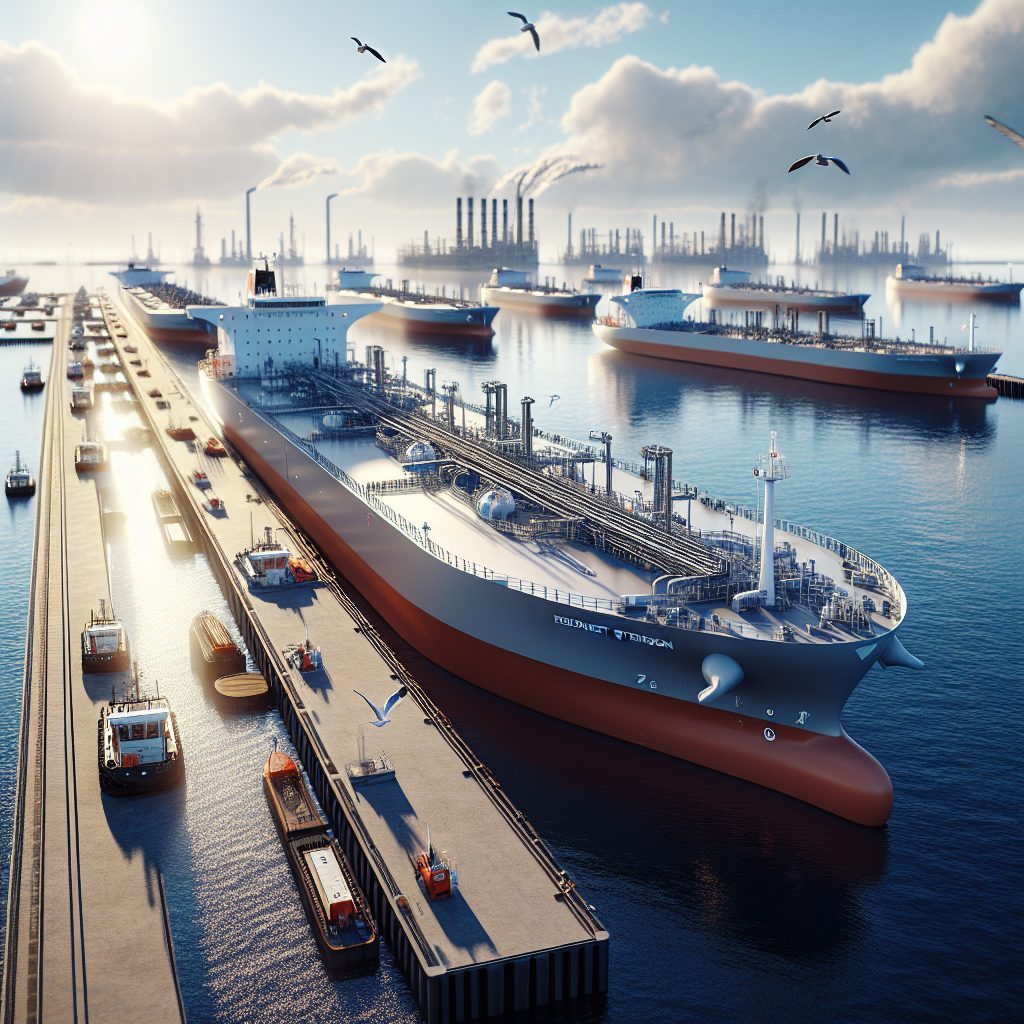
Rederiet Stenersen and Ahti Pool: Joining Forces for a Sustainable Maritime Future In a strategic move towards sustainability, the Norwegian shipping company Rederiet Stenersen has announced its inclusion in the Ahti Pool platform. This step marks a significant advancement in the global effort to comply with environmental regulations and reduce carbon emissions in the maritime sector. The collaboration promises to transform the tanker trade in northern Europe, aligning with the ambitious climate regulations of the EU. Rederiet Stenersen is known for operating one of the most environmentally efficient fleets of intermediate tankers in Europe. Now, with the support of Ahti Pool, all 19 of its chemical and product tankers (ranging from 13,000 to 18,500 DWT) will be equipped with emissions compliance tools, fuel supply optimization, and CO₂ verification. This not only ensures regulatory compliance but also optimizes operations and reduces costs. The strategic alliance comes at a crucial time when the maritime industry is under scrutiny to reduce its emissions and adopt more sustainable practices. This synergy will not only benefit maritime trade but also provide opportunities for professionals in the sector to explore new career prospects within these leading organizations. Innovation and Environmental Compliance The integration of Stenersen into Ahti Pool stands out for its innovative approach to environmental compliance. By utilizing advanced digital tools, Ahti Pool simplifies the regulatory process, allowing shipowners to significantly reduce their carbon emissions. This platform is pioneering in eliminating the complexity associated with regulatory compliance by managing emissions exposure under the FuelEU Maritime regulations. Stenersen’s inclusion in Ahti Pool adds to a growing list of shipping companies embracing this technology, including renowned fleets like Van Weelde Group. With over 100 million euros managed in emissions exposure, Ahti Pool positions itself as a benchmark in decarbonizing maritime transport. The use of this technology not only brings economic benefits but also strengthens corporate responsibility towards the environment. In a market where sustainability becomes a decisive factor, Stenersen’s adoption of Ahti Pool sends a clear message about its commitment to a sustainable future. Opportunities for Sector Professionals The technological and environmental progress driven by the alliance between Rederiet Stenersen and Ahti Pool opens new doors for maritime professionals looking to specialize in sustainability and emissions management. The companies involved represent a dynamic environment where innovation and environmental compliance are a priority. Maritime professionals and seafarers seeking to engage in this green revolution are presented with a unique opportunity. From optimizing fuel supply to monitoring and verifying emissions, the required skills are evolving, offering a fertile ground for professional development in this area. Those interested in contributing to this transition may consider submitting their resume to Rederiet Stenersen and Ahti Pool. The companies are seeking talents committed to sustainability, prepared to tackle the challenges posed by the EU’s climate objectives. Why This News is Relevant The alliance between Rederiet Stenersen and Ahti Pool is a testament to the necessary change in the maritime industry. Here are three reasons highlighting the relevance of this news for different segments of our audience: Integration of technology: Technological advancements in emissions management are essential for the future of maritime transport. Technology and engineering professionals will find invaluable applications in these innovations. Commitment to sustainability: Maritime investors interested in companies prioritizing sustainability will see in this alliance a model to follow, with the potential for profitability in an increasingly climate-conscious market. Professional opportunities: For seafarers and maritime professionals, companies leading the change towards more sustainable practices offer a platform for professional growth and the acquisition of new skills. Conclusions and Future Opportunities The alliance between Rederiet Stenersen and Ahti Pool symbolizes a milestone in the transition towards a more sustainable maritime industry. Through the adoption of cutting-edge technologies for emissions management, these organizations set a new standard in environmental compliance. The commitment demonstrated by both companies not only enhances their own operational processes but also sets an example for the entire industry. The incorporation of digital tools and the optimization of regulatory compliance represent a path towards profitable sustainability. Readers interested in being part of this transformation are invited to explore the job and investment opportunities arising from this collaboration. Innovation, sustainability, and technical advancement remain the cornerstones of an ever-evolving maritime sector.
Opportunities on the Horizon: Innovations and Expectations of World Kinect Corporation for the Maritime Sector
Opportunities on the Horizon: Innovations and Expectations of World Kinect Corporation for the Maritime Sector In a recent announcement, World Kinect Corporation (NYSE: WKC) has invited professionals and enthusiasts from the maritime sector to a virtual conference where the results of the second quarter of 2025 will be discussed, and prospective information that could change the course of the industry will be presented. This event, scheduled for the 31st of July 2025, promises to provide crucial details on how the company is positioning itself in an increasingly competitive market through technological innovations that will impact current practices in the maritime sector. World Kinect Corporation has been a pioneer in introducing advanced technologies to the nautical field, particularly excelling in the application of sustainable energy solutions. In a world where energy efficiency is key, the company has integrated systems that significantly reduce the fuel consumption of vessels, thus promoting a more eco-friendly approach. These advancements not only meet ever stricter environmental demands but also offer considerable long-term economic savings for fleet operators and recreational boat owners. Furthermore, the conference will address the implementation of sensor networks and data analysis tools that optimize navigation routes, minimizing transit time and enhancing safety in the transportation of goods. These innovations not only represent technological progress but also demonstrate World Kinect’s commitment to leading the change towards a more efficient and secure future in global maritime transportation. The Impact on Maritime Routes and Employment Opportunities One of the most exciting areas discussed at the conference will be the expansion and optimization of new maritime routes, facilitated by emerging technologies. World Kinect is exploring less traveled commercial routes that not only alleviate traffic on conventional pathways but also offer new business opportunities for logistics operators. This diversification not only has the potential to boost the global economy but also provides sailors with new paths to explore and exploit. The opening of these routes implies a growing demand for skilled personnel who can efficiently manage these new opportunities. This translates into an increase in job offers in the maritime sector, ranging from technical positions to logistics management roles. For maritime investors, the new routes mean portfolio diversification and investment opportunities in associated infrastructures and technologies. The growth potential in these emerging markets is significant and may be the key to obtaining substantial returns in the coming years. Technical Information and Relevant Statistics During the event, World Kinect Corporation is expected to share encouraging statistics on the increased efficiency achieved in the second quarter of 2025 thanks to its technological innovations. For example, the company has recorded a 20% reduction in fuel consumption in vessels that have adopted its systems, resulting in a significant decrease in operating costs. Additionally, the use of big data analytics has allowed the company to optimize commercial routes, reducing the average time of transoceanic trips by 15%. This efficiency increase is not only economically beneficial but also helps reduce the carbon footprint of maritime operations, aligning with international sustainability goals. These data not only testify to the positive impact on current operations but also offer investors and industry professionals a clear insight into future directions. Reasons to Connect with the Future of the Maritime Sector The news of the upcoming World Kinect Corporation conference is relevant for several reasons. Firstly, those in merchant navy and fleet operators must be aware of technologies that can transform their daily operations, improving efficiency and reducing costs. Being at the forefront of adopting new technologies is crucial to remain competitive and sustainable in a changing market. For maritime investors, the innovations presented represent fertile ground for new investment opportunities. Solutions that enhance operational efficiency and reduce environmental impact are increasingly in demand, promising an attractive return on investment. Lastly, for nautical enthusiasts, emerging routes and technological innovations offer new ways to enjoy their passion. From more sustainable options to novel destinations, the conference content can inspire exploration of new frontiers, whether in a professional or recreational context. Conclusion: A Promising Future on the Horizon In conclusion, the upcoming World Kinect Corporation conference offers a valuable glimpse into the future of the maritime sector. By introducing technological innovations and expanding maritime routes, the company is not only transforming how global navigation and trade are conducted but also generating significant opportunities for industry professionals. Whether one is seeking employment opportunities, investment, or new sailing experiences, being informed and participating in these vital events can open doors to a promising future. World Kinect Corporation is not only sharing its vision but also inviting everyone to be part of this transformation. We encourage our readers to attend the conference and explore the possibilities that these innovations can offer in their respective areas of interest and expertise.
The Arrival of the Wind Keeper: The New Gem in Cadeler’s Fleet to Boost Offshore Wind Energy
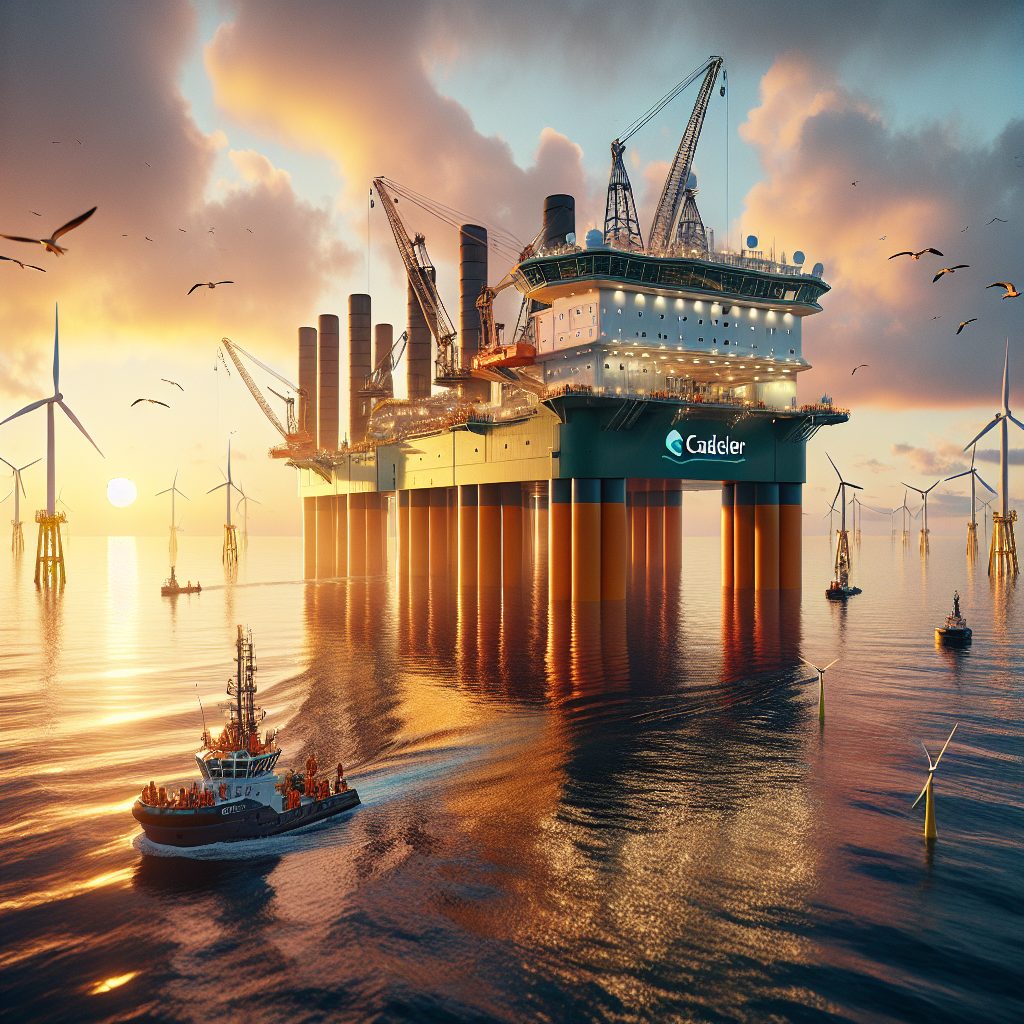
The Arrival of the Wind Keeper: The New Gem in Cadeler’s Fleet to Boost Offshore Wind Energy The maritime and nautical industry is constantly evolving, and with the increasing demand for renewable energies, the offshore sector has started to attract the attention of investors, maritime professionals, and nautical enthusiasts. In this context, the recent delivery of the Wind Keeper vessel to Cadeler represents a significant advance in operational and technological capability to handle offshore wind energy projects. A Strategic Reinforcement for Cadeler Cadeler, a well-known company in the maritime engineering sector, has expanded its fleet with the acquisition of the modern jack-up vessel Wind Keeper. This new addition arrived ahead of schedule, highlighting the company’s commitment to efficiency and innovation. The Wind Keeper becomes Cadeler’s eighth vessel, increasing its capacity to manage large-scale offshore wind energy projects. The prompt delivery of the Wind Keeper not only demonstrates Cadeler’s logistical prowess but also reflects confidence in the renewable energy market demand. The company plans to commence operations with this vessel in early 2026, coinciding with the start of a long-term contract with Vestas, a leading player in the wind industry. This three-year agreement with Vestas not only reaffirms Cadeler’s position as a key partner in the sector but also opens up new job opportunities for maritime professionals. The Wind Keeper enhances Cadeler’s fleet capacity for offshore wind energy projects. The vessel’s early delivery showcases Cadeler’s efficiency and innovation commitment. Cadeler’s partnership with Vestas offers new job prospects in the maritime sector. Technological Innovations of the Wind Keeper The Wind Keeper is no ordinary vessel. It is equipped with cutting-edge technology that makes it ideal for installing and maintaining wind turbines in offshore locations. Its jack-up design allows the vessel to rise above sea level using legs that extend to the seabed, providing a stable platform in challenging maritime conditions. Additionally, the Wind Keeper features advanced navigation and dynamic positioning systems, enabling the vessel to maintain its location with millimetric precision, a crucial capability when installing huge and delicate structures like wind turbines. This technology not only minimizes time and risks associated with offshore operations but also significantly enhances work safety. The Wind Keeper’s advanced technology ensures precise positioning and stability. The vessel’s design focuses on reducing carbon emissions and optimizing fuel consumption. Enhanced safety features make the Wind Keeper crucial for meeting global environmental goals. Impact on the Offshore Wind Energy Market The addition of the Wind Keeper to Cadeler’s fleet comes at a critical time for the offshore wind energy market. With a secured contract with Vestas, Cadeler is well-positioned to capitalize on the growing interest in renewable energy projects. The demand for clean energy continues to rise, and Cadeler’s ability to deliver efficient and safe services is more relevant than ever. For maritime investors, the Wind Keeper represents an enticing investment opportunity. The presence of state-of-the-art vessels like this in the market signals that companies are ready to tackle the challenges of energy transition, potentially leading to solid returns for those investing in the sector. Cadeler’s contract with Vestas positions the company well in the renewable energy market. Investing in vessels like the Wind Keeper can yield strong returns for maritime investors. The offshore wind energy sector offers promising career opportunities for maritime professionals. Conclusions: A Step Forward in the Maritime Industry The arrival of the Wind Keeper signifies a milestone in developing maritime capabilities to support the growth of offshore wind energy. This advancement not only strengthens Cadeler’s position as an industry leader but also opens doors to new job and investment opportunities. For WishToSail.com readers, staying informed about these developments means arming themselves with the necessary knowledge to navigate the future of the maritime sector. Offshore wind energy is not just the future of renewable energies but also a transformative force for the maritime industry as a whole. With continuous innovations and a growing demand, those involved in this sector have every reason to be optimistic about what lies ahead. Getting involved in projects like the Wind Keeper is not only a way to participate in a new era of sustainability but also to actively contribute to driving towards a cleaner and more efficient future. Therefore, don’t miss the opportunity to explore these uncharted waters, whether by submitting your CV to Cadeler or by delving deeper into the possibilities offered by the offshore wind energy market. The future is on the horizon, and the Wind Keeper is a shining beacon guiding the way.
The Green Future of Yang Ming: Acquiring New Dual-Fuel LNG Vessels
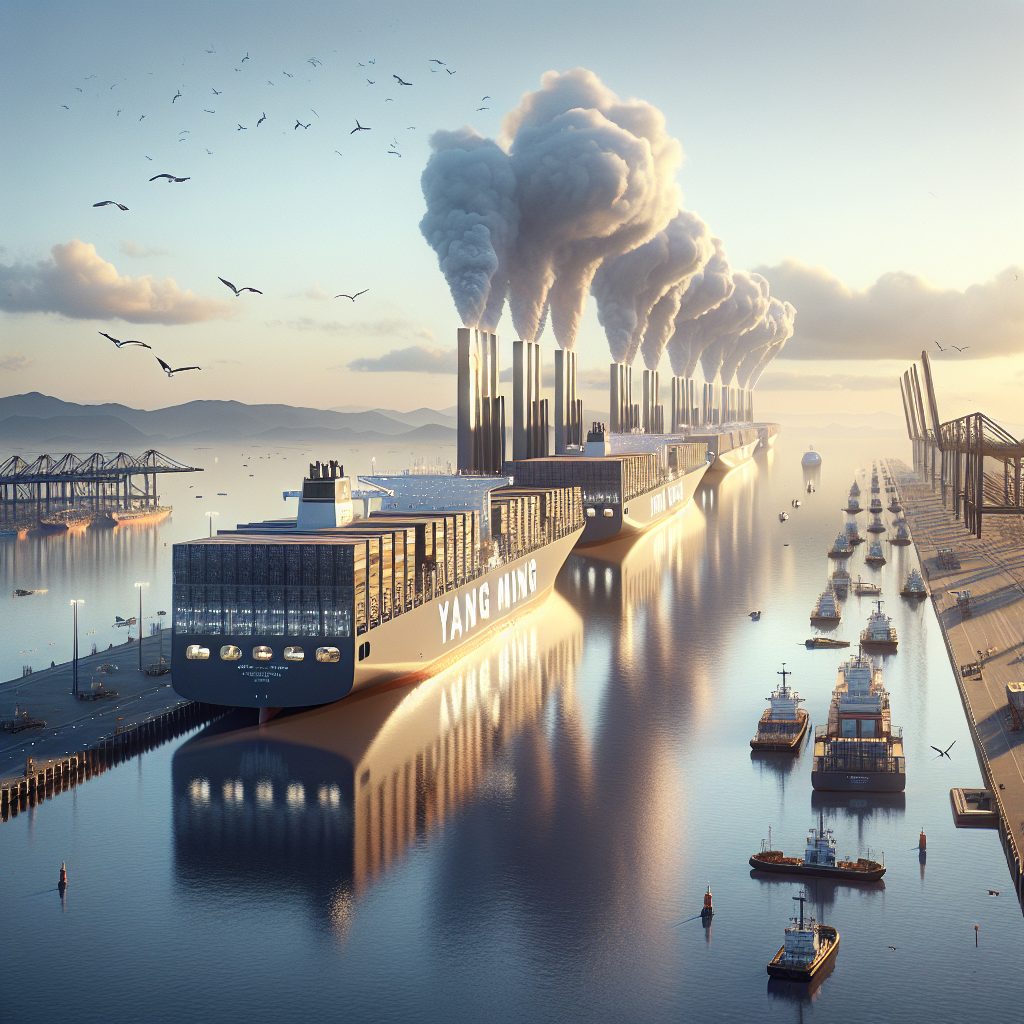
The Green Future of Yang Ming: Acquiring New Dual-Fuel LNG Vessels Yang Ming Marine Transport Corporation, a Taiwanese shipping company, has taken a significant step towards modernizing its fleet and reducing emissions by announcing the addition of seven new 15,000 TEU vessels equipped with dual-fuel propulsion systems using liquefied natural gas (LNG). This move is part of a broad fleet optimization and decarbonization strategy approved during its 404th Board of Directors meeting in July 2025. The new vessels, expected to be delivered between 2028 and 2029, will replace older vessels, thus strengthening Yang Ming’s service capabilities on East-West routes. This acquisition adds to a previous order of five dual-fuel vessels, highlighting Yang Ming’s ongoing commitment to cleaner maritime transport. This decision not only reflects a shift towards more sustainable technologies but also responds to the fast-paced evolution of global emission regulations. The incorporation of these new vessels will allow Yang Ming not only to comply with current regulations but also to anticipate future environmental requirements. LNG has emerged as the preferred transitional fuel in the maritime industry in its decarbonization quest. By the end of 2024, there are approximately 638 dual-fuel vessels operating worldwide, representing a 30% increase from the previous year. Projections suggest that this number could exceed 1,200 units by 2028, positioning LNG as a scalable and mature alternative to conventional marine fuels. The global infrastructure for LNG supply is expanding rapidly, with refueling facilities available in nearly 200 ports and expansion plans in many more locations. By the end of 2024, there are approximately 638 dual-fuel vessels operating worldwide, representing a 30% increase from the previous year. The global infrastructure for LNG supply is expanding rapidly, with refueling facilities available in nearly 200 ports and expansion plans in many more locations. This rapid growth is indicative of the paradigm shift in the industry, where shipping companies seek immediate and practical solutions to reduce their emissions while preparing to transition to zero-carbon fuels like bio-LNG, synthetic methane, ammonia, and methanol. Investing in a Green Future: Benefits for Professionals and Companies The transition to cleaner vessels offers several advantages for maritime professionals and companies. Firstly, new international emission regulations make it imperative for shipping companies to adopt technologies that reduce their carbon footprint. Compliance not only avoids penalties but also enhances their corporate image and opens doors in more demanding markets. Additionally, technological innovations in dual fuels and emission reductions transform the industry, creating job opportunities. Technologies like these require trained professionals to operate and maintain them, implying that merchant mariners and specialized technicians will be in increasing demand. Finally, for maritime investors, cleaner and more efficient vessels represent a long-term investment. While the initial cost of these technologies may be high, the benefits in terms of operational efficiency, fuel cost savings, and access to green financing can offset these initial outlays. Yang Ming: A Leader in Innovation and Sustainability Founded in December 1972, Yang Ming Marine Transport Corporation has established itself as a global leader in container shipping. With an extensive network covering Asia, Europe, the Americas, Australia, and Africa, Yang Ming has demonstrated its commitment to innovation and sustainability. The company has embraced core values of teamwork, innovation, integrity, and pragmatism, allowing it to build a solid reputation for punctual, cost-effective, and reliable transport services. This commitment to operational excellence has been rewarded with local and international certifications that bolster its global competitiveness. With a fleet of 94 vessels and a combined operational capacity of 707,000 TEUs as of June 2024, Yang Ming continues to solidify its position as a carrier of choice for businesses valuing reliability and sustainability in maritime transport. Exploring New Frontiers in Maritime Transport Yang Ming’s decision to continue its expansion with dual-fuel vessels is an example of how the maritime sector can adopt more sustainable practices while enhancing its global competitiveness. The environmental benefits, operational efficiency, and regulatory compliance make this investment a sound strategic decision. As the world moves towards a greener future, the adoption of renewable technologies in maritime transport is not only a necessity but also an opportunity. Companies and professionals who anticipate this trend will be better positioned to capitalize on the opportunities that arise. For those interested in exploring more on this exciting topic, it is encouraged to closely follow the development of alternative fuel technologies and their impact on the maritime industry, a field full of opportunities and forthcoming challenges.
Shell Marine and HMM Sky: Innovation in LNG Bunkering in Singapore
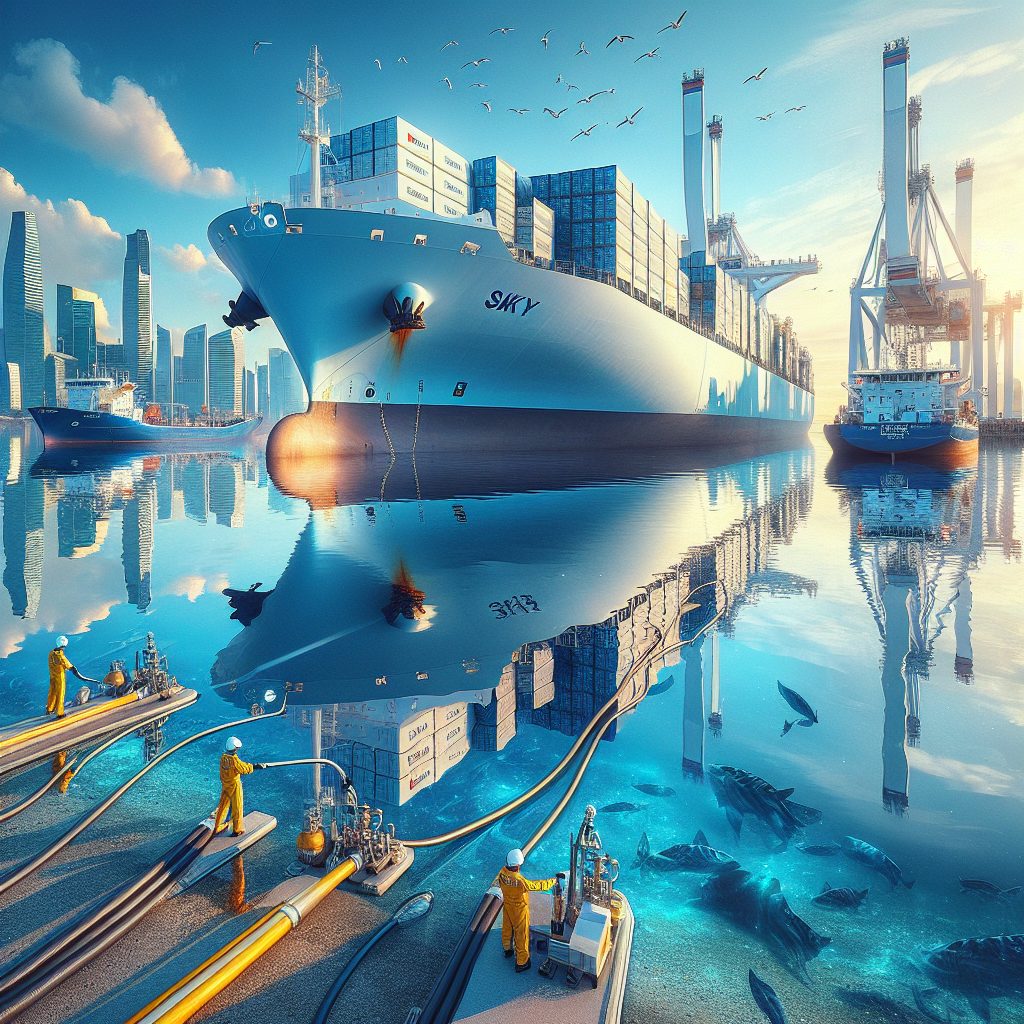
Shell Marine and HMM Sky: Innovation in LNG Bunkering in Singapore In an increasingly sustainability-focused world, the maritime sector is not lagging behind. Shell Marine has taken a significant step in this direction by successfully completing its first liquefied natural gas (LNG) bunkering operation for the HMM Sky in Singapore. This milestone represents a crucial advancement towards the decarbonization of maritime transport, highlighting Shell’s commitment to reducing emissions in an industry responsible for a considerable percentage of global carbon emissions. Shell Marine’s Role in Decarbonization Shell Marine has positioned itself as a leader in providing sustainable solutions for the maritime sector. With a solid strategy that encompasses infrastructure expansion to innovation in low-carbon fuels, the company is paving the way towards a cleaner future. This first LNG bunkering in Singapore for the HMM Sky is not just a technical achievement but also a symbol of Shell’s ongoing commitment to energy transition in maritime transport. The vice president of Global Downstream LNG at Shell Marine, Dexter Belmar, emphasized the importance of this operation, highlighting the close collaboration with shipping partners like HMM. “We are proud to complete our first LNG bunkering for HMM Sky in Singapore—a safe and successful operation that reflects the deep collaboration between Shell and our shipping partners,” Belmar expressed. Such partnerships are essential for advancing towards cleaner fuels, such as bio-LNG and synthetic fuels. HMM and their Net Zero Commitment Hyundai Merchant Marine (HMM), South Korea’s largest shipping company, is leading with one of the most ambitious decarbonization strategies in the industry. The choice of LNG as a transitional fuel reflects their commitment to immediate emissions reduction, as well as their willingness to integrate future eco-friendly fuels without significant infrastructure redesigns. This approach not only improves the sustainability of current operations but also paves the way for achieving their net-zero emissions goal by 2045. The HMM Sky, a modern container ship with dual-fuel technology, is a manifestation of this vision. Its recent bunkering in Singapore is a clear example of how HMM is implementing advanced technology to improve its environmental footprint, demonstrating the transformative potential of LNG in the maritime industry. Shell’s Global LNG Bunkering Infrastructure Shell Marine’s progress in expanding its LNG bunkering infrastructure is remarkable. With operations spanning 12 countries worldwide, Shell’s network is one of the most extensive in the sector, with 26 strategic ports and a fleet of 12 specialized LNG bunkering vessels. To date, Shell has completed over 2,500 such operations, positioning itself at the forefront of dual-fuel vessel deployment. The operation in Singapore serves as a crucial pillar in Shell’s network, utilizing strategic partnerships like the FueLNG joint venture to further strengthen its capacity and coverage. These initiatives underscore Shell’s commitment to not only leading in technological innovation but also in implementing practical solutions that enable an effective transition to cleaner energy. Benefits of LNG as a Transitional Fuel Significant reductions in sulfur oxide and particulate emissions Reduction of nitrogen oxide emissions by up to 80% 20-30% lower carbon dioxide emissions compared to conventional marine fuels One crucial aspect of LNG is its compatibility with future fuels like bio-LNG and synthetic methane, enabling a transition to net-zero without extensive modifications to vessel systems. This makes it a crucial resource for shipping companies looking to meet growing regulatory pressures and customer sustainability expectations. Opportunities in the LNG Bunkering Sector The growing interest and development around LNG bunkering offer substantial job opportunities for maritime sector professionals. Leading companies like Shell and HMM are constantly seeking talent to support their operations and expansion strategies. For those interested in entering or advancing in this field, it is an unparalleled opportunity to be part of the green revolution in maritime transport. With initiatives underway in various parts of the world, the LNG sector is not only contributing to local economic development but also shaping the future of maritime transport in a more sustainable and efficient manner. Those with skills in engineering, maritime operations, and project management will find this sector a fertile ground to advance their careers. Conclusions The success of the LNG bunkering operation in Singapore is a testament to Shell Marine and HMM’s continued commitment to a cleaner and more sustainable future for maritime transport. This milestone not only reinforces the importance of LNG in emissions reduction but also highlights the potential for industry collaboration to effectively address environmental challenges. For maritime investors, sailors, and nautical enthusiasts, the advancement of LNG represents an opportunity to actively participate in a paradigm shift towards sustainability. The transition to cleaner fuels is inevitable, and being part of this transformation is undoubtedly an exciting and meaningful prospect. At a time when the world is increasingly seeking sustainable solutions, the bunkering of LNG for the HMM Sky in Singapore reminds us that the future of sailing is green, and the opportunities are within reach for those willing to navigate in this direction.
The Sustainable Innovation of Tethys Highway in K Line’s Fleet
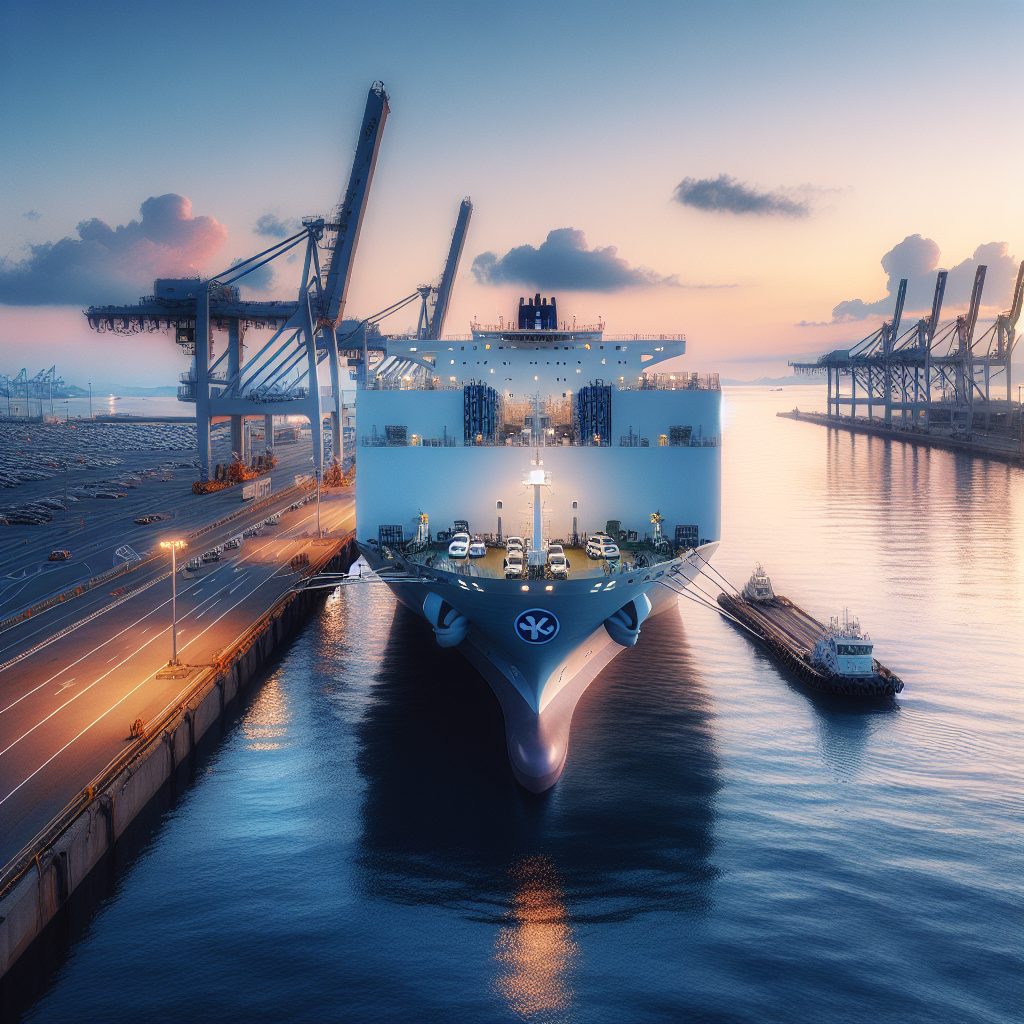
The Sustainable Innovation of Tethys Highway in K Line’s Fleet Kawasaki Kisen Kaisha, Ltd., known as K Line, has taken a significant step towards a more sustainable and energy-efficient maritime industry. On July 18, 2025, the company celebrated the incorporation of Tethys Highway, a pure car and truck carrier (PCTC) powered by liquefied natural gas (LNG), into its growing fleet of dual-fuel vessels. Built by Shin Kurushima Toyohashi Shipbuilding Co., Ltd., the Tethys Highway has a capacity of 6,900 vehicles, exemplifying K Line’s commitment to decarbonization and the adoption of innovative technologies. In a naming ceremony held in Japan, Tsuguo Fukumura, Executive Director of Isuzu Motors Limited, christened the vessel in honor of Tethys, the Greek goddess of the sea, emphasizing K Line’s maritime and mythological legacy of innovation and respect for the oceans. This new vessel not only signifies a milestone for K Line but also sets a precedent for other companies in the maritime sector by demonstrating how the integration of cleaner fuels can be both viable and economically beneficial. Significant reduction in CO₂ emissions Near-total elimination of sulfur oxides The Role of LNG in the Future of Maritime Transport Tethys Highway represents a significant advancement in the evolution of maritime transport, primarily powered by LNG, an alternative that offers a 25 to 30% reduction in CO₂ emissions compared to conventional fuel oil. This transition not only reduces environmental impact but also provides a clear response to increasing regulatory and customer demands for low-emission maritime transport. K Line’s decision to invest in LNG technology aligns with the company’s long-term sustainability vision and the broader industry trends towards clean energy shipping. As global port infrastructure adapts to support LNG supply and biogas technologies develop, LNG adoption offers a bridge to net-zero emission shipping operations. This not only represents technological progress but also creates new job opportunities for professionals skilled in these innovations. K Line’s Environmental Vision for 2050 The delivery of Tethys Highway is a key component of K Line’s 2050 Environmental Vision: Connecting Blue Seas to Tomorrow. This ambitious initiative aims to improve CO₂ emission efficiency by 50% by 2050, exceeding the IMO’s 2030 target of 40% and achieving net-zero greenhouse gas emissions by mid-century. To achieve these goals, K Line is exploring various alternative energy solutions, including ammonia, hydrogen, bio-LNG, and synthetic fuels. This multifaceted approach to using multiple fuels and decarbonization positions the company at the forefront of innovation in the maritime industry. The adoption of these technologies not only reflects K Line’s commitment to sustainability but also sets a standard for the global industry, emphasizing the importance of going beyond regulatory compliance to forge a path towards a cleaner and greener future. Technical Specifications of Tethys Highway Tethys Highway stands out not only for its innovative design but also for its impressive technical specifications. With a length of 199.96 meters and a width of 38 meters, the vessel has a gross tonnage of 75,259 tons and operates at a speed of 19 knots. Classified by Nippon Kaiji Kyokai (ClassNK) and flying the Japanese flag, this vessel meets the highest standards of safety and efficiency, demonstrating how modern naval engineering can integrate sustainability without compromising functionality or capacity. The incorporation of vessels like Tethys Highway into K Line’s fleet illustrates how advanced technical specifications can be combined with environmental objectives to offer effective solutions to contemporary maritime transport challenges. The Impact of LNG in the PCTC Segment The delivery of Tethys Highway reflects the growing adoption of LNG propulsion in the global PCTC segment. With several major car carriers now deploying dual-fuel vessels, LNG continues to demonstrate its value as a compliant, commercially viable, and future-ready marine fuel. Advancements in the PCTC segment not only result in improved sustainability but also create opportunities for professional development in the maritime industry. The expansion of LNG supply infrastructure and the maturation of technologies like bio-LNG ensure that vessels like Tethys Highway will become fully carbon-neutral shipping assets in the future. These developments also foster an attractive investment environment for those interested in the future of sustainable maritime transport, ensuring a synergy between technological innovation and economic opportunities. About Kawasaki Kisen Kaisha, Ltd. (K LINE) Kawasaki Kisen Kaisha, Ltd. (K LINE) is a leading global provider of maritime transportation services, specializing in a wide range of vessels, including car carriers, bulk carriers, container ships, LNG carriers, and tankers. Established in 1919, the company has built a reputation for operational excellence in shipping, with a strong focus on sustainability and innovation.