


The Revolution of Geospatial Intelligence in the Maritime Sector

The Revolution of Geospatial Intelligence in the Maritime Sector Geogentia has taken a significant step forward in the field of geospatial intelligence with the launch of their new analysis marketplace, Foundry, integrated into their flagship platform Lens. This innovative tool provides users with exclusive access to advanced analysis modules, patented algorithms, and groundbreaking insights that reveal criminal activities, smuggling tunnels, electronic warfare interference zones, and much more. This development not only signifies a milestone in data analysis technology but also offers crucial practical applications for the maritime and nautical sector. Professionals in the merchant navy and maritime investors will find Foundry to be an essential resource for enhancing the security and efficiency of their operations. Moreover, the detailed and precise information it provides can be instrumental in identifying safe routes and avoiding potentially hazardous areas. The capabilities of Foundry have been developed in direct response to the needs expressed by Geogentia’s partners, highlighting their commitment to active listening and continuous improvement of their products. This user-centric approach ensures that the tool adapts precisely to the current market demands, enabling users to anticipate challenges and maximize the use of available resources. Technological Innovations Serving the Sector At the core of Foundry are cutting-edge technologies that redefine how geospatial data can be managed and analyzed. The integration of advanced algorithms allows users to perform complex analyses more quickly and accurately, which is crucial in a maritime environment where time and accuracy are essential. This advanced processing capability also facilitates the early identification of threats and opportunities in maritime routes. By integrating Foundry into their Lens platform, Geogentia provides a unified environment where data is connected and analyzed seamlessly. This integration allows companies to optimize their processes and make more informed decisions based on concrete data, reducing risks and enhancing operational safety on the water. The launch of Foundry represents a unique opportunity for companies in the maritime sector looking to innovate and stay at the forefront of technology. By capitalizing on these new analytical capabilities, organizations can gain a significant competitive advantage, improving not only security but also operational efficiency and resource management. Employment Opportunities and Future Development With the launch of Foundry, new job opportunities are emerging for professionals skilled in geospatial data handling and analysis. This technological advancement creates a demand for experts who can interpret and apply the results provided by these tools, presenting an exciting opportunity for those looking to advance in this field. Maritime companies that integrate this technology into their operations can position themselves as leaders in innovation and safety, attracting investors and new talents. This will not only benefit organizations in terms of reputation and growth but also enhance working conditions and employee satisfaction. We invite maritime professionals and enthusiasts to explore the possibilities offered by Foundry and consider the implications of its implementation in their daily activities. Geogentia has once again demonstrated its ability to anticipate market needs by providing tools that are as practical as they are revolutionary. Relevance of the Foundry Launch for the Maritime Sector Primarily, security is a fundamental priority in the maritime environment, and Foundry offers advanced capabilities to identify potential threats before they become real problems. This preventive capacity can save companies millions in damage costs and lost cargo, underlining the economic relevance of this tool. Secondly, the technological innovations introduced by Foundry allow for better planning of maritime routes, resulting in more efficient operations and lower operating costs. Maritime investors can see a quicker return on investment by reducing expenses and optimizing resources, which is an undeniable strategic advantage in a competitive market. Lastly, Geogentia’s ability to listen and adapt to the needs of its partners ensures that Foundry will continue to evolve and improve. This guarantees that maritime companies will always have access to the most advanced technology available, keeping them at the forefront of a constantly changing sector. Exploring the Future of Geospatial Intelligence The launch of Foundry by Geogentia is a powerful reminder of how continuous innovation can transform entire industries. Geospatial intelligence promises a future where maritime operations are safer, more efficient, and more profitable, benefiting professionals, companies, and investors alike. By implementing these advanced technologies, the maritime sector is well-positioned to face the challenges of the future. The ability to obtain accurate and real-time information about complex environments is a crucial advantage that can make the difference between success and failure in a field where every detail counts. We invite readers to stay informed about the latest innovations and consider how tools like Foundry can be incorporated into their own practices and projects. Connectivity and data analysis are the future, and those who embrace these technologies from the outset will be better equipped to lead the change.
The Importance of Sustainable Maritime Practices

The Importance of Sustainable Maritime Practices Yamaha and the Coastal Conservation Association (CCA) in Georgia have joined forces to promote sustainability and responsible use of aquatic resources. In a move to highlight their commitment to conservation and maintaining access to fishing, Yamaha’s Marine Business Unit in the United States has signed a memorandum of understanding with the CCA of Georgia. This partnership underscores Yamaha’s dedication to conserving fisheries and ensuring sustainable practices for the future of the maritime and nautical sectors in the region. A Long-Term Commitment to Conservation The collaboration between Yamaha and the CCA of Georgia is a significant step towards preserving aquatic resources. Yamaha, known for advocating sustainable practices, strengthens its partnership with one of the state’s leading conservation organizations. This agreement aims not only to protect the environment but also to ensure that future generations can enjoy aquatic resources in a balanced manner. The memorandum of understanding seeks to promote responsible fishing practices and encourage the adoption of regulations that contribute to sustainability. Regulations need to reflect changes in ecosystems and fishing practices. Education and awareness are crucial for fishermen and coastal communities. Impact on Maritime Professionals and Enthusiasts This agreement presents significant opportunities for maritime professionals. The implementation of sustainable practices can create new job opportunities in resource management, marine research, and the development of environmentally friendly fishing technologies. For boaters and nautical enthusiasts, this initiative ensures continued access to waterways and fishing grounds, essential for recreational activities and the local economy through tourism and related nautical commerce. Investors in the maritime sector may see a growing trend towards responsible business practices, with sustainable investments offering long-term returns amidst increasing environmental awareness. Sustainable practices can lead to new job opportunities in marine-related fields. Ensuring access to fishing areas benefits recreational activities and local economies. Investing in sustainability can yield long-term returns and improve investor reputation. Technology and Innovation for a Sustainable Future Technology and innovation play a crucial role in conserving aquatic resources. Yamaha, a leader in maritime technology, aims to integrate innovative solutions for efficient monitoring and management of aquatic ecosystems. Advanced technologies such as drones and remote monitoring systems provide real-time data essential for informed resource management decisions and early detection of environmental issues. Additionally, innovations in marine engines and equipment reduce the environmental impact of fishing and navigation activities, showcasing how technology can drive sustainability in the maritime sector. Advanced technologies like drones aid in monitoring aquatic ecosystems. Innovations in marine engines reduce environmental impact. A Call to Action for the Maritime Community The collaboration between Yamaha and the CCA of Georgia sets an inspiring example of public-private partnerships for sustainability. It urges maritime stakeholders to consider their role in environmental conservation and seek ways to contribute positively. For maritime professionals, this agreement prompts reflection on incorporating sustainable practices into daily operations. Boaters and enthusiasts can engage in local and global conservation initiatives to amplify impact, while investors are encouraged to support sustainable projects and companies prioritizing environmental responsibility. Conclusion The partnership between Yamaha and the CCA of Georgia signifies a significant advancement in protecting aquatic resources and promoting responsible fishing practices. For readers of WishToSail.com, this news highlights current trends in maritime sustainability, opens up new job and investment opportunities, and emphasizes the importance of collaboration for a more sustainable future. In a world where natural resources face increasing pressure, it is essential for all maritime stakeholders to recognize their role in environmental protection. Yamaha and the CCA of Georgia have taken a crucial step in this direction, paving the way for others to follow suit.
The Impact of the First Island Circuit of the Snipe Class at the Royal Yacht Club of Gran Canaria
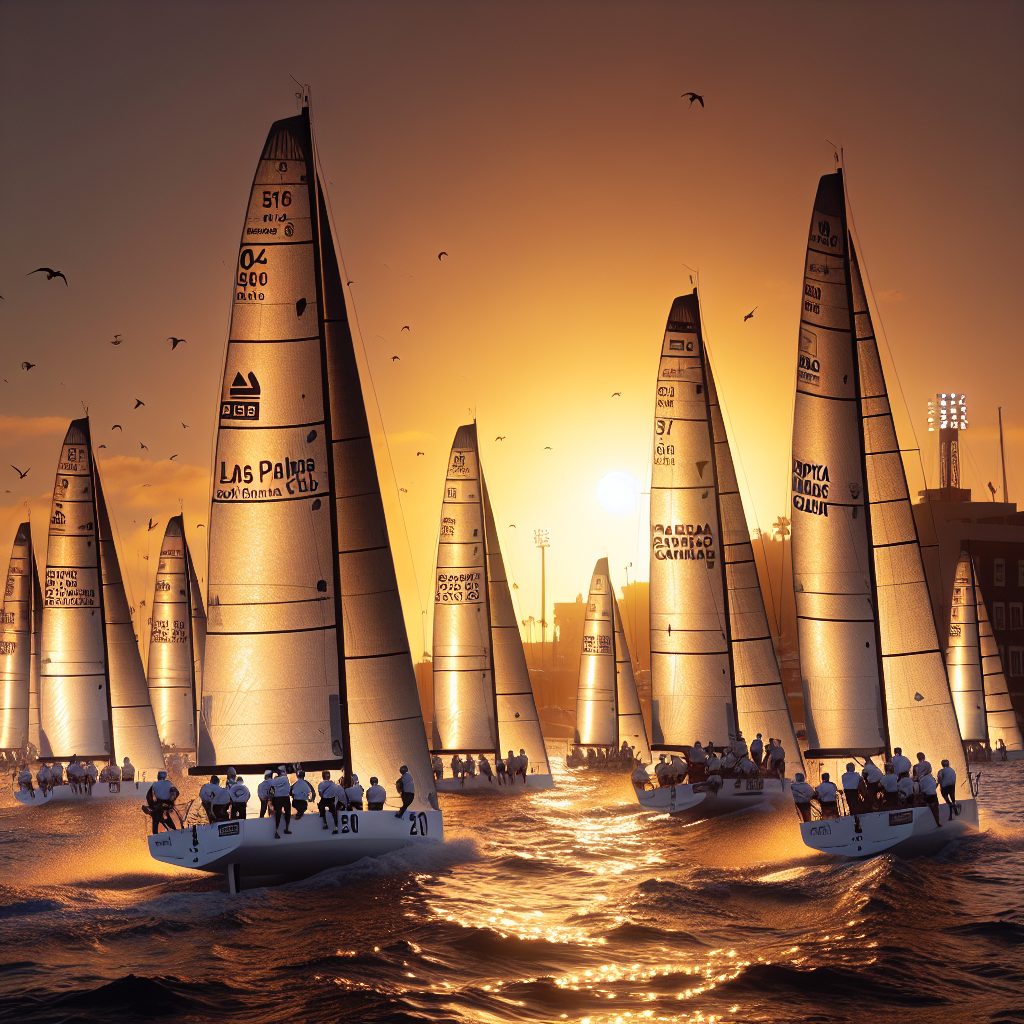
The Impact of the First Island Circuit of the Snipe Class at the Royal Yacht Club of Gran Canaria The Royal Yacht Club of Gran Canaria (RYCGC) has witnessed an exciting season with the conclusion of its first Island Circuit of the Snipe Class. This event has not only stood out for the participation, which exceeded expectations with 20 registered crews, but also for the perfect combination of innovation and tradition in its waters. The final day, held last Saturday in the bay of Las Palmas, was a true spectacle despite the challenging wind conditions, barely reaching 6 knots. This scenario allowed the sailors to showcase their technical skills, offering subtle maneuvers and expert handling that highlighted the quality of the competitors. The Snipe class, known for its motto “Serious sailing, serious fun,” has become a fundamental part of the Canarian nautical culture. This circuit has not only strengthened bonds among sailors but has also proven to be an ideal space for innovation in navigation techniques and race tactics. Technical Details and Impeccable Organization Directed by Patricia Martín, fleet captain of the RYCGC, and with outstanding management by the Nautical Section, the circuit has developed ten days of competition since March. Each of these events has been carried out with meticulous organization that has ensured both the safety and enjoyment of the participants. An aspect to highlight is the adaptability of the sailors to changing weather conditions, made possible by solid technical training and detailed planning. This competition has provided an environment where crews could experience and improve their techniques, facing challenges that tested their skill and creativity. The Value of the Circuit for Sailors and the Industry The success of the Island Circuit of the Snipe Class offers several valuable lessons for maritime professionals, maritime investors, and nautical enthusiasts. First, the series has highlighted the importance of teamwork and camaraderie, fundamental values in any work environment, but especially critical in sailing where safety and efficiency depend on the crew’s ability to work together. For maritime investors, such competitions represent a fertile ground to identify business opportunities, from improving equipment to developing new nautical technologies. Innovation extends not only to boats but also includes race management systems, meteorological forecasting technologies, and new nautical marketing strategies. Finally, these types of circuits open doors to new careers for both young and experienced sailors, providing a place to showcase their skills and connect with industry professionals. Conclusions and Future Opportunities As part of a continuous effort to promote sports and recreational sailing, the Island Circuit of the Snipe Class has set a new standard for other yacht clubs in Spain. It has not only provided a competitive ground for local sailors but has also opened a platform for collaboration and mutual learning. The conclusion of this first circuit marks the beginning of a promising path for future events, where both participation and the diversity of competitions are expected to increase. The expectations for the upcoming editions are high, offering professionals in the sector the opportunity to continue innovating and expanding their skills. We encourage all those interested to get involved in future editions of these circuits, whether as competitors, organizers, or investors. The positive results of this first edition are a clear indication of the potential that the nautical sector has in the Canary Islands and beyond, promising a vibrant future full of opportunities.
Muis Marine Surveys: A Decade of Leadership and Precision in the ARA Maritime Corridor

Muis Marine Surveys: A Decade of Leadership and Precision in the ARA Maritime Corridor Introduction to Muis Marine Surveys In a maritime environment where accuracy and transparency are paramount, Muis Marine Surveys has established itself as a reliable and precise force during its first decade of operations. Based in Belgium, the company has provided marine inspection services ranging from France to Norway, covering the strategic ARA region (Antwerp-Rotterdam-Amsterdam). This article explores how Muis Marine Surveys has maintained its standards of trust and precision to become an essential pillar for the maritime industry in Europe. Since its founding in 2015 by Mark Muis, an expert in the liquid cargo sector at the Port of Rotterdam, the company has grown significantly, evolving from an independent provider to a trusted technical partner in major European ports. The primary aim of Muis Marine Surveys is simple: to offer impartial and independent inspection services, thus reducing commercial risk and supporting reliable maritime logistics. This commitment to accuracy and integrity has allowed the company to stand out in an industry where even the slightest discrepancy can have significant consequences. Key Services and their Impact on the Industry The range of services offered by Muis Marine Surveys is broad and technical, designed to address various critical needs in the maritime field. Their key services are essential for maintaining confidence in critical operations and focus on ensuring that all parties involved have access to accurate and independent reports. Verification of quantity and quality of fuel: This service is crucial for bunkering operations. Conflicts in this area are common, and Muis Marine Surveys offers independent verification of delivered and received quantities, ensuring they match the Bunker Delivery Note (BDN) and avoiding claims for out-of-spec fuel. Vessel condition inspections at the beginning and end of charter periods: These detailed reports, supported by photographic evidence, serve as reference records in charter party agreements and significantly reduce the risk of post-charter disputes. Supervision of cargo handling and management: Ensuring compliance with international regulations strengthens confidence in the integrity and safe transit of valuable goods. Innovation and Precision in Transshipment Supervision In a rapidly evolving sector, Muis Marine Surveys has implemented advanced protocols for ship-to-ship (STS) and barge transshipment supervision. This service is essential in complex transfer operations, where safety and environmental compliance are paramount. Direct supervision by experienced inspectors minimizes associated risks and ensures appropriate guidelines are followed. The company’s role in loss control is equally critical. During crucial loading phases, the Muis Marine Surveys team identifies potential discrepancies and ensures adherence to standard procedures. This independent on-site presence allows all parties to trust the reported figures and operational compliance, making a significant difference in risk management. In addition, their focus on professional quality and governance ensures all inspectors align with international standards, participating in quality audits and ongoing training. This commitment strengthens the company’s reputation and enhances its ability to provide accurate and reliable services. A Promising Future in the ARA Basin Throughout its first ten years, Muis Marine Surveys has proven to be a strategic player in maritime logistics, offering technical clarity and mitigation of commercial risks in the ARA region and beyond. Adherence to standardized methodologies and independent execution allows the company to provide stakeholders, including charterers, owners, operators, and insurers, with a defensible record of operational transparency and logistical control. For maritime professionals and maritime investors, Muis Marine Surveys services represent an opportunity to minimize risks and ensure the smoothness of maritime operations, ensuring regulatory compliance and reducing costs associated with fuel quality disputes. Additionally, the company invites professionals interested in joining their team to explore job opportunities by submitting their resumes. With a perspective of continuous growth in the region, Muis Marine Surveys aims to expand its positive impact on the maritime industry. Conclusion Muis Marine Surveys has set a standard of excellence in the marine inspection sector, demonstrating that trust and precision are essential values for success in maritime commerce. Their dedication to providing high-integrity services reinforces the importance of independent reports and operational clarity in an increasingly complex environment. Muis Marine Surveys’ approach is not only relevant for maritime professionals seeking to improve the efficiency and reliability of their operations but is also an inspiring example for the nautical sector as a whole. By prioritizing accuracy, impartiality, and transparency, the company remains a beacon of trust and leadership in the industry. We invite our readers to learn more about Muis Marine Surveys and consider how their services can benefit both their work and recreational operations, ensuring a safer and more efficient future in the maritime world.
The Strategic Expansion of Vopak in Pengerang for Greener Maritime Transport

The Strategic Expansion of Vopak in Pengerang for Greener Maritime Transport In a strategic move that underscores its commitment to the energy transition, Royal Vopak has announced a significant expansion at its Pengerang Terminal in Malaysia. This investment of 272,000 cubic meters in new storage capacity is intended for raw materials and biofuel products, positioning Pengerang as a crucial node in the global network of low-carbon biofuels. This project not only reaffirms Vopak’s leadership in independent storage but also highlights its role in promoting sustainable energy solutions. This expansion is directly connected with the cutting-edge Pengerang Biorefinery Sdn. Bhd. (PBSB), a joint venture involving PETRONAS Mobility Lestari Sdn. Bhd., Enilive S.p.A., and Euglena Co., Ltd. The collaboration between these entities indicates a commitment to sustainable development of advanced biofuels, using innovative technologies such as Eni’s Ecofining™ process, which maximizes the production of fuels like Hydrotreated Vegetable Oil (HVO), bio-naphtha, and Sustainable Aviation Fuel (SAF). The total investment in the project amounts to approximately 282 million euros, with Vopak contributing 72 million. This investment is supported by a 25-year terminal use agreement with PBSB, ensuring predictable income streams and underlining confidence in the sustained demand for advanced biofuels. This effort is a direct response to the growing decarbonization needs of the maritime and transportation sectors. Pengerang as a Strategic Biofuels Hub The strategic location of Pengerang, in the southeast of Johor, offers unparalleled logistical advantages. Situated near busy international maritime routes and the bunkering hub of Singapore, the PT2SB terminal is positioned to become an efficient exchange point for biofuel raw materials and end products. Global raw materials such as used cooking oils, animal fats, and waste from vegetable oil processing can be easily imported while the refined biofuels are exported globally. Vopak’s ethos, advocating for driving new and sustainable energy solutions, aligns perfectly with the growth of infrastructure supporting the energy transition. With this project, Vopak not only strengthens its industrial position in the Singapore Straits but also expands its storage capacity to support future fuels like hydrogen and ammonia, essential for a more sustainable future in global supply chains. The processing capacity of the biorefinery, estimated at 650,000 tonnes per year, will allow for versatile product configurations, adapting to the needs of various sectors. The flexibility in raw materials is a notable feature that will enable the facility to maximize its production of SAF and HVO, meeting the urgent decarbonization goals of aviation and transportation. Impact on the Bunkering Sector: Path towards Decarbonization For the global bunkering industry, especially in the busiest maritime corridor in Asia-Pacific, the expansion of Pengerang is a clear signal of future fuel availability and infrastructure readiness. The significant scale of 272,000 m³ of dedicated storage, alongside a large-scale biorefinery, demonstrates a concerted effort to bring biofuels into widespread availability, reducing costs and improving supply consistency. HVO, produced at this facility, is particularly relevant for the bunkering sector. As a “drop-in” fuel, HVO can be used directly in existing marine diesel engines without modifications, providing an immediate and effective way for shipowners to reduce their greenhouse gas emissions. Moreover, the increased availability near Singapore will facilitate its adoption. The synergistic approach between SAF and HVO in the same complex creates shared logistical efficiencies and potential production flexibility, which could influence bunker fuel blending options. The proximity of Pengerang to Singapore enhances the regional biofuels ecosystem, complementing Singapore’s goals of becoming a leading green bunkering hub, providing a secure source of advanced biofuels that is easily accessible. Long-Term Commitment and Job Opportunities The 25-year terminal use agreement and Vopak’s strategic focus on energy transition infrastructure underline a long-term commitment to sustainable fuels. This project sends a clear investment signal to shipping companies considering new builds or modifications for biofuel compatibility, ensuring them a reliable future supply. The dedicated infrastructure and direct linkage to the refinery help mitigate biofuel supply chain risks, ensuring product integrity and efficient distribution, crucial factors in maintaining operational reliability of vessels. This development is not only a tangible advancement in global efforts to decarbonize maritime and aviation transport but also represents a job opportunity for professionals interested in being part of this shift towards a more sustainable future. Interested individuals are invited to submit their resumes to the involved companies, as the job opportunities in this innovative project are numerous and varied, ranging from engineers and technicians to logistics and sustainability specialists. Conclusion: Towards a Sustainable Energy Future The collaboration between Vopak and its partners at the Pengerang Integrated Complex is not just an investment in fuel storage and production; it is a decisive commitment to shaping the future of sustainable energy flows that are vital for the world’s most critical industries. This project represents a substantial step towards reducing the global carbon footprint and establishing a cleaner, safer, and more sustainable energy system. The impact of this initiative is multifaceted: it offers a concrete solution for decarbonizing maritime transport, strengthens logistical and biofuel production capabilities in a strategic region, and provides specialized employment opportunities. Maritime professionals, investors, and stakeholders are encouraged to explore the potential benefits and contributions of this transformative project for a greener future.
GT Refuerza its Leadership in the Maritime Digital Sector with the Acquisition of Danelec

GT Refuerza its Leadership in the Maritime Digital Sector with the Acquisition of Danelec GT Refuerza its Leadership in the Maritime Digital Sector with the Acquisition of Danelec The maritime industry is undergoing a significant transformation as companies embrace digital solutions to enhance operational efficiency and meet decarbonization goals. A recent piece of news highlighting this shift is the acquisition of Danelec by GTT (Gaztransport & Technigaz), a leading technology and engineering group known for its cryogenic membrane containment systems. This move not only solidifies GTT’s position as a key player in the digital maritime market but also promises to deliver high-value integrated solutions to shipowners and operators worldwide. The Strategy Behind the Acquisition The strategic move to acquire Danelec, globally recognized for its safety and digital performance solutions for the maritime sector, is expected to immediately bring economic benefits to GTT. Valued at 194 million euros and initially announced on May 5, 2025, this agreement underscores GTT’s commitment to leading in the provision of advanced digital solutions for the industry. The integration of Danelec into GTT’s Digital division, alongside existing subsidiaries like Ascenz Marorka and Vessel Performance Solutions, expands the company’s installed base to over 17,000 vessels worldwide. This extensive portfolio is designed to offer a comprehensive suite of high-quality digital solutions that empower stakeholders in the maritime sector to optimize operational performance, enhance safety, and progress towards ambitious decarbonization goals. Opportunities for Growth and Market Leadership The acquisition of Danelec significantly reinforces GTT’s leadership in the digital maritime sector, especially at a time when digitization and energy efficiency are strategic priorities. GTT has appointed Casper Jensen, former CEO of Danelec, as the new Executive Vice President Digital, who will head two customer-focused business units: Performance and Monitoring Solutions, and Safety and Equipment. Anouar Kiassi, current CEO of Ascenz Marorka, will lead the former unit, focusing on ship optimization, fuel consumption monitoring, and environmental performance. Christian Kock, Executive Vice President of Safety at Danelec, will head the Safety and Equipment unit focused on critical safety solutions, such as Voyage Data Recorders (VDRs). The potential synergy between Danelec, Ascenz Marorka, and Vessel Performance Solutions will enable GTT to develop a unified, top-tier digital platform, offering integrated solutions that facilitate better decision-making for its customers. This represents a significant consolidation in a fragmented digital maritime market and a promise to simplify the provider landscape for shipowners. Relevance for Maritime Decarbonization The acquisition has broad implications for the maritime industry, especially within the context of decarbonization. One of the biggest impacts will be the enhanced ability to offer an integrated digital offering. The available tools will help shipowners monitor, analyze, and optimize vessel performance, directly impacting fuel efficiency and emissions reduction. With an expanded installed base of 17,000 vessels, GTT’s Digital division will have access to a vast array of real operational data. This data is invaluable for developing more accurate energy efficiency models, predicting optimal routes, and demonstrating compliance with environmental regulations, such as the Carbon Intensity Indicator (CII) and the EEXI. Furthermore, Danelec’s strength in VDRs and safety solutions complements GTT’s performance optimization tools, creating synergistic opportunities where data collection for safety purposes is also utilized for efficiency improvements. With this acquisition, GTT is not only consolidating its traditional expertise in cryogenic technology but also its ambitious expansion into digital services. Employment Opportunities and Future Innovations For maritime professionals and nautical enthusiasts, this acquisition signifies potential employment opportunities in a rapidly evolving sector. Interested individuals may consider submitting their resumes to GTT’s expanding subsidiaries, such as Ascenz Marorka, where new positions may arise with the growth of the digital divisions. Additionally, GTT plans to continue developing cutting-edge solutions that support the transition to low-carbon alternative fuels. Its expertise in LNG containment, combined with enhanced digital capabilities, uniquely positions the company to support the shift to alternative fuels, offering both physical containment technology and digital tools to optimize their new operational profiles. For maritime investors, this consolidation presents an opportunity to closely observe how GTT capitalizes on synergies within this expanding digital market, potentially generating solid returns as the company continues to lead in critical areas of safety, efficiency, and decarbonization. Conclusion: A Promising Future for GTT and the Maritime Sector In summary, the acquisition of Danelec represents a significant step for GTT in its mission to lead the digital transformation of the maritime sector. This strategy not only positions GTT as a key provider of integrated solutions but also reinforces its commitment to sustainability and energy efficiency. The integration of Danelec and GTT’s enhanced capabilities are a clear indication that the maritime sector is rapidly evolving towards a more connected and efficient future. Professional mariners, investors, and nautical enthusiasts will find in these strategies a model to follow to stay at the forefront in a constantly changing market. For those interested in exploring more on this topic, it is recommended to visit GTT’s website and its subsidiaries and stay tuned for future developments in the digital and maritime decarbonization fields.