



Innovation and Collaboration: GCMD and INTERCARGO Driving Decarbonization in Bulk Maritime Transport
Innovation and Collaboration: GCMD and INTERCARGO Driving Decarbonization in Bulk Maritime Transport In a bid to accelerate the decarbonization of bulk maritime transport, the Global Centre for Maritime Decarbonization (GCMD) and the International Association of Dry Cargo Shipowners (INTERCARGO) have joined forces. This two-year collaboration aims to address the unique challenges of the dry cargo segment, especially for small and medium-sized shipowners operating in the unpredictable tramp trade. The dry cargo segment, the largest in terms of tonnage, faces particular obstacles in its operations. Many vessels follow irregular routes, complicating the supply of zero or low emission fuels at specific ports. The global supply infrastructure is still under development, requiring immediate solutions to meet the decarbonization goals set by the International Maritime Organization (IMO). GCMD, with its technical expertise and experience in piloting projects, is partnering with INTERCARGO, which brings its wide reach among shipowners and its consultative status at the IMO. Together, they will focus on promoting the adoption of Energy Efficiency Technologies (EETs) and sharing knowledge about advancements in dry cargo vessels powered by low and zero carbon fuels. Challenges Faced by Dry Cargo Shipping Bulk carriers, the backbone of global maritime trade, represent 42.7% of the world’s ocean-going vessel fleet by deadweight tonnage. This significance highlights the crucial role INTERCARGO plays, representing over a third of the global dry cargo tonnage through its members. However, operating in tramp trade, with irregular routes, poses serious challenges in planning for zero or nearly zero emission fuel supplies. With the global supply infrastructure still in development, the dry cargo segment needs immediate solutions. Some viable options include biofuel substitutes, onboard carbon capture systems, and energy efficiency technologies. GCMD is leading pilot projects to facilitate the adoption of these solutions in the market. This collaboration aims to leverage INTERCARGO’s operational expertise and member network to advance the deployment of these technologies within the dry cargo segment. This coordinated action is essential to reduce adoption barriers and achieve industry decarbonization goals more rapidly. Supporting Shipowners in Energy Transition For many shipowners, one of the significant barriers is uncertainty about fuel savings provided by EETs, along with limited access to financing. To address this challenge, GCMD is developing a financing model called “Pay-As-You-Save” (PAYS), linking refunds to verified fuel savings. Installing sensors on ships will validate these savings, facilitating the adoption of energy efficiency technologies. This innovative approach has the potential to transform the industry by providing a more accessible financing mechanism, helping shipowners invest in technological improvements without significant financial risk. Additionally, being a results-based model, it can incentivize faster and wider adoption of EETs in the sector. The success of this initiative could serve as a model for other segments of the maritime industry, highlighting the importance of financial innovation in accelerating energy transition in maritime transport. Reasons for the Relevance of This Alliance Such alliances are crucial not only for meeting global decarbonization goals but also for providing a concrete and applicable framework in the maritime industry. We offer three reasons why this news is relevant to different segments of the WishToSail.com audience. Firstly, for merchant navy professionals, the implementation of EETs can transform daily operations, improving efficiency and reducing operating costs. By being at the forefront of these innovations, they have the opportunity to hone their skills with cutting-edge technologies. Secondly, for maritime investors, this concerted effort represents an opportunity to invest in a sector with tremendous sustainable growth potential. By investing in clean technologies, investors will not only contribute to a greener world but also stand to gain returns in a market that increasingly values sustainability. Lastly, for nautical enthusiasts, this news underscores the importance of transitioning to cleaner and sustainable maritime transport. It introduces a landscape where innovation and environmental responsibility go hand in hand, inspiring future generations to pursue a career in the sector with a strong commitment to the environment. Opportunities for Industry Professionals Initiatives like that of GCMD and INTERCARGO not only have a direct impact on emissions reduction but also open up new avenues for employment and professional development. This collaboration can create a growing demand for clean technology specialists, offering job opportunities in an evolving sector. For maritime industry professionals, projects like these offer the opportunity to be at the forefront of maritime technologies. Those interested in being part of this transformation can consider submitting their resumes to the mentioned companies, thus becoming part of the sustainable future of maritime transport. INTERCARGO and GCMD’s commitment is not only focused on implementing EETs but also on fostering collaboration and knowledge sharing among their members. This collaborative approach is essential to overcome sector challenges and make significant progress towards decarbonization. Conclusion: Exploring New Horizons The collaborative work of GCMD and INTERCARGO is a clear example of how collaboration and innovation can drive significant changes in the maritime sector. Their focus on decarbonization and the development of
The Growth of Reservations and its Impact on the Maritime Sector
The Growth of Reservations and its Impact on the Maritime Sector In the second quarter of 2025, Expedia Group, Inc., a giant in the tourism industry, reported a significant 7% growth in room nights booked, driven mainly by a significant increase in markets outside the United States. This growth is not only relevant to the hotel industry but also offers interesting opportunities for the maritime and nautical sector, where new tourist routes and job opportunities for seafarers can emerge. The 17% increase in B2B reservations is an indicator of how strategic alliances and networking in the industry can lead to an increase in economic activity. For merchant marine professionals, this can translate into more cruise routes and luxury maritime transport services, opening up a range of job opportunities. Additionally, the 8% growth in hotel reservations, driven by B2B and the Expedia brand, suggests an economic recovery and an increase in consumer confidence. This upturn may encourage maritime investors to invest in innovations in port infrastructures and vessels, considering that an increase in land tourism may correlate with an increase in maritime tourism. Technological Innovations Revolutionizing Maritime Transport The growth in reservations also reflects a growing adoption of advanced technologies for reservation management and ship operations. The use of artificial intelligence systems to predict demand trends and optimize maritime routes is an increasingly present reality. These advances can improve the efficiency of goods and passenger transport, reducing costs and travel times, a crucial aspect in an increasingly competitive market. Similarly, the rise of digital platforms that facilitate the connection between tourists and maritime service providers is transforming the travel experience. These technological innovations not only improve customer satisfaction but also offer sailors and maritime professionals tools to optimize the performance of their operations. With process automation and real-time data integration, smarter ships are being developed that enhance safety and sustainability. This trend towards digitalization in the maritime sector promises to increase investment in new technologies, creating a growing demand for professionals skilled in handling these advanced systems. Opportunities and Challenges for Investors and Sailors The economic growth demonstrated by Expedia Group in the second quarter of 2025 highlights a potential boom in investment in the maritime sector. Investors may find in the development of new maritime routes and destinations a lucrative opportunity, especially in emerging markets where tourism is expanding. For sailors and nautical enthusiasts, this scenario offers a promise of adventure and exploration. The creation of new itineraries and routes not only drives maritime tourism but can also be a gateway for those interested in exploring job opportunities that combine a love for the sea with technological innovation. However, this growth also presents challenges. Competition among destinations and maritime service providers will intensify, demanding constant updating of skills and knowledge from sector professionals. The ability to adapt to new technologies and understand market trends will be key to seizing these opportunities. Relevance for the Audience of WishToSail.com Firstly, for merchant marine professionals, this growth in the tourism sector and reservations represents an opportunity to diversify routes and services, adapting to new demands in the global market. Secondly, maritime investors can find in the development of innovative technologies and routes a promising area to expand their portfolios and secure attractive economic returns. Lastly, for nautical enthusiasts, the presented trends suggest a horizon full of unique experiences and continuous learning in a transforming sector. In conclusion, the connection between the growth in accommodation reservations and the maritime sector is not only relevant but essential to understanding the current dynamics of the global tourism market. Innovation and economic growth go hand in hand, presenting endless possibilities for those who navigate with a vision of the future. It is an exciting time to be involved in the world of nautical activities, and those looking to advance their careers should consider these trends as a beacon lighting the way to new adventures and professional achievements. This is a call to action for professionals and enthusiasts in the maritime sector: explore, innovate, and continue sailing towards new horizons. The industry is changing, and with these changes come opportunities waiting to be discovered by the pioneers of the sea.
Innovation in the Mediterranean: First Bio-LNG STS Bunkering in the Port of Algeciras
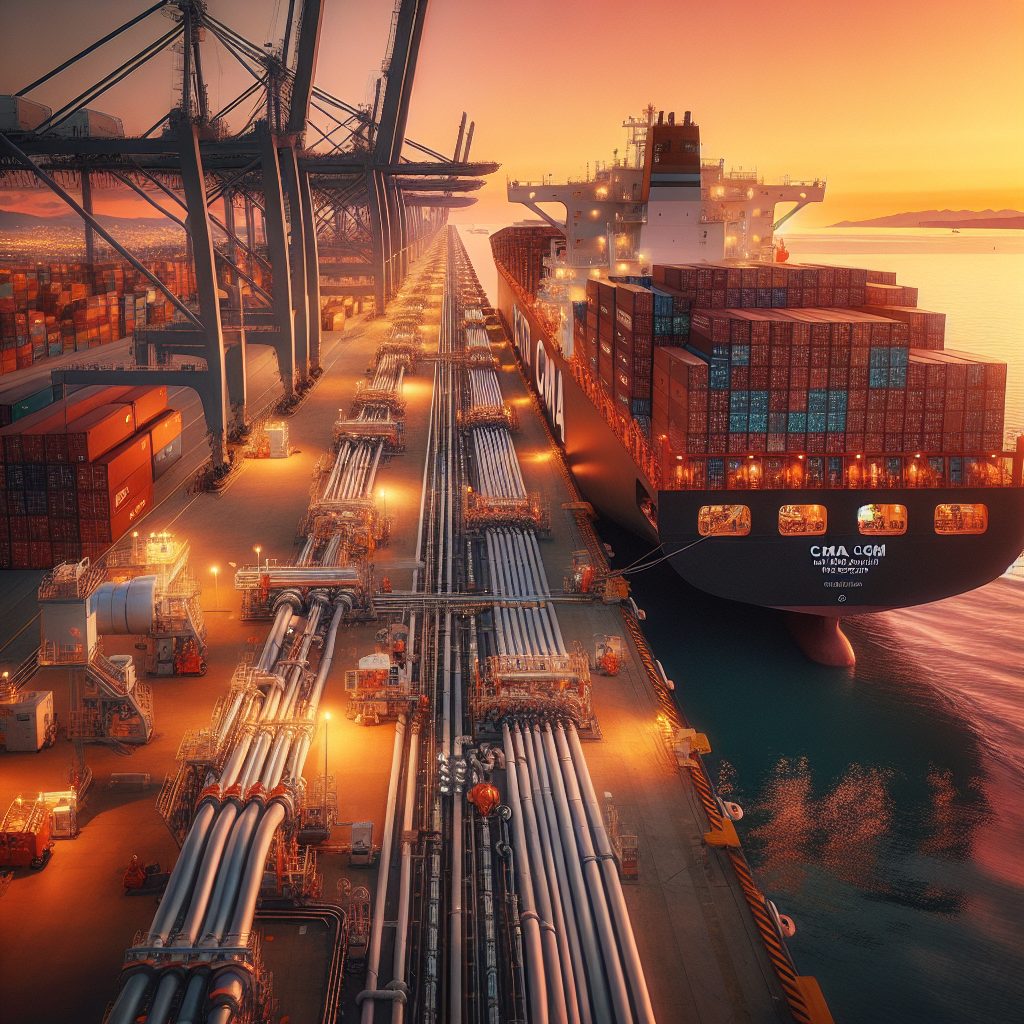
Innovation in the Mediterranean: First Bio-LNG STS Bunkering in the Port of Algeciras On August 7, 2025, a significant date in the European maritime calendar was marked by the successful operation of Axpo in the Port of Algeciras: the first ship-to-ship (STS) bio-LNG bunkering in Spain. This milestone goes beyond a mere logistical achievement; it signifies a decisive step towards more sustainable energies in the maritime transport sector. New Frontiers in Fuel Supply: Bio-LNG in the Port of Algeciras The operation involved the delivery of over 4,000 cubic meters of ISCC-certified bio-LNG to the container ship CMA CGM FORT BOURBON. This event not only underscores Spain’s commitment to reducing carbon emissions in maritime transport but also highlights Axpo’s growing position as a leader in supplying renewable alternatives to Liquefied Natural Gas (LNG). The use of bio-LNG as marine fuel is an innovative solution that aligns perfectly with the decarbonization goals of the International Maritime Organization (IMO) and the FuelEU Maritime directive. As regulations aim for cleaner maritime transport, bio-LNG offers a way to meet these requirements without the need for technical modifications to existing vessel engines. The Port of Algeciras, one of Europe’s most crucial ports, stands out as a pivotal hub for alternative fuel supply operations. With the increasing availability of bio-LNG and the tightening of regulatory frameworks, Algeciras is poised to lead the transition towards greener maritime fuels. Virtual Liquefaction Model: Supply Chain Innovation Axpo’s success lies in implementing a virtual liquefaction model that significantly transforms supply chain logistics. In this model, bio-LNG is produced by injecting biomethane into Spain’s national gas network, which is then liquefied at the Enagás regasification plant in Cartagena. This approach offers substantial advantages such as scalability, leveraging existing gas infrastructure without the need for dedicated liquefaction terminals, operational flexibility to adapt to various ports’ needs, and certified sustainability, guaranteed by ISCC certification ensuring traceability from production to final delivery. Therefore, Axpo’s model is not only economically advantageous but also environmentally responsible, positioning the company at the forefront of maritime fuel innovation. Strategic Importance for the Maritime Sector From a strategic perspective, this operation emphasizes the importance of sector collaboration in unlocking advancements in maritime decarbonization. Axpo, along with Enagás and CMA CGM, have demonstrated that efficient and sustainable large-scale supply is possible. For merchant navy professionals and sailors, this operation is transformative, providing an immediate and feasible solution to reducing greenhouse gas emissions without the need for complex technical modifications. Furthermore, for investors and nautical enthusiasts, it represents a growth opportunity in an emerging and sustainable market. The implications for the industry are clear: the widespread adoption of bio-LNG is not only possible but necessary to meet current and future environmental demands. Promising Future for Bio-LNG in the Mediterranean The Mediterranean’s anticipated designation as an Emission Control Area (ECA) will further drive the demand for low and zero-carbon fuels like bio-LNG. In this evolving context, Axpo’s successful operation sets a replicable model for other ports and fuel providers across Europe. With the Port of Algeciras as a cornerstone, the Mediterranean is well-positioned to lead in bio-LNG bunkering operations, benefiting not only the involved ports but also the entire maritime supply chain seeking to adhere to new environmental regulations. In summary, the operation is not only a testament to Axpo’s commitment to sustainability but also a call to other industry players to follow suit and work together towards a greener future for maritime transport. Employment and Economic Opportunities in the Green Transition For maritime sector professionals, this operation opens up new job opportunities. Companies like Axpo and CMA CGM, leading the transition to sustainable fuels, are seeking talent to help expand and optimize their operations. Interested individuals are encouraged to submit their resumes to these companies committed to innovation and sustainable development. Additionally, the adoption of bio-LNG presents a significant economic opportunity for investors interested in energy transition. With existing infrastructure and international certifications supporting its use, bio-LNG emerges as an attractive option for new investments in the maritime sector. Each step forward, operations like this pave the way for a sustainable maritime sector, offering both economic and environmental benefits ensuring a promising future for generations to come.
The Strategic Impact of Edward Feitzinger’s Appointment to C.H. Robinson’s Board of Directors

The Strategic Impact of Edward Feitzinger’s Appointment to C.H. Robinson’s Board of Directors The recent addition of Edward Feitzinger to C.H. Robinson’s board of directors marks a new direction in the business strategies of one of the world’s most influential logistics companies. Based in Minn., United States, C.H. Robinson is known for its crucial role in facilitating global trade, and Feitzinger’s inclusion on its board promises to be a significant strategic shift. With a wealth of experience in logistics and supply chain management, Feitzinger brings essential expertise to any company operating in the maritime sector. His background includes leadership roles at companies like XPO Logistics, where he played a key role in the company’s international expansion. His expertise is particularly relevant at a time when efficiency and sustainability are more critical than ever for maritime transport. This appointment not only represents a step forward for C.H. Robinson but also heralds a series of opportunities for those working or investing in the maritime sector. With Feitzinger on board, innovations are anticipated that could redefine how maritime supply chains operate globally, improving efficiency and reducing operating costs – promising news for professionals and entrepreneurs in the industry. Impact on the Maritime Sector: Innovation and Sustainability In a sector where technological innovation is essential to remain competitive, Feitzinger’s influence could lead to a significant advancement towards the implementation of more sustainable and efficient technologies. During his time at Amazon, Feitzinger oversaw developments in automation and logistics that could be adapted to the maritime sector, improving decision-making speed and environmental protection. Furthermore, his focus on sustainability aligns with the growing demand from consumers and governments for greener operations. His experience in optimizing routes and managing resources is expected to reduce the carbon footprint of maritime transport, a critical point on the global agenda for combating climate change. Implementation of sustainable technologies Focus on efficiency and sustainability Use of automation and logistics improvements Employment and Investment Opportunities in the Sector Edward Feitzinger’s influence at C.H. Robinson could open up new job opportunities for maritime industry professionals. With his track record of expanding and improving services, the company is likely to seek to strengthen its team with experts in logistics, technology, and sustainability, making this a great time for maritime sector professionals to submit their resumes. On the other hand, maritime investors should be attentive to C.H. Robinson’s strategic moves following this new appointment. Decisions driven by Feitzinger can increase the company’s stock value, making investment in its future growth an attractive option for those looking to diversify their portfolios in the logistics and maritime transport sector. Strategic Relevance for WishToSail.com Readers This appointment is particularly relevant for our readers for several reasons. Firstly, it exemplifies how strategic decisions in the leadership of a leading company can influence the entire maritime industry, offering a clear insight into emerging trends and opportunities. Secondly, it underscores the importance of technological innovation and sustainability in the maritime sector, topics that are of central interest to professionals seeking to enhance their operational practices. With Feitzinger at the helm, C.H. Robinson could lead the next revolution in logistics and maritime transport. Finally, the news should motivate professionals and enthusiasts in the sector to actively seek opportunities for personal and professional development. Conclusion: A Promising Future for Maritime Transport Edward Feitzinger’s appointment to C.H. Robinson’s board of directors is not only a testament to his experience and skills but also an opportunity for the evolution of the maritime sector towards a more efficient and sustainable model. The WishToSail.com community should closely observe how these changes unfold and seize the opportunities that arise from such innovations. Ultimately, these developments promise not only to enhance current operations but also to set a standard of sustainability and efficiency that will influence the industry in the years to come. In an increasingly globalized market, staying informed of such dynamics is essential to remain competitive and prepared for the future.
The Impact of C.H. Robinson in the Maritime Transport Sector
The Impact of C.H. Robinson in the Maritime Transport Sector In the dynamic world of maritime transport and logistics, technological advancements and strategic decisions by industry leaders can change the game. Recently, C.H. Robinson, a giant in global logistics and transport, has made significant announcements that are highly relevant to professionals and investors in the maritime sector. The decision by C.H. Robinson to declare a quarterly cash dividend highlights its strong position in the market and commitment to shareholders. Beyond its financial stability, the real news is its focus on continuous innovation within maritime transport, a sector facing challenges and opportunities in equal measure. The adoption of emerging logistics technologies such as artificial intelligence and predictive analytics by C.H. Robinson is optimizing routes, managing inventory more effectively, and reducing transit times. These technological tools are crucial for navigators and route operators as they allow for better time and resource management, minimizing risks associated with weather and market factors. Furthermore, C.H. Robinson is focusing on sustainability and reducing carbon footprint in its maritime operations, meeting environmental imperatives and economic demands. This emphasis on sustainability not only benefits the environment but also provides a competitive advantage for sailors and fleet managers collaborating with the company. Employment and Investment Opportunities in the Maritime Sector One of the most attractive aspects for the audience of WishToSail.com is how these changes create new job opportunities. C.H. Robinson, through expanding and modernizing its operations, will generate demands for skilled professionals. This presents an excellent opportunity for those with experience in navigation, logistics, and maritime management to join a globally recognized company. For maritime investors, C.H. Robinson’s innovations signal that the sector continues to evolve and adapt. Companies embracing technology and sustainability are better positioned to navigate the turbulent waters of the global market. Investing in companies leading this change can result in substantial long-term benefits. Understanding how logistical innovations impact maritime transport is crucial for maritime professionals. With the adoption of advanced technologies, sea routes can become safer and more efficient, reducing costs and improving delivery times. Lastly, C.H. Robinson’s focus on sustainability and environmental responsibility aligns with the growing interest in a blue economy. Clean maritime facades and sustainable practices are essential for the future of maritime operations, gaining customer and community trust. A Promising Future Ahead The dividend declaration by C.H. Robinson is just the tip of the iceberg of transformations occurring in the maritime transport sector. The company’s strategic decisions not only benefit shareholders but pave the way for a more efficient, sustainable, and technologically advanced future in maritime transport. For readers of WishToSail.com, whether professionals, investors, or nautical enthusiasts, these innovations represent an open door to explore new horizons, enhance practices, and be part of an ever-evolving industry. It is, therefore, encouraged for all interested parties to stay informed and consider new opportunities that may arise in this fascinating sector. In conclusion, staying informed about the strategic movements of leading companies like C.H. Robinson can provide a valuable competitive edge. Those looking to delve deeper into these trends and explore potential collaborations or investments will find this dynamic industry a fertile ground for personal and professional growth.
The Transformation of Maritime Fuel Supply: A New Horizon from 2026
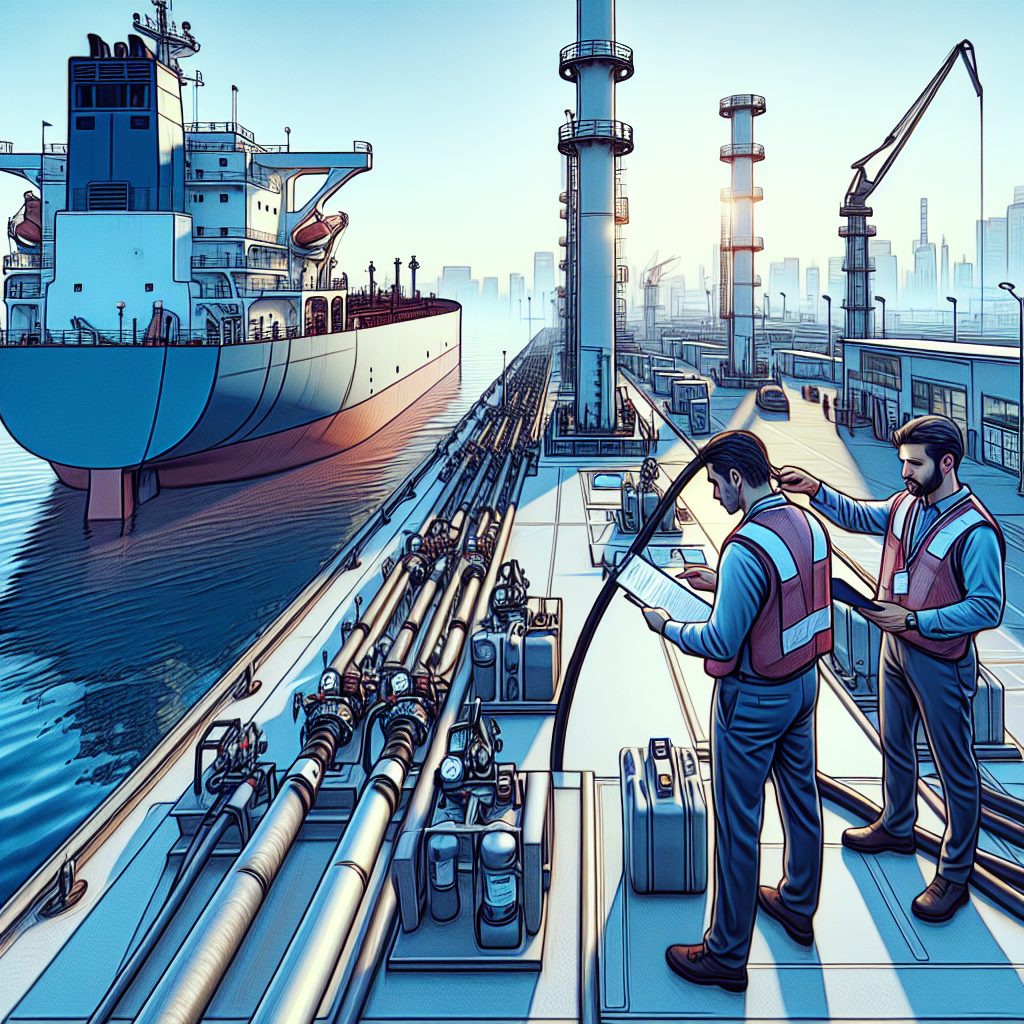
The Transformation of Maritime Fuel Supply: A New Horizon from 2026 In the heart of European maritime trade, the ports of Rotterdam and Antwerp-Bruges are gearing up to implement a new regulatory framework starting January 1, 2026. This change aims to enhance transparency, standardization, and accountability in marine fuel supply operations. As the largest bunkering ports in Europe, this initiative represents a significant advancement in the maritime transportation sector. The new regulation sets mandatory requirements that update fuel supply processes, aligning the ARA region with advanced global standards in marine fuel measurement, licensing, and regulatory compliance. By introducing measures such as the mandatory use of certified Mass Flow Meters (MFM), the aim is to raise the operational standard at these major European facilities. This regulation covers both residual distillates and biofuels, indicating a comprehensive approach that drives maritime decarbonization. The inclusion of biofuels underscores these ports’ commitment to sustainability while boosting confidence in the use of alternative fuels. Mass Flow Meters: A Mandatory Standard for the Future MFM devices offer real-time, highly accurate measurements of fuel quantities transferred during bunkering operations. These systems, resistant to tampering, have the potential to significantly reduce disputes over delivered versus received fuel volumes. All MFMs must be certified by an authorized body and registered with the relevant port authority, fully installed and operational by the start of 2026. The implementation of MFMs not only standardizes processes but also optimizes operational efficiency, allowing maritime professionals to coordinate their operations with greater precision and less uncertainty, crucial for trip planning and cost management. The Role of Bunkering Licenses in the New Era Providers in Rotterdam and Antwerp-Bruges must hold a valid bunkering license for any deliveries involving residual distillates or biofuels. License holders must demonstrate full compliance with operational, safety, and environmental requirements at all times. Ports will conduct routine audits and may perform unexpected inspections based on risk signals or complaints to ensure compliance. This dual strategy, combining technological controls with rigorous license supervision, aims to strengthen confidence in the supply chain, eliminate improper practices, and raise the overall standard of fuel delivery operations at these key bunkering hubs. The Innovative Role of Bunkering Inspectors Despite the automation provided by MFMs in quantity measurement, the role of independent bunkering inspectors remains essential. Inspectors must verify MFM system integrity and sealing before fuel transfer, confirm valid calibration certificates, and audit bunkering procedures to ensure compliance with new operational protocols. Hiring trained and certified inspectors in MFM auditing practices is strongly recommended to ensure measurement system integrity and transparency throughout the bunkering process. By integrating biofuels, Rotterdam and Antwerp-Bruges demonstrate leadership in supporting green maritime transport and strengthening market confidence in alternative marine fuels. International Harmonization and Global Competitiveness Despite European regulatory differences hindering full adoption of the ISO 22192 standard, both ports are committed to aligning their MFM protocols with its principles. This alignment ensures that certified and accepted MFMs in Singapore will be valid in Rotterdam and Antwerp-Bruges, ensuring interoperability. This move places the ARA ports in direct competition with Singapore and other leading bunkering hubs, emphasizing operational transparency, accuracy, and reliability as key features for global competitiveness. Extended Impact on the Industry and Outlook The entry “New Fuel Supply Regulations in the Ports of Rotterdam and Antwerp-Bruges: A Step towards Maritime Transparency and Efficiency” was first published on WishToSail.com.