Innovation and Collaboration: GCMD and INTERCARGO Driving Decarbonization in Bulk Maritime Transport
In a bid to accelerate the decarbonization of bulk maritime transport, the Global Centre for Maritime Decarbonization (GCMD) and the International Association of Dry Cargo Shipowners (INTERCARGO) have joined forces. This two-year collaboration aims to address the unique challenges of the dry cargo segment, especially for small and medium-sized shipowners operating in the unpredictable tramp trade. The dry cargo segment, the largest in terms of tonnage, faces particular obstacles in its operations. Many vessels follow irregular routes, complicating the supply of zero or low emission fuels at specific ports. The global supply infrastructure is still under development, requiring immediate solutions to meet the decarbonization goals set by the International Maritime Organization (IMO). GCMD, with its technical expertise and experience in piloting projects, is partnering with INTERCARGO, which brings its wide reach among shipowners and its consultative status at the IMO. Together, they will focus on promoting the adoption of Energy Efficiency Technologies (EETs) and sharing knowledge about advancements in dry cargo vessels powered by low and zero carbon fuels.
Challenges Faced by Dry Cargo Shipping
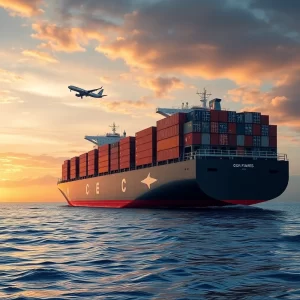
Bulk carriers, the backbone of global maritime trade, represent 42.7% of the world’s ocean-going vessel fleet by deadweight tonnage. This significance highlights the crucial role INTERCARGO plays, representing over a third of the global dry cargo tonnage through its members. However, operating in tramp trade, with irregular routes, poses serious challenges in planning for zero or nearly zero emission fuel supplies. With the global supply infrastructure still in development, the dry cargo segment needs immediate solutions. Some viable options include biofuel substitutes, onboard carbon capture systems, and energy efficiency technologies. GCMD is leading pilot projects to facilitate the adoption of these solutions in the market. This collaboration aims to leverage INTERCARGO’s operational expertise and member network to advance the deployment of these technologies within the dry cargo segment. This coordinated action is essential to reduce adoption barriers and achieve industry decarbonization goals more rapidly.
Supporting Shipowners in Energy Transition
For many shipowners, one of the significant barriers is uncertainty about fuel savings provided by EETs, along with limited access to financing. To address this challenge, GCMD is developing a financing model called “Pay-As-You-Save” (PAYS), linking refunds to verified fuel savings. Installing sensors on ships will validate these savings, facilitating the adoption of energy efficiency technologies. This innovative approach has the potential to transform the industry by providing a more accessible financing mechanism, helping shipowners invest in technological improvements without significant financial risk. Additionally, being a results-based model, it can incentivize faster and wider adoption of EETs in the sector. The success of this initiative could serve as a model for other segments of the maritime industry, highlighting the importance of financial innovation in accelerating energy transition in maritime transport.
Reasons for the Relevance of This Alliance
Such alliances are crucial not only for meeting global decarbonization goals but also for providing a concrete and applicable framework in the maritime industry. We offer three reasons why this news is relevant to different segments of the WishToSail.com audience. Firstly, for merchant navy professionals, the implementation of EETs can transform daily operations, improving efficiency and reducing operating costs. By being at the forefront of these innovations, they have the opportunity to hone their skills with cutting-edge technologies. Secondly, for maritime investors, this concerted effort represents an opportunity to invest in a sector with tremendous sustainable growth potential. By investing in clean technologies, investors will not only contribute to a greener world but also stand to gain returns in a market that increasingly values sustainability. Lastly, for nautical enthusiasts, this news underscores the importance of transitioning to cleaner and sustainable maritime transport. It introduces a landscape where innovation and environmental responsibility go hand in hand, inspiring future generations to pursue a career in the sector with a strong commitment to the environment.
Opportunities for Industry Professionals
Initiatives like that of GCMD and INTERCARGO not only have a direct impact on emissions reduction but also open up new avenues for employment and professional development. This collaboration can create a growing demand for clean technology specialists, offering job opportunities in an evolving sector. For maritime industry professionals, projects like these offer the opportunity to be at the forefront of maritime technologies. Those interested in being part of this transformation can consider submitting their resumes to the mentioned companies, thus becoming part of the sustainable future of maritime transport. INTERCARGO and GCMD’s commitment is not only focused on implementing EETs but also on fostering collaboration and knowledge sharing among their members. This collaborative approach is essential to overcome sector challenges and make significant progress towards decarbonization.
Conclusion: Exploring New Horizons
The collaborative work of GCMD and INTERCARGO is a clear example of how collaboration and innovation can drive significant changes in the maritime sector. Their focus on decarbonization and the development of