


The Breñas Cargo Revolutionizes Maritime Transport in the Canary Islands
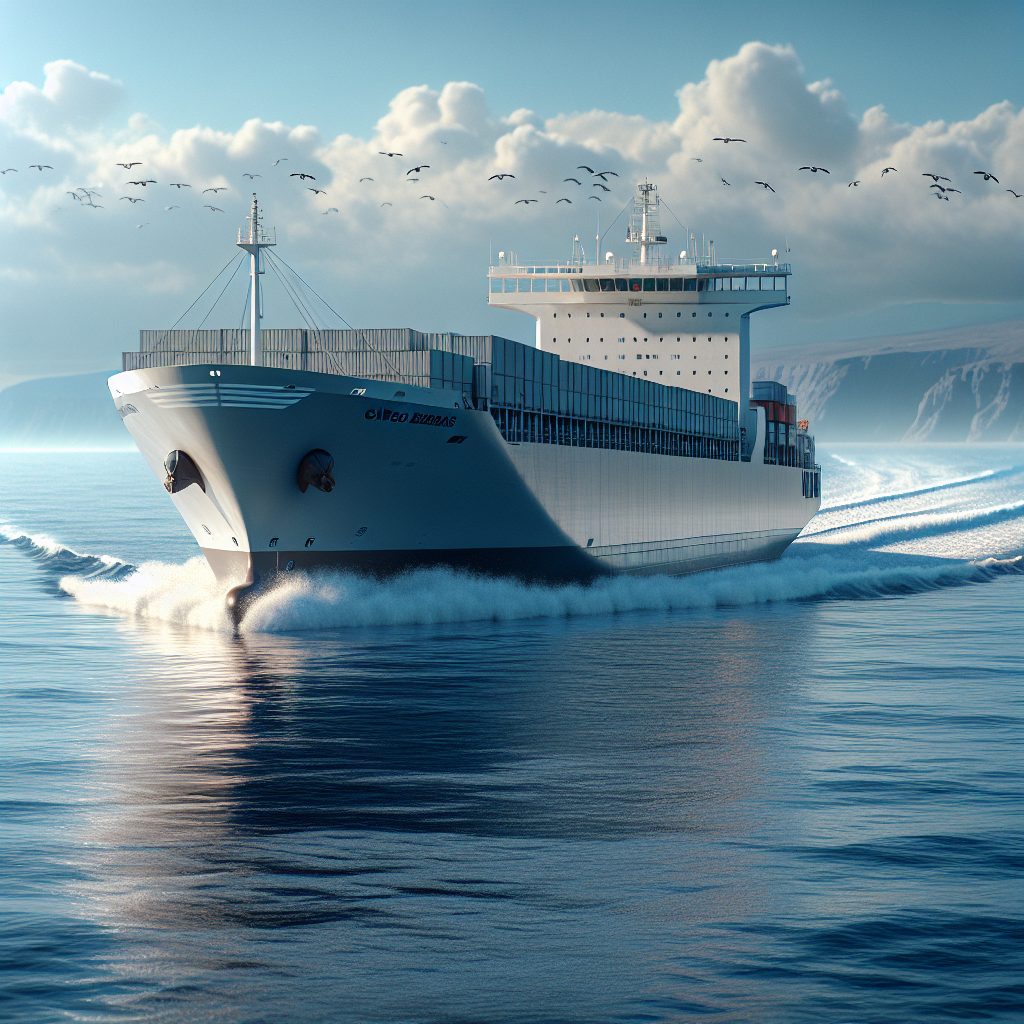
The Breñas Cargo Revolutionizes Maritime Transport in the Canary Islands In the competitive world of maritime transport, innovation and efficiency are key to standing out. Fred. Olsen Express, a company with a long history in the sector, has taken a step forward by inaugurating a new cargo route between Santa Cruz de Tenerife and Santa Cruz de La Palma. This new connection is served by their brand-new acquisition, the ro-ro vessel Breñas Cargo. With this addition, the shipping company not only expands its fleet but also reinforces its commitment to improving connectivity in the Canary archipelago. An Innovative Vessel Serving the Canary Islands The Breñas Cargo joins the already operational Bentayga Cargo and Bahía Cargo, completing a trio of vessels that promise to significantly improve the transportation of goods in the Canary Islands. With a length of 138.5 meters and a capacity of 10,585 GT, this ro-ro offers 1,500 linear meters for roll-on/roll-off cargo, allowing for the efficient transport of bulk cargo, dangerous goods, refrigerated cargo, and project cargo. Its maximum speed of 20 knots allows it to make three weekly rotations, covering the distance between Tenerife and La Palma in just six hours. Impact on the Market and Job Opportunities The addition of the Breñas Cargo not only expands Fred. Olsen Express’s logistics capacity but also generates new opportunities in the job market. With more connections and increased cargo capacity, local businesses can expand their commercial activities to the more distant islands and towards the Peninsula, through the route with Huelva. This increase in the flow of goods not only benefits the export and import industries but also fosters the creation of new job positions for logistics and merchant marine professionals. Connections and Logistics Facilities The new fleet configuration allows the Breñas Cargo to offer flexible and efficient maritime transport services. Customers can choose between hooked or unhooked cargo units and have the convenience of dropping off and picking up goods at different ports. With four daily connections between Gran Canaria and Tenerife, and three weekly connections between Tenerife and La Palma, Fred. Olsen Express ensures extensive logistical coverage. Benefits for Investors and Nautical Enthusiasts For maritime investors, the operation of the Breñas Cargo represents an opportunity to participate in a project that is generating tangible economic growth in the Canary region. Improvements in transport routes not only facilitate the exchange of goods but also drive the development of port infrastructures on the islands. Conclusion: A Bet on the Future of Maritime Transport The launch of the Breñas Cargo is more than just the addition of a new ship to Fred. Olsen Express’s fleet; it is a solid step towards a future where connectivity and efficiency in maritime transport are paramount. This vessel represents a promise of continuity and development for the Canary archipelago, highlighting the importance of investing in technologies that facilitate trade and the movement of goods. For those interested in working in the maritime sector, this is an invitation to explore the opportunities offered by Fred. Olsen Express. The expansion of their fleet and routes provides an ideal platform for professional growth in a field full of challenges and rewards. Thus, the Breñas Cargo not only transports goods but also carries with it the vision of 21st-century maritime transport: efficient, fast, and serving the economic development of the Canary Islands.
Innovation in Quantum Computing: Photonic Inc. Revolutionizes Maritime Security

Innovation in Quantum Computing: Photonic Inc. Revolutionizes Maritime Security Innovation in Quantum Computing: Photonic Inc. Revolutionizes Maritime Security In a world where maritime security faces increasingly complex challenges, technological innovation emerges as an indispensable ally. Photonic Inc., a global leader in distributed quantum computing based in Vancouver, has been selected as a semi-finalist in the IDEaS science and technology competition for the modernization of NORAD, organized by the Canadian Department of National Defence. This recognition underscores the revolutionary potential of the company in the field of security, delivering solutions that could redefine surveillance and protection strategies for maritime routes. Photonic Inc. has received an initial grant of 1 million Canadian dollars to develop its proposal for quantum repeater technology and advanced networks over the next year. Quantum computing is becoming a cornerstone for security not only on land but also in the oceans, where the control and management of maritime traffic are crucial. This technology will enable more secure and efficient communication between ships and land stations, protecting critical data against cyber threats. For maritime industry professionals, the significance of this innovation lies in its ability to transform traditional communication and security systems. The implementation of enhanced quantum networks could increase accuracy in threat detection and improve international coordination in emergencies, a crucial advancement for global security. Technical Aspects of Quantum Computing and its Maritime Application Quantum computing has emerged as a disruptive technology, with applications ranging from cryptography to the simulation of complex systems. In the maritime sector, its application focuses on creating quantum communication networks capable of transmitting information virtually impervious to interceptions, thanks to principles such as quantum entanglement and state superposition. Quantum repeaters by Photonic Inc. work by increasing the distance qubits, the units of quantum information, can travel without fidelity loss. This is essential for maritime communications, where long distances present a continuous challenge. Navigators could benefit from these improvements by achieving more reliable and secure connections during large-scale maritime crossings. Furthermore, quantum technology offers the possibility of performing faster and more efficient calculations, which can be applied to route analysis and weather conditions. For investors and enthusiasts, this innovation suggests new business opportunities in developing quantum network infrastructures applied to maritime transport. Employment and Educational Opportunities in the Quantum Maritime Sector The expansion of quantum technology in the maritime sector opens up a new range of job opportunities. Companies adopting these innovations will require professionals skilled not only in navigation but also in handling sophisticated quantum computing systems. Photonic Inc., leading this transformation, could become a key employer in this emerging area. For readers interested in exploring new career opportunities, staying informed about vacancies in companies like Photonic Inc. and others incorporating quantum computing into their operations is recommended. The demand for specialized profiles in this technology is expected to grow significantly in the coming years. Moreover, for those interested in the educational aspect, acquiring knowledge in quantum computing and related technologies could be a strategic step. Universities and research centers are starting to offer specialized programs that will prepare the next generation of professionals capable of innovating in this exciting field. Relevance of Photonic Inc.’s Innovation for the WishToSail.com Audience For professionals in the merchant navy, the implementation of quantum networks could mean safer and more efficient communications, minimizing the risk of disruptions in logistics and enhancing coordination in multinational operations. Recreational sailors will benefit from increased safety during their journeys, with more robust and less vulnerable communication systems. For maritime investors, quantum computing represents an investment opportunity in emerging technologies promising to transform maritime transportation. Innovations in quantum networks and security could generate significant returns as the naval sector modernizes with these new technologies. Finally, for nautical enthusiasts, this advancement offers a fascinating glimpse into the future of maritime transport. Quantum computing not only optimizes security and efficiency but also prompts reflection on how technology will redefine the sailing experience in the coming decades. Conclusion: A New Horizon for Maritime Security The selection of Photonic Inc. in the IDEaS competition is a testament to the transformative potential of quantum computing in the maritime sector. As we move towards a future where security and efficiency are crucial, these innovations not only position the company as a leader in cutting-edge technology but also promise to redefine safety and communication standards at sea. Those interested in the practical applications of these technologies in navigation and fleet management should closely follow the developments of Photonic Inc. and consider how these innovations can be integrated into their daily operations. With the promise of more secure and efficient networks, the maritime sector is on the verge of a new era of technological evolution.
The Future of Marine Propulsion: A Sustainable Revolution

The Future of Marine Propulsion: A Sustainable Revolution The maritime sector is at a crucial moment of transition towards energy sustainability, with companies like WinGD leading the way. WinGD, a Swiss company under the Chinese conglomerate CSSC, has taken a significant step by completing the installation of the first two-stroke marine engine powered by ammonia on a merchant ship. This breakthrough, marking a milestone in the industry, promises to redefine the balance between operational efficiency and environmental sustainability. The X52DF-A engine, manufactured by HD Hyundai Heavy Industries and installed on a 46,000 cubic meter capacity tanker destined for the transport of liquefied petroleum gases and ammonia, represents a significant leap towards zero emissions. Integrating high-pressure ammonia injection technology with minimal conventional fuel doses, this innovative machinery has shown promising results in tests, with ammonia emissions below 10 parts per million (ppm) and nitrous oxide below 3 ppm. Operating with ammonia results in lower NOx emissions compared to diesel, not only offering environmental benefits but also potential operational cost savings for shipping companies. The Future of Shipbuilding: A Model to Follow The vessel housing this new engine is part of a series of four identical units being built at HD Hyundai Mipo Shipyard in South Korea. It sets the foundation for future developments in the industry, with ammonia adoption seen as a key strategy to achieve decarbonization goals in maritime transport. WinGD has secured orders for approximately 30 X-DF-A engines for various types of vessels, including gas carriers, bulk carriers, and container ships, reflecting the industry’s growing confidence in this disruptive technology. One confirmed project involves a partnership with Trafigura to build four medium-sized gas carriers, scheduled for deployment between 2027 and 2028. This advancement highlights how technological innovations can create job opportunities for professionals in the maritime sector, ranging from engineers to machinery technicians and operators. Mastering these new technologies could open doors to new career paths. Impact, Opportunities, and Challenges for the Industry The introduction of ammonia as the next-generation fuel has significant implications for the shipping industry. It allows shipping companies to comply with environmental regulations without compromising efficiency or facing prohibitive costs. With increasing pressure to reduce carbon emissions, this technology provides a viable solution that could gain industry favor. For maritime investors, this development offers an opportunity to position themselves at the forefront of sustainable transportation. Investing in ammonia propulsion technology is not only a bet on the future but also a signal of staying ahead of impending global regulations. The growing interest in X-DF-A engines demonstrates the confidence building around this technological paradigm. An Invitation to Join the Revolution In a context where sustainability is key, this development represents not only a technological innovation but also a call to action for the maritime industry. Professionals, shipping companies, and new talents are invited to actively participate in this change. Companies like WinGD are leading the way but require the support and involvement of all stakeholders to translate this collective effort into real and sustainable improvement. This innovation not only positions WinGD and its partners on the sustainability map but also offers a roadmap for companies seeking to transform and adapt to the environmental demands of the 21st century. The future of maritime transport is at stake, and the adoption of technologies like ammonia propulsion is the path to a cleaner and more efficient industry. As the industry moves towards a greener future, every little step counts. For professionals and nautical enthusiasts, learning and adapting to these new technologies is not just an option but a necessity. The integration of ammonia as an energy source is only the beginning of a transformation that promises to redefine the sector as we know it.
The Revolution of the US Naval Industry by Hanwha Shipping

The Revolution of the US Naval Industry by Hanwha Shipping The maritime industry is at a crucial moment with the latest commission from Hanwha Ocean, a South Korean shipyard, which has entrusted its US subsidiary Hanwha Shipping with the construction of a LNG carrier with a capacity to transport 174,000 m3 of liquefied natural gas (LNG). This project marks a significant milestone, being the first order for a ship of this type in a US shipyard since the 1970s. A Strategic Boost for the US Naval Industry The project, costing approximately $250 million, represents a rebirth in US shipbuilding, enhancing the country’s competitiveness in the global maritime sector. This strategic move not only positions Hanwha Shipping as a leader in LNG tanker technology but also opens up new job opportunities in the industry, encouraging professionals to consider new growth perspectives. The facilities at Hanwha Philly Shipyard in Philadelphia will play a crucial role in the project, overseeing US regulatory compliance in collaboration with Hanwha Ocean shipyard in Geoje, South Korea. This collaborative approach highlights the growing importance of international partnerships in the maritime industry. The decision to flag the vessel in the US reflects the commercial strategies driven by new government policies, gradually requiring a percentage of LNG exports to be carried on US-built ships. Modernization and Technology: Keys to Success The recent acquisition of the historic Philly Shipyard by Hanwha for $100 million is part of a broader strategy to revitalize and modernize shipbuilding facilities in the US. With over half of large merchant ships subject to the Jones Act built at this shipyard since 2000, Philly Shipyard is a key player in the industry. Hanwha has committed an additional investment of $72 million to transform the Philly Shipyard facilities into a high-tech reference point, aiming to produce up to 10 ships annually by 2035. This not only ensures a steady flow of work for the shipyard but also positions it to become a driver of technological innovation in LNG tanker construction. The ability of Philly Shipyard to adapt and evolve with market demands is a testament to Hanwha’s resilience and strategic vision. This modernization is not only essential to comply with USCG regulations but also represents a focus on sustainability and energy efficiency in shipbuilding. Opportunities in an Expanding Market The growth of the LNG market presents a significant opportunity for maritime investors and industry professionals. With a growing demand for cleaner energy solutions, the ability to deliver high-tech LNG carriers positions Hanwha as a strategic partner in the global energy transition. The initiative also opens doors to an expanding workforce sector, requiring highly skilled professionals in the construction of sophisticated vessels that meet international standards. For sailors and nautical enthusiasts, this is an opportunity to engage in a cutting-edge project that promises to redefine LNG maritime transport. In summary, Hanwha Shipping is not only revolutionizing the field of shipbuilding in the US but also laying the groundwork for the future of global LNG transportation. The scale of this project is a reminder of the innovation potential and positive impact it can have on the global maritime industry. Relevance for the Audience This development is particularly relevant for merchant marine professionals as it offers new job opportunities and training in advanced technologies used in shipbuilding. Additionally, for maritime investors, it represents an investment opportunity in a continuously growing market, with a focus on sustainability and energy efficiency. For nautical enthusiasts, this project offers a window into the innovations that are redefining the future of navigation. Through advanced technology and international collaboration, Hanwha Shipping is paving the way for a more sustainable and competitive maritime sector. As the maritime industry continues to evolve, it is essential for professionals and enthusiasts to stay informed of these developments and consider how they can participate in this exciting period of change and growth. In conclusion, Hanwha Shipping has demonstrated that innovation and international collaboration are essential for success in the modern maritime industry. This new LNG carrier order not only showcases their leadership in the sector but also underscores the importance of investing in technology and modernization to maintain global competitiveness.
Advancements in BioGNL in Spain: Innovation and Opportunities in the Maritime Sector
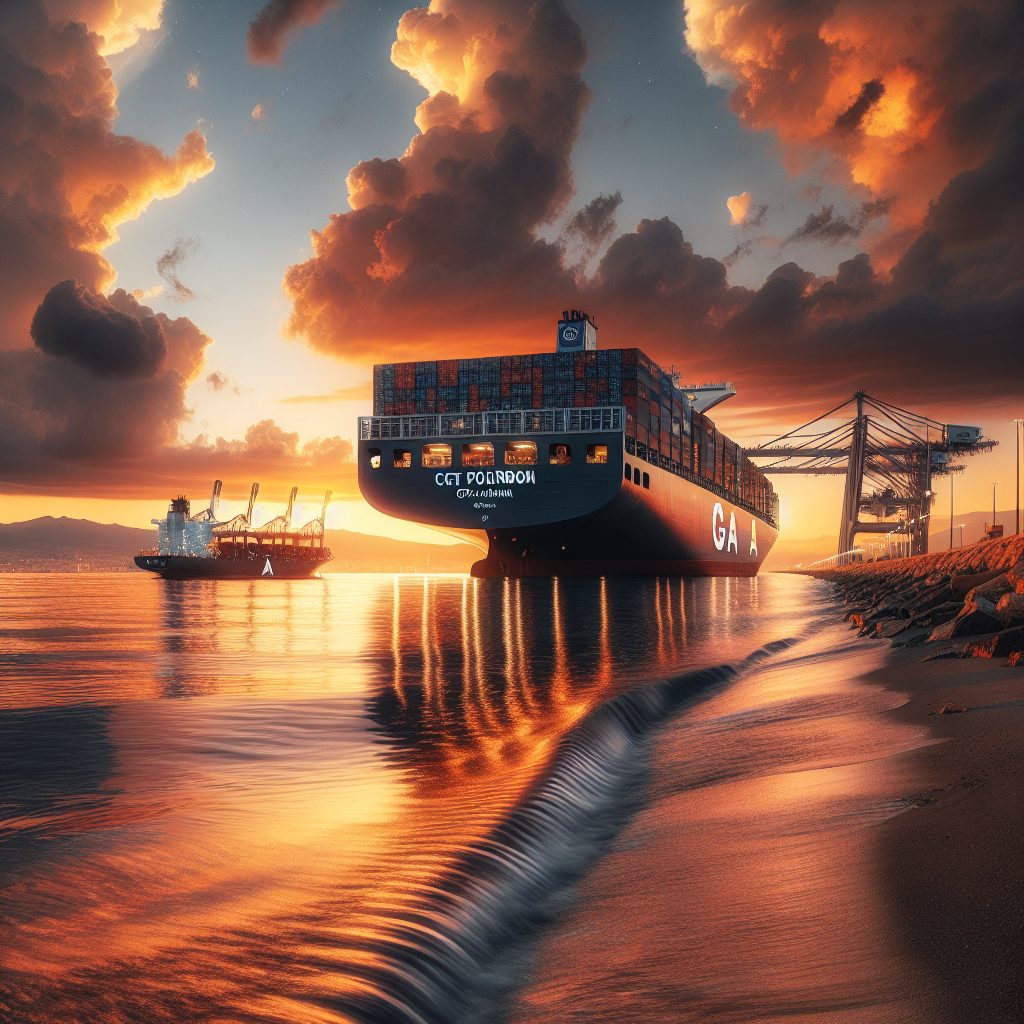
Advancements in BioGNL in Spain: Innovation and Opportunities in the Maritime Sector The use of more sustainable fuels in the maritime sector is a growing trend aimed at reducing the carbon footprint of this crucial industry. In this context, bio liquefied natural gas (BioGNL) emerges as a promising alternative. Recently, Axpo, a renowned energy company, has reached a milestone by completing a BioGNL supply operation in the port of Algeciras, Cadiz. This operation highlights the importance of adopting cleaner energy sources in navigation. The operation involved supplying 4,000 tons of biomethane to the container ship CGA CGM Fort Bourbon from the ship Avenir Aspiration, chartered to the shipping company Avenir LNG. This type of supply, known as ship-to-ship, represents a significant logistical and technological advancement in the maritime sector. It stands out not only for its efficiency but also for the industry’s clear commitment to sustainability. This operation marks a significant step towards reducing carbon emissions in the maritime industry. Ship-to-ship supply is a major logistical and technological development in the maritime sector. Professionals in the maritime sector can benefit from adapting to these technological innovations. The Certification ISCC EU and its Environmental Impact One of the keys to the success of this operation has been the certification of the Enagás regasification plant in Cartagena. This plant has received the International Sustainability and Carbon Certification from the European Union (ISCC EU), a recognition that ensures compliance with strict environmental, social, and traceability criteria. The ISCC EU certification is a gold standard in the energy sector, ensuring that the biofuel produced meets the sustainability principles established by the European Commission. This certification not only guarantees a lower environmental impact but also improves the traceability of the fuel, ensuring that each step of the process is recorded and evaluated. The ISCC EU certification ensures compliance with strict environmental and social criteria. Improving traceability in biofuel production is crucial for sustainable practices. This certification adds long-term value and competitive advantages for maritime investors and companies. Expansion and Future Opportunities Axpo’s ambitions do not stop here. Following their initial operation in Malaga on March 14th, the company has announced plans to expand its BioGNL service to other ports on the Iberian Peninsula. This expansion will be driven by two newly constructed vessels with capacities of 7,500 m³ and 12,500 m³. This deployment will allow Axpo to meet growing demand and offer additional services such as Gassing Up and Cool Down. The expansion of these operations will not only create new jobs but also pave the way for innovation in the design and operation of vessels dedicated to transporting and supplying BioGNL. Axpo’s expansion plans signal a growing demand for sustainable energy sources in the maritime industry. New job opportunities will arise with the expansion of BioGNL services in various ports. The use of BioGNL in maritime operations opens up avenues for innovation and efficiency. The Importance of BioGNL for the Maritime Sector The introduction of BioGNL as an alternative fuel is a key strategy to reduce greenhouse gas emissions in the maritime industry, which accounts for 2-3% of global emissions. This biofuel enables shipping companies to comply with increasingly strict environmental regulations while maintaining competitiveness in a globalized market. BioGNL is crucial not only for its role in emission reduction but also for its potential to diversify the energy matrix of maritime operations. This fuel offers a comparable energy density to traditional fossil fuels, making it a viable option for covering long distances without the need for frequent refueling. BioGNL plays a vital role in reducing greenhouse gas emissions in the maritime industry. It offers a sustainable and efficient alternative for various types of vessels. Adopting BioGNL reflects a commitment to environmental sustainability and technological advancement. Conclusions: Innovation and Future in the Sector Axpo’s operations in Cartagena and Algeciras are clear indicators that the future of the maritime sector is dominated by renewable energies. BioGNL is not only a viable option but a necessity in a world moving towards sustainability. This transformation offers multiple benefits, from emission reduction to potential long-term cost savings. For maritime professionals, investors, and nautical enthusiasts, now is the time to engage in this sustainable revolution. The maritime industry’s future is closely tied to renewable energies like BioGNL. Embracing sustainable technologies can lead to a competitive edge in the industry. BioGNL symbolizes innovation and change in the maritime sector.
The Strategic Contract between Oceaneering and the US Navy

The Strategic Contract between Oceaneering and the US Navy Oceaneering International, Inc. has achieved a significant breakthrough by securing an Indefinite-Delivery/Indefinite-Quantity (IDIQ) contract for the maintenance and repair of valves and actuators for the US Navy’s Virginia-class submarines. This agreement, managed by the company’s Marine Services division within its Aerospace and Defense Technologies (ADTech) segment, is a crucial step in supporting the Navy’s Corporate Component Repair Program (CCRP). The collaboration will be focused on the facilities of NAVSUP WSS (Naval Supply Systems Command Weapon Systems Support) in Mechanicsburg, Pennsylvania. The IDIQ contract offers flexibility in the quantity and delivery schedule, allowing for adaptation to the Navy’s operational needs. This type of agreement not only strengthens the relationship between Oceaneering and the Navy but also ensures that the submarines are in optimum condition for their missions. For maritime professionals and seafarers, these contracts are essential as they guarantee operational readiness and safety on maritime routes. In terms of technological relevance, the maintenance of valves and actuators is crucial for the safe operation of high-tech submarines like the Virginia-class. These components are essential for fluid flow control and precision in underwater maneuvers. Oceaneering’s cutting-edge technology, incorporating advanced diagnostic systems and state-of-the-art repair techniques, not only extends the lifespan of the components but also enhances their performance. From an economic and labor perspective, this contract has a significant impact, not only for Oceaneering but also for the local economy of Mechanicsburg and surrounding areas. The need for skilled personnel to carry out these repairs creates job opportunities for engineers, technicians, and naval logistics specialists, contributing to local economic growth. This contract exemplifies how the defense sector remains a fundamental pillar for technological development and economic growth. Oceaneering’s partnership with the US Navy positions them as a reliable partner and contributes to the global advancement of maritime technologies. For professional seafarers and sector investors, these alliances represent tangible opportunities for growth and development. Future Perspectives and Conclusions Participating in projects of this magnitude can lead to innovations that transcend military uses and are applied in commercial and recreational navigation. In summary, Oceaneering’s new contract symbolizes not only technical progress but also serves as a stimulus for the professional maritime community to continue participating, developing, and exploring in an ever-evolving sector. It invites all stakeholders to stay informed and consider the wide range of possibilities offered by the future of the maritime sector.