The Future of Marine Propulsion: A Sustainable Revolution
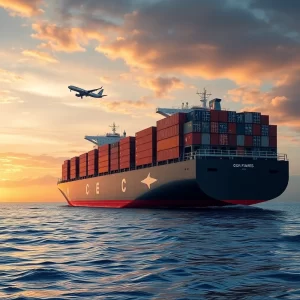
The maritime sector is at a crucial moment of transition towards energy sustainability, with companies like WinGD leading the way. WinGD, a Swiss company under the Chinese conglomerate CSSC, has taken a significant step by completing the installation of the first two-stroke marine engine powered by ammonia on a merchant ship. This breakthrough, marking a milestone in the industry, promises to redefine the balance between operational efficiency and environmental sustainability. The X52DF-A engine, manufactured by HD Hyundai Heavy Industries and installed on a 46,000 cubic meter capacity tanker destined for the transport of liquefied petroleum gases and ammonia, represents a significant leap towards zero emissions.
Integrating high-pressure ammonia injection technology with minimal conventional fuel doses, this innovative machinery has shown promising results in tests, with ammonia emissions below 10 parts per million (ppm) and nitrous oxide below 3 ppm. Operating with ammonia results in lower NOx emissions compared to diesel, not only offering environmental benefits but also potential operational cost savings for shipping companies.
The Future of Shipbuilding: A Model to Follow
The vessel housing this new engine is part of a series of four identical units being built at HD Hyundai Mipo Shipyard in South Korea. It sets the foundation for future developments in the industry, with ammonia adoption seen as a key strategy to achieve decarbonization goals in maritime transport. WinGD has secured orders for approximately 30 X-DF-A engines for various types of vessels, including gas carriers, bulk carriers, and container ships, reflecting the industry’s growing confidence in this disruptive technology.
- One confirmed project involves a partnership with Trafigura to build four medium-sized gas carriers, scheduled for deployment between 2027 and 2028.
This advancement highlights how technological innovations can create job opportunities for professionals in the maritime sector, ranging from engineers to machinery technicians and operators. Mastering these new technologies could open doors to new career paths.
Impact, Opportunities, and Challenges for the Industry
The introduction of ammonia as the next-generation fuel has significant implications for the shipping industry. It allows shipping companies to comply with environmental regulations without compromising efficiency or facing prohibitive costs. With increasing pressure to reduce carbon emissions, this technology provides a viable solution that could gain industry favor.
For maritime investors, this development offers an opportunity to position themselves at the forefront of sustainable transportation. Investing in ammonia propulsion technology is not only a bet on the future but also a signal of staying ahead of impending global regulations. The growing interest in X-DF-A engines demonstrates the confidence building around this technological paradigm.
An Invitation to Join the Revolution
In a context where sustainability is key, this development represents not only a technological innovation but also a call to action for the maritime industry. Professionals, shipping companies, and new talents are invited to actively participate in this change. Companies like WinGD are leading the way but require the support and involvement of all stakeholders to translate this collective effort into real and sustainable improvement.
This innovation not only positions WinGD and its partners on the sustainability map but also offers a roadmap for companies seeking to transform and adapt to the environmental demands of the 21st century. The future of maritime transport is at stake, and the adoption of technologies like ammonia propulsion is the path to a cleaner and more efficient industry.
As the industry moves towards a greener future, every little step counts. For professionals and nautical enthusiasts, learning and adapting to these new technologies is not just an option but a necessity. The integration of ammonia as an energy source is only the beginning of a transformation that promises to redefine the sector as we know it.